Published 17 June 2026 | Updated 13 October 2026 by Kate Acaster
Yes, Prague is still one of the cheapest capital cities in Europe. Budget travellers can get by on £35-50 per day including a hostel bed, meals, transport, and a couple of paid attractions. Mid-range is around £95-140 per day with a decent hotel. That’s roughly half what you’d spend on a comparable trip to Paris or Amsterdam.
Advertisement
You will find more destinations covered in Flight Tribe’s destination guides, each built around verified prices for UK travellers.
Is Prague still cheap in 2027?
Prague is significantly cheaper than most Western European capitals, though it’s no longer the bargain it was before 2019. Prices have risen around 20-25% since the pandemic, driven by higher tourism demand and domestic inflation. A meal that cost 120 CZK (about £4) in 2018 now costs 180-200 CZK (£6-7). Hotel rates have climbed similarly.
That said, the value is still strong by UK standards. You can eat a proper hot lunch for under £7, find a hostel bed for £15 to £20, and cross the city on public transport for under £2. Compare that with £15-20 for a pub lunch in London, and the maths still works firmly in Prague’s favour.
One comparison that puts it in perspective: Prague costs roughly 40-50% less than Paris, London, or Amsterdam for an equivalent experience. It’s on a par with Budapest and a step up from Warsaw in terms of pricing.
Is Prague cheap for UK tourists?
Yes. Budget travellers spend £35-50 per day including accommodation. Mid-range is £95-140. Those figures are well below comparable Western European cities, and flights from the UK are among the cheapest in Europe.
How much does Prague cost per day?
Costs vary significantly by travel style, but even the mid-range column below comes in well below what you’d spend in Paris or Rome. The table uses current CZK prices converted at approximately 29 CZK to the pound, so verify the rate before you go.
| Category | Budget | Mid-range | Comfortable |
|---|---|---|---|
| Accommodation | £15-20 | £55-75 | £100-160 |
| Food | £10-14 | £20-30 | £40-60 |
| Drinks | £3-5 | £8-12 | £18-28 |
| Transport | £5 | £4-5 | £8-15 |
| Attractions | £0-5 | £8-15 | £20-35 |
| Daily total | £33-49 Budget | £95-137 Mid-range | £186-298 Comfortable |
How much spending money do I need for 4 days in Prague?
On a budget, allow £200-250 total excluding flights (£50 per day covering hostel, food, transport, and one or two paid sights). Mid-range, budget £350-450. If you’re staying in a decent hotel and eating out properly for every meal, budget £500+.
Can you do Prague on £50 a day?
Yes, comfortably. Hostel bed: £15 to £20. Polední lunch menu: £6. Pub dinner with a beer: £8. Two more beers in the evening: £4. Day transport pass: £5. Average out the Prague Castle entrance (£15.50 over 4 days) and you’re still under £50 before any incidentals. That’s a full, enjoyable day.
Getting to Prague from the UK
Direct flights from UK airports are cheap and frequent. Ryanair, easyJet, and Wizz Air between them cover most major UK cities, with return fares starting from around £30-60 if you book at least 6-8 weeks ahead. British Airways flies direct from Heathrow for those who prefer it, typically at a premium.
Once you land, skip the taxi queue. Václav Havel Airport sits about 17km from the city centre, and the official taxis are overpriced. The Airport Express bus and public transport are your best options.
| Option | Cost (CZK) | Cost (£) | Notes |
|---|---|---|---|
| Airport Express | 200 CZK | ~£7 | Direct to Hlavní nádraží Direct |
| Bus 59 + Metro | 46 CZK | ~£1.60 | Bus to Nádraží Veleslavín, then Metro A Cheapest |
| Bolt / Uber | 350-500 CZK | £12-17 | Door to door, good value for groups Groups |
| Official taxi | 700-900 CZK | £24-31 | From the official rank Avoid |
Book flights via our cheap flights guide for tips on the best booking windows. If you’re flexible on dates, Tuesday and Wednesday departures are consistently cheaper than weekends.
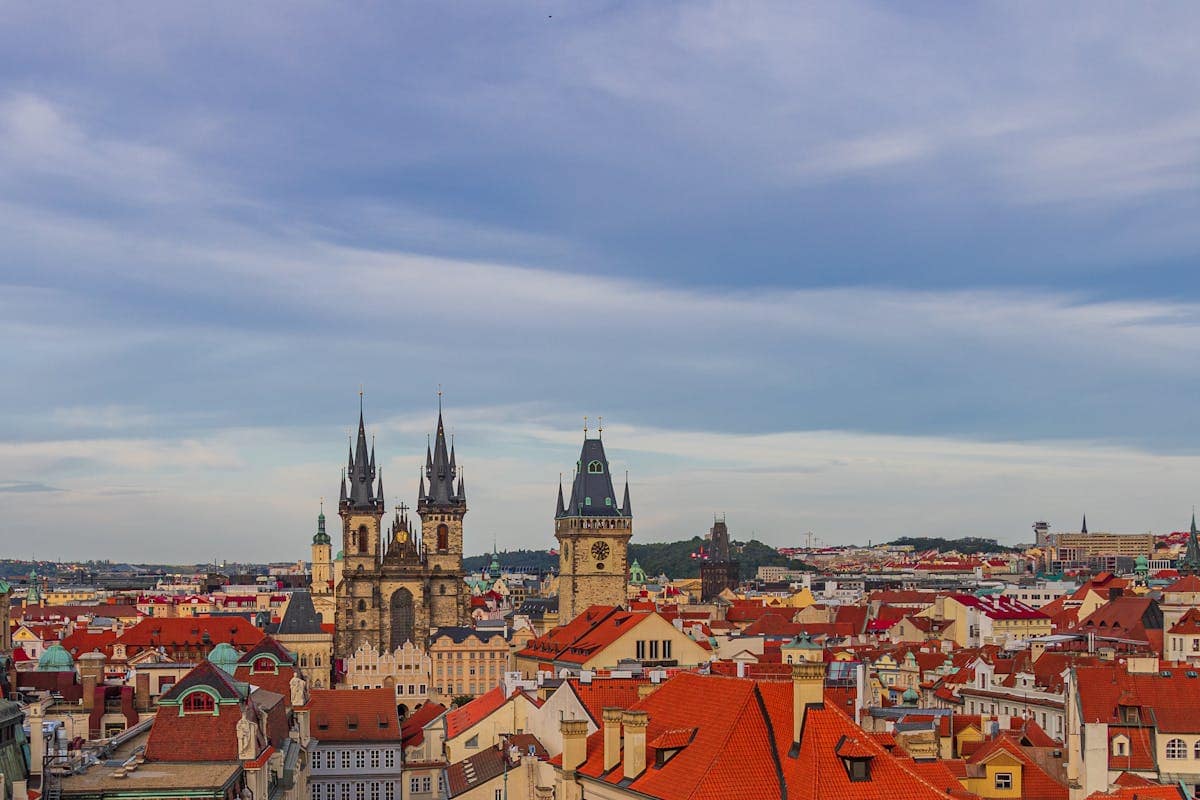
Where to stay in Prague on a budget
The best-value areas sit just outside the tourist centre. Žižkov and Vinohrady are two tram stops from the main sights and offer noticeably lower hotel prices. You’re paying for location, and the location in Prague’s tourist centre is simply not worth the premium.
Affordable:
- RoadHouse Prague. Small, well-reviewed hostel on Náprstkova in the Old Town, a short walk from Charles Bridge. Dorm beds at the lower end of the £15 to £20 hostel range in the cost table above, with family-style dinners rather than a party scene.
- Hostel One Home. Popular with solo travellers for its social events and reliable facilities. Consistently good reviews across booking platforms.
Mid-range:
- B&B Hotel Prague City. Clean, comfortable rooms at the budget-hotel end of the market. One of the most reliable chains in this price range: no surprises, everything works. Good value against the tourist-centre alternatives.
- Hotel Mosaic House. Design-led hotel with good breakfasts, a step up in price from the budget chains. New Town location within walking distance of the old city and Wenceslas Square.
High-end, worth it:
- Hotel Paris Prague. An Art Nouveau building near the Old Town Square. Rooms from around £150-200. At that price in London you would not be staying in a landmark early 20th-century building. Prague’s cost advantage puts this tier within reach.
- Four Seasons Prague. On the Vltava riverbank with views of Charles Bridge and the castle. Off-peak rates can drop sharply. By global Four Seasons standards, that is rare value.
Avoid booking within 200 metres of Charles Bridge unless cost is not a concern. Tourist-area accommodation runs 30-50% higher than equivalent rooms one tram stop away.
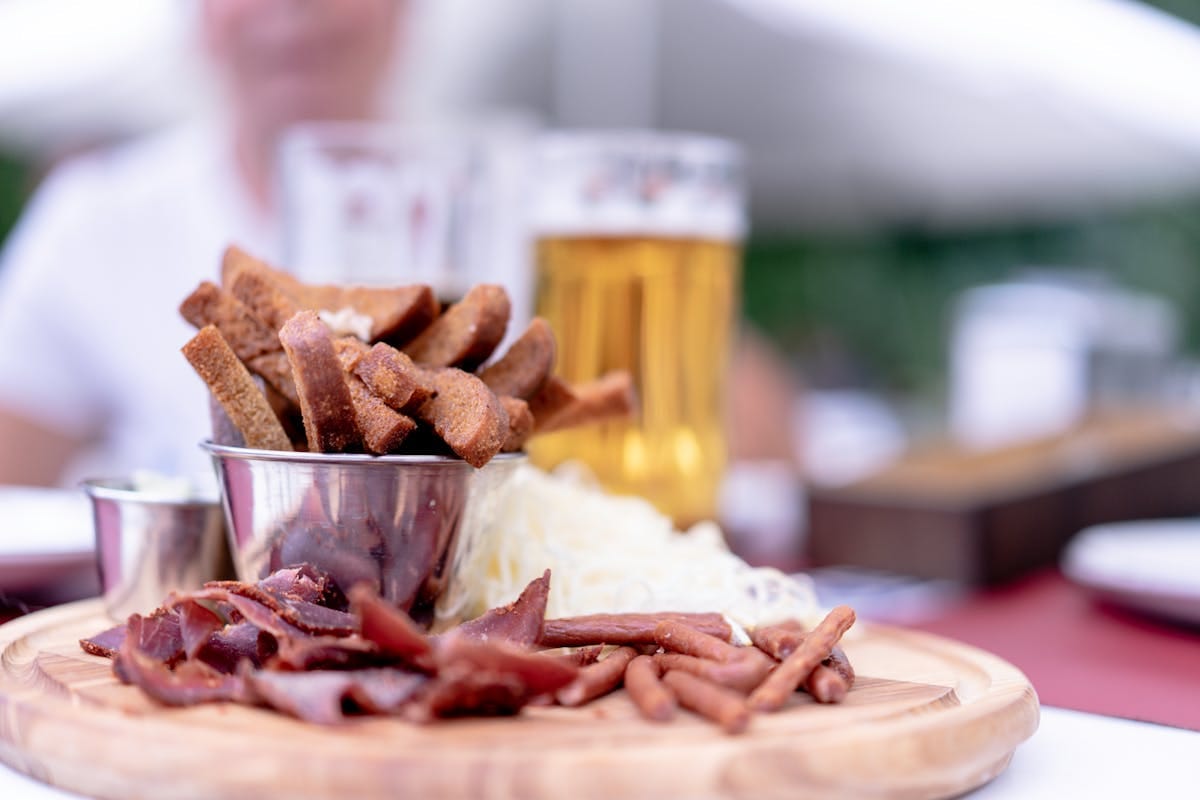
Eating and drinking on the cheap
Prague is one of the few European capitals where eating well and spending very little aren’t mutually exclusive. The key is the polední menu, a two-course lunch deal available at hundreds of local restaurants from around 11am to 2pm. Expect to pay 130-170 CZK (£4.50-6) for a soup and a main. It’s how locals eat on weekdays, and the quality is usually very good.
Is food expensive in Prague?
No, not if you avoid the tourist strip. A main course with a beer at a local hospoda (pub) costs £6-8. The polední menu runs £4.50-6 for two courses. Restaurants immediately around Charles Bridge and Old Town Square charge two to three times as much for the same dishes.
Lokál on Dlouhá Street is worth the slightly higher price: a proper Czech pub with excellent Pilsner Urquell on tap and a menu of svíčková (beef in cream sauce with bread dumplings) and goulash. A full meal with two beers comes to around £15-18. U Houdků in Žižkov is a local institution, with massive portions of goulash for around £6.50 and beer for under £2 a half-litre.
For beer specifically, Prague’s craft beer scene has expanded significantly. Vinohradský Pivovar in Vinohrady brews its own beer on site and charges around £2 a pint, a fair bit more than a local pub but still cheap by UK standards. U Medvídků near the old town is a historic beer hall worth a visit, with house-brewed dark lager. The Letná beer garden is the best outdoor option, with great views over the city and pints for under £2.50.
Street food fills the gaps cheaply. Sausage stalls near Václavské náměstí (Wenceslas Square) sell grilled klobásy for around £2.50. A trdelník, the ubiquitous chimney cake, costs about £2 from a market stall. It’s a tourist thing, but it’s still good.
Three restaurants worth seeking out
Budget: U Houdků. A Žižkov neighbourhood pub that local residents actually use. Enormous portions of goulash and roast pork with bread dumplings. Mains around £6.50, beer under £2 a half-litre. Essentially unchanged for decades. Bořivojova 110, Žižkov (Prague 3).
Mid-range: Lokál. On Dlouhá Street in the Old Town, with a more central location and the same serious commitment to quality Czech pub food. Svíčková (beef sirloin in cream sauce with bread dumplings), goulash, schnitzel. Pilsner Urquell on tank. Full meal with two beers around £15-18. Book ahead for evenings. Dlouhá 33, Staré Město.
Worth the splurge: La Degustation Bohême Bourgeoise. One Michelin star, built on historical Czech cuisine reinterpreted with modern technique. Tasting menus from around €100. The most interesting fine dining in the city, and considerably cheaper than equivalent starred restaurants in Paris or London. Haštalská 18, Old Town. Book well ahead.
Getting around Prague: what it costs
Prague’s public transport system is one of the best in Central Europe. Metro, trams, and buses all run on the same ticketing system and cover the whole city. A single ticket (valid for 90 minutes with unlimited changes) costs 46 CZK in the PID Lítačka app or 50 CZK on paper (about £1.60 to £1.70). A 72-hour pass costs 340 CZK in the app or 350 CZK on paper (about £12) and is almost always better value if you’re staying four days or more.
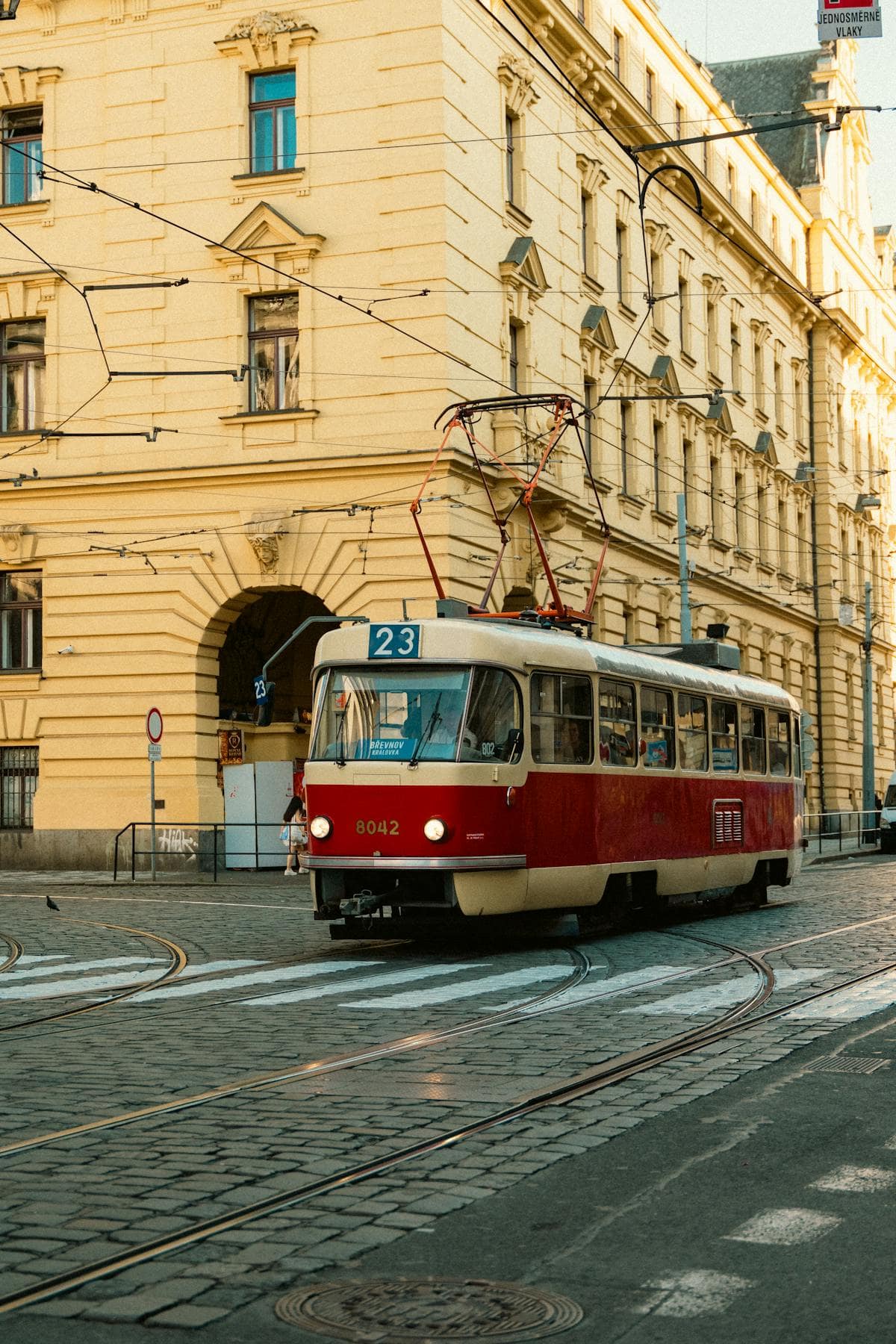
Tram 22 is the one worth knowing. It runs from Vinohrady through Malá Strana, past Prague Castle, and on to Bílá Hora, passing many of the city’s best viewpoints and neighbourhood streets en route. It costs the same as any other tram: a single ticket or your pass. Cycling is another good option; the Rekola shared bike scheme charges 40 CZK (£1.40) for every 30 minutes on a standard bike.
Walking is the best way to explore Prague’s historic centre. The old town is compact, and most of the key sights are within 20 minutes of each other on foot. Save the transport pass for reaching neighbourhoods like Žižkov, Holešovice, and Vinohrady where the local restaurants and bars are.
For taxis, use Bolt rather than hailing from the street. A cross-city Bolt ride typically costs £4-7. Official rank taxis at tourist hotspots can charge three to four times that.
Ten money-saving tips for Prague
These are the practical differences between a trip that feels affordable and one that doesn’t.
- Use bus 59 from the airport. The 90-minute ticket (46 CZK in the app, 50 CZK on paper, about £1.70) to Nádraží Veleslavín metro station covers both the bus and the metro into the centre. The Airport Express bus (200 CZK / £7) runs direct to the main railway station. Both are dramatically cheaper than a taxi.
- Eat the polední menu for lunch. Most local restaurants offer a two-course meal for 130-170 CZK (£4.50-6) between 11am and 2pm. It’s the best value meal in Prague and the food is usually the same quality as the evening menu.
- Avoid Charles Bridge restaurants. Anything within visual range of the bridge charges tourist prices. Walk five minutes in any direction and prices drop significantly.
- Buy a 72-hour transport pass on arrival. At 340 CZK (about £12) in the app, it pays for itself after eight journeys and removes the faff of buying individual tickets.
- Pay in Czech koruna, not euros. Many central Prague shops and restaurants technically accept euros, but the implied exchange rate is poor, often 10-15% worse than the spot rate. Always pay in CZK.
- Use a Monzo or Revolut card for cash. Airport exchange booths and standalone kiosks (especially those with “0% commission” signs) typically use unfavourable rates. A Monzo or Revolut card lets you withdraw koruna from a bank ATM at or near the interbank rate.
- Visit Prague Castle early. The castle grounds are free to enter. The Main Circuit ticket (St Vitus Cathedral, the Old Royal Palace, St George’s Basilica and Golden Lane) costs 450 CZK (£15.50). Going early means shorter queues and better light for photos.
- Book trains to day trips in advance. Kutná Hora (the Bone Church town) is 70 minutes by train; Karlštejn Castle is 40 minutes. Both are worth it. Czech Railways (CD) tickets are cheap booked online via cd.cz, with a return to Kutná Hora costing around 200 CZK (£7).
- Take a free walking tour. SANDEMANs Free Tour of Prague runs daily from Old Town Square, covers the Old Town, Jewish Quarter and Wenceslas Square, and operates on tips. A £5-10 tip is reasonable and the guides are usually excellent.
- Go in May or September. You’ll pay noticeably less for accommodation than in July and August, the weather is mild, and the main sights are significantly less crowded. The Christmas market period (late November to late December) is festive but busy and expensive.
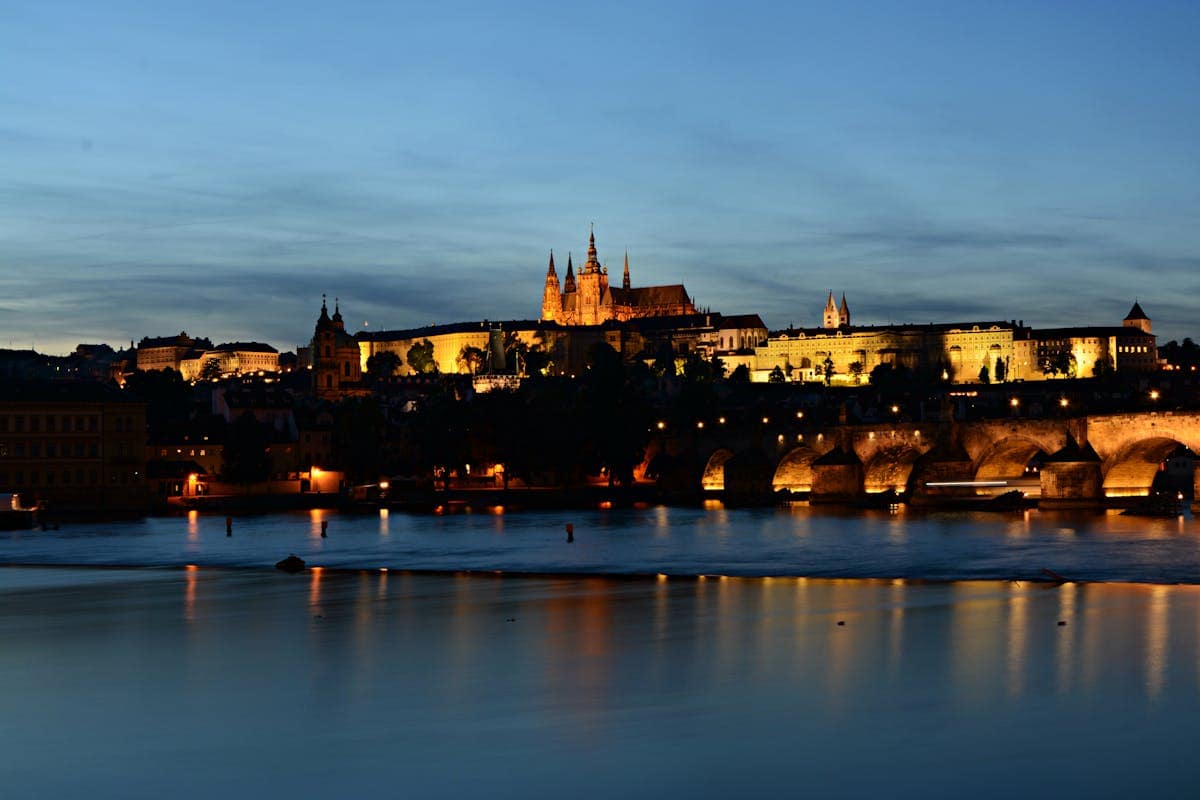
What’s free and what costs money
Prague’s most iconic sights don’t require a ticket. Charles Bridge is free to walk at any time; go early morning (before 8am) for fewer people and better light. Old Town Square and the Astronomical Clock are free to stand in and watch. The castle grounds are free; it’s the internal buildings that cost.
Paid attractions worth the money:
- Prague Castle Main Circuit: 450 CZK (£15.50). Covers St Vitus Cathedral, the Old Royal Palace, Basilica of St George and Golden Lane. The cathedral alone justifies the ticket price.
- Petřín Tower: 250 CZK (£8.50), half price in the first hour after opening. The views from the top are the best in the city. Walk up the hill (free) and pay just for the tower.
- Sedlec Ossuary (Kutná Hora): 160 CZK (£5.50) entry plus the train fare. The church decorated with human bones is one of the more extraordinary things you can see within an hour of Prague.
- National Gallery: free entry on set days each year (listed on its website) and always for under-16s. Otherwise 180 to 250 CZK per building.
The Prague Visitor Pass covers Prague Castle, Petřín Tower, a river cruise, the Jewish Quarter and public transport, from 2,700 CZK (about £93) for 48 hours. It’s worth it if you plan to visit multiple paid attractions, but only just, so do the maths before buying.
The John Lennon Wall in Malá Strana is free and worth a look: it’s repainted constantly and always different.
When is Prague cheapest to visit?
January and February are the cheapest months, with hotel prices 25-40% lower than July. But you’ll get short daylight hours and temperatures that regularly drop below zero. Unless you’re specifically interested in the winter city feel, it’s a tough trade-off.
What is the cheapest month to visit Prague?
January and February. Hotel prices are at their lowest, tourist crowds are at their smallest, and flights are significantly cheaper than spring or summer. The city looks beautiful in winter snow, but pack accordingly. Late November and December are busy and more expensive due to the Christmas markets.
Do you need cash in Prague?
Some local pubs, market stalls, and smaller cafés are cash-only. It’s worth having at least 500-1,000 CZK (£17-35) in your wallet at all times. Withdraw from a bank ATM, not from an airport booth, a hotel concierge, or a standalone exchange kiosk. If you use a Monzo or Revolut card, you can withdraw in CZK at a good rate, free up to your plan’s monthly limit (£200 a month on Revolut’s free plan).
| Season | Avg temp | Crowds | Hotel prices | Best for |
|---|---|---|---|---|
| Jan-Feb | -2 to 4°C | Very low | Lowest Best price | Budget-first travellers |
| Mar-Apr | 5 to 15°C | Moderate | Low to mid | Spring city breaks |
| May-Jun | 15 to 22°C | High (Jun) | Mid Sweet spot | First-timers |
| Jul-Aug | 20 to 26°C | Peak | Highest Peak rates | Beer gardens, outdoor events |
| Sep-Oct | 10 to 20°C | Moderate | Mid to low Sweet spot | Repeat visitors, value seekers |
| Nov-Dec | 1 to 8°C | High (Dec) | Mid to high (Dec) | Christmas market lovers |
Prague is one of the best-value city break destinations from the UK. For more options, see our city breaks under £100 guide.

Kate Acaster is Chief Editor at Flight Tribe. She writes about practical travel planning, budget airlines, baggage rules, city breaks, beach holidays and good hotels that do not cost daft money.
Kate has travelled through Europe, South America and beyond, usually with a notebook, a half-formed plan and a strong opinion on airport snacks. At Flight Tribe, her work focuses on helping UK travellers understand what is included, what costs extra, and whether a trip is worth booking at the price shown.
How Kate works
Kate checks the details that can change the value of a trip, including cabin-bag rules, airline fees, hotel location, seasonality, travel dates and booking conditions. She is especially interested in offers that look useful on the surface but need a proper reader-first check before they are worth recommending.
Editorial standards
Flight Tribe covers deals and travel advice for readers first. Affiliate links do not decide whether an offer is worth writing about.