Published 16 May 2026 | Updated 15 September 2026 by Jane Robinson
Error fares UK travellers spot are some of the best-kept secrets in travel, and they do not last long. A few years ago, Norwegian briefly sold one-way flights from London to Los Angeles for £39. Not a typo. Thirty-nine pounds. People who spotted it in time flew transatlantic for less than a tank of petrol.
Advertisement
That’s an error fare. And if you have never heard of them, or you have heard of them but never known how to act on one, this guide is for you.
Search flights and hotels
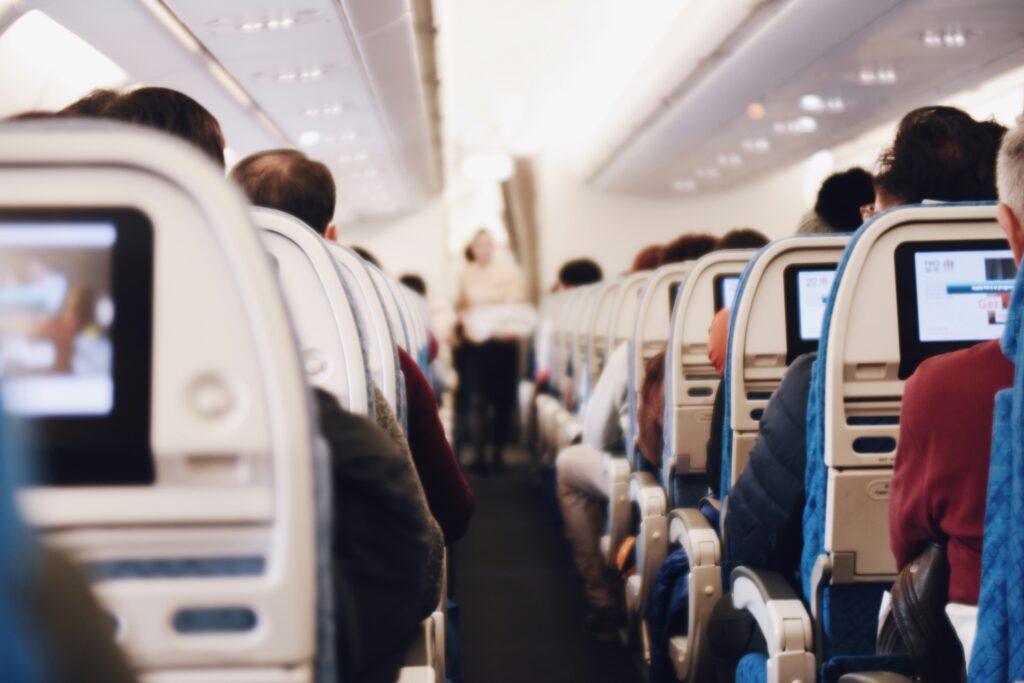
Error fares happen more regularly than most people realise. They are not sales, they are not promotions, and the airlines definitely do not want you booking them. But when they appear, they are completely legitimate to buy, and they represent some of the best value you will ever find on a flight. We are talking business class to New York for £200. Long-haul return trips for less than a budget hotel. Routes that would normally cost £900 appearing at £90.
Here is everything you need to know.
Table of contents
- What is an error fare?
- How do error fares happen?
- Do airlines have to honour them?
- How to find error fares
- How to book one safely
- What to do if the airline cancels
- Real error fare examples
- Error fares we are tracking right now
- Your questions answered
What is an error fare?
An error fare is exactly what the name suggests: a flight sold at the wrong price because someone, or something, made a mistake. The airline did not intend to offer that price. It appeared because of a slip, a glitch, or a system fault, and sharp-eyed travellers spotted it before the airline could fix it.
The price gaps can be staggering. A transatlantic fare that should cost £800 appearing at £80. First class to Dubai for the price of an economy seat. Business class round trips to Asia for a few hundred pounds. These are not exaggerations; they are documented examples that have happened in recent years.
One thing worth knowing: in our copy, we use “error fare” for flights. For hotels and accommodation, the equivalent is called a mistake rate. You’ll also see the terms “mistake fare” and “pricing mistake” used elsewhere, and they mean the same thing.
How do error fares happen?
Airlines manage some of the most complicated pricing systems in any industry. Thousands of routes, dozens of fare classes, multiple currencies, multiple booking platforms, all updating in near real-time. It’s genuinely impressive that errors don’t happen more often. But they do happen, and they usually come from one of four places.
Someone typed the wrong number. The most common cause by some distance. An airline employee manually enters a fare into the booking system and makes a mistake. A misplaced decimal point. A digit too many or too few. These get called “fat finger” errors in the trade, and because fares feed instantly across every platform that connects to the global distribution system, the wrong price can appear on hundreds of booking sites within seconds.
A currency conversion went wrong. Airlines publish fares in local currencies across many markets. When the conversion goes wrong, a reasonable fare in one currency can look absurdly cheap in another. These errors often affect bookings from specific countries before anyone realises what has happened.
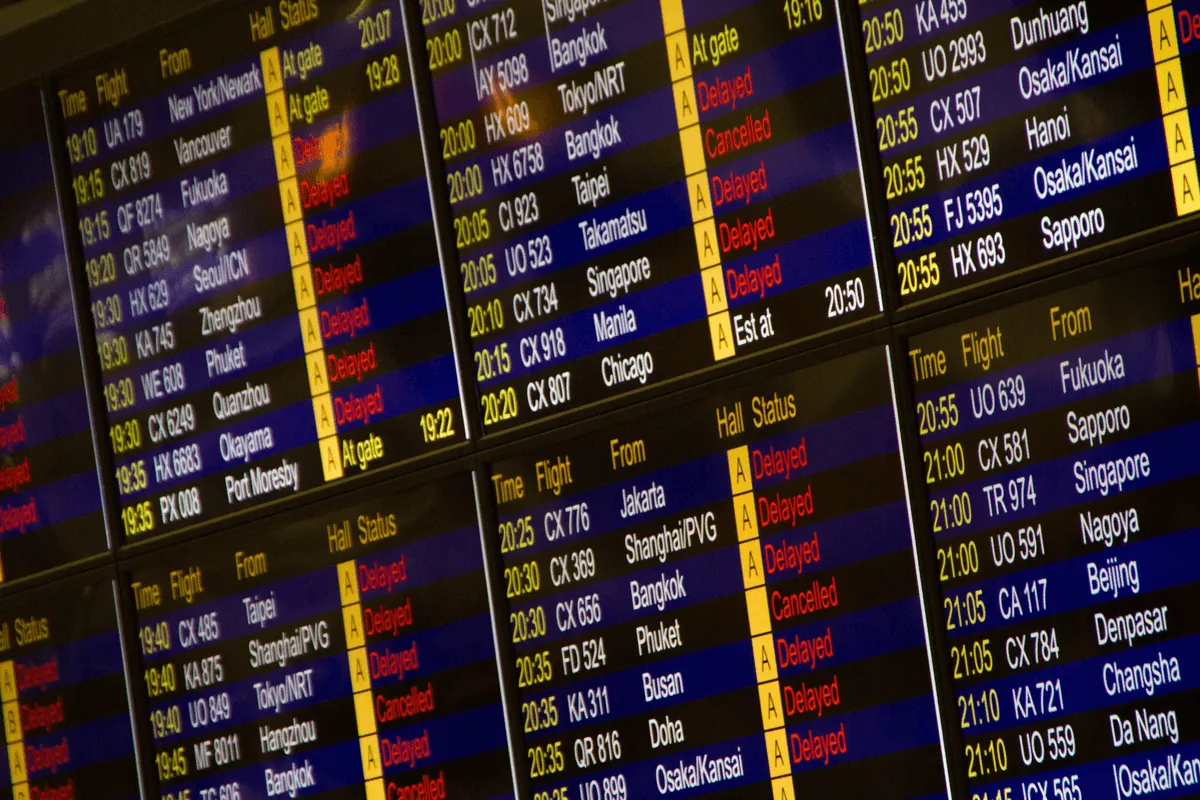
Error fares can show up on any route, at any time, which is exactly why the people who catch them are watching constantly rather than checking once a week.
A tax or surcharge got left out. The price you see for a flight includes the base fare, plus taxes, airport charges, and fuel surcharges. If the fuel surcharge fails to attach, or a tax field is accidentally set to zero, the published price drops dramatically. The passenger sees a complete-looking price. The missing component just was not included.
A third-party platform had a glitch. Online booking sites pull fares from airline systems, and occasionally something goes wrong in that process. A caching error or a synchronisation fault can cause a fare to display incorrectly on one platform even when the airline’s own website shows the right price. You might hear these called “glitch fares” rather than true error fares, but for the person booking, the opportunity is identical.
Do airlines have to honour error fares?
Honestly? In the UK, no. There is no law that compels an airline to honour a pricing mistake.
Under UK contract law, a binding agreement generally needs an offer, acceptance, and payment. Airlines typically write their terms to say that the contract is not concluded until they issue the e-ticket. Before that point, most airlines reserve the right to cancel a booking made at an incorrect price. British Airways has done this, cancelling bookings it described as “manifestly incorrectly priced” and refunding passengers in full. The UK Civil Aviation Authority oversees consumer law in aviation but does not have a specific power to force airlines to honour pricing errors.
Some countries give passengers stronger protection. The US, for a period, had rules that effectively required airlines to honour published fares regardless of error. The UK doesn’t have an equivalent.
So why do most people who book error fares end up flying? Because around 70% are honoured anyway. Not because the airline has to, but because the alternative is worse. Cancelling thousands of bookings generates bad press, floods customer service, and penalises passengers who did nothing wrong. Most airlines decide that absorbing the cost of the mistake is cheaper than the fallout from cancelling.
| Factor | Better odds of being honoured | Worse odds |
|---|---|---|
| Price plausibility | Unusual but possible, e.g. £120 to New York | Clearly wrong, e.g. £10 to Sydney |
| Booking method | Direct with the airline’s own website | Third-party OTA or travel agent |
| Stage reached | E-ticket issued to your email inbox | Booking confirmation only |
| Carrier history | Singapore Airlines, Delta | Varies by carrier |
The one rule that matters most: don’t commit non-refundable money to anything else until your e-ticket arrives. No non-refundable hotel. No connecting train you cannot change. If the fare is cancelled, you get a full refund on the ticket. But the airline will not cover other costs you have locked in around it. Book flexible accommodation if you want to get ahead, and hold off on everything else until that e-ticket lands in your inbox.
How to find error fares UK travellers can actually book

Error fares disappear fast. Most last a few hours. Some are gone in 30 minutes. The people who book them are already watching, and they move without hesitation. Here is how to be one of those people.
The most reliable approach is to follow a small number of specialist sources and have alerts set up on the main search tools. Speed matters more than anything else once an error fare appears.
Sign up for Flight Tribe deal alerts. We flag error fares the moment we spot them. Our email gets them to you before they are corrected, alongside every other deal we track.
Follow the specialist sources. Jack’s Flight Club is the best-known error fare tracker in the UK and has a strong record of finding genuine pricing mistakes before they are fixed. Secret Flying covers error fares and mistake rates worldwide. Both are worth having in your feed.
Use Google Flights’ price calendar. Switch to the date grid view, which shows prices across a full month at a glance. If one date on a route is dramatically cheaper than every surrounding date, with no obvious reason (no shoulder season, no visible airline promotion), it can signal a pricing anomaly. Always cross-check that date on the airline’s own website before booking anywhere else.
Set fare alerts on Skyscanner and Google Flights. Neither of these specifically hunts error fares, but a sharp price drop on a route you care about will trigger an alert. It is not active hunting, but it means you will not miss something right in front of you.
Check more than one departure airport. Some error fares appear only from certain departure points, because the mistake affects a specific regional fare filing or currency conversion. The same error fare visible from Manchester might not show up from London. If you have any flexibility on where you fly from, it takes 30 seconds to check.
Move immediately when you find one. There is no benefit in waiting. Error fares do not improve. Every hour the fare is live, more people are booking it, and the airline is more likely to notice and pull it. If the dates work and the price is remarkable, book it. And don’t call the airline to ask whether the fare is correct. Alerting them speeds up the fix. Book, keep your confirmation, and wait.
| Source | Cost | Alert speed | UK focus |
|---|---|---|---|
| Flight Tribe email | Free | Real-time | Yes |
| Jack’s Flight Club | Free | Real-time | Yes, UK and Ireland |
| Secret Flying | Free | Real-time | Global coverage |
| Google Flights alerts | Free | Not real-time | Global |
| Skyscanner alerts | Free | Not real-time | Global |
If you miss an error fare, it does not mean you have missed your only chance at a cheap flight. Our guide to cheap flights from the UK covers the strategies that work even when you are not glued to a deal feed. And if you want to know whether flights get cheaper closer to departure, the short answer is sometimes, but it is far less predictable than tracking error fares.
How to book one safely
Finding an error fare is one thing. Booking it in a way that protects you if something goes wrong is another. These steps take about two minutes and make a real difference.
Book directly with the airline where you can. Direct bookings have a better track record of being honoured. There are documented cases where an airline honoured direct bookings while asking OTAs to cancel the same fare. If the fare appears on the airline’s own site, use it.
Pay with a credit card. Section 75 of the Consumer Credit Act gives you joint protection from your credit card company on purchases over £100 made directly with the provider. If the booking is cancelled and a refund is not forthcoming, your card company is legally on the hook alongside the airline. Under £100, or paying by debit card, and you lose Section 75 protection, though your bank may still offer chargeback. Note that buying through a third-party platform can complicate a Section 75 claim, because the direct link between you and the airline is broken. Another reason to book direct.
Screenshot everything. Capture the fare before you book, the booking summary, and the confirmation page. If there is any dispute later about what price you saw and what you paid, you want clear evidence.
Watch for your e-ticket. It should arrive by email within 24 hours of booking. If it hasn’t, check your spam folder, then log into your account. If it is still missing after 24 hours, contact the airline. A booking that has not generated an e-ticket is more likely to be in trouble than one that has.
Keep everything non-refundable well away from this booking for now. The risk to you financially is minimal if you do this. The flight refunds automatically if cancelled. The danger is everything else you might book around it.

Section 75 only applies to card payments, which is one more reason to pay by credit card rather than debit when you’re booking an error fare.
What to do if the airline cancels
It happens to around 30% of error fare bookings. When it does, here is what to expect.
You get your money back in full. The airline returns the ticket price to your original payment method. They cannot charge you a higher price without your permission, and they cannot keep your money and not provide a ticket. If a refund does not appear within 7 to 14 days, chase the airline directly.
They are not obliged to rebook you at the error price. Some airlines offer a goodwill discount or a partial credit on a new booking. Some offer nothing beyond the refund. You can’t force their hand on the fare itself, in most cases.
If the refund is slow or disputed, and you paid by credit card for a purchase over £100, raise a Section 75 claim with your card provider. For amounts under £100 or debit card payments, ask your bank about chargeback. In practice, airlines refund without a fight. Section 75 is a backstop for genuinely awkward situations.
If you lost money on other costs you booked in reliance on the fare, talk to Citizens Advice or a consumer solicitor. This is unusual, but if the cancellation came late and your losses are significant, you may have a claim.
If the airline is not engaging, CEDR and AviationADR are both CAA-approved dispute resolution services for aviation passengers. Raising a formal complaint through either is free and often faster than pursuing the airline directly.
Real error fare examples
These are all verified cases drawn from press coverage and documented sources. They show the range: some errors were extreme enough that airlines cancelled; most were honoured. The pattern holds: a plausible pricing mistake at a carrier with a good track record is far more likely to stick than an absurdly cheap fare at any airline.
| Airline | Route and cabin | Error price | Outcome |
|---|---|---|---|
| Norwegian | London to LA, economy, one-way (2023) | ~£39 | Honoured |
| British Airways | London to Dubai, first class (2023) | Economy prices | Honoured |
| Singapore Airlines | Multiple routes, business class (2024) | Up to 80% off | Honoured |
| Delta | US domestic routes, economy | ~£48 return | Honoured |
| ANA | Europe to Japan, first and business (2023) | ~£300 return | Cancelled |
The ANA case is a useful reference point. The airline cancelled even where e-tickets had been issued. The fare was implausible by any standard: first class tickets priced at roughly 3% of their normal value. That’s the kind of error airlines have more defensible grounds to cancel. A business class fare at 30% of normal prices is a very different proposition.
Error fares we are tracking right now
We flag error fares on Flight Tribe as soon as we find them. Keep an eye on our flight deals page to see them as they happen. You can also join us on Facebook where we share the best flight deals every day.
If you want to understand when airlines typically run genuine sales (as distinct from errors), our guides on when Ryanair has sales and when flights are cheapest by season give you the context to spot the difference at a glance.
Your questions answered
What is the difference between an error fare and a sale?
A sale is something the airline chooses to do deliberately, with prices cut and a booking window announced in advance. An error fare is unintentional, gets fixed as soon as the airline notices, and is gone within hours.
How long do error fares stay up?
Most error fares disappear within a few hours, though some last overnight if the mistake happens outside business hours. There’s no way to know when a fare will be corrected, so assume you have very little time from the moment you spot one.
Can budget airlines have error fares too?
Yes. Budget carriers are just as susceptible to human pricing errors, currency glitches, and platform faults as any full-service airline, and some of the best error fares in recent years have come from low-cost carriers.
Should I get travel insurance for an error fare trip?
You should have travel insurance for any trip, error fare or not, though the flight itself carries little risk since a cancelled error fare is refunded in full. The real exposure is other costs booked around the trip, so keep those flexible until the e-ticket arrives.
Is it legal to book an error fare?
Yes, completely. You’re buying a ticket at a price the airline itself published, and airlines that routinely honour error fares have made a deliberate business decision to do so.
What is a glitch fare, and is it different from an error fare?
Not meaningfully. A glitch fare comes from a technical fault on a booking platform rather than an airline staff error, but the practical situation, your rights, and your risks are identical, and the terms are used interchangeably in the deal-tracking community.
Flight Tribe finds and verifies the best travel deals for UK travellers. Sign up to our email to get error fares, flash sales, and money-saving deals straight to your inbox the moment we spot them.

Jane Robinson is Senior Editor at Flight Tribe. She has a Master’s in English and Journalism, and writes about flight deals, holiday offers and practical ways UK travellers can spend less without wasting time on weak promotions. Jane has spent time living and working across Asia and New Zealand, which gave her a lasting interest in how people travel, eat, move around and spend their free time in different places.
At Flight Tribe, her work focuses on verified prices, realistic travel dates, booking terms and whether a deal is actually worth attention.
How Jane works
Jane checks offers against live supplier pages wherever possible, including prices, dates, departure points, baggage rules and booking conditions. She is quietly sceptical of anything that sounds too good to be true, and helps keep Flight Tribe’s travel advice useful, honest and easy to act on.
Editorial standards
Flight Tribe covers deals for readers first. Affiliate links do not decide whether an offer is worth writing about.