

Published 17 May 2026 | Updated 24 September 2026 by Kate Acaster
The best time to book easyJet flights is the moment a route goes on sale. easyJet uses demand-based pricing, so fares start at their cheapest the moment a route opens and rise as seats fill up. Prices do not fall later on popular routes. Knowing this one fact saves money on almost every booking.
Advertisement
This guide covers the best booking windows for different types of easyJet route, from summer school holidays to midwinter city breaks.
The best time to book easyJet flights: how pricing works
easyJet divides every flight into price brackets. The cheapest seats are sold first, and once a bracket sells out, the next opens at a higher price. This continues until the flight departs. Prices do not reset. easyJet’s own pricing explainer confirms the same approach: How easyJet pricing works: a simple guide, which sets out how the airline’s demand-led model fills each aircraft.
easyJet releases flights in seasonal batches, usually 10 to 13 months before departure. Summer 2027 flights, covering 14 June to 26 September 2027, went on sale on 28 July 2026. There is no fixed day of the week for new routes to appear. The easyJet app will alert you to new route openings if you save a destination, which is one of the most reliable ways to catch flights at their base fare.
The one exception to booking early is the Big Orange Sale, which easyJet usually runs in January and occasionally at other times. During these sales, selected routes are discounted even if they have been on sale for months. For details on when these sales happen, see when easyJet has its sales.
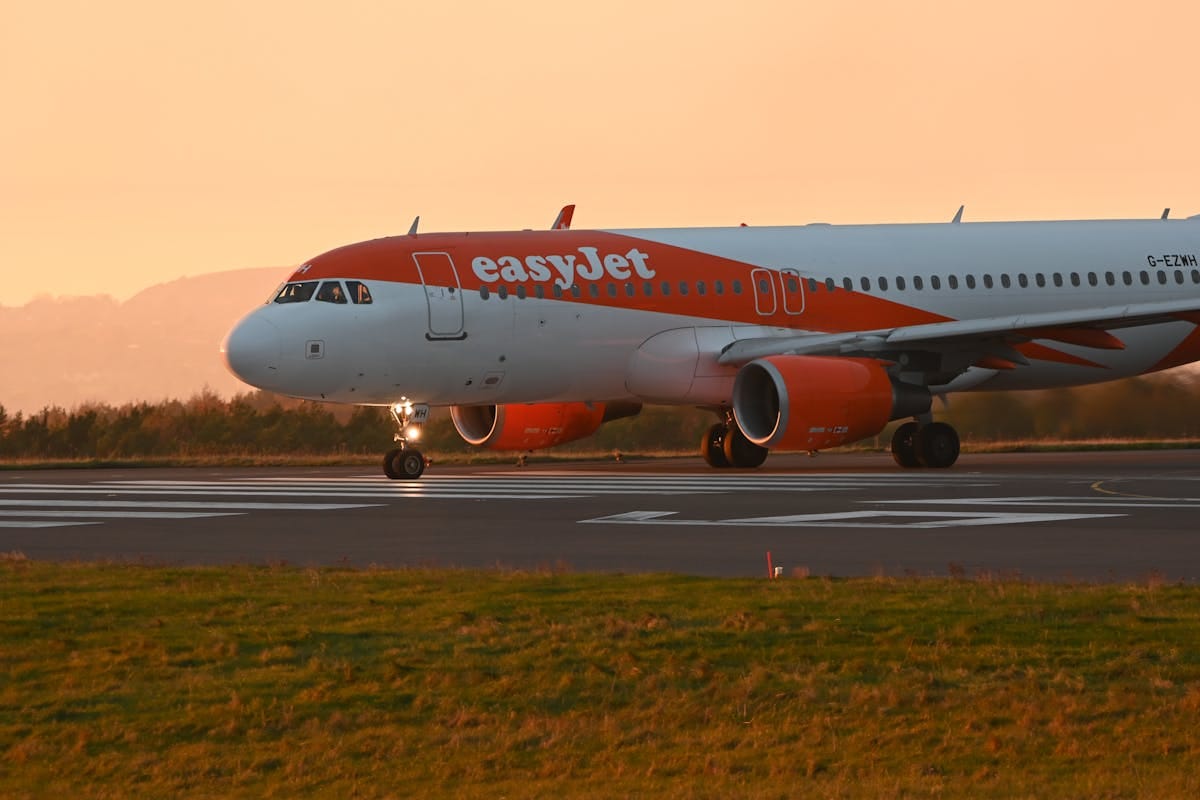
For school holiday and peak-season routes, the cheapest fares typically go within days of a route opening. A week’s delay can mean paying significantly more for the same seat.
If you’re booking for school holidays or peak dates
School summer holidays, Easter, half-terms and bank holiday weekends are the hardest periods to find a cheap easyJet flight. Demand is high and routes fill quickly from the moment they open.
For these dates, book as soon as the route goes on sale. If you want a specific week in August, start checking from July of the previous year, as easyJet did with its summer 2027 release. Prices on the day of release for popular summer routes are often two to three times lower than the same seat a month later.
Popular short-haul destinations, including Alicante, Malaga, Palma, Ibiza and Faro, see the sharpest price rises after release. Routes to smaller destinations such as Tallinn, Krakow or Split can hold base fares slightly longer, though the gap narrows in busy years.
For guidance on when new routes go live, see our guide to when easyJet releases new flights, which covers standard release windows and how to track new route announcements from the UK.
If you can travel off-peak
Outside school holidays and bank holidays, there is more flexibility. Autumn (mid-September to November) and early spring (February to mid-April, outside half-term weeks) generally have more available seats at lower price points. Demand is lower and prices move more slowly.
For off-peak routes, a booking window of four to eight weeks before departure sometimes turns up lower fares than booking at release. This is the one situation where waiting can work in your favour, though it is not reliable on all routes. For a fuller picture of when this happens, see our guide to whether easyJet flights get cheaper closer to departure.
January and February winter sun routes to the Canary Islands, southern Spain and Portugal can also see price movement in the weeks before departure, particularly mid-week flights from regional airports. An easyJet seasonal sale in January can bring these down further. For broader seasonal patterns across all airlines, see when flights are cheapest during the year.

Off-peak flexibility is most useful on routes to city break destinations with year-round demand. Flights to Amsterdam, Rome and Barcelona, for example, tend to hold their price well regardless of season.
easyJet booking window quick reference
Prices vary by route and year. These windows reflect typical demand patterns on UK easyJet routes.
| Travel period | Best booking window | What to watch for |
|---|---|---|
| School summer holidays | At release, 11+ months ahead | Base fares go within days of release on popular routes |
| Easter and half-terms | Within the first week of release | Prices rise quickly as dates approach |
| Christmas and New Year | At release, as early as possible | Very limited seats at the lowest price bands |
| Off-peak shoulder season | 4–8 weeks before departure | Occasional price dips on less popular routes |
| Winter sun (Jan–Mar) | 4–10 weeks before, or Jan Big Orange Sale | Mid-week departures noticeably cheaper |
Other ways to keep the cost down
Booking at the right time has the biggest effect on price, but a few other habits make a consistent difference.
Set up price alerts. Google Flights and Skyscanner both let you track a specific route and receive a notification when prices change. For off-peak travel, this can catch a genuine price movement. For peak travel, alerts are most useful for monitoring when a route first opens at its base fare. See our guide to how to get cheap flights from the UK for the main tools and how to use them.
Fly mid-week. Tuesday and Wednesday departures are consistently cheaper than Friday evening or Sunday flights on most easyJet routes. The difference is most pronounced on leisure routes where most passengers want to travel at the weekend. If you can shift your trip by a day either way, the saving can be significant. For more detail, see the cheapest day to book flights from the UK.
Compare departure airports. easyJet operates from more than a dozen UK airports. If you are within range of both Bristol and Gatwick, or both Manchester and Liverpool, comparing fares from each can produce a noticeable difference. The cheapest route is not always from the nearest airport.
Travel light. easyJet charges separately for hold luggage, and fees paid at the airport are higher than those booked in advance. Keeping to cabin baggage avoids the largest variable cost in the booking. The easyJet cabin bag size rules are worth checking before you pack, as the limits are specific to the ticket type.

Price alert apps work best when you have flexible travel dates. Even a day’s shift either side gives the tools more room to find a cheaper combination of fare and availability.
Frequently asked questions
| Question | Answer |
|---|---|
| How far in advance should I book easyJet? | For peak-season travel, book the moment routes go on sale, typically 10 to 13 months ahead. For off-peak routes, four to eight weeks before departure often gives good prices. |
| Do easyJet flights get cheaper closer to the date? | Rarely on popular routes, where seats fill from release. Off-peak flights can occasionally see late price movements, but waiting is not a reliable strategy. |
| What is the cheapest day to fly with easyJet? | Tuesday and Wednesday are typically the cheapest departure days. Avoid Friday evenings and Sunday afternoons, which carry the highest premiums on leisure routes. |
| Does easyJet release seats in batches? | easyJet uses price brackets, releasing the cheapest seats first. Once a bracket sells out, the next opens at a higher price and does not return. |
| How do I know when new easyJet routes go on sale? | The easyJet app sends alerts when new routes open if you set destination notifications. See our guide to when easyJet releases new flights for release date patterns. |
| Is it cheaper to book direct with easyJet? | The flight price is the same either way. Booking direct avoids comparison site service fees and makes it easier to manage your booking, add bags, or change dates. |

Kate Acaster is Chief Editor at Flight Tribe. She writes about practical travel planning, budget airlines, baggage rules, city breaks, beach holidays and good hotels that do not cost daft money.
Kate has travelled through Europe, South America and beyond, usually with a notebook, a half-formed plan and a strong opinion on airport snacks. At Flight Tribe, her work focuses on helping UK travellers understand what is included, what costs extra, and whether a trip is worth booking at the price shown.
How Kate works
Kate checks the details that can change the value of a trip, including cabin-bag rules, airline fees, hotel location, seasonality, travel dates and booking conditions. She is especially interested in offers that look useful on the surface but need a proper reader-first check before they are worth recommending.
Editorial standards
Flight Tribe covers deals and travel advice for readers first. Affiliate links do not decide whether an offer is worth writing about.