Published 13 May 2026 | Updated 13 October 2026 by Kate Acaster
Berlin budget travel is one of the best decisions you can make in Europe. The German capital packs major museums, brilliant street food, outstanding nightlife, and a transport network that makes the city easy to navigate, all at a cost well below Paris, Amsterdam, or London.
Advertisement
You will find more destinations covered in Flight Tribe’s destination guides, each built around verified prices for UK travellers.
One significant change in 2026 that many travel guides have not caught up with: the BVG 7-day travel card was discontinued on 1 January 2026. It was one of the most commonly recommended tips for visitors staying a full week in Berlin. If you find a guide that still suggests buying one, it’s out of date. This guide uses current 2026 prices throughout.
Current deals for Germany
Loading deals…
How much does Berlin cost per day?
Berlin is cheaper than London, Paris, Amsterdam and Rome. Budget travellers staying in hostel dorms and eating street food and supermarket meals can manage on £45-60 a day. A couple sharing a mid-range hotel, eating at sit-down restaurants and visiting one paid attraction every other day will typically spend £90-130 each. High season adds around 20-25% to accommodation costs.
The main budget variable is accommodation. Hostel dorms in Kreuzberg and Neukolln start at £18-25 a night; a private room in a central budget hotel runs £60-90. Beyond that, Berlin rewards people who eat where the locals eat. A currywurst at a street stand costs €3-4. A doner kebab costs €3-5. Vietnamese restaurants in Prenzlauer Berg serve lunch for €6-8. The city’s food culture tilts heavily toward cheap options that are good.
Museum entry is also well priced. The Museum Island day pass covers all the open museums on the island for €24, far better value than individual tickets at €14 per museum. The Berlin WelcomeCard bundles unlimited public transport with discounts at more than 170 attractions, restaurants and venues, making it worth the cost if you plan to use both.
| Budget tier | Accommodation | Food and drink | Getting around | Daily total |
|---|---|---|---|---|
| Budget | Hostel dorm | Street food and supermarkets | BVG day ticket | £45-60 Best value |
| Mid-range | Budget hotel or Airbnb | Mix of cafes and restaurants | BVG passes or WelcomeCard | £90-130 Most popular |
| Comfortable | 3-star hotel | Restaurant dinners and wine | Taxis and Uber | £150+ Premium |
Getting to Berlin from the UK
Berlin Brandenburg Airport (BER) is the city’s only commercial airport. Tegel closed permanently in November 2020. easyJet, Ryanair, British Airways and Eurowings all fly direct from UK airports. Flight time is around two hours from London, two hours 10 minutes from Manchester and two hours 20 minutes from Edinburgh. Return fares start from around £50-90 for spring and autumn travel booked in advance.
easyJet flies to BER from Gatwick, Luton, Bristol, Manchester and Edinburgh. Ryanair flies from Stansted, Manchester and Edinburgh. British Airways operates from Heathrow. Eurowings also flies from Heathrow. Fares vary considerably by departure date and booking lead time; checking all carriers before committing will often find a meaningfully cheaper option.
For timing, Tuesday and Wednesday bookings consistently come out cheapest across all European routes. April, May, October and November combine lower fares with good weather in Berlin. If you are checking bag policies before booking, our UK airline cabin bag size guide covers every carrier on the route. For broader strategy, see our guide on how to get cheap flights from the UK.
| UK airport | Airlines | Flight time | Typical return fare |
|---|---|---|---|
| London Stansted | Ryanair | 2h 00m | £30-90 spring/autumn Cheapest route |
| London Luton | easyJet | 2h 00m | £35-100 spring/autumn |
| London Gatwick | easyJet | 2h 05m | £50-120 spring/autumn |
| London Heathrow | British Airways, Eurowings | 2h 05m | £80-180 spring/autumn |
| Manchester | easyJet, Ryanair | 2h 10m | £60-140 spring/autumn North England |
| Edinburgh | easyJet, Ryanair | 2h 20m | £65-150 spring/autumn |
| Bristol | easyJet | 2h 10m | £55-130 spring/autumn |
Getting around Berlin
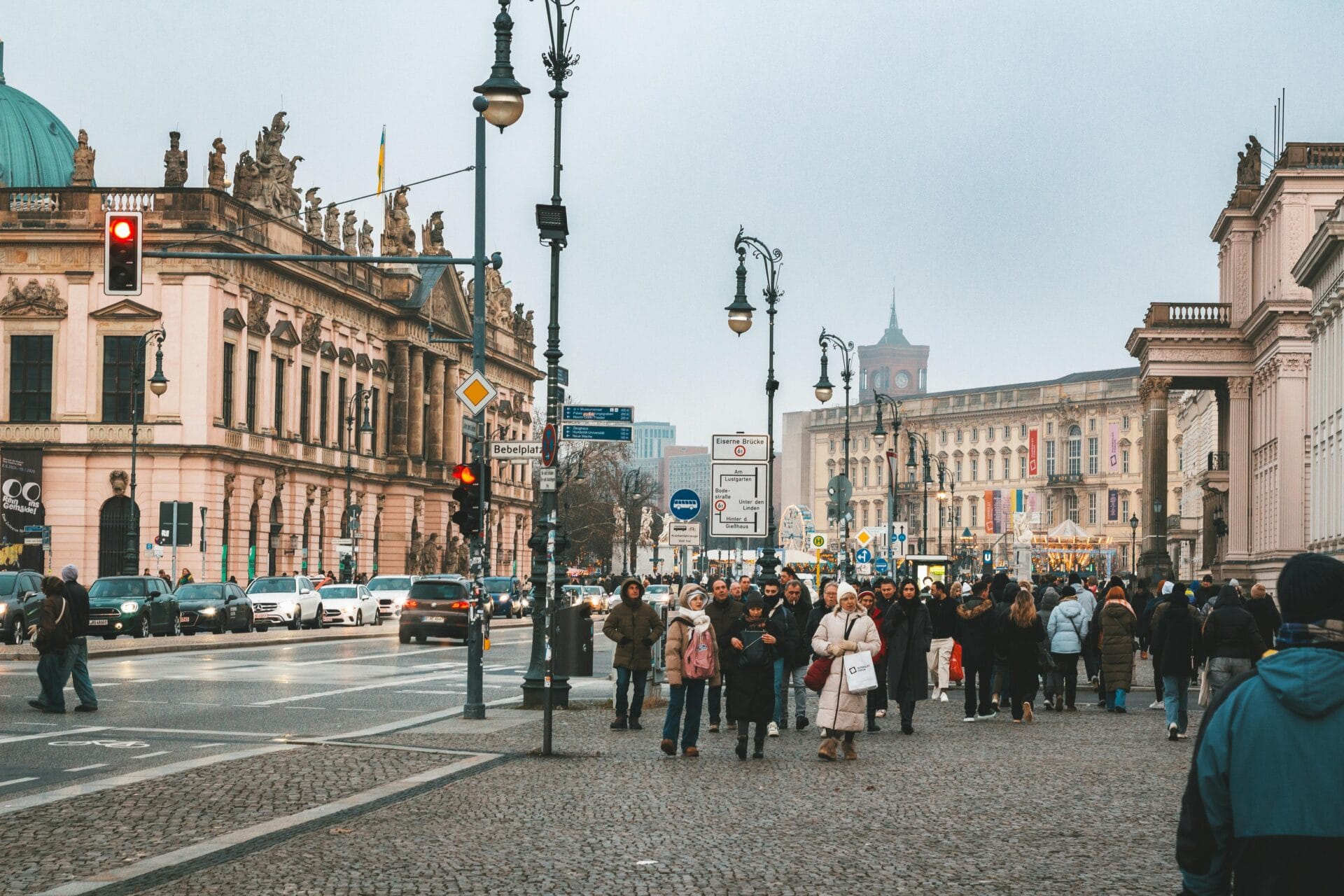
The BVG network covers the whole city with U-Bahn, S-Bahn, trams and buses. A single AB ticket costs €4.00 in 2026 and is valid for two hours across all modes. A 24-hour ticket costs €11.20. The BVG 7-day travel card no longer exists; it was discontinued on 1 January 2026. For a week-long visit, the WelcomeCard is the most practical alternative.
The U-Bahn runs nine lines and covers all the main tourist and residential areas. The S-Bahn adds a ring line (S41/S42) that circles the city and connects the eastern and western halves. Trams run mainly in the eastern districts, including Prenzlauer Berg and Mitte. A single AB ticket covers travel between any two points in Berlin’s AB zones on any mode and is valid for two hours from validation. You can change between U-Bahn, S-Bahn, tram and bus on the same ticket without buying again.
From Berlin Brandenburg Airport (BER), the Airport Express (FEX) runs every 15 minutes to Hauptbahnhof in around 25 minutes, calling at Südkreuz and Potsdamer Platz. The S9 and S85 also serve the airport but are slower. The airport is in zone C, so buy an ABC ticket (€5.00) rather than a standard AB ticket for the journey into the city centre. Paper tickets must be stamped at the yellow or red machines on platforms or inside buses and trams; an unstamped ticket is treated as no ticket and attracts a €60 fine.
| Ticket | Price 2026 | Valid for | Best for |
|---|---|---|---|
| Single AB | €4.00 | 2 hours, all modes | One or two trips in the city |
| 24h ticket | €11.20 | 24 hours, all modes | Full sightseeing day |
| Group 24h | €35.30 | 24h, up to 5 people | Families and groups Best value |
| Welcome 48h | €28.50 | 48h transport + discounts | Weekend visits |
| Welcome 72h | €39.50 | 72h transport + discounts | Long weekend breaks Popular |
| Welcome 4 day | €49.50 | 4 days + discounts | City break visits |
| Welcome 6 day | €58.50 | 6 days + discounts | Extended stays of a week |
Where to stay in Berlin
Berlin rewards explorers who leave the immediate tourist centre. Mitte is the default choice for a first visit, but Prenzlauer Berg, Kreuzberg and Neukolln each have their own identity and offer meaningfully cheaper accommodation. All are within 20 minutes of the main sights by U-Bahn. Deciding on a base neighbourhood is one of the most effective budget levers available to a Berlin visitor.
Kreuzberg and Neukolln offer the best-value accommodation, with hostel dorms from £18-22 and private rooms from £45-65. Mitte is the most central but the most expensive, with budget hotels from £80-90 a night. Prenzlauer Berg suits families and quieter visits. Charlottenburg is the smartest neighbourhood in former West Berlin. All are well connected by U-Bahn.
Mitte is the geographic and tourist centre: Brandenburg Gate, Museum Island and Alexanderplatz are all within walking distance. It’s the most convenient base for a first visit and also the priciest, with budget hotels from £80-90 a night and mid-range doubles at £110-150.
Prenzlauer Berg sits north of Mitte and is quieter and residential, with a high density of independent cafes, restaurants and parks. The Saturday market at Kollwitzplatz is one of the best in the city. Private rooms start at £55-70 a night.
Kreuzberg is multicultural, lively and centrally placed. Nightlife, street food markets and the Turkish Market at Maybachufer (Tuesdays and Fridays) give it a distinct character. Hostel dorms from £20-26; private rooms from £50-70.
Neukolln, immediately south of Kreuzberg, is the most affordable central option: hostel dorms from £18-22, private rooms from £45-60. It feels less packaged for visitors than Mitte, with local bakeries, independent bars and a flea market culture that remains primarily for residents. The U8 line reaches Alexanderplatz in under 20 minutes.
Charlottenburg, in former West Berlin, is the smartest option. Kurfurstendamm (the Ku’damm) and Charlottenburg Palace are nearby. Mid-range hotels from £70-90. A good choice if you prefer a quieter atmosphere and easy access to western attractions.
Affordable:
- EastSeven Berlin Hostel. In Prenzlauer Berg, one of Berlin’s most liveable neighbourhoods. Consistently among the city’s highest-rated hostels. Helpful staff, clean dorms and a quiet garden make it good value at around £22 to £28 a night for a dorm bed.
- Wombat’s City Hostel Berlin. Central, modern and well-run. One of a reliable European hostel chain with consistently high standards. Good option if you want Mitte access without paying Mitte hotel rates.
Mid-range:
- The Circus Hotel. Boutique hotel in Mitte, probably Berlin’s best-known independent hotel at this price point. Distinctive design, excellent service and a location walking distance from Museum Island and Hackescher Markt. Around £85-120/night and often in sale rates that undercut equivalent Mitte hotels.
- Motel One Berlin Alexanderplatz. Reliable chain with consistently good reviews for cleanliness, location and value. If you want a predictable, good-quality private room in central Berlin at around £70-95/night, this is the dependable choice.
High-end, worth it:
- Das Stue. Boutique hotel in a converted Danish embassy in Tiergarten, overlooking the Berlin Zoo. One of Germany’s most architecturally interesting hotels at rates that, particularly off-peak, compare well against five-star equivalents in Paris or Amsterdam. The right Berlin hotel for a special occasion.
Free things to do in Berlin
Berlin has an exceptional collection of free sights. The Reichstag dome is free but requires online booking in advance. The East Side Gallery, the Berlin Wall Memorial, the Topography of Terror and the Memorial to the Murdered Jews of Europe are all free and among the most significant historical sites in Europe. A full day of free sightseeing in Berlin is one of the best days you can have in any European capital.
The Reichstag dome is the most visited free attraction in Germany. You must book in advance on the Bundestag website; slots are released 2-3 days ahead and fill quickly in summer, so book as soon as your travel dates are confirmed. The dome is a glass spiral above the plenary chamber with a 360-degree view over central Berlin and a mirrored cone that reflects daylight down into the chamber below. Evening slots are particularly in demand. There’s no entry charge and no good reason to skip it.
- Reichstag dome: free, but book in advance at bundestag.de. Open daily with evening slots, last entry 21.45. The dome is closed for maintenance from 19 to 30 October 2026. The view over central Berlin is excellent.
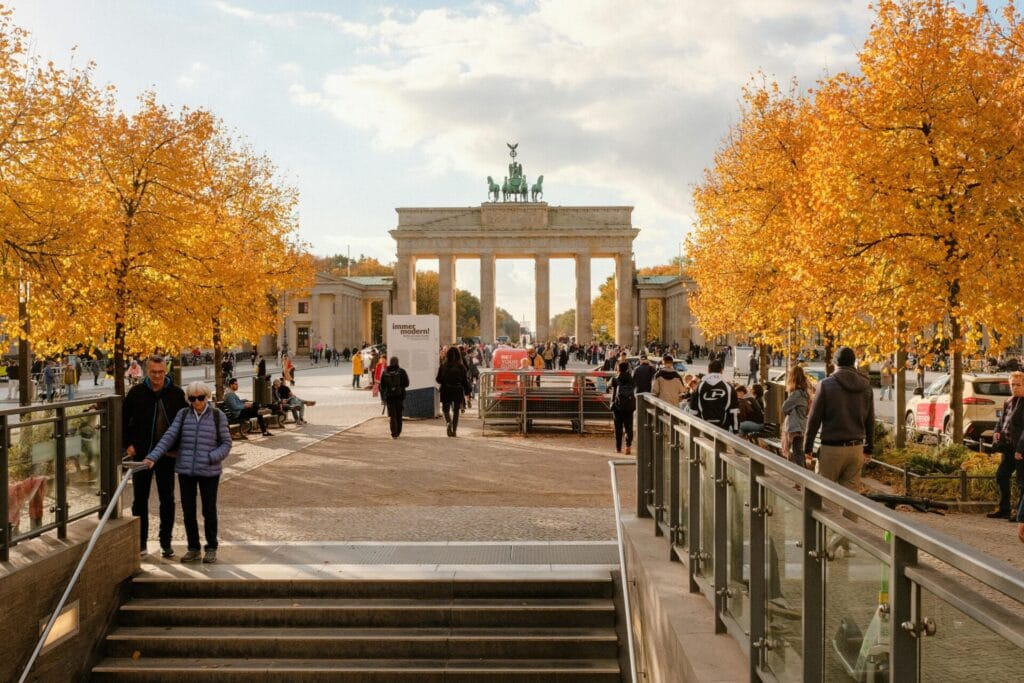
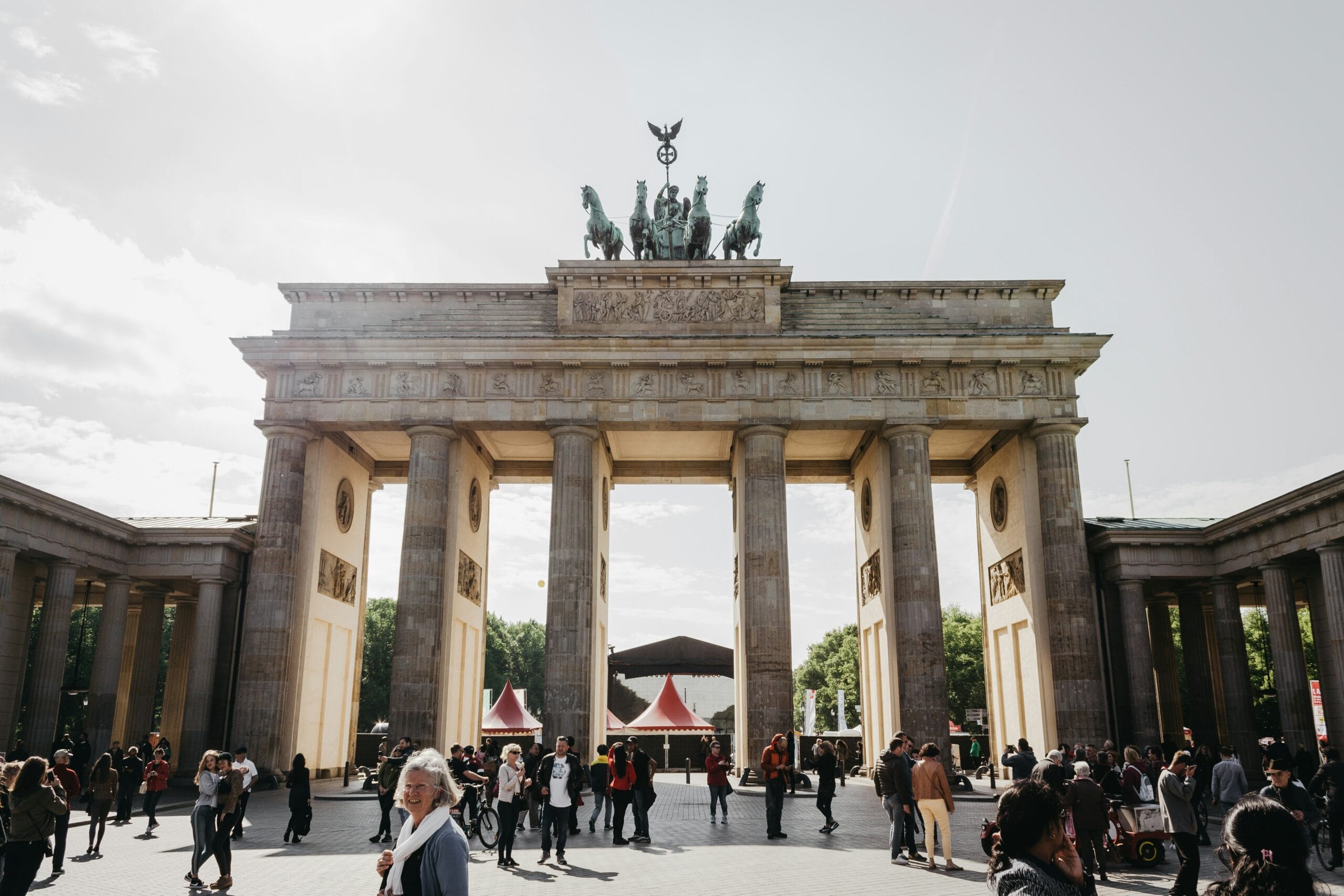
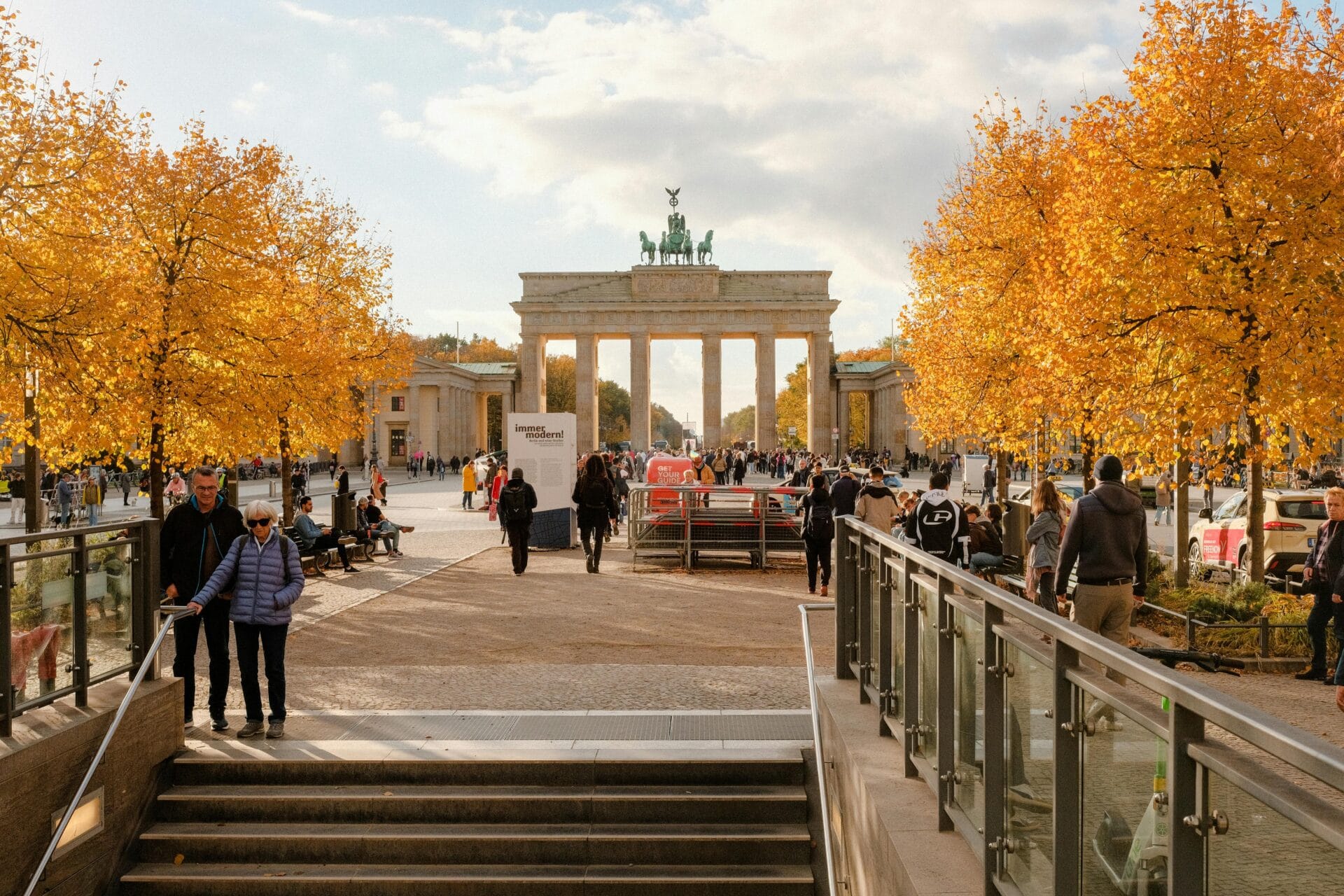
- Brandenburg Gate: the 18th-century triumphal arch and the most recognisable symbol of Berlin. The surrounding Pariser Platz is free to visit at any time.
- East Side Gallery: a 1.3km stretch of the original Berlin Wall covered in murals by artists from around the world, along the banks of the Spree in Friedrichshain. Free and outdoors.
- Berlin Wall Memorial, Bernauer Strasse: the most complete surviving section of the Wall, with a documentation centre, open-air exhibition and preserved watchtower. Free, substantial and unhurried.
- Memorial to the Murdered Jews of Europe: 2,711 concrete slabs of varying heights across a large open site near Brandenburg Gate. The underground information centre beneath it is also free.
- Topography of Terror: an extensive free exhibition on the site of the former Gestapo and SS headquarters, covering the Nazi security apparatus in detail. Open daily.
- Tiergarten: a 520-acre park in the heart of the city. The Victory Column (Siegessaule) observation platform costs €4.50 (cash only), but the park is free and ideal for walking, cycling or a picnic. The beer garden at Cafe am Neuen See opens in spring.
- Mauerpark flea market: every Sunday in Prenzlauer Berg. Hundreds of stalls selling vintage clothes, records, books and furniture. Free to browse. The outdoor karaoke amphitheatre is a Berlin Sunday institution.
Paid attractions worth paying for
Museum Island’s day pass covers all the open museums for €24 and is the best-value cultural ticket in Berlin. TV Tower tickets start at €20 online and give a 360-degree view from 203 metres. The Jewish Museum’s core exhibition is free. Note that the whole Pergamon Museum has been closed since October 2023. The north wing, with the Pergamon Altar and the Museum of Islamic Art, is due to reopen on 4 June 2027. The Ishtar Gate is in the south wing, due back around 2037.
Museum Island groups five major museums on a peninsula in the Spree. The day pass at €24 covers all the open museums and is far better value than individual tickets at €14 each. The Neues Museum houses the bust of Nefertiti and the Egyptian collection. The Pergamon Museum is closed for renovation, but Pergamon. Das Panorama nearby shows highlights of its collection and is included in the pass. The Altes Museum, Bode Museum and Alte Nationalgalerie complete the day. Book online to skip queues, which can reach 20-30 minutes in high season.
The Jewish Museum Berlin (free core exhibition) is one of the most architecturally significant buildings in Europe. Daniel Libeskind’s deconstructed zinc structure uses its geometry as a carrier of meaning. Allow at least two hours. The DDR Museum on the Spree opposite Berlin Cathedral is hands-on and popular at €14, and particularly strong on the domestic life of East Germany. The Berlin TV Tower at Alexanderplatz (from €20 online, with prices varying by time slot) can have queues reaching 45-60 minutes on summer weekends; booking in advance is worth it.
| Attraction | Price | Notes |
|---|---|---|
| Museum Island | €24 Best value | Book online to avoid the ticket queue |
| TV Tower | From €20 | Book ahead in summer; queues reach 60 mins |
| Jewish Museum | Free | Libeskind building; allow at least 2 hours |
| DDR Museum | €14 | Interactive; strong on everyday East German life |
| Charlottenburg | €12 | Baroque state rooms and royal apartments |
| Pergamon | Closed Closed | North wing, Pergamon Altar and Islamic Art due to reopen 4 June 2027 |
Eating and drinking in Berlin
Berlin’s street food is among the cheapest in Europe. A doner kebab costs around €7, though a few stands in Neukolln still charge €3.50. A currywurst at a street stand costs €4-5. Vietnamese restaurants in Prenzlauer Berg serve lunch for €6-8. Sit-down restaurant mains typically run €10-18. The Turkish Market on Maybachufer in Neukolln on Tuesdays and Fridays is one of the best food markets in the city.
Berlin’s doner kebab isn’t the same thing as the one you buy from a UK high street takeaway. The Berlin version, served in fresh flatbread with rotisserie meat, salad, pickled cabbage and yoghurt or chilli sauce, has been made in the city for over 50 years and typically costs around €7. Currywurst, sliced pork sausage covered in spiced tomato ketchup and curry powder, is the other Berlin street food classic at €4-5. Konnopke’s Imbiss in Prenzlauer Berg, operating under the U2 railway arches since 1930, is the most famous. Most stands in the city serve a decent version.
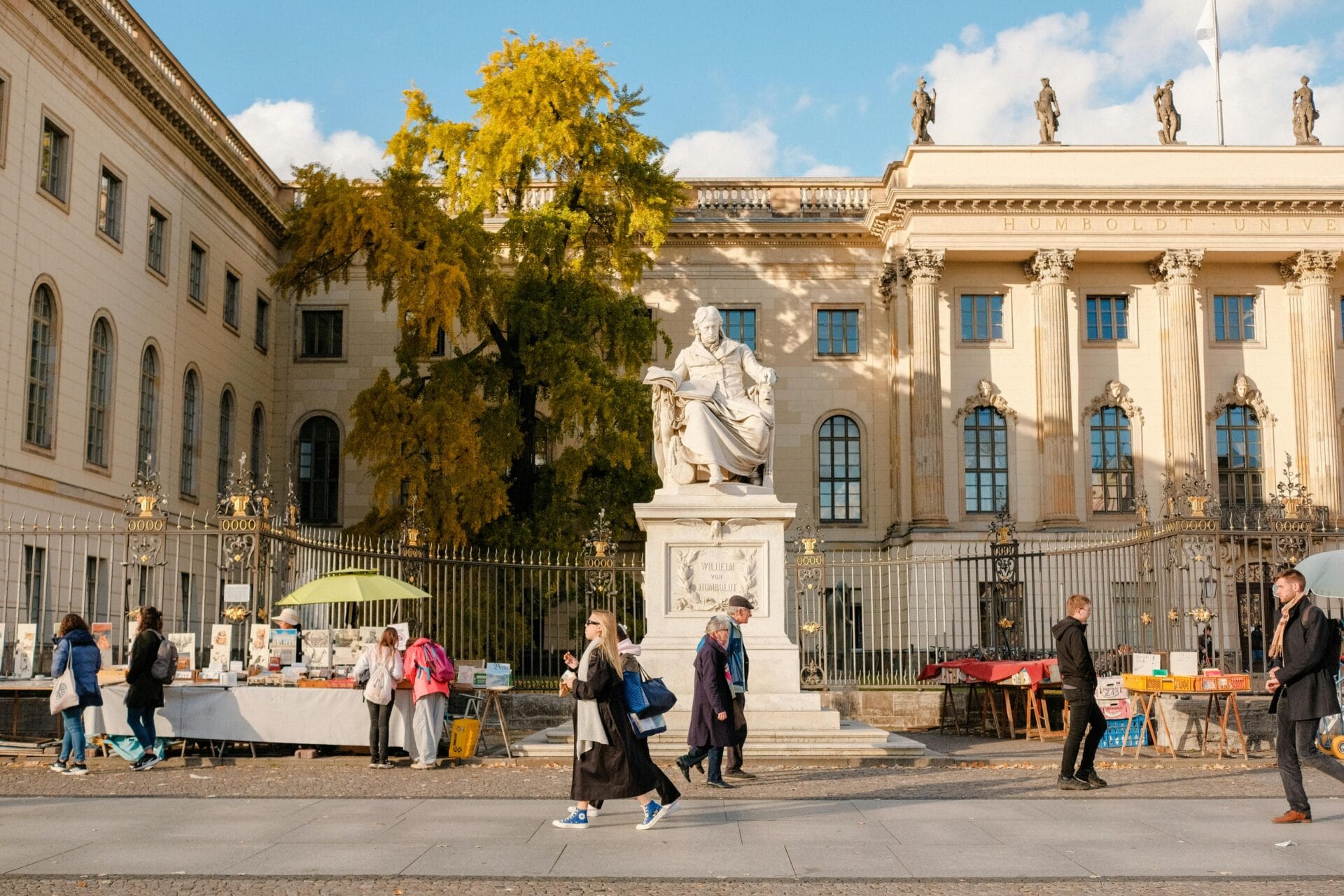
For a sit-down lunch, look for a restaurant with a Mittagstisch board: a set lunch of soup or starter, main course and sometimes dessert for €7-12. Vietnamese food in Prenzlauer Berg, particularly along Kastanienallee and the surrounding streets, is some of the best-value restaurant food in the city at €8-12 for a large portion. The Markthalle Neun in Kreuzberg holds a Street Food Thursday market every week from 17.00 to 22.00. Lidl, Rewe and Aldi are the main supermarket chains; buying breakfast and snacks there makes a significant difference to daily costs.
Beer is cheap in Berlin. A 500ml bottle in a supermarket costs €0.80-1.50. Bar prices for a draught Pils or Weizen run €3-5. The city’s nightlife is built around clubs rather than pubs; clubs typically charge €10-20 entry but then operate on standard bar prices inside. In a neighbourhood bar in Kreuzberg or Neukolln, €4 for a beer is the norm. Coffee runs €2-3.50 at a local cafe, well below London equivalent prices.
Three restaurants worth seeking out
Budget: Curry 36. The currywurst institution in Kreuzberg, open since 1980. Lines at the counter are part of the ritual. A currywurst costs €4, or about €8 with chips. Open daily from 9am to 5am. Cash preferred. Mehringdamm 36, Kreuzberg.
Mid-range: Zur Letzten Instanz. Berlin’s oldest restaurant, established 1621, a short walk from Alexanderplatz. Traditional German cooking: Eisbein, Kassler, Berliner Bulette. Mains from around €20. The atmosphere is genuine rather than performed. Waisenstraße 14-16, Mitte.
Worth the splurge: Nobelhart & Schmutzig. One Michelin star, built around a “brutally local” philosophy: every ingredient from named German producers, no imports. Seasonal tasting menu around €130. Small room, very limited covers. Book at least a month ahead. Friedrichstraße 218, Kreuzberg.
Best time to visit Berlin
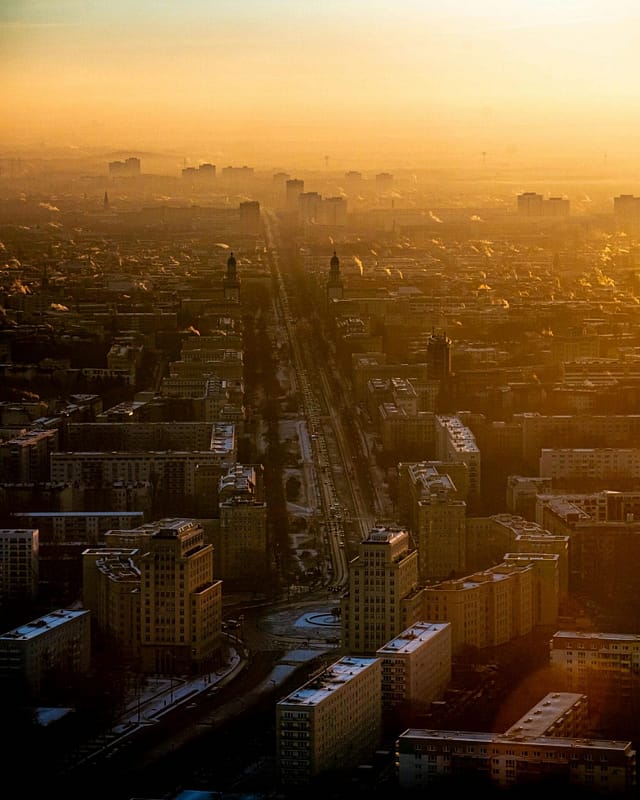
May and June are the best months to visit Berlin. Temperatures sit between 16 and 22°C, the days are long, prices are below summer peak and the parks and outdoor markets are at their best. September and October are almost as good. July and August are reliably warm but bring peak prices and school holiday crowds. December has excellent Christmas markets but high accommodation costs.
Spring in Berlin, from April through June, has a particular quality. The linden trees bloom along Unter den Linden in late May, the beer gardens open in April, and the city feels energised after winter in a way it doesn’t in colder months. Outdoor markets including Mauerpark on Sundays and the Boxhagener Platz market on Saturdays are in full swing. Accommodation in late April and May is noticeably cheaper than in July and August.
Winter is underrated. Berlin’s Christmas markets run from late November through December and are some of the best in Europe; the market at Gendarmenmarkt charges a small entry fee but is one of the most atmospheric in any city. January and February are cold, averaging -1 to 4°C, and very quiet, with the lowest accommodation prices of the year and minimal queues at every museum. If you’re prioritising sights over outdoor life, a winter visit makes strong financial sense.
| Season | Months | Avg temp | Crowds | Best for |
|---|---|---|---|---|
| Spring | April-June | 9-22°C | Moderate Best value | Sightseeing, outdoor markets, lower prices |
| Summer | July-August | 18-28°C | High Peak prices | Outdoor life, parks, swimming lakes |
| Autumn | September-November | 5-18°C | Moderate Good value | Museums, galleries, shorter queues |
| Winter | December-March | -1 to 5°C | Low (exc Dec) Cheapest | Christmas markets (Dec), cheap rates (Jan-Feb) |
Is Berlin safe for tourists?
Berlin is overwhelmingly safe for tourists. Violent crime against visitors is rare, and the city handles millions of tourists every year without significant incident. Normal city precautions apply: keep an eye on your belongings in busy areas, particularly on the U-Bahn and at major tourist sites.
Two areas get a lot of online coverage but are less alarming in practice. Görlitzer Park in Kreuzberg has a persistent open drug market, particularly in the evenings. It is not dangerous in daylight, but avoid it after dark if you do not know the area. Kottbusser Tor, also in Kreuzberg, is lively and rough around the edges, entirely fine during the day and a normal evening destination, but can feel unsettled very late at night. Neither is a reason to avoid Kreuzberg, which is one of the most interesting parts of the city.
The rest of central Berlin, including Mitte, Prenzlauer Berg, Friedrichshain, and Charlottenburg, feels as safe as any major European capital. Solo travellers and women travelling alone consistently rate Berlin as one of the more comfortable European cities to visit.
Berlin budget travel: your questions answered
Is Berlin cheap compared to London?
Berlin is significantly cheaper than London across most spending categories, with accommodation costing roughly half and day-to-day spending running about 40-50% less. A sit-down lunch runs €8-12, street food €5 to €8, and public transport is far cheaper in absolute terms than an equivalent day in the UK capital.
Which airport does Berlin use?
Berlin has one commercial airport: Berlin Brandenburg Airport (BER). Tegel, still referenced in many older guides, closed permanently in November 2020. All flights, including easyJet, Ryanair, British Airways and Eurowings, use BER, around 25 minutes from Hauptbahnhof by the Airport Express (FEX) train.
Can I still buy a weekly travel card in Berlin?
The BVG 7-day travel card was discontinued on 1 January 2026. Any guide that still recommends it is out of date. For a week in Berlin, the 6-day WelcomeCard is the closest replacement. For longer stays, the Deutschlandticket (€63 a month, sold as a subscription) covers all local transport in Germany.
How much does the Museum Island day pass cost in 2026?
The Museum Island day pass costs €24 in 2026 and covers the Altes Museum, Neues Museum, Alte Nationalgalerie, Bode Museum and Pergamon. Das Panorama. The Pergamon Museum itself is closed. Its north wing, with the Pergamon Altar, is due to reopen on 4 June 2027, and the Ishtar Gate around 2037.
What is the cheapest area to stay in Berlin?
Neukolln is the most affordable central option, with hostel dorms from £18-22 and private rooms from £45-60. Kreuzberg is slightly more expensive but still good value, and both are well connected by U-Bahn. Neukolln’s U8 reaches Alexanderplatz in under 20 minutes.
Is the Pergamon Museum open in 2026?
No. The whole museum has been closed since October 2023. The north wing, with the Pergamon Altar and the Museum of Islamic Art, is due to reopen on 4 June 2027, and the Ishtar Gate around 2037. Pergamon. Das Panorama nearby is open and included in the Museum Island day pass at €24.
How long is the flight from the UK to Berlin?
Direct flights from London take approximately 1h 55m to 2h 10m. Flights from Manchester, Edinburgh and Bristol take around 2h 10m to 2h 20m. All routes are non-stop to Berlin Brandenburg Airport (BER).