Barcelona is one of Europe’s most-visited cities, and it shows in the prices. The city raised its tourist tax in April 2026, Park Güell nearly doubled its entry fee, and Sagrada Família tickets jump again in June when the centenary surcharge kicks in. None of this means Barcelona is off the table for budget travellers. It means you need to know what things actually cost before you go.
This guide is built around verified 2026 prices. It covers flights, public transport, every major attraction, food, accommodation and the best free things in the city. Barcelona rewards the prepared visitor. The ones who do their homework spend less and see more.
Getting to Barcelona
Flying is the practical choice for most UK visitors. Barcelona-El Prat Airport (BCN) is served by most major UK airports, with easyJet, Ryanair and Vueling offering the most competitive fares.
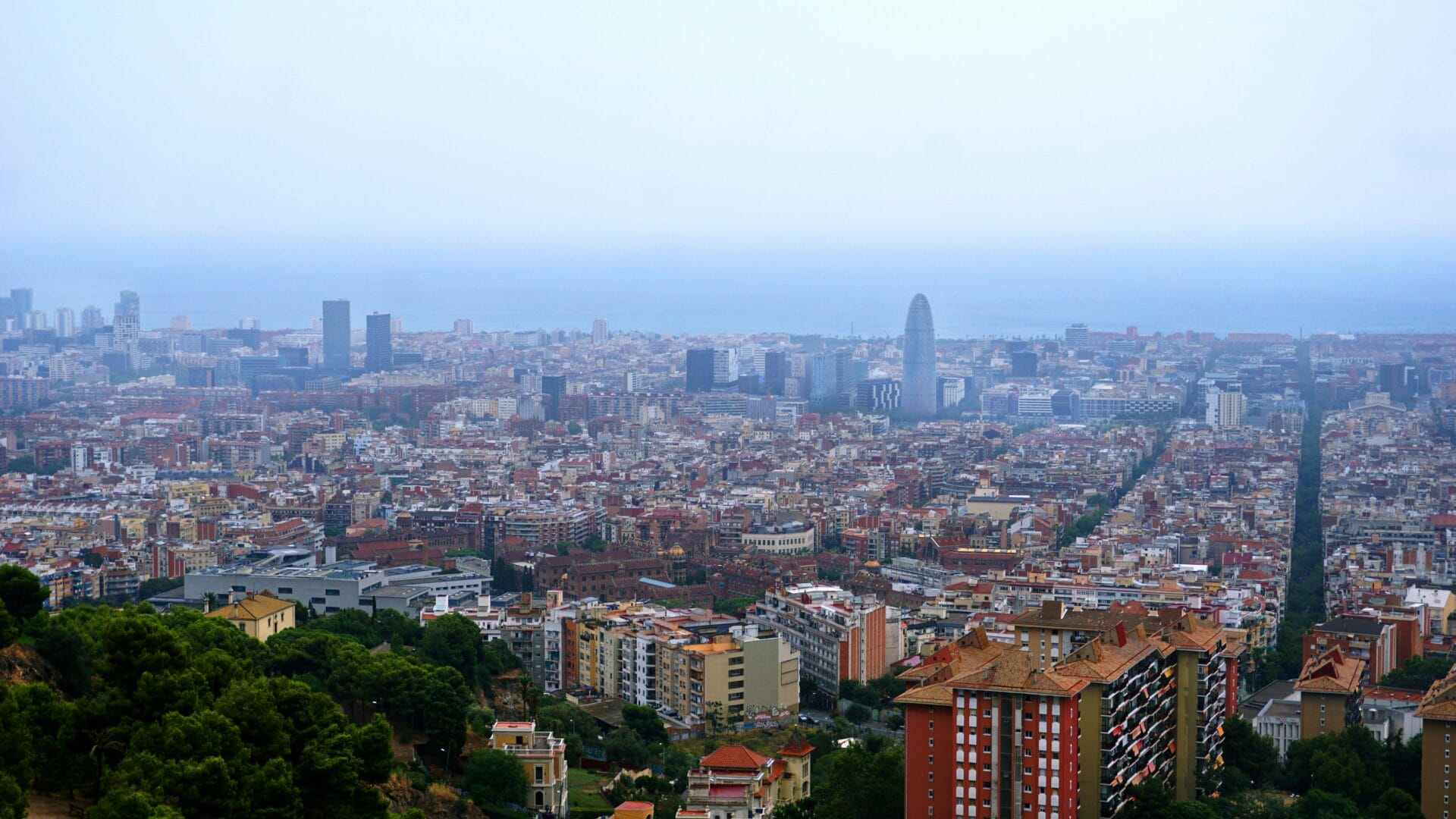
From London, return flights in the shoulder season (April-May, September-October) start from around £40-60. Summer fares climb to £100-180, and last-minute July-August bookings can be considerably higher. Manchester and Edinburgh are both served directly by Jet2, Ryanair and Vueling; fares run roughly £10-30 above London prices depending on the season.
From the airport to the city, the Aerobus is the most straightforward option: €6.75 one way (€10.80 return), running to Plaça de Catalunya every 5-10 minutes from both terminals. If you want to save a couple of euros, the Renfe R2 Nord train from Terminal 2 costs around €4.60 to Passeig de Gràcia or Sants; it is slightly slower but equally reliable. From Terminal 1, a free shuttle connects to Terminal 2 for the train.
The Eurostar and TGV via Paris is an option if you want the journey to be part of the trip. London to Paris from around £50, then Paris to Barcelona from £80 on Renfe’s high-speed service. Total travel time is around 11 hours. Worth considering for some; for most, flying is faster and usually cheaper.
Getting around Barcelona
The metro is the main way to get around, and it works well. The key purchase is the T-Casual card: 10 journeys for €13, valid on metro, bus, tram and Renfe within Zone 1. A single ticket costs €2.55, so the T-Casual pays off after just six trips. You’ll hit that in a day. It can be shared between travellers. Buy it at any metro station ticket machine on arrival.
The metro runs until 2am most nights, and all night on Friday and Saturday. That matters if you’re planning late evenings out. You won’t need a taxi home from the city centre.
| Option | Cost | Best for |
|---|---|---|
| Metro (T-Casual) | €13 for 10 trips
Best value | All city travel |
| Single metro ticket | €2.55 per trip | If you’ll make fewer than six trips total |
| Aerobus (airport) | €6.75 single / €10.80 return | Quick airport connection from T1 and T2 |
| Renfe R2 Nord (airport) | €4.60 to city centre
Cheapest | Budget airport transfer (T2; free shuttle from T1) |
| Taxi | €35-45 from airport
Expensive | Late nights, heavy luggage, groups of four or more |
Walking is underrated. The Gothic Quarter, El Born, La Barceloneta and the Eixample are all navigable on foot from a central base. Much of the city’s best free content is at street level, and Barcelona’s grid layout in the Eixample makes navigation straightforward.
Free things to do in Barcelona
A significant amount of what makes Barcelona worth visiting costs nothing.
Barceloneta Beach is the obvious starting point: 4km of Mediterranean coastline at no charge. The water is clean and the beach bars are reasonable if you pick spots slightly away from the main drag (€3-4 for a beer rather than €6-8). A morning at the beach followed by a menú del día lunch nearby is a good, cheap day.
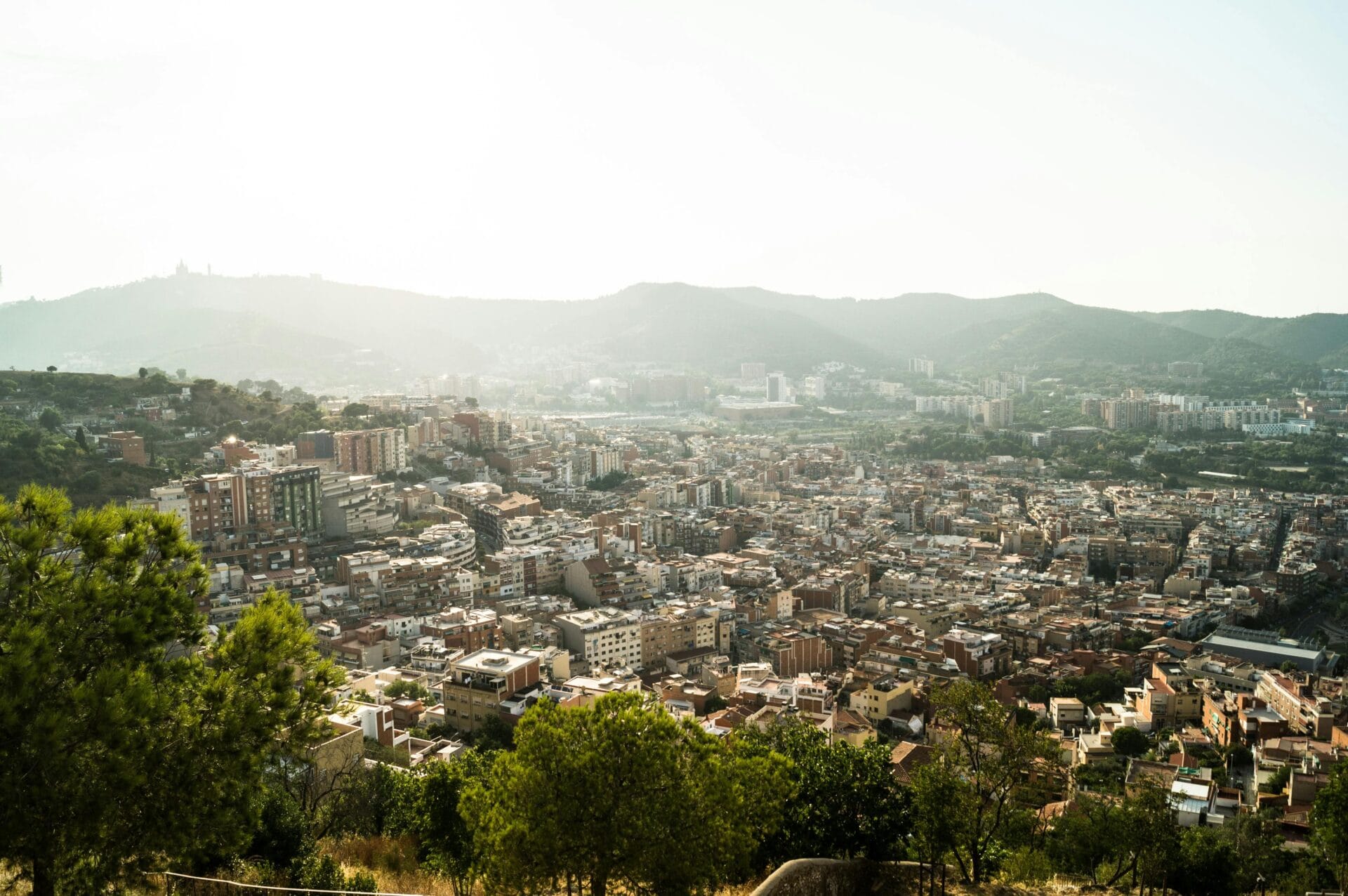
Bunkers del Carmel is the best viewpoint in the city. An old anti-aircraft battery in the Carmel neighbourhood, it offers a 360-degree panorama across Barcelona and out to the sea. Getting there involves a 20-minute uphill walk from the nearest metro, which keeps the crowds manageable. Free, and better than anything Park Güell’s ticketed zone offers for the same purpose. Go at sunset.
The Gothic Quarter is worth a few hours on its own. The streets around the Cathedral, Plaça de Sant Jaume and the medieval lanes branching off them are all free to walk. The Cathedral charges €7 for entry but the exterior and surrounding squares are the real draw. A tip-based walking tour runs from Plaça Reial most mornings and covers the area well.
Parc de la Ciutadella is the main city park, free, with a boating lake, fountains and space to sit. El Born, just north of it, is good for an afternoon: the streets around Santa Maria del Mar church and the Passeig del Born are enjoyable without spending anything. The El Born market building (Mercat del Born) has a Roman archaeological site visible beneath the floor and is free to enter.
Paid attractions: 2026 prices
Two things have changed significantly in 2026. Park Güell raised its ticket price from €10 to €18, an 80% increase. And Sagrada Família is introducing a centenary surcharge from June that pushes basic entry from €26 to around €35. If you’re visiting from June onwards, book well in advance.
| Attraction | Price (2026) | Free option |
|---|---|---|
| Sagrada Família | €26 basic (before June)
Book ahead | Exterior only |
| Park Güell | €18
Price increased | Outer park areas free |
| Casa Batlló | From €35 | Exterior on Passeig de Gràcia (free) |
| La Pedrera (Casa Milà) | From €25 | Ground floor open areas (free) |
| Picasso Museum | €14
Free 1st Sunday | First Sunday of the month |
| MNAC (National Art Museum) | €12
Free last Sunday | Last Sunday of the month |
| MACBA (Contemporary Art) | €12 | No free sessions |
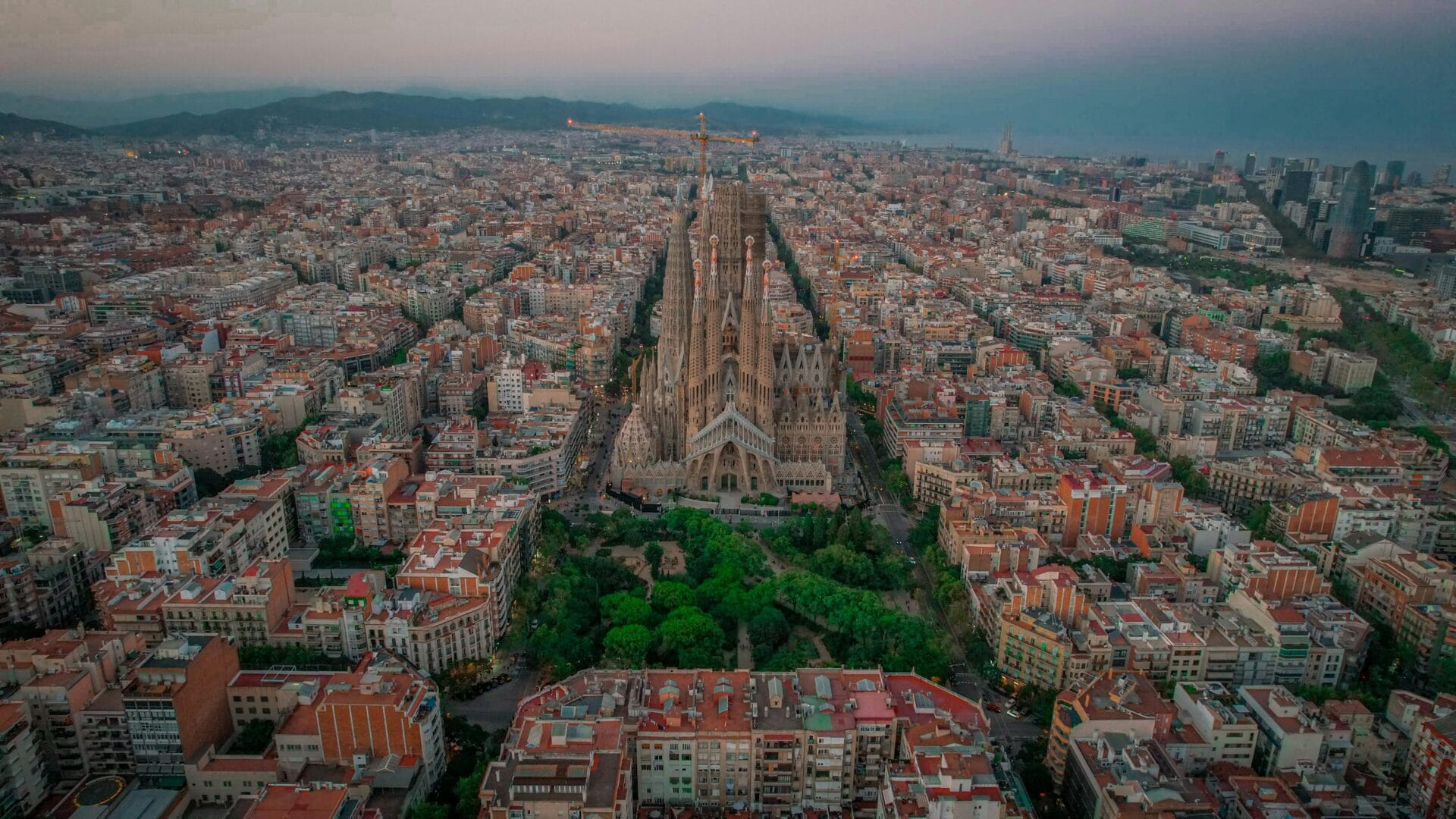
Sagrada Família is worth visiting despite the price. The interior, particularly the nave lit through Gaudí’s stained glass windows, is genuinely unlike anything else. Go on a morning when the light comes through the eastern windows. Book the earliest available slot; it’s quieter and the light is better.
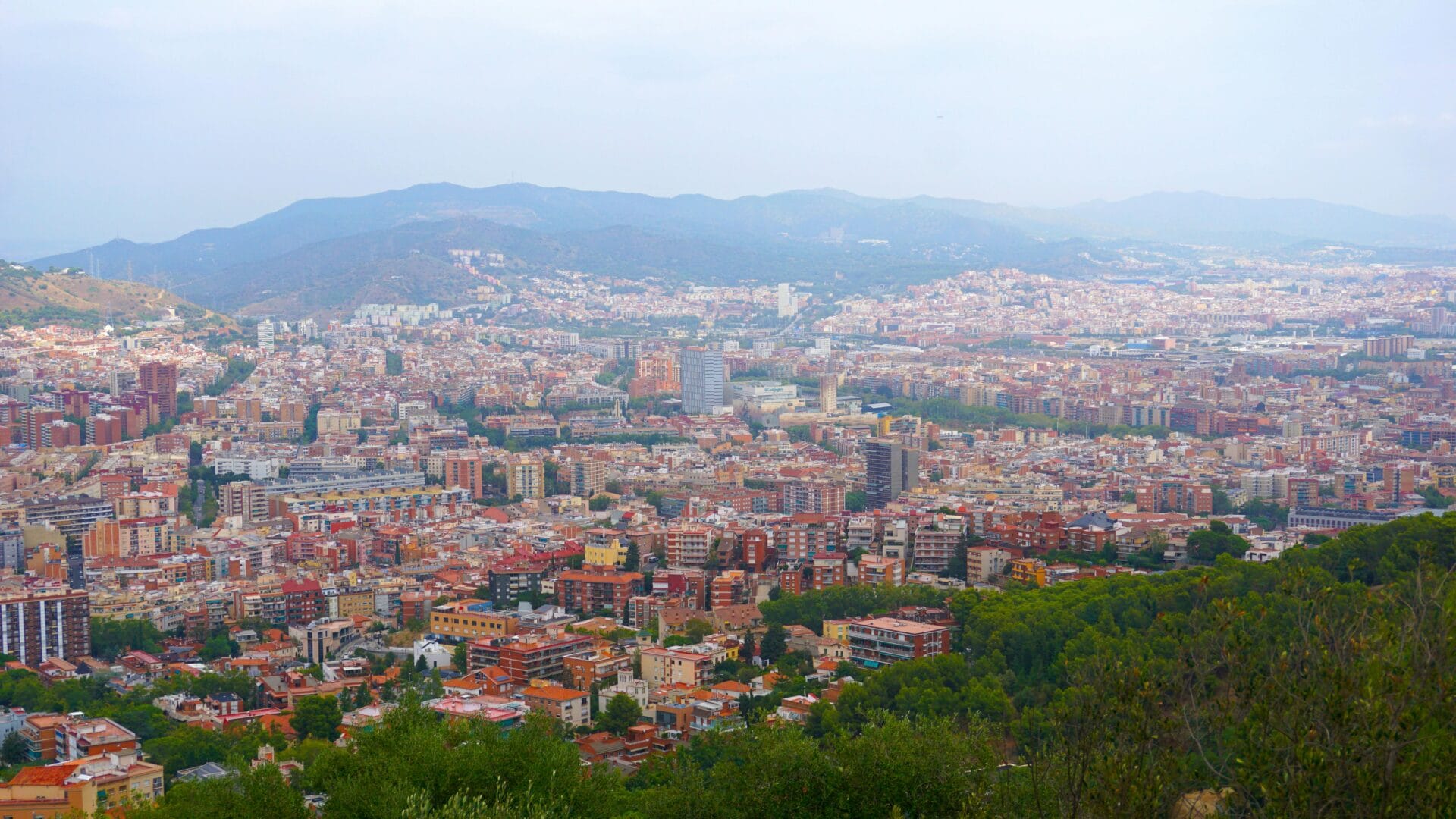
For Park Güell, the ticketed area covers the monumental zone: the mosaic terrace, the dragon staircase and Gaudí’s original market hall. The rest of the park (the wooded paths, the viaducts, the views from higher up) is free and far less crowded. For pure panorama, Bunkers del Carmel gives a wider view at no cost.
If you’re choosing between Casa Batlló and La Pedrera, La Pedrera is better value. The rooftop is the thing to see; book the evening session for the views at sunset. Casa Batlló is impressive inside but expensive for what it delivers. Both exteriors are on Passeig de Gràcia and visible without paying anything.
Eating and drinking without overspending
The menú del día is the most useful thing Barcelona offers budget travellers. Most neighbourhood restaurants serve a set weekday lunch: 3 courses, bread and a drink for €12-16. You get the full menu at a fraction of the dinner price. Look for handwritten chalkboards in windows in the Eixample, Gràcia and El Born. Avoid anything directly on La Rambla or in the square facing the Cathedral.
For tapas, the rule is simple: the closer you are to a tourist attraction, the higher the price. In the Gothic Quarter, expect €5-7 per tapa. In Poble Sec, particularly on Carrer de Blai (the city’s main pintxos strip), €2-4 for comparable food. The neighbourhood bars in Gràcia and the Eixample are similarly priced. Order at the bar wherever possible; table service adds a surcharge.
La Boqueria gets most of the attention but it’s overpriced and has been for years. The Mercat de Santa Caterina in El Born, 10 minutes’ walk from La Boqueria, is used by local residents and has better prices for the same produce. The Mercat de l’Abaceria in Gràcia is another good alternative.
Coffee is cheap by western European standards: a café amb llet (white coffee) costs €1.50-2 at a bar. Move to a terrace seat and the price roughly doubles. A small draught beer (caña) runs €2-3 in neighbourhood bars and €6-8 on La Rambla. Barcelona’s tap water is safe to drink, so bring a refillable bottle.
Budget pick: Quimet & Quimet
Quimet & Quimet is a standing-room-only bodega on Carrer del Poeta Cabanyes in Poble Sec. No tables, barely room to move, walls stacked floor to ceiling with tins and bottles. The montaditos — small open-faced sandwiches, around €3-5 each — are the reason to go. Order three or four with a glass of cava. Lunch only, typically noon to 4pm. Arrives full fast; be there at opening.
Mid-range pick: Cervecería Catalana
Cervecería Catalana on Carrer de Mallorca in the Eixample is one of the more reliable tapas bars in the city: good croquetas, decent bravas, consistent quality. Budget around €25-35 a head with drinks. There is almost always a queue at the door — arrive before 1pm for lunch or before 8pm for dinner to avoid the worst of it.
Worth the splurge: Bodega 1900
Bodega 1900 is Albert Adrià’s take on a traditional Barcelona vermouth bar. The address is Carrer del Tamarit in Poble Sec and the format is deliberately old-fashioned — marble bar, tiled walls, vermut and conservas — but the cooking is not. Around €50-60 a head. Book ahead; it fills up and the neighbourhood walk there is part of the evening.
Where to stay in Barcelona
From April 2026, Barcelona hotels charge €4 per person per night in tourist tax in the city centre. For two people staying five nights, that’s €40 on top of your room rate, and it won’t appear in most headline prices. Budget for it before you book.
| Type | Nightly cost | Best neighbourhood |
|---|---|---|
| Hostel dorm | €25-40 per person | Gothic Quarter, El Born |
| Budget hotel (private room) | €70-100 | Eixample, Gràcia, Poblenou |
| Mid-range hotel | €120-180 | Eixample, El Born |
For neighbourhood, the Gothic Quarter is convenient but noisy and prices are higher. Gràcia, north of the Eixample, is quieter with good local restaurants. Poblenou offers the best budget-to-quality ratio: well-connected by metro and noticeably cheaper. The Eixample is the safe all-rounder: central, walkable and well-served by the metro.
Short-term rental availability has shrunk significantly. Barcelona has been phasing out tourist apartment licences as they expire, so Airbnb and similar platforms now have far fewer options. If you find one, verify it has a valid Barcelona licence number in the listing, which is a legal requirement. Hotels and hostels are your most reliable options.
Budget pick: Generator Barcelona
Generator Barcelona is one of the best-run hostels in the city, in the Gothic Quarter. Dorm beds from around €25 per person. Social atmosphere, good security, and a rooftop bar. Book early in summer — it fills fast. Also worth considering: Sant Jordi Hostels Gràcia, quieter and in a better neighbourhood.
Mid-range pick: Hotel Praktik Rambla
Hotel Praktik Rambla is a smart, design-forward hotel on the Rambla de Catalunya — the quieter, more local version of Las Ramblas. Clean rooms, good breakfast, excellent location. Rates from around €100 a night. Also strong at this level: Hotel Brummell in Poble Sec, with a pool and a genuinely local feel.
Worth the splurge: Cotton House Hotel
Cotton House Hotel is a converted 19th-century textile guild building in the Eixample, with one of the best hotel bars in the city. For full luxury, Mandarin Oriental Barcelona on Passeig de Gràcia is hard to beat.
When to go to Barcelona
Shoulder season is the answer for budget visitors: April-May and September-October. Temperatures are warm enough for the beach, flights and accommodation are significantly cheaper than peak summer, and the city is busy but manageable.
| Month | Weather | Crowds | Budget rating |
|---|---|---|---|
| Jan-Feb | 10-14°C, occasional rain | Low | Cheapest flights and hotels
Lowest cost |
| Mar-Apr | 14-20°C, warming | Low-medium | Good value, improving weather |
| May-Jun | 18-26°C, warm and sunny | Medium | Good balance of weather, price and crowds
Recommended |
| Jul-Aug | 25-32°C, hot and humid | Very high | Peak prices, book well ahead
Most expensive |
| Sep-Oct | 19-26°C, still warm | Medium, easing off | Best overall value
Recommended |
| Nov-Dec | 10-17°C, cooler and wetter | Low | Cheap, but limited beach time |
10 tips for spending less in Barcelona
- Buy a T-Casual card on arrival at the airport. It gives you 10 trips for €13, valid on all TMB transport including metro, bus and tram.
- Book Sagrada Família and Park Güell online before you travel. Both sell out, especially from June onwards when the Sagrada centenary surcharge kicks in.
- Eat your main meal at lunch. The menú del día (€12-16 for 3 courses and a drink) is far better value than the same restaurant’s dinner menu.
- Skip La Boqueria for food shopping. Mercat de Santa Caterina in El Born and Mercat de l’Abaceria in Gràcia have the same produce at lower prices.
- Plan around free museum days. Picasso Museum is free on the first Sunday of the month; MNAC is free on the last Sunday.
- Order drinks at the bar, not the table. Standing at the bar is how locals drink and the price difference is immediate.
- Go to Bunkers del Carmel for the panoramic view; it’s free and better than the Park Güell viewpoints you’d pay €18 to access.
- Take the Renfe R2 Nord train from the airport rather than the Aerobus. It costs €4.60 versus €6.75 and is just as reliable from Terminal 2.
- Budget €4 per person per night for the tourist tax, which doubled in April 2026 and won’t appear in most headline hotel prices.
- Look at accommodation in Poblenou and Gràcia. Both are well-connected by metro and noticeably cheaper than the Gothic Quarter.
Find flights, hotels and holidays to Barcelona
Search current prices for your dates using the tool above, or browse our Spain flight deals, Spain hotel deals and Spain holiday deals pages for the best available offers.
Frequently asked questions about Barcelona on a budget
How much spending money do I need per day in Barcelona?
A realistic daily budget for a traveller using public transport, eating a menú del día lunch and a modest dinner out is around £50-70 per person, excluding accommodation. That covers metro journeys (roughly €2-3 per day on the T-Casual), a set lunch (€12-16), evening food (€15-25), a couple of drinks and small incidentals. Paid attractions are one-off costs rather than daily expenses: Sagrada Família (€26-35) and Park Güell (€18) come on the days you visit.
Is Barcelona expensive for UK tourists in 2026?
More expensive than it was. The tourist tax doubled in April 2026, Park Güell has raised its price to €18 from €10 the previous year, and the Sagrada Família centenary surcharge adds around €9 to tickets from June. Accommodation and food in tourist-facing areas cost more than they did pre-2023. That said, Barcelona is still cheaper than London for accommodation, neighbourhood restaurants offer excellent value, and the city’s free attractions (the beach, the Gothic Quarter, Bunkers del Carmel) remain free.
What is the tourist tax in Barcelona in 2026?
The Barcelona tourist tax doubled from April 2026. Hotels in the city centre now charge €4 per person per night. This is added to your bill separately from the room rate and typically won’t be in the headline price you see when booking. For two people staying five nights, that’s an extra €40 to budget for.
How do I get from Barcelona airport to the city cheaply?
The Renfe R2 Nord train from Terminal 2 is the cheapest option at around €4.60 to Passeig de Gràcia or Sants. If you’re arriving at Terminal 1, a free shuttle bus connects to Terminal 2 for the train. The Aerobus (€6.75 single, €10.80 return) is faster and serves both terminals directly, running to Plaça de Catalunya every 5-10 minutes. Taxis cost €35-45 and are only worth it with a group of four or significant luggage.
Is any part of Park Güell free to visit?
Yes. The ticketed area is the monumental zone: the mosaic terrace, the dragon staircase and Gaudí’s hypostyle room. The surrounding wooded park, the viaducts and the higher paths with views of the city are all free to access at any time. The free sections are less crowded than the ticketed zone, and for a panoramic view of Barcelona, Bunkers del Carmel is better and costs nothing.
What is the best time to visit Barcelona on a budget?
September and October are the best months overall: temperatures of 19-26°C, summer crowds easing, and flights and accommodation dropping significantly from August peaks. April and May are the next best option; prices are lower and the weather is warm without the summer heat and humidity. If you can only travel in July or August, book as far in advance as possible — last-minute summer prices are significantly higher than anything you’ll find in shoulder season.

Kate Acaster is Chief Editor at Flight Tribe. She writes about practical travel planning, budget airlines, baggage rules, city breaks, beach holidays and good hotels that do not cost daft money.
Kate has travelled through Europe, South America and beyond, usually with a notebook, a half-formed plan and a strong opinion on airport snacks. At Flight Tribe, her work focuses on helping UK travellers understand what is included, what costs extra, and whether a trip is worth booking at the price shown.
How Kate works
Kate checks the details that can change the value of a trip, including cabin-bag rules, airline fees, hotel location, seasonality, travel dates and booking conditions. She is especially interested in offers that look useful on the surface but need a proper reader-first check before they are worth recommending.
Editorial standards
Flight Tribe covers deals and travel advice for readers first. Affiliate links do not decide whether an offer is worth writing about.
For more about how the site works, read: