
Published 14 May 2026 | Updated 5 September 2026 by Jane Robinson
UK flights to Athens cost between £50 and £100 per person in May and September. The same routes in August regularly exceed £200. For island routes to Santorini, Mykonos and Crete, the gap is larger still, and package holiday prices follow the same pattern. Greece has one of the sharpest peak-to-shoulder price gaps of any European destination from the UK, and timing your trip well saves significant money.
Advertisement
This guide covers the full year for UK travellers: when to go for the best value, which months to avoid on a budget, how school holidays affect every part of Greece, and the 2026 overtourism measures now in place at Santorini, Rhodes, and the Acropolis. For general deal-finding strategy, see our guide to how to get cheap flights from the UK, or our Greece budget travel guide for costs and island choices across the whole country.

The quick verdict
For most UK adults without school-age children, May, June, September and October offer the best combination of warm weather, lower fares and manageable crowds. July and August are full peak season, with prices and overcrowding to match. Winter suits Athens for a city break but most island hotels are closed.
| Month | Avg high | Crowds | Price from UK | Verdict |
|---|---|---|---|---|
| January | 13°C | Very low Very low | Very low Very low | Athens city break only |
| February | 14°C | Very low Very low | Very low Very low | Athens or Thessaloniki only |
| March | 16°C | Low Low | Low Low | Shoulder starts |
| April | 20°C | Moderate Moderate | Moderate Moderate | Excellent outside Easter |
| May | 25°C | Low Low | Low Low | Best value beach month |
| June | 30°C | Low–moderate Low–mod | Moderate Moderate | Strong shoulder month |
| July | 33°C | Very high Very high | High High | Family peak; book 4–6 months ahead |
| August | 33°C | Peak Peak | Very high Very high | Extreme on Santorini & Mykonos |
| September | 29°C | Low Low | Moderate→Low Moderate | Best overall month |
| October | 23°C | Low Low | Low Low | Excellent value |
| November | 18°C | Very low Very low | Very low Very low | Cheapest month |
| December | 15°C | Low / Very high Split | Low / Very high Split | Athens city break before 21 December |
Month by month
Here is what each part of the year looks like in practice, written for UK travellers.
January and February
January is the quietest month across the country. Average highs in Athens sit at 13°C, mild enough for sightseeing but not beach weather. Most hotel and restaurant operations on smaller islands, including Santorini and Mykonos, shut entirely for the winter. Athens, however, works well: the Acropolis, National Archaeological Museum, and the Plaka and Monastiraki neighbourhoods are all accessible, crowds are minimal, and accommodation prices are the lowest of the year. Fares from UK airports reflect the lack of demand.
February follows the same pattern. The exception is the half-term week, typically the third week of the month for England and Wales, when fares and demand rise modestly. On the mainland and in Thessaloniki, February can be cold with rainfall. It is not a month for the islands unless you specifically want to see them empty, which has a certain appeal for photography and Santorini’s caldera views without the summer crowds.
March and April
March is when the shoulder season begins. Temperatures in Athens climb toward 16°C. Some island hotels, particularly on Rhodes and Corfu, start reopening from late March. The Dodecanese islands warm up faster than the Cyclades, making Rhodes and Kos viable beach destinations by the end of the month. Fares remain low and the country is largely tourist-free. It is a good time for Athens, the Peloponnese, and Delphi.
April is more complex because of Easter. Greek Orthodox Easter and UK Easter do not always coincide, but when UK Easter falls in April, prices and demand spike hard for the two weeks around it. The islands fill up with both UK visitors and Greek domestic tourists. Outside Easter week, April is excellent: average highs around 20°C, the sea warming toward 18°C in the Aegean, and fares well below summer levels. Book early if your travel dates overlap with Easter and check whether UK Easter aligns with the school holiday period.
May and June
May is the first month that fully justifies a beach holiday from the UK. Average highs reach 25°C across the Aegean. The sea warms to around 21°C, which is manageable for swimming. Fares are among the lowest of the year for any island destination, and the major sites, including Santorini and the Cyclades, are a fraction of their August crowd levels. Santorini in May is genuinely pleasant: the caldera paths, Oia, and the volcanic beaches are all accessible without the queues that build from July. Outside the May half-term week at the end of the month, it is consistently the best value combination of weather and price.
June steps up to 30°C average highs and a sea temperature of around 24°C. Fares have risen from May lows but remain below peak. The Dodecanese islands are at their best in June: Rhodes, Kos, and Symi have full facilities open, a warm sea, and none of the extreme overcrowding that arrives in late July. Santorini and Mykonos begin to fill from mid-June as European summer holidays start. If you are heading to the Cyclades, the first three weeks of June are noticeably quieter than the last week.
July and August
Peak season. Average highs across the Aegean reach 33°C, with heatwave periods pushing higher. The sea reaches 26 to 27°C at its warmest. Santorini in July and August is one of the most congested tourist destinations in Europe: cruise ships disgorge up to 8,000 passengers on a single day, on top of air arrivals, and the paths around the caldera and through Oia are often impassable mid-afternoon. Mykonos is equally expensive and busy. Crete handles the numbers better because of its size, and Rhodes has enough space to absorb demand across its resorts.
For UK families tied to school holidays, this is your window. July is slightly cheaper than August. Book flights and accommodation four to six months ahead for either month, particularly if you need a specific departure airport. The Crete resorts of Heraklion, Chania, and Hersonissos are the most practical choice for families: wide beaches, good facilities, and direct flights from most major UK airports.
September and October
September is the best single month for most UK adults without school-age children. Average highs hold at 29°C, the sea reaches its peak warmth of 26°C, and prices drop sharply as soon as UK schools return in early September. The islands clear quickly. Crete in September is excellent: full facilities, warm sea, low fares, and none of the summer press of people. Santorini in September is far more manageable than in August, though the cable car queues and caldera sunsets still draw crowds. Book the first two weeks of September if you have flexibility.
October cools to around 23°C average highs but remains good for beach holidays. The sea stays at 22 to 23°C. Fares are low. Some accommodation on smaller islands, including Santorini, Mykonos, and parts of the Cyclades, starts to close from mid-October, so check availability before booking. Rhodes and Crete stay open longer and are the safer October choices. Athens is excellent in October: warm enough to be comfortable, manageable crowds at the major sites, and good restaurant value.
November and December
November is the cheapest month. Fares from UK airports drop to their annual lows. Most island infrastructure is closed or running minimal services. Athens and Thessaloniki function well as city destinations, and the Acropolis is at its least crowded. Average temperatures in Athens hold at 18°C, enough for walking and sightseeing. The Peloponnese and the archaeological sites at Delphi and Olympia are also good in November, with no visitor queues.
December splits in the familiar pattern. The first three weeks offer low fares and a quiet city. From roughly 21 December, prices jump for Christmas and New Year. Athens at Christmas is worth considering for a short break: milder than most northern European cities, rich in history, and substantially cheaper than Rome or Paris at the same time of year. Fly in before 20 December and return before Christmas to avoid the holiday premium.
UK school holidays are the single biggest driver of price variation in Greece. The country is one of the most popular summer package destinations for British families, which means every school break creates a simultaneous demand spike from airports across the UK.
The table below shows the impact of each main holiday period and what to do if your dates overlap. For more on booking timing, see our guide to when UK flights are cheapest.
How UK school holidays affect Greece prices
| UK school break | Approx 2026 dates | Price premium | What to do |
|---|---|---|---|
| February half term | 16–20 Feb 2026 | 10–20% Low–medium | Modest spike. Only Athens and Thessaloniki are practical in February. Avoid the half-term week for best fares. |
| Easter | 3–17 April 2026 | 30–50% High | Major spike. First week of Easter cheaper than second. Check whether UK Easter aligns with Greek Orthodox Easter. Book early or travel either side. |
| May half term | 25–29 May 2026 | 15–25% Medium | Moderate spike. The two weeks before half-term are the best-value beach period of the year. Travel 1–22 May for lowest fares. |
| Summer holidays | 24 Jul–4 Sep 2026 | 60–120% Very high | Biggest spike of the year, especially for islands. Santorini and Mykonos see the largest premiums. Book 4–6 months ahead. Crete offers better value than the Cyclades in summer. |
| October half term | 26–30 Oct 2026 | 10–20% Low–medium | Smaller spike. Verify that your chosen island is still open at this point. Rhodes and Crete are safest bets for late October. Avoid Santorini and Mykonos, which are winding down. |
| Christmas / New Year | 21 Dec 2026–2 Jan 2027 | 30–50% High | Athens city breaks before 20 December are among the cheapest in Europe. Christmas week itself sees a sharp rise. New Year in Athens is livelier and pricier. |
Greece is unusual among European Mediterranean destinations in having multiple main island airports, each with its own direct UK routes. You can fly direct to Athens, Heraklion (Crete), Rhodes, Corfu, Kos, Thessaloniki, Santorini, and Mykonos from various UK airports. Which airport you depart from matters a great deal, both in terms of cost and which Greek destinations you can reach without a connection.
Check your hand luggage allowance before booking. The cheapest fares to Greece typically come on easyJet, Ryanair, and Wizz Air with the most restrictive baggage policies, and the extras can easily match or exceed the fare itself.
Which UK airports fly direct to Greece
Most direct flights to Greece from the UK operate between April and October. The exception is Athens (ATH), which has year-round services from London Heathrow via British Airways and from London Gatwick via easyJet. For the islands, services typically begin in late April or early May and end in late October.
| UK airport | Flight time | Airlines | Greek destinations served |
|---|---|---|---|
| London Gatwick (LGW) | ~3h 30m to ATH | easyJet, British Airways, Jet2, TUI, Ryanair | Athens, Heraklion, Rhodes, Corfu, Kos, Santorini, Mykonos, Zakynthos |
| London Heathrow (LHR) | ~3h 30m to ATH | British Airways | Athens (year-round) |
| Manchester (MAN) | ~3h 45m to ATH | easyJet, Jet2, TUI, Ryanair, Wizz Air | Athens, Heraklion, Rhodes, Corfu, Kos, Mykonos, Zakynthos |
| London Stansted (STN) | ~3h 30m to ATH | Ryanair, easyJet, Wizz Air | Athens, Thessaloniki, Heraklion, Corfu, Kos, Rhodes |
| Bristol (BRS) | ~3h 30m to Rhodes | easyJet, Jet2, TUI | Rhodes, Heraklion, Corfu, Kos, Zakynthos |
| Edinburgh (EDI) | ~4h to ATH | easyJet, Jet2, TUI | Athens, Rhodes, Corfu, Heraklion |
| Birmingham (BHX) | ~3h 30m to ATH | Jet2, TUI, easyJet | Athens, Rhodes, Heraklion, Corfu, Kos |
| Leeds Bradford (LBA) | ~3h 30m to ATH | Jet2, TUI | Athens, Rhodes, Heraklion, Corfu |
For more on finding the best fares from your local airport, see our guide to how to get cheap flights from the UK.
Santorini, Crete, Mykonos, or Athens: which destination at which time
The timing question in Greece depends heavily on where you are going. Each major destination has a different peak season profile.
Santorini is at its best in May, early June, and September. The caldera views and volcanic beaches are accessible, the heat is manageable, and you can walk between villages without the July and August crowds. The cable car from Fira port to the town operates year-round but queues badly in peak season. Book the cable car ticket in advance if you are visiting in summer.
Crete is the most forgiving of the main Greek island destinations. Its size means it handles summer volume better than the Cyclades. May through October all work well, with September and early October particularly good for anyone who wants the sea at its warmest without August prices.
Mykonos is extremely expensive in July and August. The combination of high demand, limited supply, and a wealthy visitor profile pushes accommodation prices to levels unusual even by Greek island standards. June and September are significantly more affordable and still warm. If budget matters, approach Mykonos outside peak season or consider nearby Naxos or Paros as alternatives with easier prices and lower crowds.
Rhodes is one of the most reliable island choices across a long season. It warms up faster in spring than the Cyclades, making late April and May viable beach options. It handles summer volume better than Santorini and Mykonos because of its size and the spread of its resorts. October is excellent for Rhodes: the sea is still warm, prices have dropped, and the medieval old town is far more enjoyable without the crush of summer visitors.
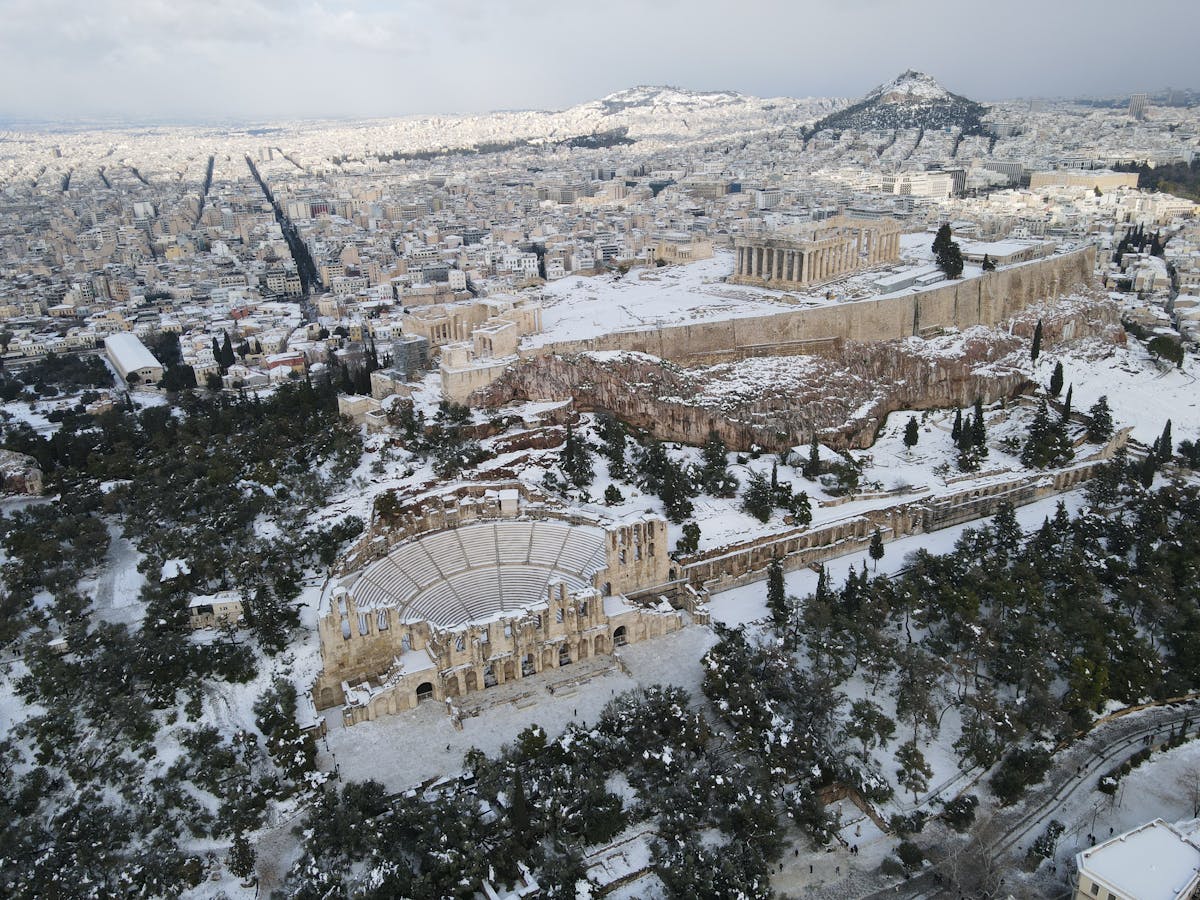
Athens works year-round as a city break but is at its most pleasant in April, May, October, and November. Summer in Athens is hot and the city is busy. The Acropolis requires a pre-booked timed entry slot regardless of season. If you plan to combine Athens with an island, the most practical pattern for a one-week trip is two nights in Athens at either end with a short flight or ferry to the island in between.
Corfu is one of the greenest of the main Greek islands, at its most lush in April and May after winter rainfall. It has direct UK flights from multiple airports and a long season. The Ionian Sea on the west coast of Greece tends to be slightly cooler than the Aegean in spring but catches up by June. Corfu is a good choice for May and June from UK regional airports and suits families as well as couples.
The 2026 overtourism measures: what UK travellers need to know
Greece has introduced a series of visitor management measures in response to overtourism, primarily at Santorini, the Acropolis of Athens, and in the medieval old town of Rhodes. Several of these are now enforced, and they affect the practicalities of a UK visit.
Santorini caps the total number of cruise ship passengers who can disembark in a single day at 8,000. The measure was formally introduced in 2024 and has been enforced more strictly through 2025 and 2026. On days when the cap is reached, arriving cruise passengers are turned away. This does not directly limit air arrivals, but it does reduce the worst of the midday crowd peaks on the caldera. If you are flying in rather than arriving by cruise, the practical difference is that afternoons in Oia are slightly less extreme than they were in 2022 or 2023. Arriving before 10am or after 5pm still avoids the worst congestion.
The Acropolis of Athens requires a pre-booked timed entry slot. There is no walk-up access during the main season. Book your slot via the Greek Ministry of Culture website before you travel. Standard tickets cost around €20 in high season, with a combined ticket covering the Acropolis and several nearby museums at a higher price. Booking a week or more ahead is advisable for summer visits.
Rhodes Old Town has introduced stricter restrictions on motorised vehicles in the historic area. Some scooter hire operations that previously allowed access to the old town are now subject to local authority limits. Check current restrictions with your accommodation before booking transport.
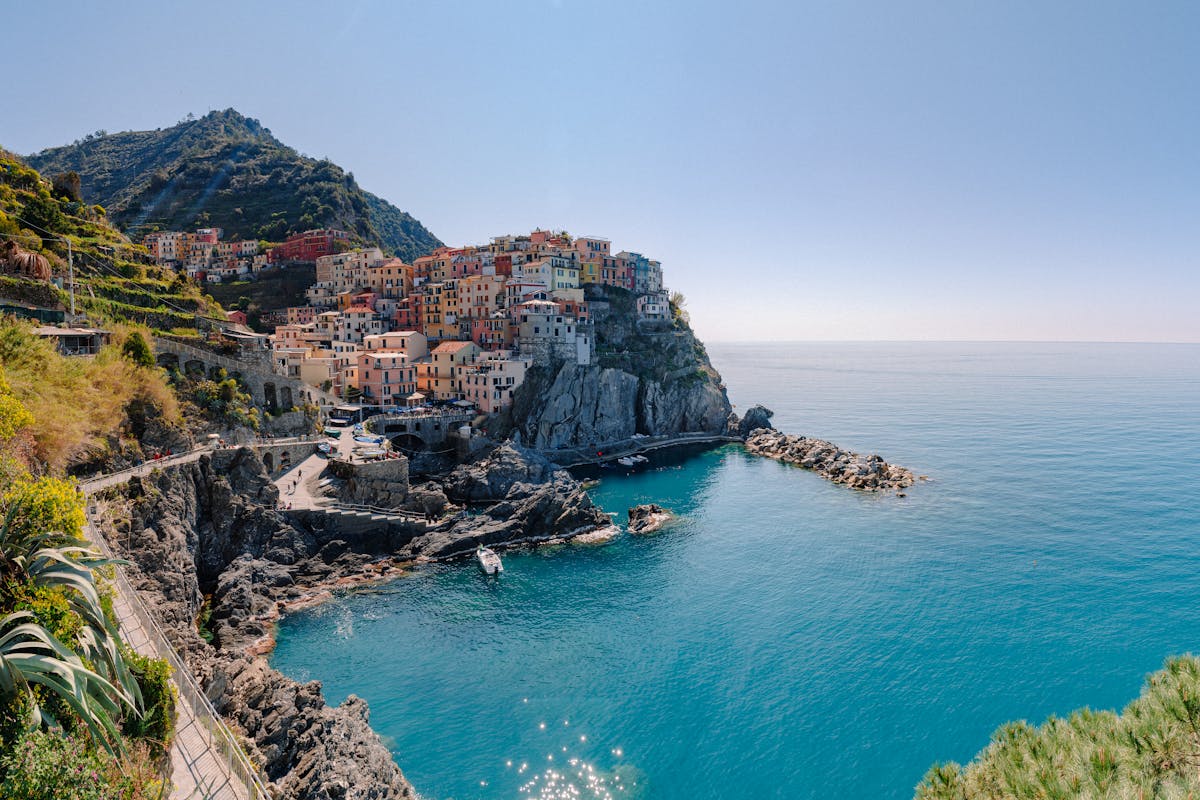
Best time to visit Greece depending on what you want
Families with school-age children
July through to early August is your window, with July slightly cheaper than August. Crete is the most practical choice: wide sandy beaches, large family hotels, good water parks, and direct flights from most major UK airports. Rhodes is a solid alternative, particularly the Faliraki and Lindos areas. Avoid Santorini and Mykonos in the school summer holidays, as prices are extreme and the narrow caldera paths are not well suited to families with young children. Book flights and accommodation four to six months ahead.
Couples and adults without children
September is the best single month. Warm sea at 26°C, prices well below the summer peak, and the islands at their most relaxed. Santorini and Mykonos are genuinely enjoyable in September in a way they are not in August. For a more low-key alternative to the famous Cycladic islands, Symi, Naxos, Milos, and Folegandros are all good from May onwards and far cheaper. May is the second-best choice: uncrowded, warm, and the best value of any beach month.
Travelling on a tight budget
May, outside the half-term week at the end of the month, gives you the best combination of beach weather and low fares. Athens in November or early December offers city break travel at very low prices. For island travel on a budget, Crete and Rhodes offer better value in any month than Santorini and Mykonos. Consider the lesser-known Ionian Islands (Kefalonia, Lefkada, Zakynthos) or the Dodecanese beyond Rhodes (Kos, Symi) as lower-cost alternatives with comparable weather.
A city break to Athens
March through May and October through November are the best periods. Temperatures are comfortable for walking, the Acropolis and other sites are much less crowded than in summer, and fares are significantly lower. Athens in late October can be 20°C with low humidity, which is a much more pleasant condition for exploring the Plaka and climbing to the Acropolis than July’s 33°C. Book your Acropolis timed entry slot before you travel regardless of the month.
Island hopping
June and September are the best months for island hopping. Ferry services are running at full frequency, sea crossings are calm, and accommodation is available without the need to book months ahead. A typical UK itinerary might combine two nights in Athens with a combination of Santorini, Naxos, and Mykonos by fast ferry. The Cyclades ferry network is served by Piraeus port in Athens. Connections are good but depend heavily on weather in early and late season.
Frequently asked questions
What is the best month to visit Greece from the UK?
September. Schools are back, prices drop sharply from the summer peak, average highs remain at 29°C, and the sea reaches 26°C, its warmest of the year. The main islands are noticeably quieter than in August. If you want lower prices still and do not mind a slightly cooler sea, May gives you the best fares of the year with 25°C average highs and genuinely uncrowded beaches. For a comparison with another popular Mediterranean destination, see our best time to visit Majorca guide.
When is Greece cheapest to visit from the UK?
November has the lowest fares year-round, but most island hotels are closed. For the cheapest month where you can actually have a beach holiday, May outside the half-term week is the answer: return flights to Athens or Heraklion from London Gatwick can fall below £70 per person in the first three weeks of May. Late September, after UK schools return, is the second-best option for low fares with beach-quality weather.
Is Greece too hot in August?
For many visitors, yes. Average highs of 33°C are a significant constraint on sightseeing in Athens, and heatwave periods can push this higher. The islands are more comfortable because of coastal breezes. Santorini and Mykonos are also extremely crowded in August, which compounds the heat. If you have to travel in August, Crete and Rhodes are more practical because their size gives you more options for beach and resort without the extreme congestion of the Cyclades. The sea temperature of 26 to 27°C is excellent. It is worth weighing the swimming conditions against the sightseeing constraints.
Can you swim in the sea in Greece in May?
Yes, though the sea temperature depends on which part of Greece you are visiting. The Aegean in May averages around 20 to 21°C, which is swimming temperature for most UK visitors who regularly swim in the sea at home. The Ionian Sea on the west side (Corfu, Kefalonia, Zakynthos) can be slightly cooler in May. The Dodecanese (Rhodes, Kos) tend to be marginally warmer than the Cyclades because of their more southerly position. By the end of May, sea temperatures are generally comfortable across all main UK holiday destinations in Greece.
Which Greek island is least crowded in summer?
Symi, Naxos, Milos, and Lefkada are consistently less crowded than Santorini and Mykonos in summer. Avoid Santorini and Mykonos in July and August if crowds are a concern. Crete is busy but large enough to spread visitors across its resorts. For quieter alternatives, consider Symi (small, car-free, accessible from Rhodes), Naxos (large by Cycladic standards, with good beaches and less tourism infrastructure than Mykonos), Milos (volcanic like Santorini but far less visited), or Lefkada in the Ionians (accessible by bridge, easy road transfer from Athens). All of these have direct or indirect UK flight connections and a fraction of the Santorini or Mykonos summer crowd.
When do UK airlines start flying direct to Greek islands?
Most UK direct island services begin in late April or early May and run through to late October. Rhodes and Corfu tend to get some services from late March or early April, earlier than the Cyclades. Athens has year-round direct service from London Heathrow (British Airways) and London Gatwick (easyJet). Santorini and Mykonos typically operate from May to October only from UK airports, though exact dates vary by airline and departure airport. Check airline schedules in January or February for the best selection of summer island routes.

Jane Robinson is Senior Editor at Flight Tribe. She has a Master’s in English and Journalism, and writes about flight deals, holiday offers and practical ways UK travellers can spend less without wasting time on weak promotions. Jane has spent time living and working across Asia and New Zealand, which gave her a lasting interest in how people travel, eat, move around and spend their free time in different places.
At Flight Tribe, her work focuses on verified prices, realistic travel dates, booking terms and whether a deal is actually worth attention.
How Jane works
Jane checks offers against live supplier pages wherever possible, including prices, dates, departure points, baggage rules and booking conditions. She is quietly sceptical of anything that sounds too good to be true, and helps keep Flight Tribe’s travel advice useful, honest and easy to act on.
Editorial standards
Flight Tribe covers deals for readers first. Affiliate links do not decide whether an offer is worth writing about.