Published 10 May 2026 | Updated 29 August 2026 by Kate Acaster
Venice costs more than most European city breaks, but the gap between tourist-trap prices and local prices is one of the biggest on the continent. Coffee at Caffe Florian in Piazza San Marco: around £8. The same coffee standing at a bar in Cannaregio: £1.30. Budget for the local version of Venice consistently and you can do it properly for £80-100 a day, excluding flights.
Advertisement
You will find more destinations covered in Flight Tribe’s destination guides, each built around verified prices for UK travellers.
This guide covers real 2026 costs, including the updated day visitor fee, the best times to book flights from the UK, and where to sleep, eat and travel without spending tourist prices.
Venice daily budget: what to expect
The table below gives honest UK-perspective ranges. The budget column assumes hostel dormitories or Mestre hotels, local bacari for food, walking as your main transport, and free activities. Mid-range assumes a basic hotel in the historic centre, sit-down meals, and occasional vaporetto rides.
| Category | Budget | Mid-range | Notes |
|---|---|---|---|
| Accommodation | £30-50/night | £90-140/night | |
| Food | £15-20/day | £40-60/day | |
| Transport | £0-9/day | £17-25/day | |
| Activities | £0-8/day | £20-40/day | |
| Total | £55-85/day | £170-260/day |
When to visit Venice on a budget
January and November are the cheapest months, with flights and rooms regularly 30-40% lower than peak summer. February looks cheap until you check: Carnival runs from mid-February into March most years, and prices spike sharply for that fortnight. Easter weekend is similarly expensive.
The table below uses crowd and price levels as the main filters, not just weather. Venice in October or early November is genuinely beautiful and far cheaper than August.
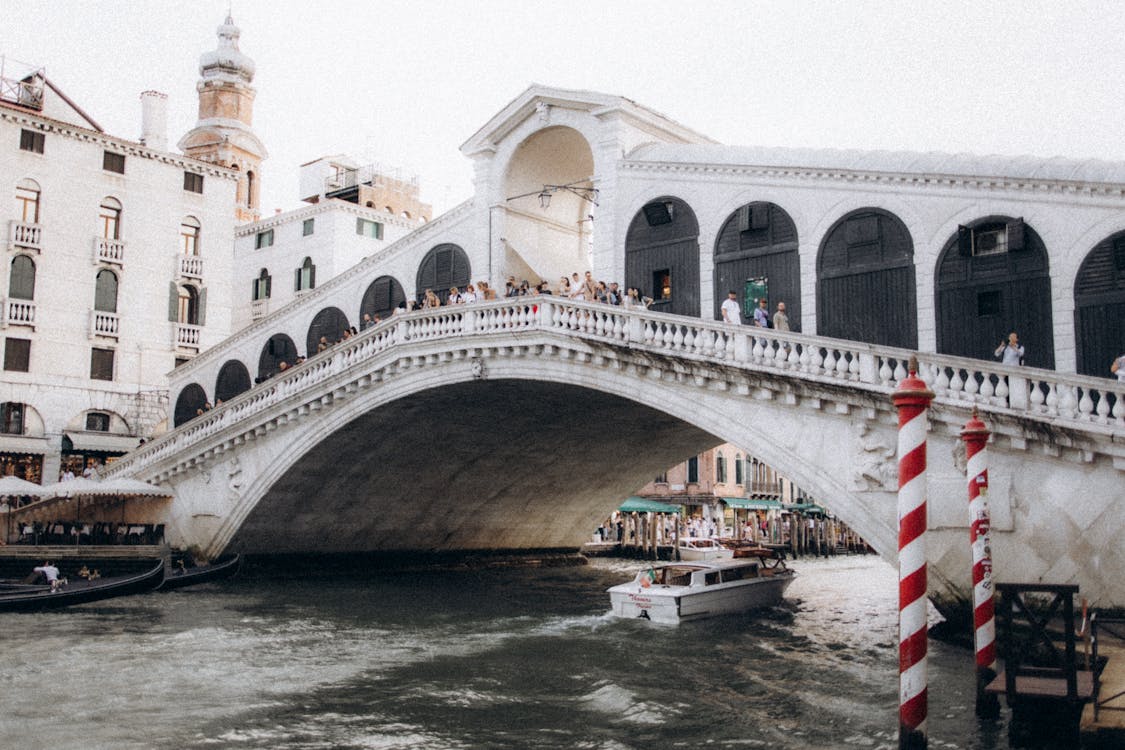
The Rialto Bridge and the Grand Canal are free to visit any time of year. Visiting in shoulder season, you’ll have the same view with a fraction of the crowds and significantly lower hotel prices.
| Season | Months | Crowds | Prices | Verdict |
|---|---|---|---|---|
| Low | Jan, Nov | Light | Cheapest | Best for budget |
| Shoulder | Mar, Oct, early Dec | Moderate | Mid | Best value overall |
| Peak | Jun, Jul, Aug | Very heavy | Highest | Avoid if budget-focused |
| Avoid | Carnival, Easter | Extreme | Very high | Not for budget travel |
For UK travellers, the cheapest time to book flights to Europe is generally 6-8 weeks ahead for shoulder season and 3-4 months ahead for peak summer dates.
Getting to Venice from the UK
Ryanair flies from London Stansted to Venice Marco Polo airport, with fares from around £20 return in low season. easyJet covers London Gatwick from a similar base. Both airlines also serve Treviso airport, roughly 25km from Venice, where fares can be meaningfully lower. The trade-off is a £10 bus transfer from Treviso into the city centre.
From Venice Marco Polo, the Alilaguna water bus takes around 75 minutes to reach San Marco for approximately £15. A taxi boat runs around £100-120 per group. For most people, the cheapest airport transfer is the ATVO or ACTV bus to Piazzale Roma for around £8, then walk or take the vaporetto from there.
If you’re already in northern Italy, the train from Milan takes around 2.5 hours and costs £15-35 booked in advance. Worth considering if you’re combining cities.
For finding the cheapest fares, our guide to how to get cheap flights from the UK covers the best tools and timing. The cheapest day to book for European routes is usually Tuesday or Wednesday.
The 2026 Venice day visitor fee
Venice charges a day tripper fee on 60 peak dates between April and July 2026, covering Fridays, Saturdays and Sundays across those months. The fee is €5 per person if you book online at least three days before your visit, or €10 on the day or within 48 hours. It operates between 08:30 and 16:00 only. Overnight guests with a hotel booking are completely exempt.
Book your day visitor pass online in advance at Venezia Unica to pay the lower rate. Children under 14 are free. The fee does not cover any attractions or transport, so factor it in as a separate entry cost if you’re visiting on a peak date.
If you’re staying overnight, you avoid the fee entirely. This is another reason why even a basic hotel or hostel stay in Venice (or Mestre) is worth considering over a day trip on a peak date.
Where to stay in Venice on a budget
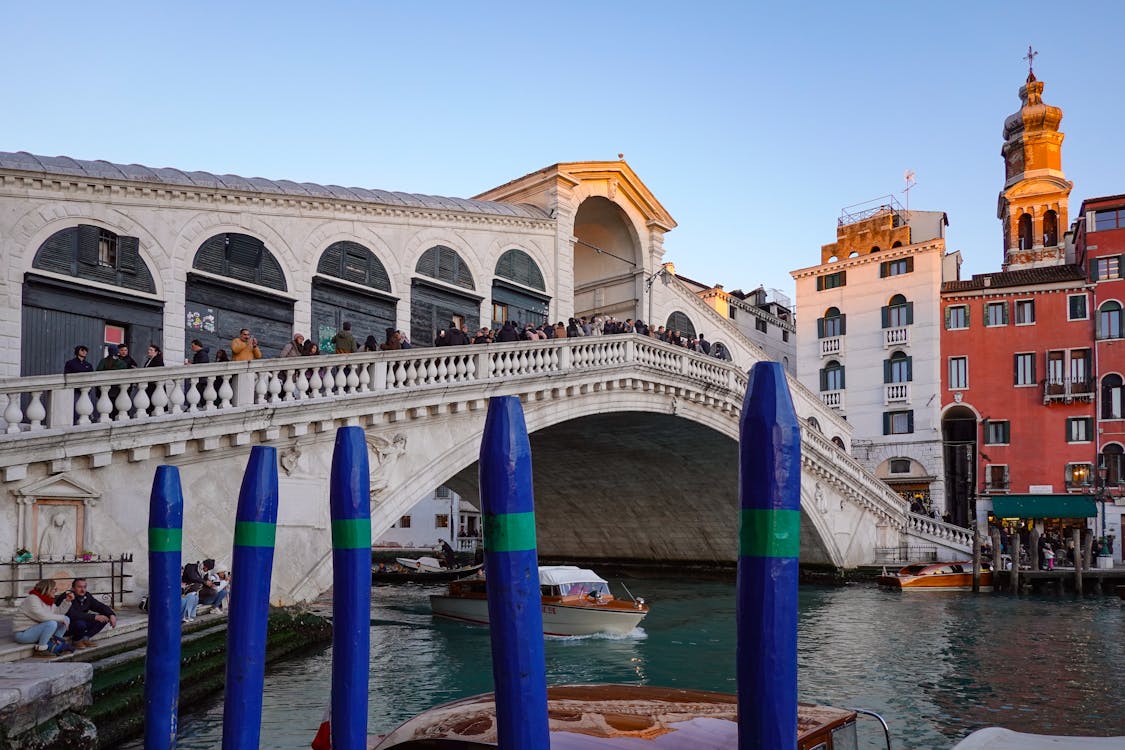
Cannaregio and Santa Croce are the most affordable neighbourhoods in the historic centre. Both are within walking distance of the main sights and noticeably quieter than the tourist-heavy routes around San Marco.
The two cheapest options for staying in Venice are hostel dorms in the historic centre and private rooms in Mestre on the mainland. Both are legitimate choices depending on how much you value waking up already inside Venice.
| Option | Cost/night | Best for | Watch out for |
|---|---|---|---|
| Hostel dorm | £28-50/person | Solo travellers | |
| Budget hotel centro | £80-130/room | Couples, short stays | |
| Mestre hotel | £55-90/room | Best budget value | |
| Airbnb | £80-200/room | Groups, kitchen access |
For specific options in the historic centre, Generator Hotel in Cannaregio is one of the most reliable budget options, with dorms and private rooms. Al Portico and Hotel Agli Artisti are solid budget hotel choices. Hotel Venezia sits between the historic centre and Mestre and gives you the best of both.
Eating and drinking cheaply in Venice
The most important thing to understand about eating cheaply in Venice is the bacaro. These are the city’s traditional wine bars, where locals have been eating cicchetti (small bar snacks on bread) and drinking ombre (small glasses of wine) for centuries. You stand at the bar, you point at what you want, and you pay something in the range of £1.50-2.50 per piece.
A full meal of six or seven cicchetti with two glasses of house wine costs around £15-18. This is not the tourist experience. This is what Venetians actually eat for lunch and early evening.
- Bar Alla Toletta in Dorsoduro: one of the most popular local bacari, very small, very good
- Gelateria Nico on the Zattere waterfront: old-school gelato, locals go here
- Rialto Market area: several bacari clustered around the market sell cicchetti from early morning; Cantina Do Mori at Calle dei Do Mori is one of the oldest bacari in the city
Standing at the bar is not just a preference, it is the price-saving mechanism. A cappuccino standing at a bar in Cannaregio costs around £1.30. The same cappuccino at a table in Piazza San Marco costs around £8. The geography of your meals matters more in Venice than almost anywhere else.
Supermarkets in Cannaregio and Santa Croce (look for Coop or Billa) stock cheap lunch ingredients. A 1.5-litre water bottle costs around £0.60 in a supermarket versus £3-4 at a bar near the main sights.
Getting around Venice: vaporetto or walk?
Walking is the default mode of transport in Venice and covers about 80% of what most visitors want to see. The historic centre is small enough to cross end to end in 30 minutes on foot. Most sights, from the Rialto Bridge to the Dorsoduro, are walkable from anywhere in the centre.
The vaporetto (water bus) is worth it for journeys across the Grand Canal or out to the islands (Murano, Burano, Torcello). A single ticket costs around £8.50 and is valid for 75 minutes. If you’re planning three or more journeys in a day, a 24-hour pass makes financial sense.
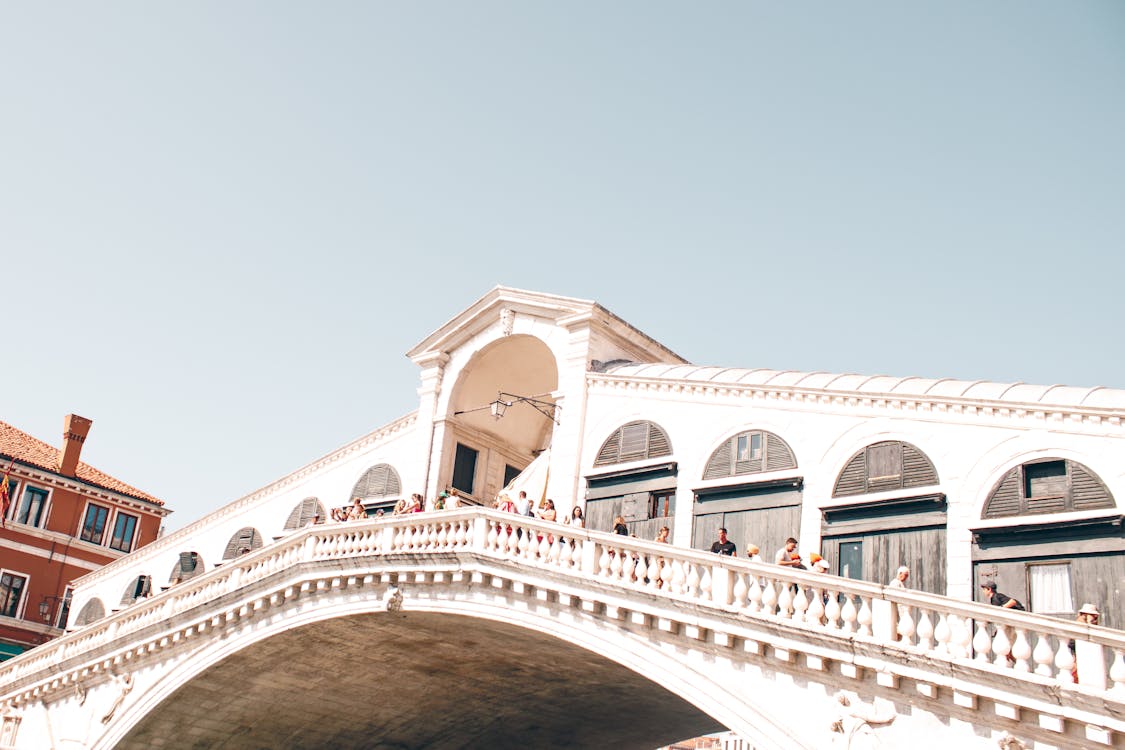
The smaller side canals are the best way to navigate Venice on foot. Avoiding the main tourist routes between San Marco and the Rialto cuts crowds significantly and costs nothing.
| Pass | Cost | Worth it if… | Best for |
|---|---|---|---|
| Single ticket | ~£8.50 | You need 1-2 rides | |
| 24-hour pass | ~£21 | 3+ rides in the day | |
| 48-hour pass | ~£30 | Visiting islands both days | |
| 72-hour pass | ~£38 | Using vaporetto daily |
Free and cheap things to do in Venice
Most of Venice’s best experiences cost nothing. The city itself is the attraction. Admission fees at paid venues tend to cluster around £15-20, which is worth knowing but also easy to avoid if you focus on what’s freely accessible.
- Rialto Bridge: Walk across it, look along the Grand Canal, and explore the Rialto Market below. Free. The covered market sells fresh fish and produce in the mornings.
- Piazza San Marco: The square itself is free. Basilica di San Marco is free to enter without the treasury or museum; the main basilica interior is one of the most remarkable interiors in Europe and costs nothing.
- Dorsoduro: The neighbourhood itself is free to wander and far less crowded than the area around San Marco. The Zattere waterfront has cafes, views, and open space.
- Punta della Dogana: This contemporary art museum at the tip of Dorsoduro is free on the first Sunday of every month.
- Jewish Ghetto: The world’s first ghetto, established in 1516, is a quiet and genuinely interesting neighbourhood to walk through. Campo del Ghetto Nuovo is worth seeing. The museum charges entry; the square and surrounding streets do not.
- Libreria Acqua Alta: A famous bookshop in Castello filled with books stacked in gondolas and bathtubs, built to survive the periodic flooding of acqua alta. Free to browse.
- Ca’ Macana: The Venetian mask workshop in Dorsoduro lets you watch masks being made and offers painting workshops from around £25. Not free, but hands-on and genuinely local.
- Fontanelle: Fresh drinking water taps throughout Venice. The water is safe, free, and cold. Refill a bottle rather than buying water near the tourist routes.
Planning the rest of your Italy trip
Venice works well as part of a wider Italy itinerary. Florence is 2 hours by train and has its own distinct character and set of free sights. Our Florence budget guide covers costs, where to stay, and how to navigate the city without queuing for hours outside the Uffizi.
The Cinque Terre coast is around 3 hours from Venice by train and one of the most photographed places in Europe, but very manageable on a budget if you time it right. Our Cinque Terre guide covers the cheapest way to visit and whether the hiking pass is worth it.
If you’re comparing European city break costs more broadly, our Prague budget guide gives a useful benchmark. Prague is cheaper than Venice across almost every category.
Venice budget guide: your questions answered
These are the questions we hear most often from UK travellers planning a Venice trip.
Is Venice expensive for a city break?
Venice is more expensive than most European city breaks for accommodation, but not uniquely so for food and activities if you eat at bacari, use supermarkets for lunch, and stick to free sights. The main cost driver is accommodation: basic hotel rooms in the historic centre start at around £80-90 a night, which is higher than Rome or Florence at the same quality level. Staying in Mestre or a hostel dorm closes that gap considerably.
How much does a day in Venice cost in 2026?
Budget travellers spending deliberately can manage on £55-85 a day, covering a hostel dorm or Mestre hotel, bacari meals, walking as the main transport, and free sights. Mid-range visitors staying in a basic hotel in the historic centre and eating at local restaurants typically spend £170-260 a day. Tourist-trap spending, eating near San Marco and taking gondola rides, pushes this much higher.
What is the Venice day visitor fee in 2026?
Venice charges a day visitor access fee on 60 peak dates between April and July 2026. The fee is €5 per person if booked online at least 3 days in advance, or €10 if paid within 48 hours of your visit. It operates from 08:30 to 16:00 only. Children under 14 are free. Hotel guests with a confirmed overnight booking are fully exempt.
When is Venice cheapest to visit?
January and November offer the lowest prices for both flights and accommodation, typically 30-40% below peak summer rates. October and early March are the best shoulder season options, with decent weather and noticeably lower costs. February looks cheap but Carnival dates push prices sharply upward for around two weeks.
Is it cheaper to stay in Mestre than Venice?
Yes, consistently. Private rooms in Mestre budget hotels run £55-90 a night compared to £80-130 for equivalent quality in the historic centre. The train from Mestre to Venice takes 10-15 minutes and costs around £1.50 each way, so a two-night stay might cost you an extra £6 in transport but save you £60-80 on accommodation.
How do I get to Venice cheaply from the UK?
Ryanair from Stansted and easyJet from Gatwick are the main direct routes, with fares from around £20 return in low season. Both airlines also fly to Treviso, closer to Venice than Marco Polo, where fares are sometimes lower. Factor in the £10 bus transfer from Treviso. Booking 6-8 weeks ahead for shoulder season dates gives you the best combination of availability and price.
Are there free things to do in Venice?
Yes. The Basilica di San Marco, Piazza San Marco, the Rialto Bridge, the Rialto Market, the Jewish Ghetto, and the Dorsoduro neighbourhood are all free to visit. The Punta della Dogana art museum is free on the first Sunday of every month. Libreria Acqua Alta is free to browse. Walking the side streets of Cannaregio and Santa Croce is free and gives you a more authentic experience of the city than the main tourist routes.

Kate Acaster is Chief Editor at Flight Tribe. She writes about practical travel planning, budget airlines, baggage rules, city breaks, beach holidays and good hotels that do not cost daft money.
Kate has travelled through Europe, South America and beyond, usually with a notebook, a half-formed plan and a strong opinion on airport snacks. At Flight Tribe, her work focuses on helping UK travellers understand what is included, what costs extra, and whether a trip is worth booking at the price shown.
How Kate works
Kate checks the details that can change the value of a trip, including cabin-bag rules, airline fees, hotel location, seasonality, travel dates and booking conditions. She is especially interested in offers that look useful on the surface but need a proper reader-first check before they are worth recommending.
Editorial standards
Flight Tribe covers deals and travel advice for readers first. Affiliate links do not decide whether an offer is worth writing about.