Published 10 May 2026 | Updated 15 October 2026 by Kate Acaster
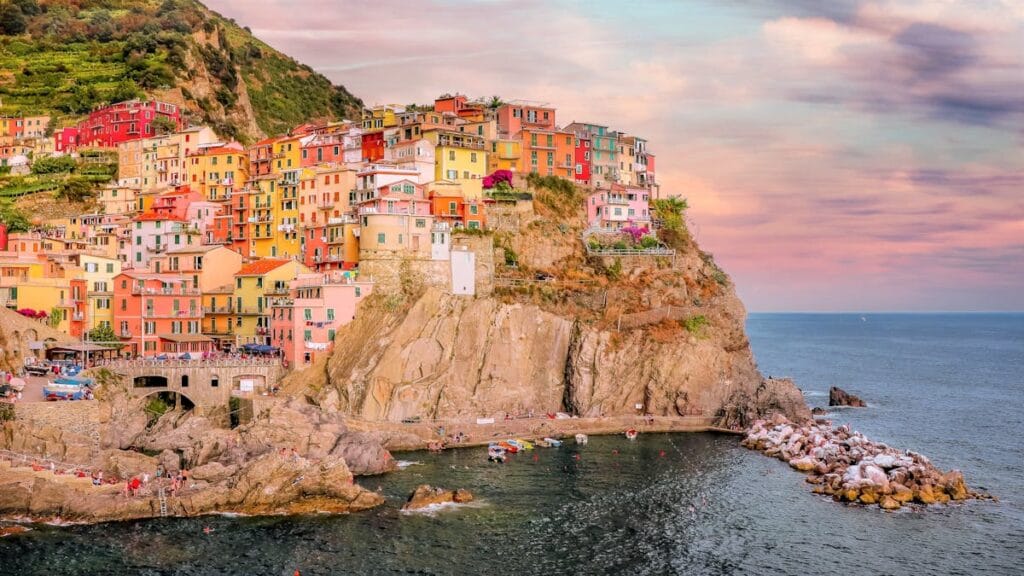
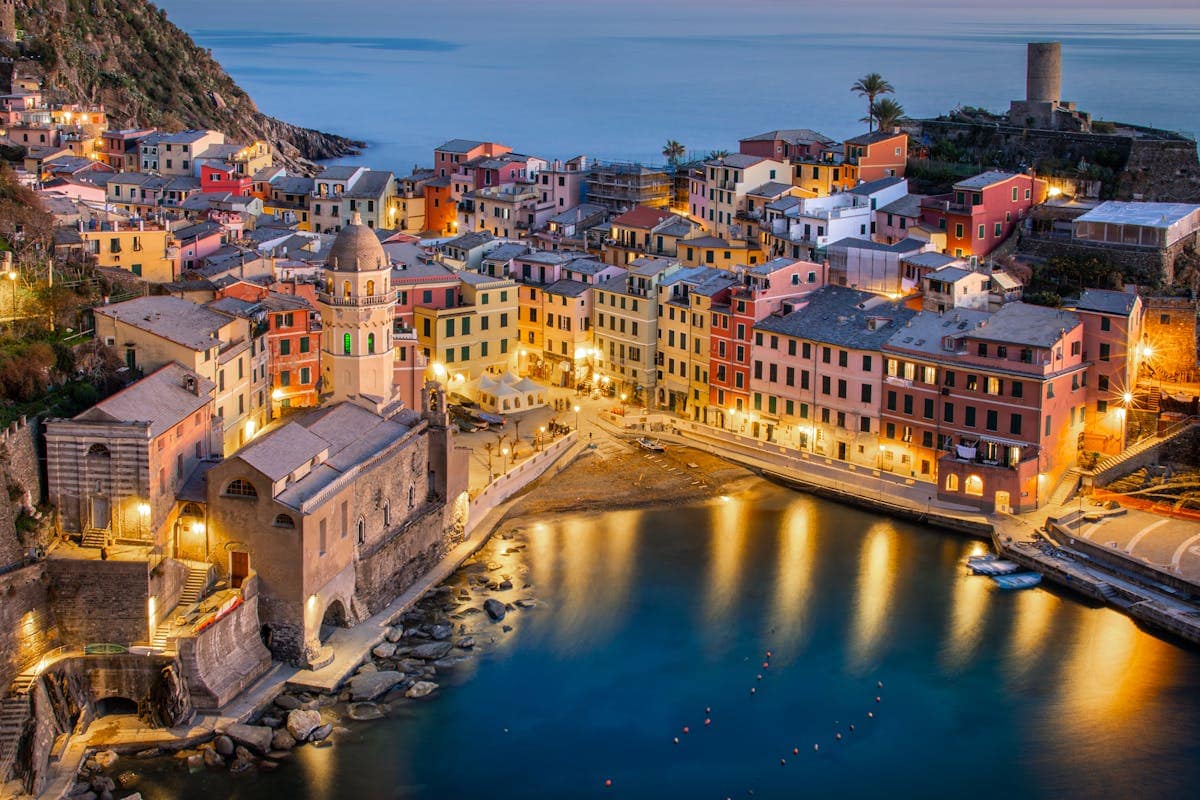
Cinque Terre is one of the most beautiful places in Europe. Five pastel villages clinging to sea cliffs in the Italian Riviera, connected by hiking trails, ferries and a little coastal train. It’s also one of the most crowded, and if you go in the wrong way at the wrong time of year, it can feel expensive for what you get. But it doesn’t have to be. With the right base, the right timing and a clear picture of what actually costs money, you can do Cinque Terre properly for around £50-60 a day. Here’s how.
Advertisement
You can find more UK budget travel advice across Flight Tribe’s destination guides.
Is Cinque Terre expensive?
Budget travellers can do Cinque Terre for around £50-60 per day. That covers a hostel bed or basic room in La Spezia, market lunches and picnics, one sit-down dinner and a day train or trekking card. Costs rise sharply if you stay inside the five villages or eat at restaurants every meal, where £120-180 per day is realistic. The biggest single variable is where you base yourself.
| Budget type | Accommodation | Food + drink | Card + transport |
|---|---|---|---|
| Budget | €25-50/night | €15-25/day | €10-20/day |
| Mid-range | €80-140/night | €35-55/day | €20-35/day |
One thing that often surprises people: the villages don’t have supermarkets. Stock up on groceries in La Spezia or Levanto before you arrive. A picnic assembled in the morning, eaten on a harbour wall with a view of the sea, costs almost nothing and beats any restaurant for the experience.
How to get to Cinque Terre from the UK
Pisa is the best budget airport for most UK travellers. It’s about 90 minutes from La Spezia by train and Ryanair and easyJet fly there from London, Bristol, Edinburgh and Manchester with the lowest fares outside the school holidays. Both airlines have strict cabin bag rules, so check our hand luggage size guide for UK airlines before you pack. Genoa is the closest airport to the five villages (about an hour by train), and easyJet flies there from Gatwick. Milan and Bologna are larger airports with more choice but add an extra hour or two of travel time.
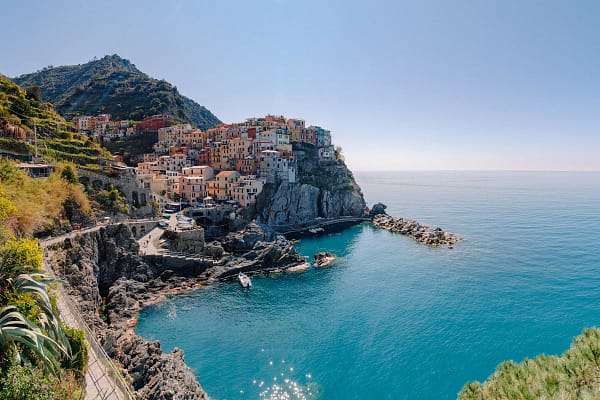
Once in Italy, the Cinque Terre Express runs frequently along the coast between La Spezia and Levanto, stopping at all five villages. Between mid-March and early November, a single journey between any two stations costs €5, €8 or €10, depending on how busy the day is. Most visitors buy either a day pass or the Cinque Terre Card, which covers trains and trail access together. If you’re planning to walk more than take the train, the Trekking Card alone is worth considering.
From La Spezia Centrale, the train to Riomaggiore (the southernmost village) takes just 9 minutes. To reach Monterosso (the northernmost) takes about 25 minutes. The service runs roughly every 15-20 minutes during the day. Avoid arriving in peak hours in July and August if you can, when trains between villages can get extremely crowded.
Where to stay on a budget
La Spezia gives you the best value. It’s a working Italian city with proper hotels, restaurants that aren’t built for day-trippers and supermarkets for self-catering. Levanto, on the other side of the national park, is quieter and more pleasant to walk around, and has a sandy beach. Staying inside one of the five villages costs significantly more and availability is tight in summer, but the evening atmosphere once the day-trippers leave is worth the extra.
| Base | Budget/night | Train to CT | Atmosphere | Best for |
|---|---|---|---|---|
| La Spezia | €45-90/night | 9-25 min | Functional city | Budget travel |
| Levanto | €60-110/night | 5-30 min | Small beach town | Couples and families |
| Villages | €100-250/night | You’re there | Beautiful | Special occasion |
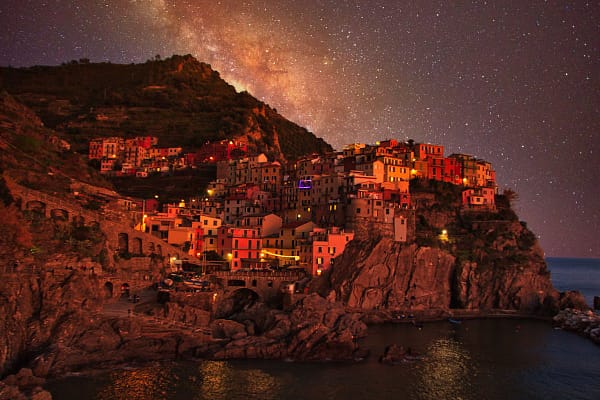
If you do want to stay in the villages, Corniglia is typically the cheapest. It’s the only village with no harbour and no ferry stop, which deters some visitors. You’ll need to climb the 377 steps of the Lardarina from the train station to reach it, though there’s a shuttle bus if the climb isn’t for you. Ostello Tramonti, in the hill village of Biassa above La Spezia, is a well-regarded hostel option. For hotels and apartments in La Spezia, Expedia and Trip.com both show good availability across price ranges.
One practical note: there’s a tourist tax of €2 per person per day between 1 March and 31 October, capped at three days (so maximum €6 per person regardless of length of stay). Hotels collect it at check-in.
Affordable:
- Hotel Il Fiore, La Spezia. A well-reviewed budget hotel in La Spezia’s centre, 10 minutes’ walk from the main train station. For a budget price you get a private room, breakfast and easy access to all five villages. La Spezia is the most cost-effective base for the park.
- Hotel Genova, La Spezia. Central, clean and consistently good reviews for the price. Another reliable La Spezia option that saves significantly against equivalent rooms in the villages themselves.
Mid-range:
- Hotel Villa Argentina, Levanto. In Levanto, one stop north of Monterosso and about four minutes away by train. Has a garden and is a short walk from the beach. For a mid-range price you get a proper hotel in a pleasant town, rather than an overpriced room in a village tourist trap. Levanto is underrated as a Cinque Terre base.
High-end, worth it:
- La Mala, Vernazza. A small boutique guesthouse inside Vernazza, one of the five villages. Staying overnight in a village is what turns a day trip into something memorable. Once the day visitors leave on the last afternoon train, the villages go back to being quiet fishing towns. La Mala, a four-room B&B, makes the experience worthwhile, though rooms cost well above a La Spezia hotel.
The Cinque Terre Card: what it covers and what it costs
The card isn’t required all year, only from mid-March to early November. Outside those dates, the trails are free, though the Via dell’Amore still needs a card and a booked slot. During the main season, you need a card to access the Blue Trail (Sentiero Azzurro). The Via dell’Amore is included in the card, but you must book a timed slot at viadellamore.info. If you already hold a card, you add the path with a supplement. There are two versions, one for walkers only and one that adds unlimited train travel.
| Card type | What’s included | Price (1 day) | Best for |
|---|---|---|---|
| Trekking | All trails + village buses | €10 standard | Walkers who’ll hike all day |
| Treno MS | Trails + buses + trains | €22 off-peak | Mixed hiking and train days |
The Via dell’Amore, the 1km clifftop path between Riomaggiore and Manarola, is included in the Cinque Terre Card, but you must book a timed slot in advance at viadellamore.info. If you already hold a card, you add the path with a supplement. Access is timed and capped at 200 people per slot, one-way only (Riomaggiore to Manarola). Don’t assume you can walk it on arrival without a booking. Buy your card at any of the five train stations or at the national park offices.
Walking the Cinque Terre trails
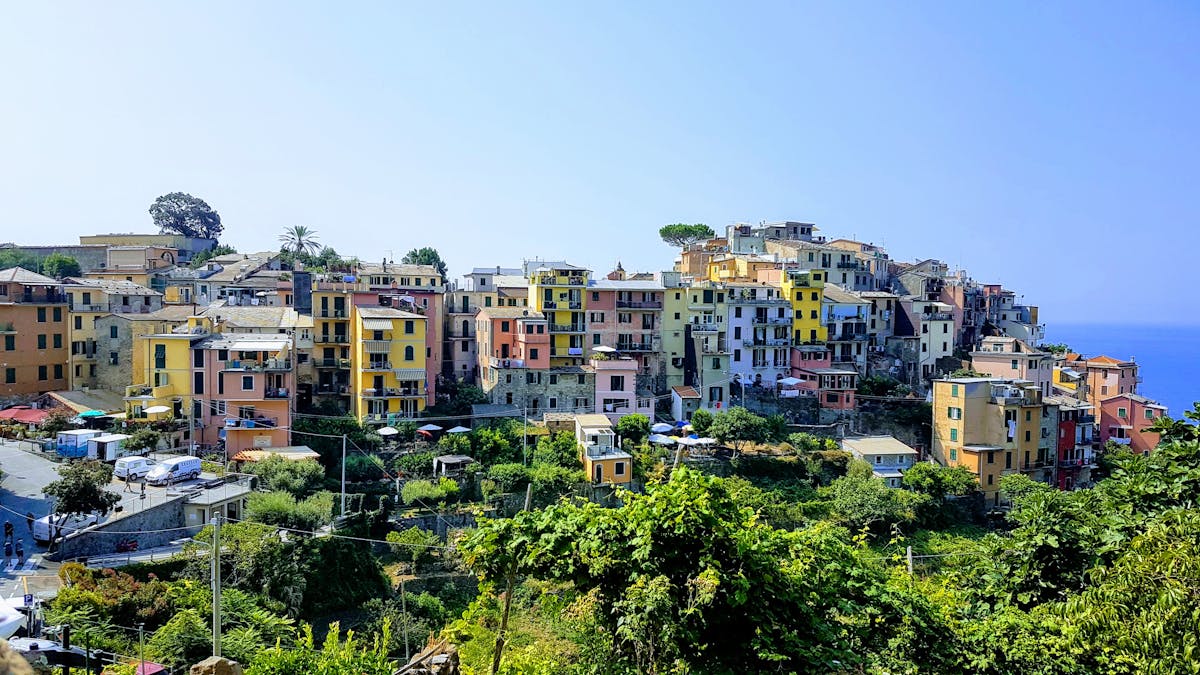
The upper trails are free year-round. The main Blue Trail (Sentiero Azzurro) requires the Cinque Terre Card from mid-March to early November, which costs from €10 per day. Outside those dates, you can walk everything at no cost. The views from the cliff paths are worth every step. Check current trail conditions at the national park offices before setting out, as sections close after landslides with little notice.

The coastal stretch of the Blue Trail between Corniglia and Manarola is closed after a landslide, so you can’t walk the whole route from Monterosso to Riomaggiore along the coast. Walkers take the inland detour via Volastra or the train for that leg. The most iconic sections are Vernazza to Corniglia and Monterosso to Vernazza, both dramatic and well-maintained when open. The trail is hard in the summer heat, so start early and carry more water than you think you need.
The upper trails, running along the hillsides rather than the coast, are usually free year-round and far less crowded. They’re harder and less scenic in parts but give you a completely different perspective on the hillsides. Paths like the Sanctuary Route (Alta Via delle Cinque Terre) are long but rewarding. A few practical points:
- Wear proper footwear. The stone paths are uneven and can be slippery after rain. Flip-flops cause injuries every season.
- Corniglia is the trickiest to reach on foot from neighbouring villages. The descent from Vernazza is steep. The coastal path from Manarola is closed, so walkers use the inland route via Volastra or take the train.
- If a section is closed, take the train between those villages and hike where you can. Don’t try to find an unofficial way through a closed path.
- Carry cash. Water and snacks at trail-side kiosks are paid in cash only.
What to eat and what to pay
Food costs around £15-25 per day if you eat like a local: focaccia and market produce for lunch, one restaurant meal in the evening. Eat at restaurants twice a day and you’ll spend £40-60 on food alone. The Cinque Terre is Ligurian territory, so the must-eat is pesto, made here with the small-leaf Genovese basil grown on the terraced hillsides above the villages. It tastes quite different from the supermarket version at home, and it’s worth paying for at least once.

The cheapest way to eat well is to buy focaccia at a bakery or the village co-ops in the morning. Panificio Rosi in Riomaggiore is a local favourite, open from early morning, and a piece of focaccia costs around €2-3. Assemble lunch from the market, find a rock or harbour wall with a view, and save the restaurant budget for one good dinner.
Here’s what things cost across the five villages:
- Focaccia from a bakery or co-op: €2-4 per piece
- Pizza al taglio (a slice): €3-5
- Gelato: €2.50-4 per scoop
- Pesto pasta at a trattoria: €10-15
- Seafood main at a restaurant: €18-28
- Wine by the glass: €4-7
- House wine, half-litre carafe: €6-10
For a proper restaurant meal, Trattoria Billy in Manarola is known for good-value portions. Ristorante Belforte in Vernazza has a terrace built into the castle tower with views over the harbour, and it’s worth the slightly higher prices for the occasion. In Monterosso, Il Frantoio is a focaccia bakery, good for a cheap lunch. In Vernazza, Gianni Franzi and Taverna Vernazza are both solid options with outdoor seating. Ristorante Miky in Monterosso specialises in seafood and is well regarded locally. In Monterosso, Ristorante Tortuga is good for a splurge dinner with sea views from its clifftop terrace.
One free thing: the tap water throughout the Cinque Terre is safe to drink, and there are water fountains in every village. Take a refillable bottle.
What to see and do for free (and nearly free)
Most of what makes Cinque Terre memorable costs nothing. The views from the trail, the colour of the water, the evening light on the villages when the day-trippers have left, swimming off the rocks at Manarola. The paid activities are optional extras, not the main event.
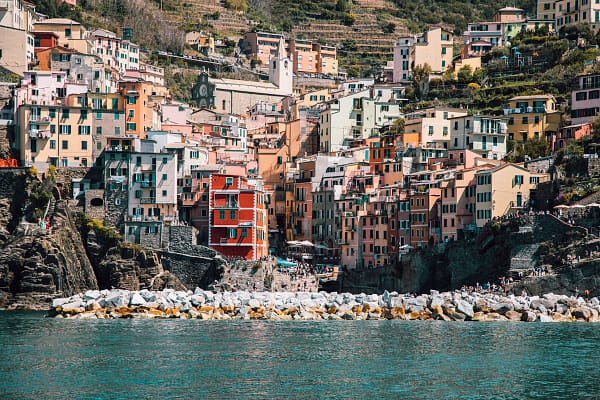
Monterosso has the only proper sandy beach in the five villages, split between free public sections and private beach clubs with sun loungers (around €20-40 for a setup in peak season). The free section fills up by mid-morning in July and August, so go early or accept the club charge. The other villages have rocky swimming spots and small harbour areas where locals and visitors jump in, which are free and often quieter.
By village, here’s what you can do for free or very little:
- Riomaggiore: explore the main street (Via Colombo), watch the boats in the harbour, walk the Via dell’Amore to Manarola (included in the Cinque Terre Card, but book a timed slot first)
- Manarola: the harbour viewing platform above the village is free and gives you the classic Cinque Terre postcard shot; swim from the rocks at the waterfront
- Corniglia: the Belvedere di Santa Maria viewpoint is reached via a short walk from the village square and gives an extraordinary panorama over the coast
- Vernazza: the small beach in front of the harbour, the church of Santa Margherita d’Antiochia (free entry), wandering the narrow lanes behind the main piazza
- Monterosso: the statue of Neptune on the beach, the free public beach sections, the old town across the tunnel from the newer seaside strip
The swimming spots across all five villages have some of the clearest water on this stretch of coast. You don’t need to pay for a private lido to enjoy them. A day built around hiking one section of trail in the morning and swimming in the afternoon costs almost nothing beyond your card.
Ferries run between the villages from late March to early November, offering a completely different view of the coastline from the water. A single hop (for example Vernazza to Monterosso) costs about €10 one way, and a day ticket covering all the stops is €42. A full day pass covering all villages costs significantly more but is worthwhile if you want to spend the day on the water. Book at any of the village harbours.
Best time to visit Cinque Terre on a budget
Shoulder season is where the value is. April to May and September to October give you good hiking weather (18-25°C), far fewer people than the peak summer months, and hotel rates well below July and August. Check the card’s peak dates, though: many spring and September weekends cost €15 a day. These are the months to aim for.
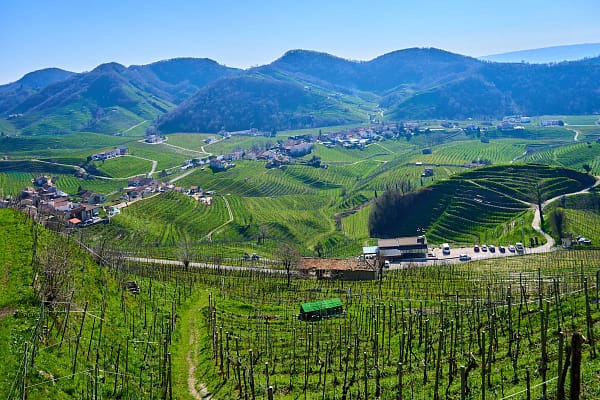
The Cinque Terre Card only applies from mid-March to early November. Visit in February or early March and all trails are free, accommodation prices are at their lowest of the year and the villages are almost entirely free of tourists. The weather is unpredictable and some restaurants close, but if you’re happy to hike in layers and pick up a seasonal rhythm, it’s extraordinary value. Some of the terraced vineyards are at their most dramatic in late winter.
| Season | Months | Card cost | Hotels | Crowds | Verdict |
|---|---|---|---|---|---|
| Spring | Apr-May | €10-15/dayPeak rate on many weekends | ModerateWell below peak | Manageable | Best overall |
| Summer | Jun-Aug | €10-15/dayPeak rate on some June weekends | Peak prices | Very busy | Avoid on a budget |
| Autumn | Sep-Oct | €10-15/dayPeak rate on September weekends | Coming downWell below peak | Much lighter | Excellent choice |
| Winter | Nov-Mar | Free on most trailsCard needed for Via dell’Amore | Cheapest | Almost none | For adventurous types |
If you’re booking from the UK, use our guide to getting cheap flights to nail the timing on your airfare. For the Cinque Terre specifically, flights to Pisa in mid-April or mid-September tend to be significantly cheaper than the summer school holiday window. Our guide to when flights are cheapest by season has the full data on this.
In shoulder season, budget rooms in La Spezia usually run about €50 to €80 a night on Expedia or Booking.com. For Levanto, try Expedia or Booking.com for guesthouses and small hotels at comparable rates. Book at least 6-8 weeks out for shoulder season, or several months ahead if you want to stay in one of the five villages.
Frequently asked questions
Is Cinque Terre expensive? It depends on how you approach it. Budget travellers staying in La Spezia and eating focaccia and market lunches can manage around £50 to £60 a day. Staying inside one of the five villages and eating at restaurants every meal pushes the daily cost to £120 to £180 or more.
How much does the Cinque Terre Card cost? The Trekking Card costs €10 per day, rising to €15 on the busiest days, mostly spring and September weekends. This covers all hiking trails and village buses. The Treno MS Card adds unlimited train travel and costs from €22 per day (up to €35 in peak season). The card is only required from mid-March to early November.
Is it worth staying in La Spezia instead of Cinque Terre? Yes, if budget is your main concern. Hotels in La Spezia start from around €50-80/night. Equivalent accommodation inside the five villages costs €120-200+. The train from La Spezia to Riomaggiore takes 9 minutes and runs frequently. You don’t miss the villages by staying in La Spezia, you just travel to them each day.
Can you visit Cinque Terre for free? You can visit the harbours, beaches and village streets for nothing. Swimming is free. The upper hiking trails above the Blue Trail are free year-round. The Blue Trail requires the Cinque Terre Card from mid-March to early November. The Via dell’Amore is included in the card but needs a timed slot booked in advance at viadellamore.info. Outside those dates, the trails are free. The Via dell’Amore stays open all year and still needs a card and a booked slot.
Which is the cheapest village to stay in? Corniglia is typically the cheapest, partly because it has no harbour and no ferry service, which reduces tourist footfall. You have to climb 377 steps from the train station (or take a shuttle bus). Prices in the other four villages are broadly similar, with Monterosso sometimes slightly higher because it has the most hotel infrastructure.
When is the best time to visit Cinque Terre on a budget? April to May or September to October. Hotel prices are well below peak summer rates and the villages are far less crowded. The weather is excellent for hiking at these times, typically 18-25°C with low chance of rain.
How do you get to Cinque Terre from the UK? Fly to Pisa (the best budget option), then take a direct regional train to La Spezia Centrale, about 90 minutes and far cheaper than a transfer. Ryanair and easyJet both serve Pisa from multiple UK airports. Alternatively, fly to Genoa with easyJet from Gatwick, about an hour closer to the CT train. From either airport, follow the train signs to the Trenitalia service and use Trainline to book in advance.
Cinque Terre also fits naturally into a broader Italian trip. If you’re combining it with Florence or Venice, our guides to Florence on a budget and Venice on a budget cover the same ground on costs, where to stay and what’s worth paying for. And don’t miss our Italy holiday deals page, where we track the best current offers from UK operators.

Kate Acaster is Chief Editor at Flight Tribe. She writes about practical travel planning, budget airlines, baggage rules, city breaks, beach holidays and good hotels that do not cost daft money.
Kate has travelled through Europe, South America and beyond, usually with a notebook, a half-formed plan and a strong opinion on airport snacks. At Flight Tribe, her work focuses on helping UK travellers understand what is included, what costs extra, and whether a trip is worth booking at the price shown.
How Kate works
Kate checks the details that can change the value of a trip, including cabin-bag rules, airline fees, hotel location, seasonality, travel dates and booking conditions. She is especially interested in offers that look useful on the surface but need a proper reader-first check before they are worth recommending.
Editorial standards
Flight Tribe covers deals and travel advice for readers first. Affiliate links do not decide whether an offer is worth writing about.