Published 20 May 2026 | Updated 6 October 2026 by Kate Acaster
Tenerife budget travel is more achievable than most people expect. This guide covers cheap flights, affordable hotels, and the best value things to do, checked for UK travellers in October 2026.
Advertisement
This is part of a wider series. Browse all of Flight Tribe’s destination guides for more UK budget travel advice.
Tenerife is the most visited of the Canary Islands, and one of the most reliably sunny holidays from the UK. The island sits off the west coast of Africa, about four hours and fifteen minutes from most UK airports, with year-round warmth and a short enough flight that jet lag is not a factor. A week’s package holiday in low season starts around £350pp all-inclusive, which is hard to match for a beach week in genuine winter sun.
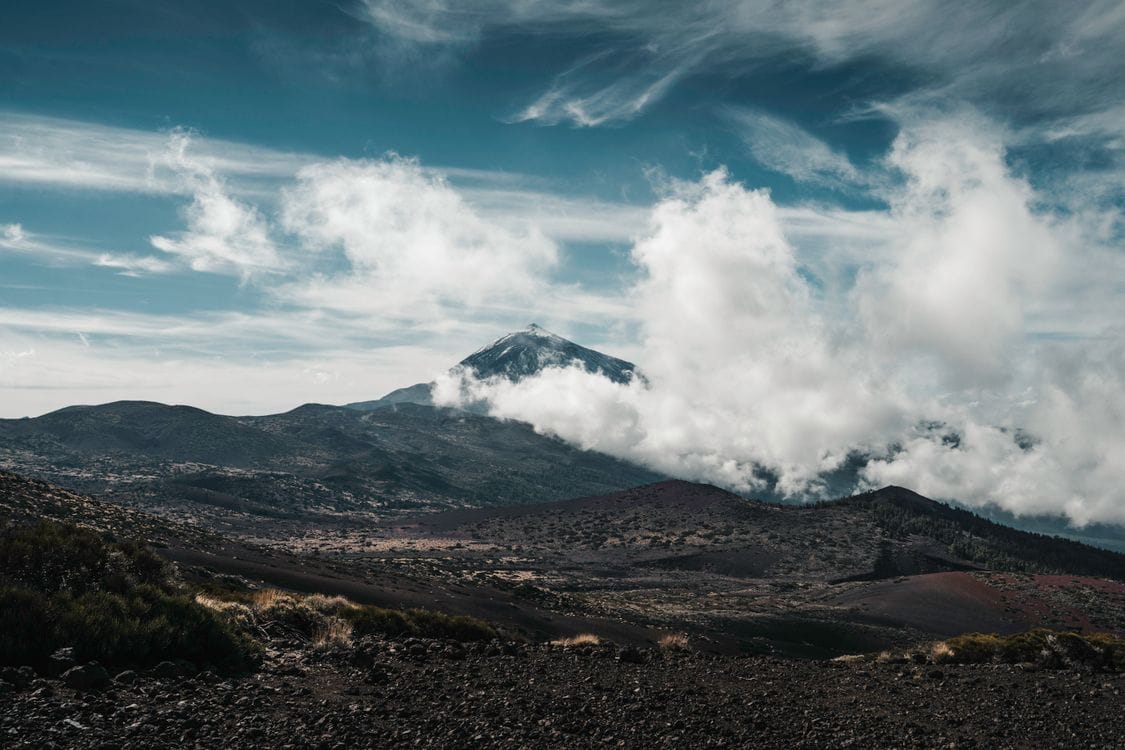
Tenerife is part of the Canary Islands, and shares the group’s year-round appeal for UK travellers, though it has the largest range of accommodation and the most direct flights. It is not all-inclusive resorts and waterparks, though those are both here and both among the best in Europe. The north has greener, more volcanic scenery with the colonial charm of Puerto de la Cruz, and Teide National Park, home to Spain’s highest peak, sits in the middle of the island and is free to explore on foot.
Tenerife at a glance
- Flight time~4h15m from UK airports
- AirportTenerife South (TFS), most UK flights
- CurrencyEuro (EUR)
- Time zoneSame as UK all year (GMT/BST)
- LanguageSpanish
- VisaNot required for UK citizens
More Canary Islands guides
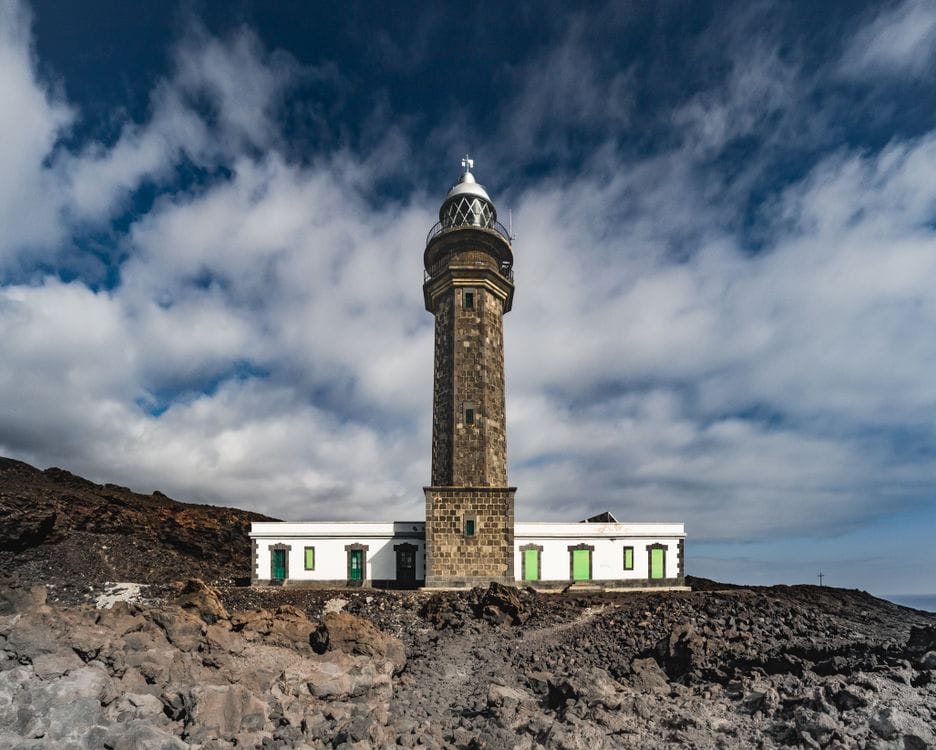
Latest Spain & Canary Islands deals
Loading deals…
How much does a Tenerife holiday cost?
Tenerife suits a wide range of budgets. All-inclusive packages from TUI, Jet2 and easyJet holidays offer strong value in low season, when a week’s flights and full board can start around £350pp. Once there, an all-inclusive keeps daily spend predictable, Siam Park and the Teide cable car are the main extras most people pay separately. Independent travellers doing self-catering can keep costs low too, with supermarkets, local markets and cheap restaurants within easy reach in Los Cristianos and Las Américas.
| Holiday type | Flights + hotel | Daily spend | Week total |
|---|---|---|---|
| Budget package (AI) | From £350pp | £10 to 20 | From £420pp |
| DIY flights + apartment | £100 to 160 flights + £40 to 60/night | £25 to 40 | From £640pp |
| Mid-range | £160 to 250 flights + £80 to 130/night | £45 to 70 | From £950pp |
| Comfortable | £200 to 350 flights + £150 to 250/night | £70 to 120 | From £1,550pp |
When is the cheapest time to visit Tenerife?
Tenerife has a warm climate all year, so price swings come from UK demand rather than the weather. The south, Playa de las Américas, Los Cristianos, Costa Adeje, is drier and sunnier than the north and attracts the bulk of UK package tourists. The north, around Puerto de la Cruz, is greener and wetter but usually cheaper, with a more relaxed atmosphere. Our full best time to visit Tenerife guide has month-by-month weather and price data.
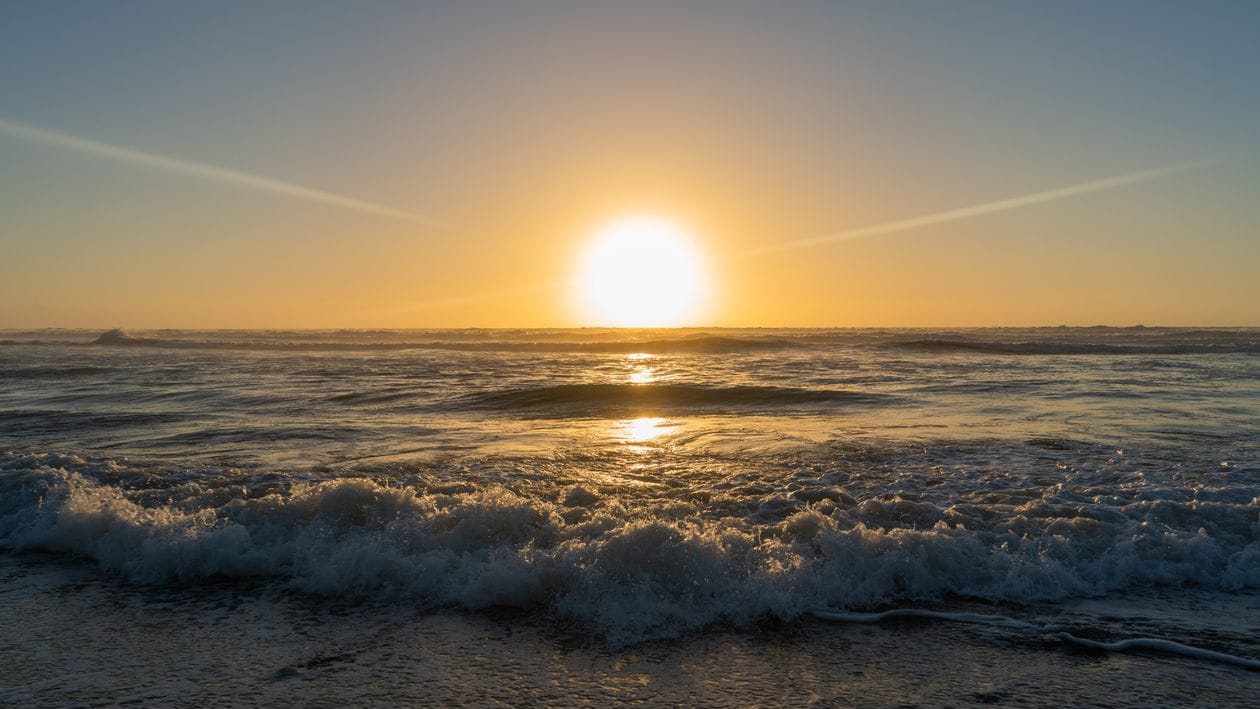
December to March is peak winter-sun season and carries the highest prices. If you can travel in the school term, May, June, September and October offer warm weather, lighter crowds and noticeably cheaper packages.
The UK summer holidays push July and August prices up, though not as sharply as Christmas. The real value windows are May to early June and September through October. Our best time to book a holiday guide covers booking lead times across all Canary Islands destinations.
| Month | Temp | Price level | Notes |
|---|---|---|---|
| May, June, September | 24 to 28°C | Lowest | Light crowds, calm seas |
| October, November | 22 to 26°C | Low to moderate | Half-term lifts October prices |
| July, August | 27 to 32°C | High | Hot and busy |
| December to March | 18 to 22°C | Highest | Christmas week: very expensive |
Cheap flights to Tenerife from the UK
Tenerife is one of the most connected Canary Islands for UK travellers. Ryanair, easyJet, Jet2 and TUI all operate direct routes, and the volume of seats keeps fares competitive. Most UK flights land at Tenerife South (TFS), close to the main resort areas. Tenerife North (TFN) takes scheduled services and inter-island connections. The flight is around four hours fifteen minutes each way.
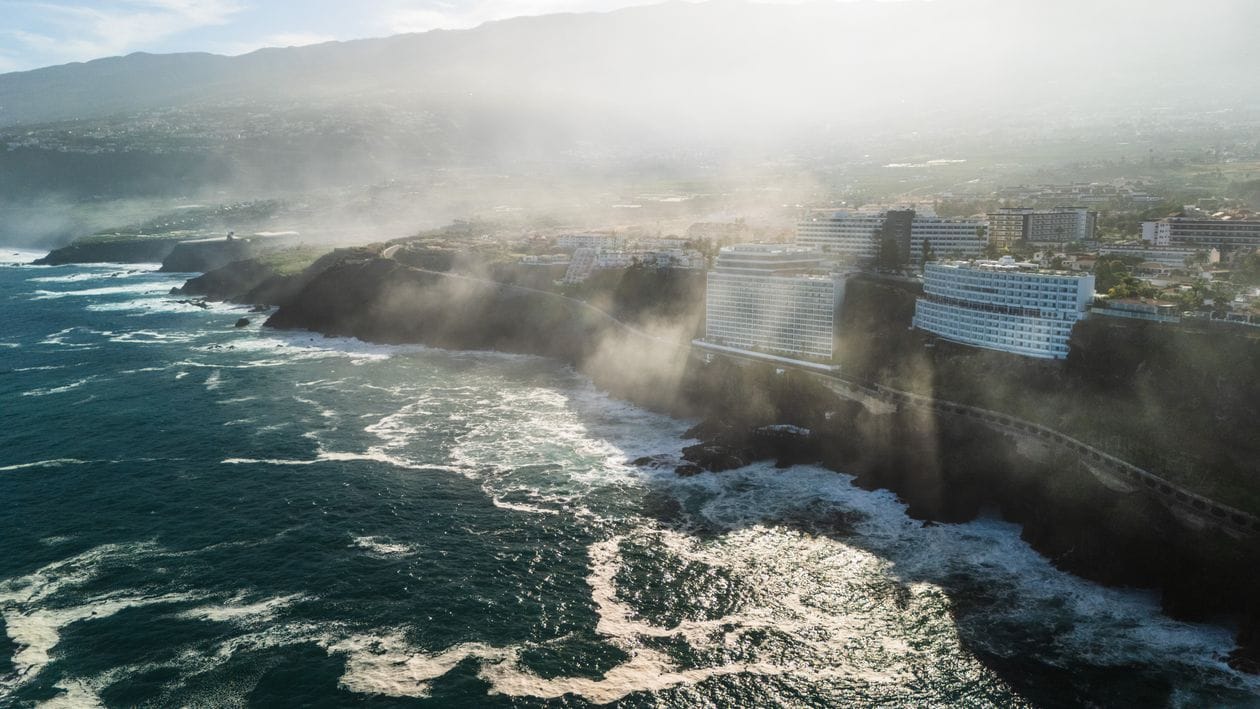
Book three to four months ahead for Christmas and February half-term, when charter seats fill fast. For May, June or September departures, fares often come down closer to the travel date. See our guide to when flights are cheapest for the full picture.
See our cheap flight deals for the latest low fares, and our guide to the cheapest day to book flights for timing advice.
UK routes to Tenerife South (TFS)
- Gatwick, Luton, Bristol, Manchester to TFS (easyJet)
- Gatwick, Stansted, Manchester, Bristol and more to TFS (Ryanair)
- Manchester, Leeds Bradford, Edinburgh, Glasgow, Newcastle to TFS (Jet2)
- Gatwick, Manchester, Birmingham, Glasgow and Bristol to TFS (TUI)
Scheduled airlines are typically cheapest in shoulder season when charter capacity is lower. Compare scheduled versus charter fares before booking, the cheaper option is not always the obvious one.
Where to stay in Tenerife on a budget
Los Cristianos is the most practical base for budget travellers: a compact working town with its own beach, a ferry port, a twice-weekly market and restaurants the locals actually use. Playa de las Américas, ten minutes north by bus, has more nightlife and the main tourist strip. Costa Adeje is quieter and more upmarket, with Siam Park nearby. Compare options across the south on our hotel deals page.
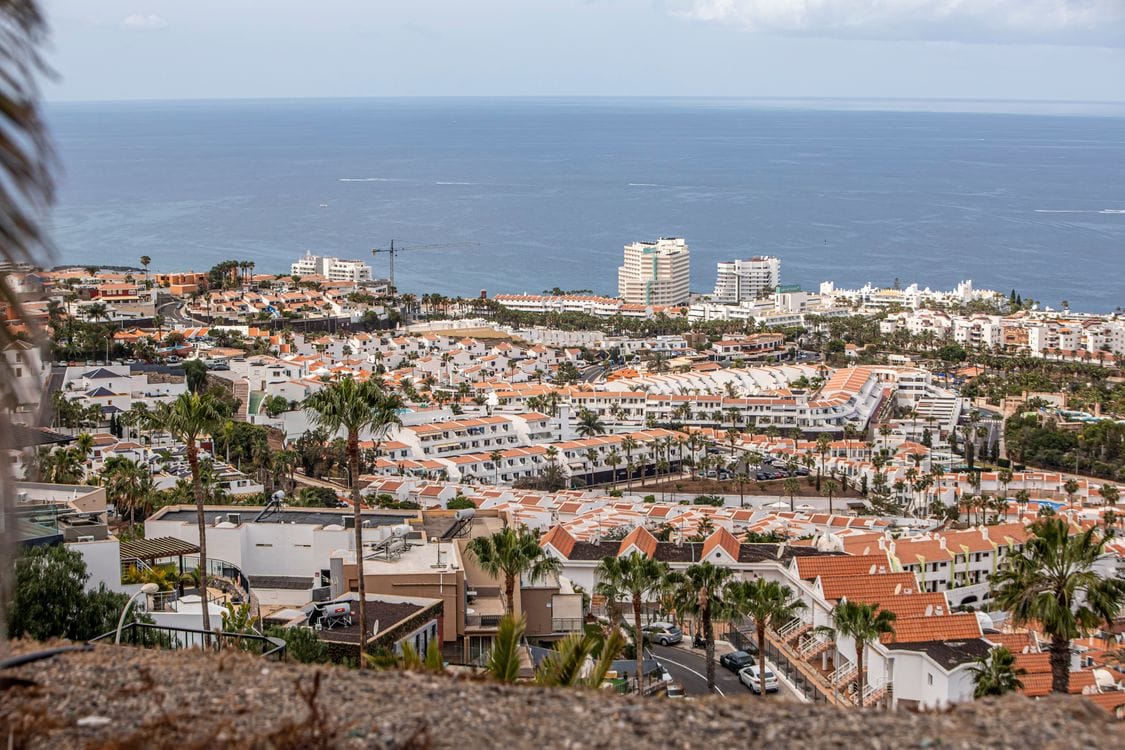
Self-catering aparthotels in Los Cristianos keep daily costs low. A Mercadona supermarket, the Los Cristianos market (Tuesday and Sunday) and cheap lunch restaurants are all within walking distance of most central accommodation.
Puerto de la Cruz in the north is often 20 to 30% cheaper than the south for equivalent rooms. The trade-off is a darker volcanic beach and cooler winters. For July and August value, it is one of the best options on the island.
| Option | Price | Location | Best for |
|---|---|---|---|
| Self-catering aparthotel | From ~£35 to 55/night | Los Cristianos | Budget DIY travellers |
| 3 to 4 star hotel (RO) | £80 to 130/night | Playa de las Américas | Mid-range independent |
| 5-star all-inclusive | ~£150 to 250pp/night AI | Costa Adeje | Worth-the-spend option |
Eating and drinking cheaply in Tenerife
The tourist-strip price gap in Tenerife is significant. A main course on the Playa de las Américas seafront runs £12 to 20. Two streets back, the same meal costs half that. The local dish is papas arrugadas, small wrinkled potatoes with mojo rojo or verde sauce, which appear on almost every menu and cost next to nothing as a starter. Grilled vieja (parrotfish) or cherne (wreckfish), both Canarian staples, are rarely more than £10 to 12 a plate at a local restaurant away from the waterfront.

Local bars serve a caña (small beer) for €1.50 to 2, and a glass of local Tenerife wine is rarely more than €2 to 3. Head away from the main tourist drag in Los Cristianos or Las Américas and prices drop noticeably.
Restaurants the locals use for lunch are busiest from 1pm to 3pm and most offer a menú del día, two or three courses with a drink, for €8 to 12. It is the best-value eating on the island and usually better food than the tourist versions.
Local and cheap. Restaurants a block or two back from the seafront in Los Cristianos serve papas arrugadas, grilled fish and Canarian stews for €6 to 10 a plate. The places nearest the ferry port tend to have the freshest fish at the lowest prices.
Reliable mid-range. Mesón Los Gemelos in Puerto de la Cruz is a well-regarded local choice for Canarian cooking at non-tourist prices. Order the papas arrugadas with both mojo sauces and the fish of the day. Booking ahead at weekends is advisable.
Worth the spend. El Rincón de Juan Carlos at the Royal Hideaway Corales Beach in Adeje holds two Michelin stars and serves a tasting menu built on Canarian produce. A special-occasion choice. On this island, it compares favourably with equivalent restaurants anywhere in Spain.
Free and cheap things to do in Tenerife
For Tenerife budget travel, the island’s best feature is also its cheapest: varied scenery that puts a volcanic national park, a colonial northern town and long sandy beaches all within reach of a day trip. The paid attractions, Siam Park and Loro Parque, are among Europe’s best in their class, but neither is essential for a good week. The official Tenerife tourism site also lists free events throughout the year.

Teide National Park is free to enter, with marked walking trails at multiple altitudes. Since January 2026, non-residents pay €6 to €15 to hike the Montaña Blanca and Telesforo Bravo summit trails, booked through Tenerife ON. The cable car to near the summit costs €42 return (about £36) and does not include the separate permit for the final stretch to the crater rim. Both sell out, book online well ahead in spring and summer.
The village of Masca, perched in the Teno massif in the northwest, is one of the most dramatic settings in the Canary Islands. The gorge walk must be booked and costs non-residents about €41 including the compulsory shuttle bus. The boat back to Los Gigantes is a separate ticket. The trail opens Wednesday to Sunday. Allow a full day.
- Teide National Park trails: free entry, marked routes at varying difficulty. Take TITSA line 342 from the southern resorts or line 348 from Puerto de la Cruz, or drive. Limits on private cars for non-residents are planned from 2027.
- Garachico rock pools: natural pools formed by a 1706 eruption on the north coast. Free to use, remarkable setting. Best mid-week to avoid weekend crowds from Santa Cruz.
- Los Cristianos market: Tuesday and Sunday mornings. Local produce, clothes and Canarian crafts. Free to browse and useful for stocking a self-catering kitchen.
- Playa de Las Teresitas: Tenerife’s best-known golden-sand beach, sheltered and calm, near Santa Cruz. Free. A long TITSA bus ride from the south but worth a full-day trip.
- Puerto de la Cruz town centre: colonial architecture, the botanical garden (€3.50), and the Playa Martíanez lido complex. A half-day wander costs almost nothing.
- Siam Park (Costa Adeje): one of Europe’s biggest-name water parks. €42 for adults (about £36). Worth budgeting for in summer months.
- Loro Parque (Puerto de la Cruz): Tenerife’s main zoo and animal park. €42 for adults (about £36).
Getting around Tenerife cheaply
The south resort strip, Los Cristianos, Playa de las Américas, Costa Adeje, is compact and walkable once you are settled. For anything beyond the immediate resort, the TITSA bus network covers most of the island and is cheap, and a hire car opens up the island’s interior and north coast without needing to book tours.
| Transport | Cost | Best for | Notes |
|---|---|---|---|
| TITSA bus | Fares vary by distance | Santa Cruz, Puerto, Teide | ten+ card (€2) at the airport or bus stations |
| Taxi | €5 to 10 short hop | Airport, late nights, groups | Metered within resorts |
| Hire car | From £15 to 25/day | Teide, Masca, Anaga, north | Check excess insurance carefully |
| Ferry to La Gomera | €35 to 50 return | Day trip from Los Cristianos | 45-minute crossing |
Sample 7-day budget for Tenerife
The figures below are per person for one week, assuming two people travelling together from a UK airport. The all-inclusive column is based on a low-season package from Jet2 or TUI including charter flights. The self-catering column is based on a budget-airline flight and aparthotel in Los Cristianos with meals eaten locally.
| Category | All-inclusive | Self-catering | Notes |
|---|---|---|---|
| Flights + accommodation | £350 to 550pp | £380 to 520pp | AI package often wins on total |
| Food and drink | Included + £20 to 40 | £120 to 180 | Menú del día: €8 to 12 for 3 courses |
| Activities | £80 to 150 | £80 to 150 | National Park and beaches are free |
| Local transport | £15 to 30 | £40 to 80 | South resorts very walkable |
| Airport transfer | Often included | £10 to 20pp | Private taxi: €18 to 25 to south resorts |
| Week total | ~£470 to 760pp | ~£640 to 950pp | Package wins unless flexibility matters |
Frequently asked questions
When is the best time to visit Tenerife?
May, June, September and October give the best balance of warm weather and lower prices. The island has sun year-round, so these months simply avoid the school-holiday premium that lifts prices at Christmas, February half-term, July and August. November is also good value, with comfortable temperatures in the south. See our where’s hot in November guide for alternatives to compare.
How long is the flight from the UK to Tenerife?
Around four hours fifteen minutes from most UK airports. Flights from the south of England are slightly shorter; from northern airports such as Newcastle or Glasgow, add around 20 minutes. The Canaries keep the same time as the UK all year, so there is no jet lag.
Which is the best area to stay in Tenerife?
Los Cristianos suits budget travellers who want a mix of beach and real town life. Playa de las Américas has more nightlife and is popular with younger groups. Costa Adeje is quieter and more upmarket. Puerto de la Cruz in the north is cheaper, greener, and better for anyone who wants to avoid the southern resort strip entirely.
Is Tenerife expensive?
Not compared to most UK beach alternatives. A week’s all-inclusive package starts around £350pp in low season, meals at local restaurants cost €6 to 12 for a main course, and the island’s best natural attractions, the national park, Garachico, the beaches, are free. The main extras to budget for are Siam Park (€42, about £36pp) and the Teide cable car (€42, about £36pp).
Do UK citizens need a visa for Tenerife?
No. Tenerife is part of Spain and the Canary Islands are an EU territory. UK citizens can visit visa-free for stays of up to 90 days in any 180-day period under the standard post-Brexit rules. Your passport must be less than 10 years old on the day you arrive and valid for at least three months after the day you plan to leave. The EU’s Entry/Exit System is now in use, so expect to give fingerprints and a photo at the border. ETIAS, the planned EU travel permit, has not started yet.
Is Tenerife good for families?
Yes, particularly the south. Siam Park is consistently rated among Europe’s top water parks, and the beaches at Los Cristianos and Costa Adeje are sheltered with gentle surf. Most all-inclusive resort hotels have dedicated children’s clubs and pools. If you can travel in June or September rather than July and August, you get the same weather with smaller crowds and lower prices.
What is the local food in Tenerife?
Canarian cuisine centres on papas arrugadas with mojo sauce, grilled fish, particularly vieja and cherne, and gofio, a toasted grain flour used in bread, stews and ice cream. Local restaurants away from the seafront serve these dishes at a fraction of tourist-strip prices. Look for places with a handwritten menú del día at lunchtime.
Is it worth hiring a car in Tenerife?
For one or two days, yes. The TITSA bus network is good for point-to-point travel, but a hire car gives you Teide National Park at your own pace, the Anaga peninsula in the northeast, Masca gorge in the northwest and Garachico on the north coast, all of which are slow or awkward to reach by bus. Prices from TFS start around £15 to 25 per day in low season. The mountain roads in Anaga and Teno are narrow and steep, rewarding for confident drivers, stressful for nervous ones.
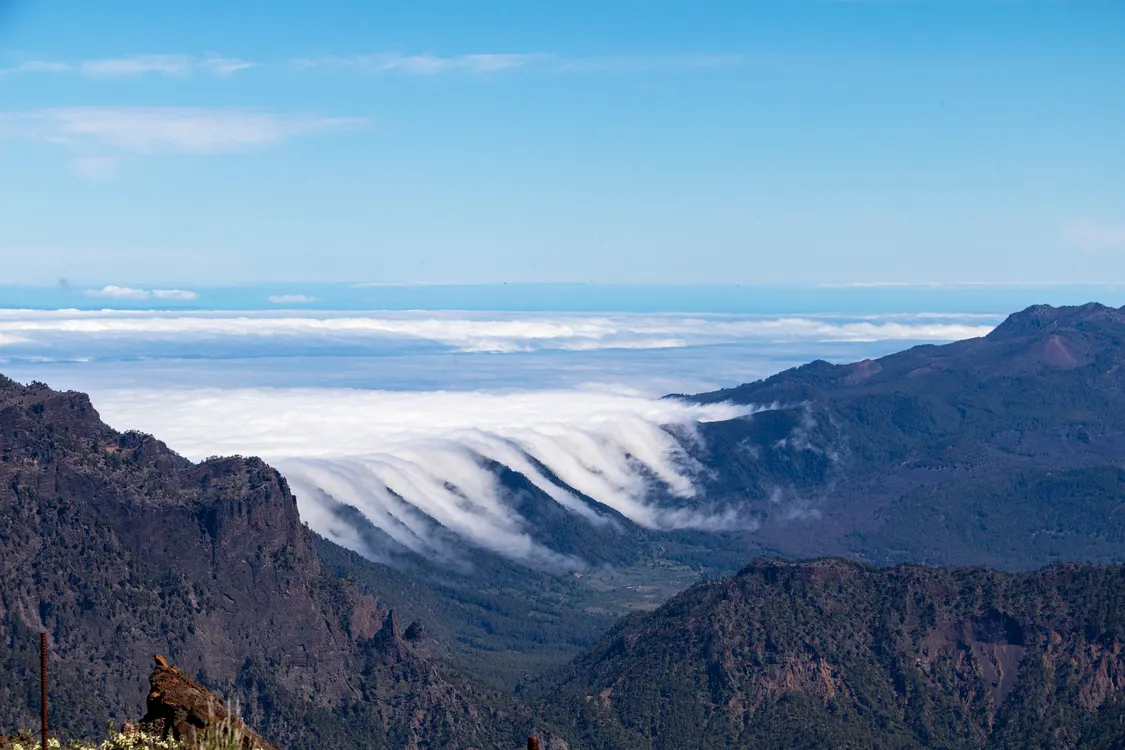
For the rest of the Canary Islands, read the La Palma budget travel guide.
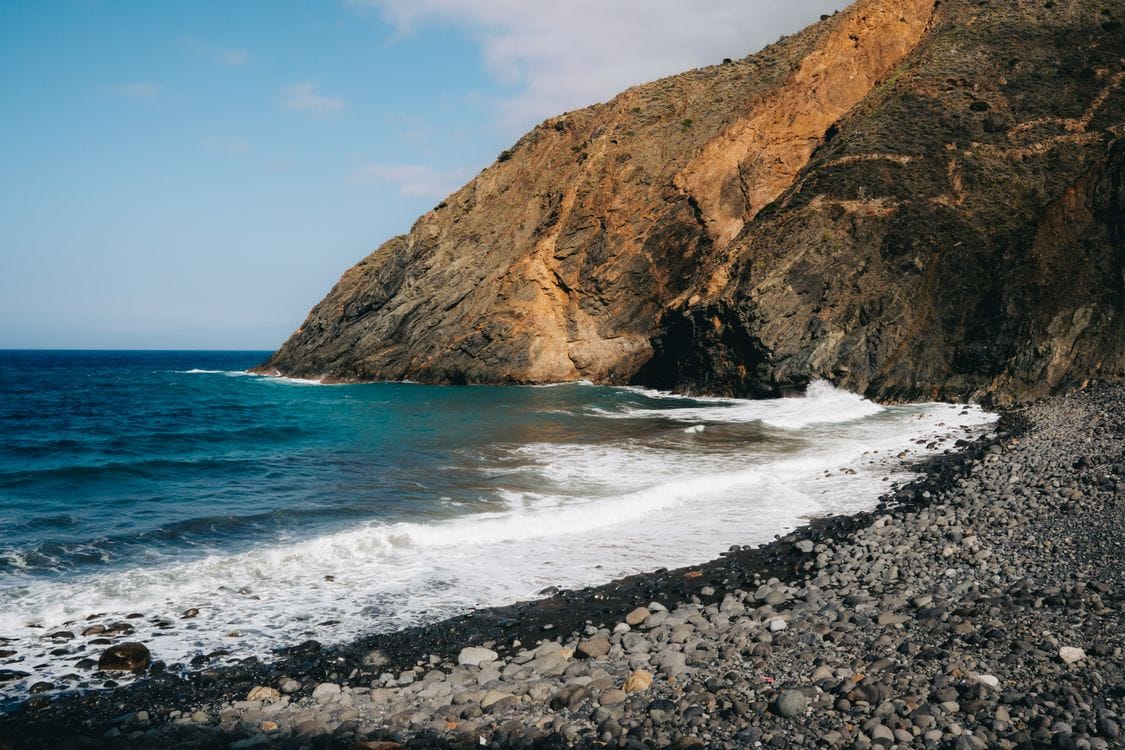
For a quieter alternative with ancient laurel forest and no direct UK flights, read our La Gomera budget travel guide.
For the most remote island in the archipelago, and a complete contrast to Tenerife’s package resorts, our El Hierro budget travel guide covers what to expect from the Canaries’ smallest, quietest island.

Kate Acaster is Chief Editor at Flight Tribe. She writes about practical travel planning, budget airlines, baggage rules, city breaks, beach holidays and good hotels that do not cost daft money.
Kate has travelled through Europe, South America and beyond, usually with a notebook, a half-formed plan and a strong opinion on airport snacks. At Flight Tribe, her work focuses on helping UK travellers understand what is included, what costs extra, and whether a trip is worth booking at the price shown.
How Kate works
Kate checks the details that can change the value of a trip, including cabin-bag rules, airline fees, hotel location, seasonality, travel dates and booking conditions. She is especially interested in offers that look useful on the surface but need a proper reader-first check before they are worth recommending.
Editorial standards
Flight Tribe covers deals and travel advice for readers first. Affiliate links do not decide whether an offer is worth writing about.