Published 17 July 2026 | Updated 13 October 2026 by Kate Acaster
UK staycations are having their biggest year yet. Sykes Holiday Cottages’ 2026 Staycation Index found 38% of Brits now plan a UK break as their main holiday, up from 34%, with Gen Z leading the shift at 53%. Booking.com’s 2026 data confirms it: search interest in Morecambe is up 106% year on year, the sharpest rise of any UK destination. This guide covers where that demand is going, what a UK staycation costs, and how to book without the summer premium. For live deals, see Flight Tribe’s UK breaks deals page; for other destinations, see the destination guides.
Advertisement
Latest UK deals
Loading deals…
Our UK staycation guides
 Morecambe
 Carnforth
 Exmouth
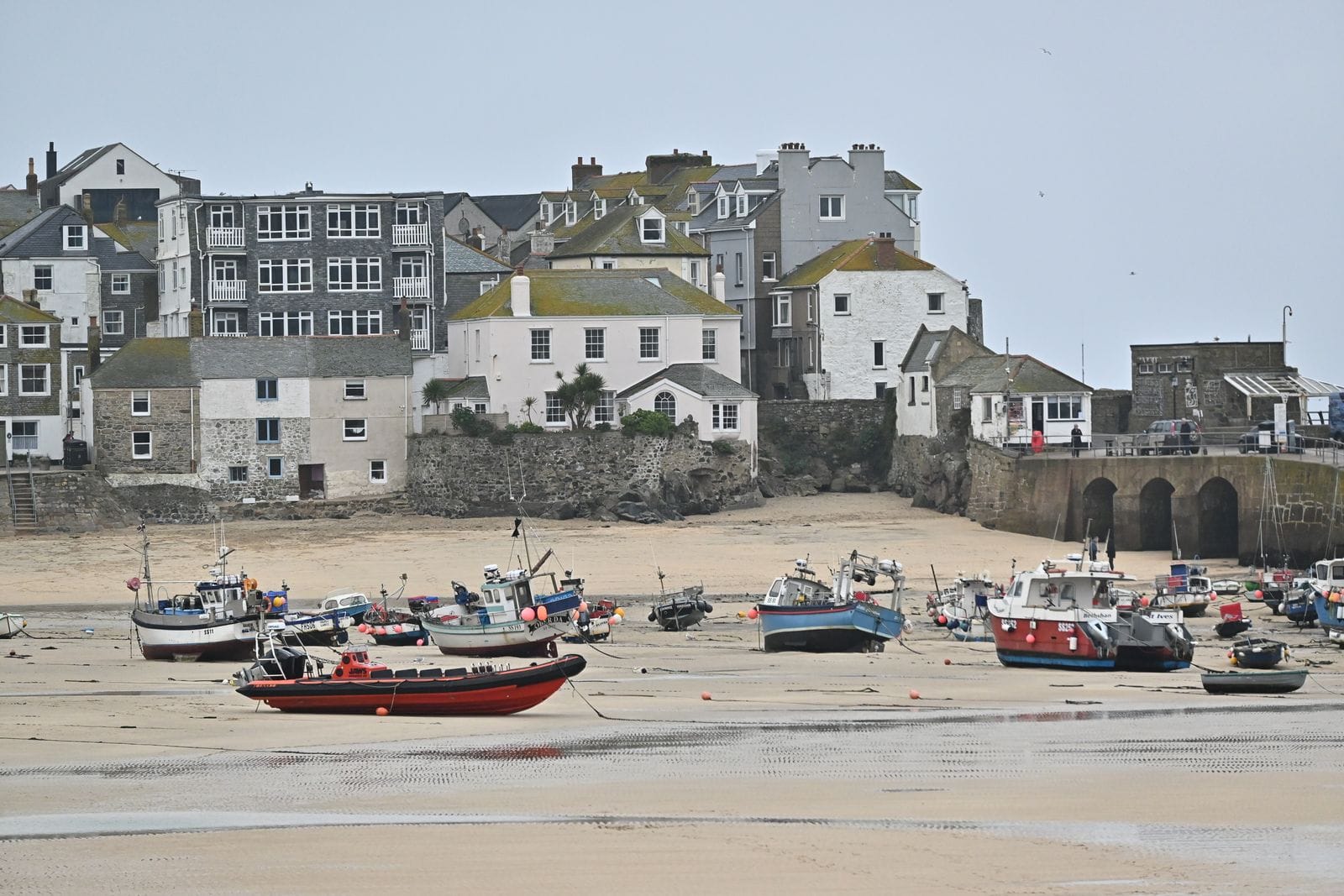 Cornwall
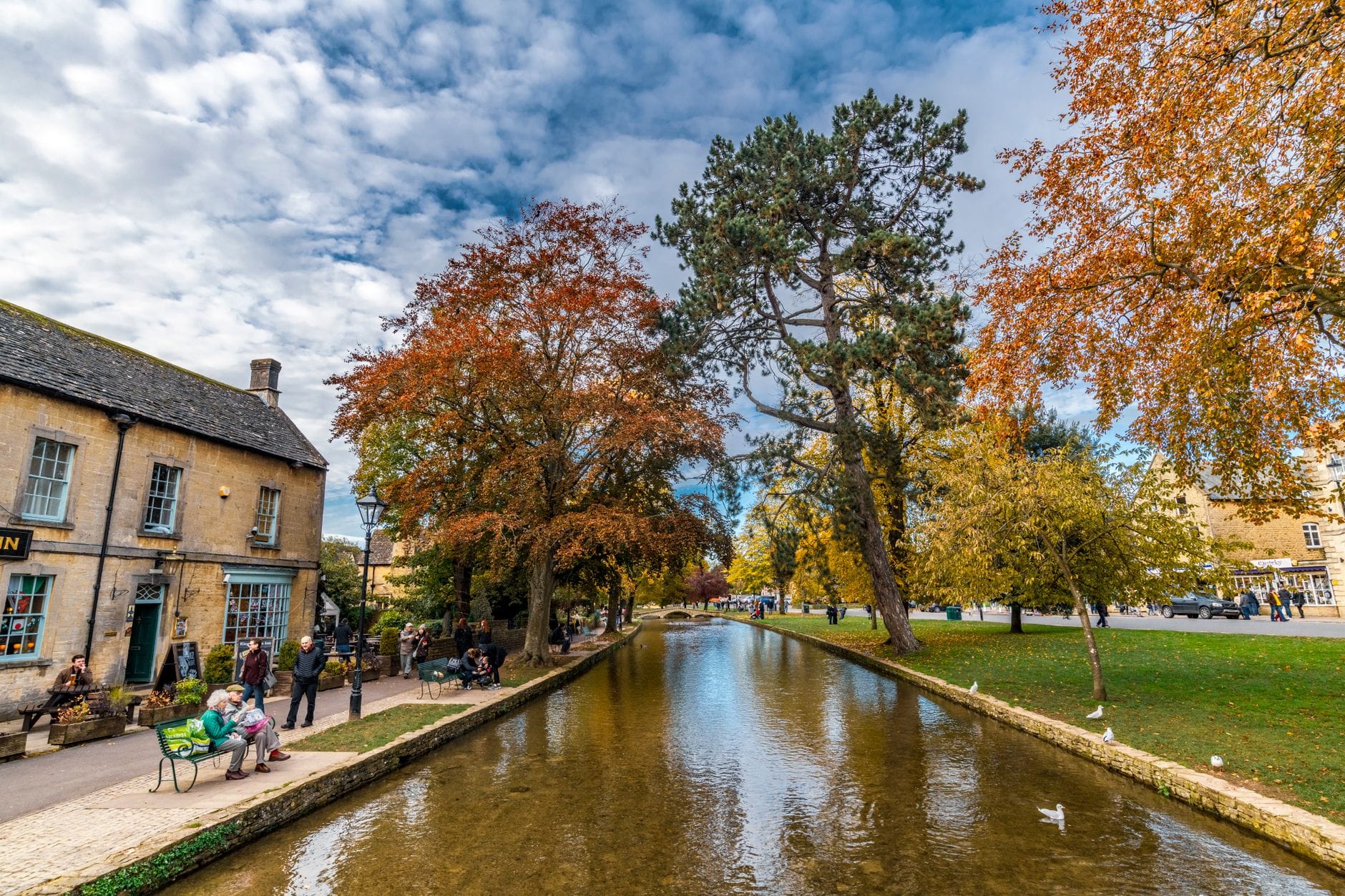 Cotswolds
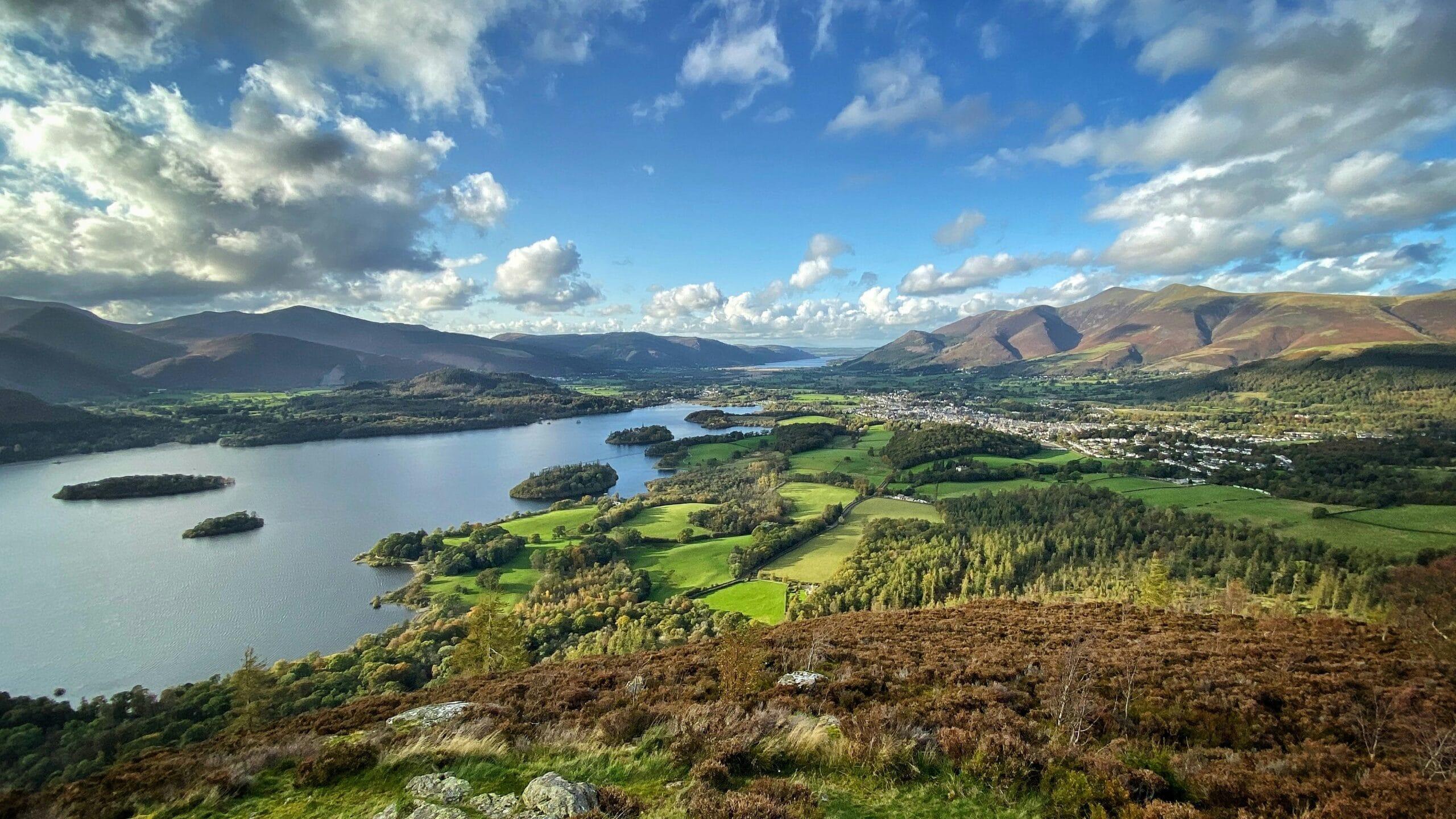 Keswick & the Lake District
 Edinburgh & the Highlands
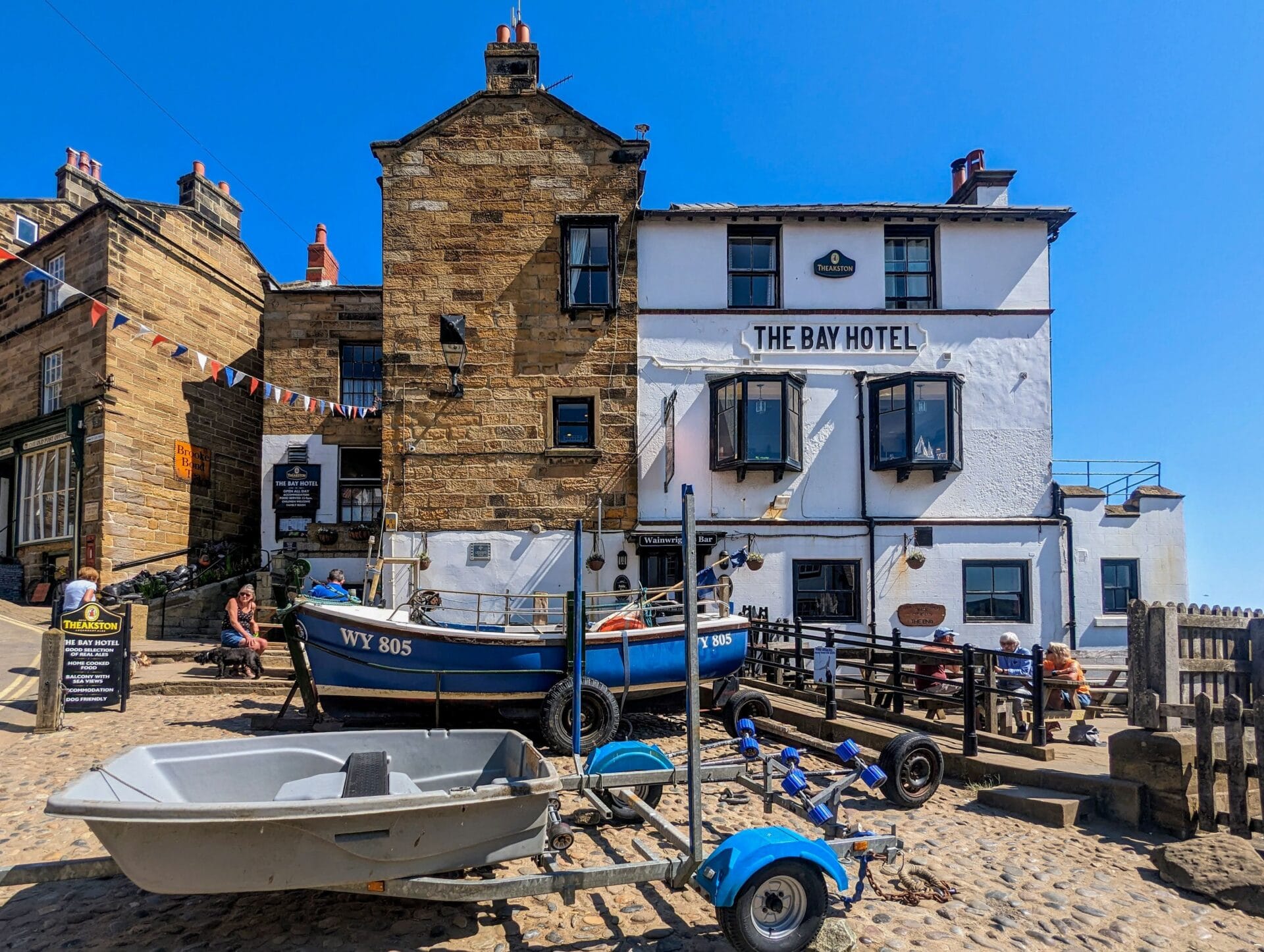 Yorkshire
 Penzance
 Bamburgh
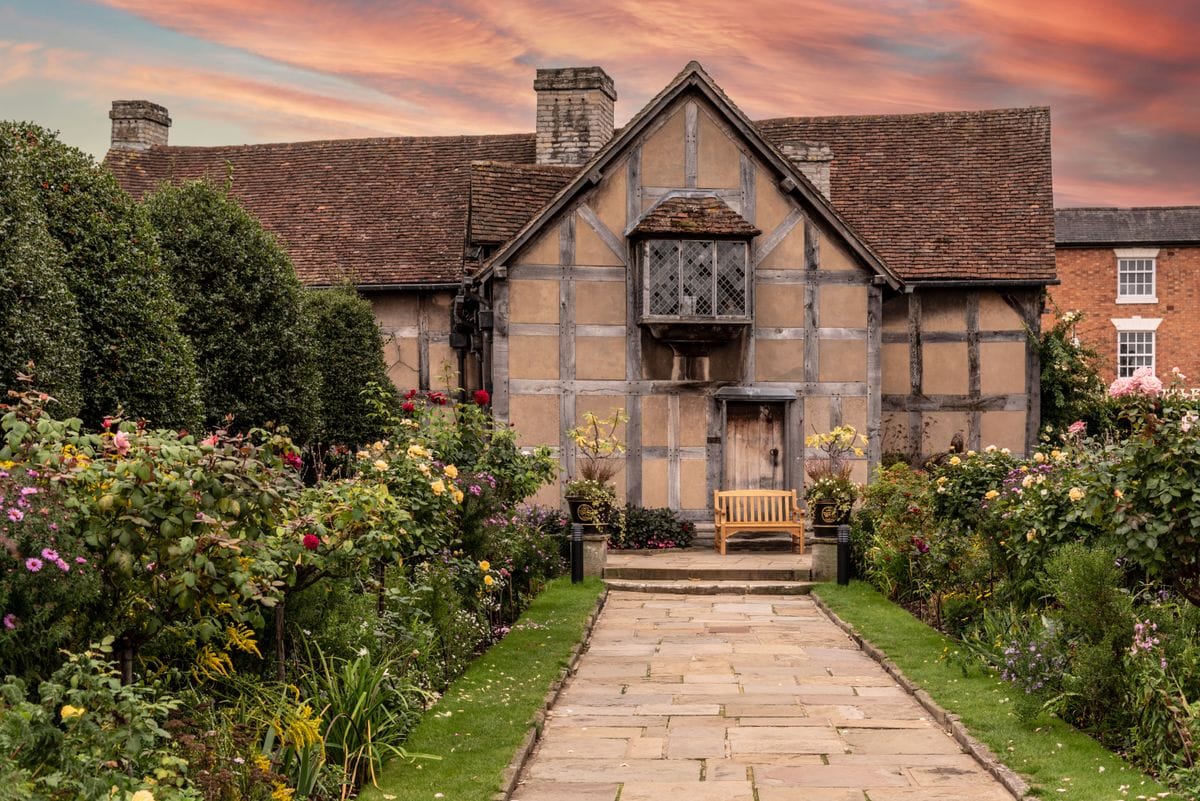 Stratford-upon-Avon
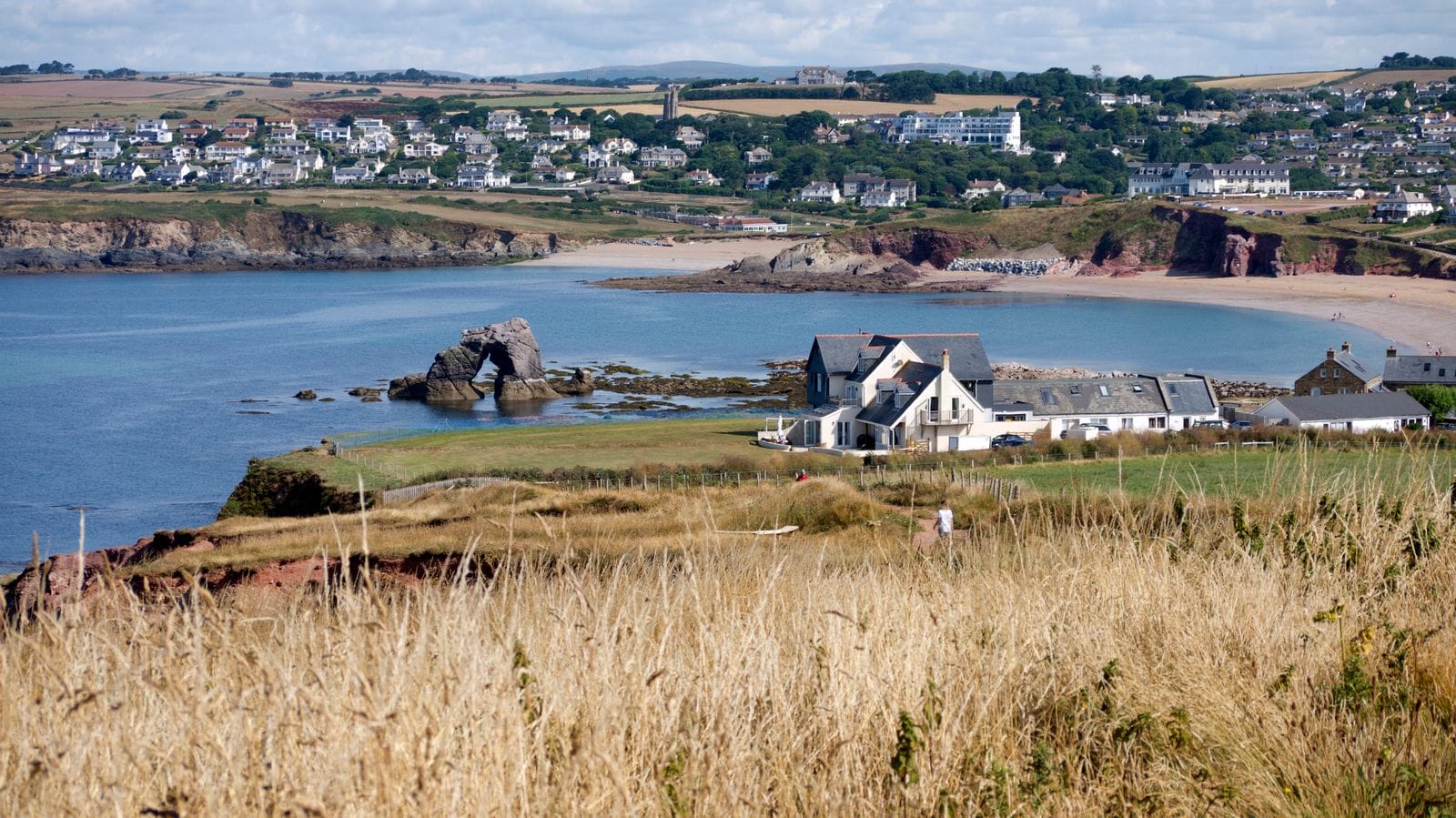 Salcombe
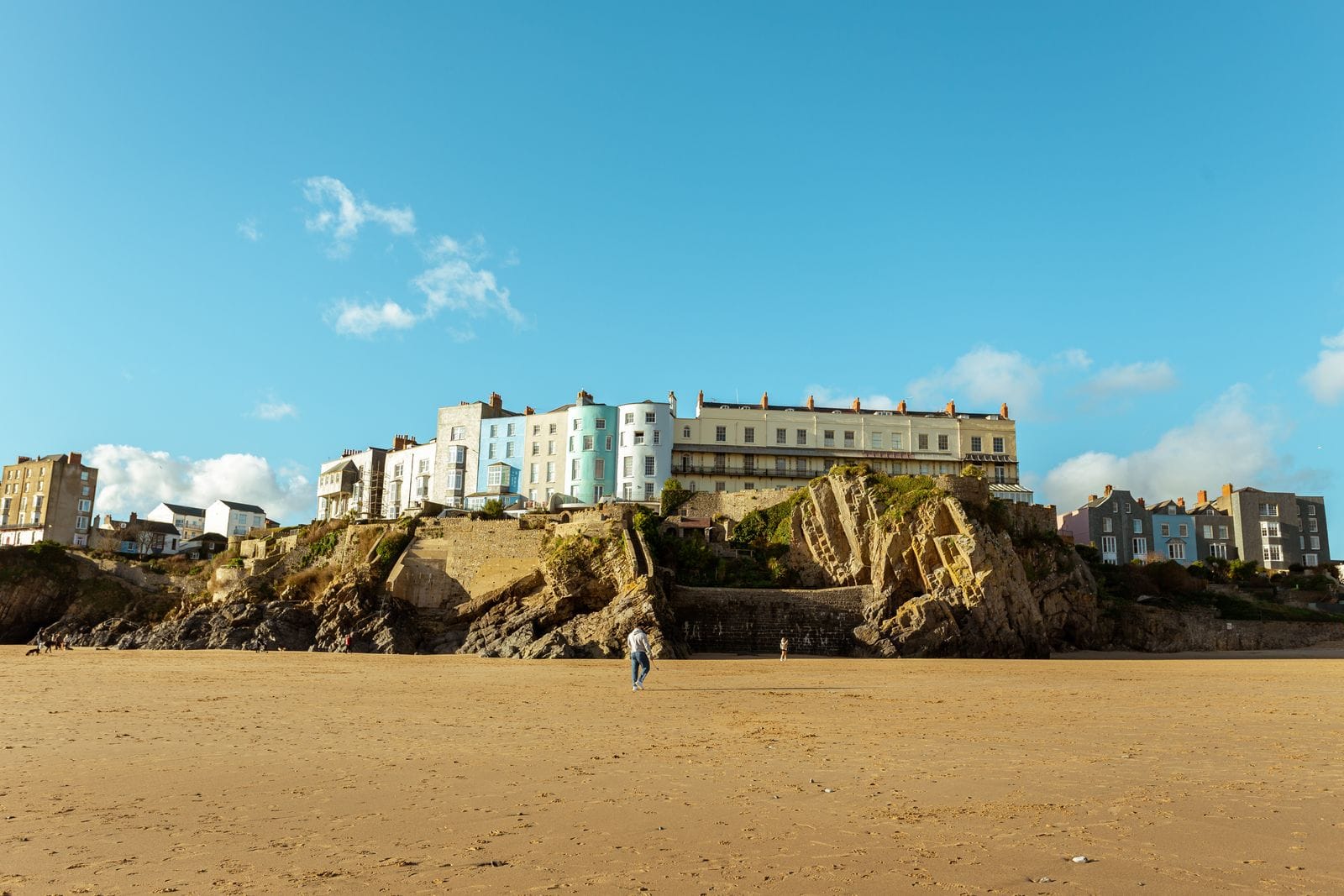 Tenby
Tenby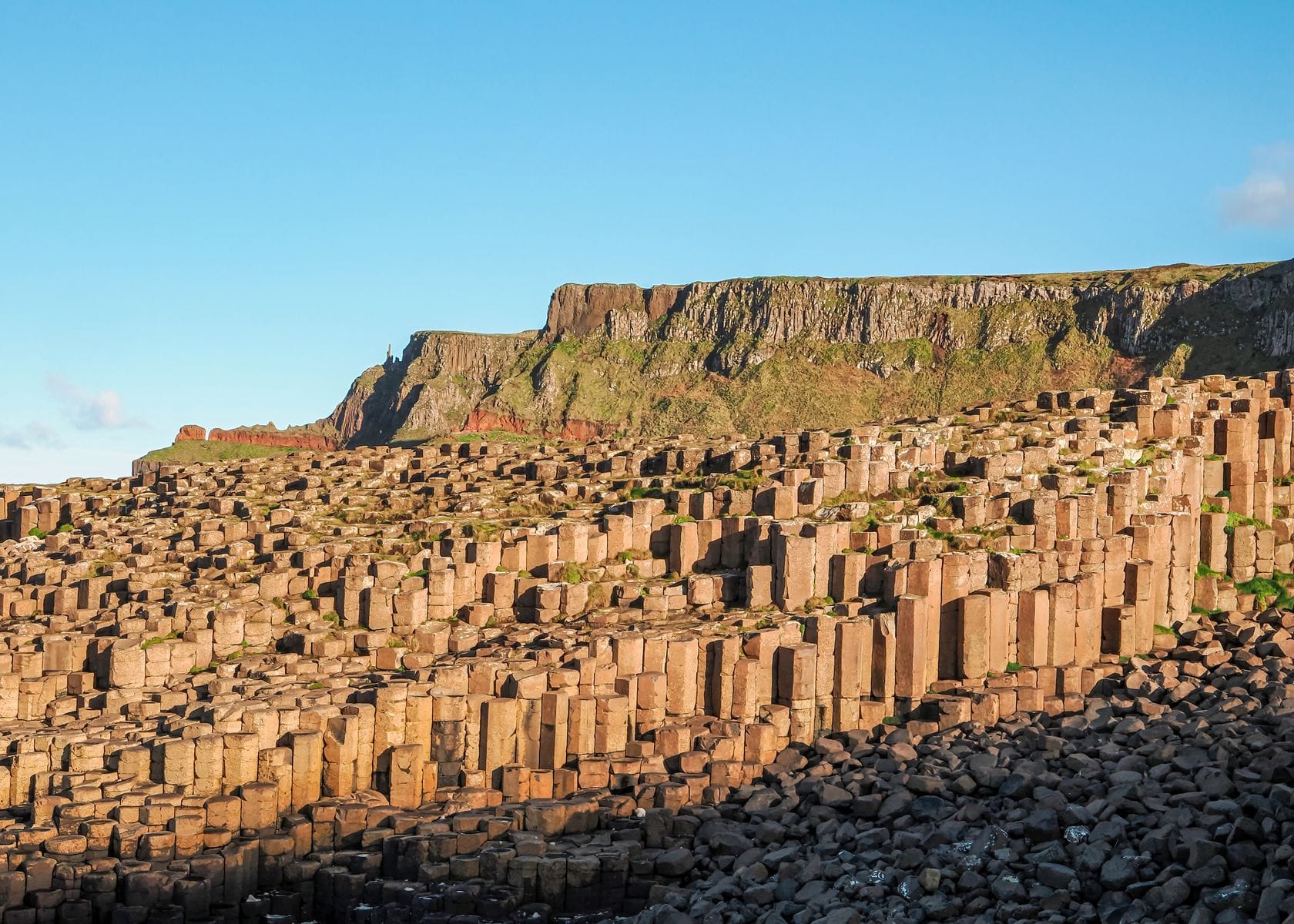 Giant’s Causeway
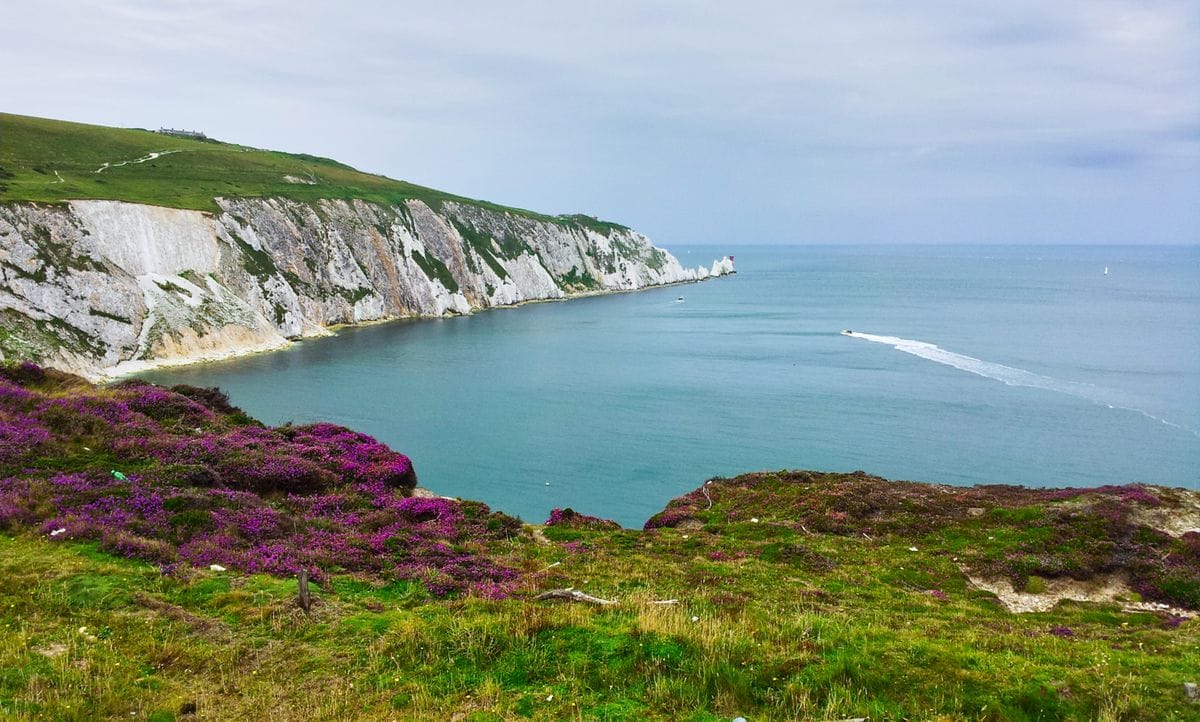 Isle of Wight
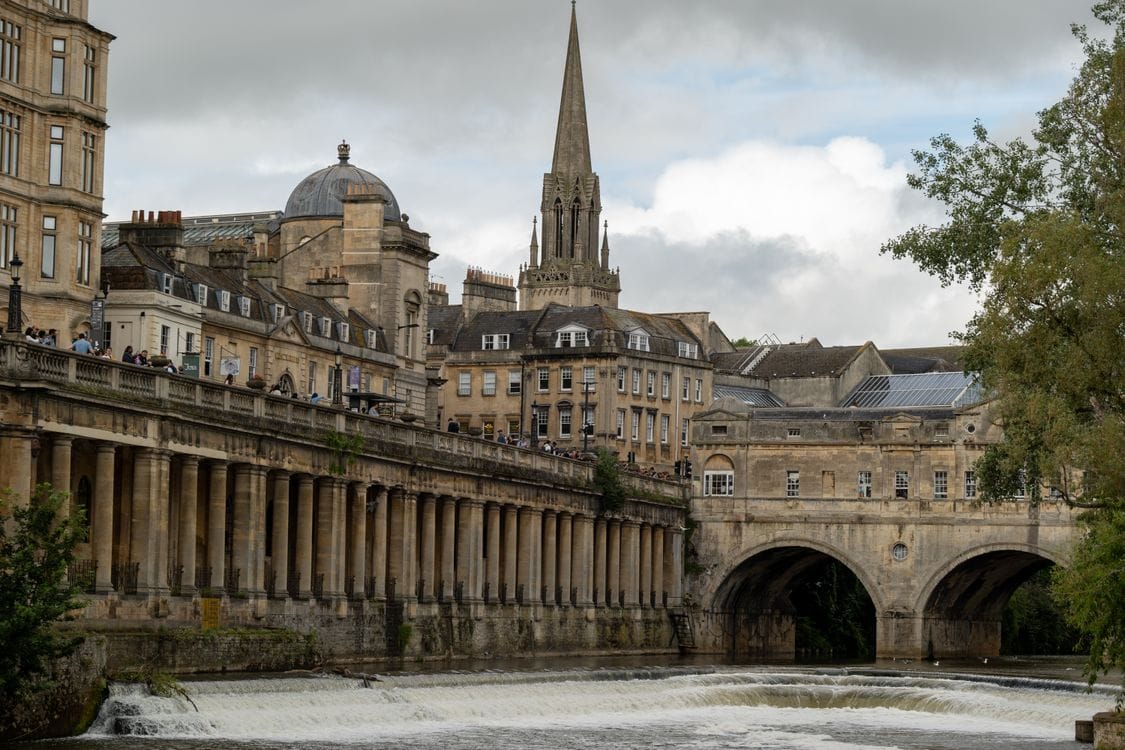 Bath
Bath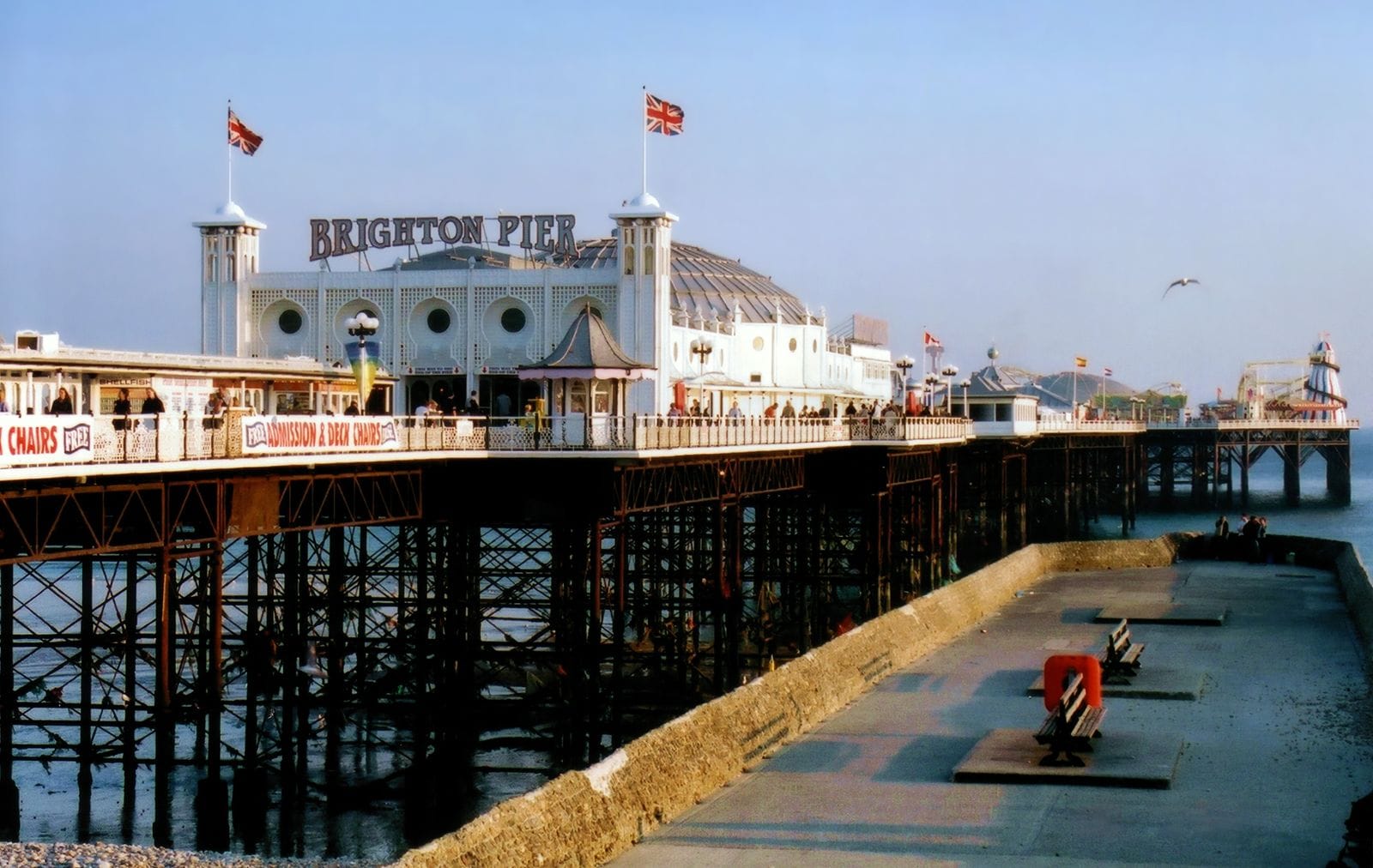 Brighton
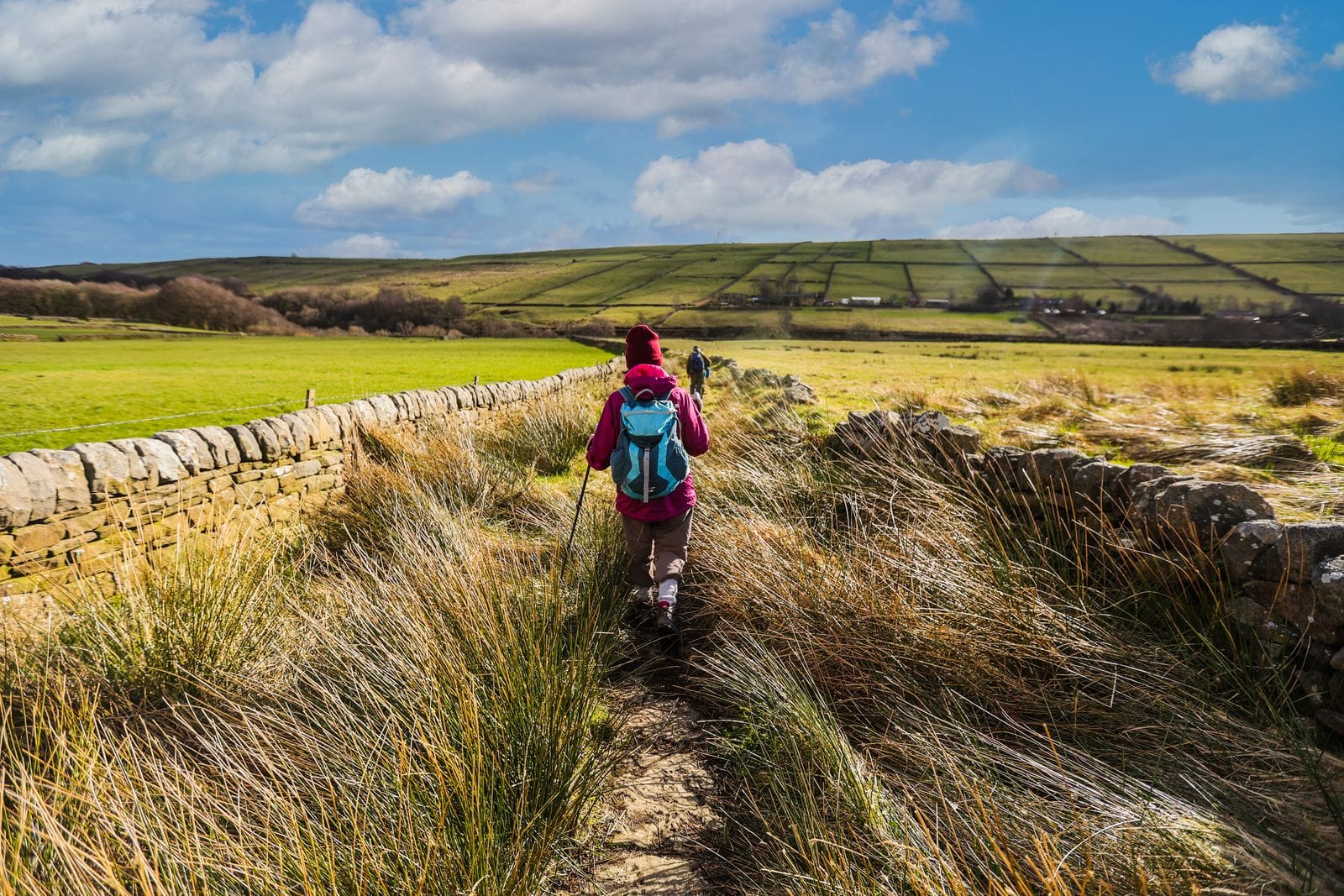 Hebden Bridge
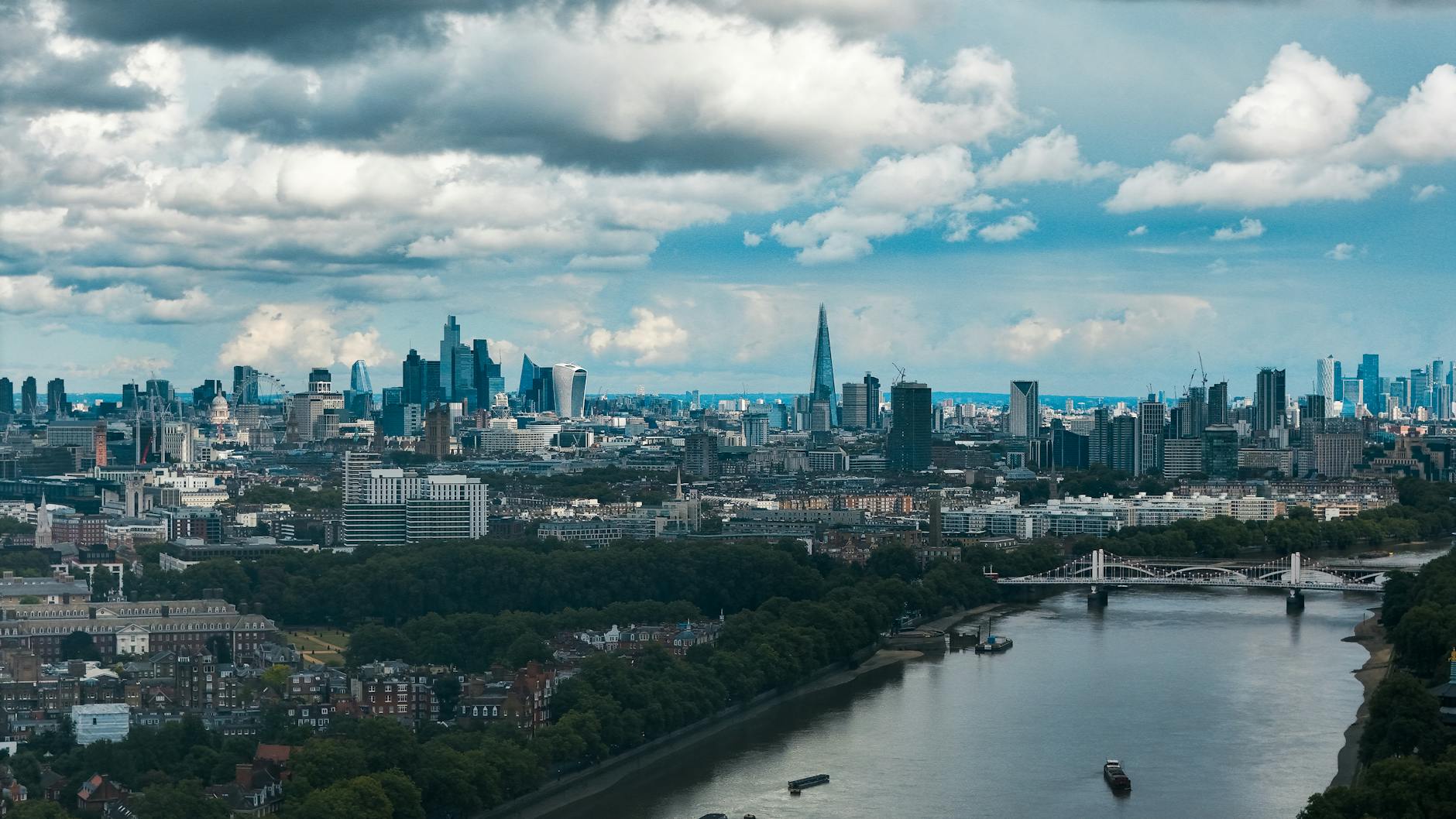 London
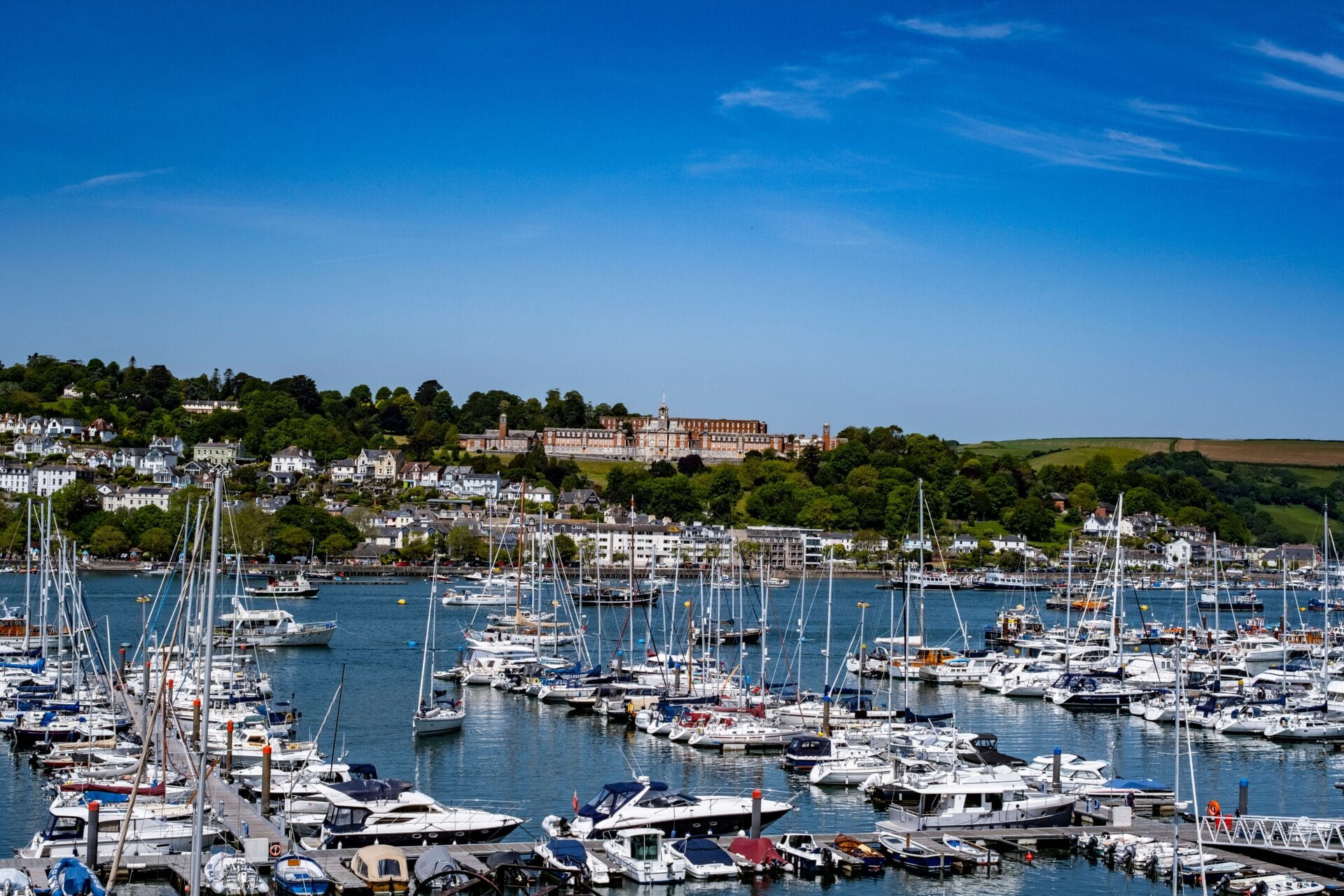 Dartmouth
Why so many Brits are staying home this year
The shift is not new. But 2026 is the year it became the norm rather than the exception, especially among younger travellers. 53% of Gen Z now plan to take their main UK holiday in 2026, up from 45% last year, according to the 2026 Staycation Index. Average spend on a UK staycation has climbed to £1,171 a trip, and over a quarter of people say they are more likely to holiday at home this year than last.
A cost-of-living shift, not just nostalgia
Flights and package holidays abroad have got more expensive since 2023. The pound has not stretched as far in the eurozone either. A UK break cuts out the exchange rate, the airport transfer, and the departure-day admin. That is a big part of why the swing toward domestic travel has held for three years running, not just one.
Price is not the only driver. A handful of towns are also being discovered properly for the first time in years, and Morecambe is leading that shift.
Five UK towns worth booking before everyone else catches on
These five are still comparatively undiscovered and priced accordingly, though that is changing fast as more people find them. Morecambe leads the pack by a wide margin, followed by its neighbour across the bay, Carnforth.
“Shoulder season is where the real value sits, and it’s the first thing I check before booking. I’d rather shift my dates a few weeks either side of peak and get more for the same money than pay full price to be there at the busiest point of summer.”
Kate Acaster, Chief Editor, Flight Tribe
| Why it’s worth going now | |
|---|---|
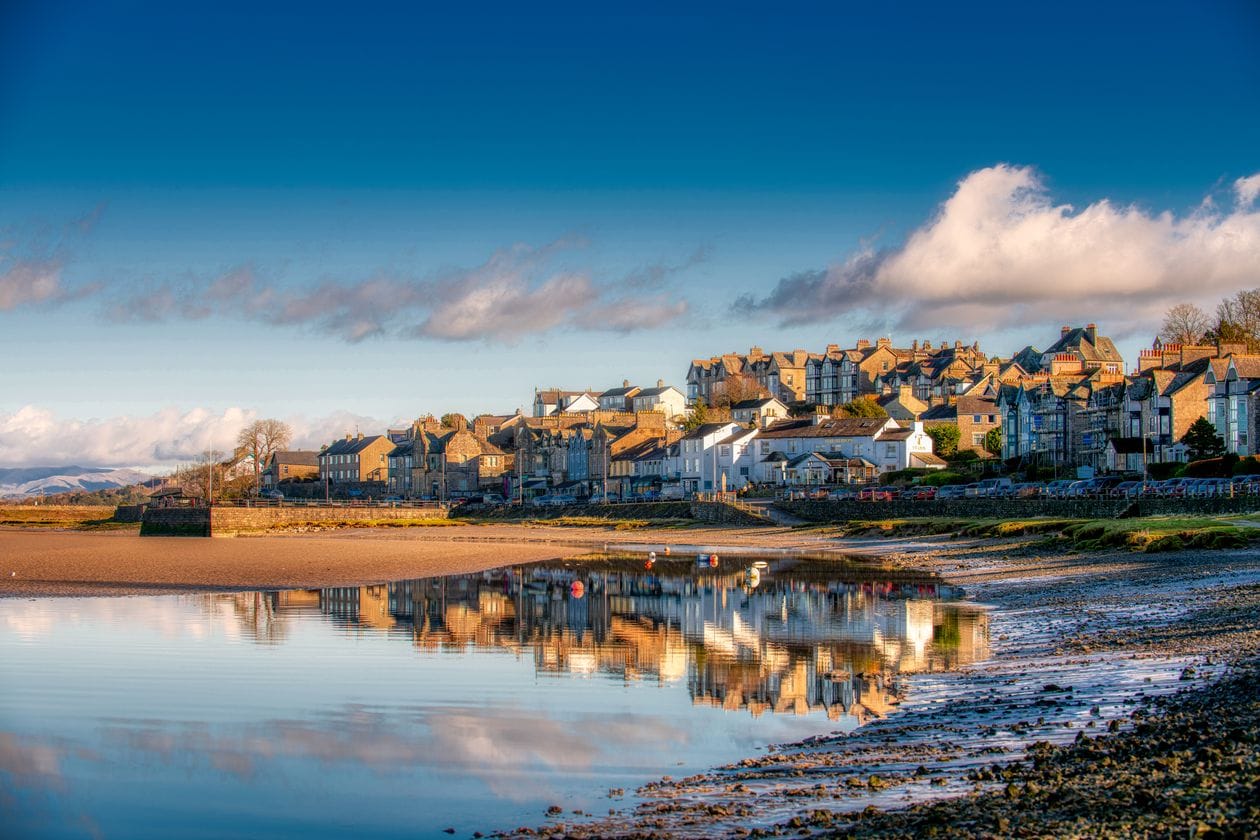
| Morecambe | Art Deco seafront, Morecambe Bay views, a fraction of Lake District prices |
| Carnforth | Brief Encounter’s real station, a quiet base for the Lakes and the Dales |
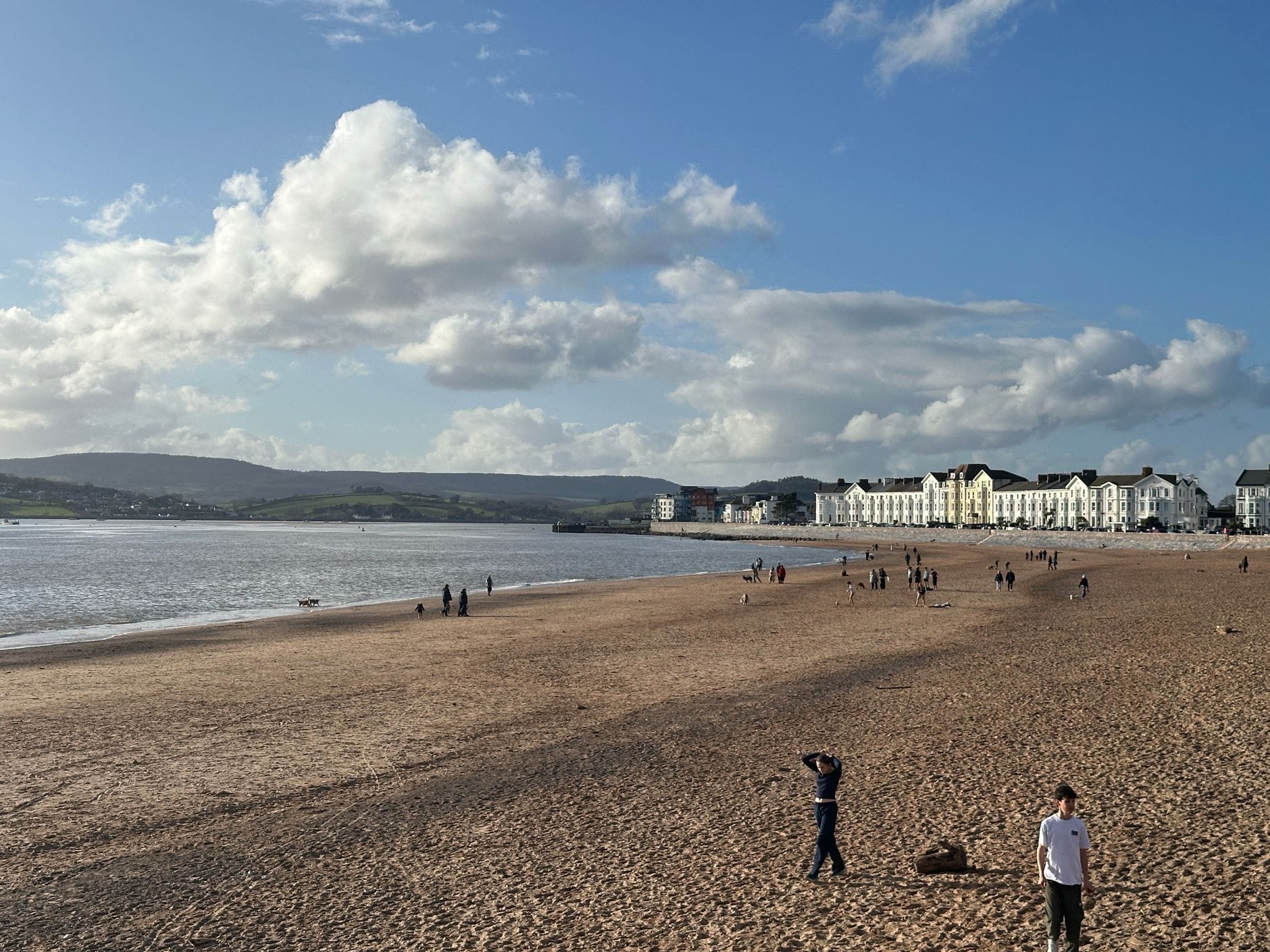
| Exmouth | Devon’s Jurassic Coast without Salcombe’s prices |
| Penzance | Cornwall’s far tip, St Michael’s Mount, cheaper beds than St Ives |
| Stratford-upon-Avon | Shakespeare’s birthplace, a compact and walkable Midlands city break |
Morecambe Bay’s wider appeal
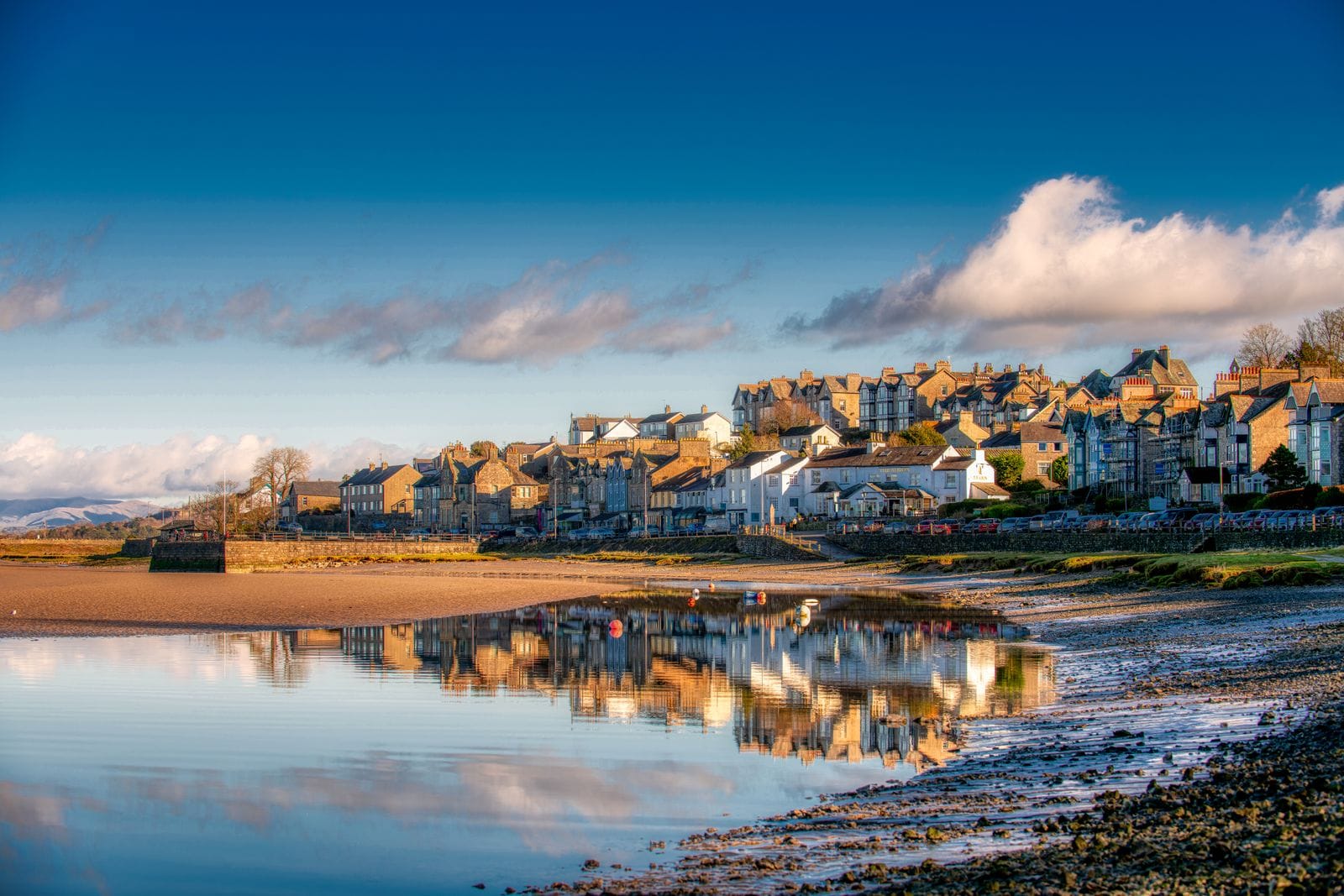
Morecambe and Carnforth sit on the same stretch of coast as villages like Arnside, a few miles along the estuary. The tide goes out for miles here, and the Lake District fells are visible across the water. It’s a proper seafront with the Lakes as a backdrop, a combination neither the Cornish coast nor the south coast can match at the same price.
The other three are trending for different reasons. Exmouth sits on the Jurassic Coast with a two-mile sandy beach and none of Salcombe’s price tag. It’s also the only town here where Google’s advertiser-competition data shows below-average demand, a sign it’s still underpriced. Penzance is Cornwall’s westernmost town, a short drive from St Michael’s Mount and the Minack Theatre, and has always sat in St Ives’ shadow despite offering the same coastline for less. Stratford-upon-Avon is the odd one out, an inland Midlands town built around Shakespeare’s Birthplace, and works well as a one-night stop rather than a full week.
The UK’s most popular staycation destinations
Beyond this year’s fastest risers, a smaller group of destinations account for most UK staycation searches every year. These are the places that show up across the Sykes Staycation Index, the major UK travel operators, and Flight Tribe’s own competitor research, so a staycation guide that skips them is missing the obvious answers.
| Known for | Best time to go | Good for | |
|---|---|---|---|
| Cornwall | St Ives, coastal footpaths, surf beaches | May, June, September | Couples, walkers, families |
| Lake District | Ambleside, Grasmere, Windermere, fell walking | April to June, September to October | Walkers, couples, groups |
| Cotswolds | Bourton-on-the-Water, honey-stone villages | May to September | Couples, food and drink trips |
| Scotland | Highlands, lochs, Edinburgh, whisky trails | May to September | Road trips, scenery, hiking |
| Yorkshire | Robin Hood’s Bay, the Dales, York | May to September | Coastal walks, city and coast combined |
| Devon | May, June, September | Families, beach holidays | |
| Wales | Snowdonia, the Gower, Tenby | May to September | Outdoor activities, budget trips |
| Northern Ireland | Giant’s Causeway, Belfast, Mourne Mountains | May to September | Road trips, dramatic scenery |
| Isle of Wight | Sandy beaches, ferry-only access, mild climate | May to September | Families, first-time staycationers |
| Bath | Roman Baths, Georgian architecture, spa hotels | Year-round, quietest in winter | Couples, short city breaks |
| Brighton | The Lanes, pier, nightlife, an LGBTQ+-friendly scene | Year-round, best weather June to September | Weekend breaks, groups |
| London | Museums, West End, year-round events | Year-round; book hotels early for peak weeks | City breaks, culture, families |
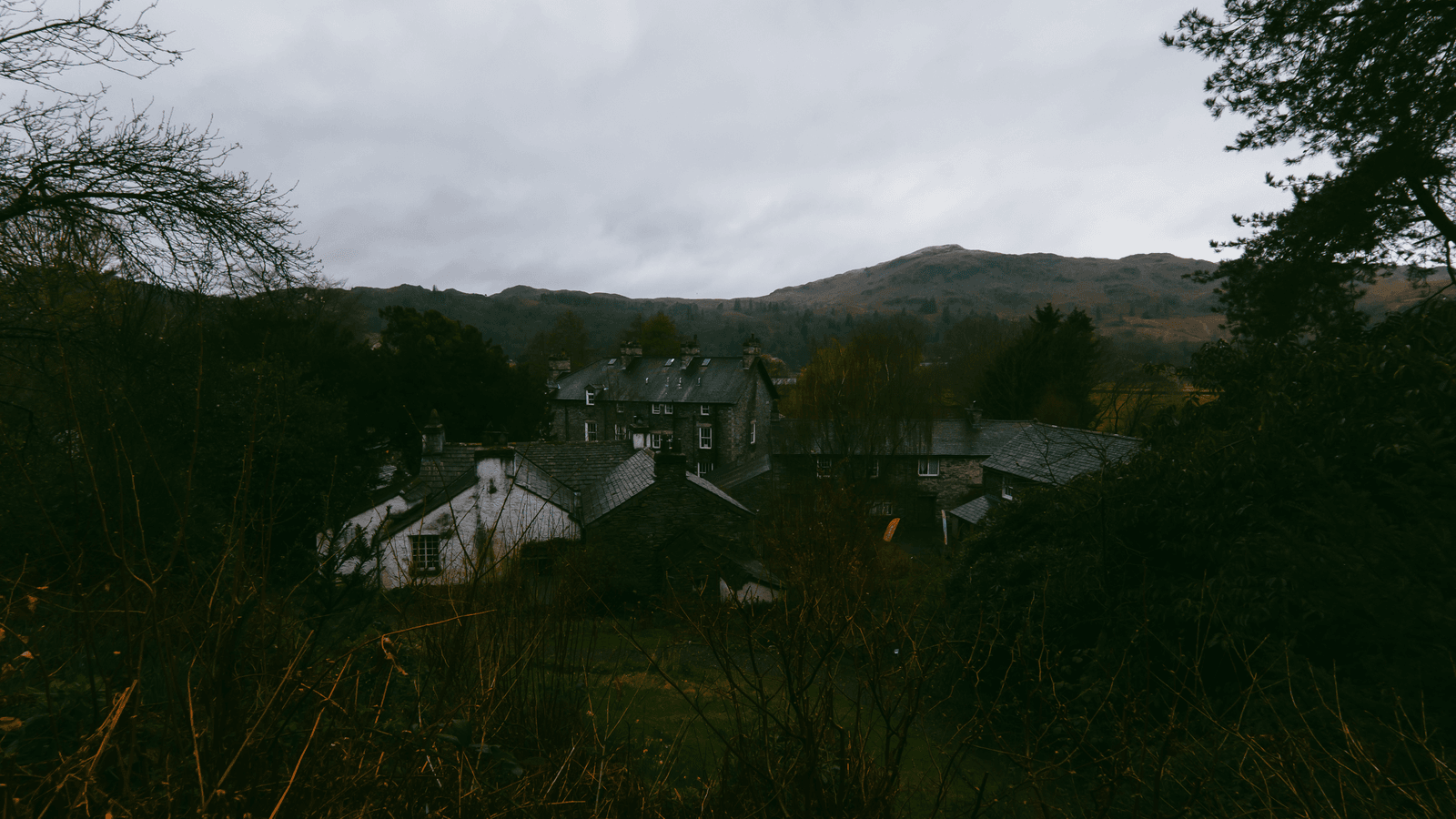
The Lake District, in short
This is the UK’s biggest single staycation draw, and Ambleside and Grasmere, both in the Sykes 2026 top four, sit right in the middle of it. Windermere gets the day-trippers; Grasmere and Keswick are quieter bases with the same fell access.
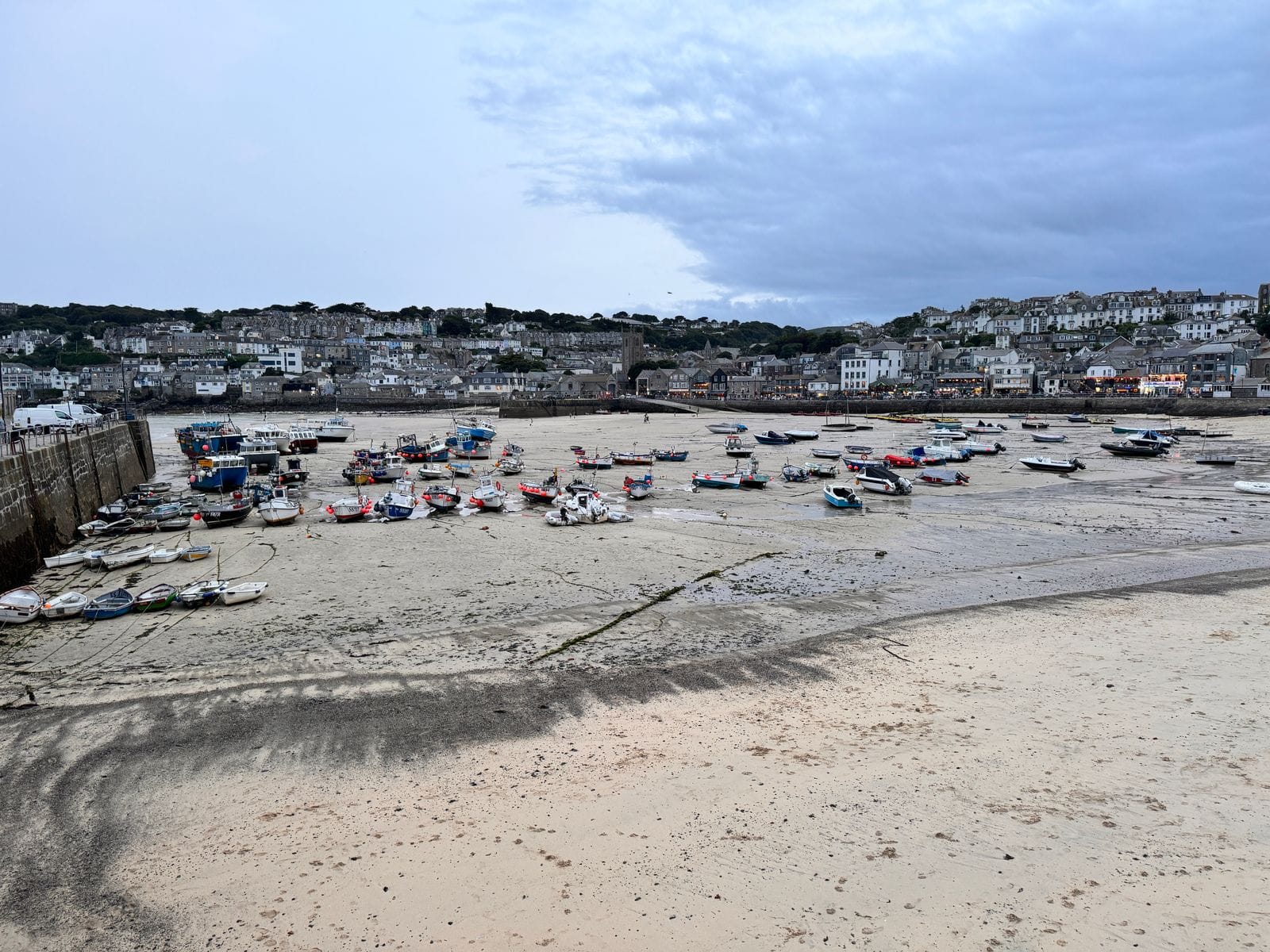
Cornwall, in short
St Ives topped the Sykes 2026 index outright. It is also the most expensive town on this list in August, so a May or September trip gets the same beaches and galleries for noticeably less.
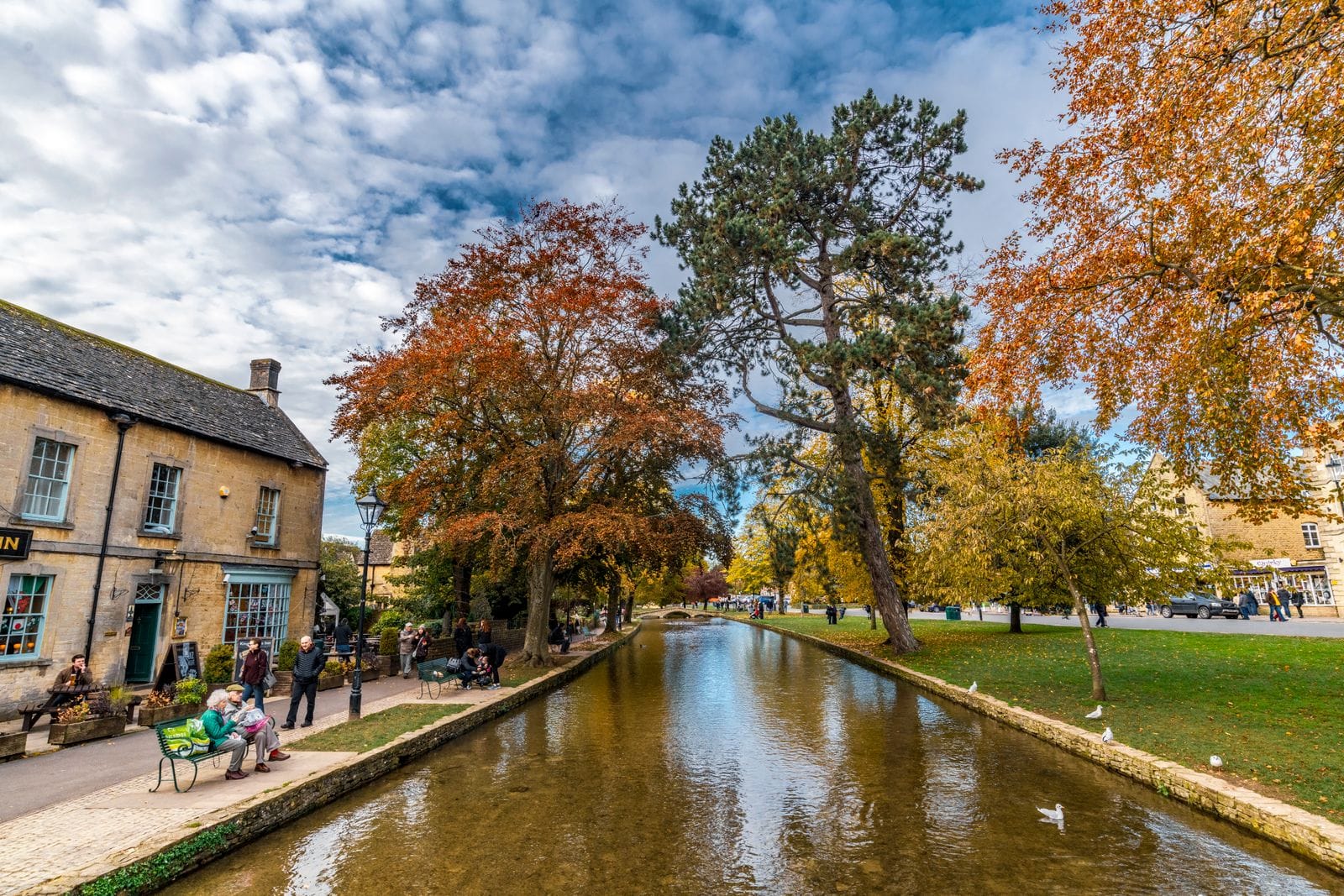
The Cotswolds, in short
Bourton-on-the-Water is the postcard version, and it gets busy with day-trippers from spring onward. Staying a night or two rather than visiting on a coach trip gets you the village once the crowds leave in the early evening.
Best UK staycations for families
A good family staycation needs a short travel day, something for kids to do that isn’t weather-dependent, and beaches that are actually safe for swimming. These four consistently deliver on all three.
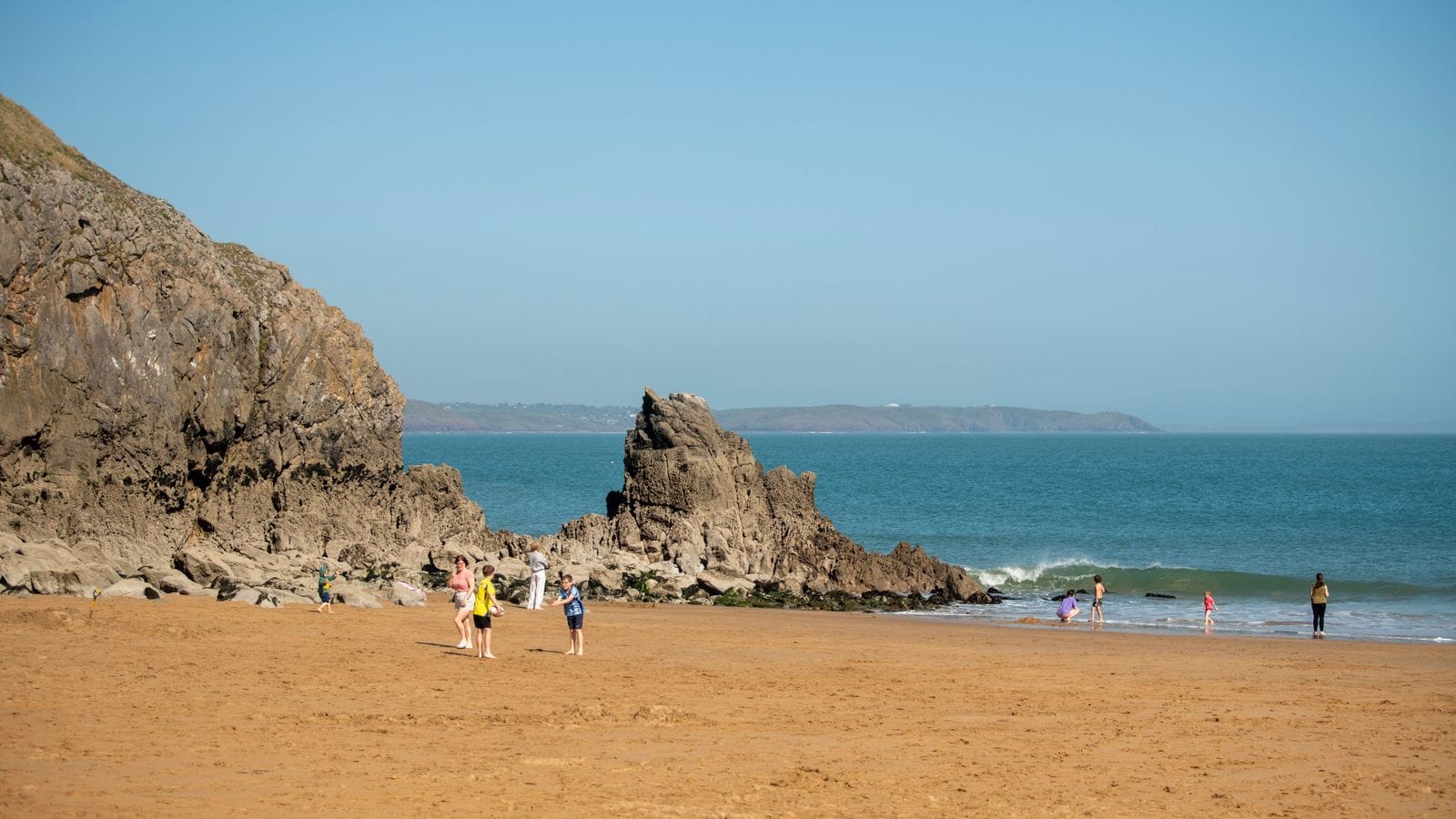
Pembrokeshire
Pembrokeshire, Wales: Tenby‘s harbour beach is one of the best family beaches in Britain. The wider coast has enough castles and coastal path walks to fill a week without repeating a day.
- Isle of Wight: the ferry crossing is part of the appeal for younger kids, and the beaches are sheltered enough for confident paddling. Sandown and Shanklin both have traditional seafronts with amusements for wet days.
- Norfolk coast: flat, calm, and short on the steep cliffs and strong currents that make some coastlines harder work with young children. Wells-next-the-Sea and Cromer both have gentle beaches and proper chip shops.
- New Forest: ponies wandering free, cycling routes flat enough for a first family bike trip, and a short drive from London or the south coast if a long car journey is what you’re avoiding.
Best UK staycations for couples
A romantic UK break usually comes down to a good restaurant, a proper walk, and somewhere that doesn’t feel like a family resort in high season. These four are built around exactly that.
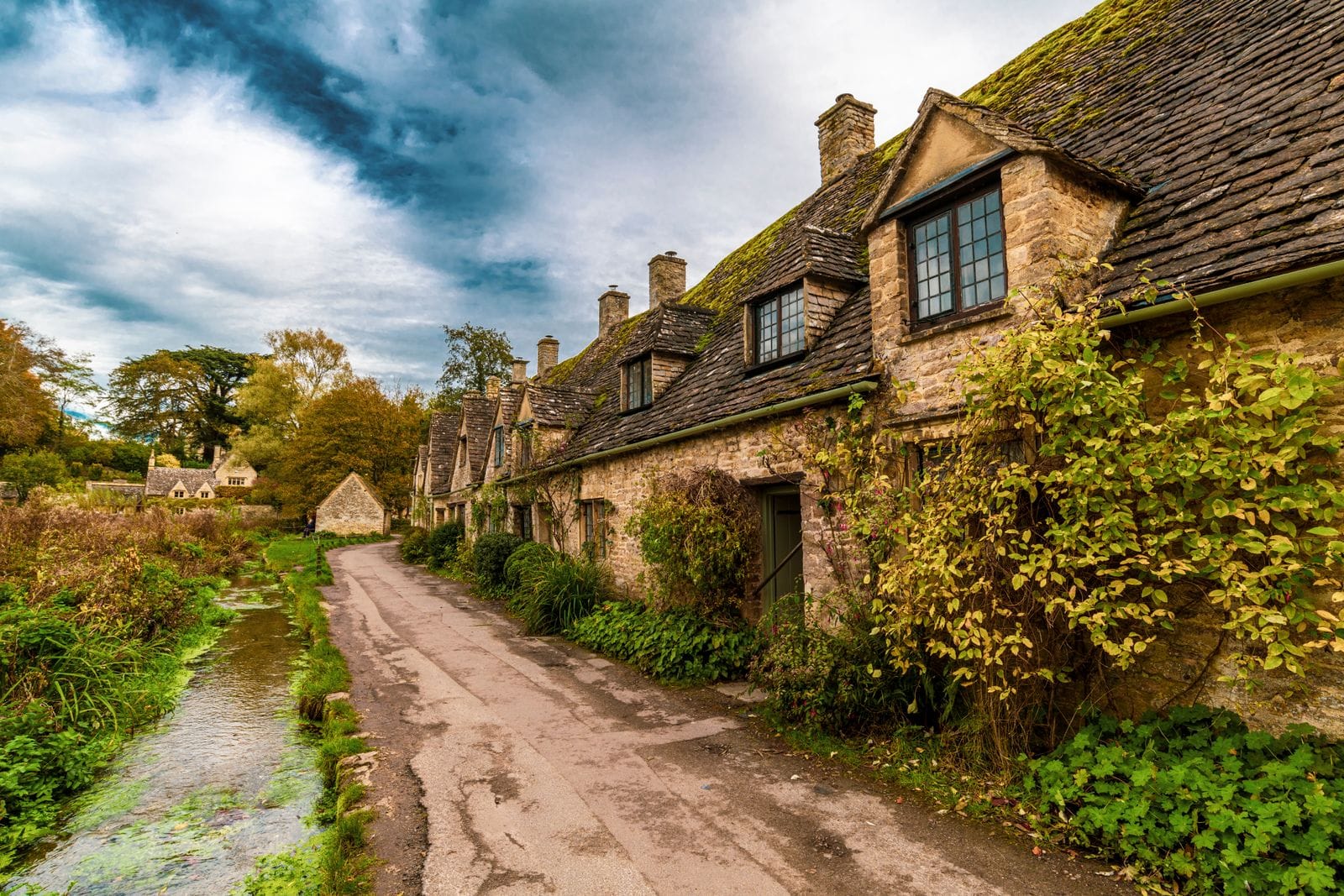
Bibury and the southern Cotswolds
Bibury is one of the smallest, quietest villages in the Cotswolds, and it stays that way outside the day-trip window in late afternoon and evening. A two-night stay with dinner at a village pub is the whole point.
- Bath: a spa hotel, Georgian architecture, and a compact centre that’s easy to walk around, rarer than it sounds among UK city breaks. Book a Thermae Bath Spa evening session for the obvious reason.
- The Lake District, off-peak: Grasmere and Ambleside in April or October, rather than August, get you the same lakes and fells with half the foot traffic and a much easier time finding a table for dinner.
- Northumberland coast: Bamburgh Castle above an empty beach is one of the most striking views in England, and the whole coast north of Newcastle is under-visited relative to how good it is.
- Brighton: the Lanes’ independent shops, a seafront that stays lively into the evening, and a food scene strong enough to build a weekend around, a little over an hour from London by train.
Best UK staycations on a budget
A UK staycation can run from a campsite pitch to a boutique hotel, and the destination matters as much as the accommodation type. These three price bands apply the same logic Flight Tribe uses for its destination guides, but at the level of where to go rather than which hotel to pick.
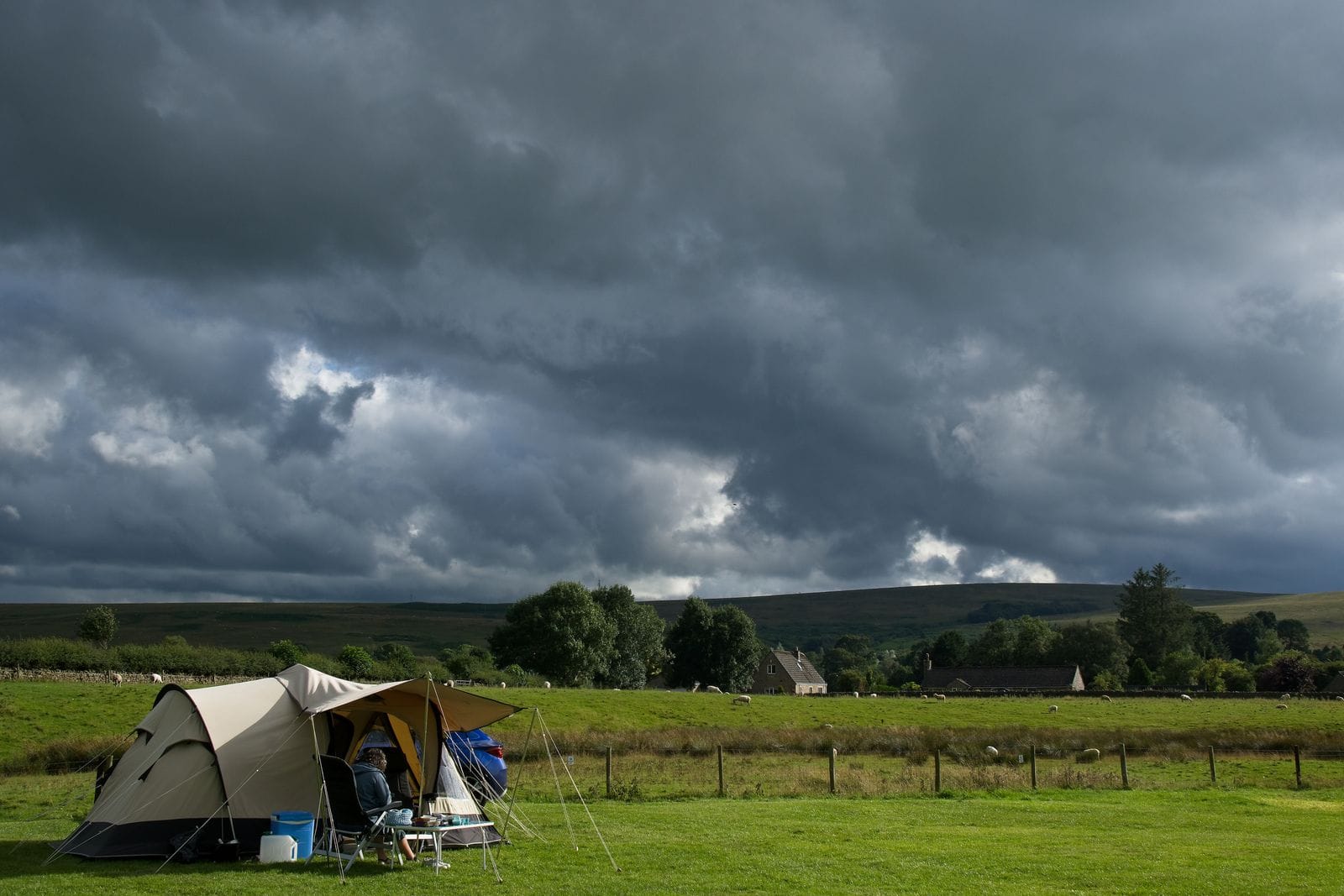
Budget: trending seaside towns
Morecambe and Carnforth are, for now, some of the cheapest coastal bases in the country relative to what’s on offer, precisely because demand has spiked faster than prices have caught up. B&B and self-catering rates are still well below equivalent options in Devon or Cornwall.
- Mid, the Cotswolds and Yorkshire Dales in shoulder season: prices in both drop noticeably outside May to September. A stone cottage can cost about half as much in March or November as in July, for the same view.
- Worth the spend, the Midland Hotel in Morecambe: an Art Deco landmark on the seafront, and one of the more distinctive “worth the spend” stays in the whole cluster of trending towns, at a price that would barely cover a mid-range room in the Cotswolds.
- For the wider principles, from off-season timing to comparing cottage and hotel pricing, see Flight Tribe’s guide to travelling on a budget, most of which applies just as well inside the UK as abroad.
How to book a UK staycation for less
- School holidays are the single biggest price driver in UK domestic travel, and it shows up clearly on Flight Tribe’s own latest UK travel deals page, where the sharpest price drops line up with term time. The summer break and the February, May and October half-terms push prices to their highest point of the year. Shifting a trip to term time is usually a bigger saving than any discount code.
- Midweek stays are the second lever. A Tuesday-to-Thursday break at a coastal cottage can cost 20 to 30% less than the same two nights over a weekend, because weekend demand is what most operators price against.
- Cottages and self-catering generally beat hotels on cost for groups of three or more, once you account for not eating out every meal. Hotels win for a couple on a short break where you’re not going to cook anyway. Work out the total cost, including food, before assuming either option is cheaper.
- Spring (April to May) and early autumn (September) consistently give the best balance of weather and price across England and Wales. Scotland’s shoulder season runs slightly later, into early October. For a month-by-month view covering destinations further afield too, see Flight Tribe’s Where’s Hot Each Month guide.
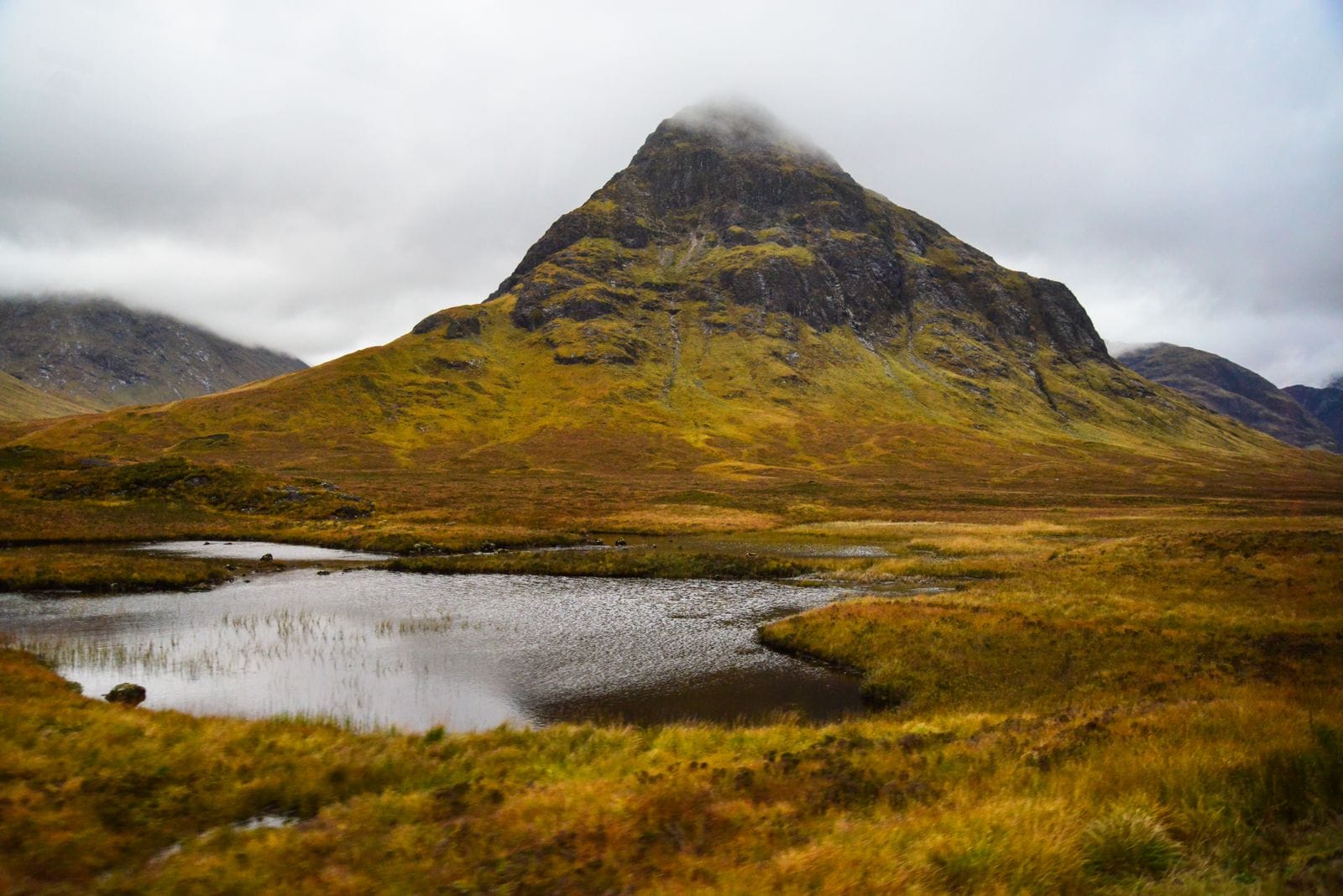
Booking Scotland separately
Scotland’s driving distances catch out a lot of first-time visitors planning a UK staycation the way they’d plan a single English region. A Highlands trip needs its own week rather than a side-trip bolted onto a Lake District or Yorkshire break, and accommodation books up earlier for the short window of reliably good summer weather.
Frequently asked questions
What is a staycation?
A staycation is a holiday taken within your own country rather than abroad. In the UK, it usually means a trip somewhere in England, Scotland, Wales or Northern Ireland instead of flying overseas, whether that’s a weekend away or a full week.
When should I book a UK staycation?
Book 2 to 4 months ahead for the best choice of accommodation in popular spots, and earlier for the summer holidays or a bank holiday weekend. Trending towns like Morecambe and Carnforth still have more availability than established destinations, so there’s less urgency there for now.
What’s the cheapest time to take a UK break?
April, May, September and October, avoiding school holidays. Prices in most seaside and Lakes destinations drop noticeably once the summer holidays end and pick up again for October half-term.
Where are UK staycations trending in 2026?
Morecambe and Carnforth lead Booking.com’s 2026 UK trend data, with search interest up 106% and 86% year on year. Exmouth, Penzance and Stratford-upon-Avon round out the top five fastest-growing spots.
Is a staycation cheaper than a holiday abroad?
Usually, yes, once you factor in flights, transfers and exchange rates. It depends on the destination and season, though. A shoulder-season UK cottage break for a family of four is typically cheaper than a package holiday to southern Europe in the same window. But a self-catering week in a cheap European destination in low season can undercut a premium UK cottage.
What’s the best UK destination for a first staycation?
The Lake District or Cornwall are the safest first choices, since both have well-developed tourist infrastructure and a huge range of things to do within a short drive. For something less crowded on a first attempt, Yorkshire’s coast or Pembrokeshire offer a similar experience with fewer visitors.

Kate Acaster is Chief Editor at Flight Tribe. She writes about practical travel planning, budget airlines, baggage rules, city breaks, beach holidays and good hotels that do not cost daft money.
Kate has travelled through Europe, South America and beyond, usually with a notebook, a half-formed plan and a strong opinion on airport snacks. At Flight Tribe, her work focuses on helping UK travellers understand what is included, what costs extra, and whether a trip is worth booking at the price shown.
How Kate works
Kate checks the details that can change the value of a trip, including cabin-bag rules, airline fees, hotel location, seasonality, travel dates and booking conditions. She is especially interested in offers that look useful on the surface but need a proper reader-first check before they are worth recommending.
Editorial standards
Flight Tribe covers deals and travel advice for readers first. Affiliate links do not decide whether an offer is worth writing about.