Published 21 May 2026 | Updated 30 August 2026 by Jane Robinson
September is when Europe’s most popular beach destinations find their best form. The school holiday rush is over, prices drop significantly, and temperatures remain well above 25 degrees across southern Europe and the Mediterranean. For UK travellers, it is one of the most cost-effective months to go. These four destinations all have strong cases for September, each for a slightly different reason.
Advertisement
Search flights and hotels
For a full overview of where works each month, see our guide to where’s hot from the UK.
| Destination | Avg Temp | Flight Time | Price Guide | Best For |
|---|---|---|---|---|
| Algarve, Portugal | 27°C | 2h 30m | From ~£280pp | Beaches, families, value |
| Seville, Spain | 31°C | 2h 30m | From ~£220pp | Culture, food, city breaks |
| Malta | 29°C | 3h | From ~£300pp | History, sea, short breaks |
| Croatia | 26°C | 2h 30m | From ~£320pp | Coast, islands, food |
Algarve, Portugal
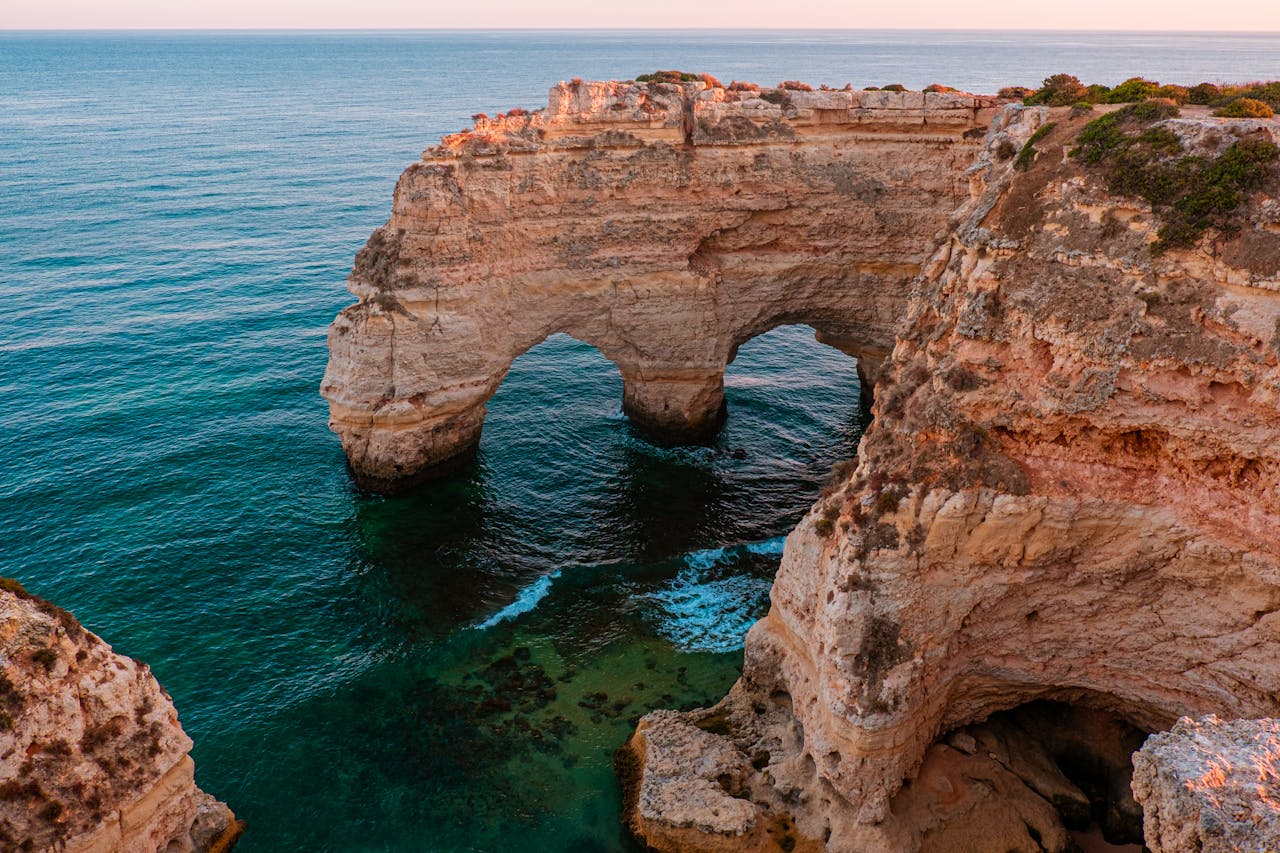
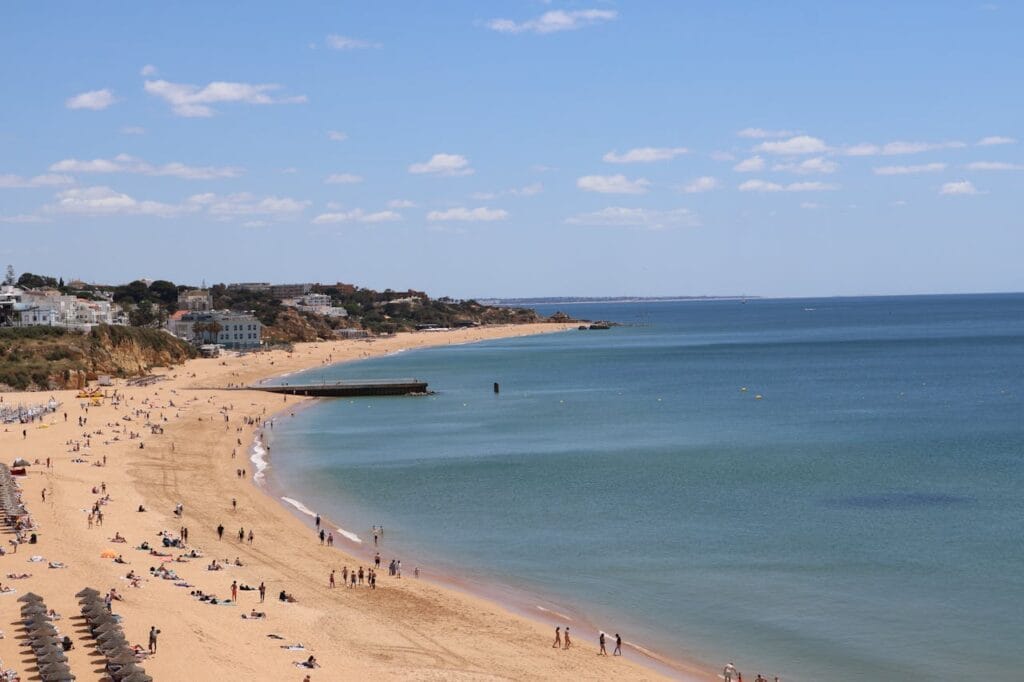
September is arguably the Algarve’s best month. The crowds that fill the beaches in July and August thin considerably, prices for accommodation and flights drop noticeably, and the weather stays excellent. Average temperatures hover around 27 degrees, the Atlantic water reaches its annual peak warmth of around 22 to 23 degrees, and you get the same rock formations, sea caves and golden cliffs that make the Algarve one of Europe’s most photographed coastlines.
The Algarve’s western coast, around Sagres and the Cabo de São Vicente, is wilder and cooler in summer thanks to Atlantic winds. In September those winds ease off, making the west coast considerably more pleasant for swimming. The central stretch, from Lagos to Albufeira, has the most accessible beaches and the most developed infrastructure. The eastern coast near Tavira is quieter and more traditional, with shallow warm water that suits families with young children particularly well.
Faro is the main gateway, with direct flights from most UK airports throughout September. Ryanair, easyJet and TAP all serve the route, and competition keeps prices reasonable. Return flights from London can still be found below £80 in early September if you book four to six weeks out. Self-catering villas in the Algarve are good value in September, with weekly rates for a three-bedroom property often coming in below what you would pay for equivalent accommodation in August.
Seville, Spain
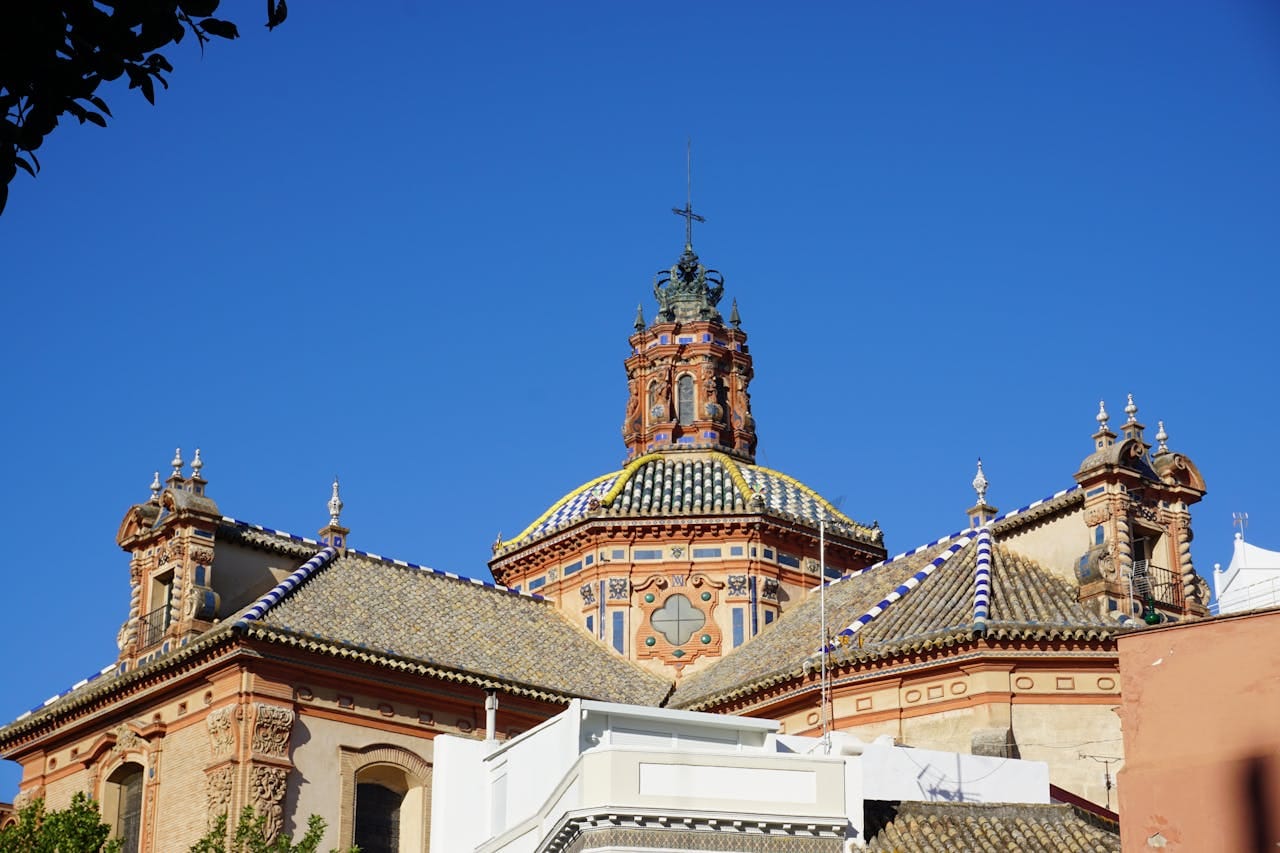
Seville in August is genuinely brutal: temperatures regularly hit 40 degrees and the city empties as Sevillanos themselves head to the coast. September changes everything. Temperatures drop to a much more manageable 30 to 33 degrees, the locals return, the restaurants fill up and the city regains its character. This is Seville as it is meant to be experienced: busy, proud and full of life, with long evenings that stretch comfortably into the night.
The main sights are world-class. The Alcázar, a UNESCO-listed royal palace with Moorish architecture and extraordinary garden terraces, is one of the finest buildings in Spain. The Cathedral, the largest Gothic building in the world, contains the tomb of Christopher Columbus and a tower you can climb for views across the city. The Barrio de Santa Cruz, the old Jewish quarter, rewards an afternoon of aimless wandering through whitewashed alleys and orange tree-lined squares.
Direct flights from London, Manchester and Bristol to Seville run year-round with Ryanair, easyJet and Iberia. September is a city break month more than a beach month here, though Seville is within two hours of the Costa de la Luz, which has some of the best beaches in Spain and remains relatively uncrowded even in summer. Accommodation in Seville is excellent value in September, with boutique hotels in the city centre significantly cheaper than in spring, Seville’s traditional peak season.
Malta
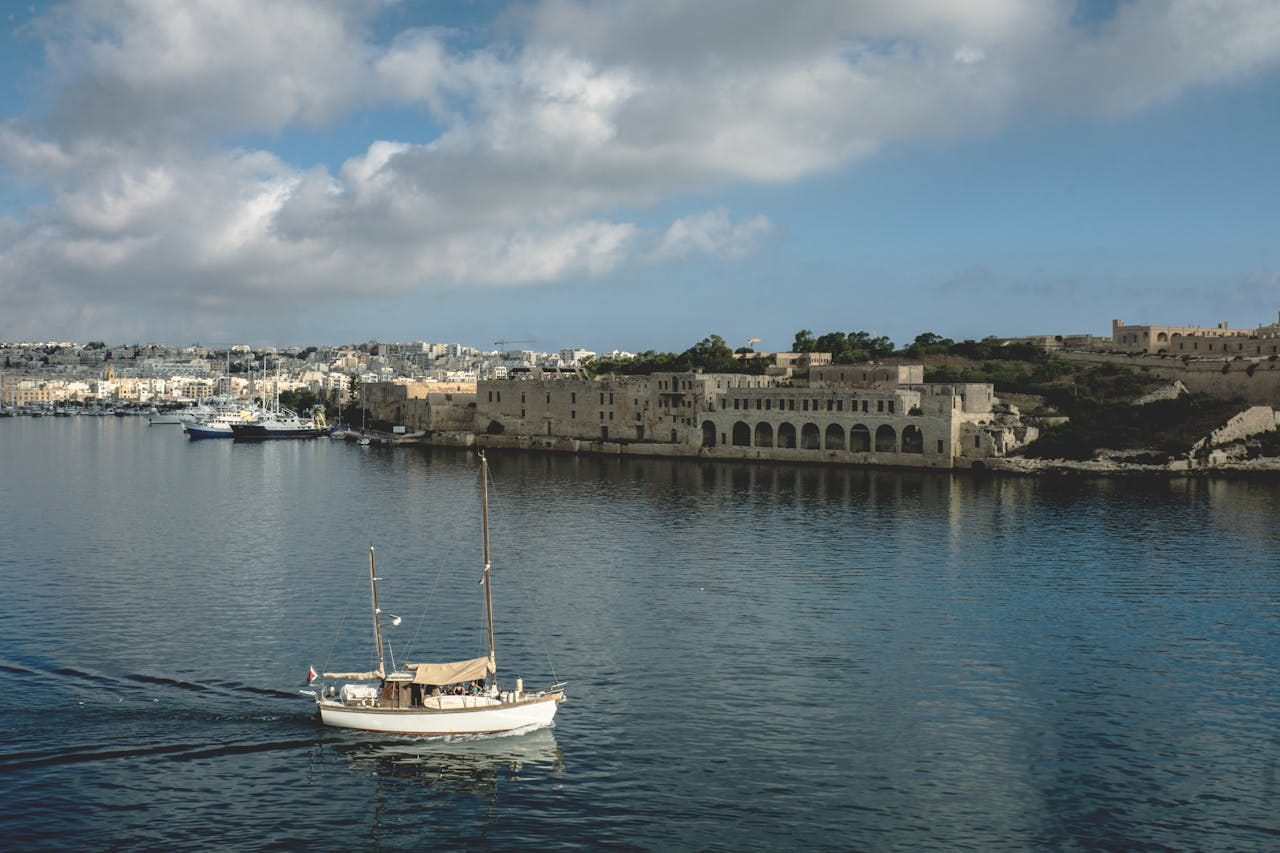
Malta in September has a strong claim to being the best beach destination in Europe that month. The sea reaches 27 degrees, which is warmer than almost anywhere else in the Mediterranean. Air temperatures sit around 29 degrees with virtually no rain and consistent sunshine. Malta is a small island so it is easy to cover a lot of ground in a week: Valletta, the capital and a UNESCO World Heritage site, Mdina the medieval walled city, the Blue Lagoon on the sister island of Comino, and several genuinely good beaches.
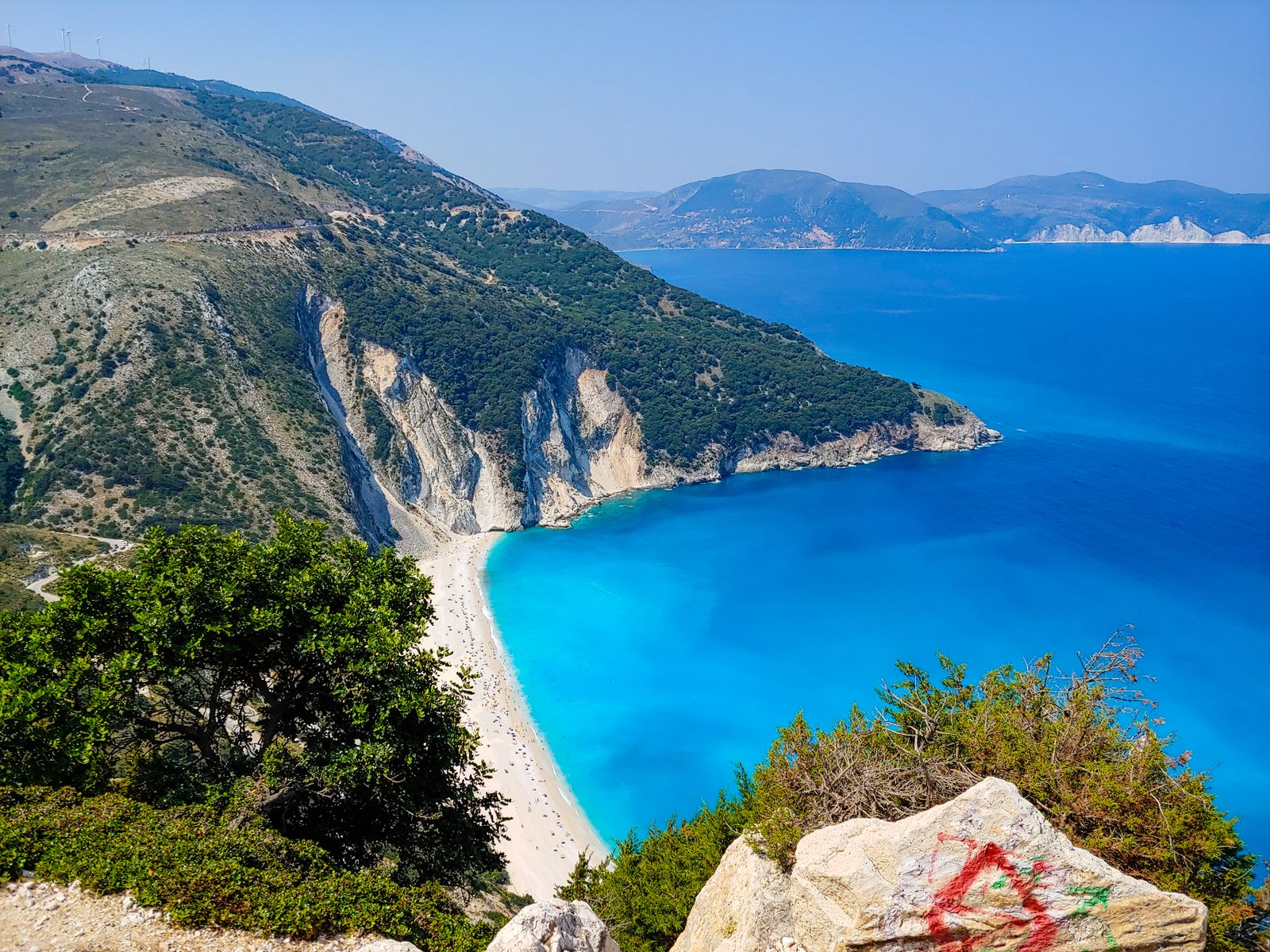
The Blue Lagoon at Comino is one of those places that genuinely earns its reputation. The water is an extraordinary turquoise and clear enough to see the bottom at depth. In July and August it is badly overcrowded; in September the day-trippers thin out and the experience improves considerably. Getting there is a short boat trip from either Malta or Gozo, the larger sister island to the north, which has a slower pace and better restaurants than the main island.
Flights from the UK to Malta Airport run with Ryanair, Air Malta and easyJet from multiple UK airports, with journey times around three hours. Malta is one of only two countries in the EU where English is an official language, which removes the usual navigational friction for UK visitors. It is also a genuinely compact destination: the whole island is 27 kilometres long, so a hire car for a day or two covers everything worth seeing.
Croatia
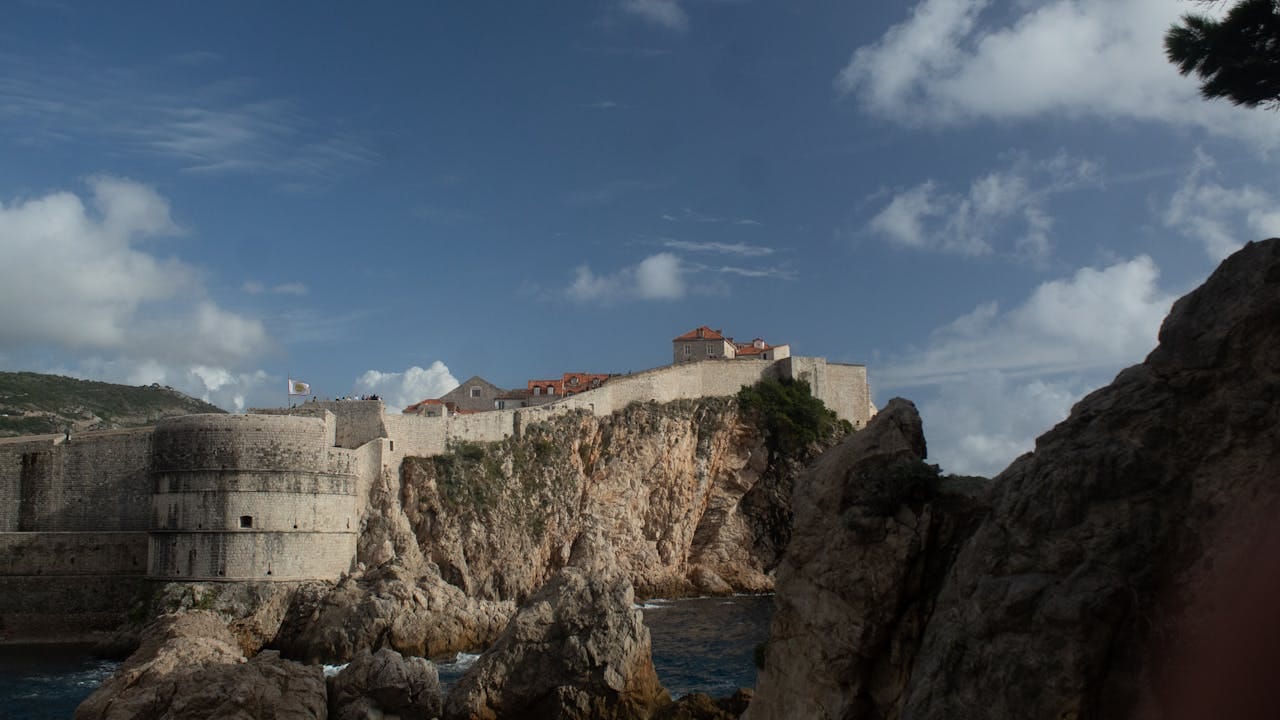
Dubrovnik in July and August is beautiful but genuinely very busy. The old town, encircled by its medieval walls, handles the crowds less gracefully than it once did. September is when it gets its composure back. The same blue Adriatic, the same terracotta rooftops, the same walk along the city walls, but with enough space to actually enjoy them. Temperatures average 26 degrees, the sea stays warm at about 24 degrees and prices for accommodation fall significantly once the school holidays end.
Croatia’s coastline extends well beyond Dubrovnik. Split, two hours to the north, has Diocletian’s Palace at its centre: a Roman imperial palace that became a medieval city and is now a working mix of bars, restaurants, apartments and ancient stonework. The islands off Split, particularly Hvar and Brač, have some of the best beaches in the Adriatic and are quieter and cheaper in September than in peak summer. Ferries run frequently from Split harbour.
Direct flights from the UK go to Dubrovnik and Split from London, Manchester and Bristol with Jet2, easyJet and Ryanair. September flights are noticeably cheaper than August, and hotel rates in both cities drop considerably. Croatia joined the Schengen zone in 2023 and the eurozone, replacing the kuna with the euro, which simplified the financial logistics for EU travel. UK passport holders can visit visa-free for up to 90 days.
For more warm-weather destination ideas, see our where’s hot in August guide or browse all our where’s hot destination guides.
Further afield: long-haul options for September
September is a good month for long-haul travel. Bali is still in its dry season and East Africa is warm and dry throughout the month. Both offer a real alternative to the crowded and expensive Mediterranean.
| Destination | Avg Temp | Flight Time | Why Go in September |
|---|---|---|---|
| Zanzibar | 27°C | 9h | The dry season runs through September and the island is at its quietest before European half-term pushes prices up. Warm sea, reliable sunshine, and good value flights via Nairobi. |
| Bali | 29°C | 14h | Late dry season: still excellent before the rains arrive in October. Cheaper than August and the main sites are noticeably quieter. |
For a city break, Venice is a strong September choice. The summer crowds thin out after August, temperatures sit around 24°C, and acqua alta season has not yet started. Our Venice budget guide covers transport, the access fee, and where to eat without the tourist markup.
Frequently asked questions
| Question | Answer |
|---|---|
| Is September a good month for a UK holiday abroad? | Yes, temperatures stay high across southern Europe, school holidays are over so prices drop, and resorts are noticeably quieter. September is one of the best months to travel from the UK. |
| Is the Algarve good in September? | September is arguably the best month to visit. Temperatures average 27 degrees, the Atlantic is at its warmest, and prices are significantly lower than August. |
| Is Malta worth visiting in September? | Yes, Malta has the warmest sea in Europe in September at around 27 degrees. Air temperatures sit around 29 degrees with very low rainfall. |
| How hot is Croatia in September? | Dubrovnik and Split average 26 to 27 degrees in September. Sea temperatures remain warm at around 24 degrees and the Adriatic is calmer than in high summer. |

Jane Robinson is Senior Editor at Flight Tribe. She has a Master’s in English and Journalism, and writes about flight deals, holiday offers and practical ways UK travellers can spend less without wasting time on weak promotions. Jane has spent time living and working across Asia and New Zealand, which gave her a lasting interest in how people travel, eat, move around and spend their free time in different places.
At Flight Tribe, her work focuses on verified prices, realistic travel dates, booking terms and whether a deal is actually worth attention.
How Jane works
Jane checks offers against live supplier pages wherever possible, including prices, dates, departure points, baggage rules and booking conditions. She is quietly sceptical of anything that sounds too good to be true, and helps keep Flight Tribe’s travel advice useful, honest and easy to act on.
Editorial standards
Flight Tribe covers deals for readers first. Affiliate links do not decide whether an offer is worth writing about.