
Published 4 September 2024 | Updated 13 October 2026 by Kate Acaster
How to Get There
Advertisement
This is part of a wider series. Browse all of Flight Tribe’s destination guides for more UK budget travel advice.
The best time to visit Bali depends on what you want from the trip. Bali remains one of Southeast Asia’s most accessible and appealing destinations for travellers from the UK. The island’s main gateway is Ngurah Rai International Airport (Denpasar), which serves direct and indirect flights from around the world.
Flights from the UK
There are no direct flights from the UK to Bali, so you will change at least once, typically in Singapore, Kuala Lumpur, Doha or Dubai, and the journey usually takes 20 to 25 hours. Airlines like Singapore Airlines, Qatar Airways, and Emirates frequently offer flights to Bali, often with good connections.
– Off-Peak Season (January-March): During this period, return flights from London typically range between £500 and £700. The rainy season makes this the least expensive time to fly, but it comes with the downside of less predictable weather.
– Shoulder Season (April-May and September-October): These months offer pleasant weather without the peak season crowds, and flights are usually priced between £600 and £900.
– Peak Season (June-August and December): Flights during the peak summer months and the Christmas holidays can rise to £900-£1,200, with heavy demand driving up fares due to school holidays and favourable weather.
For budget-conscious travellers, booking flights 6-8 months in advance can secure better prices. Another tactic is to monitor flight comparison websites such as Skyscanner or set alerts for price drops. While travelling during the wet season (November to March) can be more affordable, some outdoor activities may be limited.
Typical Weather in Bali
Bali’s tropical climate means it remains warm throughout the year, with only slight variations in temperature. However, the seasons are defined by the amount of rainfall, with a distinct wet and dry season.
– January-March: Bali’s wet season, with frequent downpours and high humidity. Rain typically falls in the afternoons, but there can still be sunny spells. Average temperatures hover around 26-28°C.
– April-June: As the wet season ends, these months usher in the dry season, characterised by sunny days and lower humidity. Temperatures remain warm, around 28-30°C.
– July-August: The peak of the dry season, this period offers near-perfect weather with almost no rain and comfortable temperatures between 27-29°C. Ideal for outdoor activities but also the busiest and most expensive time to visit.
– September-October: These months see continued good weather, although rainfall begins to increase slightly in October. Temperatures stay warm at 27-30°C, and these months are great for avoiding the summer crowds.
– November-December: Rain begins to return in November, building through December and peaking in January, with the wet season in full swing. Despite the rains, temperatures remain warm at 26-29°C, and the island’s lush greenery returns during these months.
How to Save Money on Accommodation
Bali offers a wide range of accommodation options to suit all budgets, from hostels and guesthouses to luxury resorts. Prices vary significantly depending on the season, but here are three examples that cater to different budgets.
Budget: Puri Garden Hotel & Hostel (Ubud)
Located in the cultural heart of Ubud, this hostel is known for its community vibe, free yoga classes, and pool. It’s a great option for solo travellers or those on a budget.
– Cost: Dorm beds start from £12-£20 per night, while private rooms range from £30-£40.
– Tip: Book in the off-peak season to save an additional 15-20% on prices.
Mid-Level: The Kana Kuta (Kuta)
Offering mid-range prices with excellent service, The Kana Kuta is a peaceful retreat near Kuta Beach, with modern rooms and a relaxing atmosphere.
– Cost: Prices typically range from £35-£60 per night, depending on the season.
– Tip: Visiting in May or October ensures better deals while still enjoying pleasant weather.
Luxury: The Samaya Seminyak (Seminyak)
A luxurious beachfront resort in Seminyak, The Samaya offers private villas, each with its own pool. It’s known for exceptional service and proximity to Bali’s chic restaurants and bars.
– Cost: From £300-£500 per night for a one-bedroom villa, rising further in peak season.
– Tip: Booking directly with the hotel during the shoulder season can secure discounts of up to 20%.
Festivals and Events Throughout the Year
Bali’s rich culture is reflected in its numerous festivals and events, many of which are based on the Balinese Hindu calendar. Attending these festivals offers a unique insight into local traditions.
Nyepi (Day of Silence), March/April
Nyepi, Bali’s New Year, is a unique event where the entire island shuts down for 24 hours. No one is allowed to leave their home or hotel, and the airport even closes for the day. This is a time for reflection and meditation, but the days leading up to Nyepi are lively, with Ogoh-Ogoh parades (giant demon statues) in the streets.
– Tip: Plan to stay at a resort where you can relax during Nyepi, as all public activities are suspended.
Galungan and Kuningan, Every 210 Days
Galungan celebrates the victory of good over evil and is marked by elaborate offerings and ceremonies at temples across the island. It falls every 210 days on the Balinese Pawukon calendar, so it can land twice in one calendar year. Ten days later, Kuningan concludes the festival with more celebrations.
– Tip: Visit Ubud or smaller villages during Galungan for an authentic experience of the festivities.
Bali Arts Festival, June-July
This month-long festival in Denpasar features traditional Balinese performances, including dance, music, and art. It’s a great way to immerse yourself in Bali’s local culture.
– Tip: Many performances are free or low-cost, making it a budget-friendly cultural experience.

Ubud Writers & Readers Festival, October
This international literary festival draws authors, poets, and readers from around the world for five days of talks, workshops, and cultural exchanges in Ubud.
– Tip: Early bird tickets are often available at discounted prices.
Sanur Village Festival, Dates Vary
This festival in the laid-back coastal village of Sanur celebrates local culture with music performances, traditional food markets, and water sports competitions. Past editions have run anywhere from August to November, so check the dates before you book.
– Tip: Entry to most events is free, making it a great time to visit Sanur.
The Most Important Attractions to See
Bali’s cultural and natural landmarks are among its greatest draws. Here are five must-see attractions:
1. Uluwatu Temple: This cliffside temple is famous for its ocean views, especially at sunset. The nightly Kecak Dance performance adds a cultural highlight to any visit.
– Cost: Around £3 for entry (IDR 60,000).
2. Sacred Monkey Forest Sanctuary: Located in Ubud, this forest sanctuary is home to hundreds of monkeys and serves as a conservation area with ancient temples.
– Cost: Around £6.50 entry (IDR 130,000).
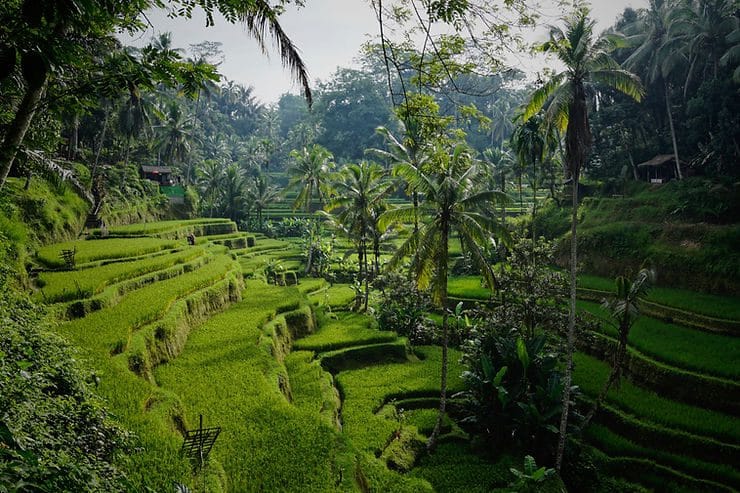
3. Tegallalang Rice Terraces: These iconic rice paddies offer one of Bali’s most scenic views and are easily accessible from Ubud.
– Cost: Around £1 for entry (IDR 15,000 to 20,000).
4. Mount Batur: Hiking Mount Batur for sunrise is one of the most popular activities in Bali, offering wide views of the island from the summit.
– Cost: Guided hikes cost around £20-£30.
5. Tanah Lot Temple: This sea temple sits on a rock formation and is a popular spot for watching the sunset.
– Cost: Entry is around £4 (IDR 75,000).
10 Money-Saving Tips for Bali
1. Use Ride-Hailing Apps: Avoid expensive taxis by using GoJek or Grab for short trips. Fares are typically £1-£3 depending on the distance.
2. Eat at Local Warungs: These family-run cafes serve authentic Balinese meals for £1.50-£3, much cheaper than tourist restaurants.
3. Book Accommodation in Advance: Prices for accommodation often increase as the date approaches, so booking well in advance can save up to 30%.
4. Rent a Scooter: For as little as £4-£5 per day, renting a scooter is a cost-effective way to explore the island.
5. Visit Free Attractions: Many beaches, waterfalls, and temples are free to enter or have only a nominal fee.
6. Travel in the Shoulder Season: April-May and September-October offer great weather with lower prices for accommodation and flights.
7. Haggle in Markets: Bargaining is expected at local markets, where you can often get items for 20-30% less than the initial price.
8. Buy a Local SIM Card: For around £5-£10, a local SIM card with data can save you from costly international roaming charges.
9. Stick to Local Beverages: Imported alcohol is heavily taxed in Bali. Opt for local brands like Bintang beer to save money.
10. Take Advantage of Discounts on Tours: If travelling with a group, booking tours for multiple people can often result in significant discounts. Many tour operators in Bali offer group rates, and some even have online promotions that are exclusive if booked ahead of time.
By carefully planning around Bali’s seasonal weather and events, being mindful of transportation and accommodation options, and taking advantage of local savings opportunities, travellers can experience Bali’s culture and natural beauty without overspending. From festivals like Nyepi and Galungan to iconic attractions like Mount Batur and Uluwatu Temple, Bali offers an unforgettable experience year-round, with opportunities to save at every turn.

Kate Acaster is Chief Editor at Flight Tribe. She writes about practical travel planning, budget airlines, baggage rules, city breaks, beach holidays and good hotels that do not cost daft money.
Kate has travelled through Europe, South America and beyond, usually with a notebook, a half-formed plan and a strong opinion on airport snacks. At Flight Tribe, her work focuses on helping UK travellers understand what is included, what costs extra, and whether a trip is worth booking at the price shown.
How Kate works
Kate checks the details that can change the value of a trip, including cabin-bag rules, airline fees, hotel location, seasonality, travel dates and booking conditions. She is especially interested in offers that look useful on the surface but need a proper reader-first check before they are worth recommending.
Editorial standards
Flight Tribe covers deals and travel advice for readers first. Affiliate links do not decide whether an offer is worth writing about.