
Last updated: August 2026
EU hand luggage rules 2027 do not mean a free cabin bag for every flight, whatever most headlines suggest. The European Parliament voted the reform through on 7 July 2026, 646 votes to 12. The guaranteed free item is a personal item, the small bag that fits under the seat in front of you, no bigger than 40cm by 30cm by 15cm. The larger bag for the overhead locker, the one Ryanair, Wizz Air and easyJet currently charge for on standard fares, stays payable. Here is what changes, and whether it applies to a flight leaving a UK airport.
What’s actually free from 2027
The new rules, formally an amendment to Regulation (EC) No 261/2004, create two categories of cabin baggage for the first time.
Advertisement
| Personal item | Hand baggage (overhead bag) | |
|---|---|---|
| Size | Max 40×30×15cm, or fits under the seat | Set by each airline’s own policy |
| Cost from 2027 | Free, guaranteed by law | Still payable if the airline charges for it today |
| Where it goes | Under the seat in front | Overhead locker |
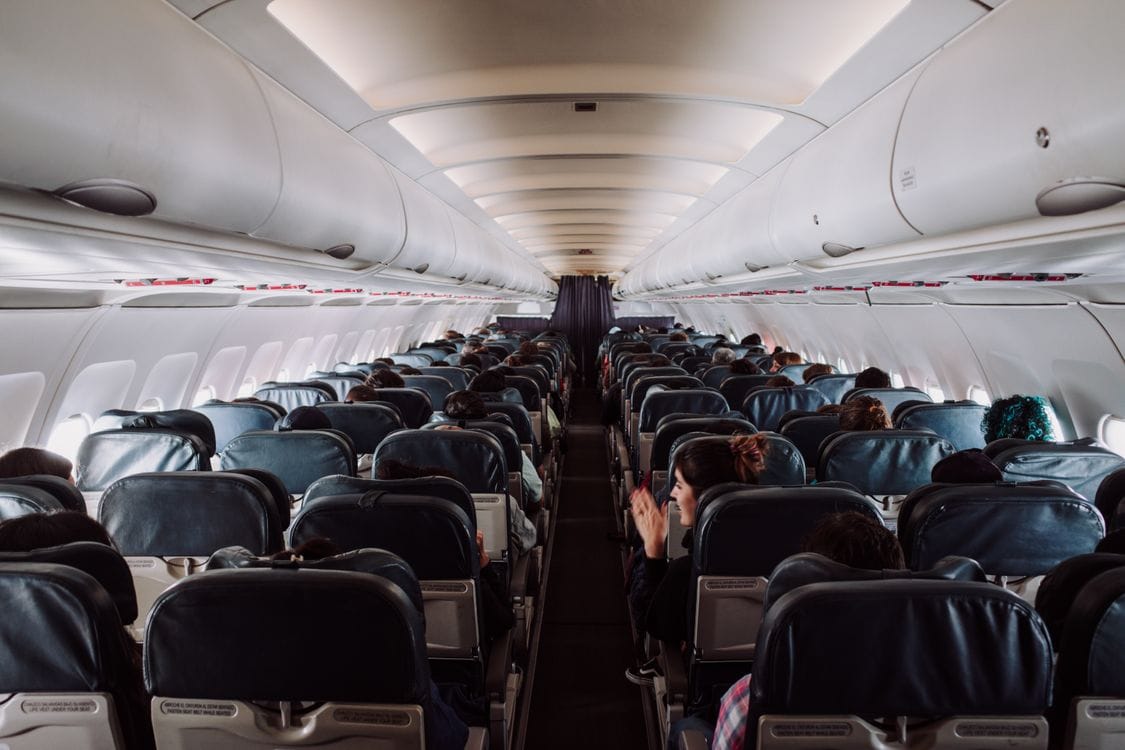
A personal item is a bag with maximum dimensions of 40×30×15cm, or one that fits under the seat in front regardless of size, and every airline must let passengers bring one on board free. Hand baggage is everything bigger, the wheeled cabin case or larger backpack for the overhead locker. Airlines must allow one on board subject to space, but they can still charge for it, since the regulation only asks for a “reasonable policy” on dimensions, which airlines already set for themselves.
So the practical change for a Ryanair or Wizz Air passenger booking a basic fare is smaller than the headlines suggest. You already get a free small bag under the seat today. From 2027, that right is written into law rather than left to the airline, but the bag that currently costs £12 to £75 depending on when you add it stays a paid extra.
The one genuine pricing change: hand baggage must be shown in the fare
Airlines, travel agents and comparison sites will have to display the price including a hand baggage allowance by default, from the moment you start booking. They can still sell a cheaper fare without it, but that has to be an active choice, not the default you see first. This is a fare-transparency rule, not a discount, and nothing in the legislation stops base fares rising to offset the change.
Delay and cancellation compensation: the core figures stay the same, the process changes
If you want the full current UK261 compensation tables, the extraordinary-circumstances list and the claims process, we cover that in detail in how much compensation you can claim for a delayed or cancelled flight. This section covers only the claims process the 2026 reform changes, not the headline figures. The EU’s own compensation bands are unchanged from 2004: €250 up to 1,500km, €400 between 1,500km and 3,500km, and €600 for anything longer. That applies for a delay of three hours or a cancellation inside 14 days’ notice.
The one genuine change on the money side sits on the top tier. Airlines can now cut that compensation by half if they reroute you to your final destination another way, or if the delay at arrival turns out to be under four hours. A long-haul delay that once meant a flat €600 could now mean €300, depending on how the airline handles the rebooking.
What has genuinely improved is the claims process. Airlines must tell you electronically within 96 hours of a qualifying delay that you may be owed compensation, and how to claim it. Once you submit a claim, they must acknowledge it straightaway and give a full answer, payment or a clear refusal reason, within 30 days, and you get nine months to make a claim. None of that existed in the 2004 rules. It is also specific to EU261: UK261 claims still run on the older, slower process, with no proactive 96-hour notice requirement.
Does this cover your flight from the UK? Usually not
This is the part most coverage glosses over, and it matters more than the baggage headline. This is an EU reform. The UK left the EU passenger rights framework at the end of the Brexit transition period and now runs its own version, generally called UK261, enforced by the Civil Aviation Authority. Which rulebook applies depends on where your flight departs, not which airline you fly or where you live.
- Flying out from a UK airport: covered by UK261, whichever airline you book. None of the 2027 changes apply to this leg. Compensation stays at the CAA’s own rates and process, which we cover in full in our UK261 compensation guide. There is no indication from the CAA or government that UK261 will be updated to match the EU’s new baggage rule or its faster claims process.
- Flying home from an EU airport: this is where the new rules bite. EU261 has always applied to flights departing an EU airport regardless of which airline operates them, and that has not changed. A flight from Palma to Manchester on Ryanair, easyJet or Jet2 falls under the new EU rules for that leg, including the guaranteed free personal item and the faster claims process, even though you are UK-based and landing in the UK.
- Flying out from the UK on an EU-registered airline: possibly both. Ryanair, Wizz Air and Vueling are registered in EU member states. Under the EU’s own stated scope, a UK-departing flight arriving at an EU airport on an EU-registered carrier can also fall under EU261, alongside UK261 covering the same flight because it departs a UK airport. In practice this rarely changes what you are owed, since UK261 already mirrors most of the older EU261 provisions, but it is worth knowing if a claim gets disputed.
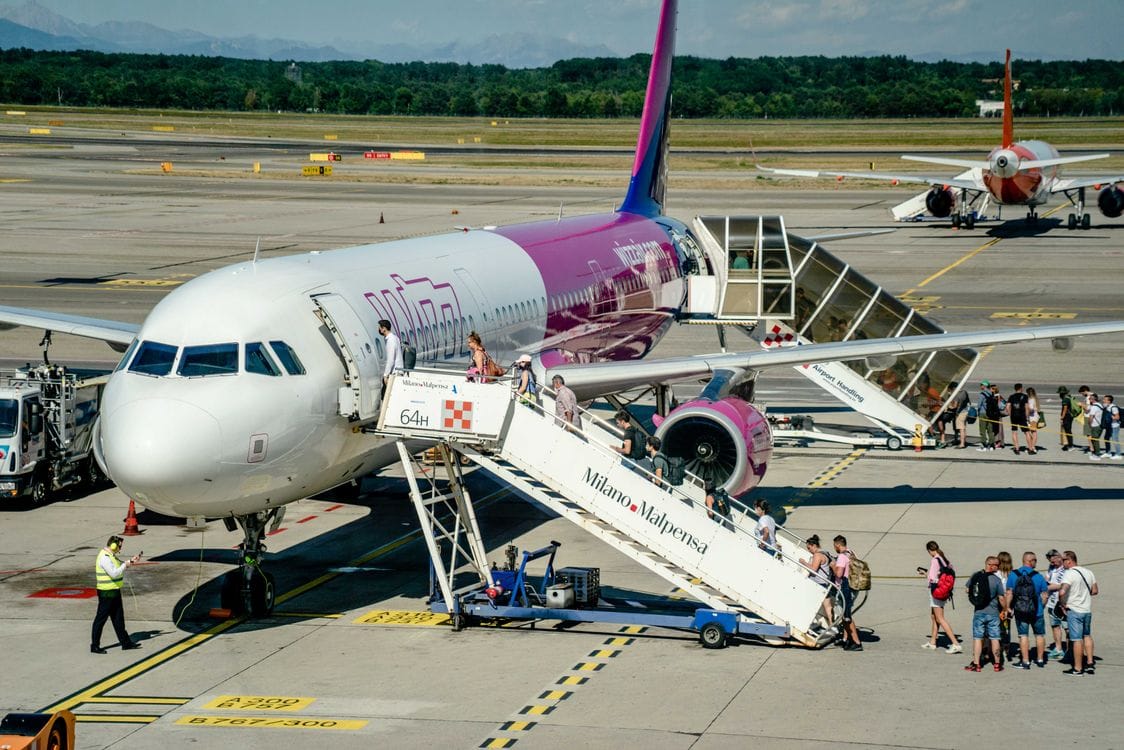
The short version: your outbound and return legs can sit under two different rulebooks on the same trip. It changes how quickly you get paid if the flight home is delayed, more than it changes what you are allowed to carry on.
“Every headline says ‘free cabin bag’. Read the actual legal text and it says ‘free personal item’, the small bag under your seat, not the one you’re already paying Ryanair or Wizz Air to bring. That’s not a technicality. It’s the whole story, and it’s also an EU rule, not a UK one, whatever most of the coverage implies.”
Kate Acaster, Chief Editor, Flight Tribe
When does this actually start
The Parliament vote on 7 July 2026 was the last major legislative hurdle, but it is not the start date. The Council still has to give final confirmation, expected by early August 2026, after which the changes take legal effect 20 days after publication in the EU’s Official Journal. From that point, airlines and EU countries get a 12-month transition to prepare, which puts real-world effect at some point in 2027, not this year and not next summer.
What this means if you fly Ryanair, easyJet or Wizz Air
These three currently charge the most for overhead cabin bags on standard fares, so they have the most to adjust. What changes is that the small underseat bag, already free on all three, becomes a legal guarantee rather than a policy they could quietly withdraw. See our hand luggage size comparison, the guides for Ryanair, easyJet and Wizz Air, or the airline luggage checker for every other UK carrier’s current fees and dimensions.
EU hand luggage rules 2027 FAQs
Will my cabin bag be free under the new EU rules?
No. Only a small personal item, maximum 40×30×15cm or one that fits under the seat in front, is guaranteed free. The larger overhead bag remains payable at the airline’s discretion on Ryanair, Wizz Air and easyJet standard fares.
Do the new EU rules apply to flights leaving from UK airports?
No. Flights departing UK airports are covered by the UK’s own UK261 rules, enforced by the CAA, not by this EU reform, regardless of which airline you fly.
What about my flight home from an EU country to the UK?
That leg is covered. EU261 applies to any flight departing an EU airport, on any airline, so a return flight from an EU country to the UK falls under the new rules even though you land in the UK.
When do the new EU rules take effect?
They take legal effect 20 days after publication in the EU’s Official Journal, expected around August 2026, followed by a 12-month transition. Real-world effect is expected in 2027.
How much compensation can I claim for a delayed EU flight?
€250 for flights up to 1,500km, €400 for flights between 1,500km and 3,500km and other intra-EU routes, and €600 for longer journeys, for delays over three hours or cancellations with less than 14 days’ notice. Airlines can reduce the top rate by 50% if they offer rerouting or the delay is under four hours.
What exact size is the free personal item?
Maximum 40cm by 30cm by 15cm, or any bag that fits under the seat in front of you regardless of measurements.
Will Ryanair, easyJet and Wizz Air still charge for hand luggage?
Yes, for the larger overhead bag. All three already provide a free small underseat bag, and that right becomes legally guaranteed under the new rules, but the bigger cabin bag stays a paid extra unless you book a fare or add-on that includes it.

Kate Acaster is Chief Editor at Flight Tribe. She writes about practical travel planning, budget airlines, baggage rules, city breaks, beach holidays and good hotels that do not cost daft money.
Kate has travelled through Europe, South America and beyond, usually with a notebook, a half-formed plan and a strong opinion on airport snacks. At Flight Tribe, her work focuses on helping UK travellers understand what is included, what costs extra, and whether a trip is worth booking at the price shown.
How Kate works
Kate checks the details that can change the value of a trip, including cabin-bag rules, airline fees, hotel location, seasonality, travel dates and booking conditions. She is especially interested in offers that look useful on the surface but need a proper reader-first check before they are worth recommending.
Editorial standards
Flight Tribe covers deals and travel advice for readers first. Affiliate links do not decide whether an offer is worth writing about.