Published 27 May 2026 | Updated 13 October 2026 by Kate Acaster
The Gambia is one of the most underrated winter sun destinations for UK travellers. The flight from London takes under seven hours, English is the official language, and no visa is required for UK passport holders. Prices on the ground are among the lowest in Africa.
Advertisement
The currency is the Gambian dalasi. At current rates, £1 buys around D98. A decent restaurant meal comes to about £2, a shared taxi ride across town costs under £2, and budget guesthouses are cheap too. A week’s spending on the ground can come in under £200 for a traveller keeping to local options.
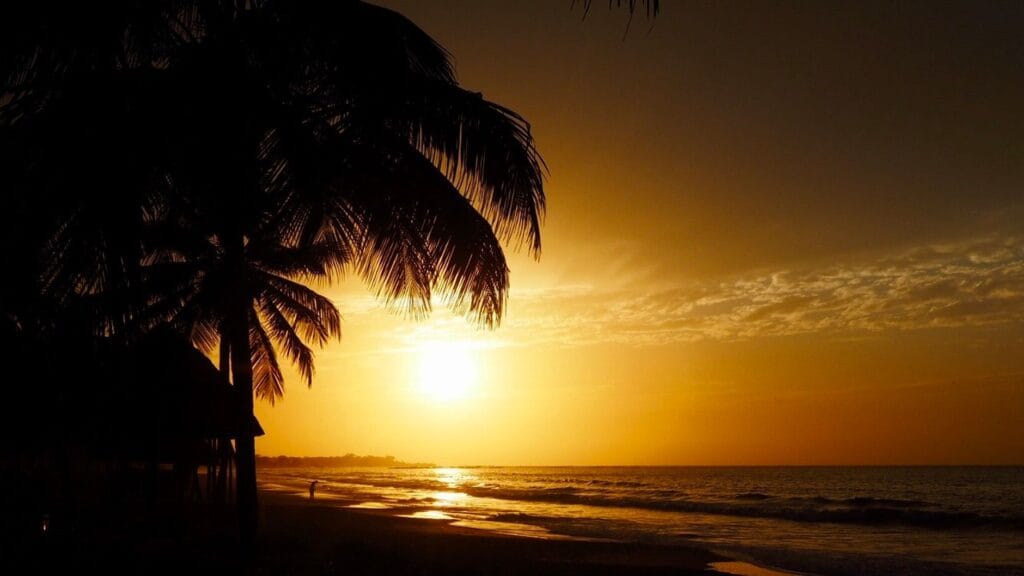
The main beach areas are concentrated along a thirty-mile Atlantic coastline south of Banjul. Kololi and Kotu are the most developed resorts. Beyond the beaches, this West African destination offers some of the finest birdwatching in Africa, colourful fishing communities, river trips through mangrove forests, and chimpanzee rehabilitation projects that attract wildlife visitors from around the world.
Getting to The Gambia from the UK
TUI Airways runs the main direct services to Banjul International Airport (BJL). London Gatwick and Manchester both have weekly flights throughout the winter season, typically from October through April. From 2 November 2026, a new direct route launches from Birmingham Airport with weekly Monday departures, which gives the Midlands its own direct Gambia flight.
| UK Airport | Airline | Flight time | Notes |
|---|---|---|---|
| London Gatwick | TUI Airways | ~6h 30m | Flight-only or package |
| Manchester | TUI Airways | ~6h 40m | Flight-only or package |
| Birmingham | TUI Airways | ~6h 30m | Weekly Monday departures |
| Via connections | Various carriers | 9h+ total | Can be cheaper off-peak |
For the best flight prices, use our guide to finding cheap flights to compare across booking tools and set fare alerts early. Checking which days tend to be cheapest to book can also cut the fare by £20 to £40 on this route.
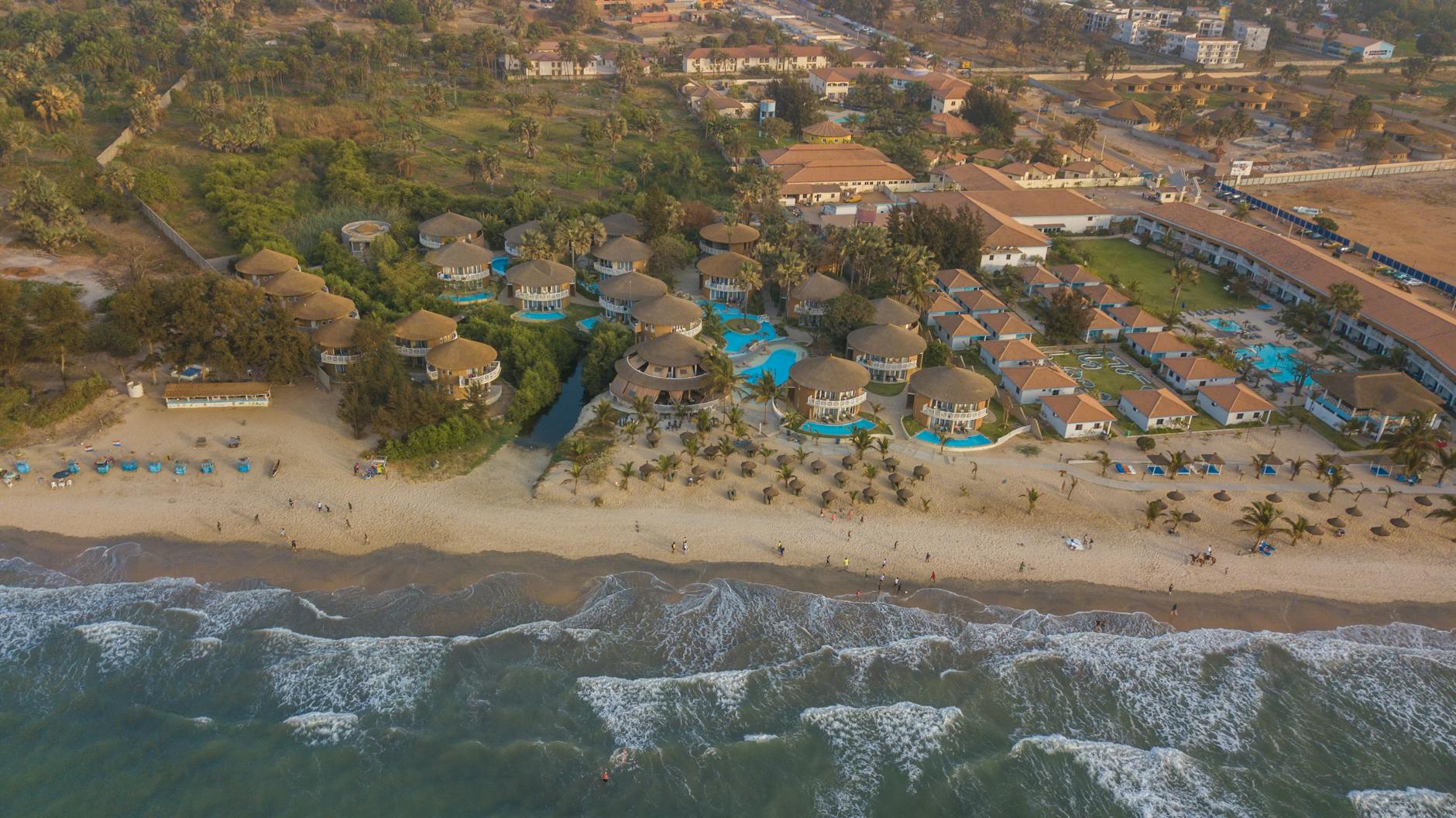
TUI operates all three UK routes direct, which keeps the journey time to around six and a half hours regardless of which airport you depart from. The Senegambia hotel strip is around 30 to 45 minutes from Banjul International Airport by transfer or taxi.
If you want to time your booking to get the best price, Gambia fares tend to be cheapest in early October (before peak season begins) and from late April onwards as the season winds down.
When to go to The Gambia
The Gambia has two distinct seasons. The dry season runs from November to May, with the most reliable sunshine from November through February. The rainy season (June to October) brings heavy showers most afternoons, though mornings are often clear. Travelling in the rains cuts prices considerably and produces vivid green scenery, but river levels and road conditions can affect some activities. See the full month-by-month guide to where’s hot if you’re comparing destinations by season.
| Period | Temp | Rain | Best for |
|---|---|---|---|
| Nov to Feb | 24-30°C | Dry | Beaches, wildlife, peak season |
| Mar to May | 31-33°C | Mostly dry | Sun seekers, value travel, fewer crowds |
| Jun to Oct | 28-32°C | Rainy season | Budget travel, birdwatching, green scenery |
Where to stay in The Gambia
The main resort areas are Kololi, Kotu, Bakau, and Senegambia. Budget guesthouses and locally run lodges are widespread, particularly outside the resort strip, and often better value than their online prices suggest. Self-catering apartments are worth considering for stays of more than a week. All-inclusive packages through TUI give you fixed costs and are often the simplest way to plan a first visit, particularly during high season when ad-hoc food and drink can add up.
| Type | Price level | What to expect |
|---|---|---|
| Guesthouse / lodge | Budget | Simple rooms, fan or a/c |
| 3-star hotel | Mid-range | Pool, breakfast, a/c |
| 4-star all-inclusive | Upper mid-range | Beachfront, meals and drinks included |
| 5-star resort | Top end | Spa, multiple pools, direct beach access |
Top things to do in The Gambia
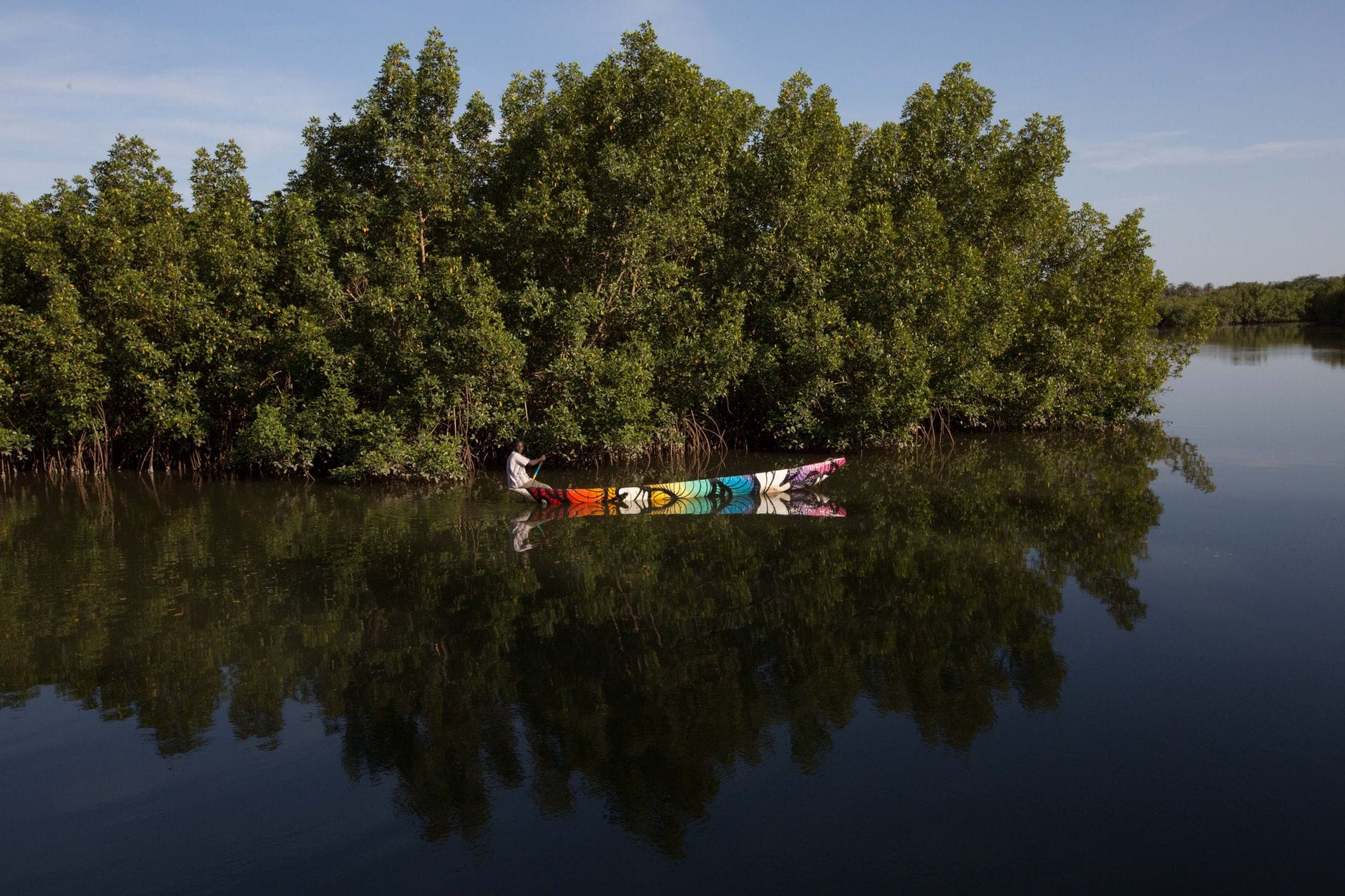
Most of The Gambia’s main attractions are within 90 minutes of the coastal resorts. Entry fees are low, which makes it possible to visit several sites in a single day at minimal cost. Birdwatchers are particularly well served: over 560 species have been recorded in the country, a figure that rivals destinations ten times its size. Guided boat trips along the River Gambia are among the highlights, combining birdwatching, mangrove creeks, and glimpses of local fishing life.
| Attraction | Location | Entry cost | What it offers |
|---|---|---|---|
| Kachikally Crocodile Pool | Bakau | ~£1.50 | Sacred site with West African crocodiles |
| Abuko Nature Reserve | Near Banjul | ~£2 | 270+ bird species, monkeys, antelope |
| Bijilo Forest Park | Kololi coast | ~£1.50 | Coastal trails, monkeys, tropical birds |
| Tanji Fishing Village | South coast | Free | Atlantic fishing hub, market, local life |
| River Gambia Nat. Park | Central Gambia | Sold as tours, usually overnight | Chimpanzee rehab project, boat trips |
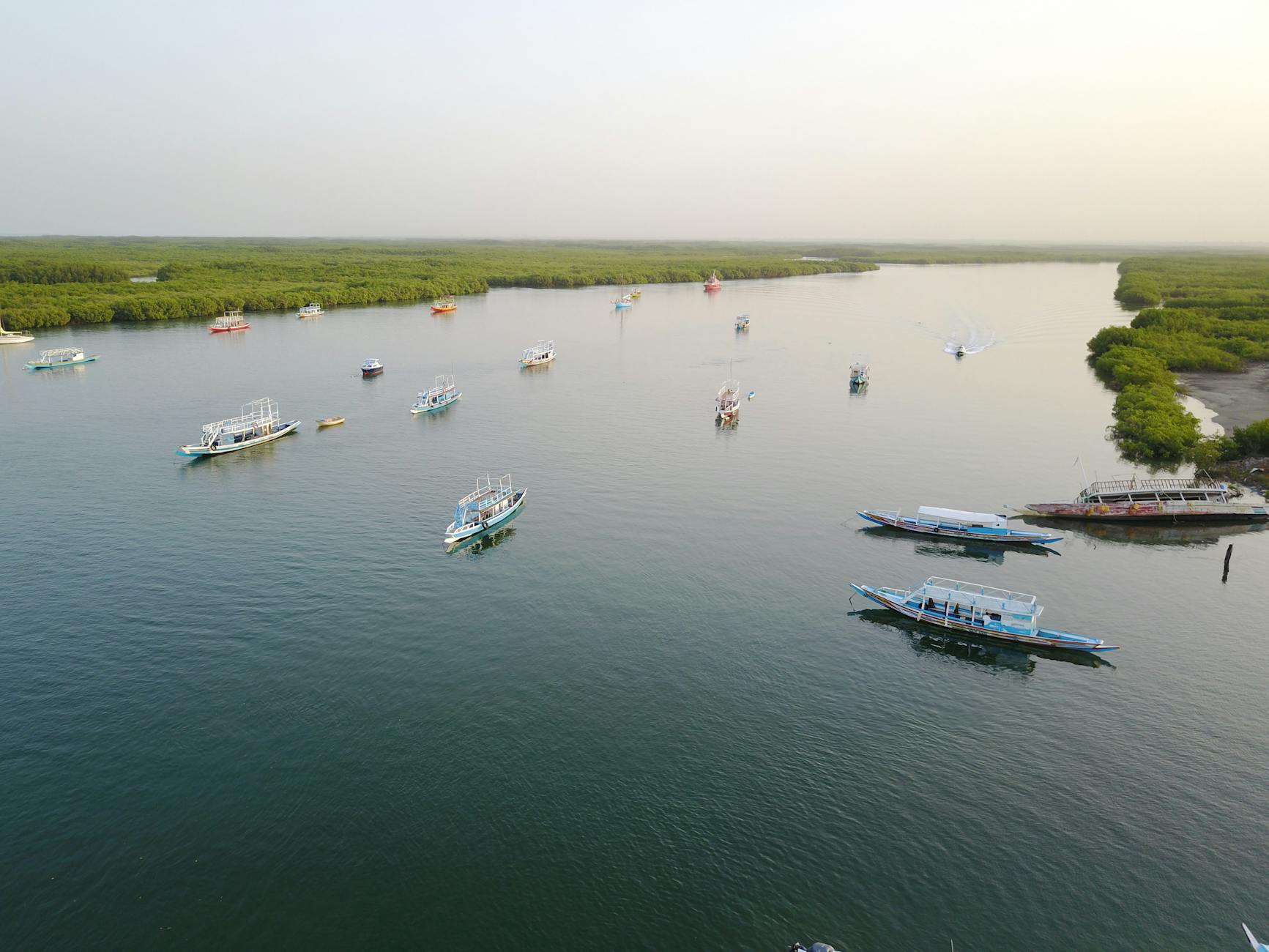
River Gambia National Park is the most visited inland destination from the coast. The chimpanzee rehabilitation project here has been running since the 1970s. Boat tours travel upriver through mangrove creeks and past villages that have changed little in decades.
The country’s compact size works in your favour. Most of the main attractions listed above are within 90 minutes of the Kololi resort area, making it easy to fill a week without the long overland journeys common in larger African countries.
Getting around
Shared yellow taxis and minibuses, known locally as gelleh-gellehs, are the cheapest way to travel between resort areas, at around D10 to D20 a hop. A town trip, where you hire a taxi to yourself, costs around D150 to D250 (about £1.50 to £2.50) for a short hop such as Kololi to Kotu. Tourist taxis (green) are more comfortable but cost more, so negotiate the fare before you get in. For longer journeys, bush taxis run between towns from the main road terminals at very low cost.
Car hire is available through hotels and local agencies from around £30 to £40 per day. Roads between Banjul and the main resort areas are in reasonable condition. You can drive on a UK photocard licence for up to three months. Drivers keep to the right in The Gambia.
Food and drink
Gambian food is centred on fish and rice. Benachin, a one-pot dish cooked with fish or chicken and vegetables, is the national staple. Domoda, a peanut-based stew, is another everyday option. Both are available at local restaurants and market stalls for D150 to D250 (around £1.50 to £2.50) per plate. Eating at resort restaurants costs three to four times as much as local spots, so even a short walk from the hotel finds noticeably cheaper food.
Alcohol is available at tourist-facing venues. Julbrew, the local lager, and local spirits are the cheapest options. Wonjo, a hibiscus juice also known as bissap, is a popular non-alcoholic drink worth trying.
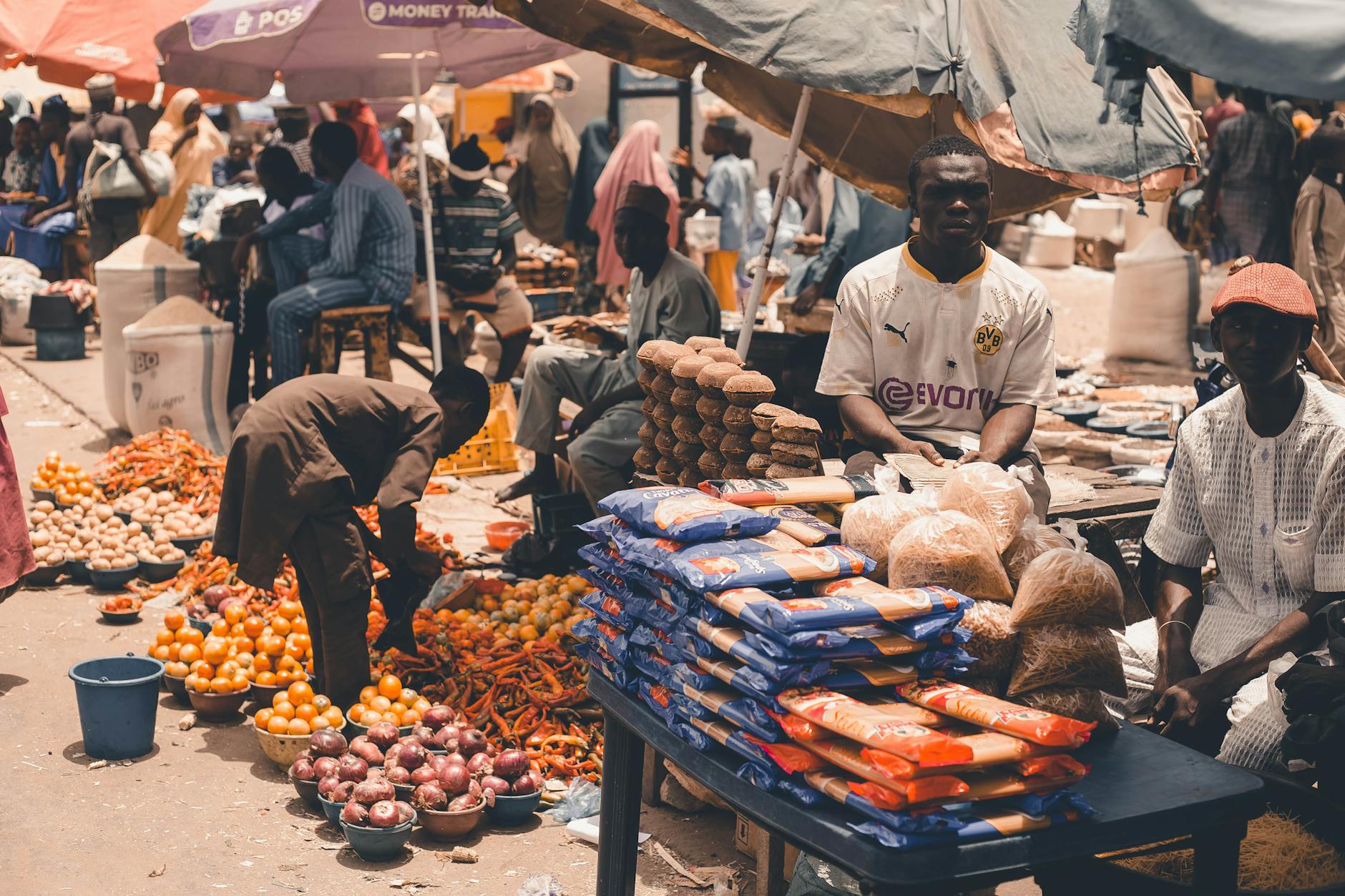
The Senegambia Craft Market near Kololi is the main tourist market, selling batik fabric, carvings, and jewellery. Prices start high and haggling is expected. The Serekunda Market, one of the largest in West Africa, is the place to see local trade in action.
Fresh juice stalls are a good low-cost option throughout the day. A glass of fresh mango juice or wonjo (hibiscus) costs D20 to D50 (around 20p to 50p) and is widely available near market areas and along the beach road.
How much does a Gambia budget holiday cost?
The Gambia is one of the most affordable direct-flight destinations available to UK travellers. Daily spending on the ground depends on where you eat, how you get around, and which activities you pick. The table below uses current rates: £1 = approximately D98 (October 2026). Figures exclude flights and the airport security fee.
| Category | Budget (per day) | Mid-range (per day) | In dalasi |
|---|---|---|---|
| Accommodation | Lowest cost | Mid-range rate | D980 to D3,920 |
| Food & drink | £3 | £10 | D290 to D980 |
| Transport | £2 | £7 | D200 to D690 |
| Activities | £3 | £15 | D290 to D1,470 |
| Daily total | ~£18-£25 | ~£70-£80 | D1,760 to D7,840 |
A week’s budget holiday in The Gambia can cost less than a long weekend in Barcelona or Lisbon once you account for the on-the-ground spending. The main cost is the flight.
All-inclusive packages are worth comparing if you prefer fixed costs. TUI’s packages include flights, hotel, airport transfers, and all food and drink. Independent travel gives you more flexibility but requires more active budgeting once you arrive.
If you’re weighing up other affordable long-haul beach options, our Cape Verde holidays guide covers a similar West African price point, with a slightly longer flight and more consistent year-round sun.
Entry essentials
UK passport holders do not need a visa for The Gambia. On arrival at Banjul International Airport, you receive a 28-day entry stamp. This can be extended at the Immigration Office in Banjul or at tourist police stations in the resort area for up to two further 28-day periods.
An airport security fee of USD $20 is charged on both arrival and departure. This can be paid in US dollars, euros, British pounds, or local currency. Keep cash available for this at both ends of your trip; card payment is not always accepted at the airport fee desk.
Antimalarial medication is strongly recommended for all visitors to The Gambia. Yellow fever vaccination is advised, though a certificate is not mandatory for travellers arriving from the UK. Hepatitis A and typhoid vaccinations are also recommended. Consult a travel health clinic before departure. Full health and entry guidance is available at gov.uk/foreign-travel-advice/the-gambia.
Frequently asked questions
Do UK citizens need a visa for The Gambia?
No visa is required for UK passport holders. You receive a 28-day entry stamp on arrival at Banjul International Airport. This can be extended at the Immigration Office in Banjul or at tourist police stations in the resort area for up to two further 28-day periods.
What is the best time to visit The Gambia from the UK?
November to February is the most popular season, with dry weather and temperatures of 24 to 30°C. March and April offer similar sunshine with lower prices and fewer crowds, making them strong options for value-focused travel.
How much does a Gambia budget holiday cost from the UK?
Budget travellers typically spend £18 to £25 per day on the ground, excluding flights. TUI all-inclusive packages cover flights, accommodation, transfers, and all meals and drinks.
Which UK airports fly to The Gambia?
TUI Airways operates direct flights from London Gatwick and Manchester throughout the winter season. From 2 November 2026, a new weekly service will run from Birmingham Airport every Monday, making The Gambia accessible from more of the UK.
Is The Gambia safe for UK tourists?
The Gambia has a broadly positive safety record for tourists, particularly in the main beach resorts around Kololi and Kotu. The Foreign, Commonwealth and Development Office does not advise against travel to any part of the country, but warns about beach hustlers known as bumsters; check the full guidance at gov.uk/foreign-travel-advice/the-gambia before booking.
What vaccinations do I need for The Gambia?
Antimalarial medication is strongly recommended for all visitors. Vaccinations against hepatitis A, typhoid, and yellow fever are also advised. See a travel health clinic at least eight weeks before departure, as some courses take time to work.
What currency does The Gambia use?
The official currency is the Gambian dalasi (GMD). As of October 2026, £1 buys approximately D98. US dollars and euros are accepted at hotels and exchange bureaux in the resort areas, but dalasi is required for local transport, markets, and smaller restaurants.

Kate Acaster is Chief Editor at Flight Tribe. She writes about practical travel planning, budget airlines, baggage rules, city breaks, beach holidays and good hotels that do not cost daft money.
Kate has travelled through Europe, South America and beyond, usually with a notebook, a half-formed plan and a strong opinion on airport snacks. At Flight Tribe, her work focuses on helping UK travellers understand what is included, what costs extra, and whether a trip is worth booking at the price shown.
How Kate works
Kate checks the details that can change the value of a trip, including cabin-bag rules, airline fees, hotel location, seasonality, travel dates and booking conditions. She is especially interested in offers that look useful on the surface but need a proper reader-first check before they are worth recommending.
Editorial standards
Flight Tribe covers deals and travel advice for readers first. Affiliate links do not decide whether an offer is worth writing about.