Published 28 May 2026 | Updated 15 October 2026 by Kate Acaster
London has a reputation for being expensive, and for visitors flying in from overseas it often is. For UK travellers, the picture is different. No flights, no currency exchange, no language barrier, and an Oyster card that keeps daily transport costs capped at £8.90 for Zone 1-2 journeys. The British Museum, National Gallery, and Natural History Museum are all free. Borough Market charges nothing to walk through. A full day of world-class sightseeing is achievable on £40 to £50.
Advertisement
That said, London is easy to overspend in. A meal near Leicester Square, a round of drinks in Soho, or a taxi across town can all add up fast. This guide covers transport, free attractions, cheap eats, and where to stay without paying central London prices. If you are planning a wider UK trip, our guide to the best time to book a holiday is worth reading first. You can also browse the latest UK and European holiday deals on our deals page.
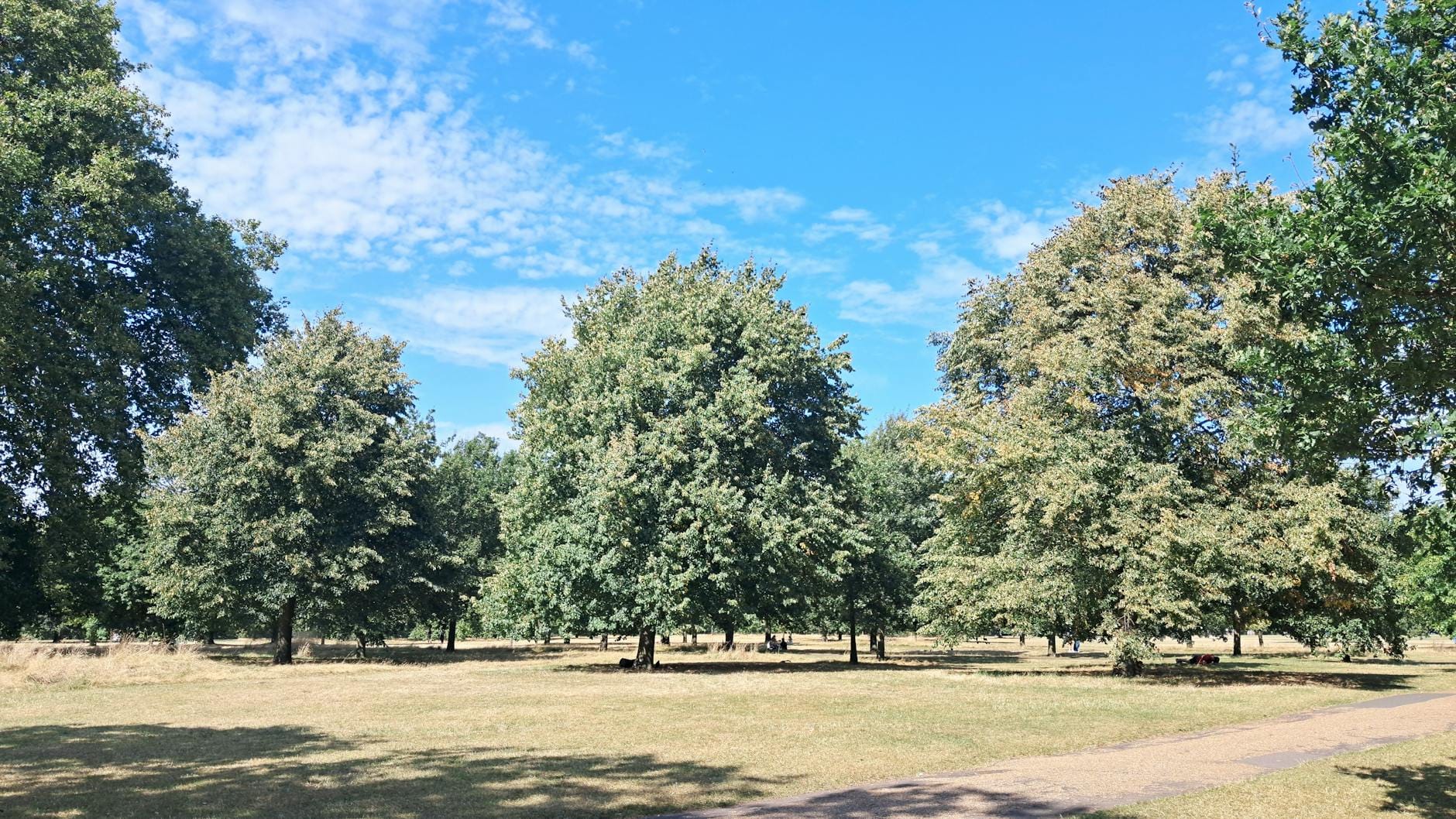
London’s green spaces are part of what makes a budget visit here so rewarding. Hyde Park, Regent’s Park, and Victoria Park are all free to enter. Greenwich Park is free and gives one of the best city skyline views in London. The Royal Observatory, home of the Prime Meridian, charges £24 for adults, but the National Maritime Museum at the foot of the hill is free. The Sky Garden at 20 Fenchurch Street offers panoramic views from the 35th floor at no cost, though you need a free timed slot booked in advance. On a good day, it is possible to spend a full eight hours in London and pay only for food and transport.
London on a Budget: What Does a Day Actually Cost?
The answer depends almost entirely on where you eat and where you sleep. Transport and attractions can cost very little with the right approach. Food and accommodation are where the range widens.
The figures below assume a single adult visiting from elsewhere in the UK, travelling in, spending a full day, and staying one night. Transport is based on Oyster or contactless. TfL froze the Zone 1-2 daily cap at £8.90 in March 2026. Bus fares rise on 1 November 2026, to £1.85 a journey with a £5.55 daily cap.
| Budget Level | Estimated Daily Spend | How It Breaks Down |
|---|---|---|
| Shoestring | £35 to £50 | Bus daily cap £5.25 (£5.55 from 1 November 2026), free museums, market lunch £6 to £8, hostel dorm bed |
| Mid-range | £65 to £90 | Mix of Tube and bus (Zones 1 to 2 cap £8.90), sit-down lunch, casual dinner, budget hotel |
| Comfortable | £110 to £150 | Regular Tube use, two sit-down meals, coffee stops, 3-star hotel |
Getting to London from UK Airports
If you are flying into London rather than arriving by train, the connection into central London makes a real difference to your day-one budget. Heathrow is the cheapest of the big airports to connect from, at £5.90 on Oyster or contactless via the Piccadilly line. London City is cheaper still on the DLR. Stansted is the most expensive if you take the Stansted Express; the National Express coach is slower but considerably cheaper. Our guide to cheap UK flights covers how to find the best fares, and the cheapest day to book flights can save you meaningful money at the booking stage.
| Airport | Cheapest Route | Approx Cost | Journey Time |
|---|---|---|---|
| Heathrow (LHR) | Piccadilly line | £5.90Oyster or contactless | ~50 min |
| Gatwick (LGW) | Thameslink | From £12 | ~45 minto St Pancras |
| Stansted (STN) | National Express coach | From £10 | 60 to 90 min |
| Luton (LTN) | Thameslink + Luton DART | From £16 | ~50 min |
| London City (LCY) | DLR direct | From £3.30off-peak Oyster | ~25 min |
Getting Around London
The single most important thing any budget visitor can do is tap in and out on a contactless card or Oyster every time. You get the same fares either way, but you benefit from daily caps, which mean TfL stops charging you once you hit the limit for the day. For Zones 1-2, that cap is £8.90. For buses only, it is £5.25, rising to £5.55 on 1 November 2026.
The Hopper fare means a second bus within 60 minutes of your first tap costs nothing extra. So a two-bus journey costs one fare: £1.75, or £1.85 from 1 November 2026. Cash fares on buses are not accepted, so carry your contactless or keep your Oyster topped up. Santander Cycles are underused by visitors and are one of the best-value ways to cover central London. The £3 day pass gives you unlimited hires of under 30 minutes throughout the day. Keep each ride under 30 minutes and dock the bike at any station, and the day pass is all you pay.
| Mode | Single Fare | Daily Cap | Best For |
|---|---|---|---|
| Underground (Zones 1 to 2) | £3.10 off-peak, £3.60 peak | £8.90frozen since March 2026 | Central sightseeing, quick hops |
| Bus | £1.75 Hopper (£1.85 from 1 November 2026) | £5.25rising to £5.55 on 1 November 2026 | Cross-zone travel, slower but scenic |
| Santander Cycles | £3 day pass | No cap | South Bank to City, short central hops |
| Uber Boat | £4.10 Oyster | No daily cap | Rotherhithe to Canary Wharf crossing. Westminster to Greenwich costs £11.40 off-peak |
| Walking | Free | No cap | 1 to 2 miles between most central sights |
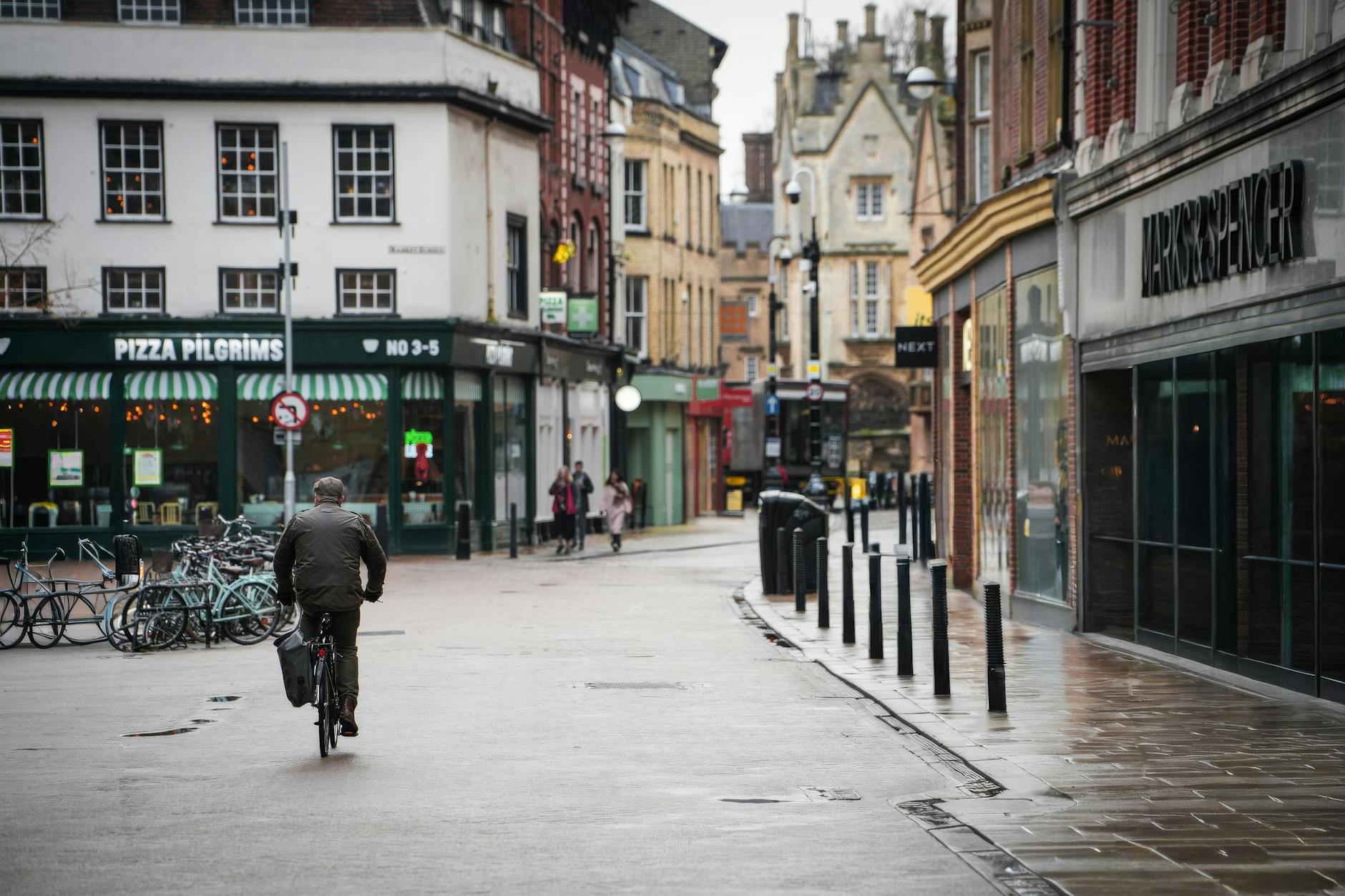
Santander Cycles dock at hundreds of stations across central and east London. The key rule is the 30-minute window: undock a bike, ride to your destination, and re-dock it in under 30 minutes, and the hire costs nothing beyond the £3 day pass. A journey from Hyde Park Corner to Borough Market takes around 20 minutes by bike on a traffic-light cycle route. The Citymapper and TfL Cycle Hire apps both show live dock availability, which matters at busy stations near tourist sights on summer weekends.
Free Things to Do in London
The concentration of world-class, free-to-enter museums in London is unusual for a capital city. Most other major European cities charge significant admission fees. In London, entry to the British Museum, the National Gallery, the Victoria and Albert Museum, the Natural History Museum, the Tate Modern, and Tate Britain is all permanently free. There are also excellent smaller museums, free parks, and free viewpoints.
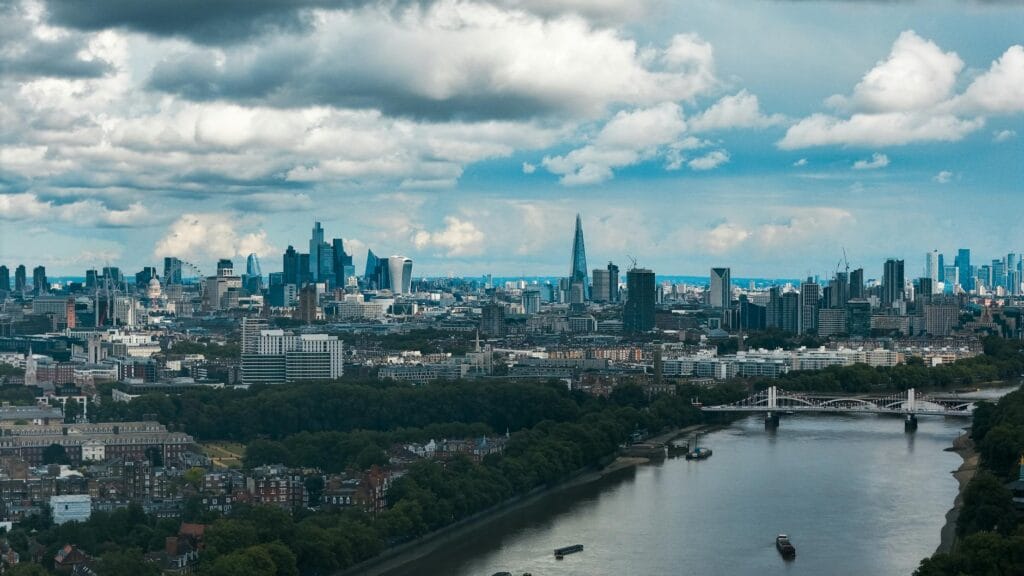
Book the Sky Garden well in advance. It is one of London’s best views and costs nothing, but slots fill up two to three weeks ahead on busy weekends. The free Tate Modern viewing platform on Level 10 is a reliable alternative with no booking required. Greenwich Park is free and has a fine view of Canary Wharf and the City. The Royal Observatory and its meridian line charge £24 for adults.
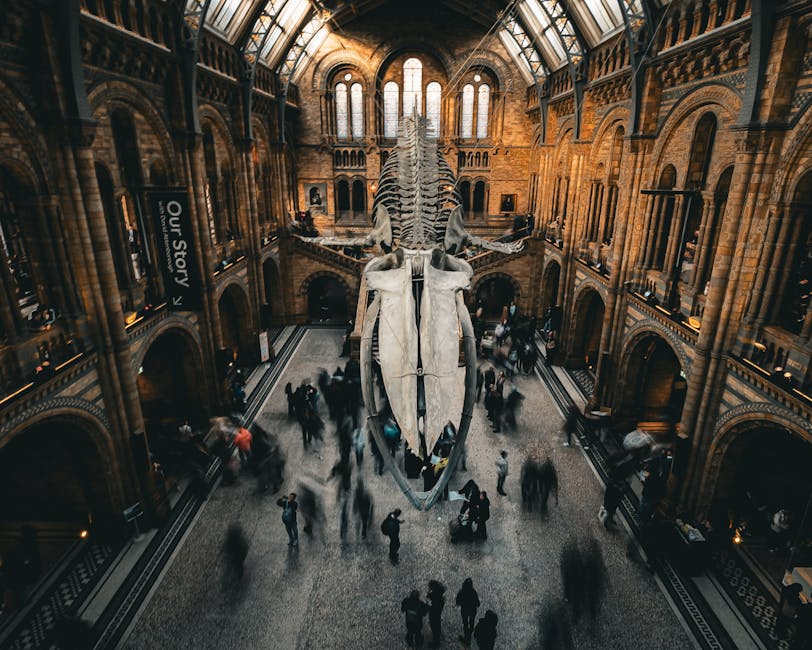
The Natural History Museum in South Kensington is one of London’s best free days out. Hintze Hall, the grand entrance space, is dominated by Hope, an 82-foot blue whale skeleton suspended from the ceiling. Beyond it, the Dinosaur Gallery, the Vault (minerals and gemstones), and the Darwin Centre are all included in free general admission. The museum is open daily from 10am to 5:50pm. Arriving at opening or after 3pm keeps queues short, and booking a free timed entry slot online is recommended at weekends and during school holidays.
| Attraction | Area | Highlight |
|---|---|---|
| British Museum | Bloomsbury | Rosetta Stone, Elgin Marbles, Egyptian mummies |
| National Gallery | Trafalgar Square | Van Gogh, Monet, da Vinci, 2,300 paintings |
| Tate Modern | Bankside | World-class contemporary art, free Level 10 views |
| Natural History Museum | South Kensington | Blue whale skeleton, dinosaur gallery |
| Victoria and Albert Museum | South Kensington | Fashion, jewellery and design across 5,000 years |
| Sky Garden | City of London | Panoramic views from the 35th floor |
| Tate Britain | Pimlico | Turner, Hockney, UK national British art collection |
| Greenwich Park | Greenwich | Skyline views, free park; Royal Observatory and meridian line £24 |
Eating and Drinking Well on Less
London’s food scene has changed significantly in the past decade. Markets and street food stalls now offer some of the best eating in the city at a fraction of restaurant prices. The mistake most visitors make is heading for sit-down restaurants near tourist sights, where a modest meal can easily reach £25-35 per head before drinks.
Borough Market, in Southwark near London Bridge station, is open Tuesday to Sunday and is the most famous food market in London. Hot food stalls sell dishes from around the world, typically in the £5-9 range. A gyoza or falafel wrap here is as good as anything you will find in the city. Brixton Market (open Monday to Saturday) has a more local feel, with West African and Caribbean food alongside coffee shops and independent traders. Maltby Street Market in Bermondsey runs on weekends only, smaller but excellent.
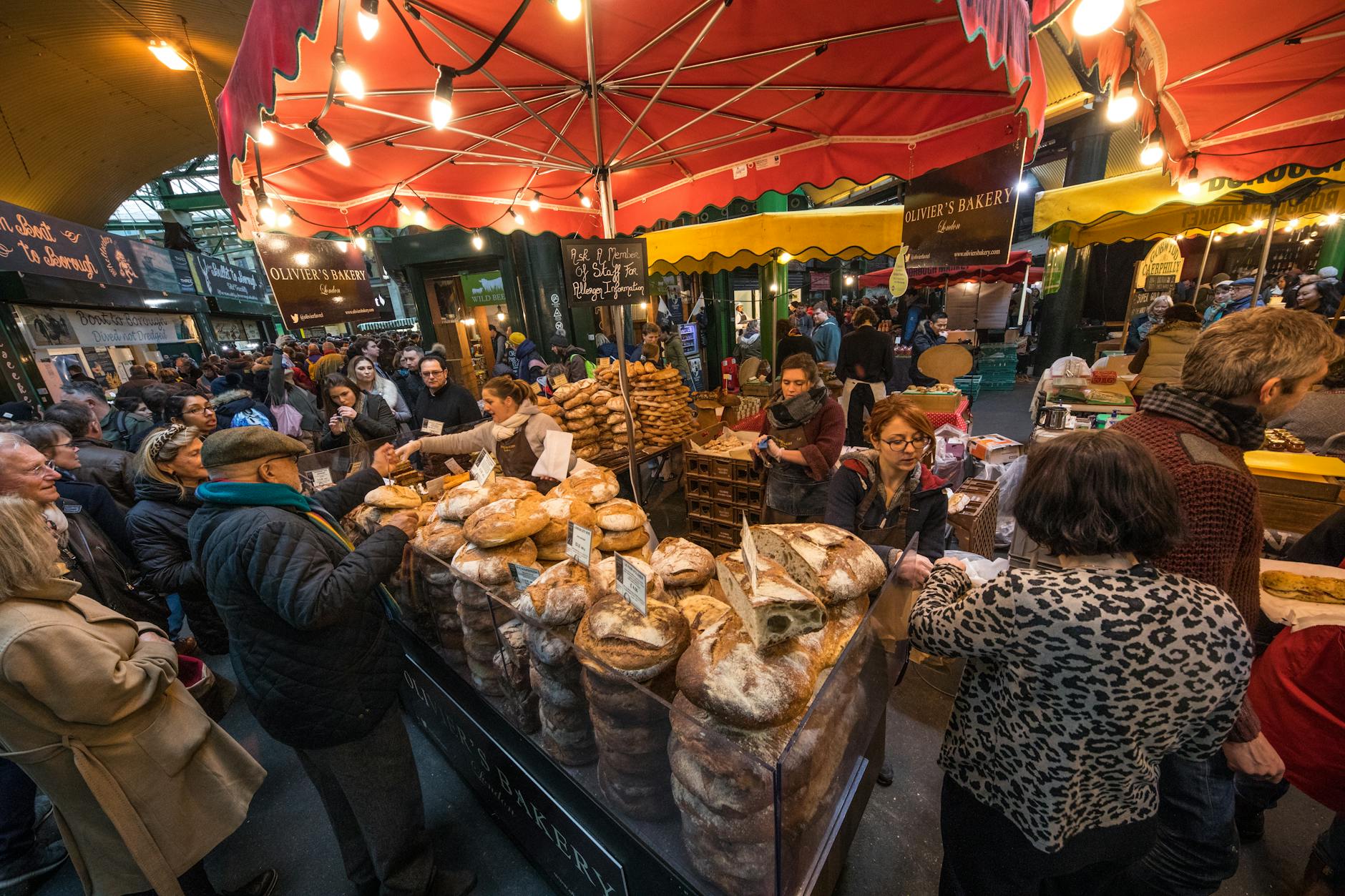
Borough Market opens Tuesday to Friday from 10am to 5pm, Saturday from 9am to 5pm and Sunday from 10am to 4pm. It is closed on Mondays. Thursday and Friday are noticeably quieter than Saturday, and the hot food offer is just as good. The market sits under the railway arches at London Bridge, with permanent stalls selling cheese, cured meat, bread and chocolate. For the best hot food selection, grilled halloumi wraps, fresh pasta, and salt beef bagels included, Thursday to Saturday is the better option.
Budget (around £10 to £17): Padella on the edge of Borough Market serves hand-rolled pasta at prices that make most London restaurants look embarrassing. Around ten pasta dishes are on at any time, from £9.50 to £16.50. No bookings, join the virtual queue via the Dojo App when you arrive. On the same budget, Koya Soho on Frith Street does freshly made udon noodles from around £10. Walk-in only at both.
Mid (£18-28): Dishoom Carnaby is the most central of its several London locations. Bombay cafe-style cooking: the famous bacon naan at breakfast, black dal at dinner, and a house chai that costs £3.50. A full meal for two with drinks is typically £55-65. Tables can be booked before 6pm. After 6pm only groups of six or more can book, so most people queue.
Worth the spend (£35-50/head): Blacklock Soho on Great Windmill Street serves short-rib chops and pre-mixed cocktails in a converted basement. Lunch from noon costs around £35-45 per head, and the Sunday roast is one of the better ones in central London. Book ahead online.
Where to Stay in London on a Budget
Central London accommodation is expensive. A budget hotel in Zone 1 starts at around £100-120 per night and goes up sharply from there. The smarter approach is to stay in Zone 2 or Zone 3 and use the Tube. The extra transport cost is minimal compared to the saving on accommodation. Our London hotel deals page is updated regularly with current rates from budget chains and independents across the city.
| Area | Typical Nightly Rate | Why Stay Here |
|---|---|---|
| Stratford (E15) | £60 to £85 | Elizabeth line and Overground, 12 min to Canary Wharf, Westfield nearby |
| Bethnal Green (E2) | £70 to £95 | Central line direct, close to Shoreditch and the City |
| Elephant and Castle (SE1) | £65 to £85 | Northern and Bakerloo lines, 5 min to London Bridge and Tate Modern |
| Wembley (HA9) | £55 to £75 | Metropolitan line, quieter residential feel, cheaper than inner zones |
| Clapham (SW4) | £70 to £90 | Night Tube on the Northern line, good local food and bar scene |
Budget: Travelodge London Central City Road sits near Old Street station on the Northern line, two stops from Bank and a 20-minute walk from Shoreditch. Clean, functional rooms at budget-chain prices. Its location is useful, not a compromise.
Mid-range: citizenM Tower of London is two minutes from Tower Hill station on the District and Circle lines, with rooms that are compact but properly designed. iPad-controlled lighting, XL beds, and a good ground-floor bar. Prices sit in the mid-range and climb on busy dates.
Worth the spend: Ham Yard Hotel in Soho is one of the best mid-sized hotels in London. 91 individually designed rooms by Kit Kemp, a 1950s bowling alley, a restaurant with outdoor terrace, and a location between Piccadilly Circus and Carnaby Street. Expect luxury-hotel prices. Book via Expedia or direct at firmdalehotels.com.
Budget London: Common Questions
What is the cheapest way to get from Heathrow to central London?
The Piccadilly line is the cheapest option at £5.90 with an Oyster card or contactless payment. It runs 24 hours on Fridays and Saturdays. Avoid the Heathrow Express unless you need the speed, as a standard single costs £26 unless you book an advance fare.
Is the Oyster card worth it, or should I use contactless?
For most UK visitors, a contactless debit or credit card works identically to an Oyster card and you do not need to buy or top up anything. The fares are the same and the daily caps apply automatically. The only reason to use an Oyster card is if your bank charges fees on contactless transactions, which most UK banks do not.
Which London museums are free to enter?
The British Museum, National Gallery, National Portrait Gallery, Victoria and Albert Museum, Natural History Museum, Science Museum, Tate Modern, and Tate Britain are all free for general admission. Most are open seven days a week. Temporary exhibitions charge separately, usually £15-25 per person.
What is the daily cap on London buses?
The bus daily cap is £5.25 until 1 November 2026, when it rises to £5.55. Once you have paid for three bus journeys in a day, the rest of that day’s bus travel costs nothing. The Hopper fare also means a second bus taken within 60 minutes of the first tap costs nothing extra.
How much does food cost in London on a budget?
A market lunch typically costs £5-9. A supermarket or Pret meal deal costs £4-5. A sit-down meal at a pub or casual restaurant outside tourist areas costs around £12-18 per head. The biggest variable is proximity to tourist sights, where prices are noticeably higher for lower quality.
Is it worth buying a weekly Travelcard?
Only if you are spending a full week in London and making at least four journeys per day. The 7-day Zone 1-2 Travelcard costs £44.70. At £8.90 per day capped, five days of maximum Tube use costs £44.50, so pay as you go works out cheaper for most short visits.
For more on planning a UK trip, our destination guides cover cities across the UK and Europe. You can also read our tips for the best time to book a UK holiday or browse the latest holiday deals.

Kate Acaster is Chief Editor at Flight Tribe. She writes about practical travel planning, budget airlines, baggage rules, city breaks, beach holidays and good hotels that do not cost daft money.
Kate has travelled through Europe, South America and beyond, usually with a notebook, a half-formed plan and a strong opinion on airport snacks. At Flight Tribe, her work focuses on helping UK travellers understand what is included, what costs extra, and whether a trip is worth booking at the price shown.
How Kate works
Kate checks the details that can change the value of a trip, including cabin-bag rules, airline fees, hotel location, seasonality, travel dates and booking conditions. She is especially interested in offers that look useful on the surface but need a proper reader-first check before they are worth recommending.
Editorial standards
Flight Tribe covers deals and travel advice for readers first. Affiliate links do not decide whether an offer is worth writing about.