Published 11 June 2026 | Updated 6 October 2026 by Kate Acaster
Madeira budget travel is more achievable than the luxury brochures suggest. Direct flights to Funchal run from 14 UK airports, with up to 55 a week at the winter peak, and once you’re on the island the costs are lower than many people expect. A coffee costs €1, a bus ride €2, and Madeira’s famous Levada walks rank among the best hiking in Europe for either nothing or €4.50 for a classified trail permit. This guide covers what Madeira actually costs, when to go for the cheapest prices, and how to see the best of the island without spending a fortune.
Advertisement
You can find more UK budget travel advice across Flight Tribe’s destination guides.
For context: Madeira sits broadly on a par with the Canary Islands for flight prices and everyday costs. It’s comparable to mainland Portugal destinations like Porto and Lisbon. The Algarve budget travel guide gives a useful mainland comparison if you’re still deciding.
How much does a Madeira holiday cost?
Funchal has some expensive resort hotels, and waterfront restaurant prices will make that clear. Step away from the tourist strip, though, and daily costs drop considerably.
Budget around €100 per person per day for food, transport, and activities if you eat out most evenings and hire a car. At the budget end, cooking most meals, you could manage on €50. A week for two people, including flights and accommodation but eating at local restaurants rather than resort dining rooms, typically costs £1,200 to 1,600 all in, depending on when you book.
For comparison: you’ll often spend more on a week in Tenerife if you eat regularly at tourist restaurants. Madeira’s everyday food prices are similar or cheaper, and the island has more free natural attractions. The Faro budget travel guide gives a useful southern Portugal comparison.
When is the cheapest time to visit Madeira?
January, February, and November are the cheapest months. Flights can be 30 to 40% less expensive than summer prices, and hotel rates fall accordingly. Winter weather is mild, around 18°C, with some rain on the north side of the island. The south coast around Funchal stays largely sunny, and the Levada walks are walkable year-round.
Spring, particularly April and May, offers the best value overall. The island is lush and green after the winter rains, flowers are everywhere, and prices are still reasonable. Temperatures reach 21 to 23°C. The island’s flower festival takes place in late April or May.
July and August are peak school-holiday prices. Expect to pay a premium on both flights and hotels. Late September and early October offer shoulder-season prices with summer temperatures still holding. For more on seasonal patterns across Portugal, our best time to visit Portugal guide goes into more detail.
Cheap flights to Madeira from the UK
Madeira is well served from the UK. easyJet, Jet2, Ryanair, TUI, and British Airways all operate direct routes to Funchal (FNC). UK departure airports include Belfast, Birmingham, Bournemouth, East Midlands, Edinburgh, Glasgow, Leeds Bradford, Liverpool, Manchester, Newcastle, Bristol, London Gatwick, Luton, and Stansted. Flight time is around 3 hours 45 minutes from most airports. Funchal airport sits 20 minutes from the city centre by taxi or bus.
Booking tips: aim 3 to 6 months ahead for the best prices. Midweek departures (Tuesday to Thursday) are typically £20 to 40 cheaper than weekend flights. Avoid school holidays if you can. For the latest prices and deals, check our latest flight deals page.
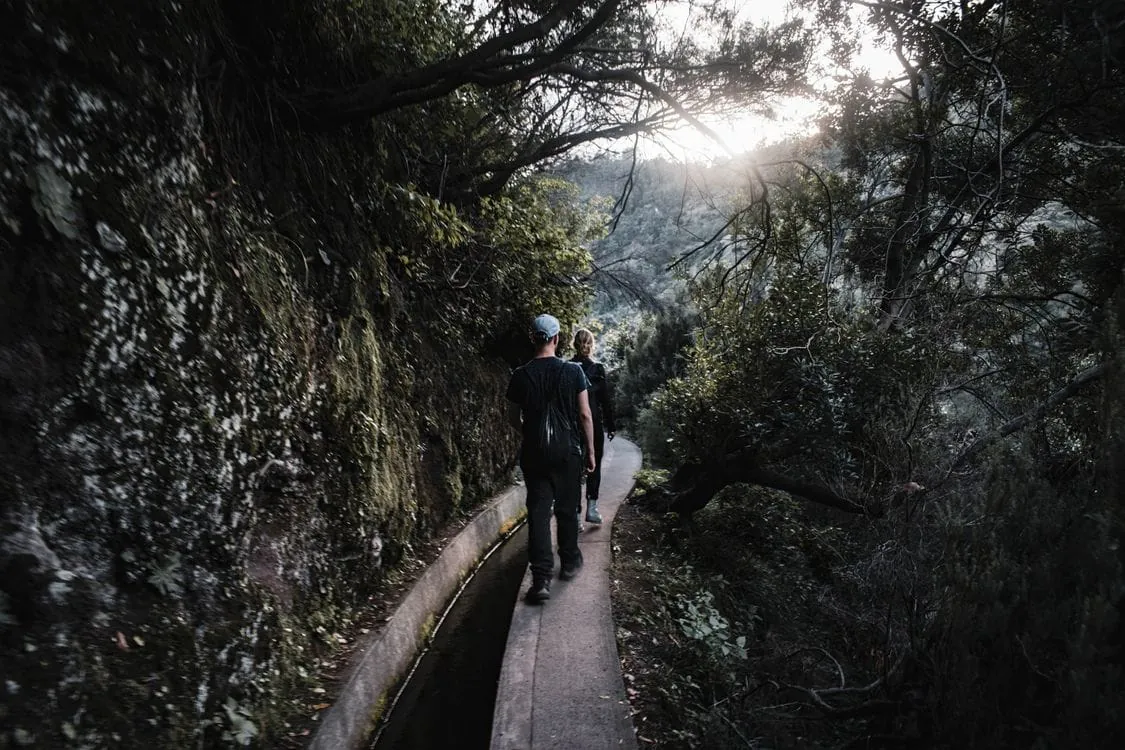
Madeira’s Levada network stretches more than 2,500km across the island. The trails follow centuries-old irrigation channels cut into the hillside, often at remarkable heights above forested valleys. Unclassified Levada walks are free. Classified trails, including the routes through the UNESCO-listed Laurisilva forest, cost €4.50 per person and must be booked in advance on SIMplifica. You don’t need a guide, just waterproofs and decent footwear.
Where to stay in Madeira on a budget
Funchal is the obvious base. It’s walkable, has the best restaurants and evening options, and the cable car to Monte leaves from the centre. The Zona Velha (Old Town) and the area around the Municipal Garden are good neighbourhoods for mid-range hotels within walking distance of most sights.
Self-catering options, including traditional quintas, are available across the island if you want to explore beyond the capital. Prices are generally lower outside Funchal, though you’ll need a car. Funchal hotels add a tourist tax of €2 per person per night, rising to €4 from January 2027.
| Tier | Hotel | Why we like it | Price from |
|---|---|---|---|
| Budget | 8.6 rating, free breakfast included, five minutes from the marina | From ~£65/night | |
| Mid-range | 8.6 rating, rooftop terrace with pool, next to the Municipal Garden | From ~£85/night | |
| Worth the spend | 9.8 rating, self-contained units, spectacular setting above the city near Monte cable car | From ~£130/night |
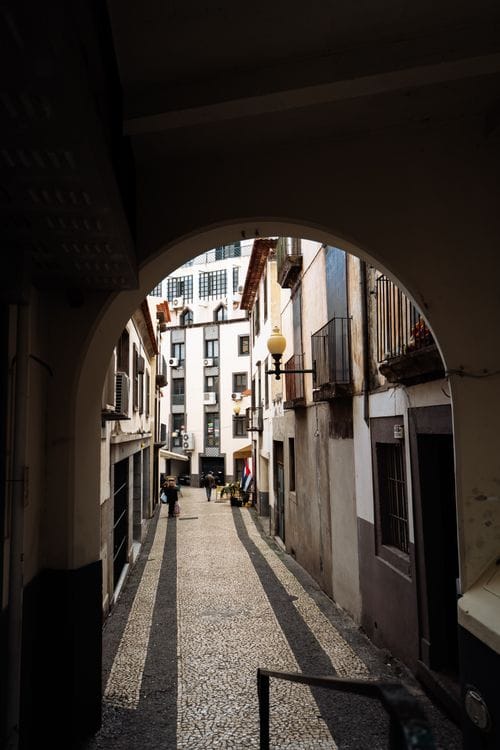
Funchal’s Old Town is the most rewarding part of the city to explore on foot. The Rua de Santa Maria is famous for its painted doors, a street art project that started in 2011 and now covers about 200 doors. Restaurants and bars here charge local prices, well below the waterfront tourist rate. It’s about 20 minutes’ walk from the marina.
Where to eat in Madeira
Madeira’s signature dish is espada com banana: black scabbard fish served with fried banana and passion fruit sauce. It sounds unusual and tastes good. Bolo do caco, flat bread made with sweet potato served warm with garlic butter, is sold almost everywhere for almost nothing. Poncha, the local rum cocktail made with aguardente de cana, is the island’s unofficial drink at around €2 to 3 per glass at a local bar.
For fish in the Old Town, Gavião Novo on Rua de Santa Maria grills the day’s catch from Funchal’s boats at fair prices.
| Tier | Restaurant | What to order | Price guide |
|---|---|---|---|
| Budget | Self-service hot buffet, the cheapest cooked meal on the island | €4 to 8 per plate | |
| Mid-range | Authentic Madeiran cooking, al fresco dining on one of Funchal’s most atmospheric streets | €15 to 20 mains | |
| Worth the spend | Michelin-listed; the seafood rice with Carabinieri prawns is the signature dish | €40+ per person |
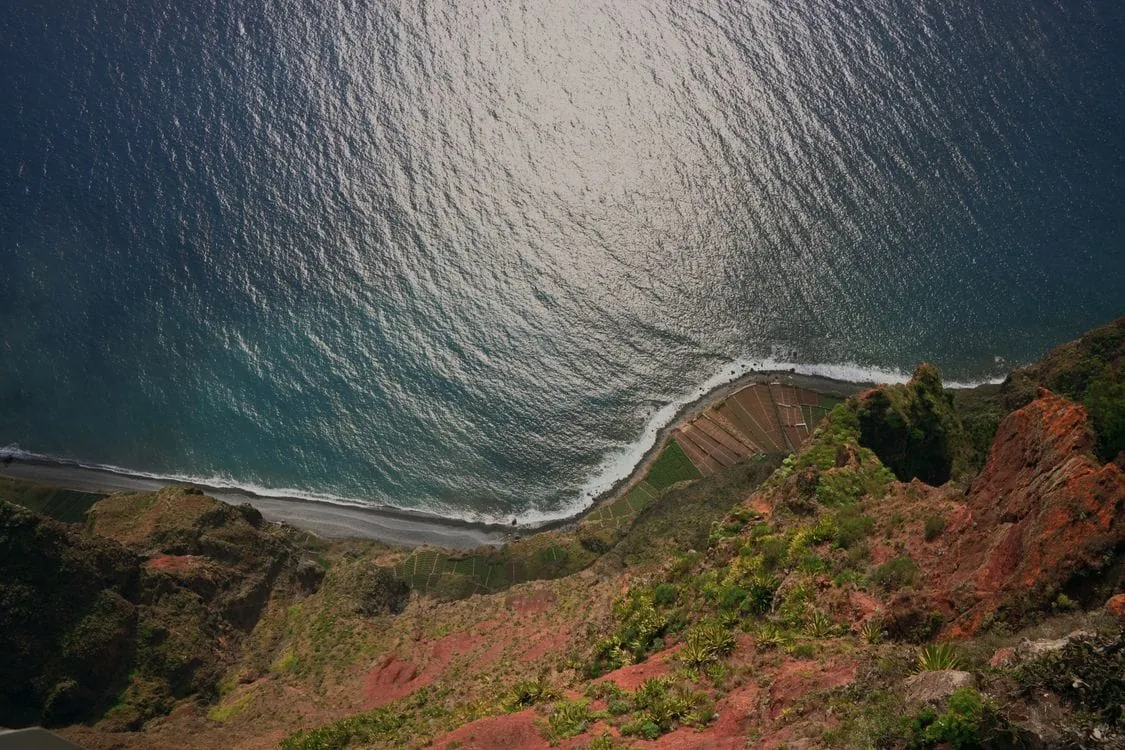
Cabo Girão sits at 580 metres above the Atlantic, making it one of the highest sea cliffs in Europe. Entry to the glass-floor sky bridge costs €5. On a clear day you can see Funchal and the eastern tip of the island spread out below you. It’s a 30-minute drive from central Funchal.
Free and cheap things to do in Madeira
The island’s best experiences cost very little.
Levada walks
Madeira’s walking trails run alongside centuries-old irrigation channels cut into the hillside, often at remarkable heights above forested valleys. Unclassified Levada walks are free. Classified routes through the UNESCO-protected Laurisilva laurel forest cost €4.50 per permit, booked via the SIMplifica app. You don’t need a guide, just waterproofs and decent footwear.
Funchal Old Town
The Rua de Santa Maria, with its painted doors and tiled facades, is free to explore. The street art project started in 2011 and now covers about 200 doors. It’s one of the most atmospheric streets in Portugal and takes about an hour to walk properly.
Mercado dos Lavradores
The farmers’ market in central Funchal is free to browse, colourful, and a good place to buy local tropical fruit, herbs, and artisan products. Worth an hour of your time.
Cabo Girão
One of the highest sea cliffs in Europe at 580 metres. Entry to the glass-floor sky bridge costs €5. It’s a 30-minute drive from Funchal, and a separate cable car at Rancho drops down to the farmed terraces at the foot of the cliff.
Monte Palace Tropical Garden
The one paid attraction that’s worth the entrance fee, €18 per adult, with under-14s free. The garden has koi ponds, azulejo tile panels from around the world, and views across Funchal. Give it two hours.
The Monte toboggan
A fun splurge rather than a budget activity, the wickerwork toboggan ride from Monte back towards Funchal costs €30 for one person or €40 for two. It’s been running since the 1850s and there’s nothing quite like it in Europe.
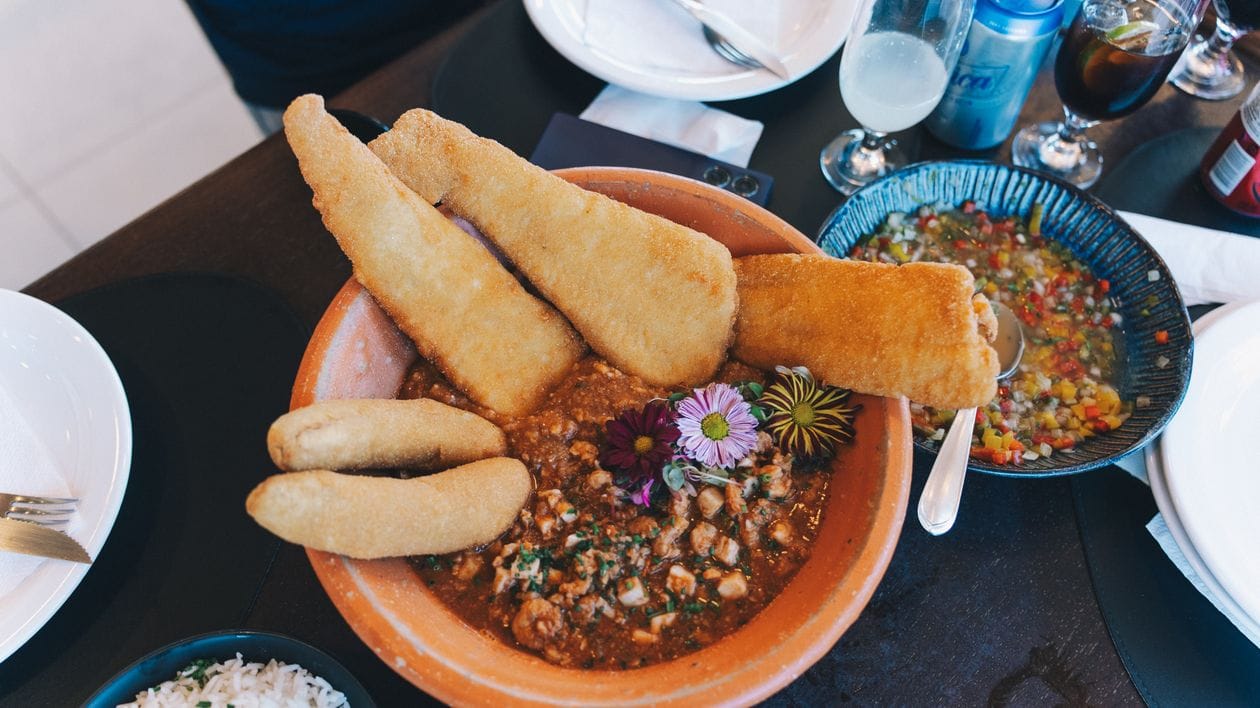
Madeira’s food scene combines genuine fine dining with very honest local tascas. You’ll find restaurants with Michelin recognition alongside basement diners serving espada for under €12. The island grows much of its own produce, including tropical fruit you won’t easily find elsewhere in Europe. Getting around to try more of it is easy and cheap if you plan ahead.
Getting around Madeira cheaply
Funchal’s bus network covers the city centre and tourist areas for €2 per journey on board, or about €1.45 with a Giro card. The Giro card works out cheaper than single fares if you’re using buses regularly.
Taxis are fine for short journeys within Funchal but expensive for longer distances. A taxi to the north coast could cost €40 to 60 each way.
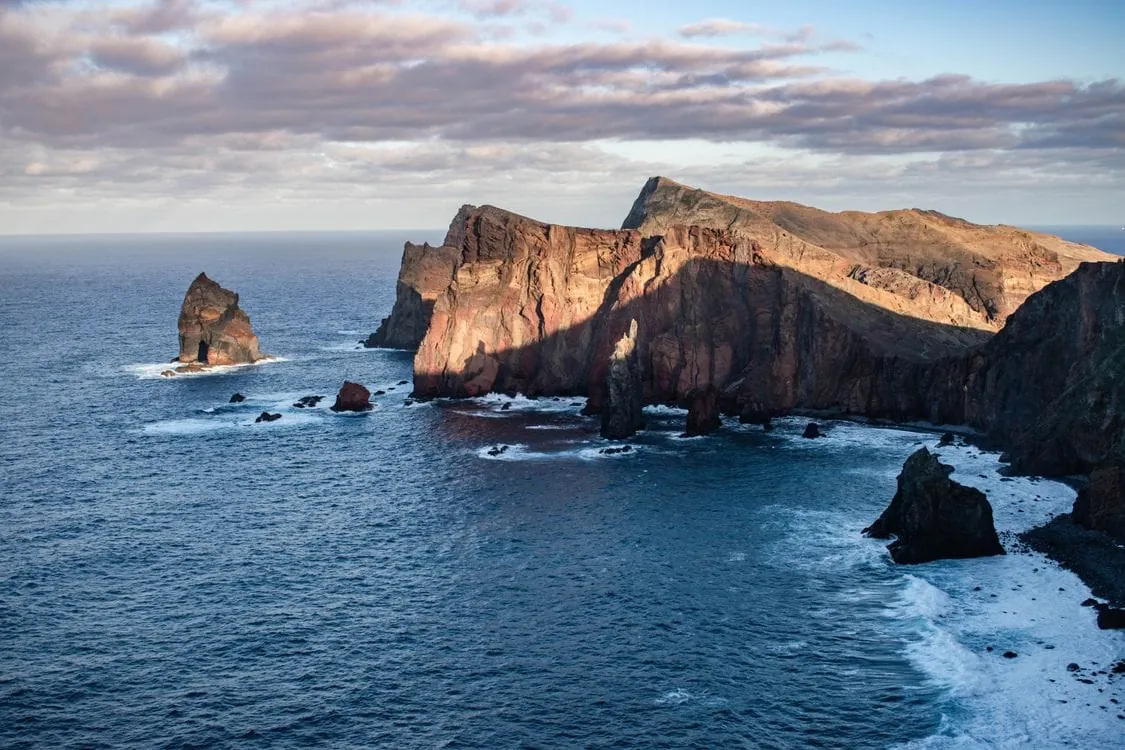
Car hire is the best way to explore beyond Funchal. Expect to pay around €25 to 35 per day from a local company, with insurance included. Madeira’s roads are dramatic, including tunnels cut through mountains, but well maintained. You’ll need a car to reach the north coast villages, the Laurisilva forest trailheads, and eastern viewpoints like Ponta de São Lourenço.
The cable car from central Funchal up to Monte costs €22 return (€32 in a glass-floor cabin) and is worth doing at least once. For broader advice on getting around Portugal, our guide to travelling around Portugal cheaply has more detail.
Sample 7-day Madeira budget
These figures are per person, based on two people travelling together, and exclude flights and accommodation.
Budget traveller, €350 for the week: self-catering apartment or budget hotel, supermarket meals and local cafés, free Levada walks, public buses, drinks at local bars. Achievable if you’re comfortable cooking most meals.
Comfortable traveller, €700 for the week: mid-range hotel in Funchal, eating out most evenings at local restaurants, car hire for 3 to 4 days, Cabo Girão, and entry to Monte Palace garden.
Worth-the-spend traveller, €1,000 or more for the week: a quality hotel, restaurant meals every evening including a dinner at Akua, guided Levada tour, full car hire, toboggan ride, and wine tasting. For deals on Madeira packages, check our Madeira holiday deals section.
FAQs
Is Madeira expensive for a UK holiday?
Daily costs are moderate. A coffee costs from €1, a meal at a local restaurant €8 to 15, a public bus €2. Budget around €50 per person per day outside accommodation. Madeira is more affordable than many UK visitors expect, particularly once you move beyond the resort hotel restaurants.
What is the cheapest time to visit Madeira?
January, February, and November. Flights and hotels are considerably cheaper than summer prices, and the weather is mild at around 18°C. The south coast around Funchal stays largely sunny. Spring (April and May) is the best value shoulder season.
How much spending money do you need for a week in Madeira?
Allow about €350 per person for a budget week covering food, transport, and activities, excluding flights and accommodation. Comfortable travellers should budget about €700. This covers eating out most evenings at local restaurants, car hire for a few days, and the main paid activities.
Do UK visitors need a visa for Madeira?
No. Madeira is a Portuguese island and part of the EU. UK citizens can visit for up to 90 days without a visa under the post-Brexit 90/180-day rule. Your passport must have been issued less than 10 years before you arrive and be valid for at least three months after you leave. Expect fingerprints and a photo at the border under the EU’s Entry/Exit System. ETIAS is not yet in force, so check GOV.UK before you travel.
How long is the flight from the UK to Madeira?
Around 3 hours 45 minutes from most UK airports. Direct services operate from 14 airports including Gatwick, Manchester, and Birmingham. Funchal airport is one of the most dramatic in Europe, built on a cliff above the sea and extended on stilts over the Atlantic.
Is Madeira cheaper than the Canary Islands?
It depends on how you travel. Flight prices are similar, and resort accommodation is comparable. Everyday costs, food, local transport, and entrance fees, are generally slightly lower in Madeira than in Tenerife or Gran Canaria. Madeira also has more free natural attractions. For a direct comparison, see our Lanzarote budget travel guide.
What currency does Madeira use?
Madeira uses the euro. Card payments are accepted almost everywhere in Funchal, including restaurants, taxis, and most shops. Carry a small amount of cash for local buses, market stalls, and smaller cafés. ATMs are widely available across the island.

Kate Acaster is Chief Editor at Flight Tribe. She writes about practical travel planning, budget airlines, baggage rules, city breaks, beach holidays and good hotels that do not cost daft money.
Kate has travelled through Europe, South America and beyond, usually with a notebook, a half-formed plan and a strong opinion on airport snacks. At Flight Tribe, her work focuses on helping UK travellers understand what is included, what costs extra, and whether a trip is worth booking at the price shown.
How Kate works
Kate checks the details that can change the value of a trip, including cabin-bag rules, airline fees, hotel location, seasonality, travel dates and booking conditions. She is especially interested in offers that look useful on the surface but need a proper reader-first check before they are worth recommending.
Editorial standards
Flight Tribe covers deals and travel advice for readers first. Affiliate links do not decide whether an offer is worth writing about.