
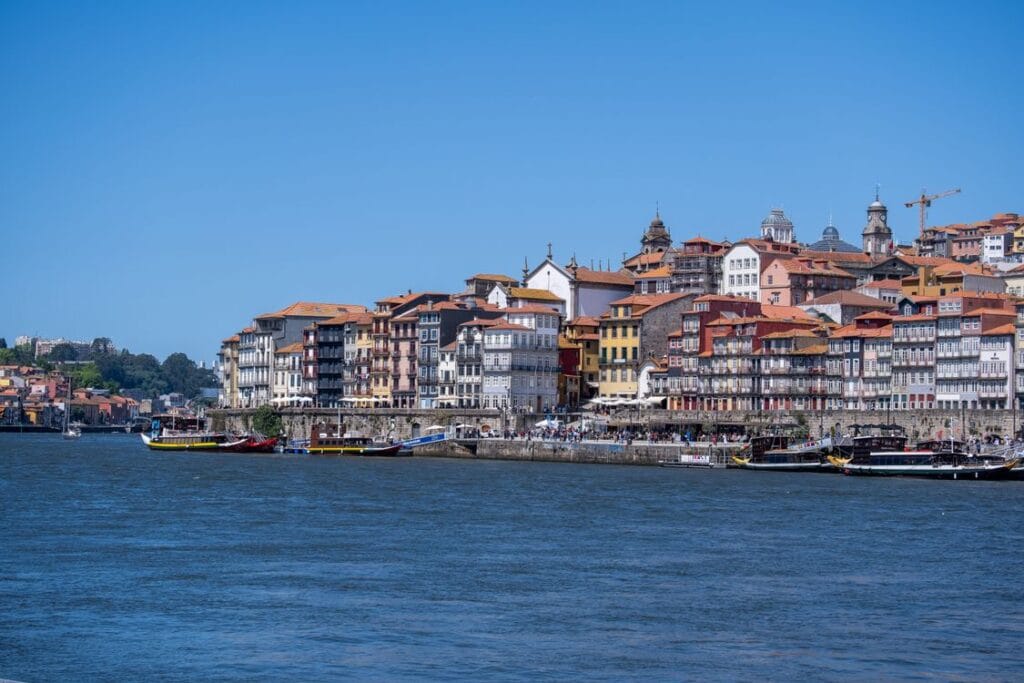
Published 10 June 2026 | Updated 21 October 2026 by Kate Acaster
Porto is one of the most affordable city breaks in western Europe for UK visitors. Low-cost carriers fly there from across the UK. A hostel dorm bed or budget guesthouse costs about £15 to £30 a night. A glass of house wine in the Ribeira quarter is around £1.50. These aren’t exceptional deals. They’re what the city generally costs.
Advertisement
For more destinations like this, see the full set of Flight Tribe destination guides.
This guide covers getting there from the UK, what Porto costs across budget levels, where to stay and eat, and how to spend your time. Prices are June 2026 estimates unless a date is given. For the wider country, including the Algarve and Lisbon, see our Portugal travel guide.
Why Porto works for UK travellers
Porto has a lot working in its favour as a UK city break. It’s compact enough to walk most of the centre in a couple of days, the main sights are close together on steep hillsides above the Douro River, and the culture around port wine means you can drink very well for very little.
The city hasn’t caught up with Lisbon on prices. Lisbon has seen hotel costs and restaurant prices rise sharply since 2019 as it became one of Europe’s most visited capitals. Porto is following the same path, but it’s still a few years behind. Neighbourhood restaurants where locals eat are easy to find, and budget accommodation with real character exists in every part of the city.
Porto’s historic centre is a UNESCO World Heritage Site, but that doesn’t mean it’s been preserved under glass. It’s a working city. The azulejo-tiled buildings, the narrow medieval alleys and the hilltop viewpoints are part of everyday life, not a theme park.
Flights from UK airports take just over two hours. The city’s metro, buses, and walkable centre mean you don’t need a hire car. It’s a realistic destination for a three-night trip.
Getting there from the UK
Five airlines fly direct from the UK to Porto. EasyJet flies from London Gatwick, Luton, Manchester, Bristol and Glasgow. Ryanair serves Porto from Stansted, Manchester, Birmingham, Bristol, Liverpool, Leeds Bradford, Edinburgh and Belfast International. Jet2 flies from Manchester, Birmingham and Newcastle. TAP Air Portugal and British Airways both fly from Gatwick. Some of these routes are summer only. If there’s no direct flight from your nearest airport, KLM sells one-ticket connections via Amsterdam from many regional UK airports, and TAP does the same via Lisbon from Heathrow. Going overland takes about two days by train, so flying is the practical choice.
The cheapest return fares go to early bookers on the low-cost carriers. For most people booking a real trip rather than a flash sale, expect to pay £90-£180 return on easyJet or Ryanair, and £180-£280 on TAP. TAP’s fares include more luggage and are worth comparing if you’re checking bags in.
Porto Francisco Sá Carneiro Airport is well connected to the city centre. Metro Line E (Violeta) runs directly to Trindade station in around 35 minutes and costs about £2 each way. Airport taxis cost £20-£30 depending on your destination in the city. For current routes and prices, see our flight deals page.
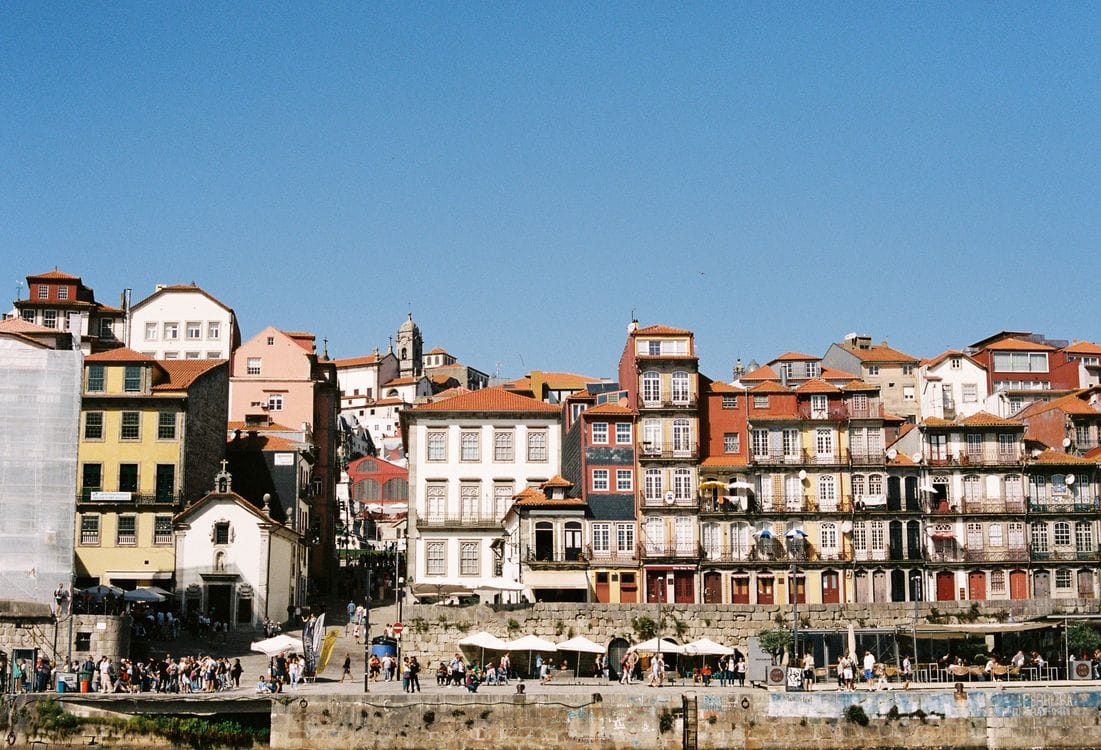
The Ribeira district is Porto’s most photographed neighbourhood, built on the steep banks of the Douro between the Dom Luís I bridge and the waterfront promenade. It’s busy in summer but beautiful in the early morning before the tour groups arrive. The narrow streets heading uphill from the river lead quickly to quieter residential neighbourhoods where Porto carries on at its own pace.
What does Porto cost?
Porto is cheap by western European standards. A budget traveller sleeping in a hostel dorm, eating at local tascas, and walking most places can get by on £40-£55 a day including accommodation. A mid-range city break with a private hotel room and two sit-down meals comes to around £85-£120 a day including accommodation.
| Expense | Budget | Mid-range |
|---|---|---|
| Accommodation | £15-£30/night | £70-£130/night |
| Meals | £15-£25/day | £35-£55/day |
| Wine or beer | £1.50-£3 a glass | £4-£8 a glass |
| Transport | £5-£8/day | £10-£18/day |
| Port wine tasting | From £20 | £30 to £40 |
The main cost outlier is accommodation in peak season. Hotel prices in July and August can reach £150-£200 a night for a decent room, which easily doubles the daily budget. Travelling in April, May, September, or October avoids the premium and the worst of the crowds. Your hotel or hostel will also add Porto’s tourist tax of €3 per person per night, capped at seven nights. Children aged 12 and under are exempt.
Where to stay in Porto
The city centre and Ribeira are the most convenient base, putting you within walking distance of the main sights. Bonfim, a short walk east of the centre, has become popular for better-value accommodation without the tourist premium. Cedofeita and Boavista are quieter residential options, both well served by the metro.
Budget: The Passenger Hostel
One of the most highly rated hostels in Portugal, set inside São Bento railway station in the city centre. Private rooms and dorm beds are both available. It’s a short walk from the cathedral and the Ribeira waterfront.
Mid-range: Zero Box Lodge Porto
A design-led hotel near Bolhão Market and the historic centre, with industrial-modern rooms, a rooftop terrace, and a sauna. A solid mid-range option close to the main eating and shopping streets.
Splurge: Exmo Hotel by Olivia
A boutique hotel on Rua do Infante Dom Henrique in Ribeira, a few minutes’ walk from the Douro waterfront, with heated bathroom floors and a buffet breakfast. One of the best-regarded small hotels in the city.
Compare more Porto hotels on the map above. For holiday packages combining flights and a hotel, see our latest holiday deals.
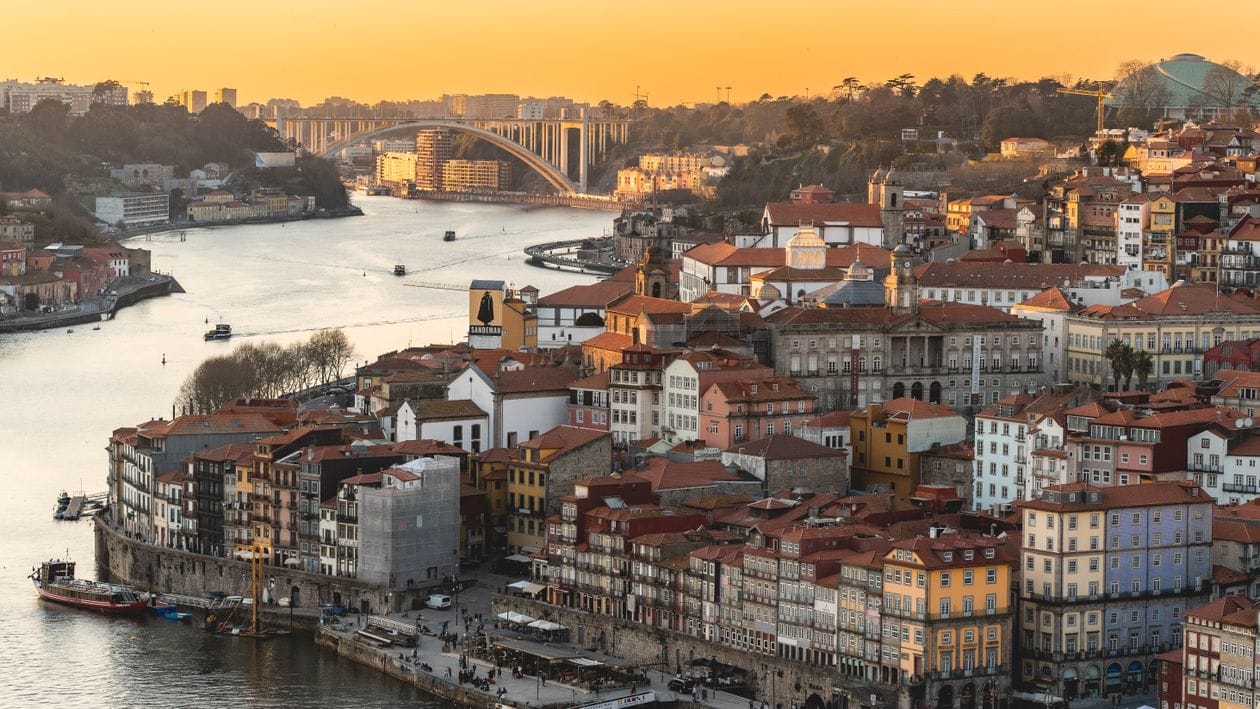
Walk across the Dom Luís I bridge for a view of both cities. The upper deck carries the Metro and a walkway for pedestrians. The lower deck takes cars and pedestrians. From the Gaia side you can see Porto’s skyline stacked on the hillside above the river. The port wine lodges are a short walk from the bridge’s southern end.
Where to eat in Porto
Porto has a strong food culture built on a short list of ingredients: salt cod, pork, seafood, wine, and olive oil. The best places are rarely the most visible ones. Restaurants facing the Ribeira waterfront tend to be expensive and average. Walk two or three streets back and the quality improves and the prices drop.
The francesinha is Porto’s most famous dish: a layered sandwich of cured meat and steak covered in melted cheese and a spiced tomato-and-beer sauce. It’s heavy, filling, and costs around £8-£12 at most places. It’s worth eating once.
Budget: Casa Guedes Tradicional
A longstanding Porto institution near Praça dos Poveiros, known for its roast pork sandwiches (sandes de pernil). Expect to queue, especially at lunch. You’ll spend around £5-£8 for a satisfying meal with a drink.
Mid-range: Restaurante Bufete Fase
A small local restaurant on Rua de Santa Catarina that serves what many Porto visitors consider the city’s best francesinha. The menu is focused, the prices are fair, and the place fills quickly. It closes at weekends. Budget around £12-£18 per person.
Worth the spend: Cantina 32
A creative Portuguese kitchen on Rua das Flores, occupying a beautifully converted space with high ceilings and exposed stone. The octopus and seafood dishes are particularly good. Allow £35-£50 per person with wine.
Porto’s tiled facades are not just decorative. Many of the city’s buildings were wrapped in azulejo tiles for practical reasons: the tiles repel damp and regulate temperature. The Igreja do Carmo, the São Bento railway station, and dozens of private townhouses are covered in scenes from Portuguese history and mythology. It’s worth stopping to look.
Free things to do in Porto
Porto is a generous city for visitors who don’t want to spend much on sightseeing. Several of the best things to do cost nothing or close to nothing.
São Bento railway station, in the heart of the city, has an entrance hall covered in 20,000 azulejo tiles depicting scenes from Portuguese history. It’s a working station, not a museum, and entry is free. Spend twenty minutes there before catching a train or just to look at the artwork.
The Sé do Porto (Cathedral) dates to the 12th century and is free to visit. The cloisters cost about £3 to enter and are worth it. The Igreja de São Francisco, a short walk downhill from the cathedral, has an extravagant gilded baroque interior that’s among the most ornate in Portugal. Entry costs about £5.
The port wine lodges in Vila Nova de Gaia charge for cellar tours, and the price includes a tasting. Graham’s, Sandeman, and Ramos Pinto all have visitor centres. A tour with a tasting of two or three ports starts at around £20 a head at the big lodges. Graham’s charges about £26. If you only want to taste, a three-port flight in a wine bar in town can cost less.
Livraria Lello charges €8 (about £7) for a standard entry ticket, which you can put towards a book. Book a time slot online. The queue in summer can be long. The interior, with its Art Nouveau staircase and carved woodwork, is worth seeing even if you don’t buy a book.
The Serralves Foundation, about three kilometres west of the centre, has one of the best contemporary art museums in Portugal plus a large sculpture park. Entry to the museum and park costs €24 (about £21), or €15 for the park alone. It’s worth the trip if contemporary art is your thing, and the park alone justifies the fare on a sunny day.
Getting around Porto
Porto is walkable in the centre, but the hills are steep and the streets are cobbled throughout. Comfortable shoes are not optional.
The Metro has six lines covering the main tourist areas, the airport, and the beach at Matosinhos. A single ticket in the central zone costs €1.40 (about £1.20), plus €0.60 for the rechargeable Andante card. A 24-hour ticket for the central zone costs €5.35 (about £4.70). The iconic yellow trams are more tourist attraction than practical transport, but Tram Line 1 along the Douro riverfront is pleasant and passes the beach at Foz.
The Porto Card comes with or without transport. The transport version adds unlimited metro, STCP bus and CP urban train travel, and both give free entry or discounts at many attractions. A two-day card costs around £18 from the main tourism offices and Andante shops. It’s worth calculating whether the savings on your planned attractions justify the cost before buying.
Bolt works well in Porto and is the main app-based taxi service used locally. An in-city journey costs roughly £4-£8. For getting around Portugal more broadly, see our guide to travelling around Portugal cheaply.
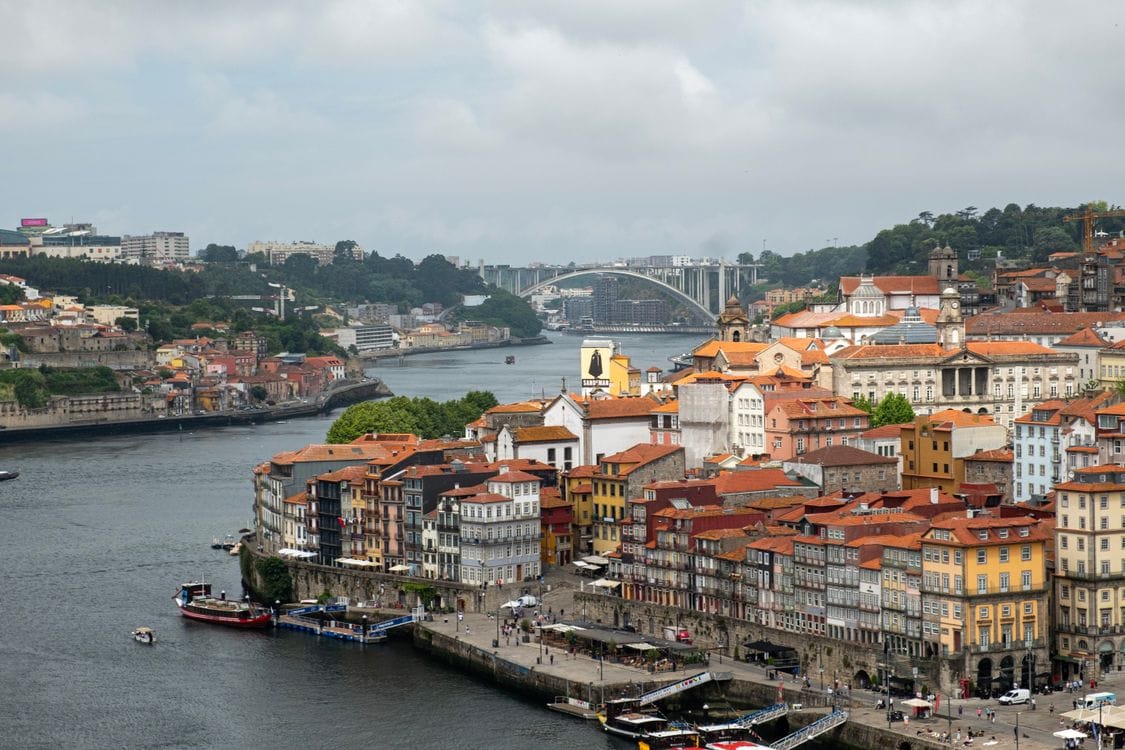
Porto’s topography is part of what makes it memorable. The city was built on a granite hill, and almost every journey involves a climb or a descent. The best viewpoints (miradouros) are free: Jardim do Infante Dom Henrique, Miradouro da Vitória, and the upper deck of the Dom Luís I bridge all give you the kind of views that appear on every travel site and earn them.
Day trips from Porto
The Douro Valley is Porto’s most famous day-trip destination. The Douro River winds east through steep vineyard-covered hillsides, and the train from Campanhã station to Pinhão takes about two and a half hours each way. The scenery is excellent. Return tickets cost around £20. Wine tastings at quintas in the valley start from around £8.
Braga is around 50 kilometres north, well served by suburban rail from Porto’s Campanhã station in about an hour. It’s Portugal’s third-largest city and has a large concentration of baroque churches, a well-preserved Roman walls section, and the Bom Jesus do Monte sanctuary, where a dramatic baroque staircase leads up a wooded hillside to a hilltop church. Cheaper and quieter than Porto, it works well as a half-day addition.
Viana do Castelo, about an hour and a quarter north by train, sits at the mouth of the Lima estuary and has a well-preserved old town with less tourist traffic than Porto. Worth considering if you’d like a quieter day out of the city.
Best time to visit Porto
April, May, September, and October are the strongest months for a Porto trip. You get reliable warm weather, significantly lower accommodation prices than July or August, and a city that’s busy without being overwhelming.
July and August are Porto’s peak months. The city gets warm (average highs are around 25°C, and heatwaves can push past 30°C), accommodation prices spike by 30-50%, and the main tourist areas fill with day-trippers. It’s still a good trip, but you’ll pay more for it.
Winter visits are underrated. Porto in January and February has daily highs around 13-15°C, which compares well with a UK January. Prices are at their lowest, some sites have reduced hours, but the city continues as normal and the crowds aren’t there. For a full breakdown of conditions by month and the best value booking windows, see our guide to the best time to visit Portugal.
If you’re also considering Lisbon, both cities can be done on the same trip. The Lisbon budget guide covers the capital in the same format as this one.
Porto budget travel: frequently asked questions
Is Porto cheap for UK tourists?
Yes, Porto is one of the most affordable city breaks in western Europe. Budget travellers can manage on £40-£55 a day including accommodation, food, and transport. A mid-range visit costs around £85-£120 a day.
How do I get from Porto airport to the city centre?
Metro Line E runs from the airport to Trindade station in about 35 minutes. A single ticket costs around £2. Taxis cost £20-£30 and take around 20-25 minutes depending on traffic.
Do I need a visa to visit Porto from the UK?
No. UK citizens don’t need a visa for Portugal and can stay for up to 90 days in any 180-day period as a visitor. Your passport must have been issued less than 10 years before the day you arrive and be valid for at least three months after the day you plan to leave. Expect to have your fingerprints and photo taken at the border under the EU’s Entry/Exit System.
Is Porto safe for tourists?
Yes, Porto is generally safe. Petty theft including pickpocketing is the main risk in busy tourist areas and on trams. Keep your phone in a front pocket and don’t leave bags unattended on chairs outside restaurants.
What’s the best area to stay in Porto?
Bonfim offers the best value with easy access to the historic centre. The Ribeira is the most central option but has a tourist premium. Cedofeita and Boavista are quieter and more residential, both well connected by metro.
Can I do Porto as a day trip from Lisbon?
Technically yes, but the Alfa Pendular train takes around three hours each way, which leaves you very little time in Porto. It’s a much better trip with at least two nights. If you’re combining both cities, flying into one and out of the other is a good option.
What is the Porto Card and is it worth buying?
The Porto Card with transport gives unlimited use of the metro, buses and urban trains, plus discounts at a range of attractions. A two-day card costs around £18. It’s worth buying if you’re planning to visit several paid attractions; less so if most of your itinerary is free sights and walking.

Kate Acaster is Chief Editor at Flight Tribe. She writes about practical travel planning, budget airlines, baggage rules, city breaks, beach holidays and good hotels that do not cost daft money.
Kate has travelled through Europe, South America and beyond, usually with a notebook, a half-formed plan and a strong opinion on airport snacks. At Flight Tribe, her work focuses on helping UK travellers understand what is included, what costs extra, and whether a trip is worth booking at the price shown.
How Kate works
Kate checks the details that can change the value of a trip, including cabin-bag rules, airline fees, hotel location, seasonality, travel dates and booking conditions. She is especially interested in offers that look useful on the surface but need a proper reader-first check before they are worth recommending.
Editorial standards
Flight Tribe covers deals and travel advice for readers first. Affiliate links do not decide whether an offer is worth writing about.