Published 28 July 2026 | Updated 29 August 2026 by Kate Acaster
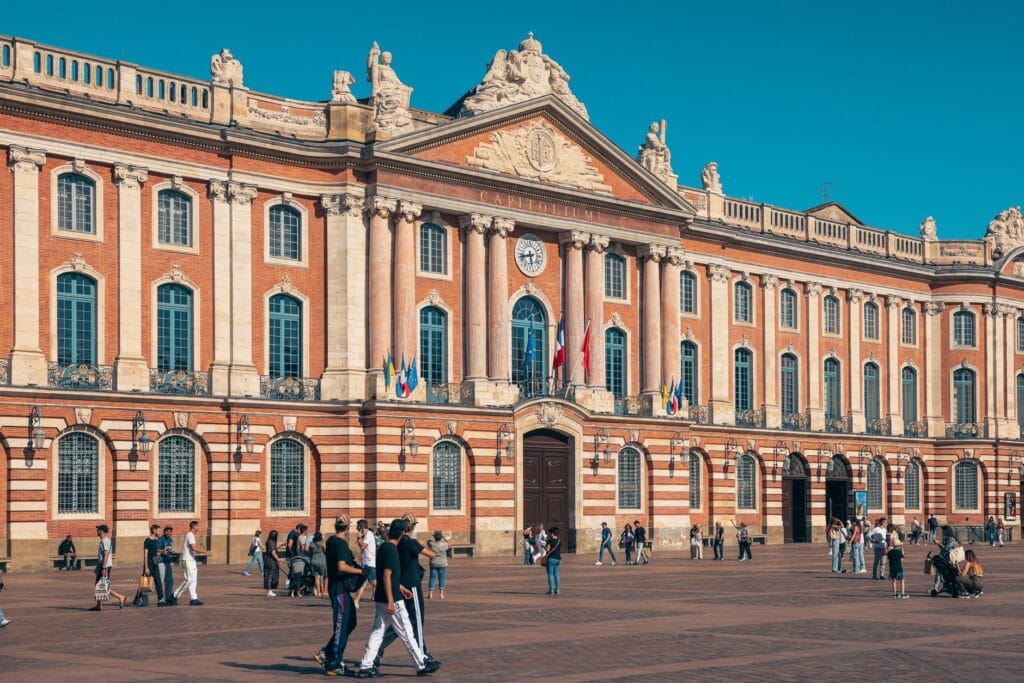
Toulouse’s brick facades turn a deep salmon pink in the evening light along Place du Capitole. Aerospace money behind Airbus’s headquarters here hasn’t pushed up everyday prices. Toulouse on a budget is realistic. Direct flights start from around £26 one way, the largest Romanesque church in Europe is free to enter, and cassoulet at a family bistro costs about what a pub Sunday roast does. This guide covers flights, getting around, where to eat and stay, and when to book for the cheapest fares, alongside more European city breaks in Flight Tribe’s destination guides.
Advertisement
Getting to Toulouse from the UK
Toulouse-Blagnac (TLS) sits about 7 miles northwest of the centre and is the fourth-busiest airport in France. It offers a wider choice of UK departure airports than most French regional cities. Ryanair covers the most ground, flying from London Stansted, Manchester and Edinburgh. British Airways runs a direct daily service from London Heathrow, and easyJet flies from London Gatwick.
| Airline | UK departure airports | Approx one-way fare | Notes |
|---|---|---|---|
| Ryanair | London Stansted, Manchester, Edinburgh | from £26 | Widest UK network, cheapest fares book 6+ weeks ahead |
| easyJet | London Gatwick | from £35 | The only easyJet route to Toulouse from the UK |
| British Airways | London Heathrow | from around £70 | Direct, around 20 flights a week, more flexible fare rules |
| Eurostar + TGV | London St Pancras, via Paris Montparnasse | Eurostar from £40, TGV from around £35 | TGV takes about 4 hours 10 minutes; a long day trip from London, better for a two-centre visit |
Toulouse-Blagnac connects to the city by the Navette Aéroport, a Tisséo shuttle bus that runs every 15 to 20 minutes and takes around 20 to 25 minutes to reach Compans Caffarelli, Jeanne d’Arc and Matabiau, linking onto metro lines A and B and the main SNCF station. A single ticket costs €9 and doubles as a normal Tisséo ticket, valid for transfers within the hour. A taxi to the centre costs roughly €25-35. For the widest choice of fares from your nearest airport, check Flight Tribe’s guide to cheap UK flights.
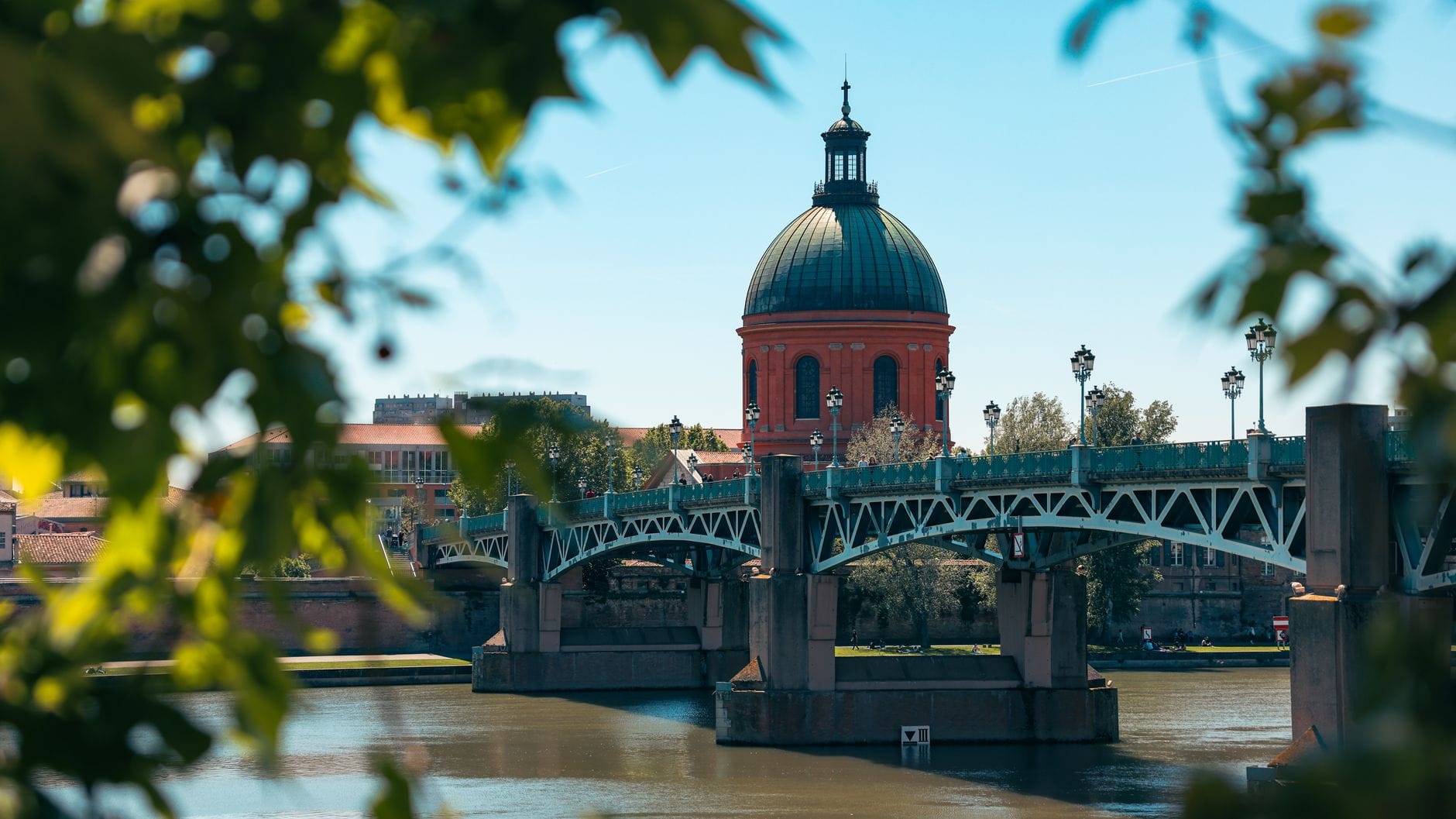
Travellers already in France, or combining Toulouse with a Paris stop, can arrive by TGV directly into Matabiau station in the city centre, no transfer needed. It’s not a realistic single-day option from the UK without an overnight stop, but it’s a comfortable way to add Toulouse onto a longer French itinerary. Booking a non-flexible ticket a few weeks out usually beats a flexible fare bought on the day. Matabiau connects straight onto the metro and tram network, so there’s no separate transfer once the train pulls in.
When to book Toulouse flights for the cheapest fares
Booking timing is the single biggest lever on the total cost of the trip. Flights are typically cheapest in September and October, once the summer premium drops and before half-term demand builds again. Booking six to eight weeks ahead usually beats both a last-minute fare and one bought many months out, and midweek departures are consistently cheaper than Friday or Sunday flights. Flight Tribe’s guide to the best time to book a UK holiday applies directly to Toulouse routes as much as it does to beach destinations.
Getting around Toulouse
None of this costs much once you’ve landed, which is most of what keeps daily spending realistic. The Capitole, old town and most restaurants sit within a compact, walkable core, and the wider Tisséo network covers everywhere else cheaply.
| Option | Cost | Detail |
|---|---|---|
| Tisséo single ticket | €1.80 | Covers the metro, tram and bus, with a free transfer within the hour. |
| Tisséo day pass | €6.70 | Unlimited travel for 24 hours, the better deal past three journeys in a day. |
| Tisséo carnet (10 trips) | €14.80 | Cheaper per journey than single tickets if you’re staying more than a couple of days. |
| VélôToulouse bike share | Free first 30 min | A day pass covers the docking fee for around €1.50. Over 2,400 bikes across 250-plus stations. |
The driverless VAL metro’s two lines, A and B, cross at Jean Jaurès and cover most of what visitors need, alongside a tram line and the Téléo cable car out to the southern suburbs. A single ticket bought at the start of a journey works for any transfer within 60 minutes. VélôToulouse is the fastest way to cover ground along the Garonne or out to the Canal du Midi. Dock and re-hire within each 30-minute window, rather than holding one bike all day, to avoid extra charges.
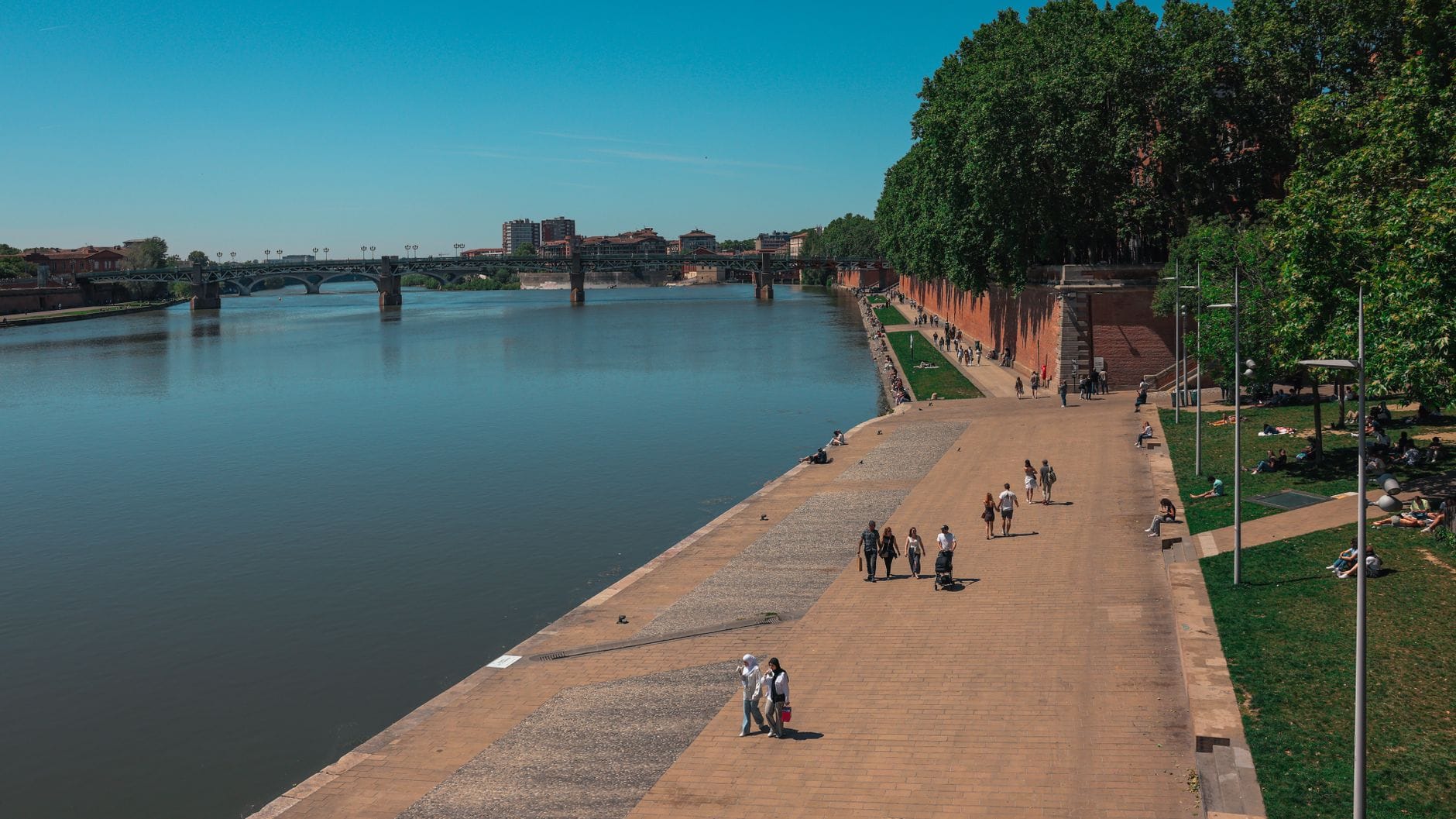
The riverside quays between Pont Neuf and Prairie des Filtres work well as a mental anchor point when you’re finding your bearings. Most of the old town sits a short walk from the water, an easy, flat route between the Capitole, the Jacobins convent and the Saint-Cyprien side of the river. Locals treat the quays as their default evening walk, especially once the heat drops in summer. Cafés directly on Place du Capitole charge tourist prices, so walk two streets back towards Rue des Filatiers for a fairer rate on a coffee or a simple lunch.
Is the Toulouse Pass Tourisme worth it?
The Toulouse Pass Tourisme is worth buying only if your itinerary genuinely needs it. It costs around €26 for 72 hours, covering free entry to 13 museums and monuments including the Muséum de Toulouse and the Couvent des Jacobins, or €36 with ten Tisséo transport trips bundled in. Basilique Saint-Sernin, the city’s biggest free draw, doesn’t need it, since entry is already free. Add up your planned museum visits first: two or three in three days and it pays for itself, one museum and a lot of walking, skip it.
Where to stay in Toulouse on a budget
Area still matters more than star rating here. Matabiau, around the main train station, holds some of the city’s best-value hotel stock and puts you a short walk or one metro stop from the Capitole. Staying directly on or around Place du Capitole costs more for a comparable room, though it saves on transport if the old town is where you’ll spend most of your time.
Three hotels to book on Expedia
| Hotel | Area | From per night | Why it works |
|---|---|---|---|
Matabiau | from £60 Budget | Simple, modern rooms right by the station, a 10-minute tram or metro ride from the Capitole. | |
Compans Caffarelli | from £100 Mid | Recently refurbished rooms next to a metro stop, a few minutes’ walk from most of the sights in this guide. | |
Place du Capitole | from £135 Worth it | A 1930s hotel where Aéropostale pilots, including Antoine de Saint-Exupéry, once lived between flights. |
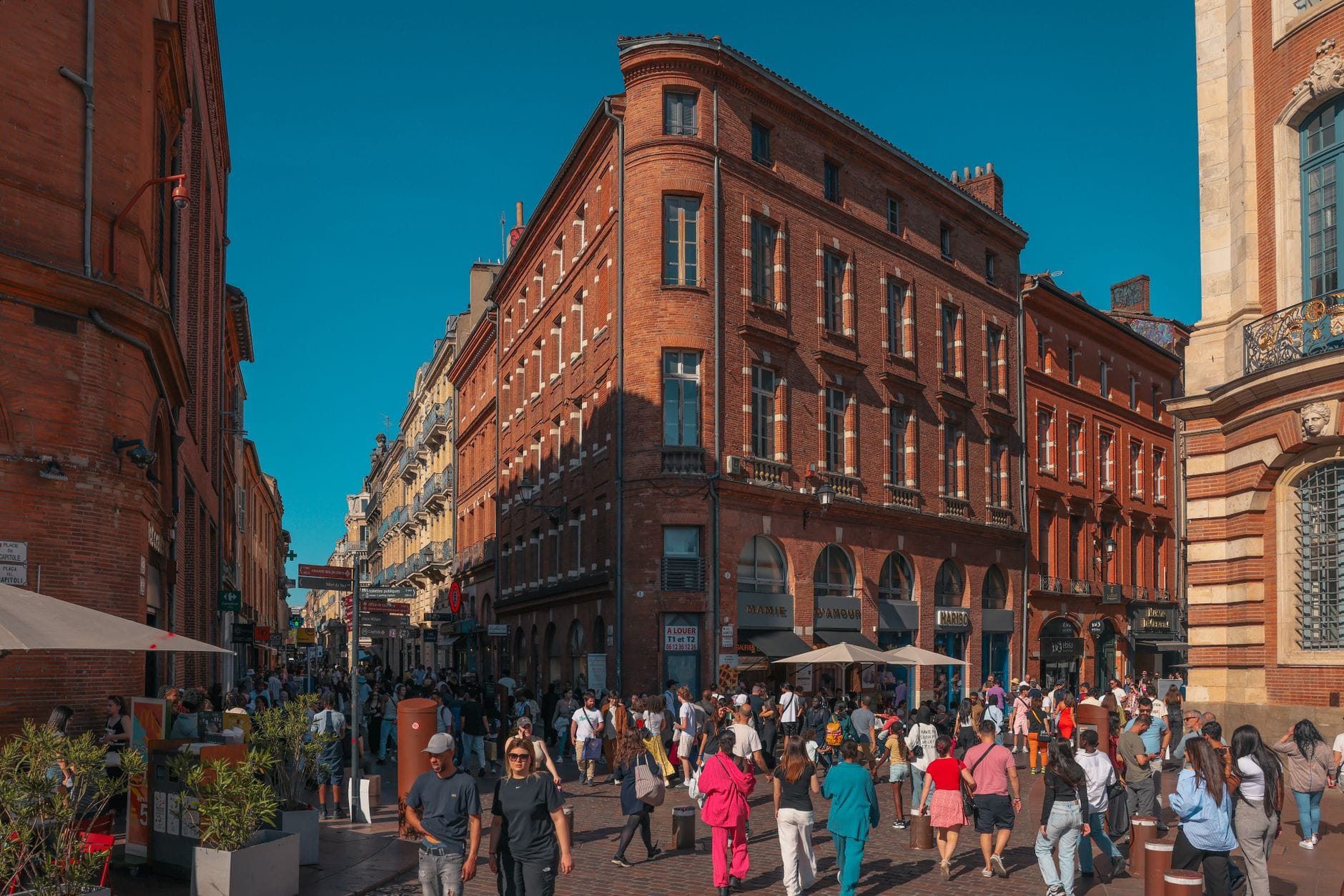
Book directly through Expedia rather than a third-party aggregator when a price looks unusually low. Free cancellation on most Toulouse listings makes it worth locking in a room early, then adjusting later if a better rate appears. Toulouse hosts several large trade fairs and conferences through the year, tied to its aerospace industry, that push hotel prices up across the whole city, not just near the exhibition centre. A quick check of the tourist board’s events calendar before booking can save a genuine surprise on price.
Search Toulouse flights and hotels
"Toulouse gets written off as an expensive aerospace city on the back of Airbus’s money, and that reputation does it a disservice. This is a place where direct flights start from around £26, the largest Romanesque church in Europe costs nothing to step inside, and a family-run cassoulet dinner costs about what a pub Sunday roast does back home. Watch those brick facades turn salmon pink at dusk over Place du Capitole and you’ll wonder why this city isn’t on everyone’s shortlist."
Kate Acaster, Chief Editor, Flight Tribe
Free and cheap things to do in Toulouse
Free sights do most of the heavy lifting here, and the city has more of them than its aerospace-money reputation suggests. The largest Romanesque church in Europe, a UNESCO canal towpath, and one of the country’s oldest covered markets all cost nothing to visit or wander through.
| Attraction | Why it’s worth your time |
|---|---|
| Basilique Saint-Sernin | Free entry |
| Canal du Midi towpath | Free |
| Jardin des Plantes | Free |
| Marché Victor Hugo | Free to browse |
| Cité de l’Espace | From €21.50 |
Saint-Sernin was consecrated in 1096 and built between the 11th and 13th centuries to serve pilgrims heading for Santiago de Compostela. At 115 metres long, it’s still the largest Romanesque church standing anywhere in Europe, and walking in costs nothing at all. The basilica is a UNESCO World Heritage Site in its own right, part of the wider Pilgrim’s Way of St James listing.
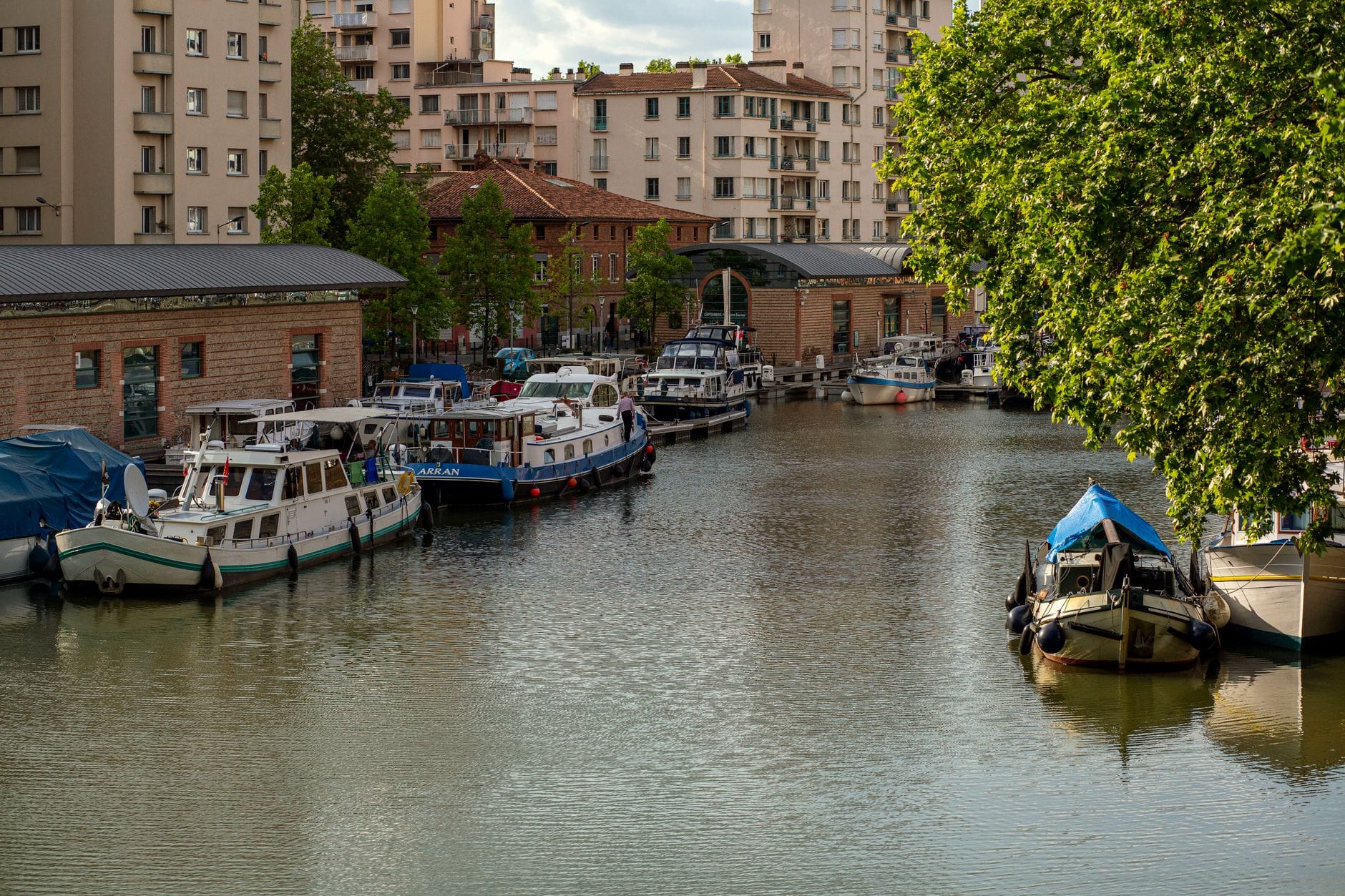
The Canal du Midi, a 17th-century engineering project linking Toulouse to the Mediterranean, earns its UNESCO listing honestly and costs nothing to walk or cycle along. Locals jog and cycle its shaded towpath daily, especially near Port Saint-Sauveur and the Ponts Jumeaux, where the canal meets the Canal de Brienne. It’s a genuinely quieter alternative to the crowds around Place du Capitole, seeing a fraction of the footfall for the same photogenic waterside setting, and VélôToulouse docking stations sit along most of its length.
Marché Victor Hugo has run since 1896, France’s oldest working covered market. Around 60 stallholders sell fresh produce, cheese, charcuterie and Toulouse sausage on the ground floor, and a handful of small restaurants upstairs turn that same produce into lunch. It’s open every day except Monday from around 7am to 1.30pm.
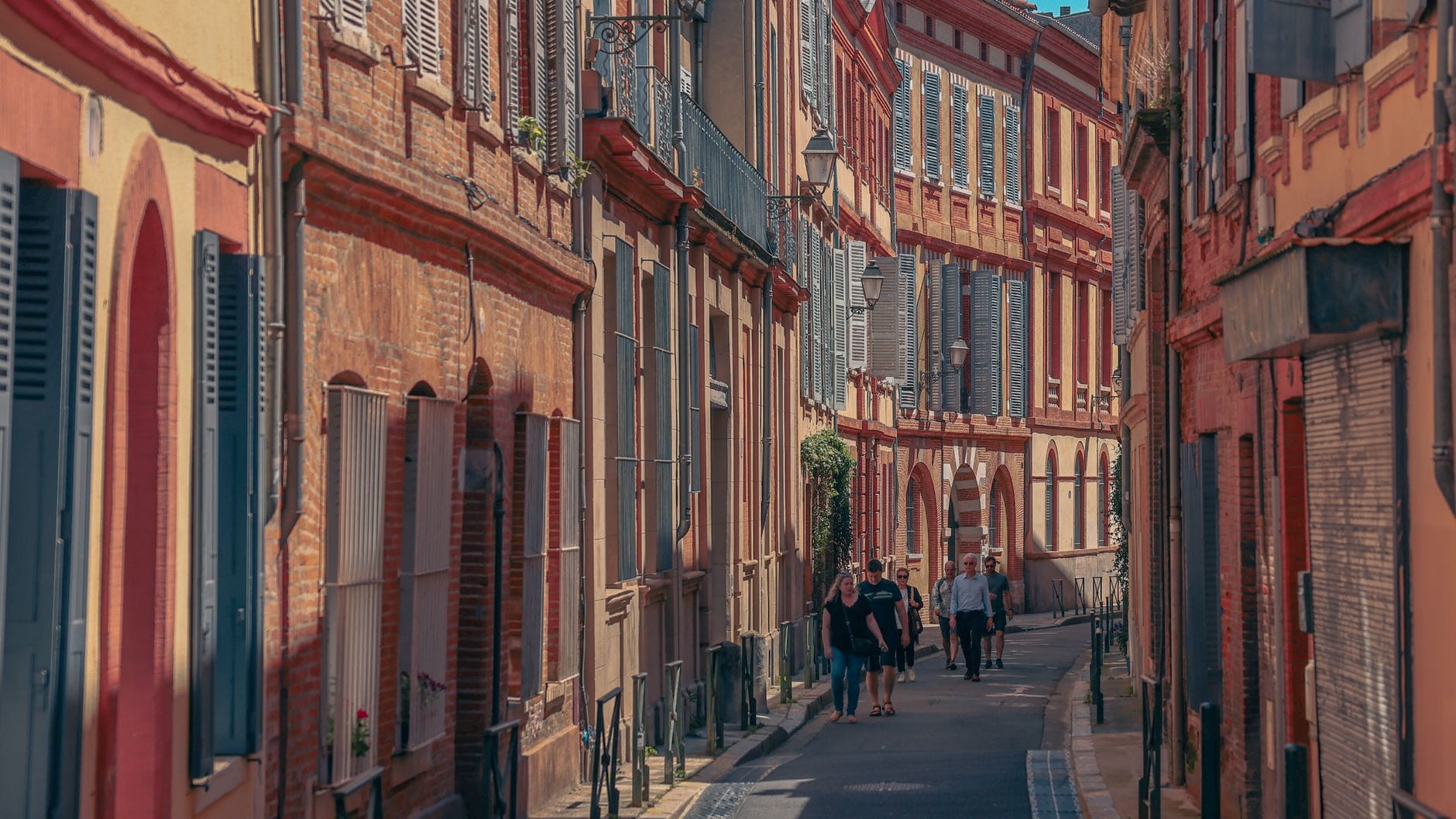
Rue du Taur follows an old Roman road and takes its name, taur, from the Latin for bull. Legend holds that the city’s third-century martyr, Saint Saturnin, was tied to a bull that dragged him along this exact route before the animal finally stopped where the Notre-Dame du Taur church now stands. Walking it costs nothing and puts most of the free sights in this guide within a fifteen-minute loop on foot, real free-sightseeing territory rather than a paid detour.
Where to eat in Toulouse on a budget
Eating well here is the easy part, not the hard one. Cassoulet, a slow-cooked casserole of white beans, duck confit and Toulouse sausage, is the dish the city is built around, and most restaurants that take it seriously still price it well within reach.
Three restaurants to know
| Restaurant | Price range | What to expect |
|---|---|---|
cassoulet from around €11 Budget | Ground-floor market stalls and simple first-floor bistros, open mornings only, closed Mondays. | |
menu around £25 (€29) Mid | A Gascony specialist tucked behind the Capitole, running for more than 40 years. | |
cassoulet menu around £42 (€49) Worth it | Michelin-listed, and its chef was named Toulouse’s best cassoulet of 2023. |
For a cheaper meal without losing the cassoulet, order the lunch menu rather than eating à la carte at dinner. Streets directly on Place du Capitole carry the priciest cafés and restaurants in the city. Walking two or three streets back, towards Rue des Filatiers or Rue Saint-Rome, typically finds the same standard of cooking for 20 to 30% less. Marché Victor Hugo is the other budget move, a portion of Toulouse sausage or a small cassoulet from one of its stalls costing a fraction of a sit-down meal, made from the same producers the city’s better restaurants buy from.
The violette of Toulouse
One fact worth knowing before you leave: Toulouse has candied violets rather than lavender as its signature edible flower, a tradition dating to 1854 when the variety was first cultivated in market gardens north of the city. By 1908 there were more than 600 local violet growers. Look for violettes de Toulouse, small sugar-crystallised sweets, in shops around the old town, or visit in February for the city’s Violet Festival, running since 2003. It’s a genuinely local product, not a tourist invention, and one you won’t find sold as authentically anywhere else in France.
How much does Toulouse on a budget cost per day
Keeping costs down here doesn’t require hostel-dorm living. A traveller who eats one proper cassoulet a day, picnics from Marché Victor Hugo for the other meal, and sticks to free sights can comfortably manage on €65-85 a day, excluding flights and accommodation.
| Traveller type | Per day estimate | What that covers |
|---|---|---|
| Budget | €65-85 (~£56-73) | Budget hotel, market lunch, one cassoulet meal, free sights and the Canal du Midi towpath. |
| Mid-range | €120-170 (~£103-146) | Mid-tier hotel, two restaurant meals, the Pass Tourisme, some shopping at Marché Victor Hugo. |
| Comfortable | €220-300+ (~£189-258) | Capitole-area hotel, dinner at Le Genty Magre, a Cité de l’Espace visit. |
If you’d rather book flights and a hotel together than piece the trip together yourself, Flight Tribe’s guide to comparing holiday companies can help. It explains how the package operators stack up on price for European city breaks like this one. If you’re weighing up other French options, our Bordeaux budget guide covers a similar-sized regional French city on the same UK route network.
Staying safe in Toulouse
Staying safe here mostly means staying alert to petty theft and a couple of well-known scams. Pickpocketing clusters around crowded markets, transport hubs and the busiest stretches near Basilique Saint-Sernin. A common trick there ties a “free gift” bracelet onto your wrist before demanding payment, so keep your hands in your pockets and walk on. By the canal, ignore anyone offering to sell a “found” ring, a classic distraction for pickpocketing, and check the UK Foreign, Commonwealth & Development Office’s travel advice for France before you go.
Best time to visit Toulouse
Timing your visit is the last lever on cost. The city doesn’t have the single dominant peak season that a beach destination does, which makes it a forgiving city break to plan around cheaper flights rather than the weather.
| Season | Temperature | What to expect |
|---|---|---|
| Feb | 5-11°C | Cold but the Violet Festival runs for one weekend, a genuinely local event most visitors miss. |
| Apr-Jun | 14-23°C | Mild, good value, the Garonne quays and Jardin des Plantes at their best before summer crowds. |
| Jul-Aug | Up to 29°C | Warmest weather, but some family-run bistros close for a summer break, so check ahead. |
| Sep-Oct | 13-22°C | The cheapest months to fly, restaurants back from their break, mild light along the Garonne. |
The Toulouse Violet Festival runs for one weekend each February, celebrating the flower’s role in the city’s history with markets, tastings and workshops built around it. It’s a small, largely local event rather than a major tourist draw, but it’s worth timing a trip around if the violette history in this guide caught your interest. Outside of that and the busiest summer trade fair dates, this stays a genuinely easy trip to plan, without the single make-or-break peak season a beach destination forces on you.
Frequently asked questions
Is Toulouse expensive to visit?
No, not compared with Paris or the French Riviera. Toulouse on a budget means managing on around €65-85 a day, and direct flights start from around £26 one way.
How many days do you need in Toulouse?
Two to three days covers the essentials: Basilique Saint-Sernin and the old town, the Canal du Midi towpath, and one proper cassoulet meal. A fourth day allows time for Cité de l’Espace or a slower pace along the Garonne.
Is the Toulouse Pass Tourisme worth it?
Only if you’re visiting two or three museums in a few days and using public transport heavily. It costs around €26 for 72 hours without transport, or €36 with ten transport trips included, so add up your planned sights first to check it’s genuinely cheaper than paying separately.
What is Toulouse famous for?
Pink brick, cassoulet and aerospace. Toulouse is nicknamed the Ville Rose for its terracotta-brick architecture, it’s regarded as the home of proper cassoulet, and it’s Europe’s aerospace capital as the headquarters of Airbus.
Is Toulouse safe for tourists?
Yes, Toulouse is a safe city, with petty theft and a couple of known street scams the main risk rather than violent crime. Pickpocketing is most common around Basilique Saint-Sernin, crowded markets and public transport, so keep valuables in a front pocket or cross-body bag in busy areas.
Why is Toulouse called the Pink City?
Because of the terracotta brick used across the old town, coloured by iron oxide in the local clay. Roman builders first used it here since good building stone was scarce nearby, and the bricks still shift from pink to purple as the light changes through the day.
What is the best time of year to visit Toulouse on a budget?
September and October are the strongest months to visit, when flights are typically cheapest, the summer heat has eased, and restaurants that closed for a summer break have reopened. Avoid booking around major trade fair dates unless you’re prepared to pay peak rates.

Kate Acaster is Chief Editor at Flight Tribe. She writes about practical travel planning, budget airlines, baggage rules, city breaks, beach holidays and good hotels that do not cost daft money.
Kate has travelled through Europe, South America and beyond, usually with a notebook, a half-formed plan and a strong opinion on airport snacks. At Flight Tribe, her work focuses on helping UK travellers understand what is included, what costs extra, and whether a trip is worth booking at the price shown.
How Kate works
Kate checks the details that can change the value of a trip, including cabin-bag rules, airline fees, hotel location, seasonality, travel dates and booking conditions. She is especially interested in offers that look useful on the surface but need a proper reader-first check before they are worth recommending.
Editorial standards
Flight Tribe covers deals and travel advice for readers first. Affiliate links do not decide whether an offer is worth writing about.