Published 10 June 2026 | Updated 29 August 2026 by Kate Acaster
Search Vienna flights and hotels
Vienna has a reputation for imperial grandeur and high prices. That reputation is not entirely wrong. The coffee houses charge €5 or more for a Melange, and Schönbrunn Palace is not free. But the Wien Museum is always free, the Naschmarkt is one of Europe’s great food markets, and a sausage from a Würstelstand in the Prater costs less than a tube fare. The city rewards the visitor who knows where to look.
Advertisement
This is part of a wider series. Browse all of Flight Tribe’s destination guides for more UK budget travel advice.
This guide covers everything you need for vienna budget travel as a UK visitor: how to fly there cheaply, what the airport train costs, what the main attractions will set you back in 2026, where to eat without overspending, and how much a city break realistically costs at each price point.
How to get to Vienna from the UK
Vienna Schwechat airport sits about 18 km south-east of the city centre. Ryanair, easyJet, Austrian Airlines, and British Airways all fly direct from UK airports, with flight times of around two hours and 15 minutes from London. Booking six to eight weeks ahead and avoiding the summer peak will cut the cost significantly. For help finding the cheapest fares, see our guide to travel hacks for cheaper flights.
| Airline | Main UK routes | Flight time | Typical return fare |
|---|---|---|---|
| Ryanair | Stansted, Manchester, Edinburgh, Bristol | 2h 15m – 2h 30m | From about £40 |
| easyJet | Gatwick, Luton, Manchester, Bristol, Edinburgh | 2h 15m – 2h 30m | From about £60 |
| Austrian Airlines | Heathrow, Manchester | 2h 15m from London | From about £90 |
| British Airways | Heathrow | 2h 15m | From about £120 |
Ryanair sometimes drops one-way fares to around £22 for off-peak midweek flights if you book early enough. That is the exception rather than the rule, but it does happen. Check what you are allowed to bring on board before you book: our guide to the best carry-on bags for Ryanair covers the current size rules.
Getting from the airport to the city
There are two sensible options: the City Airport Train (CAT), which is fast and direct, and the regular S-Bahn commuter rail, which is slower but costs a fraction of the price. Both run to Wien Mitte station near the city centre, where you can change to the U3 underground line for anywhere else in Vienna.
| Option | Journey time | Fare (single) | Notes |
|---|---|---|---|
| S-Bahn S7 / REX7 | ~25 min to Wien Mitte | €5.40 Best value | Every 30 min; change at Wien Mitte for U-Bahn |
| CAT (City Airport Train) | 16 min to Wien Mitte | €14.90 | Every 30 min; same destination as S7, faster journey |
| Taxi / rideshare | ~30–45 min | ~€35–50 | Use official taxis from the airport rank or pre-book |
When to go, and when it’s cheapest
Vienna is a year-round city. The question is what you want from it. December brings Christmas markets around the Rathausplatz and Schönbrunn, which are worth the trip but push hotel prices up. January and February are the cheapest months for both flights and rooms, and the opera season runs through the winter.
Spring (April to May) and autumn (September to October) are the sweet spots for weather and price. July and August are the busiest months. Vienna gets hot in summer, regularly hitting 30°C, and the parks and Prater fill up.
| Season | Months | Weather | Price and crowds |
|---|---|---|---|
| Winter | Nov – Mar | Cold; -3°C to 5°C in Jan/Feb | Jan–Feb cheapest; Dec expensive for Christmas markets Low season |
| Spring | Apr – May | Pleasant; 15–20°C | Shoulder pricing; moderate crowds Good value |
| Summer | Jun – Aug | Hot; 25–30°C | Peak prices; busiest months High season |
| Autumn | Sep – Oct | Warm and golden; 15–20°C | Shoulder pricing; fewer queues at sights Good value |
Getting around Vienna
The U-Bahn (underground), trams, and buses form one integrated network. A single ticket at €3.20 covers any combination of these within one continuous journey. The city centre is compact enough to walk for most sights, but the underground is clean, frequent, and easy to navigate if your hotel sits outside the inner ring.
The Vienna City Card is worth considering if you plan to use public transport every day and visit paid attractions. It includes unlimited travel on the full Wiener Linien network plus discounts at over 200 museums, palaces, and cultural sites.
| Option | What it covers | 2026 price |
|---|---|---|
| Single ticket | One continuous journey on U-Bahn, tram, or bus | €3.20 |
| Vienna City Card 24h | Unlimited Wiener Linien + 200+ attraction discounts | €19 |
| Vienna City Card 48h | Unlimited Wiener Linien + 200+ attraction discounts | €31 |
| Vienna City Card 72h | Unlimited Wiener Linien + 200+ attraction discounts | €37 |
| Walking (centre) | Stephansdom to Museumsquartier is about 15 min on foot | Free |
The best things to do in Vienna
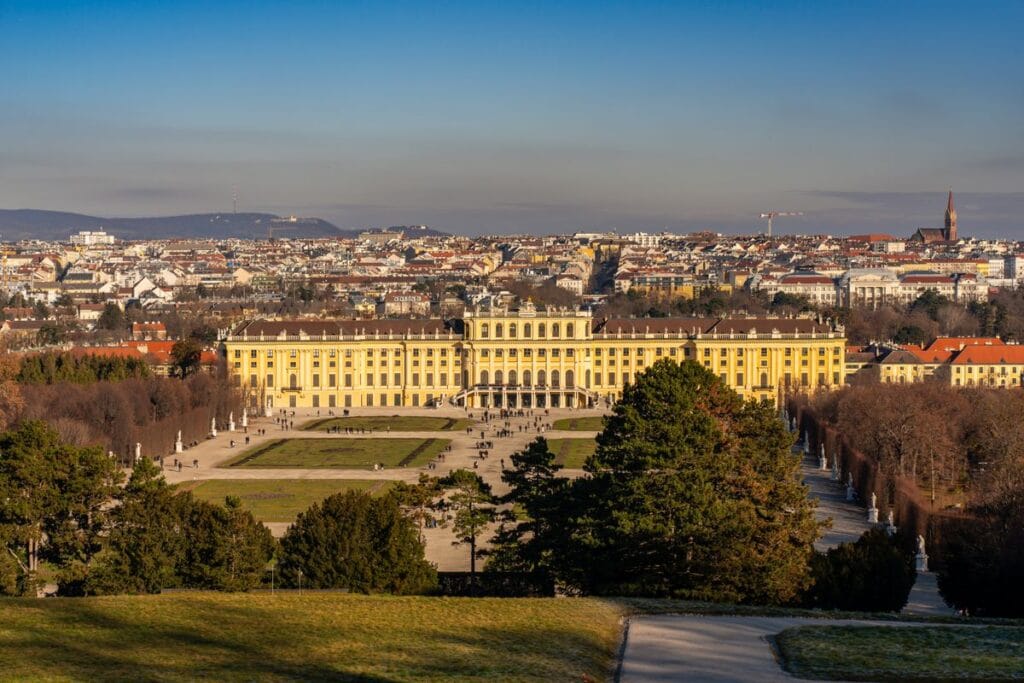
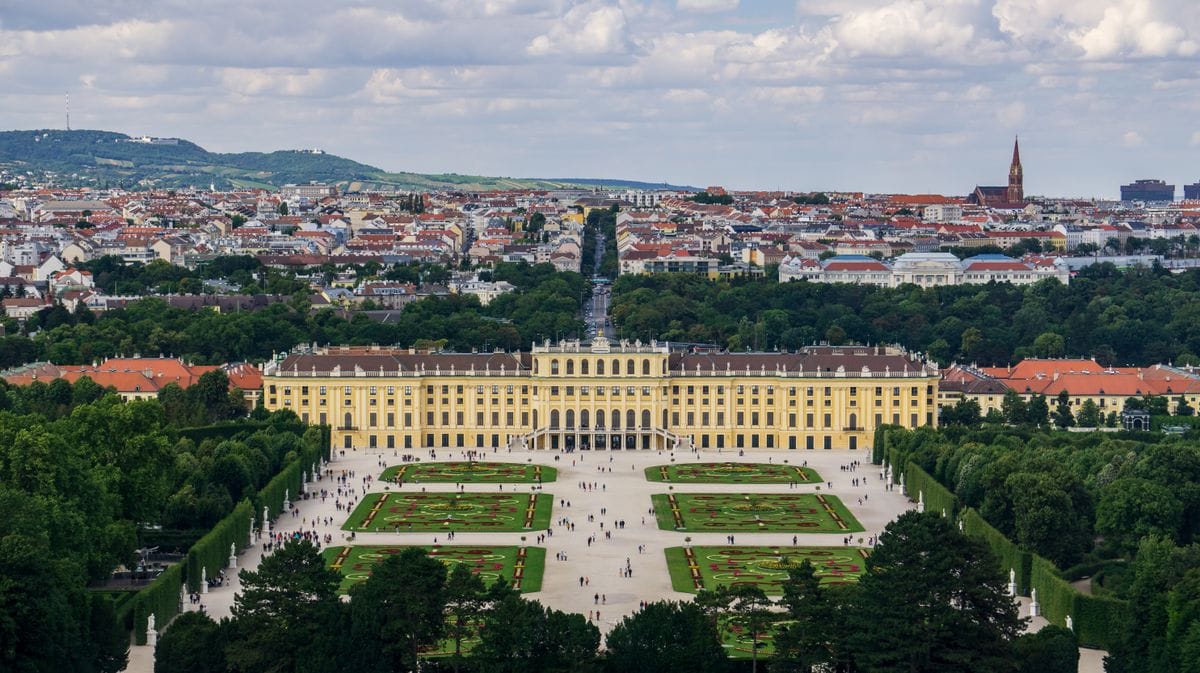
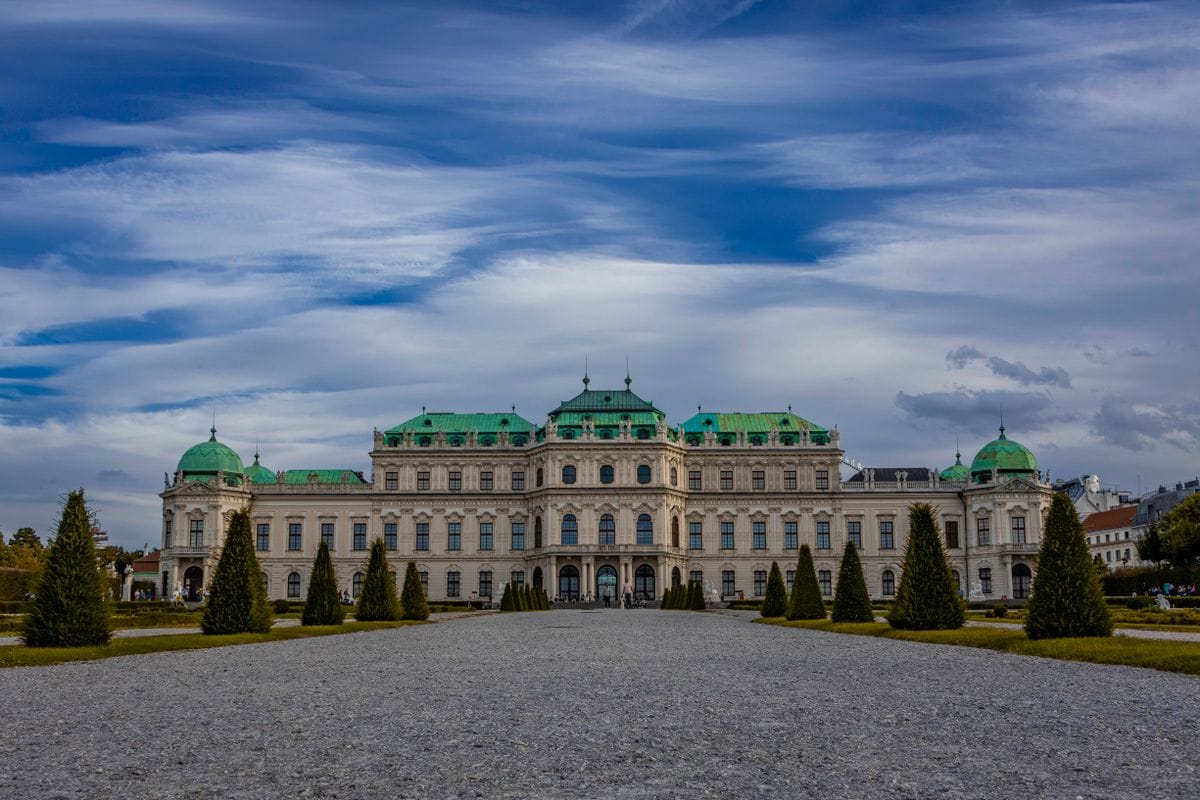
Vienna’s main paid attractions are all quality. Schönbrunn Palace and the Belvedere are genuinely impressive buildings with significant collections. The Kunsthistorisches Museum (KHM) holds one of the better old master collections in Europe. The good news for budget visitors is that the Wien Museum, which covers the history of the city from Roman times to the present, is permanently free. The Natural History Museum and the KHM are both free on the first Sunday of each month.
| Attraction | What you get | 2026 adult price |
|---|---|---|
| Schönbrunn Palace | Grand Tour: 40 imperial rooms incl. Great Gallery | €28 (Grand Tour) |
| Upper Belvedere | Austrian art including Klimt’s The Kiss | €19.50 online |
| Kunsthistorisches Museum | Imperial collections; Vermeer, Velázquez, Caravaggio | €22 online Free 1st Sun |
| Natural History Museum | Meteorites, the Venus of Willendorf, vast mineral collections | €18 Free 1st Sun |
| Wien Museum | Vienna’s history from Roman settlement to today | Free Always free |
| State Opera — Stehplatz | Standing room for full opera productions | €13–18 Remarkable value |
| Riesenrad (Prater) | 65m historic Ferris wheel built in 1897; views across the city | €14.50 |
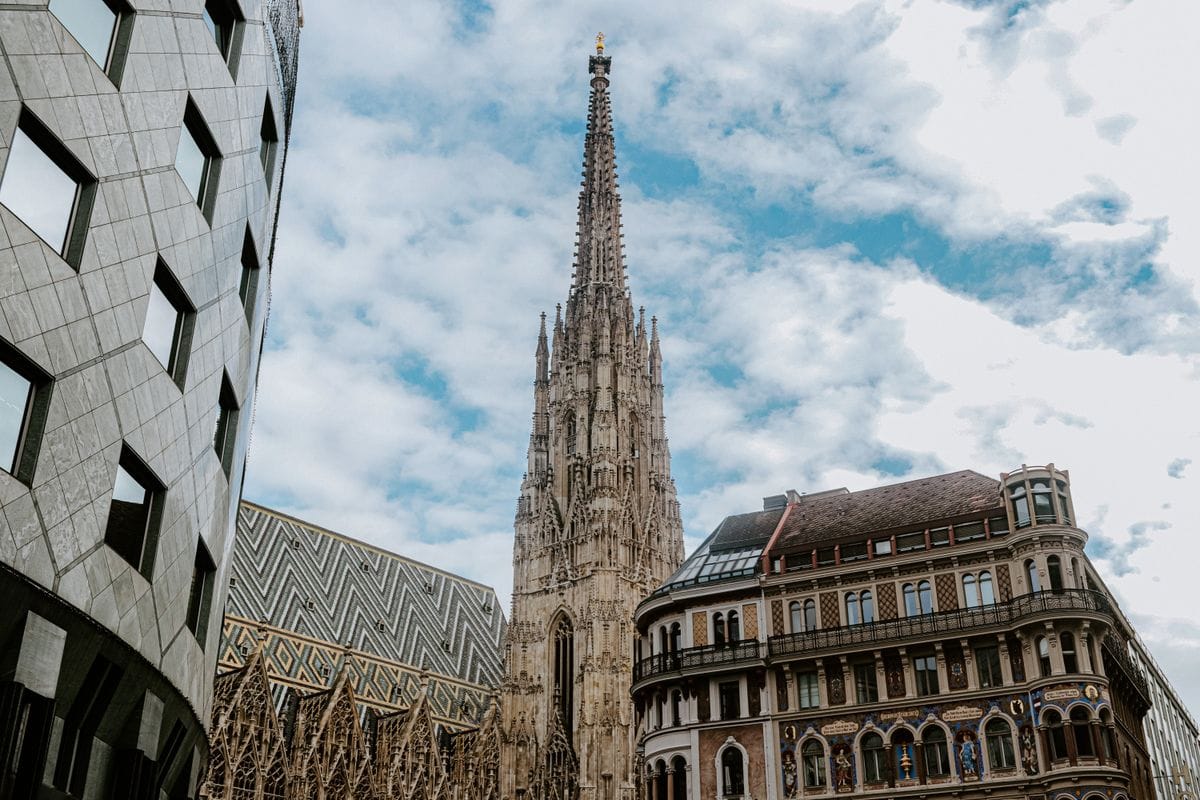
Free attractions worth your time: the Naschmarkt (a 500-stall open-air market between the fourth and sixth districts, open daily), the Prater park and its tree-lined main avenue, the Belvedere gardens, the Secession building exterior (Klimt’s Beethoven Frieze is inside and paid), and the MuseumsQuartier courtyard, which fills up on summer evenings. Stephansdom Cathedral is free to walk through; the South Tower climb is around €8.
Where to eat
The cheapest hot food in Vienna is a sausage from a Würstelstand. These small street stalls are scattered across the city and the Prater park has several. A Käsekrainer (a pork sausage filled with melted cheese), a white bread roll, and mustard costs about €3–5. It is not a restaurant meal but it is a genuine Viennese ritual.
For a sit-down lunch, Gasthaus Pöschl at Weihburggasse 17, just off the Stephansplatz in the first district, is the reliable choice for traditional Viennese food. The lunch set starts from €10.90. A full dinner with wine runs to around €30–40 a head. It is the kind of place where locals eat on a Tuesday, which is usually a good sign.
For a proper Wiener Schnitzel dinner worth the spend, Figlmüller at Bäckerstrasse 6 is the most famous option in the city. The veal schnitzel is large enough to hang over the rim of the plate and mains run €28–32. It fills up every night, so book ahead at figlmueller.at.
Where to stay
Vienna’s first district (Innere Stadt) is the most central but also the most expensive for hotels. The Mariahilf and Naschmarkt area (6th district) is lively and a short U-Bahn ride to the centre. The Hauptbahnhof (main train station) neighbourhood is the best area for budget accommodation, with good transport links into the city.
| Area | Best for | What to expect |
|---|---|---|
| Innere Stadt (1st) | Walking to everything | Schönbrunn, Stephansdom, State Opera all close |
| Mariahilf / Naschmarkt (6th) | Mid-budget stays, local atmosphere | 10–15 min on U4 to the centre; Naschmarkt on the doorstep |
| Hauptbahnhof (10th) | Budget accommodation; rail connections | CAT and S7 trains from airport arrive here; U1 line to centre |
Three properties worth knowing about at different price points, all bookable via Expedia with verified 2026 URLs:
Budget: Premier Inn Wien City Hauptbahnhof sits right by the Hauptbahnhof, with modern, well-reviewed rooms from around €80–95 per night. It is a reliable UK chain and a solid base for anyone watching spend.
Mid-range: The Cloud One Wien-Staatsoper (formerly Motel One) sits near the State Opera in the first district. Rooms are on the compact side but the location is exceptional. Expect to pay around €100–130 per night.
Worth the spend: Hotel Sacher Wien has been on the Philharmonikerstrasse since 1876 and is the home of the original Sachertorte. Rooms start from around €400 per night. If it is in budget for a special trip, it delivers on the expectation.
For more options at all prices, see our hotel deals page.
How much does a Vienna city break cost?
The table below covers daily costs on the ground, excluding flights and accommodation. Vienna is not a cheap city by Eastern European standards, but it is significantly cheaper than London, Paris, or Zurich once you move away from the tourist-trap restaurants around the Stephansplatz.
Food and transport are the areas where budget visitors save the most. The Würstelstand, the Gasthaus at lunchtime, and the U-Bahn single ticket add up to a very reasonable day if you are selective about paid attractions.
| Category | Budget (per day) | Mid-range (per day) |
|---|---|---|
| Accommodation | €35–50 | €100–130 |
| Transport | €6–10 | €15–19 |
| Food | €20–28 | €45–60 |
| Sights | €0–18 | €20–28 |
| Daily total | ~€95–120 Budget | ~€205–260 Mid-range |
Know before you go
A few practical things for UK visitors that are worth knowing before you arrive, including one that catches people out every time: the plugs.
| Topic | What UK visitors need to know |
|---|---|
| Entry and visa | No visa required. Passport recommended. |
| Plugs and adaptors | Type F (round two-pin). UK plugs will not fit. Bring adaptor |
| Currency | Euro (€). Cards accepted almost everywhere. |
| Language | German. English widely spoken in hotels, restaurants, and tourist areas. |
| Driving | Drive on the right. UK driving licence is valid in Austria. |
| Time zone | Central European Time. 1 hour ahead of the UK. |
Vienna sits in the middle of Europe and connects well by rail if you want to extend your trip. Prague is a four-hour train ride east. Berlin is about nine hours by direct train or an hour by air. Both make good additions to a longer European trip.
For a flatter, more walkable canal city at a similar UK flight time, our Amsterdam budget travel guide makes a good contrast to Vienna’s grand imperial pace.
Vienna budget travel: your questions answered
Is Vienna expensive for UK visitors?
Vienna is cheaper than London for food and drink but pricier for central hotels. Budget around €95–120 a day on the ground excluding accommodation and flights. The best museums are free, and you can eat a full Gasthaus lunch for under €15.
Do UK nationals need ETIAS for Austria?
ETIAS, the EU’s planned online entry authorisation for non-EU nationals, has not launched at the time of writing (June 2026). Once it does, UK visitors to any Schengen country, including Austria, will need to register online for a €7 authorisation valid for three years. Check gov.uk for the latest before you travel.
What is the cheapest way to get from Vienna Airport to the city?
The S-Bahn (S7 or REX7 train) runs from the airport to Wien Mitte station every 30 minutes and costs €5.40 single. The City Airport Train (CAT) takes 16 minutes but costs €14.90. Both trains terminate at the same station, where you can change to the U3 underground line.
Is the Vienna City Card worth buying?
It depends on your plans. The 48-hour card at €31 includes unlimited public transport and discounts at over 200 attractions. If you are doing two or more paid museums plus daily U-Bahn travel, it will save money. For a slower trip focused on free sights and walking, two or three single tickets will cost less.
What is the cheapest time to visit Vienna?
January and February have the lowest flight and hotel prices. December is more expensive because of the Christmas markets. July and August are the busiest and most expensive months. The shoulder seasons, April to May and September to October, offer the best combination of reasonable prices and decent weather.
What plug adaptor do I need for Vienna?
Austria uses Type F sockets, which are round two-pin. UK three-pin plugs will not fit. Pack a universal travel adaptor before you leave. This is one of the more common mistakes UK visitors make on a first trip to Austria.
How many days do you need in Vienna?
Three nights is the sweet spot. That gives you enough time to see Schönbrunn, the Belvedere, at least one major museum, an evening at the Opera, and a proper Gasthaus dinner. Two nights is possible but you will feel rushed. For city break inspiration across Europe, including short-haul flight deals, see our main deals pages.

Kate Acaster is Chief Editor at Flight Tribe. She writes about practical travel planning, budget airlines, baggage rules, city breaks, beach holidays and good hotels that do not cost daft money.
Kate has travelled through Europe, South America and beyond, usually with a notebook, a half-formed plan and a strong opinion on airport snacks. At Flight Tribe, her work focuses on helping UK travellers understand what is included, what costs extra, and whether a trip is worth booking at the price shown.
How Kate works
Kate checks the details that can change the value of a trip, including cabin-bag rules, airline fees, hotel location, seasonality, travel dates and booking conditions. She is especially interested in offers that look useful on the surface but need a proper reader-first check before they are worth recommending.
Editorial standards
Flight Tribe covers deals and travel advice for readers first. Affiliate links do not decide whether an offer is worth writing about.