Published 11 October 2024 | Updated 29 August 2026 by Kate Acaster
This Gdansk budget travel guide covers one of the most affordable city breaks in Europe. The capital of Pomerania sits on the Baltic coast of northern Poland, combining a beautifully restored medieval old town with a history that shaped modern Europe. Flights from the UK take just over two hours, and once you land, your money goes a long way. At May 2026 exchange rates of £1 to 4.90 Polish zloty, a comfortable day out costs well under £40.
Advertisement
You will find more destinations covered in Flight Tribe’s destination guides, each built around verified prices for UK travellers.
Search Gdansk flights and hotels
How to get there
Ryanair and Wizz Air operate direct flights from several UK airports to Gdansk Lech Walesa Airport (GDN). The airport is around 12km from the city centre. A ZTM bus (route 110 or 210) connects the airport to the main train station for 4.80 PLN (£0.98). Taxis to the centre cost around 50 PLN (£10.20). Finding cheap flights to Gdansk is easiest with flexible dates and a midweek search. The cheapest day to book flights is typically Tuesday or Wednesday.
| FROM | AIRLINE | FLIGHT TIME |
|---|---|---|
| London Stansted | Ryanair | ~2h 15m |
| London Luton | Wizz Air | ~2h 20m |
| Manchester | Ryanair / Wizz Air | ~2h 30m |
| Edinburgh | Ryanair | ~2h 35m |
| Birmingham | Wizz Air | ~2h 20m |
| Bristol | Ryanair | ~2h 25m |
All routes are direct. If you are unsure whether budget airlines are safe, both Ryanair and Wizz Air are EU-regulated carriers with strong safety records.
Getting around
Gdansk’s ZTM bus and tram network covers the city well. A single journey costs 4.80 PLN (£0.98) and a 75-minute ticket 6 PLN (£1.22). The 24-hour pass at 18 PLN (£3.67) is the best value if you plan to move around during the day. The SKM fast city railway connects Gdansk, Sopot, and Gdynia at intervals of 10 to 15 minutes throughout the day. A single from Gdansk Glowny to Sopot costs 6.20 PLN (£1.27) and to Gdynia 9 PLN (£1.84). The old town is compact and walkable once you arrive in the centre.
| TRANSPORT | PLN | GBP | NOTES |
|---|---|---|---|
| Single bus/tram | 4.80 | £0.98 | Any ZTM route |
| 75-minute ticket | 6.00 | £1.22 | Timed, any route |
| 24-hour pass | 18.00 | £3.67 | Unlimited travel |
| SKM to Sopot | 6.20 | £1.27 | From Gdansk Glowny |
| SKM to Gdynia | 9.00 | £1.84 | From Gdansk Glowny |
| Taxi/Uber (5km) | 20–30 | £4–£6 | Bolt app is cheapest |
Where to stay
The Main City (Glowne Miasto) is the best base, with the Old Town five minutes away on foot. Prices are higher here than in outer districts, but you save on transport. Budget travellers can find hostel dorms from around £10 per night and private rooms from £25. The residential districts of Wrzeszcz and Oliwa, 10 to 15 minutes from the centre by SKM rail, have more affordable hotels from around £35 per night with easy connections back to the sights. Apartments in the Old Town start from around £45 per night and are worth considering for stays of three nights or more.
| TYPE | AREA | FROM (PER NIGHT) | NOTES |
|---|---|---|---|
| Hostel dorm | Main City | £10 | Private rooms from £25 |
| Budget hotel | Wrzeszcz/Oliwa | £35 | 10–15 min by SKM |
| Mid-range hotel | Main City | £60 | Walking distance to sights |
| Old Town apartment | Old Town | £45 | Good for 3+ nights |
Search for hotels and apartments in Gdansk:
What to see
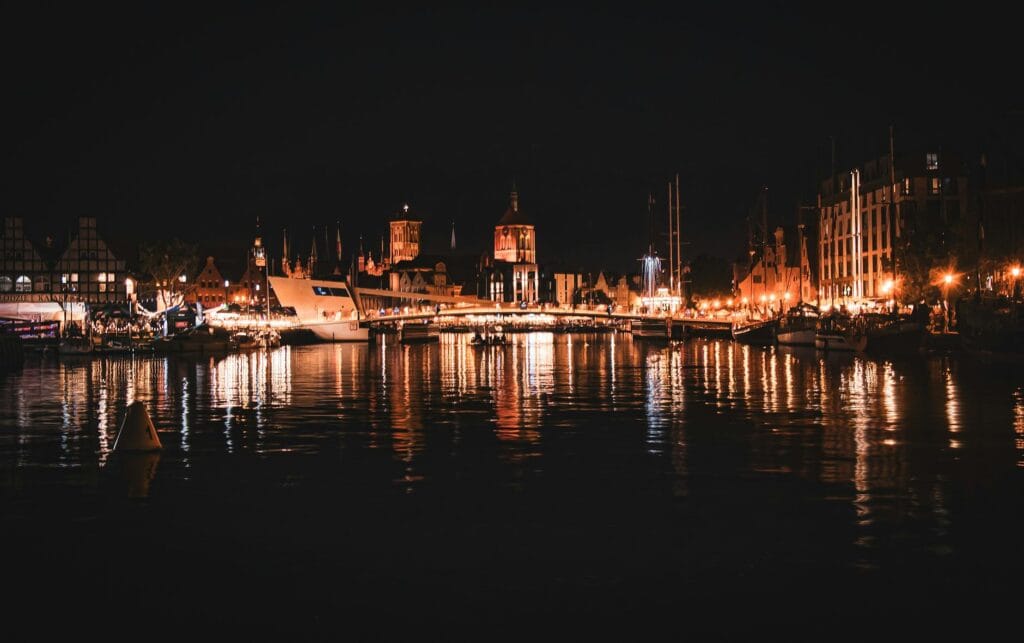
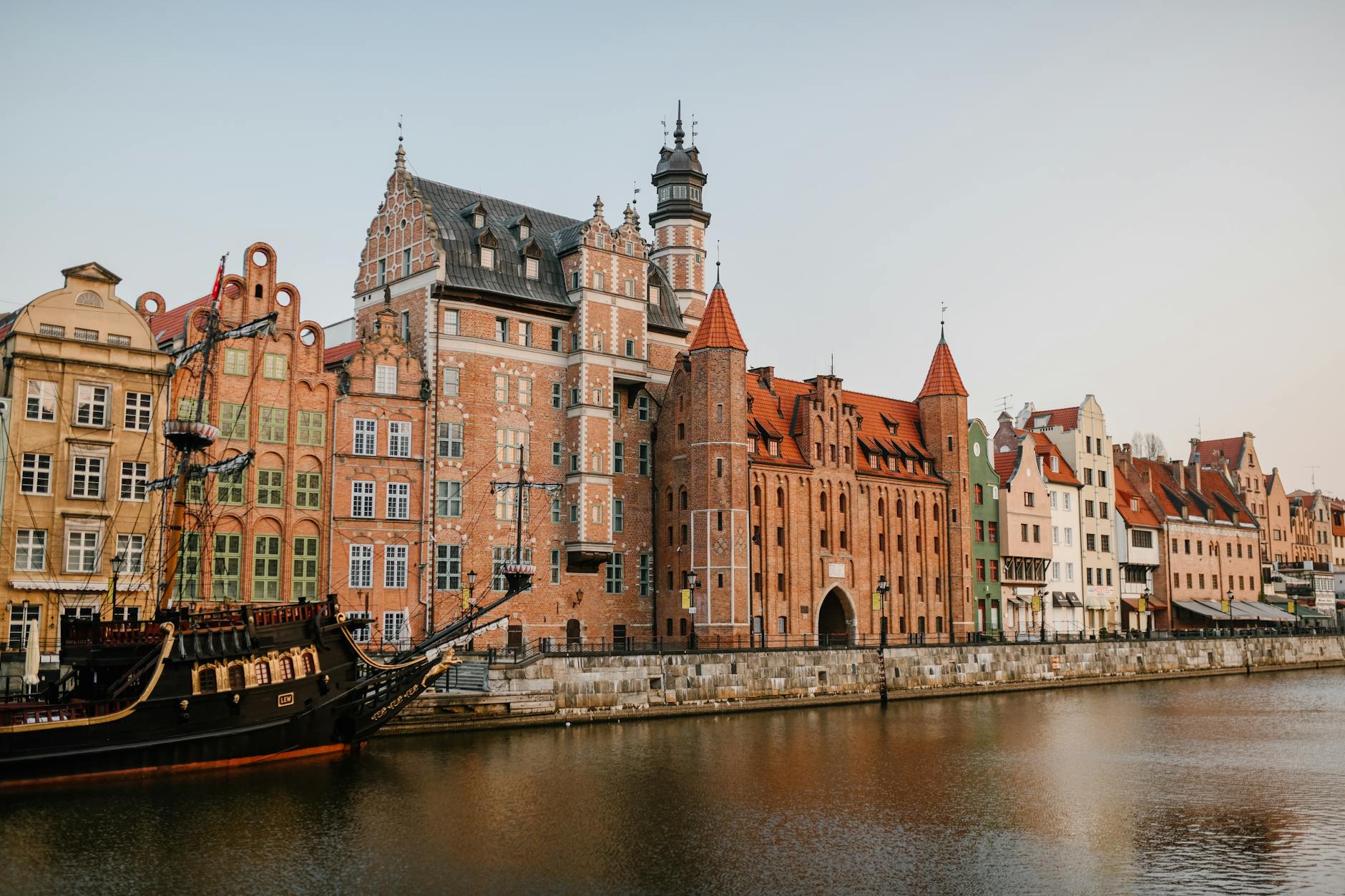
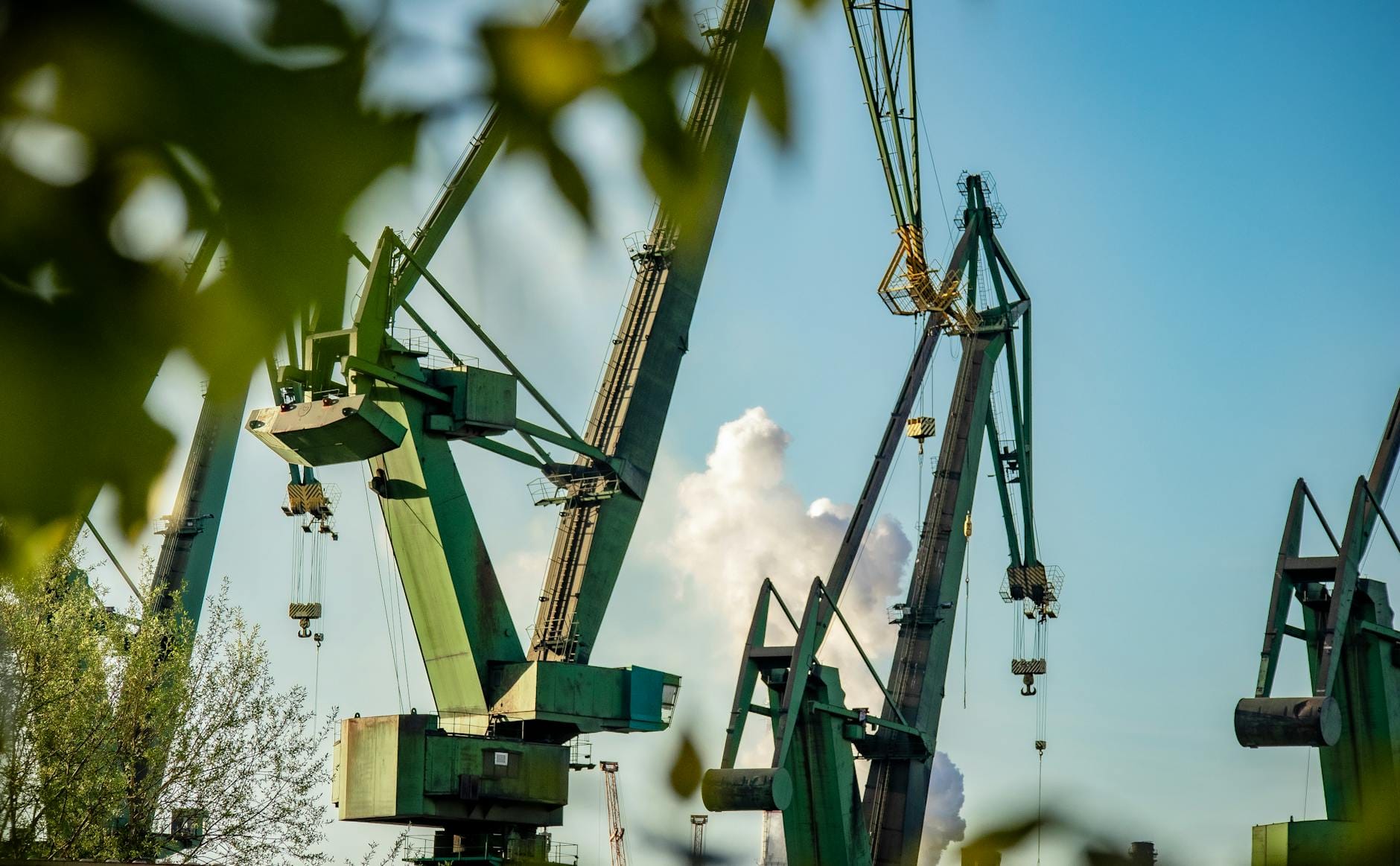
The Long Market (Dlugi Targ), running from the Golden Gate to the Green Gate, is Gdansk’s architectural centrepiece and free to walk. Neptune’s Fountain at its midpoint has stood there since 1633. St Mary’s Church, the largest brick Gothic church in the world, charges nothing to enter and around 12 PLN (£2.45) to climb the tower for views across the rooftops. The two major paid museums sit within 10 minutes of each other on the waterfront. The Museum of the Second World War, opened in 2017, is one of the most thorough in Europe at 29 PLN (£5.92) per adult. The European Solidarity Centre, built on the site of the Lenin Shipyard where the 1980 Solidarity trade union was founded, costs 40 PLN (£8.16) and is as much an architectural experience as a museum.
| ATTRACTION | PRICE (PLN) | PRICE (GBP) | NOTES |
|---|---|---|---|
| Museum of the Second World War | 29 | £5.92 | Closed Mondays |
| European Solidarity Centre | 40 | £8.16 | Closed Mondays |
| St Mary’s Church tower | ~12 | ~£2.45 | 408 steps, open daily |
| Long Market (Dlugi Targ) | Free | Free | Historic main street |
| Neptune’s Fountain | Free | Free | Landmark since 1633 |
| Malbork Castle (day trip) | from ~60 | from ~£12 | Unesco site, 45 min by train |
Day trips: Sopot, Gdynia and Malbork
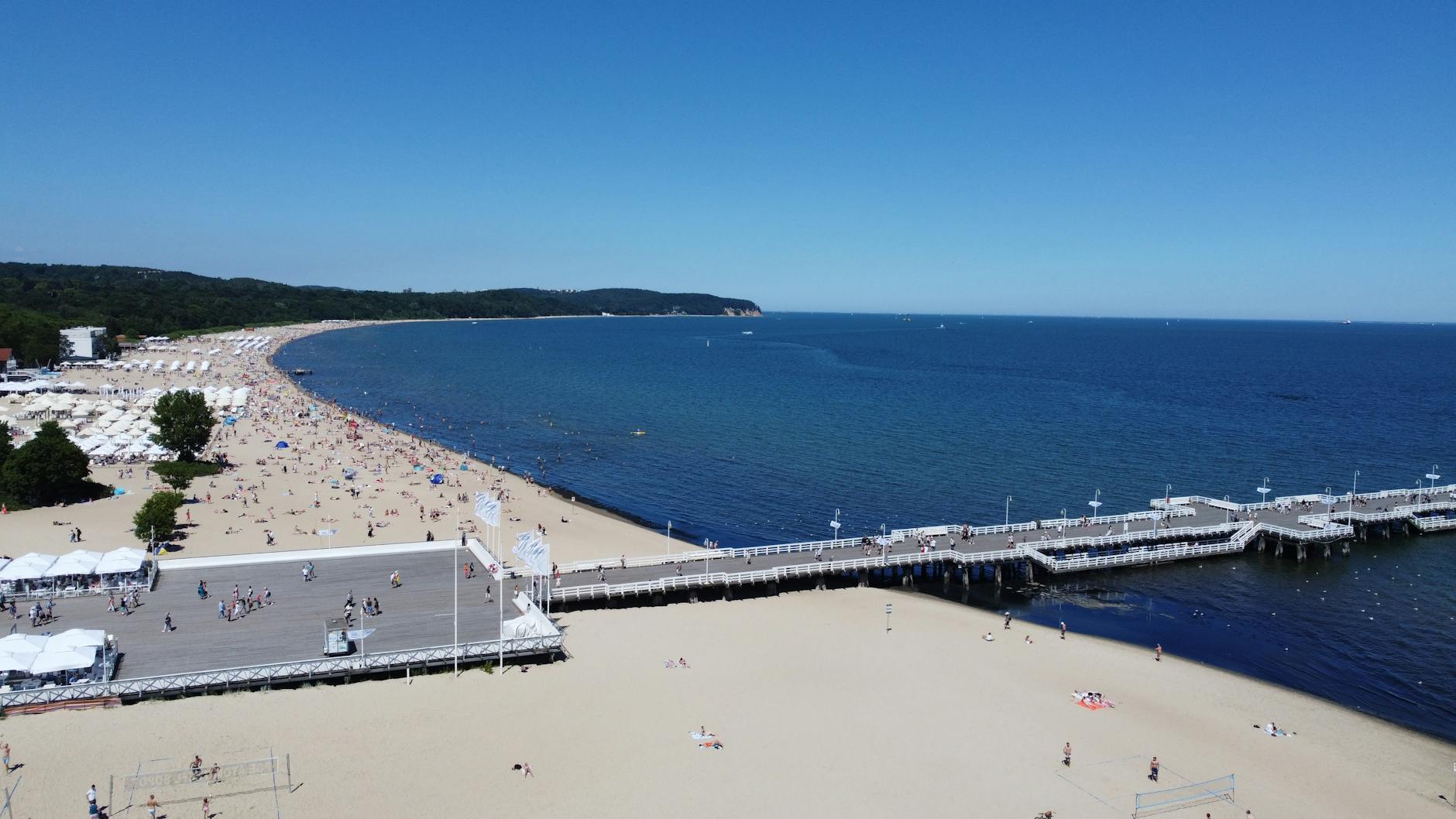
Gdansk is the largest city in the Tricity (Trojmiasto), a conurbation that also includes Sopot and Gdynia. Both are worth a half-day and reachable by SKM rail for under 10 PLN. Sopot is Poland’s premier Baltic resort, with a pleasant spa town feel and the longest wooden pier in the Baltic at 512 metres. Gdynia is a working port city with a strong interwar modernist architecture heritage and the museum ship ORP Blyskawica, a Second World War destroyer open to visitors on the waterfront. Malbork Castle, a vast 14th-century Teutonic fortress and Unesco World Heritage site, is 45 minutes by train and easily done as a day trip. Entry costs from around 60 PLN (£12.24) per adult.

Where to eat
Old Town restaurants are priced for tourists. Step one street back from the Long Market and prices drop sharply. Polish milk bars (Bar Mleczny) offer hot meals for 15 to 25 PLN (£3.06 to £5.10) and are worth seeking out for lunch. Pierogi, Poland’s stuffed dumplings, are the dish to order: a generous plate typically costs 20 to 35 PLN (£4.08 to £7.14). A beer in a backstreet bar costs 10 to 15 PLN (£2.04 to £3.06). For the cheapest option, the market hall area near the main train station has street food stalls for under 20 PLN (£4.08).
How much does Gdansk cost per day?
The table below shows three realistic daily budgets, covering accommodation, food, transport, and one or two paid attractions. All prices at £1 = 4.90 PLN (May 2026).
| BUDGET LEVEL | DAILY (PLN) | DAILY (GBP) | INCLUDES |
|---|---|---|---|
| Shoestring | ~150 | ~£31 | Hostel dorm, milk bar meals, free sights |
| Mid-range | ~300 | ~£61 | Budget hotel, restaurant meals, 2 museums |
| Comfortable | ~450 | ~£92 | Mid-range hotel, good restaurants, day trip |
Practical tips
Card payments are widely accepted in Gdansk, including on public transport via contactless. Polish zloty (PLN) can be exchanged at the airport or in the city centre. Avoid exchange bureaus immediately around the main train station, where rates are poor. Most staff in tourist areas and larger restaurants speak enough English for basic conversations. When you book your holiday matters in Gdansk: summer (June to August) is the busiest period, with St Dominic’s Fair in early August drawing large crowds. Shoulder season (May and September) offers better prices and similar weather with fewer tourists. Gdansk pairs well with other Polish cities: Krakow and Warsaw are both accessible by domestic flight or overnight train. For a wider Baltic trip, Berlin is reachable from Gdansk by train in around five hours.
Frequently asked questions
Is Gdansk expensive for UK visitors?
Not really. At current exchange rates Gdansk is one of the cheapest city breaks in Europe, with a comfortable mid-range day at around £61 all in.
When is the best time to visit Gdansk?
May, June, and September offer the best balance of good weather and lower prices. August is warm but busy, particularly during St Dominic’s Fair.
How long should I spend in Gdansk?
Three days is enough to see the Old Town, both major museums, and make one day trip to Sopot or Malbork. Two full days is a workable minimum.
Do I need cash in Gdansk?
Not for most things. Cards are accepted almost everywhere, though a small amount of zloty is useful for market stalls and smaller milk bars.
Is Gdansk safe for tourists?
Generally yes. Gdansk is considered safe for tourists including solo travellers, with normal precautions advisable in busy areas.

Kate Acaster is Chief Editor at Flight Tribe. She writes about practical travel planning, budget airlines, baggage rules, city breaks, beach holidays and good hotels that do not cost daft money.
Kate has travelled through Europe, South America and beyond, usually with a notebook, a half-formed plan and a strong opinion on airport snacks. At Flight Tribe, her work focuses on helping UK travellers understand what is included, what costs extra, and whether a trip is worth booking at the price shown.
How Kate works
Kate checks the details that can change the value of a trip, including cabin-bag rules, airline fees, hotel location, seasonality, travel dates and booking conditions. She is especially interested in offers that look useful on the surface but need a proper reader-first check before they are worth recommending.
Editorial standards
Flight Tribe covers deals and travel advice for readers first. Affiliate links do not decide whether an offer is worth writing about.