

Published 18 September 2026 | Updated 18 September 2026 by Kate Acaster
Do you need an eSIM for Europe? Only if your own UK network doesn’t already cover you. Just one of the UK’s four big mobile networks still includes EU roaming free for everyone: O2 customers can use their calls, texts and up to 25GB of data anywhere in Europe at no extra cost, on any plan. EE, Three and Vodafone customers need to check their own plan first, since some pay a daily charge and some don’t, depending on when they joined and which tier they’re on.
Advertisement
Which UK networks include free EU roaming?
It depends which network you’re on, and sometimes which plan within that network. Here’s what each of the big four actually charges, checked against their own current roaming pages.
| Free as standard? | What you’ll pay if not | |
|---|---|---|
| O2 | Yes, up to 25GB | Nothing. Included on every Pay Monthly and Pay As You Go SIM, across 48 destinations |
| EE | No, on Pay As You Go | A Roam Like Home add-on (£2.50 for 24 hours, £10 for 7 days), or 70p a minute, 30p a text and £3 per 500MB of data if you don’t opt in |
| Three | Depends on your plan | Free on current Three Your Way Value and Complete plans (up to 12GB). Lite or older plans pay £2 to £2.75 a day, depending on when you joined |
| Vodafone | Depends on your plan | Free if your plan includes Zone B (most of the EU). If not, a daily roaming fee or a roaming Extra applies |
How to check what your own plan includes
Every network above has a free tool that answers this in under a minute: log into the network’s own app, or use its roaming charge checker on its website, and enter your destination. Do this before you fly, not after you land. Three’s welcome text and EE’s opt-in prompt both arrive the moment you connect to a foreign network, which is too late to shop around for a better option.
If your network charges for EU roaming and your trip is longer than a few days, or you’re visiting more than one country, compare that daily charge against a dedicated travel eSIM before you go. A £2 to £2.75 daily fee adds up fast on a two-week trip, and some travel data plans undercut it comfortably for data-only use.
What is an eSIM, and how is it different from a physical SIM?
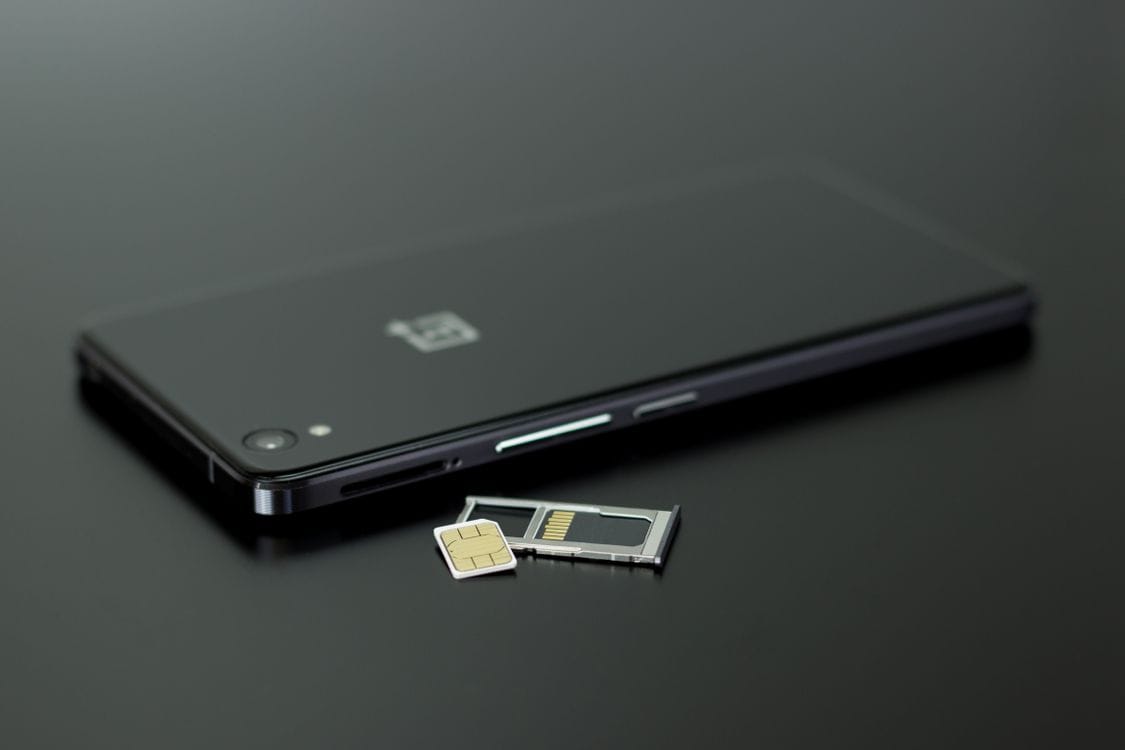
An eSIM is a digital SIM profile stored on your phone instead of a physical card. You add it by scanning a QR code or installing an app from the provider, and most phones sold in the UK since 2018 support it, including the iPhone XS onwards and most recent Samsung and Google handsets. You don’t need to remove your existing UK SIM to use one. Most phones can run both at once, so your UK number stays active for calls and texts while a travel eSIM handles data through the local network instead.
When buying an eSIM for Europe actually makes sense
It isn’t automatically worth adding one. If you’re on O2, or on a Three or Vodafone plan that already includes free EU roaming, you’d be paying twice for something you already have.
It makes genuine sense in three situations. Your network charges a daily fee and your trip runs long enough for that to add up. You’re travelling through several countries and don’t want to track each one’s fair-use data cap separately. Or you’re already close to your network’s roaming data limit (12GB on Three, 25GB on O2) partway through a longer trip and need more without a mid-holiday top-up call.

Buy a travel eSIM from the provider’s own app or website, not a marketplace listing you can’t verify, and check the coverage map for your specific country before paying. Some plans are single-country, others cover a whole region, and the cheapest headline price is sometimes the narrowest one. Activate it before you leave the UK where possible. Most providers require a working internet connection to install the profile, which is far easier over home WiFi than in an airport queue.
Avoiding accidental roaming charges
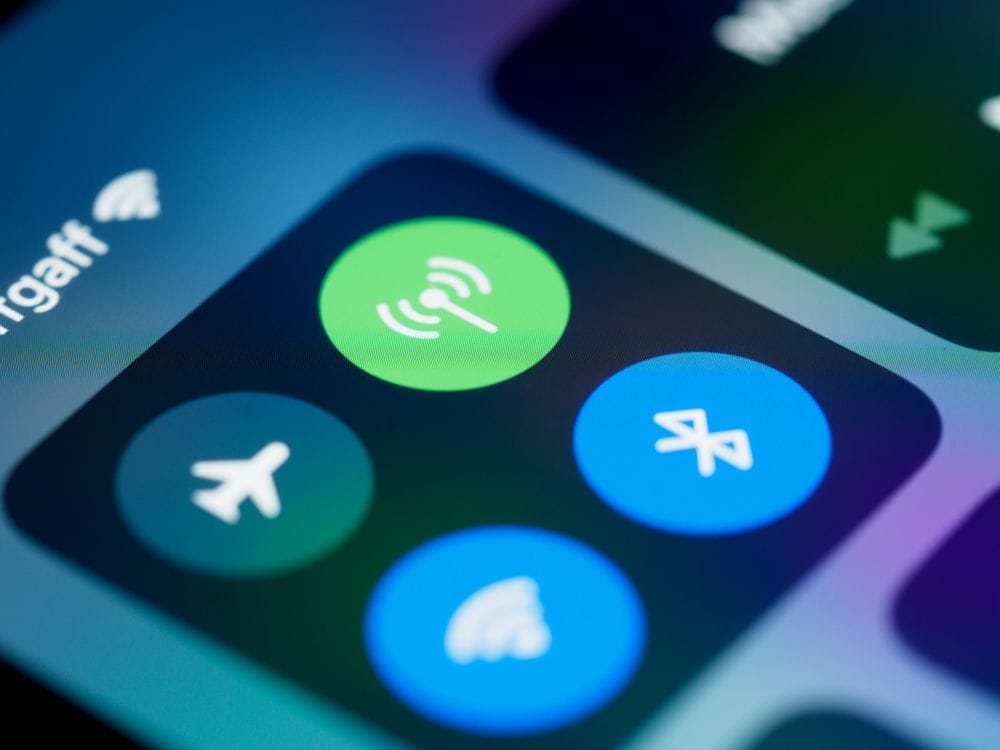
Turn off data roaming in your phone’s settings until you’ve landed and confirmed which network you’re on and what it’s going to charge. Use airport or hotel WiFi for that first check rather than letting your phone connect automatically. Every major UK network lets you set a spend cap through its app, which stops charges building up silently if you forget to check before you travel. If your phone connects to a network in a neighbouring country by mistake, most providers will text you a warning before charging anything, so read that text rather than dismissing it.
None of this needs doing more than once per trip. Check your network, decide whether an eSIM is worth adding, and set your spend cap before you leave the house. Everything after that is automatic.
More on getting ready for your flight
Staying connected in the air matters too. See what British Airways, Virgin Atlantic and Jet2 charge for onboard WiFi, so you’re not caught out mid-flight either.
- Still sorting the logistics before you go? Check how far in advance to book airport parking so you’re not paying the walk-up rate.
- Before you pack, check your airline’s cabin and hold baggage allowance so nothing gets turned away at the desk.
- Timing your arrival? See how early to arrive at the airport for bag drop and gate cut-off times.
“The EE opt-in prompt and Three’s welcome text both land the moment you connect abroad, and by then you’ve already lost the chance to compare that daily charge against an eSIM that might have worked out cheaper. Checking your network before you fly takes a minute and costs nothing. It’s the difference between knowing what a fortnight abroad will cost you and finding out from your next bill.”
Kate Acaster, Chief Editor, Flight Tribe
eSIMs and EU Roaming: FAQs
Do I need an eSIM for a European holiday?
No, not automatically. If you’re with O2, or on a Three or Vodafone plan that already includes free EU roaming, you already have what you need. It’s worth considering if your network charges a daily fee or your usual data allowance runs out mid-trip.
Which UK network has free EU roaming?
O2 is the only one of the big four that includes it free for every customer, up to 25GB, on both Pay Monthly and Pay As You Go. Three and Vodafone include it on some plans but not others, and EE Pay As You Go customers pay unless they opt into a Roam Like Home add-on.
Does an eSIM work in every European country?
Only in the countries its specific plan covers. Some travel eSIMs are single-country, others cover a whole region. Always check the coverage map on the provider’s own site before buying, rather than assuming “Europe” means every country on the continent.
Can I keep my UK number and use an eSIM at the same time?
Yes, on most phones sold since around 2020. Your physical UK SIM stays active for calls and texts, while the eSIM handles data through the local network. Check your specific model supports dual SIM use before you travel.
How much data do I actually need for a week in Europe?
For maps, messaging and browsing without much streaming, 5GB comfortably covers a week for one person. Add more if you plan to stream video or use your phone as a hotspot for a laptop.
Will my phone accidentally roam and charge me?
It can, particularly near a border or coastline where your phone may pick up a foreign network without you realising. Most networks text a warning before charging anything, so turn off data roaming until you’ve read it and confirmed the cost.

Kate Acaster is Chief Editor at Flight Tribe. She writes about practical travel planning, budget airlines, baggage rules, city breaks, beach holidays and good hotels that do not cost daft money.
Kate has travelled through Europe, South America and beyond, usually with a notebook, a half-formed plan and a strong opinion on airport snacks. At Flight Tribe, her work focuses on helping UK travellers understand what is included, what costs extra, and whether a trip is worth booking at the price shown.
How Kate works
Kate checks the details that can change the value of a trip, including cabin-bag rules, airline fees, hotel location, seasonality, travel dates and booking conditions. She is especially interested in offers that look useful on the surface but need a proper reader-first check before they are worth recommending.
Editorial standards
Flight Tribe covers deals and travel advice for readers first. Affiliate links do not decide whether an offer is worth writing about.