Published 12 August 2026 | Updated 1 September 2026 by Kate Acaster
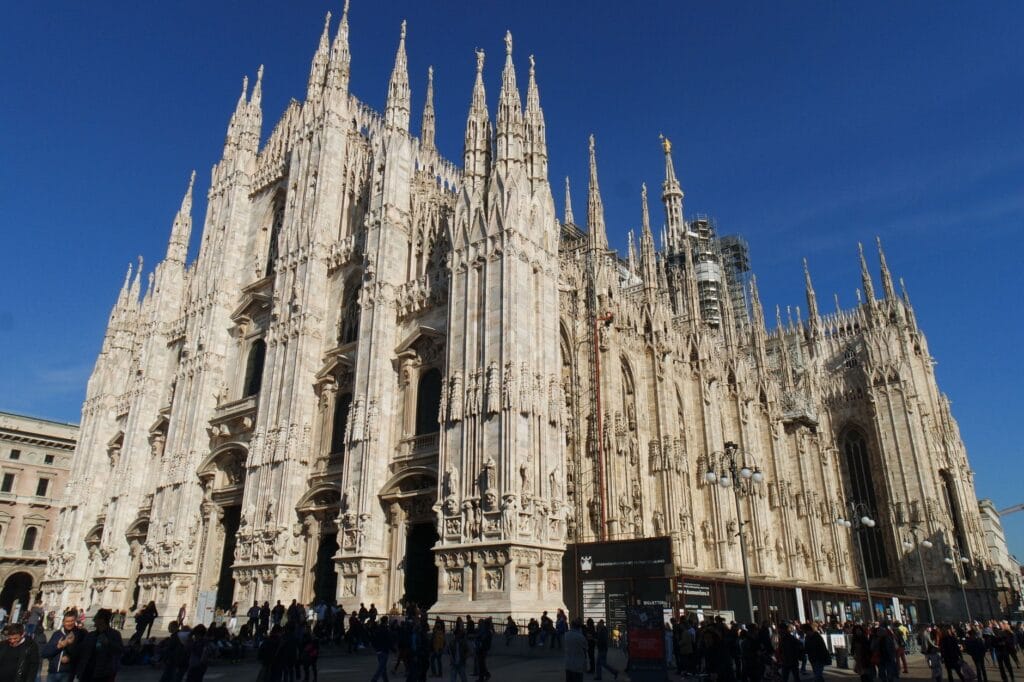
Is Milan worth visiting? Yes. The Duomo is one of Europe’s largest Gothic cathedrals. Its facade took nearly six centuries to finish. Leonardo’s Last Supper is the original mural, not a print or a copy, and seeing it in person is a once-in-a-lifetime sight for most visitors. The Navigli canals fill with bars and free aperitivo buffets every evening. The shopping streets and design studios around Via Montenapoleone are why Milan ranks alongside Paris and London as a fashion capital. Lake Como and Verona are both close enough for a day trip by train.
Advertisement
It can also be expensive if you let it. A coffee at a table on Via Montenapoleone can run past €6, and the Duomo’s rooftop terrace costs €19 by the stairs or €22 by lift. A realistic day covers the essentials for a fraction of that: a €7.60 all-day travel pass, a €2.50 panzerotto from Luini, and one paid attraction such as the Last Supper or Sforza Castle’s museums.
Milan at a glance
- Flight timeUnder 2 hours 15 minutes direct from most UK airports
- AirportsMalpensa (MXP), Linate (LIN) or Bergamo (BGY)
- CurrencyEuro (€)
- Time zone1 hour ahead of the UK year-round
- LanguageItalian; English is widely spoken in the centre
- VisaVisa-free for UK passports, up to 90 days in any 180
Italy uses the euro, so there’s no separate currency to budget for the way there is in Copenhagen or elsewhere in Scandinavia. UK passport holders need no visa for stays of up to 90 days, the same Schengen rule that covers Rome and Amsterdam too.
How to keep Milan costs down
Milan’s bill swings harder on where you eat and which airport you land at than on where you sleep. These five choices do more to control the total than anything else in this guide.
| Do this | Why it works |
|---|---|
| Fly into Linate rather than Malpensa if the fare is close | Linate’s M4 metro reaches San Babila in the centre in 12 minutes for €2.20, against a 51-minute, €15 Malpensa Express journey |
| Eat your main meal at aperitivo, not dinner | A €8-12 drink at a Navigli bar typically comes with a free buffet substantial enough to skip a separate sit-down meal |
| Buy the day travel pass the moment you plan two-plus journeys | €7.60 covers unlimited metro, tram and bus travel for 24 hours, cheaper than three single tickets |
| Book the Last Supper the moment your dates are fixed | Tickets are released in quarterly blocks and sell out; a €15 ticket booked early beats a marked-up resale one booked late |
| Skip the MilanoCard unless you’re doing several paid sights a day | At €17 for 48 hours it only pays off with heavy museum and transport use; a single Duomo and castle visit costs less bought separately |
"The mistake most first-time visitors make is booking the Last Supper as an afterthought, once they’re already in Milan. It doesn’t work that way. Cenacolo Vinciano releases tickets in quarterly blocks months ahead, only forty people are let in at a time, and once a block sells out your only realistic option is a marked-up resale tour. If Leonardo’s painting is on your list at all, book it the same week you book your flights, not the week before you fly."
Kate Acaster, Chief Editor, Flight Tribe
Latest Milan deals
Getting to Milan from the UK
Milan is served directly from around a dozen UK airports across three Milan airports, with flight times mostly under two and a quarter hours. British Airways, easyJet, Ryanair and ITA Airways all fly the route. Flight Tribe’s package holidays guide compares bundled deals if you’d rather book flights and a hotel together.
| Airport | Airlines | Flight time from London | Notes |
|---|---|---|---|
| Malpensa (MXP) | British Airways, easyJet, ITA Airways | ~1h50m-2h15m | The main long-haul and full-service hub, but 49km out of the city |
| Linate (LIN) | British Airways, easyJet | ~1h55m | Inside the city ring, directly on the M4 metro line |
| Bergamo (BGY) | Ryanair | ~2h | Around 45km out; Ryanair runs roughly 90% of its Milan flights from here, not central Milan |
Visa and entry requirements for UK travellers
UK passport holders do not need a visa to visit Milan, or anywhere else in Italy. Stays of up to 90 days in any 180-day period are covered under the Schengen area’s standard visa-free allowance. Your passport must have been issued within the last 10 years, and it must remain valid for at least three months beyond the day you plan to leave the Schengen area.
EES and the delays it’s causing at Milan’s airports
The EU’s Entry/Exit System (EES) is now being rolled out across the Schengen area, recording fingerprints and a photo from arriving non-EU passport holders, including UK travellers. The UK Foreign, Commonwealth & Development Office’s own travel advice for Italy flags this as causing delays at passport control at major airports, Malpensa included. Build in extra time, particularly if you have a short connection.
Getting from Milan’s airports to the city centre
Which airport you land at changes your transfer options more than in most cities. Linate sits inside the city ring; Malpensa and Bergamo both sit well outside it.
| Route | Cost | Detail |
|---|---|---|
| Linate → centre (M4 metro) | €2.20 | 12 minutes direct to San Babila; doesn’t run after midnight |
| Malpensa → centre (Malpensa Express train) | €15 | 51 minutes to Milano Centrale, Cadorna or Porta Garibaldi |
| Bergamo → centre (shuttle bus) | Around €10 | About an hour to Milano Centrale, running every 20-30 minutes |
| Official taxi, any airport, to inside the city ring | €104 flat rate from Malpensa | Fixed by the city and posted at the official rank; only use taxis with the yellow TAXI sign |
The airport taxi tout scam to know before you land
Men in plain clothes approach arriving passengers at Malpensa and Milano Centrale offering an “official airport transfer” at a flat price of €80 or €100. They are not licensed taxis, and the final price routinely doubles once you reach your hotel. Walk past anyone approaching you inside the terminal or station and go directly to the marked taxi rank outside, where the flat fare to the city ring is fixed and posted.
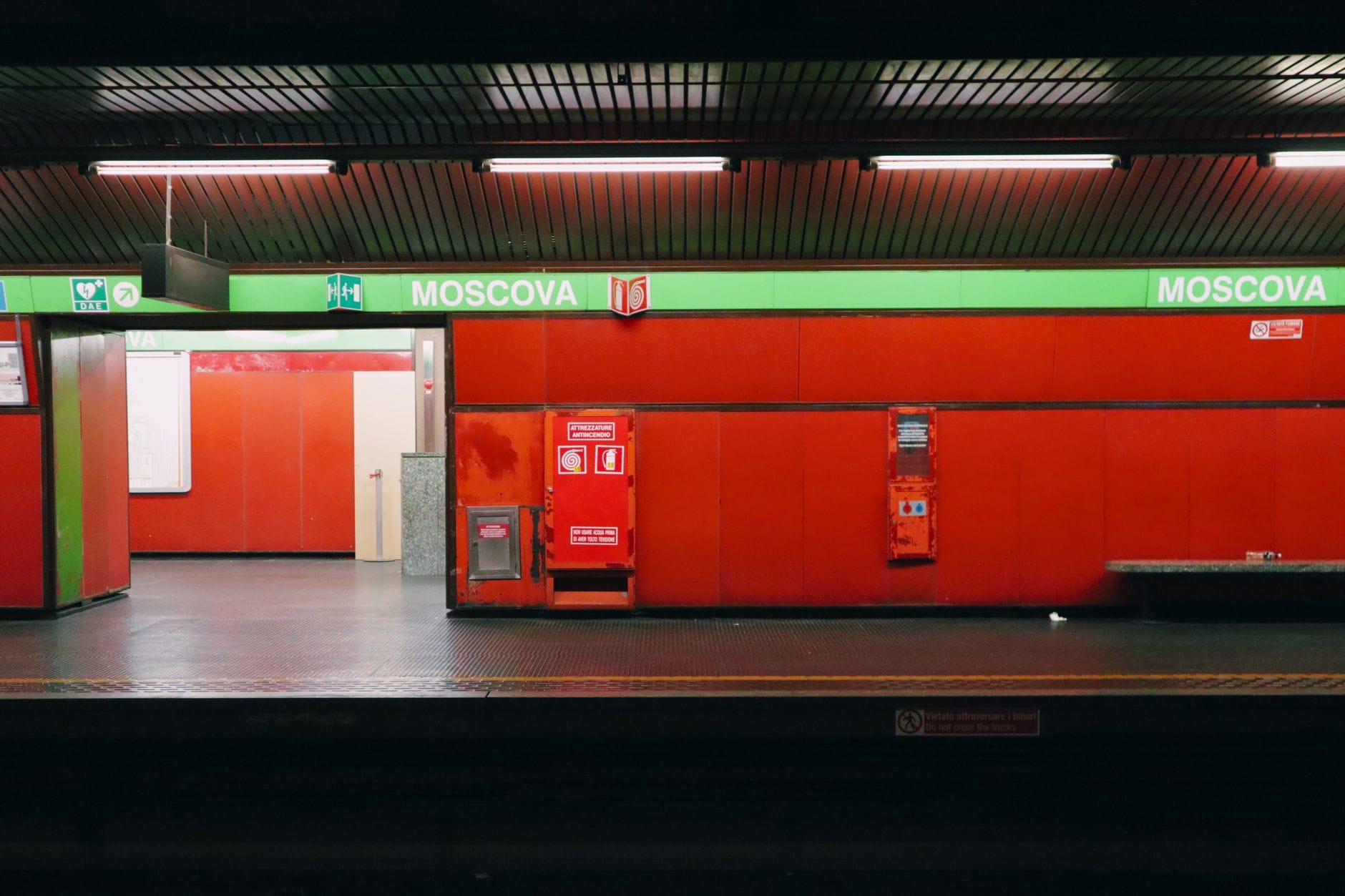
Landing at Linate rather than Malpensa is the single easiest way to cut a transfer bill in Milan. The M4 metro runs directly beneath the terminal to San Babila, in the heart of the fashion district, for the same €2.20 as any other single ticket in the city.
Getting around Milan
Central Milan, from the Duomo to the Navigli and Brera, is compact enough to cover mostly on foot and metro. The tram network is the city’s other defining feature, with several routes still run on vintage 1920s carriages that are worth riding for their own sake.
| Option | Cost | Detail |
|---|---|---|
| Single ticket (BIT) | €2.20 | Valid 90 minutes from first validation, covers unlimited metro plus one tram or bus journey |
| Day pass | €7.60 | Unlimited travel on metro, tram and bus for 24 hours; pays for itself after three single journeys |
| Walking | Free | The Duomo, Galleria and Brera are all within about 20 minutes of each other on foot |
Mopeds, scooters and crossing the pedestrianised centre
Milan’s Area C low-traffic zone keeps most cars out of the centre, but mopeds and scooters are specifically exempt and make up around 30% of the traffic still moving through it. That matters at street level: a junction that looks pedestrian-only can still have a scooter moving through it faster than a car would. Check both directions before crossing, even around the Duomo itself.
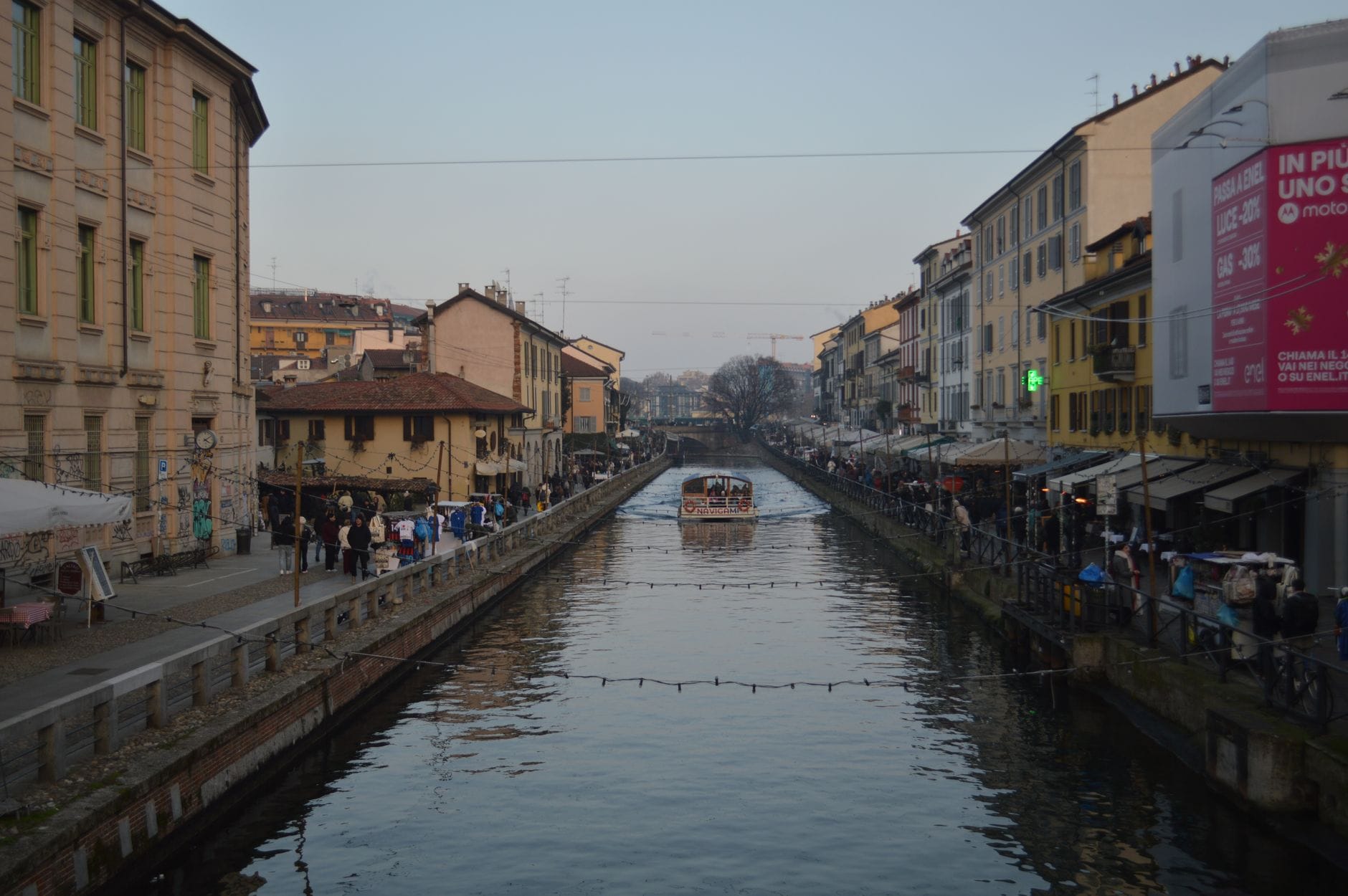
The Navigli district is Milan’s answer to a night out that doesn’t need a dinner reservation. Aperitivo runs from roughly 6pm to 9pm, and the honest local trick is arriving around 7pm, early enough to get a table and a fresh buffet spread, before the towpaths properly fill up.
Where to base yourself in Milan
The centre, around the Duomo and Brera, puts you within walking distance of the main sights but carries the highest room rates. Navigli, a 10-15 minute tram ride south, trades a little convenience for noticeably better value and Milan’s best evening food and drink scene. Porta Venezia, Milan’s Art Nouveau quarter, is quieter and cheaper again, with easy metro access into the centre. Isola, north of Porta Garibaldi, is the newest of the four, a formerly industrial district now built up around the CityLife towers.
Free and cheap things to do in Milan
Milan’s reputation for expense mostly comes from its shopping streets and Michelin dining rooms, not its sights. Several of the best things to do here cost nothing at all.
| Activity | Cost | Detail |
|---|---|---|
| Casa Museo Boschi Di Stefano | Free | A private apartment turned gallery holding over 300 20th-century Italian works; book ahead to avoid a wait |
| Sforza Castle courtyards and grounds | Free | Entry to the castle’s own courtyards is free, unlike the paid museums inside its walls |
| Galleria Vittorio Emanuele II | Free to walk through | The 19th-century glass-domed arcade beside the Duomo; the shops are Milan’s most expensive, but looking up costs nothing |
| Navigli aperitivo | Price of a drink, €8-12 | A drink typically buys access to a free buffet substantial enough to double as dinner |
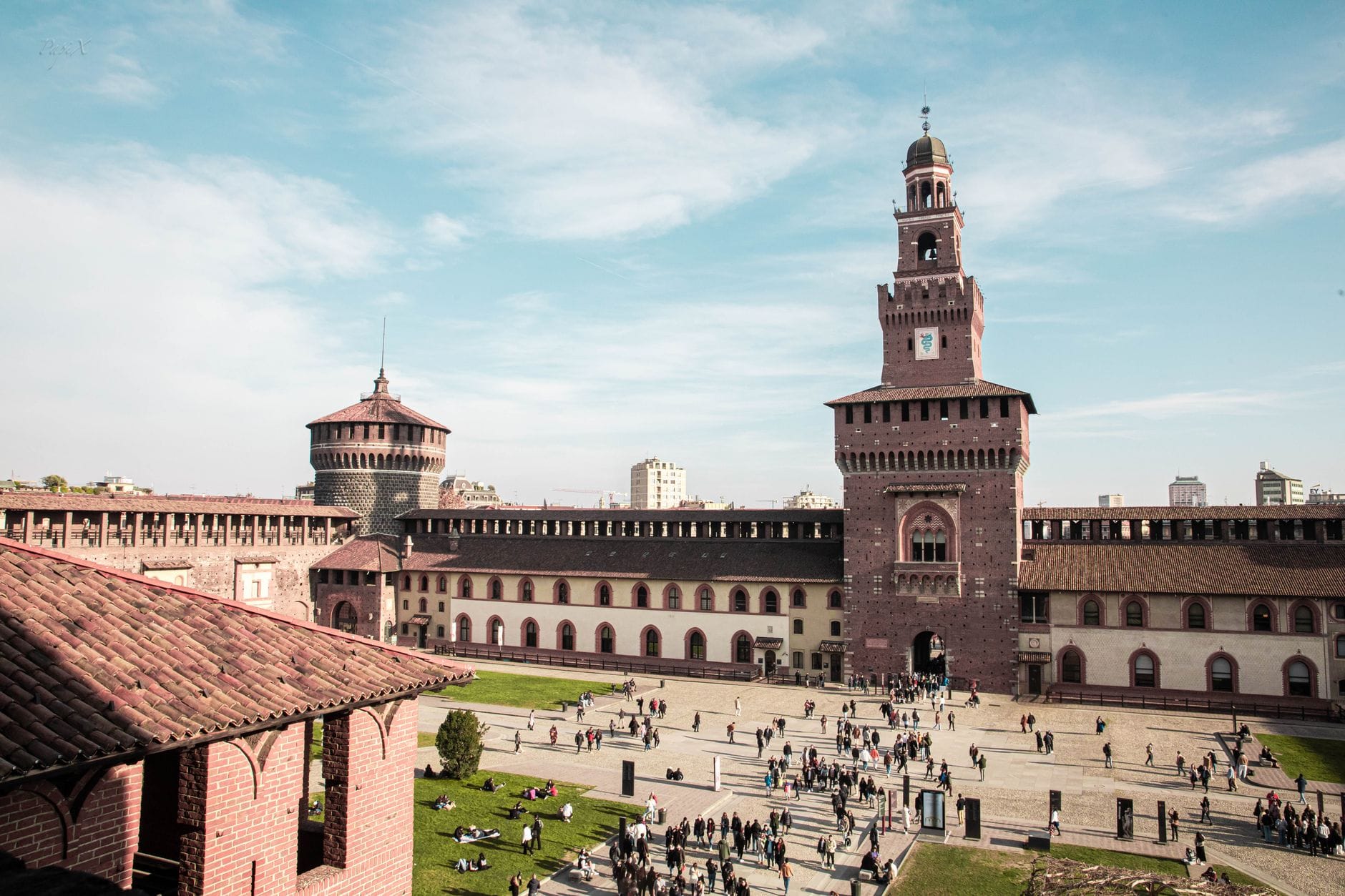
The castle was built in the 15th century for the Sforza dukes of Milan and now holds several free-to-enter courtyards alongside paid museums, including one with Michelangelo’s unfinished final sculpture. No ticket is needed for the courtyards themselves, only for the museum rooms around them.
Where to stay in Milan
Room rates around the Duomo run well above Navigli or Porta Venezia for a comparable standard. All three properties below are real, bookable listings rather than a generic price band.
Three places to book on Expedia
| Hotel | Tier | Location | Why book it | Book |
|---|---|---|---|---|
| Ostello Bello Milano Centrale | Hostel & private rooms Budget | Near Porta Venezia and Milano Centrale | Dorms and private rooms with an on-site restaurant, terrace and games room, steps from the airport bus terminal | |
| Hotel Milano Navigli | 3-star Mid-range | Navigli district, on Piazza 24 Maggio | 22 soundproofed rooms with rainfall showers, a breakfast terrace, right by the Porta Ticinese metro stop | |
| Bvlgari Hotel Milano | 5-star luxury Worth it | Private street off Via Montenapoleone | 61 rooms around a 4,000-square-metre private garden, an indoor pool, and a restaurant from three-Michelin-star chef Niko Romito |
Where to eat and drink in Milan
A panzerotto, a fried or baked pocket of dough stuffed with tomato and mozzarella, is the honest everyday benchmark. A good one from a proper counter costs a fraction of what the same idea costs on a tourist-facing menu near the Duomo.
Three places to know
| Restaurant | Price range | What to expect |
|---|---|---|
| Luini, Via Santa Radegonda | €2.50 a panzerotto Budget | Trading since 1949, steps from the Duomo, a fast-moving counter of fried and baked panzerotti |
| Trattoria Madonnina, Navigli | €15-25 a main Mid-range | A retro, checkered-tablecloth trattoria serving traditional Milanese cooking at budget-friendly prices |
| Cracco, Galleria Vittorio Emanuele II | From around €130 for the tasting menu, before wine Worth it | A one-Michelin-star dining room inside the Galleria itself; the set lunch menu is the best-value way in |
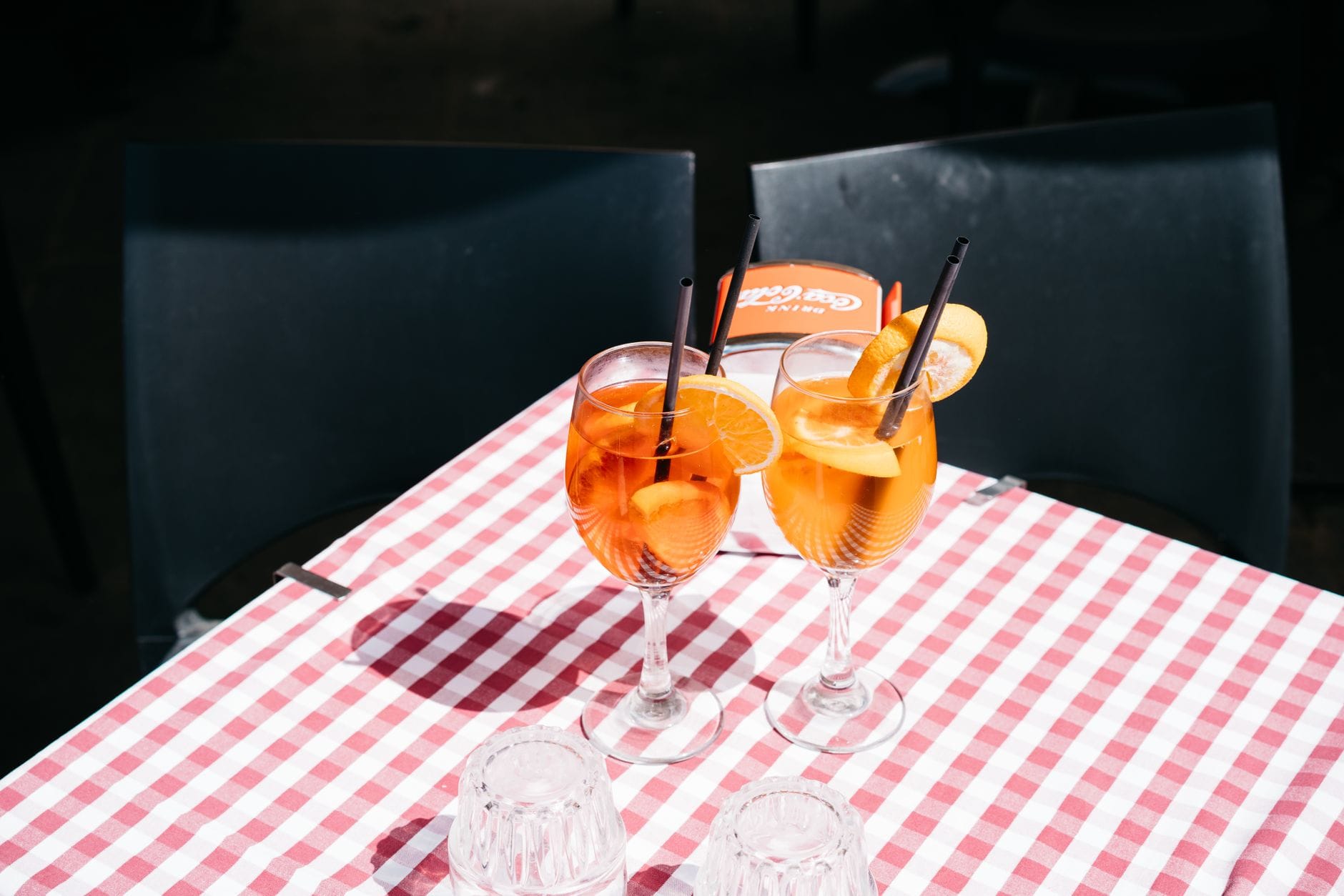
The deal is simple: buy one drink, usually €8-12, and the buffet that comes with it is free. Expect small pizzas, cured meats, cheese and pasta dishes laid out from around 6pm, enough that a spritz at the right bar replaces a separate dinner bill.
The Duomo, the Last Supper and Milan’s paid attractions
The Duomo took 579 years to finish. Construction began in 1386 and the final details on the facade weren’t completed until 1965, a span that outlasted the city’s Sforza dukes, three separate occupying powers, and the unification of Italy itself. Basic cathedral entry is free; the rooftop terrace, where you can walk between the spires at close range, costs €19 by the stairs or €22 by lift.
Leonardo’s Last Supper
Il Cenacolo Vinciano costs €15 per person, but the real cost is planning ahead. Only 40 visitors are admitted per 15-minute slot, tickets are released in quarterly blocks months in advance, and a limited batch of leftover tickets goes on sale online every Wednesday at noon for the following week. Book the moment your travel dates are fixed; leaving it until you land in Milan usually means paying several times over for a guided-tour resale ticket instead.
Is the MilanoCard worth it?
Usually not for a short UK break. The MilanoCard costs around €17 for 48 hours and bundles public transport with entry to a list of museums. It only pays for itself if you’re visiting several paid sights a day across your whole trip; a traveller doing the Duomo, the Last Supper and mostly walking will spend less buying each ticket separately.
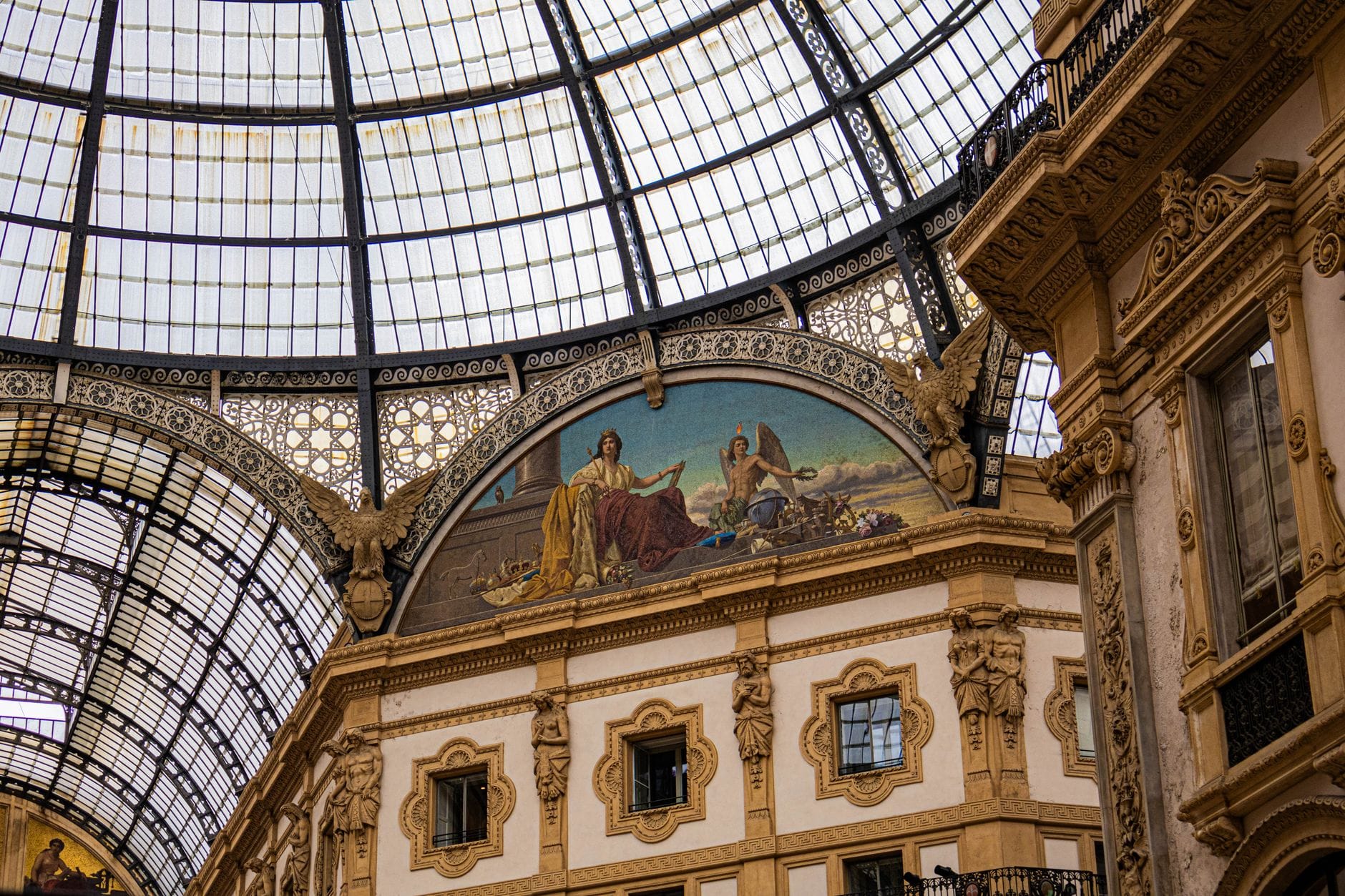
The Galleria connects the Duomo to La Scala opera house. It costs nothing to walk through, even though the shops inside it are among the most expensive in Milan. Tradition holds that spinning a heel on the mosaic bull beneath the dome brings good luck. Thousands of visitors have done it, wearing a patch into the floor.
How much does Milan cost per day
Keeping costs down in Milan doesn’t mean missing the big sights. A traveller who walks or takes the metro, eats at aperitivo, and treats one paid attraction as the day’s deliberate spend can manage comfortably.
| Traveller type | Per day estimate | What that covers |
|---|---|---|
| Budget | €55-75 | Hostel bed, day travel pass, a Luini panzerotto lunch, an aperitivo dinner, one free attraction |
| Mid-range | €120-180 | Mid-tier hotel, one restaurant meal, occasional transit tickets, the Duomo rooftop and the Last Supper |
| Comfortable | €300-450+ | A luxury hotel, a tasting menu somewhere like Cracco, taxis throughout, several paid sights |
Best time to visit Milan
Milan runs its trade calendar harder than most cities, and that calendar moves flight and hotel prices more than the weather does. August, when much of the city itself goes on holiday and many independent restaurants close, is paradoxically one of the cheapest and quietest times to visit.
| Season | Verdict |
|---|---|
| Fashion Week (Feb & Sep) and Salone del Mobile (Apr) | Avoid if budget matters |
| August | Cheapest flights and hotels |
| Shoulder (May-Jun & Oct) | The best value-to-weather balance |
So, is Milan worth visiting?
The Duomo, the Last Supper and the Navigli alone are why the answer is yes. Land at Linate over Malpensa when the fare allows it, eat at aperitivo instead of every dinner, and book the Last Supper the same week as the flights. Get that right and a day here runs closer to the €55-75 budget figure than the €300-plus one. It only turns expensive with tourist-menu meals and MilanoCard sightseeing, the same trade-off that applies against Athens, Copenhagen or anywhere else on Flight Tribe’s destination guides hub.
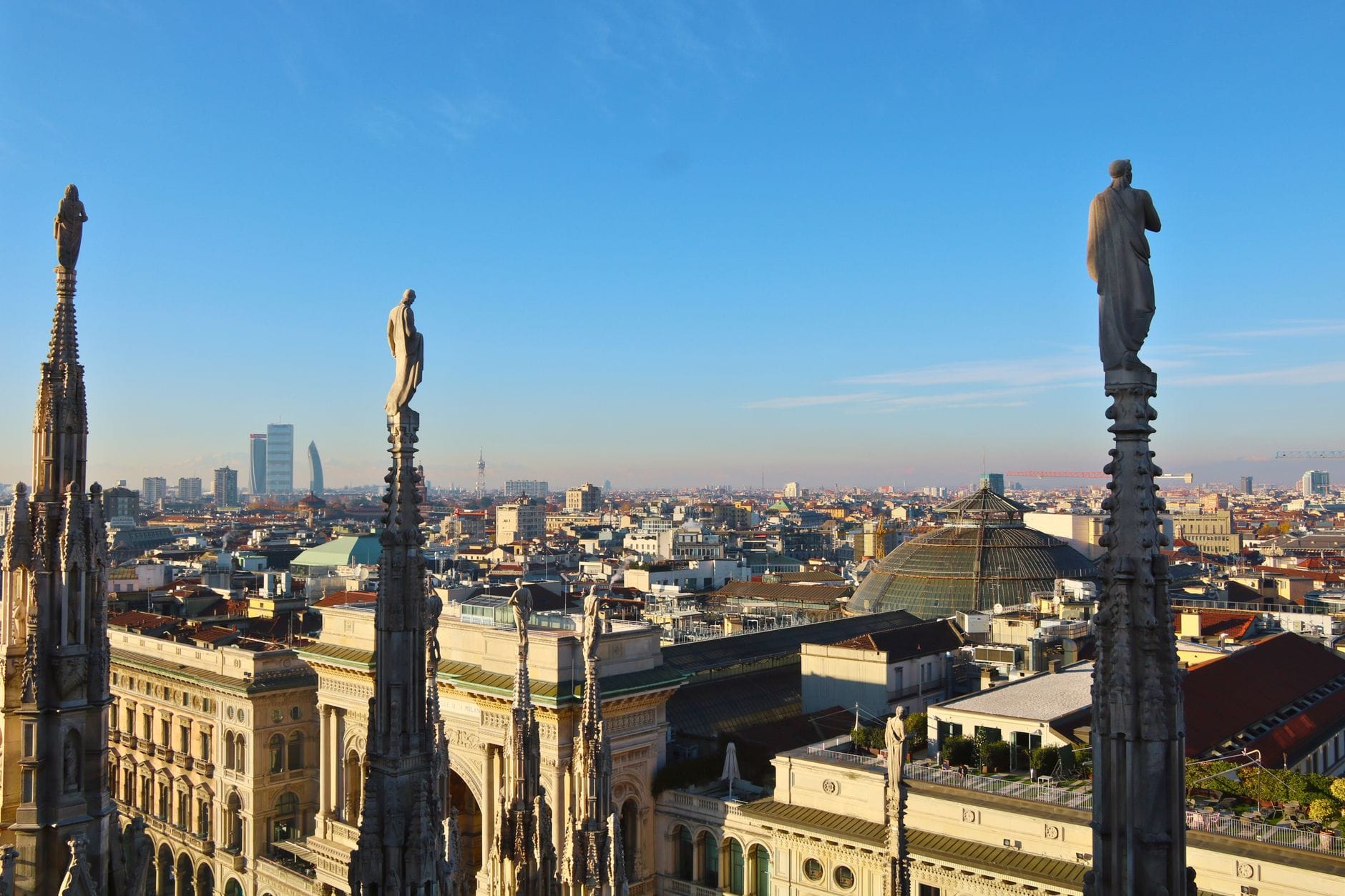
Basic entry to the cathedral floor is free and needs no advance ticket in low season. It’s the rooftop terrace, not the nave, where Milan’s reputation for expense actually shows up, and even that is one deliberate splurge rather than a daily cost.
Frequently asked questions
Is Milan worth visiting?
Yes. The Duomo, the Last Supper and the Navigli district are worth the trip on their own; it’s the shopping streets and Michelin dining rooms that give Milan its expensive reputation, not the main sights. A realistic day still costs around €55-75 by using the day travel pass, eating at aperitivo, and treating one paid attraction as the day’s deliberate spend.
How do I get from the UK to Milan?
Milan has three airports served from the UK: Malpensa and Linate from around a dozen UK airports with British Airways and easyJet, and Bergamo mainly on Ryanair. Flight times run under two and a quarter hours from most UK departure points.
Do UK travellers need a visa for Milan?
No. UK passport holders can visit visa-free for up to 90 days in any 180-day period under the Schengen rules. The EU’s Entry/Exit System (EES) now records fingerprints and a photo on arrival, and the FCDO flags this as causing delays at Italy’s major airports, so build in extra time.
How much does it cost to see the Last Supper?
A standard ticket costs €15, but tickets are released in quarterly blocks and sell out months ahead. Book as soon as your travel dates are fixed rather than waiting until you arrive in Milan.
Is the MilanoCard worth it?
Usually not for a short UK break. It costs around €17 for 48 hours and only pays for itself if you’re visiting several paid museums and using transport heavily every day of your trip.
What’s the cheapest time to visit Milan?
August, when much of the city’s own population goes on holiday and flight and hotel prices drop, despite some independent restaurants closing for the month. Avoid Fashion Week in February and September and the Salone del Mobile furniture fair in April, when hotel rates spike hardest.
Is Milan safe for tourists?
Yes, by most everyday measures. The FCDO’s advice for Italy flags pickpocketing and bag-snatching in crowded tourist spots and main stations, and separately warns that unlicensed taxi touts approach arriving passengers at Malpensa and Milano Centrale offering inflated flat-rate transfers. Scooter traffic is the one to watch for. Mopeds are exempt from the city’s low-traffic zone and still move through pedestrianised streets near the Duomo, so check both directions before crossing.
More European city break guides

Kate Acaster is Chief Editor at Flight Tribe. She writes about practical travel planning, budget airlines, baggage rules, city breaks, beach holidays and good hotels that do not cost daft money.
Kate has travelled through Europe, South America and beyond, usually with a notebook, a half-formed plan and a strong opinion on airport snacks. At Flight Tribe, her work focuses on helping UK travellers understand what is included, what costs extra, and whether a trip is worth booking at the price shown.
How Kate works
Kate checks the details that can change the value of a trip, including cabin-bag rules, airline fees, hotel location, seasonality, travel dates and booking conditions. She is especially interested in offers that look useful on the surface but need a proper reader-first check before they are worth recommending.
Editorial standards
Flight Tribe covers deals and travel advice for readers first. Affiliate links do not decide whether an offer is worth writing about.