Published 30 June 2026 | Updated 1 September 2026 by Kate Acaster
Tokyo budget travel is more affordable than its reputation suggests. You can get by on around £55–80 per person per day once you arrive. That’s less than many European cities, despite the reputation. The flights are the main cost: return fares from the UK start at around £450 in January and February, rising sharply during cherry blossom season. The city itself is well-priced for what you get. The metro is fast and costs under £2 a trip, the food is extraordinary even at street level, and many of the best things to see are free.
Advertisement
This is part of a wider series. Browse all of Flight Tribe’s destination guides for more UK budget travel advice.
This is part of a wider series. Browse all of Flight Tribe’s destination guides for more UK budget travel advice.
This guide covers everything you need to plan a budget trip to Tokyo: the cheapest months to fly, where to stay, what to eat, and how to keep costs down without missing anything important. If you’re planning a wider Japan trip, our Japan budget travel guide covers costs, regions, and itineraries across the country. And if you’re travelling by train beyond Tokyo, the Japan Rail Pass guide explains when it’s worth buying and when it isn’t.
Tokyo at a glance
- Flight time~12 hours from London
- AirportNarita (NRT) or Haneda (HND)
- CurrencyJapanese Yen (¥)
- Time zoneJST, 9 hours ahead of UK
- LanguageJapanese
- VisaNot required (up to 90 days)
Search Tokyo flights and hotels
More Japan travel guides
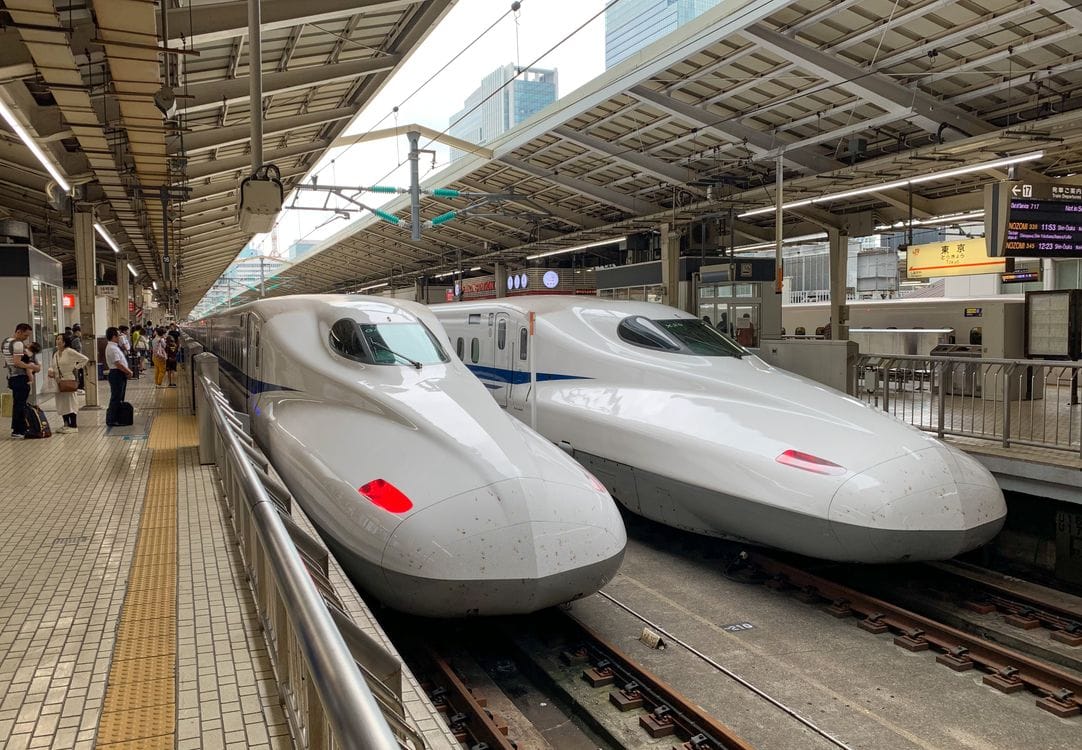
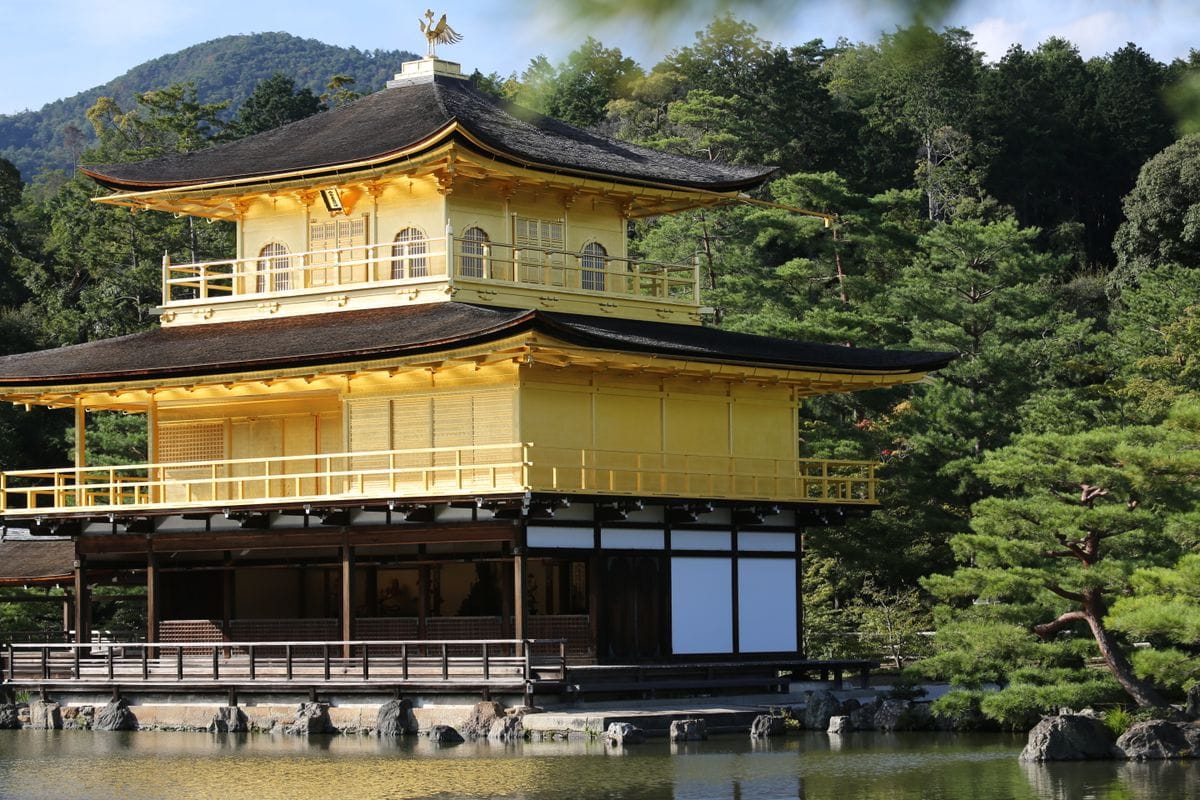
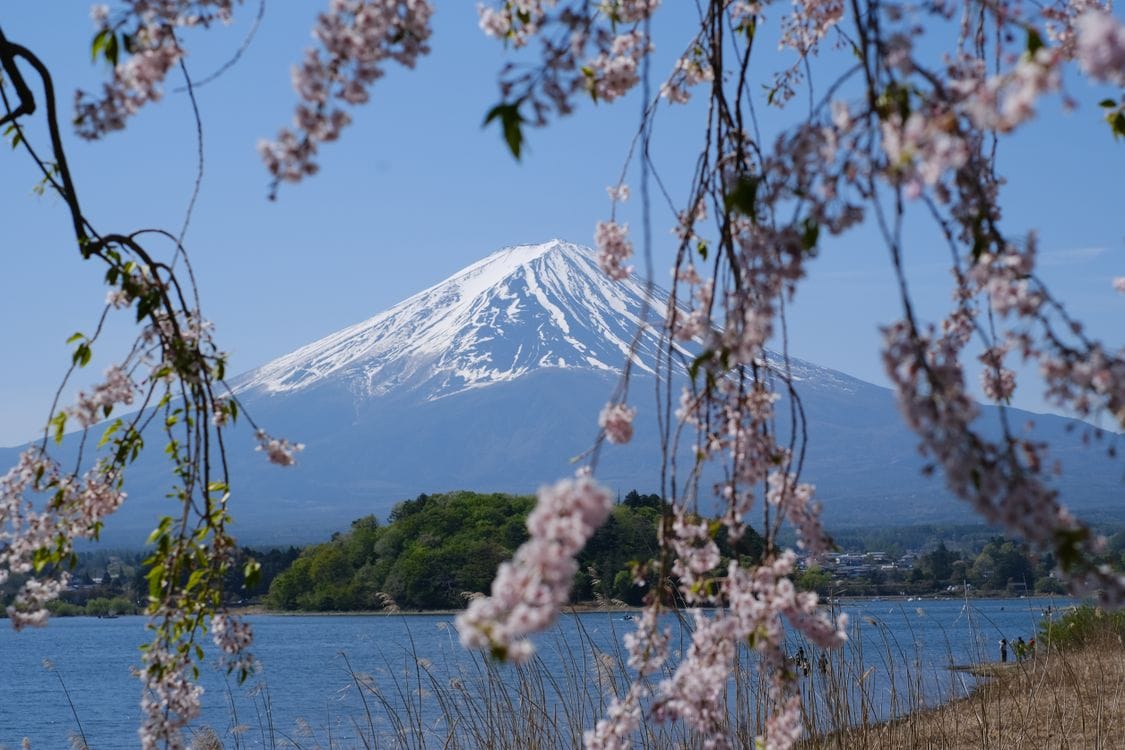
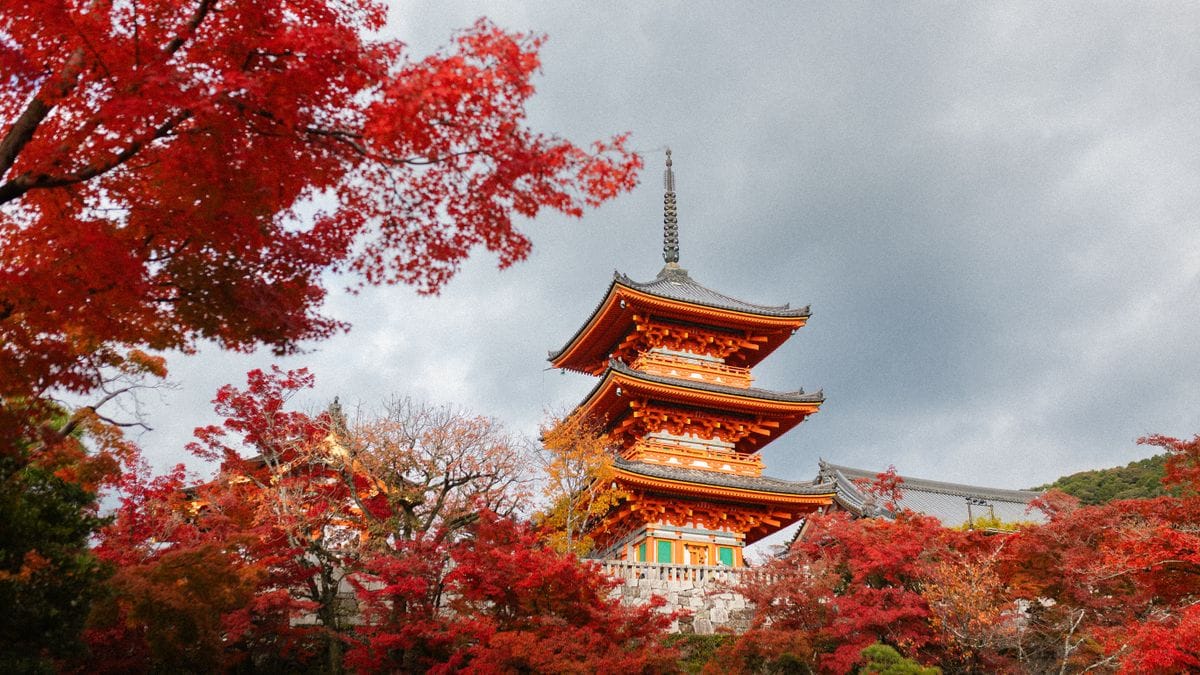
Latest Japan deals
Loading deals…
How much does a trip to Tokyo cost?
Tokyo’s daily costs split cleanly by travel style. At the budget end you can eat, sleep, and get around on £55–70 per person per day. Mid-range travellers spending on sit-down restaurants and a decent business hotel will pay £100–160 per day. The table below breaks that down by category.
| Budget | Mid-range | Notes | |
|---|---|---|---|
| Accommodation | £25–45 | £55–90 | Per person, based on two sharing |
| Food | £15–25 | £30–50 | Tokyo food is good value at every level |
| Activities | £5–15 | £20–40 | Many top sights cost nothing |
| Transport | £3–8 | £8–15 | Suica IC card for all urban travel |
| Daily total | £48–93 | £113–195 | Excludes flights and travel insurance |
When is the cheapest time to visit Tokyo?
January and February are the cheapest months. Flights from the UK fall to around £450 return, hotels are quieter, and there are no crowds at major sights. It’s cold, with temperatures between 3°C and 9°C, but Tokyo is built for winter. Spring is the most expensive window, driven entirely by cherry blossom season. If you’re visiting in late March or early April, budget at least 30–40% more than you’d pay in January.
| Temp | Weather | Crowds & prices | Verdict | |
|---|---|---|---|---|
| Jan–Feb | 3–9°C | Cold, dry, clear | Low season | Best for budget |
| Mar–Apr | 8–17°C | Mild, cherry blossom | Peak season | Avoid for cost |
| May–Jun | 17–24°C | Warm, early rain | Moderately busy | Good value |
| Jul–Aug | 26–31°C | Hot, humid | School holidays | Hot and pricey |
| Sep–Oct | 18–25°C | Pleasant, typhoon risk | Autumn leaves in Oct | Very good value |
| Nov–Dec | 8–17°C | Cool, clear | Quieter | Second cheapest window |
Cheap flights to Tokyo from the UK
British Airways, Japan Airlines, and ANA all fly direct from Heathrow to Tokyo. The journey takes about 12 hours. For cheaper fares, one-stop routings via Helsinki (Finnair), Amsterdam (KLM), or Frankfurt (Lufthansa) often undercut direct fares by £100–200, adding two to four hours to the journey.
Return fares from London start from around £450 in January and February. Expect to pay £600–700 in May and October, and £750 or more in March and April. Book three to five months ahead for the best winter prices. Departures from Manchester and Edinburgh, routing via a European hub, can match or beat London fares. It’s worth checking.
Tokyo has two airports. Haneda (HND) is closer to the centre, around 30–45 minutes by rail. Narita (NRT) is further out: the N’EX express to Shinjuku takes about 80 minutes and costs around ¥15,000 (£75) return. Most UK long-haul flights still route into Narita. Check which airport your flights use before booking, as it affects your first and last days significantly.
Where to stay in Tokyo on a budget
Shinjuku is the best base for first-time visitors. It has Tokyo’s busiest rail interchange, which means you can reach almost anywhere in the city in under 30 minutes. Budget business hotels cluster around the east and north exits of Shinjuku station. Asakusa, in the east, is a good alternative if you want a quieter neighbourhood with more character and slightly lower prices. It’s well connected but doesn’t have Shinjuku’s range of rail options.
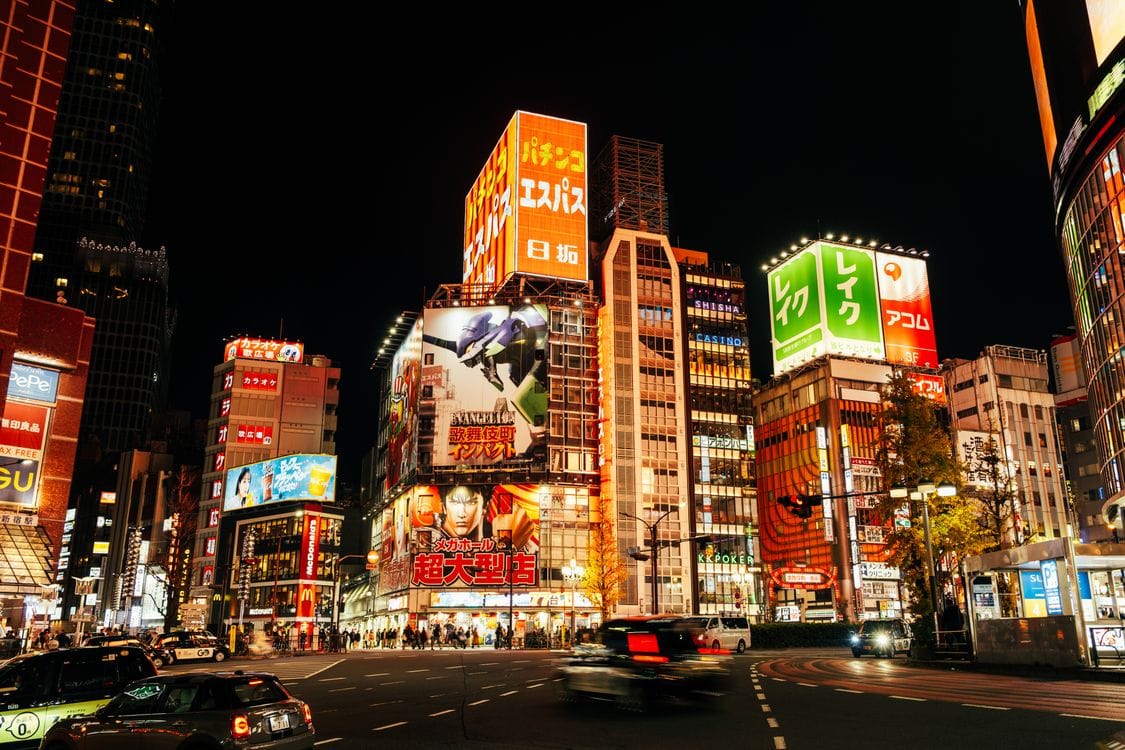
Budget business hotels in Shinjuku start from around ¥8,000 (£40) a night for a compact single or twin room. The rooms are small by UK standards but clean, well-equipped, and in the right location. Capsule hotels, which are far more comfortable than their reputation suggests, can bring that down to ¥3,000–5,000 (£15–25) for a solo traveller.
Asakusa offers a different experience: older streets, traditional craft shops, and Senso-ji temple within walking distance. Hotel prices there are often marginally lower than equivalent Shinjuku options, and it connects directly to Narita airport via the Keisei Skyliner.
| Best for | Budget rating | Transport | Key sights nearby | |
|---|---|---|---|---|
| Shinjuku | First-timers | Most affordable | Excellent | Shinjuku Gyoen |
| Asakusa | Atmosphere | Good value | Very good | Senso-ji |
| Akihabara | Solo budget travel | Budget-friendly | Good | Electronics district |
| Shibuya | Nightlife | Mid-range | Excellent | Shibuya Crossing |
Three hotels worth booking on Expedia
| Tier | Location | Why book it | Book | |
|---|---|---|---|---|
| APA Hotel Shinjuku-Kabukicho Tower | Budget business | Shinjuku | Rooftop bar, great value location | |
| Dormy Inn Premium Shibuya Jingumae | Budget-mid | Shibuya | Natural hot spring baths on-site | |
| Cerulean Tower Tokyu Hotel | Worth the step up | Shibuya | Panoramic city views |
Eating cheaply in Tokyo
Tokyo food is cheap if you eat where locals eat. A bowl of ramen costs ¥800–1,200 (£4–6). Soba and udon noodle shops charge similar prices. Convenience stores (7-Eleven, FamilyMart, Lawson) sell freshly prepared onigiri (rice balls) from ¥150 and hot dishes from around ¥300. They’re not a compromise: many Tokyo workers eat a proper convenience store lunch every day.
The most affordable full restaurants are gyudon chains (Yoshinoya, Matsuya, Sukiya), where a beef rice bowl and miso soup costs around ¥500–700. Kaiten-zushi (conveyor belt sushi) runs ¥100–150 per plate. Tempura, tonkatsu, and curry houses all offer set lunch menus for ¥800–1,000 including rice and soup. At these prices, you don’t have to cut back to eat well.
Three restaurants to try
| Type | Price range | Why go | Find it | |
|---|---|---|---|---|
| Ichiran Shibuya | Solo ramen | Budget | The definitive budget ramen experience | |
| Gonpachi Nishiazabu | Izakaya | Mid-range | Multi-storey izakaya with good food | |
| Maisen Aoyama Honten | Tonkatsu | Worth it | Legendary tonkatsu in a converted bathhouse |
Free and cheap things to do in Tokyo
Much of what makes Tokyo extraordinary costs nothing. The city’s public spaces, temples, parks, and neighbourhood streets are the main event. Paid attractions are mostly optional extras. Below are the strongest free and low-cost options.
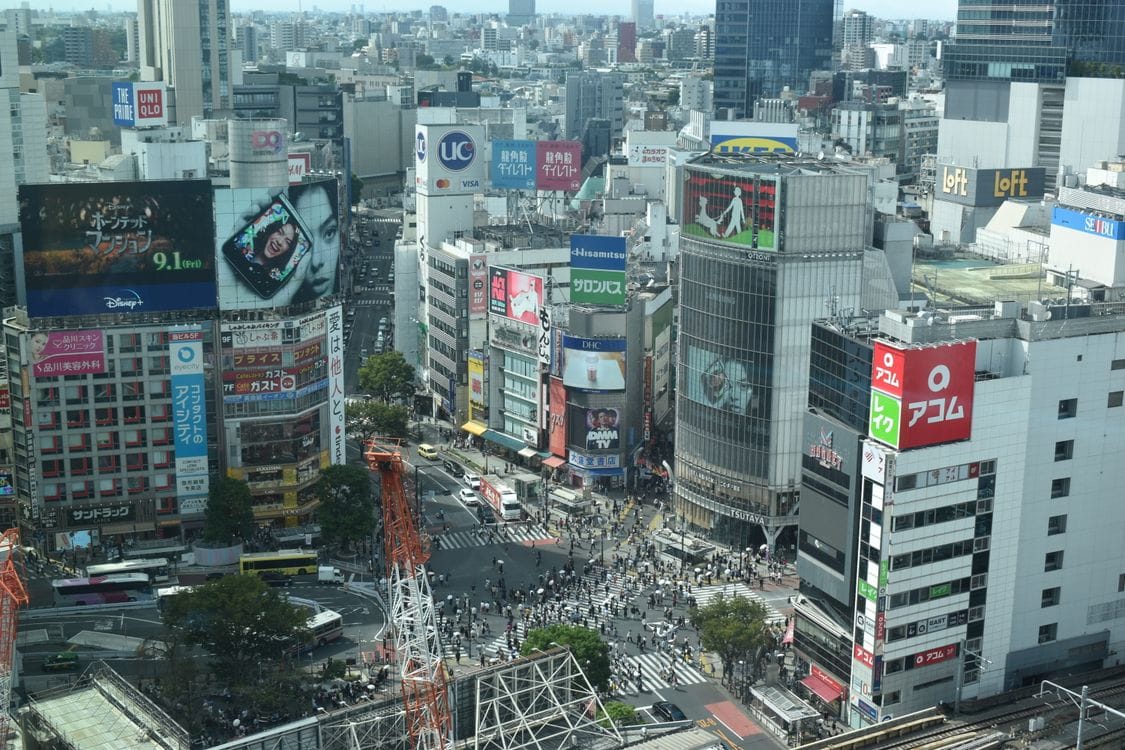
Shibuya Crossing is the most photographed junction in Tokyo, and you don’t pay to experience it. Cross it at rush hour on a weekday evening for the full effect. The Starbucks on the upper floor of the building opposite gives an aerial view at the cost of a coffee.
Meiji Shrine, ten minutes from Harajuku station, is one of the best free experiences in the city. The approach through forested grounds feels completely unlike the dense urban area surrounding it. On Sundays, street performers and fashion traders gather near the park entrance.
- Senso-ji temple, Asakusa: Tokyo’s oldest Buddhist temple is free to visit and especially atmospheric at dusk. The Nakamise shopping street leading to the gate sells traditional snacks from around ¥100.
- Shinjuku Gyoen: One of Tokyo’s best parks costs ¥500 (£2.50). In spring it’s a top cherry blossom spot; in autumn the maples turn red and gold across a wide section of the city centre.
- Meiji Shrine and Yoyogi Park: Both are free. The shrine sits inside forested grounds in Harajuku. On Sundays, performers and vintage traders gather near the entrance.
- Shibuya Crossing: Cross at rush hour, then watch from the Starbucks or Shibuya Sky observation deck (¥2,200 / £11 if you want the paid view).
- Akihabara electronics district: Multi-storey electronics stores, retro game shops, and anime goods outlets line the main street. Free to browse, and genuinely unlike anywhere else.
- Tsukiji Outer Market: The market that once adjoined the famous fish auction still has dozens of stalls selling sushi, sashimi, and street food. Budget around ¥1,000–1,500 (£5–8) for breakfast.
- teamLab Borderless or Planets: Not free (¥3,200 / £16 per person), but one of Tokyo’s genuinely unique experiences. Digital art installations that fill entire rooms. Book tickets in advance.
Getting around Tokyo cheaply
Tokyo’s metro and JR rail network is one of the most efficient urban transport systems anywhere. A Suica IC card, available from vending machines at Narita and Haneda airports, covers the metro, JR lines, monorails, and most buses across Tokyo. You load credit and tap in and out. Individual trips cost ¥160–300 (roughly £0.80–1.50) depending on distance. You don’t need to buy individual tickets at any point during your stay.
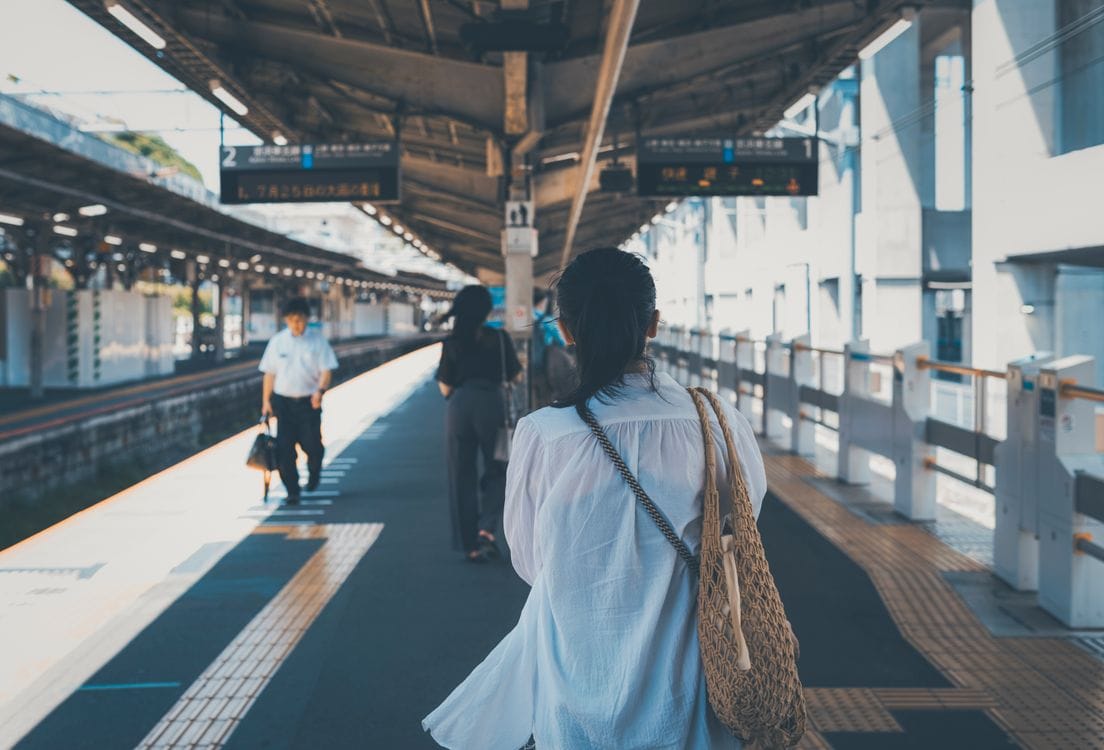
The JR Yamanote line loops around the city’s main districts (Shinjuku, Shibuya, Harajuku, Akihabara, Ueno, and back) and costs around ¥160–200 per trip. It’s the single most useful line for sightseeing. The metro fills in the gaps. Between the two, you can reach every major tourist destination without a taxi.
Taxis are expensive. A short hop across central Tokyo can cost ¥1,000–2,000 (£5–10), and airport runs cost ¥15,000–25,000 (£75–125). Avoid them unless you’re carrying heavy luggage or travelling after the last trains at around midnight.
Night buses run on some routes after midnight, but they’re slower and less intuitive for visitors. If you’re planning a late night out, either budget for a taxi back or stay out until the first trains restart around 5am. Many venues in Shibuya and Shinjuku are open that late.
For travel outside Tokyo, you won’t need a Japan Rail Pass unless you’re making at least two long-distance journeys. See our Japan Rail Pass guide for a full cost comparison. For the city itself, your Suica card handles everything. Before you travel, check the FCDO travel advice for Japan for the latest entry requirements.
Sample 7-day budget for Tokyo
The table below shows a realistic budget for two UK travellers spending a week in Tokyo in January or February, using budget accommodation and a mix of eating out and convenience store meals.
| Budget (2 people) | Per person | Notes | |
|---|---|---|---|
| Return flights | £900–1,200 | £450–600 | Direct from London, January–February |
| 7 nights accommodation | £350–490 | £175–245 | Budget business hotel, Shinjuku |
| Food (7 days) | £210–350 | £105–175 | Mix of street food, convenience stores, sit-down meals |
| Transport in Tokyo | £55–70 | £28–35 | Suica card, metro and JR Yamanote daily use |
| Activities | £80–120 | £40–60 | Mostly free sights, 2–3 paid entries |
| Travel insurance | £40–70 | £20–35 | Essential. Japan has no NHS equivalent. |
| Total | £1,635–2,300 | £818–1,150 | Excludes shopping and meals above budget |
The biggest single variable is flights. A January or February week in Tokyo costs around £800–1,150 per person all-in if you book three to five months ahead. The same week in April can run £1,200–1,600 once you factor in the premium on cherry blossom-season hotels. January and February are the clearest budget window.
← Back to: Japan budget travel guide
Tokyo budget travel: frequently asked questions
Is Tokyo expensive for UK visitors?
Not as expensive as its reputation suggests. Daily costs on the ground are lower than Paris, Amsterdam, or Rome at a similar standard. The main cost is the flight. Once you’re there, eating well and getting around the city is genuinely affordable. The exchange rate matters: at ¥190–200 to the pound (typical in 2025–26), Tokyo is good value.
How much spending money do I need for a week in Tokyo?
Budget around £700–900 per person for seven days on the ground, not including flights. That covers a budget business hotel, a daily mix of convenience store meals and sit-down restaurants, Suica card transport, and a handful of paid activities. Add £450–600 for flights from London if you book in January or February.
What is the cheapest month to fly to Tokyo from the UK?
January and February are consistently the cheapest months, with return fares from London starting around £450. March and April are the most expensive, pushed up by demand for cherry blossom season. October and November offer a good compromise: pleasant weather, autumn colour in the parks, and prices that are moderate rather than high.
Do I need a Japan Rail Pass for Tokyo?
No, if you’re only visiting Tokyo. The JR Pass covers Shinkansen bullet trains and long-distance routes, which you won’t use within the city. A Suica IC card covers everything you need: the metro, JR urban lines, and buses. If you’re also travelling to Osaka, Kyoto, or Hiroshima, read our Japan Rail Pass guide to work out whether the pass pays for itself on your route.
Which airport is better for Tokyo: Narita or Haneda?
Haneda is closer. The monorail to Hamamatsucho or the Keikyu line to Shinjuku takes 30–45 minutes. Narita is further out: the N’EX express to Shinjuku takes around 80 minutes and costs ¥3,000 (£15 one way). Most UK long-haul flights go into Narita. Factor the transfer time into your first and last days, and check both airports when comparing fares as the price difference can be significant.
Is Tokyo safe for solo UK travellers?
Japan consistently ranks among the safest countries for tourists. Violent crime is rare, the public transport system runs accurately, and solo female travellers report feeling comfortable across the city at most hours. The main practical challenges are Japanese-language signage and using cash, as many smaller restaurants and shops don’t accept cards.
Do I need cash in Tokyo?
More than you’d expect for a major city. Many restaurants, street food stalls, temples, and smaller shops are cash only. 7-Eleven and Post Office ATMs reliably accept foreign debit and credit cards. Withdraw ¥20,000–30,000 (around £100–150) soon after arrival to cover your first few days.

Kate Acaster is Chief Editor at Flight Tribe. She writes about practical travel planning, budget airlines, baggage rules, city breaks, beach holidays and good hotels that do not cost daft money.
Kate has travelled through Europe, South America and beyond, usually with a notebook, a half-formed plan and a strong opinion on airport snacks. At Flight Tribe, her work focuses on helping UK travellers understand what is included, what costs extra, and whether a trip is worth booking at the price shown.
How Kate works
Kate checks the details that can change the value of a trip, including cabin-bag rules, airline fees, hotel location, seasonality, travel dates and booking conditions. She is especially interested in offers that look useful on the surface but need a proper reader-first check before they are worth recommending.
Editorial standards
Flight Tribe covers deals and travel advice for readers first. Affiliate links do not decide whether an offer is worth writing about.