Published 30 June 2026 | Updated 14 October 2026 by Kate Acaster
Is the Japan Rail Pass worth it for your Japan trip? That depends on a single calculation: can your planned JR fares add up to the cost of the pass?
Advertisement
You will find more destinations covered in Flight Tribe’s destination guides, each built around verified prices for UK travellers.
You will find more destinations covered in Flight Tribe’s destination guides, each built around verified prices for UK travellers.
The 7-day Ordinary pass costs ¥53,000 from overseas sellers, around £254. This guide runs the numbers for the most common UK itineraries and tells you when the pass doesn’t pay. For wider Japan trip planning, see our Japan budget travel guide.
| Japan Rail Pass at a glance | |
|---|---|
| 7-day Ordinary | ¥53,000 (~£254) adult / ¥27,000 (~£129) child |
| 14-day Ordinary | ¥84,000 (~£402) adult / ¥42,000 (~£201) child |
| 21-day Ordinary | ¥105,000 (~£502) adult / ¥53,000 (~£254) child |
| Covered trains | Most JR services including Hikari and Kodama Shinkansen, but not Nozomi or Mizuho without a supplement ticket |
| Who can buy | Non-Japanese passport holders on a tourist visa only |
| Where to buy | Must be bought before travel. Official: japanrailpass-reservation.net (pay in yen) · UK sterling: JRPass.com |
| Price rise | Overseas prices rose ~6% on 1 Oct 2026 (7-day now ¥53,000); the official site holds the old prices for a limited time |
Japan Budget Travel Guide
Costs, itineraries and money-saving tips for UK travellers visiting Japan.

Tokyo budget travel guide
How to see Tokyo without blowing the budget, from transport to food.
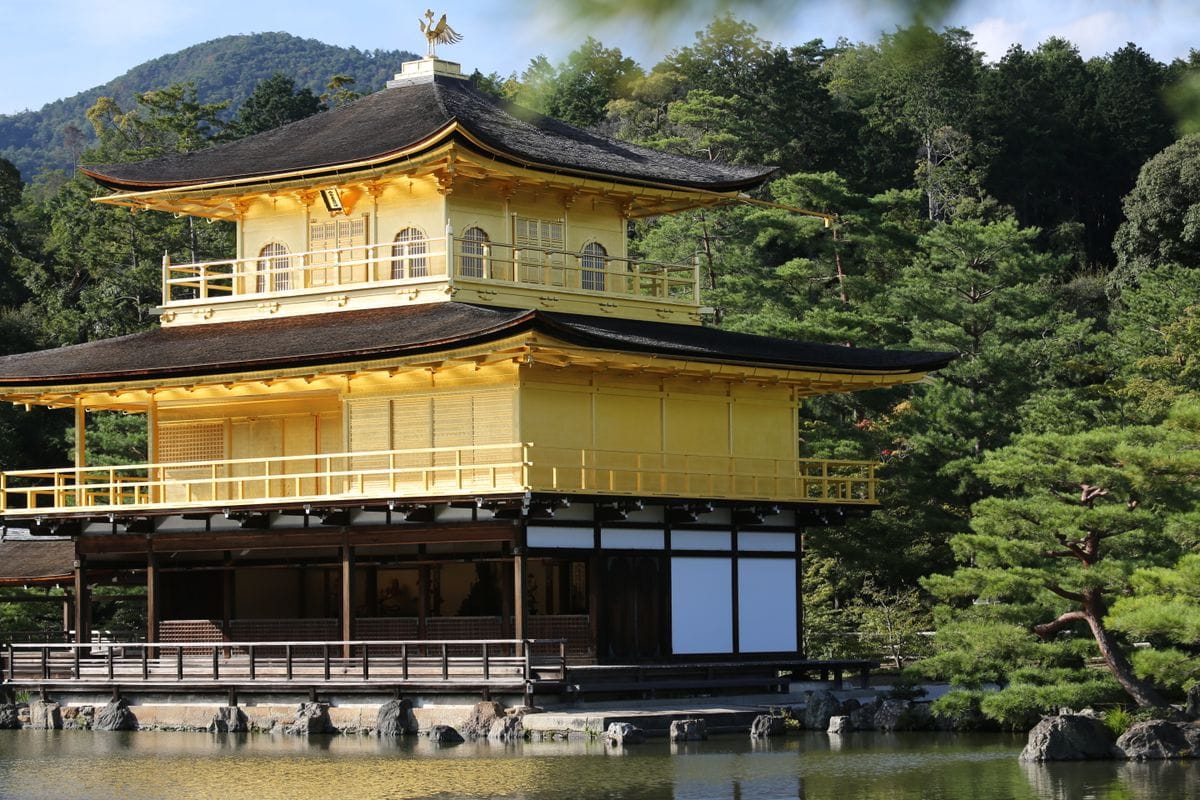
Kyoto budget travel guide
Temples, gardens and where to eat well in Japan’s old capital.

Japan: 10-day itinerary
A first-timer’s 10-day route through Tokyo, Hakone, Kyoto and Osaka.
Best time to visit Japan
A month-by-month guide to weather, crowds and cherry blossom season.
How the JR Pass works
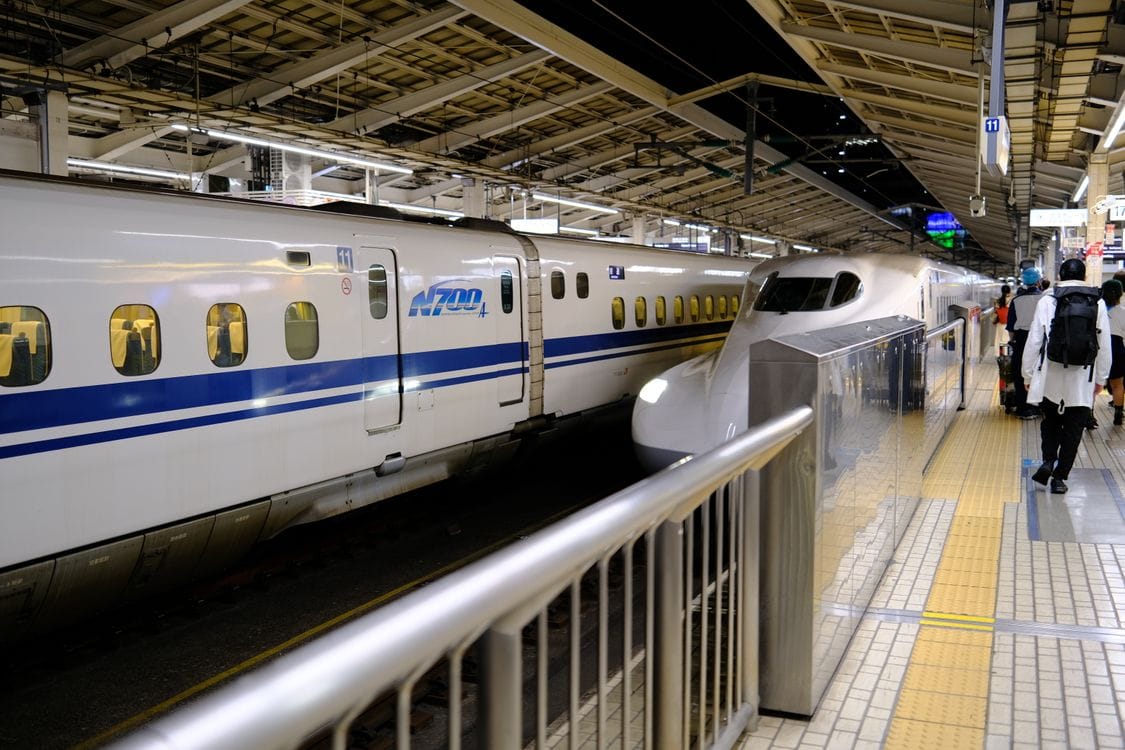
The JR Pass is available only to non-Japanese passport holders travelling on a tourist visa. You buy it before you travel and receive an exchange voucher, which you swap for the physical pass at a JR Travel Service Centre on arrival in Japan.
Once you have the pass, show it at the staffed green gate at any JR station. You can’t use automatic barriers with it. You can also make free seat reservations at JR ticket offices, which is worth doing on the Tokaido Shinkansen at busy times.
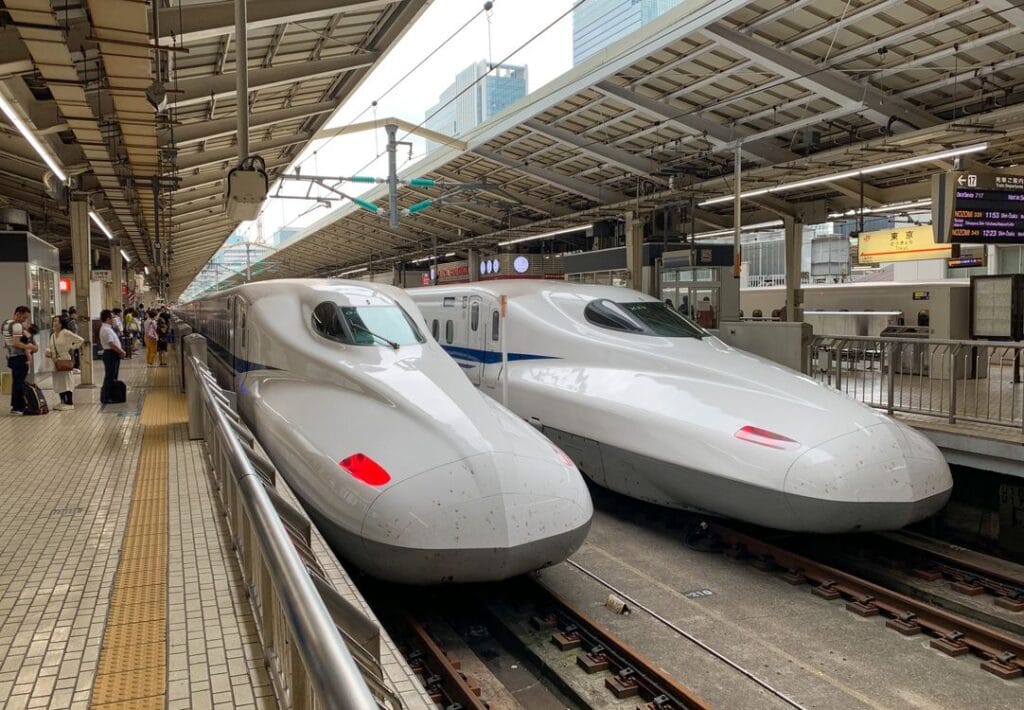
Most shinkansen services are covered: Hikari, Kodama, Sakura and Tsubame among others. The exception is the Nozomi and Mizuho on the Tokaido and Sanyo lines, which need a separate supplement ticket. On the JR Pass you’ll travel by Hikari, which calls at Kyoto and takes roughly 30 minutes longer than the Nozomi between Tokyo and Osaka (about three hours against two and a half). For most travellers, that’s not a meaningful difference.
The pass also covers JR local and express trains nationwide, the Narita Express airport connection, and the Tokyo Monorail to Haneda Airport.
JR Pass prices in 2026
| JR Pass 2026 prices | |||
|---|---|---|---|
| Traveller | 7-day | 14-day | 21-day |
| Adult, Ordinary | ¥53,000 (~£254) | ¥84,000 (~£402) | ¥105,000 (~£502) |
| Child (6-11) | ¥27,000 (~£129) | ¥42,000 (~£201) | ¥53,000 (~£254) |
| Adult, Green Car | ¥74,000 (~£354) | ¥116,000 (~£555) | ¥147,000 (~£703) |
GBP equivalents are approximate at an October 2026 exchange rate of roughly ¥209 to the pound. Overseas prices rose on 1 October 2026: the 7-day Ordinary pass is now ¥53,000, the 14-day ¥84,000 and the 21-day ¥105,000. The official site is holding the old prices (¥50,000, ¥80,000 and ¥100,000) for a limited time, with the end date still to be announced.
Is the Japan Rail Pass worth it for 7 days?
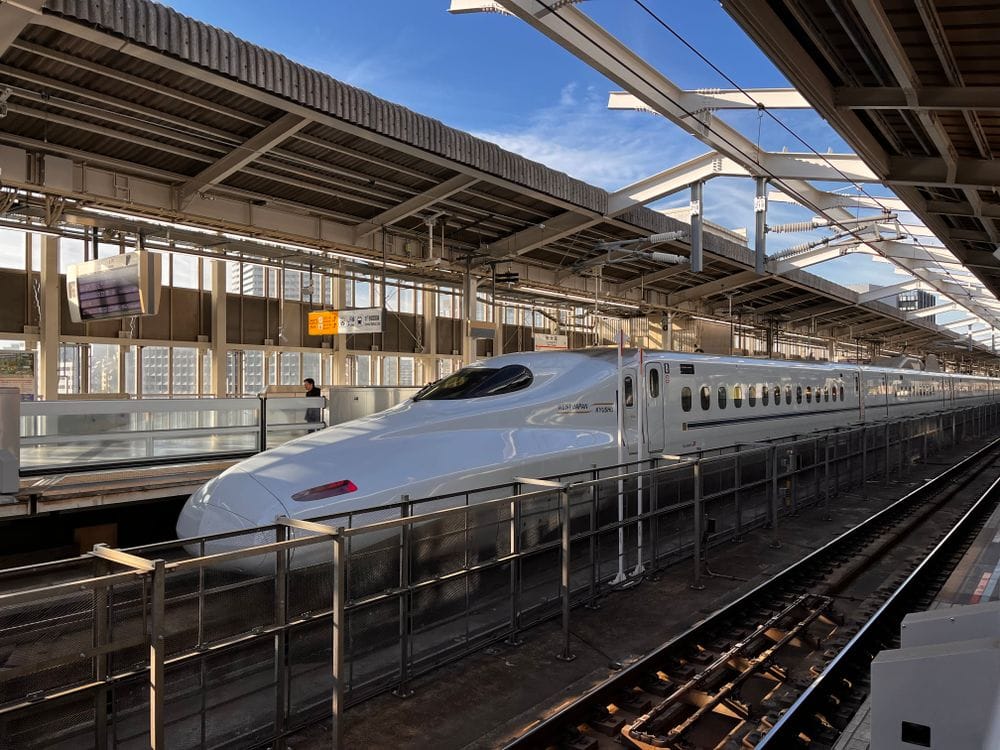
The 7-day Ordinary pass costs ¥53,000 (~£254) from overseas sellers, or ¥50,000 on the official site while its price freeze lasts. To break even, your combined JR fares need to reach that figure.
Here’s what the most popular UK itinerary costs in individual tickets on JR Pass-covered services:
Tokyo → Kyoto (Hikari, reserved): ¥13,850
Kyoto → Osaka (Hikari): ¥1,420
Osaka → Hiroshima (Sakura, reserved): about ¥11,000
Hiroshima → Tokyo (Hikari, reserved): ¥19,110
That four-city circuit totals about ¥45,380. Add a return Narita Express between the airport and central Tokyo (¥3,070 each way) and you’re at ¥51,520, above the official ¥50,000 but just below the ¥53,000 overseas price.
Add one day trip. A Kyoto-to-Nara return by JR costs ¥1,440, putting you at ¥52,960. Level with the overseas price and ahead of the official one.
If your itinerary covers Tokyo, Kyoto, Osaka and Hiroshima, the 7-day pass roughly breaks even, and only clearly pays once you add day trips.
Is the 14-day JR Pass worth it?
At ¥84,000 from overseas sellers (¥80,000 on the official site for now), the 14-day pass needs that much in JR travel to break even. The standard four-city circuit with N’EX transfers produces around ¥51,520. You’d need another ¥32,480 in fares to justify the upgrade.
Adding Sendai by Tohoku Shinkansen return (about ¥22,820) and a Kyushu leg from Osaka to Hakata return (~¥30,120) would push the total to about ¥104,460. For two weeks covering Tokyo, Tohoku and Kyushu, the 14-day pass pays. For the standard Kansai-only circuit, it doesn’t. Browse our travel advice section for further Japan planning resources.
Where to buy the JR Pass in the UK

The JR Pass cannot be bought inside Japan. You must purchase before you travel.
There are two main routes. The official JR reservation site charges in yen at the Bankers Selling Rate on the day of payment. If you want a fixed sterling price and no exchange-rate exposure, JRPass.com is a UK-based reseller that sells in pounds.
After purchase, you receive a voucher by email. On arrival in Japan, exchange it for the physical pass at a JR Travel Service Centre at Tokyo, Osaka or Kyoto stations, or at Narita and Haneda airports. Allow 20-30 minutes. Narita queues run long in peak season.
You choose the activation date when you exchange the voucher, not when you buy. If your first day in Japan stays on local metro, there’s no reason to start the clock immediately.
When the JR Pass isn’t worth it
Staying in one city
Seven days in Tokyo with a single overnight in Kyoto won’t generate ¥53,000 in JR fares. Tokyo’s metro handles most in-city movement; the only JR cost is the shinkansen return to Kyoto, around ¥27,700, just over half the pass price.
Using a regional pass instead
If your trip is centred on Osaka, Kyoto and Nara, the Kansai Area Pass covers unlimited JR travel in that region from ¥2,800 for one day to ¥7,000 for four days. For Hiroshima you need the separate Kansai Hiroshima Area Pass (¥17,000). Far cheaper than the nationwide pass for a Kansai-only trip.
Using highway buses or budget flights
Long-distance buses between Tokyo and Osaka can cost under ¥4,000. If budget is the priority and your schedule is flexible, JR Pass economics collapse quickly. Check our latest travel deals for Japan flight prices from the UK.
| Which JR Pass suits your trip? | |
|---|---|
| 2 weeks: Tokyo, Kyoto, Osaka, Hiroshima | 7-day Ordinary (¥53,000) |
| 2 weeks + Tohoku or Kyushu | 14-day Ordinary (¥84,000) |
| 3 weeks, multiple regions | 21-day Ordinary (¥105,000) |
| Kansai only (Osaka, Kyoto, Nara) | Kansai Area Pass (from ¥2,800/day) |
| Tokyo only, no long-distance trains | No pass needed, use IC card (Suica/Pasmo) |
How to use the JR Pass
At JR stations, find the staffed gate (green attendant icon) and show your pass. You can’t pass through automatic barriers. Seat reservations are free and strongly recommended on the Tokaido Shinkansen during Golden Week (late April to early May), Obon (mid-August) and New Year. Go to any JR Ticket Office or use the English-language reservation machines at major stations. For airline carry-on and check-in bags, see our airline guides.
All prices on this page were verified on the day of writing. See our editorial policy for how we check travel costs and deals.
Frequently asked questions
Is the Japan Rail Pass worth it for 7 days?
Yes, if you’re covering multiple cities by shinkansen. The Tokyo-Kyoto-Osaka-Hiroshima circuit plus N’EX airport transfers comes to around ¥51,520 individually. That clears the official ¥50,000 price but sits just under the ¥53,000 overseas price, so a day trip or two tips it over. See our Japan budget guide for full itinerary costs.
Can you buy a JR Pass in Japan?
No. The pass must be purchased outside Japan. Order via japanrailpass.net before departure and swap the voucher for the physical pass at a JR Travel Service Centre on arrival.
Does the JR Pass cover Nozomi trains?
Not on the pass alone. Nozomi and Mizuho services need a separate supplement ticket. You’ll use the Hikari or Kodama instead, which take around 30 minutes longer between Tokyo and Osaka but stop at Kyoto. For airline baggage if you’re flying into Japan, see our airline guides.
Is the 7-day or 14-day JR Pass better?
The 7-day pass (¥53,000) covers most standard itineraries. The 14-day (¥84,000) only pays if you’re adding Tohoku, Kyushu or the Hokuriku route. Use the table above to match your trip type.
What is the JR Pass price in 2026?
¥53,000 (7-day), ¥84,000 (14-day), ¥105,000 (21-day) for Ordinary class adults, bought from overseas sellers since 1 October 2026. The official site is holding the old prices (¥50,000, ¥80,000, ¥100,000) for a limited time. Current prices at japanrailpass.net.

Kate Acaster is Chief Editor at Flight Tribe. She writes about practical travel planning, budget airlines, baggage rules, city breaks, beach holidays and good hotels that do not cost daft money.
Kate has travelled through Europe, South America and beyond, usually with a notebook, a half-formed plan and a strong opinion on airport snacks. At Flight Tribe, her work focuses on helping UK travellers understand what is included, what costs extra, and whether a trip is worth booking at the price shown.
How Kate works
Kate checks the details that can change the value of a trip, including cabin-bag rules, airline fees, hotel location, seasonality, travel dates and booking conditions. She is especially interested in offers that look useful on the surface but need a proper reader-first check before they are worth recommending.
Editorial standards
Flight Tribe covers deals and travel advice for readers first. Affiliate links do not decide whether an offer is worth writing about.