Published 12 August 2026 | Updated 21 September 2026 by Kate Acaster
Is Copenhagen expensive? Yes, on the headline numbers: a pint routinely costs upwards of 65 DKK (about £7.40), and a sit-down dinner easily clears 300 DKK (about £34) a head before wine. A realistic budget day comes out well below that, though, at roughly 450-650 DKK (about £51-74), covering a hire bike for the day, a smorrebrod lunch, and one paid attraction such as Rosenborg Castle at 140 DKK.
Advertisement
Copenhagen at a glance
- Flight timeUnder 2 hours direct from most UK airports
- AirportCopenhagen Airport (CPH), Kastrup, around 14 minutes from the centre
- CurrencyDanish krone (DKK)
- Time zone1 hour ahead of the UK year-round
- LanguageDanish; English is widely spoken
- VisaVisa-free for UK passports, up to 90 days in any 180
Denmark is in the EU but kept the krone rather than joining the euro, so every price in this guide is in DKK. UK passport holders need no visa for stays of up to 90 days, the same Schengen rule that covers Amsterdam and Berlin too.
How to keep Copenhagen costs down
Copenhagen’s bill swings harder on transport and dining choices than on where you sleep. These five choices do more to control the total than anything else in this guide.
| Do this | Why it works |
|---|---|
| Hire a bike instead of taking taxis | A day’s hire runs 70-99 DKK, a fraction of even a couple of short taxi rides, and it’s how most locals get around |
| Take the ordinary harbour bus, not a paid canal tour | Routes 991 and 992 run the same water routes as the paid sightseeing boats and cost exactly what your regular transport ticket costs |
| Eat your main meal at lunch, not dinner | Smorrebrod lunch sittings at places like Schønnemann run well below the same kitchen’s evening cover charge |
| Use the National Museum’s free permanent collection | Skip a paid museum pass unless you’re genuinely visiting four or more sights in one trip |
| Go in May, June or September rather than July | Flights and hotel rates undercut the July peak sharply while the weather still holds up well |
"A pint at £7.40 and dinner at £34 a head make Copenhagen’s reputation for expense entirely fair. What that reputation misses is how much the total swings on your own choices rather than the city’s prices. Build a day round a hire bike, a smorrebrod lunch and one paid sight like Rosenborg Castle, and fifty-one pounds buys a genuinely good one."
Kate Acaster, Chief Editor, Flight Tribe
Latest Copenhagen deals
Getting to Copenhagen from the UK
Copenhagen Airport (CPH) is served directly from around a dozen UK airports, with flight times under two hours from most of them, well under the three-plus hours a Mediterranean capital typically takes. SAS, British Airways, Norwegian, Ryanair and easyJet fly the route. Flight Tribe’s package holidays guide compares bundled deals if you’d rather book flights and a hotel together.
| UK airport | Airlines | Flight time | Notes |
|---|---|---|---|
| London (LHR/LGW/STN/LTN) | SAS, British Airways, Norwegian, Ryanair, easyJet | ~1h55m-2h05m | SAS and BA between them run over 60 direct flights a week from London alone |
| Manchester | SAS, Norwegian, easyJet | ~2h | Regular year-round service |
| Birmingham | SAS | ~1h55m | Year-round direct service |
| Bristol & Edinburgh | easyJet | ~1h55m-2h10m | The main South West and Scottish direct options |
Visa and entry requirements for UK travellers
UK passport holders do not need a visa to visit Copenhagen, or anywhere else in Denmark. Stays of up to 90 days in any 180-day period are covered under the Schengen area’s standard visa-free allowance. Your passport must have been issued within the last 10 years, and it must remain valid for at least three months beyond the day you plan to leave the Schengen area.
EES and the delays it’s causing at Copenhagen Airport
The EU’s Entry/Exit System (EES) is now being rolled out across the Schengen area, recording fingerprints and a photo from arriving non-EU passport holders, including UK travellers. The UK Foreign, Commonwealth & Development Office’s own travel advice for Denmark specifically flags this as causing delays at passport control when arriving at or departing from Copenhagen Airport on flights to or from the UK. Build in extra time, particularly if you have a short connection.
Getting from Copenhagen airport to the city centre
Copenhagen Airport sits right on the edge of the city, around 14 minutes from the centre by metro. The airport has its own metro station directly beneath the terminal, so there’s no connecting bus to worry about. Unlike Athens or most other capitals, the line runs through the night too, rather than shutting for a few hours.
| Option | Cost | Detail |
|---|---|---|
| Metro (M2) | 30 DKK (3 zones) | 13 minutes direct to Kongens Nytorv; runs around the clock, including overnight at a reduced frequency |
| Regional train (DSB) | 30 DKK (3 zones) | A similar journey time to Copenhagen Central Station, useful if that’s where you’re staying |
| Taxi | Roughly 250-350 DKK to the centre | Around 20 minutes depending on traffic; official ranks are outside the arrivals hall |

Copenhagen’s metro is driverless and largely automated. That’s part of why it runs around the clock without the staffing costs that force most European systems to close overnight. For a UK visitor landing on a late flight, that means no anxious dash for a last train, and no expensive night taxi as a fallback.
Getting around Copenhagen
Central Copenhagen, from Indre By to Nyhavn and Christianshavn, is compact enough to walk. For everything else, a bike is how most residents actually get around, and it’s usually the fastest option too.
| Option | Cost | Detail |
|---|---|---|
| Walking | Free | Indre By, Nyhavn and Christianshavn are all within about 20 minutes of each other on foot |
| Bike hire (Bycyklen/Donkey Republic) | 70-99 DKK a day | Dock-based and dockless options across the city; how most locals get around |
| Single transit ticket (Metro/bus/harbour bus) | 24-30 DKK depending on zones | One ticket covers the metro, buses, S-trains and the harbour buses within its validity window |
Cycling safety: sharing the bike lanes
Copenhagen is one of the most bike-dependent capitals in Europe. That changes the practical safety advice for a UK visitor more than anything else here does. The UK Foreign, Commonwealth & Development Office’s official travel advice for Denmark notes that cyclists often have the right of way, and that many bicycle accidents happen when pedestrians don’t give way to them.
Crossing a cycle lane
Before stepping off a pavement, check the cycle lane the way you’d check a road. It usually runs in its own strip between the pavement and the traffic lane, and a bike moving at 20kmh gives you far less reaction time than a car does. If you hire a bike yourself, check the lane before turning right too, since Denmark’s right-of-way rules differ from the car-only habit most UK visitors bring with them.
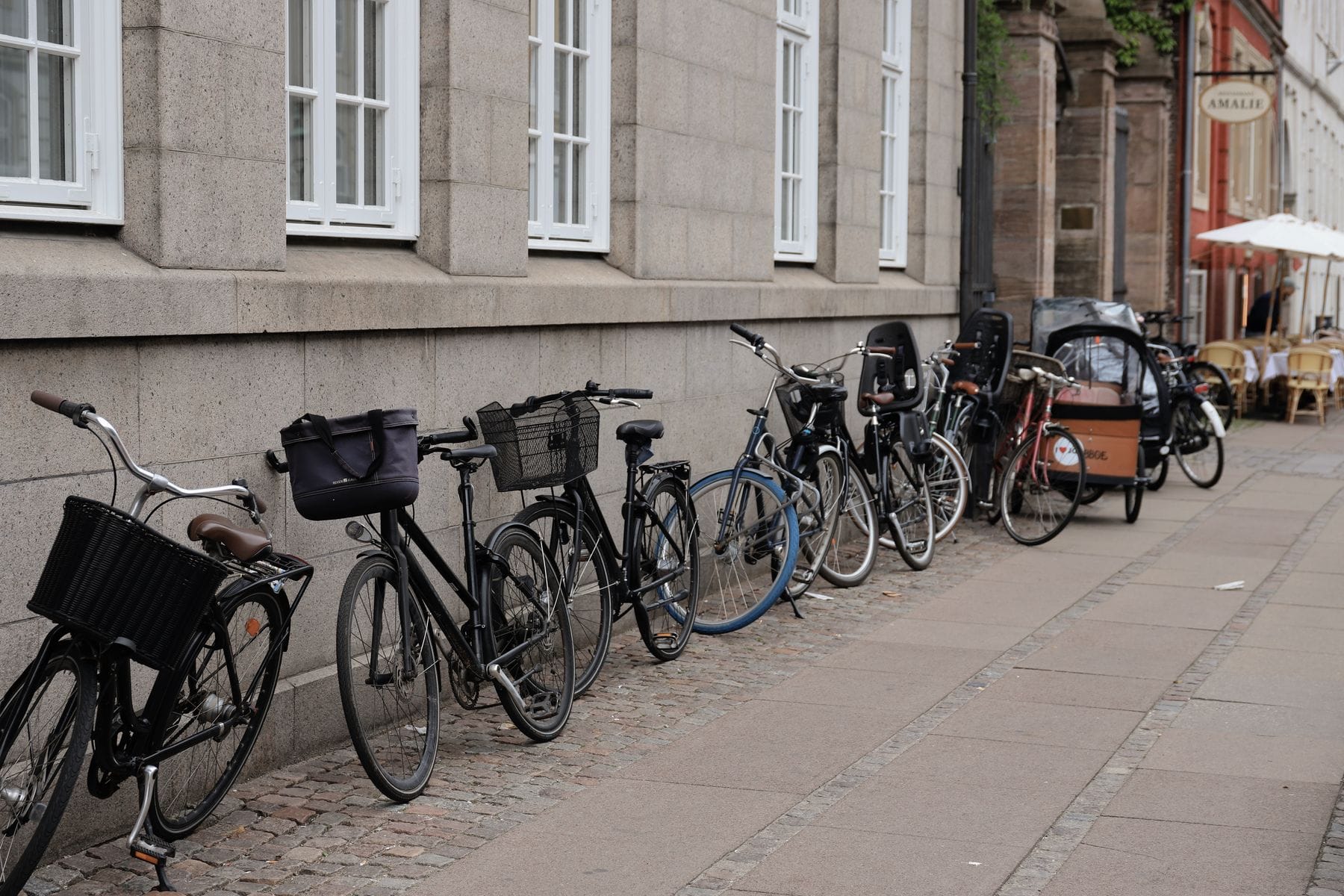
Roughly half of all trips to work or school in Copenhagen happen by bike, and the infrastructure reflects it: protected lanes, dedicated bike traffic lights, and green corridors that cut straight through the city. Hiring one for a day is usually cheaper than a single taxi ride and gets you around faster than the metro for most short hops.
Where to base yourself in Copenhagen
Indre By, the old city centre, puts you within walking distance of Nyhavn, Strøget and the Latin Quarter, but it carries the highest room rates. Vesterbro, just behind Central Station, mixes the Meatpacking District’s restaurant scene with noticeably better value. Nørrebro is cheaper again, with a large immigrant community and a strong food scene, though the FCDO’s advice for Denmark flags it, alongside Christiania, as an area to take extra care in late at night. Christianshavn, with its own canals, sits a short bike ride from the centre and tends to undercut Indre By without losing much convenience.
Free and cheap things to do in Copenhagen
Copenhagen’s reputation for expense mostly comes from its restaurants and bars, not its sights. Several of the best things to do here don’t add a single krone to what you’re already paying to get around.
| Activity | Cost | Detail |
|---|---|---|
| National Museum of Denmark | Free | The permanent collection is free year-round; closed Mondays |
| Harbour bus (routes 991 & 992) | Standard transit fare (24-30 DKK) | Same canal views as a paid sightseeing cruise, on an ordinary public transport ticket |
| Free walking tour | Tips only | Meets each morning at Danhostel Copenhagen City’s reception; guides work on tips alone |
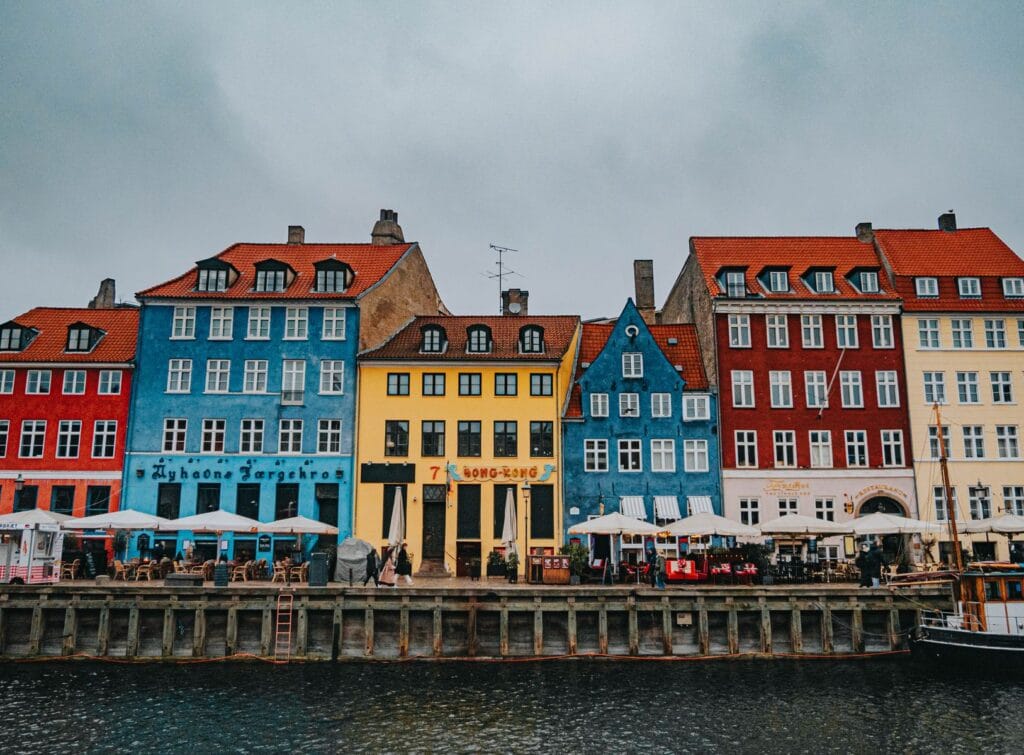
| Nyhavn & the Little Mermaid | No separate fee | Both sit on the free walking tour’s route, easy to fold into that walk rather than booking a separate paid harbour tour |
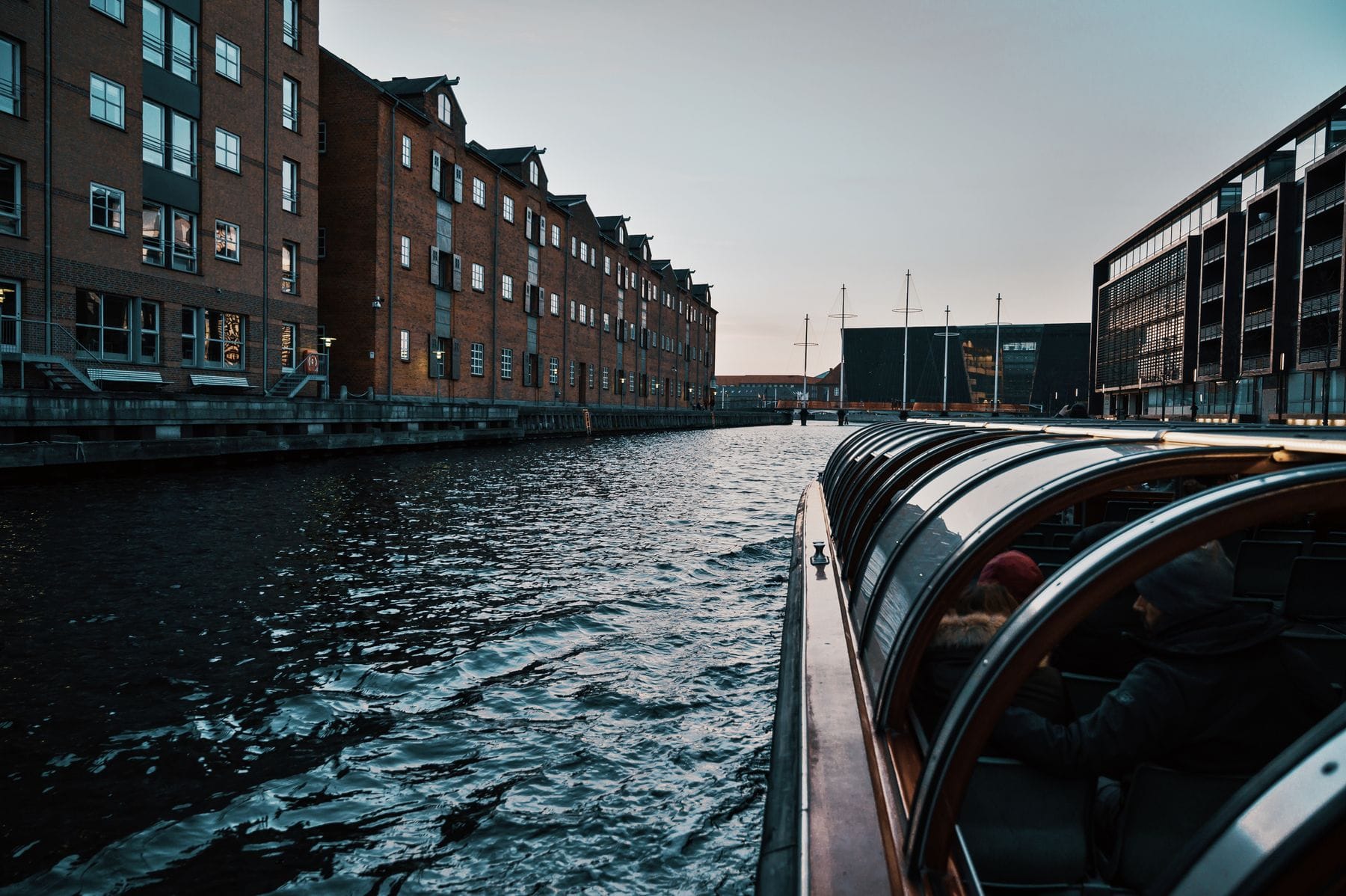
The 992 sails north and the 991 sails south, calling at 11 stops between Nyhavn and the Royal Library roughly every 15-20 minutes. There’s no separate fare gate or booking step; hop on with whatever ticket or travel card you’re already carrying, which makes it a genuine way to get between sights rather than just a scenic detour.
Where to stay in Copenhagen on a budget
Room rates in Indre By run well above Vesterbro or Nørrebro for a comparable standard. All three properties below are real, bookable listings rather than a generic price band.
Three places to book on Expedia
| Hotel | Tier | Location | Why book it | Book |
|---|---|---|---|---|
| Danhostel Copenhagen City | Hostel & private rooms Budget | Central, on the harbourfront near Christiansborg | Denmark’s largest hostel, with dorms and private rooms, a harbour-view cafe, and the meeting point for the city’s free walking tour | |
| Hotel SP34 | 4-star boutique Mid-range | Latin Quarter, near Strøget | 118 rooms across three connected townhouses, with a rooftop terrace and a complimentary wine hour every evening | |
| Nimb Hotel | 5-star luxury boutique Worth it | Inside Tivoli Gardens | 38 rooms in a 19th-century Moorish-style building, with a rooftop pool overlooking Tivoli and a spa |
Where to eat and drink in Copenhagen on a budget
Smorrebrod, open rye-bread sandwiches topped with anything from pickled herring to prawns and egg, is the honest everyday benchmark. A good one from a proper lunch spot costs a fraction of what the same plate costs on a tourist-facing menu.
Three places to know
| Restaurant | Price range | What to expect |
|---|---|---|
| Torvehallerne, Nørreport | 75-150 DKK a meal Budget | A covered food hall of 60-plus stalls next to Nørreport station, from open sandwiches to fresh seafood |
| Restaurant Schønnemann, Indre By | 85-185 DKK Mid-range | Trading since 1877, a lunch-only smorrebrod institution serving herring, shrimp and schnapps in an old-world dining room |
| Höst, Nansensgade | 500-650 DKK a head for the tasting menu, before wine Worth it | A seasonal Nordic tasting menu in a design-award-winning dining room near the Lakes, part of the Cofoco restaurant group |

A proper smorrebrod lunch is normally two or three of these, eaten with a knife and fork rather than as a handheld sandwich. The rye bread base, egg, prawns and dill cost the kitchen very little, which is why a lunch sitting at a place like Schønnemann stays well under what the same room charges for dinner.
Tivoli Gardens and Copenhagen’s paid attractions
Tivoli Gardens is where Copenhagen’s reputation for expense is most deserved, and it’s also the one sight almost nobody skips. Basic entry costs 170 DKK for an adult (85 DKK for a child), and that doesn’t include rides; an unlimited-rides pass adds significantly more on top.
Rosenborg Castle and Christiansborg Palace
Rosenborg Castle, home to the Danish Crown Jewels, costs 140 DKK including the Treasury. Christiansborg Palace’s Royal Reception Rooms cost 150 DKK on the door (140 DKK booked online). A combined Royal Palace Pass covering Rosenborg, Christiansborg and the Amalienborg Museum costs 345 DKK (335 DKK online); it pays off if you’re doing all three, but skip it for a single site.
Is the Copenhagen Card worth it?
Usually not for a short UK break. The Copenhagen Card costs 589 DKK for 24 hours, rising to 859 DKK for 48 hours, and bundles unlimited public transport with entry to more than 80 attractions. It only pays for itself if several paid sights and heavy transport use are packed into a single day; a traveller doing Tivoli, one castle and mostly walking or cycling will usually spend less buying each ticket separately.
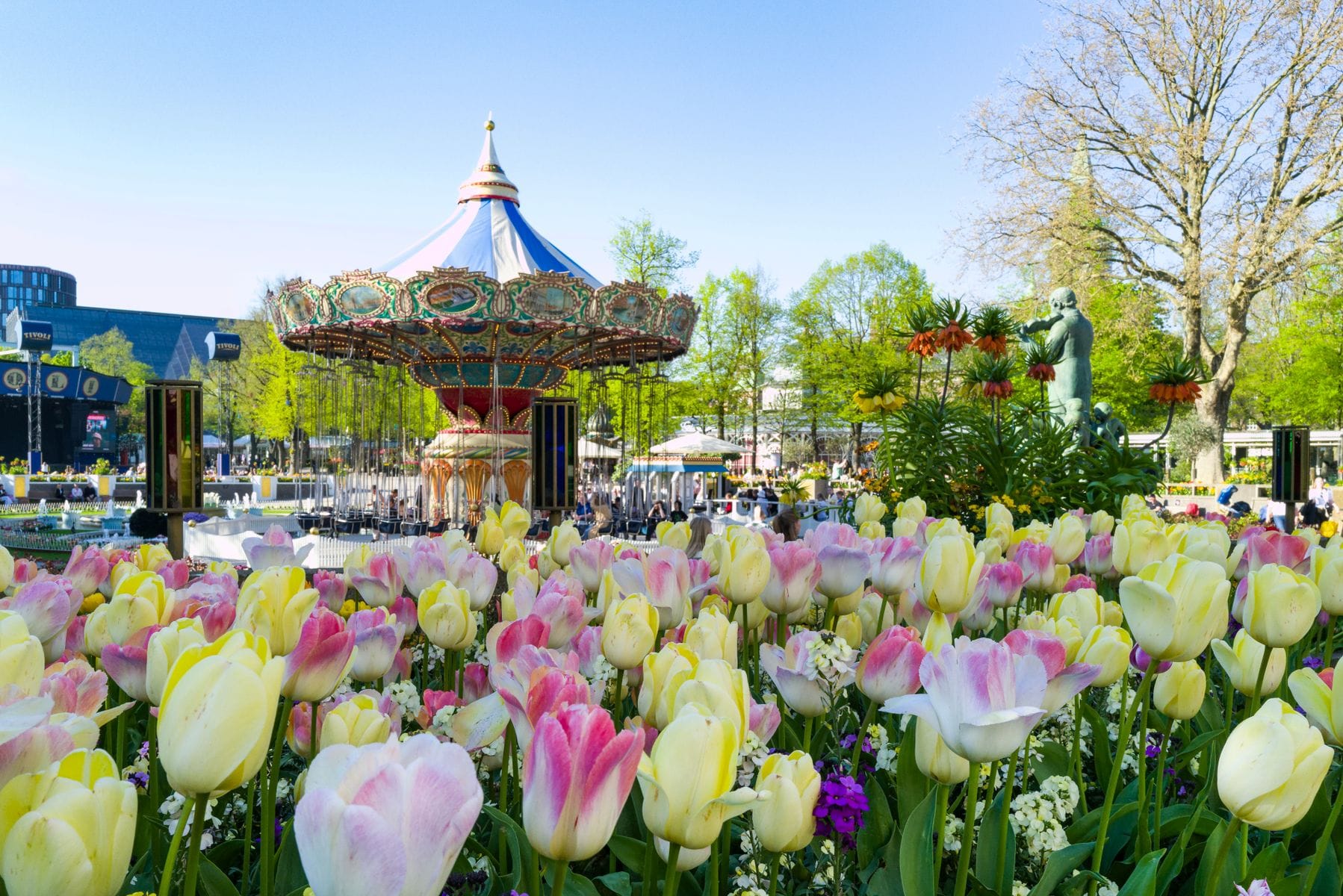
Tivoli opened in 1843 and is one of the oldest operating amusement parks in the world, predating Disneyland by over a century. Basic entry without rides is enough for most first-time visitors to enjoy the gardens and architecture; add the ride pass only if you’re bringing children who’ll actually use it.
How much does Copenhagen cost per day
Keeping costs down in Copenhagen doesn’t mean missing the big sights. A traveller who cycles, eats where locals eat, and treats one paid attraction as the day’s deliberate spend can manage comfortably.
| Traveller type | Per day estimate | What that covers |
|---|---|---|
| Budget | 450-650 DKK (~£51-74) | Hostel bed, bike hire, Torvehallerne meals, the free museum and free walking tour |
| Mid-range | 1,000-1,500 DKK (~£114-171) | Mid-tier hotel, one restaurant meal, occasional transit tickets, Tivoli and one further paid sight |
| Comfortable | 2,500-3,500+ DKK (~£286-400+) | A luxury hotel, dinner somewhere like Höst, taxis throughout, several paid sights |
Best time to visit Copenhagen on a budget
Copenhagen runs coldest and darkest from November to February, when many locals lean hardest on hygge to get through the winter. July and August bring the best weather and, with it, the highest flight and hotel prices.
| Season | Verdict |
|---|---|
| Winter (Nov-Feb) | Cheapest flights and hotels |
| Shoulder (May-Jun & Sep) | The best value-to-weather balance |
| Summer (Jul-Aug) | Warmest and busiest, priced accordingly |
So, is Copenhagen expensive?
Compared with the rest of Scandinavia, no. Compared with most of Western Europe, yes, particularly at the bar and dinner table. A trip built around a hire bike, the harbour bus, the free museum and one deliberate splurge, whether that’s Tivoli or a smorrebrod lunch at Schønnemann, keeps the total under what the headline reputation suggests. It only turns properly expensive if every meal is a sit-down dinner and every trip across town is a taxi, the same trade-off that applies whether you’re weighing Copenhagen against Amsterdam, Berlin or anywhere else on Flight Tribe’s destination guides hub.
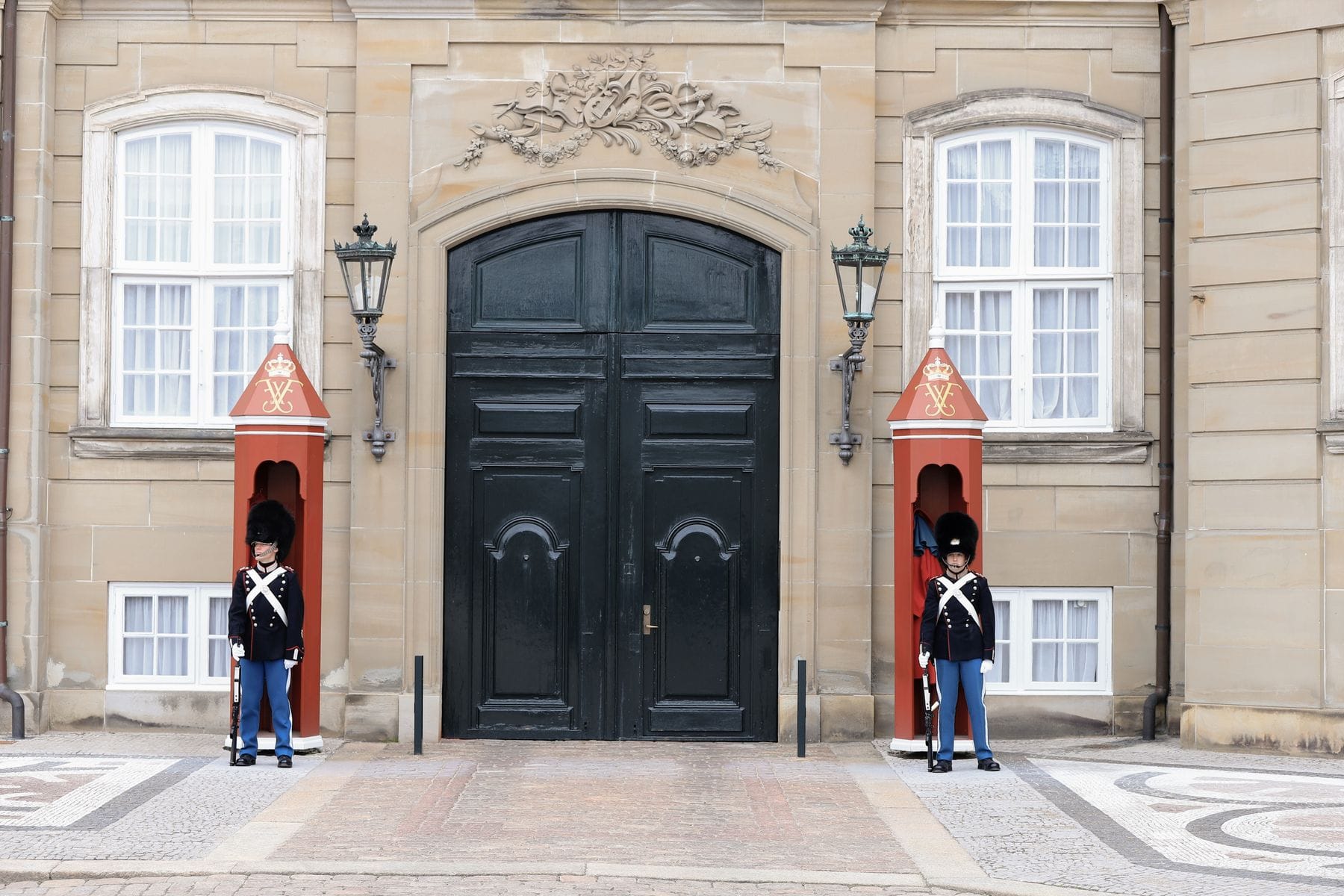
The ceremony itself is free to watch and happens daily regardless of season. The guards leave their barracks near Rosenborg Castle at 11.30am and march through the city centre, so you can catch the procession on its way through rather than only at Amalienborg itself.
Frequently asked questions
Is Copenhagen expensive?
Yes, by Western European standards, particularly for eating and drinking out: a pint often costs over 65 DKK and a sit-down dinner can clear 300 DKK a head. A realistic budget day still comes in around 450-650 DKK by leaning on a hire bike, the harbour bus and the National Museum’s free collection.
How do I get from the UK to Copenhagen?
Copenhagen Airport is served directly from around a dozen UK airports, including London, Manchester and Birmingham, with flight times under two hours. SAS, British Airways, Norwegian, Ryanair and easyJet all fly the route.
Do UK travellers need a visa for Copenhagen?
No. UK passport holders can visit visa-free for up to 90 days in any 180-day period. The EU’s Entry/Exit System (EES) now records fingerprints and a photo on arrival, and the FCDO specifically flags this as causing delays at Copenhagen Airport, so build in extra time.
What currency does Copenhagen use?
The Danish krone (DKK), not the euro. Denmark is an EU member but never adopted the single currency. As of September 2026, £1 buys roughly 8.70 DKK.
How much is Tivoli Gardens?
170 DKK for a basic adult entry ticket (85 DKK for a child), not including rides. An unlimited-rides pass costs significantly more on top. Rosenborg Castle and Christiansborg Palace cost around 140-150 DKK each.
Is the Copenhagen Card worth it?
Usually not for a short UK break. It costs 589 DKK for 24 hours and only pays for itself if you’re visiting several paid attractions and using transport heavily in a single day.
What’s the cheapest time to visit Copenhagen?
November to February brings the lowest flight and hotel prices, alongside short, cold days. May-June and September offer a warmer middle ground with long daylight hours and prices well below the July-August peak.
Is Copenhagen safe for tourists?
Yes, by most everyday measures. The FCDO’s advice for Denmark flags pickpocketing and bag-snatching in crowded tourist spots, including the central station, Nørreport, Strøget, Nyhavn and inside the airport, and advises extra care in Christiania and Nørrebro late at night. The more distinctive practical risk for a UK visitor is cycling: the FCDO notes that cyclists often have the right of way and that many accidents happen when pedestrians don’t give way to them, so treat a bike lane like a road when crossing it.
More Northern Europe city break guides



Kate Acaster is Chief Editor at Flight Tribe. She writes about practical travel planning, budget airlines, baggage rules, city breaks, beach holidays and good hotels that do not cost daft money.
Kate has travelled through Europe, South America and beyond, usually with a notebook, a half-formed plan and a strong opinion on airport snacks. At Flight Tribe, her work focuses on helping UK travellers understand what is included, what costs extra, and whether a trip is worth booking at the price shown.
How Kate works
Kate checks the details that can change the value of a trip, including cabin-bag rules, airline fees, hotel location, seasonality, travel dates and booking conditions. She is especially interested in offers that look useful on the surface but need a proper reader-first check before they are worth recommending.
Editorial standards
Flight Tribe covers deals and travel advice for readers first. Affiliate links do not decide whether an offer is worth writing about.