Published 1 September 2024 | Updated 3 September 2026 by Kate Acaster
Iceland is not a cheap destination, but it is a far more affordable one than most UK travellers expect. The country has a reputation for extreme prices that, in reality, applies mainly to eating out and a handful of specific attractions. Handle those two things well and you can visit for significantly less than you would spend in Norway or Switzerland.
Advertisement
You can find more UK budget travel advice across Flight Tribe’s destination guides.
Search Iceland flights and hotels
This guide is written specifically for UK travellers, with prices in pounds, routes from British airports, and advice timed around UK school holidays. Most Iceland guides online are aimed at Americans and price everything in dollars. That is not particularly useful if you are flying from Birmingham.
Here is a practical breakdown of everything you need to plan a budget Iceland trip.
Flights to Iceland from the UK
Iceland is within a three-hour flight from most UK airports, putting it in the same range as the Canary Islands but with far fewer crowds outside the summer months. Finding cheap flights matters here more than almost anywhere else, because airfare is the single biggest cost variable on an Iceland trip.
Wizz Air and easyJet run budget routes from Gatwick and Luton, with fares falling below £80 return in January and February most years. Timing your search for a Tuesday or Wednesday in January gives you the best shot at a sub-£100 return. Icelandair flies from Heathrow, Manchester and Edinburgh and is worth checking if you want to add a free Reykjavik stopover on a transatlantic connection.
Keflavik Airport is 50km from Reykjavik. The Flybus (around £20 one way) covers the route in under an hour. Taxis cost £80–100 and are only worth considering if you are travelling in a group of four or more.
| UK Airport | Airlines | Off-peak return | Peak return |
|---|---|---|---|
| London Heathrow | Icelandair | from £120 | from £280 |
| London Gatwick | Wizz Air, easyJet | from £77 | from £199 |
| Manchester | Icelandair, Jet2 | from £110 | from £250 |
| Edinburgh | Icelandair | from £130 | from £290 |
| Bristol | Jet2 | from £99 | from £220 |
Flight prices change constantly. The table above is based on searches in May 2026 for travel in January–February and July–August. Check our latest deals page for current offers.
When to Go to Iceland
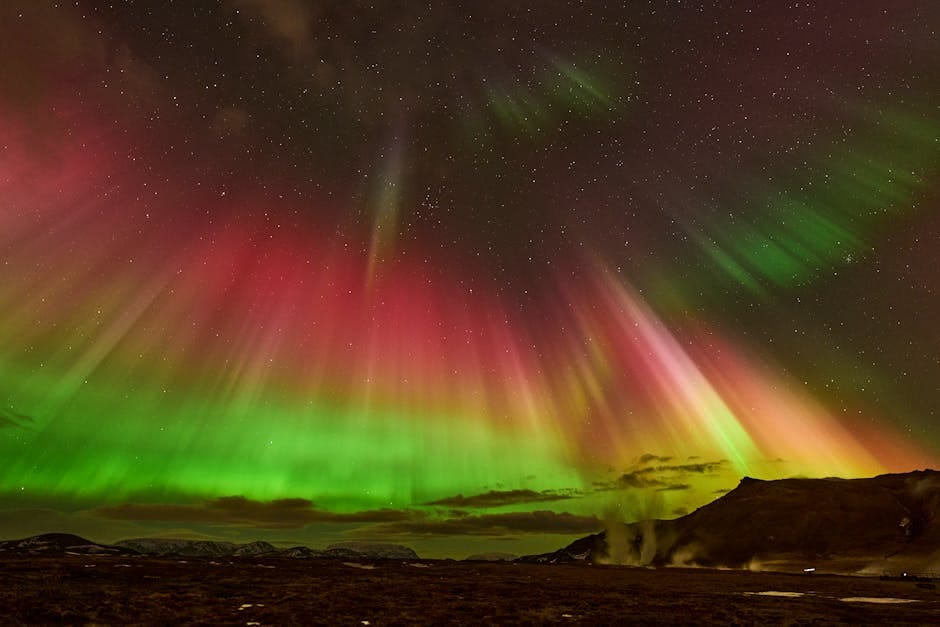
The season you choose shapes every other cost on the trip. Visit in January or February and you are looking at flights under £100 return, empty roads, and the best Northern Lights conditions of the year. Visit in August and prices for flights and accommodation roughly double. When you book matters as much as when you travel.
For UK families, May and September avoid the school-holiday premium while still offering reasonable weather and long daylight hours. September and October represent the best overall package for most travellers: post-summer pricing, the Northern Lights starting to appear, and the landscape still green and accessible. Read our guide on avoiding the school holiday price spike for more on timing your trip affordably.
| Season | Avg temp | Daylight | Crowds | Budget verdict |
|---|---|---|---|---|
| Jan–Feb | −1 to 3°C | 5–8 hrs | Very low | Cheapest time to visit Best value |
| Mar–Apr | 2 to 7°C | 12–18 hrs | Low | Strong shoulder season Shoulder |
| May–Jun | 8 to 13°C | 20–24 hrs | Building | Good if you book early Shoulder |
| Jul–Aug | 11 to 15°C | 20–24 hrs | Peak season | Most expensive Expensive |
| Sep–Oct | 5 to 10°C | 10–17 hrs | Easing | Excellent overall value Best value |
| Nov–Dec | −1 to 3°C | 4–7 hrs | Low | Budget-friendly with character Best value |
Where to Stay in Iceland
Accommodation is one of the biggest costs in Iceland. Central Reykjavik hotels can reach £200 or more per night in peak season. The good news is that there are solid options at every budget, and staying even a short distance outside the capital cuts prices sharply.
For budget travellers, hostels are the obvious starting point. Kex Hostel in central Reykjavik is well-regarded, with a popular bar and a mix of dorm and private rooms. It sits within walking distance of the main city attractions and is considerably more characterful than a standard chain hostel.
Mid-range travellers should look at guesthouses in the residential areas west and north of the centre, which offer private rooms with kitchen access for £80–120 per night. For something more distinctive, Icelandair Hotel Marina overlooks Reykjavik harbour and has far more personality than a generic business hotel. Rates are competitive mid-week in winter and represent good value for a waterfront location.
If the Blue Lagoon is the main reason for the trip and budget is not the primary concern, The Retreat at Blue Lagoon is one of Iceland’s most celebrated hotels. It is expensive, but the rate includes direct lagoon access and removes the need to book separately. Worth considering if you want to avoid the queues entirely and spend multiple sessions at the lagoon over a couple of days.
Outside Reykjavik, guesthouses along the Ring Road offer basic but comfortable rooms for £50–80 per night. Camping is possible from May through September and dramatically cuts costs. Iceland has an extensive network of designated campsites; wild camping regulations are stricter than they were, so stick to official sites.
The Main Attractions
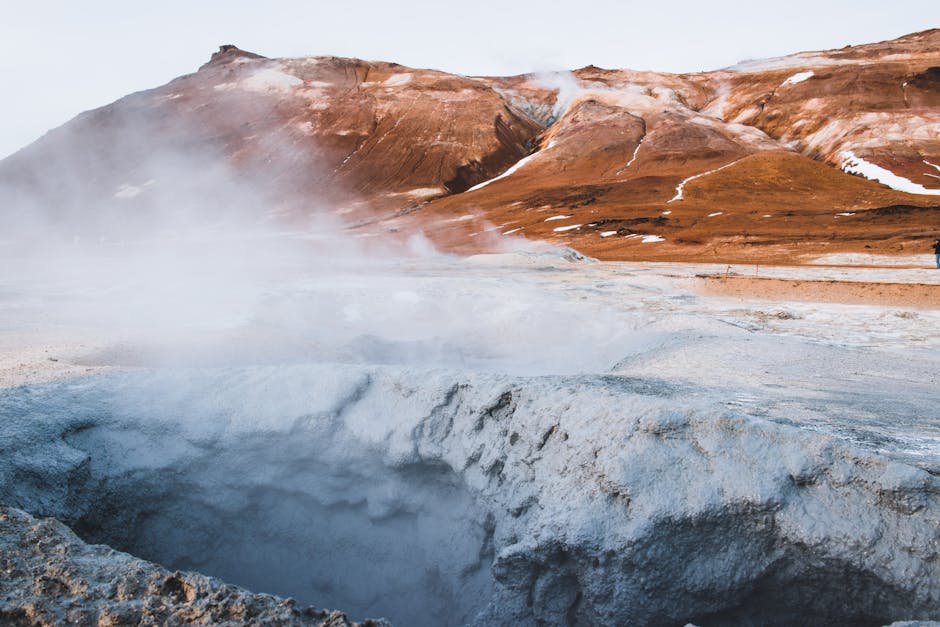
Iceland’s most impressive attractions split into two categories: free and ticketed. The Golden Circle, Jökulsárlón Glacier Lagoon, and Vatnájökull National Park cost nothing to visit. The Blue Lagoon is the exception, and the one where advance planning pays off most.
The Blue Lagoon is worth the price if you book the right tier at the right time. Comfort entry (the base level) runs from around £75 in 2026. Premium and Retreat tiers add private areas and dining but push the total well above £150. Book as early as possible at bluelagoon.com; slots in summer sell out weeks ahead. One important caveat: the Blue Lagoon sits near an active volcanic zone and has closed temporarily several times in recent years, including during the August 2025 eruption. Always check the website in the days before your visit.
The Harpa Concert Hall on Reykjavik waterfront is free to enter and worth a stop for the architecture alone. Evening performances are ticketed, but the foyer and exterior cost nothing.
| Attraction | Entry cost | Money-saving tip |
|---|---|---|
| Blue Lagoon | from £75 | Book Comfort entry 6–8 weeks ahead |
| Golden Circle | Free (self-drive) | Hire a car for £35–55/day |
| Jökulsárlón Glacier Lagoon | Free to view | Visit at dawn or dusk |
| Vatnájökull National Park | Free | Stick to marked walking trails |
| Reykjavik City Card | from £27 / 24 hrs | Covers buses, pools and most museums |
What to Budget for Iceland
The gap between a tight Iceland trip and an indulgent one is narrower than the country’s reputation suggests. The two biggest cost levers are accommodation and food. Switch one restaurant meal per day to supermarket buying and you cut daily spending by £30–50.
Bónus, Iceland’s main discount supermarket chain, has branches in Reykjavik and most larger towns. You can buy ready meals, snacks and drinks at prices roughly comparable to Aldi in the UK. Hostel dorms in Reykjavik start around £25–35 per night. Private rooms in guesthouses outside the capital run £60–90 per night and are significantly cheaper than central Reykjavik hotels. Camping is possible May through September and cuts accommodation costs to almost nothing if you bring or hire equipment.
| Budget type | Daily spend | What’s included |
|---|---|---|
| Shoestring | £60–80/day | Hostel dorm, Bónus supermarket meals, free attractions only Budget |
| Mid-range | £130–180/day | Guesthouse, one restaurant meal, one paid attraction, car hire split two ways Mid-range |
| Comfortable | £250–350/day | Hotel, restaurant meals, Blue Lagoon, one guided day trip every two days Premium |
Getting Around Iceland
Car hire is the most practical and often the most cost-effective way to explore Iceland beyond Reykjavik. Prices start around £35–55 per day for a standard 2WD in summer, rising to £60–80 for a 4WD in winter. Split between two or three people, this is cheaper than guided tours for most itineraries. Book early in summer as vehicles run short in July and August.
For those without a driving licence or travelling solo on a tight budget, Strætó runs the national bus network, covering the main Ring Road stops and Reykjavik city routes. Timetables are sparse outside the capital and do not cover all areas, so check the Strætó app before planning any route that depends on a specific connection.
Hitchhiking is common and generally considered safe, particularly along the Ring Road in summer. It is not a reliable option if you have fixed schedules to meet, but works well as a supplement on quieter stretches between popular stops.
If you hire a car in winter, a 4WD is essential for highland roads and F-roads. Most F-roads are closed entirely until June. Do not attempt them in a standard car. The combination of vehicle recovery costs and potential fines makes it an expensive mistake.
10 Money-Saving Tips for Iceland
- Drink the tap water. Iceland’s water comes from glaciers and springs. It is cleaner than most bottled water you will find in a supermarket. Bring a refillable bottle and save £3–5 every single day.
- Shop at Bónus. Iceland’s discount supermarket, recognisable by the yellow pig logo. Stock up on breakfast and lunch supplies to offset expensive restaurant dinners. Pastries, skyr (Icelandic yoghurt), and ready meals are good value.
- Buy alcohol at the duty-free shop on arrival. The Vin-Búðin state alcohol stores charge full Icelandic prices. Duty-free at Keflavik is significantly cheaper for wine and spirits. UK passengers can bring up to one litre of spirits or four litres of still wine.
- Book the Blue Lagoon at least 6–8 weeks ahead. Later bookings mean fewer time slots and less choice of entry time. Comfort entry is the best value tier. Book at bluelagoon.com directly rather than through a tour operator to avoid a mark-up of £10–30.
- Car share for the Golden Circle and South Coast. If you are travelling solo, look for sharing groups in Reykjavik hostels or on Iceland travel Facebook groups. Splitting a hire car four ways cuts costs to around £10–15 per person for a full day trip.
- Find free hot springs instead of the Blue Lagoon. There are dozens of natural geothermal pools across Iceland that cost nothing. Reykjadalsur valley (a 3km walk from the car park) has a free open-air hot spring river. The Secret Lagoon in Flúðir costs around £17 as a more affordable alternative if the Blue Lagoon is sold out.
- Eat out at lunch, not dinner. Many Reykjavik restaurants offer lunch specials at roughly half the dinner price. The same kitchen, the same food, around £10–15 cheaper per person. The fish soup lunch at Sjávargrillid is a well-known example.
- Take a free walking tour of Reykjavik. Several operators run tip-based tours starting from Harpa Concert Hall. You pay what you think the tour was worth at the end. For £5–10 you get a thorough introduction to the city and local recommendations you would not find in a guidebook.
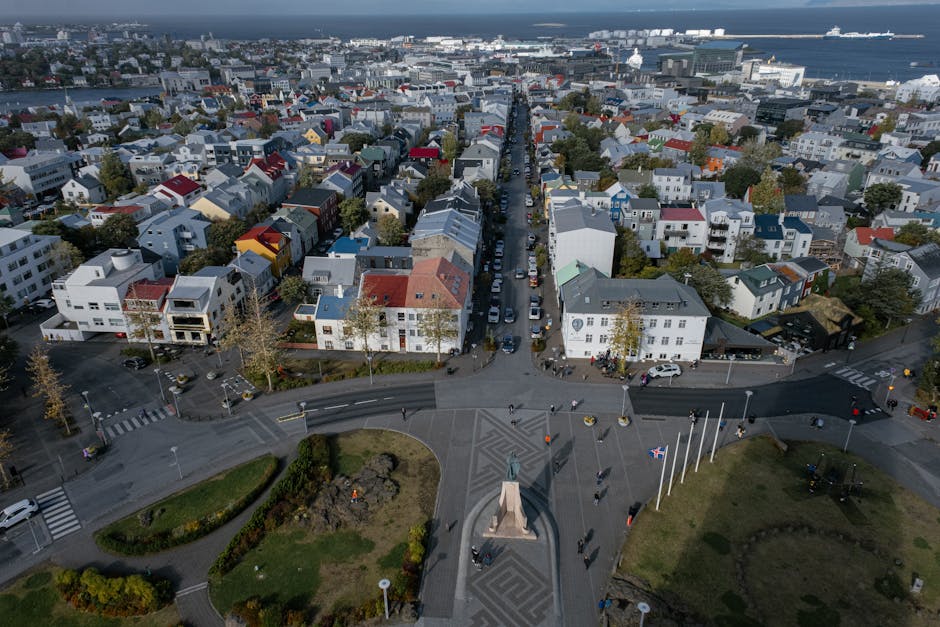
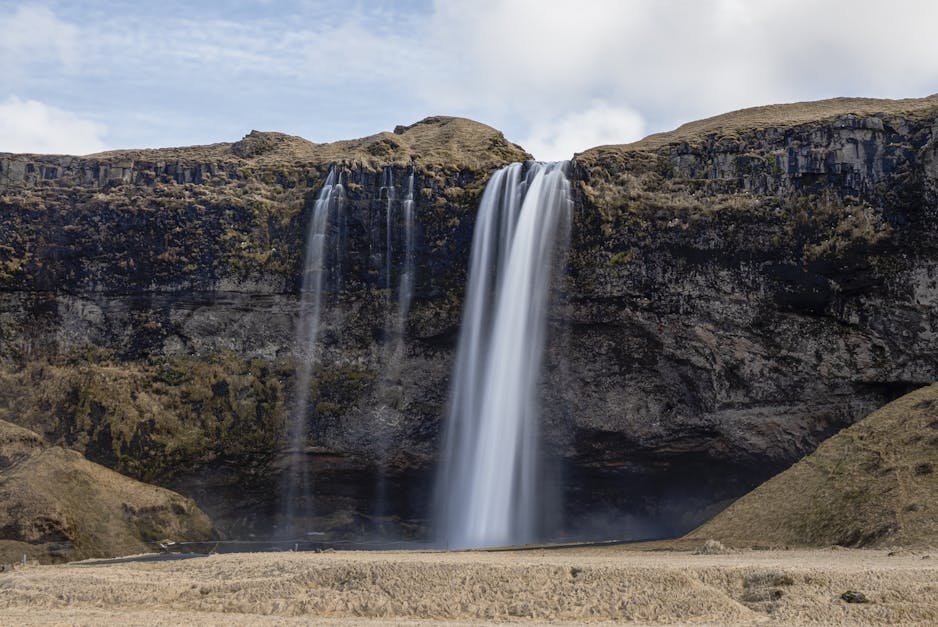
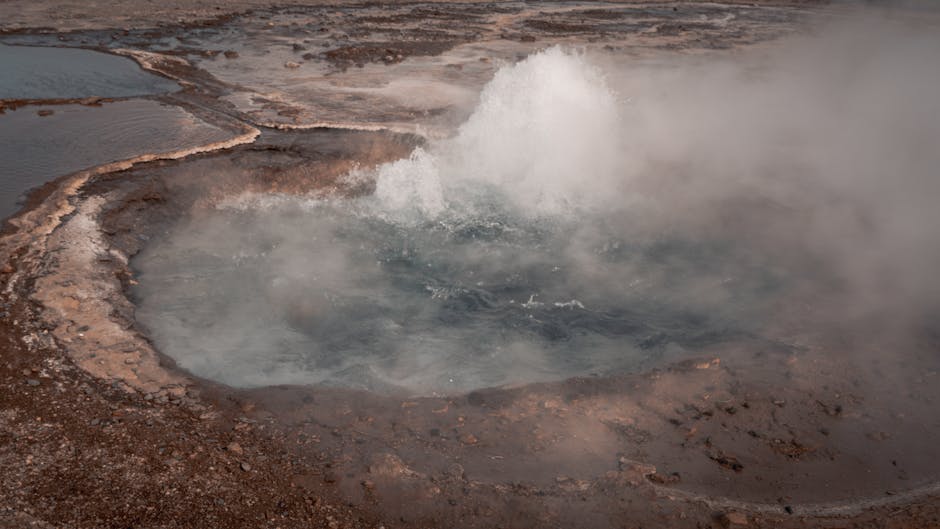
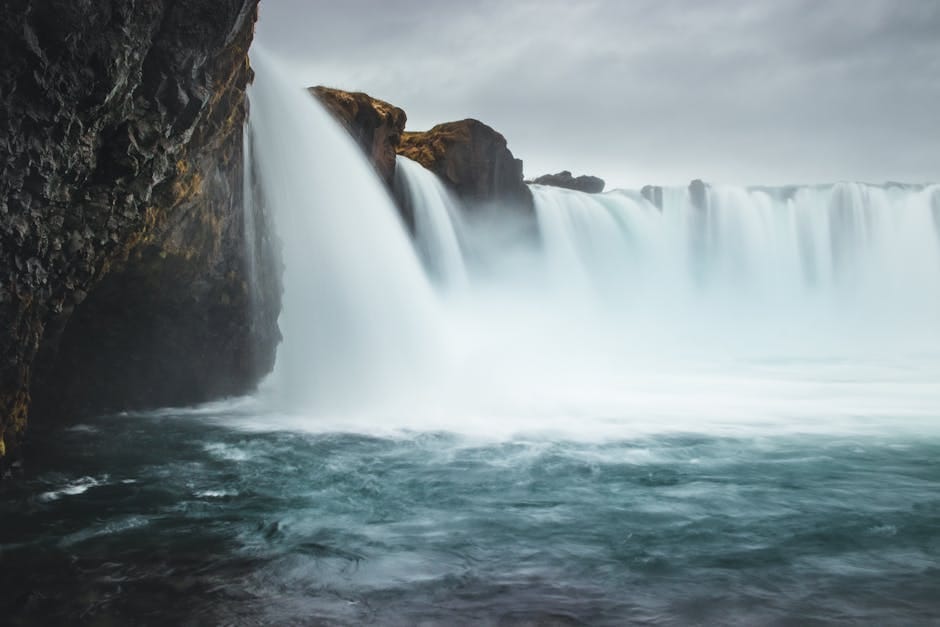
- Cover the free attractions first. Thíngvellir National Park, Geysir, Skógafoss, Seljalandsfoss, Jökulsárlón Glacier Lagoon, and the Reykjavik waterfront all cost nothing. Add paid attractions only after you have covered these. For many travellers, the free list alone fills a full itinerary.
- Download offline maps before you leave the UK. Mobile signal in rural Iceland is patchy. Maps.me or Google Maps offline cover most of the Ring Road and popular hiking areas. UK roaming plans cover Iceland post-Brexit, but do not rely on 4G coverage outside towns.
Iceland Travel FAQs
| Question | Answer |
|---|---|
| Is Iceland expensive for UK travellers? | Yes, but manageable with the right choices. |
| Best time to see the Northern Lights? | September to March, away from city lights. |
| Do UK citizens need a visa? | No. Iceland is part of the Schengen Area. |
| Is tap water safe to drink? | Yes. It is some of the purest water in the world. |
| Is it safe to drive in Iceland? | Generally yes, though winter driving requires care. |
| What currency does Iceland use? | The Icelandic króna (ISK). |

Kate Acaster is Chief Editor at Flight Tribe. She writes about practical travel planning, budget airlines, baggage rules, city breaks, beach holidays and good hotels that do not cost daft money.
Kate has travelled through Europe, South America and beyond, usually with a notebook, a half-formed plan and a strong opinion on airport snacks. At Flight Tribe, her work focuses on helping UK travellers understand what is included, what costs extra, and whether a trip is worth booking at the price shown.
How Kate works
Kate checks the details that can change the value of a trip, including cabin-bag rules, airline fees, hotel location, seasonality, travel dates and booking conditions. She is especially interested in offers that look useful on the surface but need a proper reader-first check before they are worth recommending.
Editorial standards
Flight Tribe covers deals and travel advice for readers first. Affiliate links do not decide whether an offer is worth writing about.