Published 18 July 2026 | Updated 29 August 2026 by Kate Acaster
Lake District holidays are the default choice for UK staycationers, and 2026’s numbers back that up. Sykes Cottages’ Staycation Index puts Ambleside third and Grasmere fourth among the UK’s most in-demand destinations this year, both ahead of established names like Salcombe and Bakewell.
Advertisement
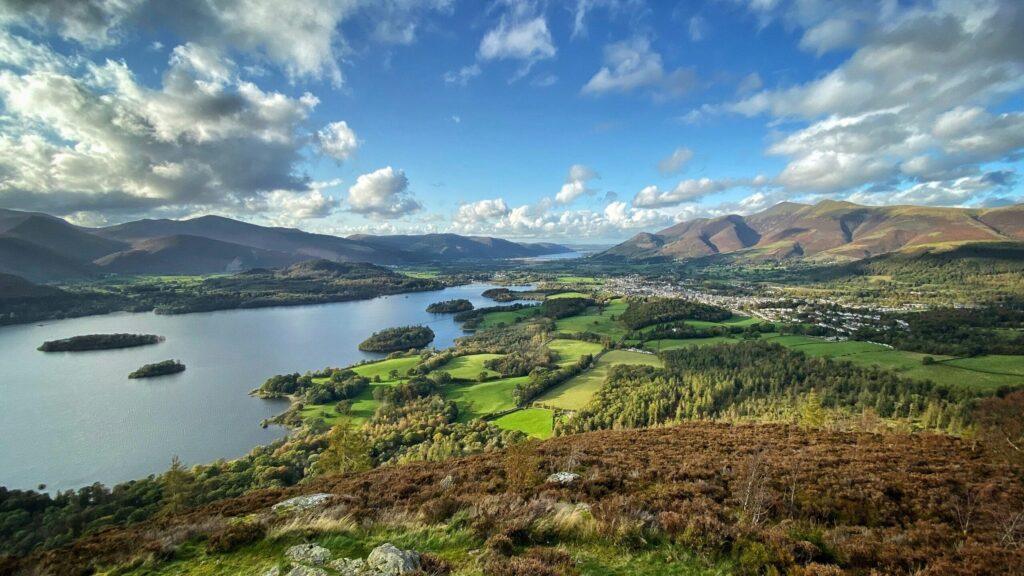
Keswick, Ambleside and Grasmere all sit inside the same national park, but they don’t suit the same trip. Keswick suits Derwentwater and the northern fells. Ambleside suits Windermere and a proper choice of restaurants. Grasmere suits Wordsworth and a slower pace.
This guide covers all three, with verified prices for where to eat and stay in 2026. It’s part of Flight Tribe’s wider look at UK staycations in 2026, alongside Morecambe and Carnforth further down the coast.
For genuine deals on this and other domestic breaks, our UK breaks page is updated daily.
Lake District at a glance
- RegionCumbria, north-west England
- National parkLake District, established 1951
- Nearest stationsPenrith (Keswick), Windermere (Ambleside & Grasmere)
- MotorwayM6, Penrith or Kendal exits
- LandmarksDerwentwater, Dove Cottage, Bridge House
- Peak seasonApril to October, busiest July-August
Lake District holidays: Keswick, Ambleside and Grasmere compared
The Lake District has topped UK staycation demand for years, and 2026 hasn’t changed that.
Sykes Cottages’ Staycation Index, based on a OnePoll survey of 2,000 UK adults, put Ambleside third and Grasmere fourth nationally this year. Both rank ahead of long-standing rivals like Salcombe and Bakewell.
Keswick doesn’t feature on that specific list. It’s still the busiest base in the northern Lakes, and the natural starting point for Derwentwater and Castlerigg.
The three towns suit different trips rather than competing for the same one. Keswick sits on Derwentwater, with the northern fells, Skiddaw, Catbells and Blencathra among them, rising straight from the town.
Ambleside sits at the head of Windermere, England’s largest lake. It works best if boating or a wider choice of restaurants matters to you.
Grasmere is the smallest and quietest of the three, built around Wordsworth’s old home. Its village centre is small enough to walk across in ten minutes.
Accommodation costs vary more by postcode than by town. Windermere and Bowness carry the biggest lake-frontage premium in the national park; Keswick and Grasmere, a little further from that specific stretch of water, are consistently cheaper for a comparable room.
Things to do in Keswick
Keswick’s setting does most of the work. Derwentwater is a five-minute walk from the town centre, and Keswick Launch runs a hop-on, hop-off boat service around it.
An adult round trip costs £15.25, and a single stage costs £3.30, from the jetty by the town’s main car park.
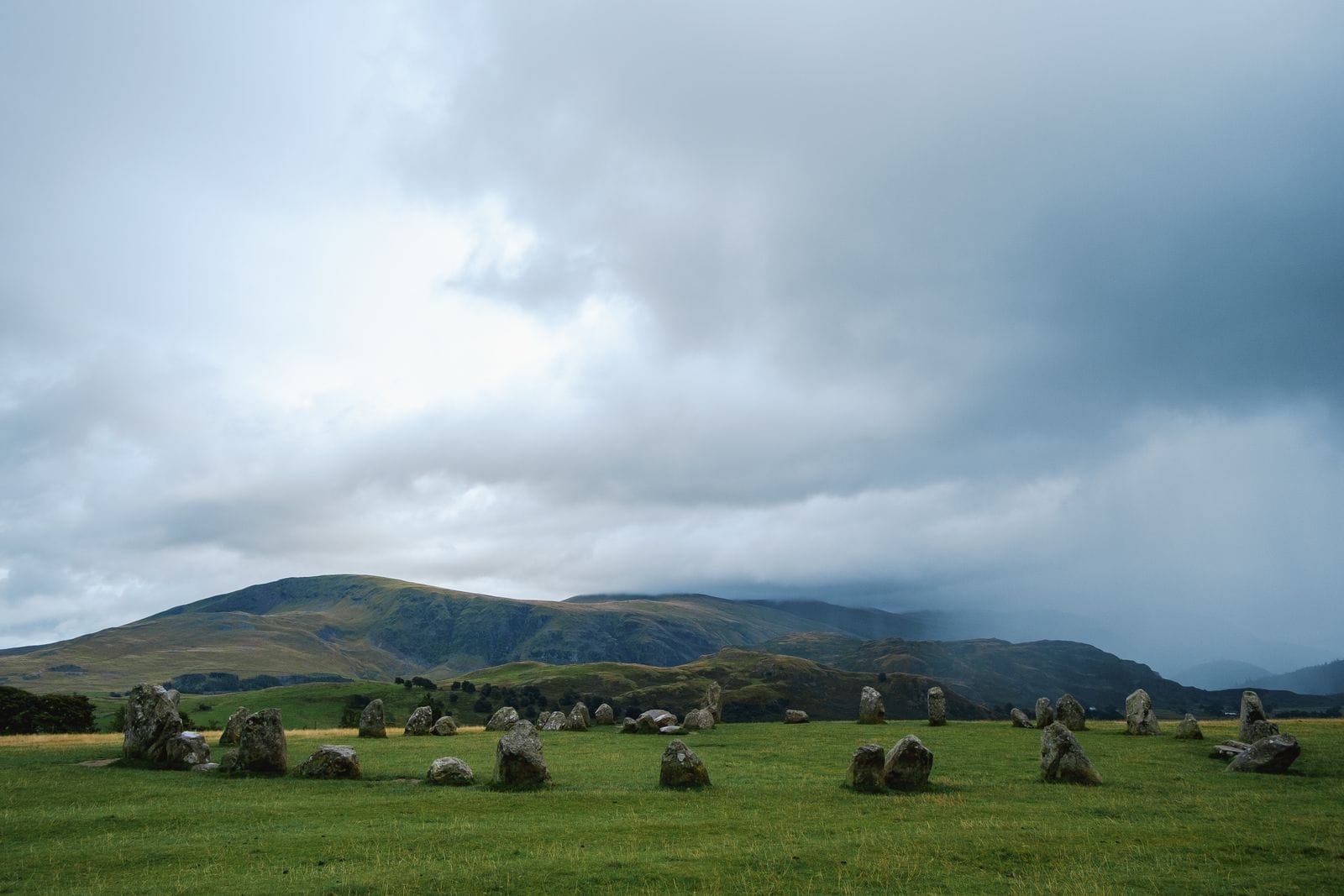
Castlerigg Stone Circle, one of Britain’s oldest and most dramatically sited prehistoric monuments, is a 20-minute walk away. It’s free to visit at any time.
For something more active, Honister Slate Mine is around 20 minutes’ drive west through Borrowdale. It runs both underground mine tours and Via Ferrata climbing routes on the old quarry face, a genuine alternative to standard fell walking if the weather turns.
| Attraction | Type | Why go |
|---|---|---|
| Derwentwater & Keswick Launch | Lake cruise | Hop-on hop-off round trip £15.25pp, single stage £3.30. Boats run from the town centre jetty |
| Castlerigg Stone Circle | Prehistoric monument | Free, a 20-minute walk from Keswick, with 360-degree fell views |
| Honister Slate Mine | Mine tour & Via Ferrata | Underground tours from £25, Via Ferrata climbing from £55, around 20 minutes by car |
| Theatre by the Lake | Theatre & arts venue | A full producing theatre right on the lakeshore, with a year-round programme |
Ambleside: boating, walking and the busiest restaurant scene in the Lakes
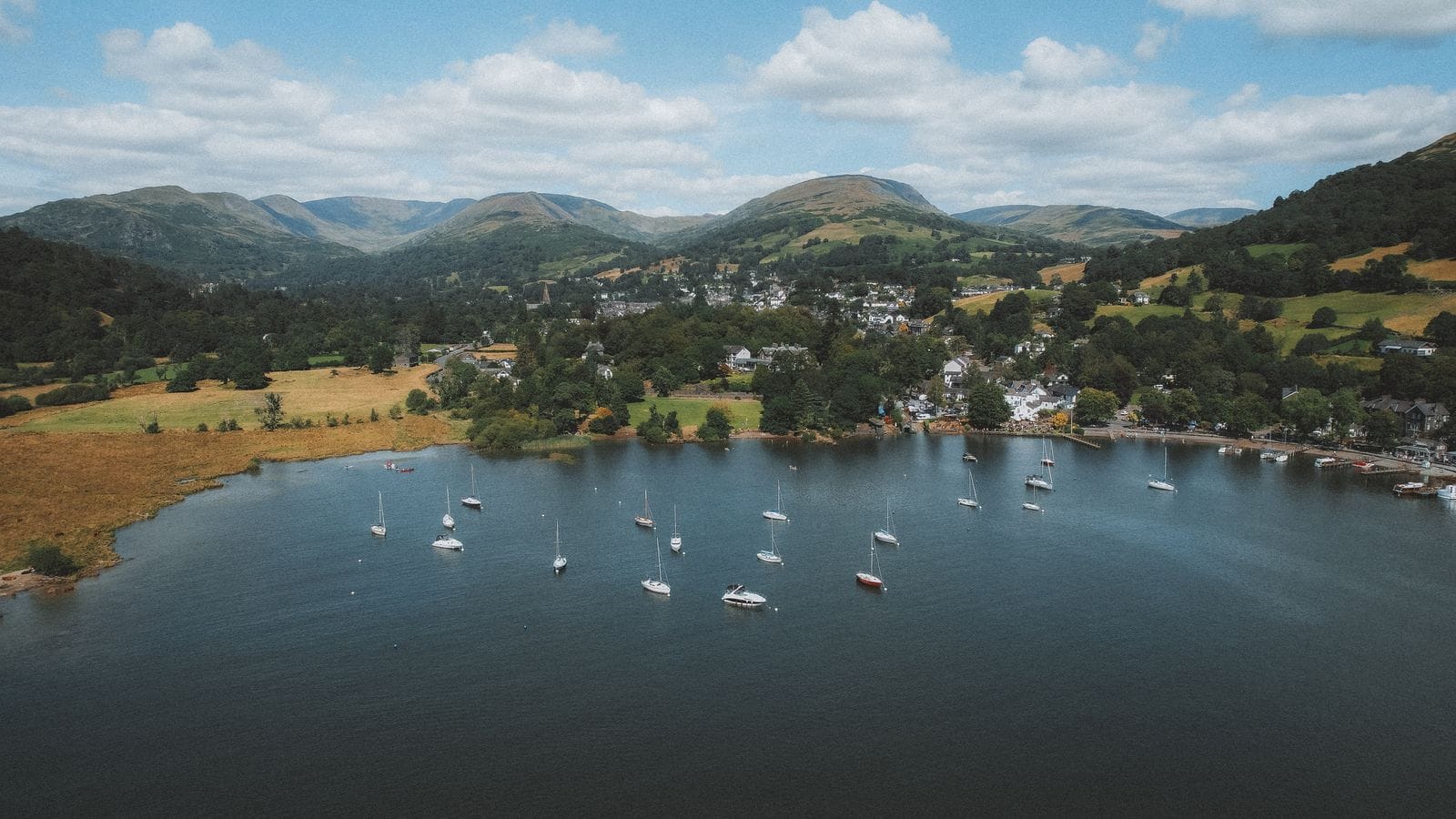
Ambleside sits at the northern tip of Windermere, at a spot called Waterhead. The lake shapes almost everything about a stay here.
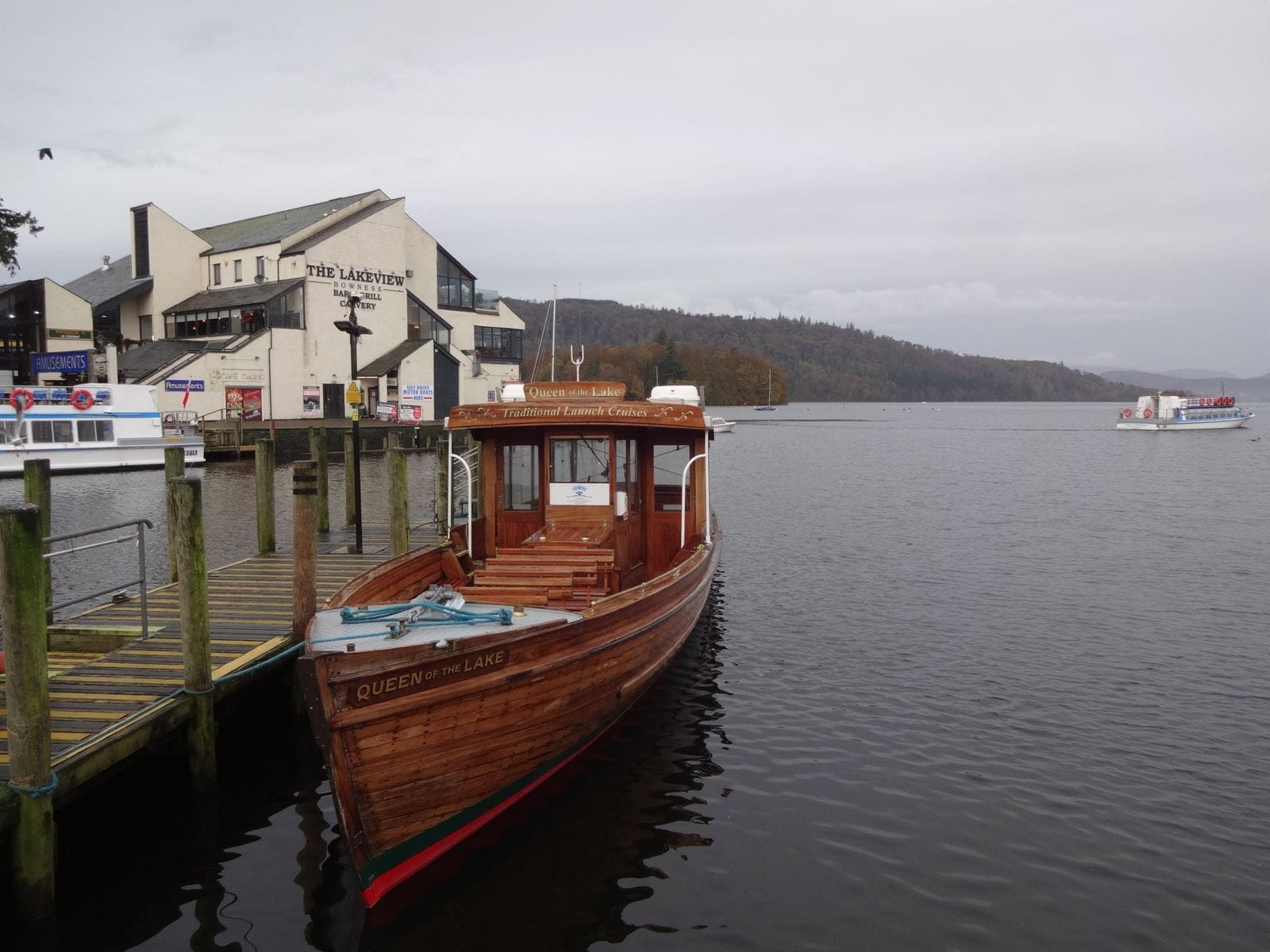
Traditional wooden launches run scheduled cruises from Waterhead pier down to Bowness and Lakeside. Rowing boats and motor boats are available to hire by the hour for anyone who’d rather captain their own trip.
The town itself is compact enough to explore in an afternoon. Bridge House, a tiny 17th-century building perched directly over Stock Beck, is one of the National Trust’s smallest properties. Local tradition holds it was built with no ground beneath it, to dodge land tax.
A 20-minute walk from the centre leads to Stock Ghyll Force, a waterfall in a wooded ravine. It’s free to visit and rarely busy outside peak summer weekends.
Ambleside also has the widest choice of places to eat of any town in this guide. Choices range from the Michelin-starred Old Stamp House and Lake Road Kitchen to the Drunken Duck Inn.
It’s a historic gastropub with its own microbrewery, a short drive away in Barngates. For a base that mixes lake activity with a genuine restaurant scene, Ambleside is the strongest of the three towns in this guide.
Grasmere: Wordsworth’s village, and the tarn above it
Grasmere is the smallest of the three bases, and it trades size for quiet. William Wordsworth lived at Dove Cottage from December 1799 to May 1808. The cottage and its adjoining museum, run by the Wordsworth Trust, are open to visitors most of the year.
He’s buried a short walk away in the churchyard of St Oswald’s, alongside his sister Dorothy and three of his children.
The village’s other famous export is edible rather than literary. Sarah Nelson perfected her spiced gingerbread recipe here in the winter of 1854.
The shop she opened, in a former village schoolhouse dating to 1630, still bakes it fresh daily to her original recipe. She kept the recipe locked in a bank vault, and it remains secret today.
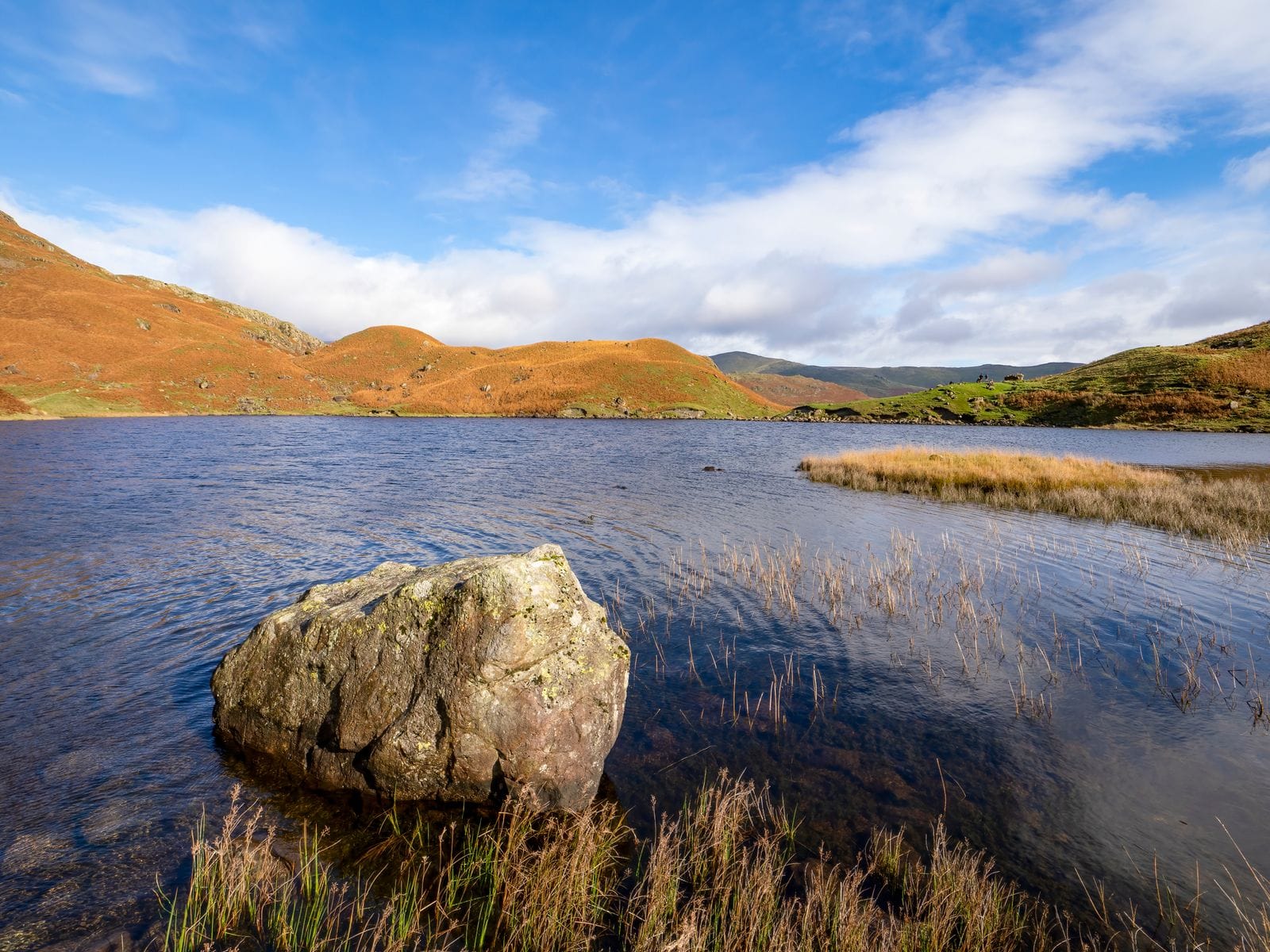
Grasmere’s real advantage for walkers is what starts directly from the village. Easedale Tarn, a small upland lake ringed by fells, is a round trip of around four miles from the centre. The path climbs gently, rather than demanding any real scrambling.
It’s one of the more accessible tarns in the national park. It’s a natural half-day walk for anyone based here, rather than driving out to it.
Grasmere and Ambleside sit less than four miles apart along the A591, so it’s easy enough to combine both in one trip.
“Keswick’s your pick if you want the lake to be the whole point of the trip. Ambleside’s got the better food scene once you’re off the water.
Grasmere’s quieter, better for a half-day at Easedale Tarn than a big night out.
If you’re driving the A591 between all three more than once a day, you’ve picked the wrong base. Decide which one matters most and day-trip from there.”
Kate Acaster, Chief Editor, Flight Tribe
Where to eat around Keswick, Ambleside and Grasmere
Eating well across all three towns doesn’t need a special-occasion budget, though the option’s there if you want it. The three picks below cover a genuine Keswick institution, a historic gastropub near Ambleside, and one of Cumbria’s Michelin-starred dining rooms in Grasmere.
| Restaurant | Tier | Location | Why go | Book |
|---|---|---|---|---|
| Bryson’s of Keswick | Tea room & bakery Budget | Keswick town centre | A working craft bakery since 1947, with a tea room serving Cumbrian specialities alongside its own bread and cakes | |
| The Drunken Duck Inn | Gastropub & brewery Mid-range | Barngates, near Ambleside | A historic coaching inn with its own microbrewery, well regarded well beyond Cumbria | |
| Forest Side | Michelin-starred dining Worth it | Grasmere | A Victorian country house restaurant with a Michelin star for ingredient-led cooking inspired by the surrounding fells |
Where to stay in the Lake District
Booking early matters more here than in most of this guide’s sibling towns. Ambleside and Grasmere now sit inside a national demand ranking, rather than being a local secret.
The three picks below cover a genuine budget option in Keswick, a lakeside inn in Ambleside, and a spa hotel in Grasmere. They suit anyone making more of a trip of it.
| Hotel | Tier | Location | Why book it | Book |
|---|---|---|---|---|
| YHA Keswick | Hostel Budget | Keswick, by Derwentwater | Dorms and private rooms with kitchen facilities, a genuinely central Derwentwater location | |
| The Waterhead Inn | Lakeside inn Mid-range | Waterhead, Ambleside | Right on Windermere’s shore, a short walk from the lake cruise pier and Ambleside’s restaurants | |
| The Daffodil Hotel & Spa | 4-star spa hotel Worth it | Grasmere | A waterside spa hotel on Grasmere’s edge, with hydrotherapy facilities and lake views from the restaurant |
Getting to Keswick, Ambleside and Grasmere
Keswick sits just off the A66, around 5 miles from the M6 at Penrith, and is the more northerly of the three bases. Ambleside and Grasmere sit on the A591 in the central Lakes, closer to the M6 at Kendal, Junction 36.
By train, Penrith, on the West Coast Main Line, is the gateway for Keswick. A connecting bus covers the final stretch, since the town itself has no station.
Windermere and Oxenholme serve Ambleside and Grasmere, both a short bus or taxi ride from the villages themselves.
Once you’re in the southern Lakes, you don’t necessarily need a car to get between towns. Windermere Lake Cruises link Ambleside’s Waterhead pier with Bowness and Lakeside, and the fare’s often cheaper, and more scenic, than driving the single road round the lake.
By car, allow around 5 hours from London and under 2 hours from Manchester or Leeds, all via the M6.
Traffic on the A591 and A66 slows significantly on summer weekends and bank holidays. Build in extra time if you’re arriving on a Friday afternoon or Saturday morning in July or August.
Best time to visit the Lake District
April to June and September to October are the best months for a trip here. Weather’s reliable enough for fell walking, without the July and August crowds that push up both prices and queue times at popular spots like Castlerigg and Bowness.
Grasmere and Ambleside book up fastest of the three towns in this guide. Both now sit inside a national demand ranking that Keswick doesn’t.
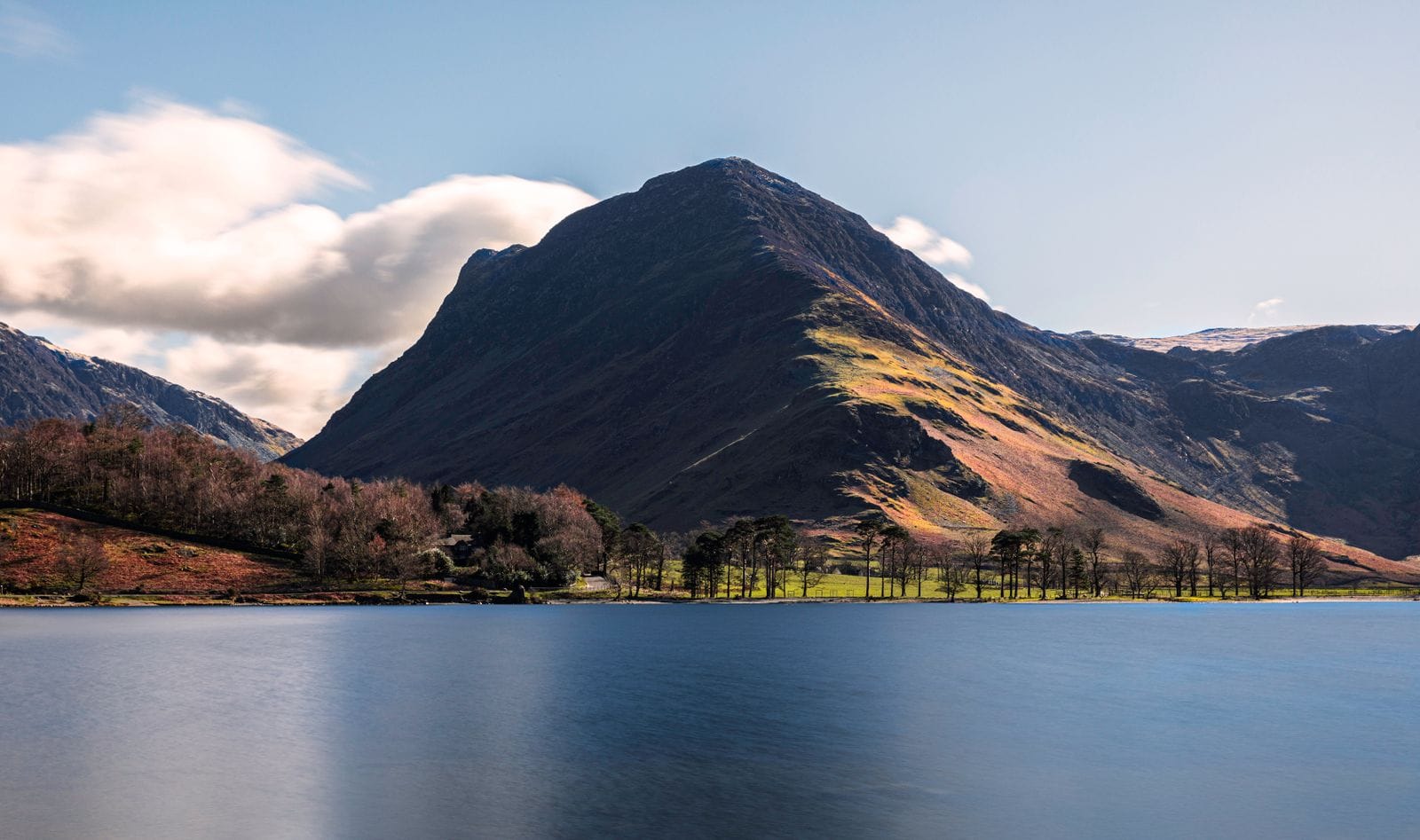
Winter has its own appeal if you don’t mind shorter days. Fells like the ones above Buttermere take on a different character under snow or low winter light. Accommodation prices drop noticeably outside the Christmas and New Year period.
Some smaller attractions, including parts of Honister Slate Mine’s outdoor routes, reduce their hours or close in the depths of winter. Check ahead if a specific activity is the reason for your trip.
For more on timing a UK trip for the best rates generally, see our 50 tips for saving money on travel. It covers shoulder-season booking in more detail.
Frequently asked questions
What’s the best base in the Lake District: Keswick, Ambleside or Grasmere?
It depends on what you want from the trip. Keswick suits Derwentwater and the northern fells, Ambleside suits boating and the widest choice of restaurants, and Grasmere suits a quieter stay built around Wordsworth’s Dove Cottage.
All three are within a 30-minute drive of each other.
Why are Ambleside and Grasmere ranked so highly for UK staycations in 2026?
Sykes Cottages’ 2026 Staycation Index, based on a OnePoll survey of 2,000 UK adults, placed Ambleside third and Grasmere fourth nationally. Both rank ahead of established rivals like Salcombe and Bakewell.
How do I get to the Lake District from London or Manchester?
The West Coast Main Line runs to Penrith, for Keswick, and Oxenholme, for Windermere, Ambleside and Grasmere, from London Euston in around 3.5 to 4 hours. There’s a connecting bus for the final stretch.
By car, it’s around 5 hours from London and under 2 hours from Manchester via the M6.
Is Keswick or Ambleside better for a first visit?
Both work well. Keswick has Derwentwater on its doorstep and slightly lower prices; Ambleside has a wider choice of restaurants and direct lake cruises from Waterhead. Grasmere suits a shorter, quieter add-on to either.
How far apart are Keswick, Ambleside and Grasmere?
Grasmere and Ambleside are less than 4 miles apart. Keswick is around 14 miles from Ambleside and 18 miles from Grasmere, all connected by the A591.
When is the best time to visit the Lake District?
April to June and September to October give the best balance of good weather and thinner crowds. July and August are busiest and most expensive, and winter can be atmospheric, though some fell paths and attractions reduce their hours.
For more UK and international destination guides, see the full Flight Tribe destination guides hub.

Kate Acaster is Chief Editor at Flight Tribe. She writes about practical travel planning, budget airlines, baggage rules, city breaks, beach holidays and good hotels that do not cost daft money.
Kate has travelled through Europe, South America and beyond, usually with a notebook, a half-formed plan and a strong opinion on airport snacks. At Flight Tribe, her work focuses on helping UK travellers understand what is included, what costs extra, and whether a trip is worth booking at the price shown.
How Kate works
Kate checks the details that can change the value of a trip, including cabin-bag rules, airline fees, hotel location, seasonality, travel dates and booking conditions. She is especially interested in offers that look useful on the surface but need a proper reader-first check before they are worth recommending.
Editorial standards
Flight Tribe covers deals and travel advice for readers first. Affiliate links do not decide whether an offer is worth writing about.