

Published 6 September 2024 | Updated 13 October 2026 by Kate Acaster
Manchester on a budget is easy to do, and the reason is simple: most of its biggest museums and galleries are free. You can fill two or three days with art, history and science without paying for a single ticket, then put your money towards a good curry and a night out instead.
Advertisement
The city is also easy to reach. Trains and coaches run from almost every part of the UK, and the centre is small enough to cross on foot. This guide covers how to get there cheaply, how to get around, where to stay, where to eat, and when to go if you want to keep the cost down.
Why Manchester works for a budget city break
Manchester rewards careful spenders. Its major museums charge nothing, the centre is walkable, and cheap trains and coaches reach it from across the UK.
The free museums are the heart of it. The Science and Industry Museum, Manchester Museum, Manchester Art Gallery and the Whitworth all let you in for nothing, so a wet afternoon costs only what you spend in the café. Add a compact centre you can walk end to end in 20 minutes and you remove the two things that usually drain a city-break budget: attraction tickets and transport.
There is one catch worth knowing early. Hotel prices in Manchester swing hard around events. A United or City home game, or a big night at the Co-op Live or AO Arena, can double room rates across the city. Check the fixture and gig calendars before you book, and you avoid the single biggest budget trap.
Getting to Manchester
The cheapest way in is almost always an advance train ticket or a coach. Walk-up train fares are dear, but tickets booked a few weeks ahead are far cheaper, and coaches from London start in single figures.
| From | Fastest train | Advance fare from | Coach |
|---|---|---|---|
| London | About 2h 10m | Around £30 to £40 | From about £6 to £10 |
| Birmingham | About 1h 30m | Around £9 to £15 | From about £5 to £7 |
| Leeds | About 1h | Around £6 to £10 | From about £4 to £6 |
| Liverpool | About 45m | Around £4 to £7 | From about £4 to £6 |
| Edinburgh or Glasgow | About 3h 15m | Around £15 to £25 | From about £12 to £18 |
Two habits cut train costs further. Book in advance, because single-leg Advance tickets are far cheaper than turning up on the day. And look at split-ticketing, where you buy two or more tickets that cover the same journey for less than one through fare. Both are legitimate and widely used.
Flying only makes sense from Scotland or Northern Ireland, where a budget fare can beat a long train. If that is you, our guide to finding cheap flights from the UK and our advice on the cheapest time of year to fly will help you keep the airfare down. If you land at Manchester Airport, the train into Piccadilly takes about 18 minutes and runs every 10 minutes or so, with advance fares from around £2.
Getting around: trams, buses and walking
You will barely need to pay for transport inside Manchester. The centre is walkable, and for longer hops the trams and buses both cap what you spend if you tap a contactless card.
| How | How it works | Typical cost |
|---|---|---|
| On foot | Most central sights are within a 20-minute walk | Free |
| Metrolink tram | Tap a contactless card in and out; fares are zonal with daily and weekly caps | Singles from £1.40 |
| Bee Network bus | Tap on; a single fare is capped at £2 and you can change buses free within an hour | £2 single |
| Airport train | Manchester Airport to Piccadilly in about 18 minutes, every 10 minutes or so | Advance from around £2 |
The simplest plan is to walk during the day and tap a contactless card on a tram or bus when your feet need a rest. The £2 bus single makes it cheap to reach Rusholme for a curry or Salford Quays for the waterfront, and the daily cap means a busy day of hopping around never runs away from you.
The free museums and galleries
This is where Manchester earns its budget reputation. Almost all of its major museums and galleries are free, so a day of culture costs nothing but your time.
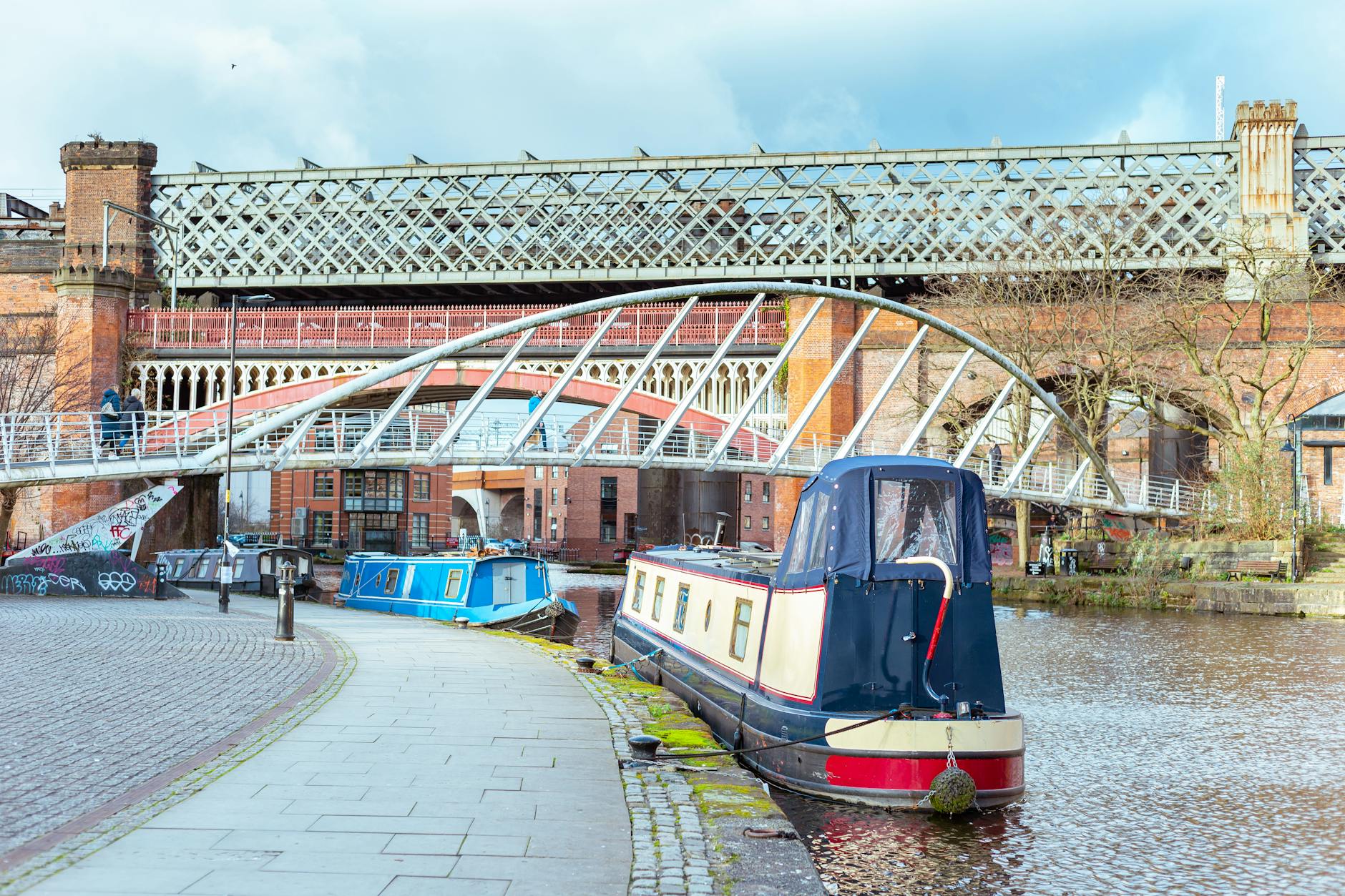
Castlefield, with its canals and Victorian viaducts, sits next to the Science and Industry Museum and makes a good place to start a free day in the city.
The Science and Industry Museum tells the story of the world’s first industrial city and is free to enter, though it is part way through a long restoration, so check which galleries are open before you go. Manchester Museum, recently rebuilt, holds Egyptology and natural history collections and is also free. For art, Manchester Art Gallery and the Whitworth both cost nothing for their permanent collections, and the People’s History Museum tells the story of working people and democracy. Entry is free, donations are welcome, and it is closed on Tuesdays.
Two more are worth the short trip. The Imperial War Museum North at Salford Quays is free and architecturally striking, and the John Rylands Library on Deansgate is a neo-Gothic reading room that feels like a film set, also free to walk into, though it opens only Wednesday to Saturday. The one big exception to the free rule is the National Football Museum, which now charges for admission, though entry is free for people who pay council tax to Manchester City Council.
Free and cheap things to do beyond the museums
The free options do not stop at the museum doors. Manchester has parks, canals, street art and waterside walks that cost nothing, plus a few cheap day trips on its doorstep.

Salford Quays and MediaCity, a short tram ride from the centre, make a free afternoon walk past the Lowry and the Imperial War Museum North.
In the centre, the Northern Quarter is the place for street art, with murals filling its brick side streets, and Castlefield’s canal basin is a quiet spot for a wander away from the shops. For green space, Heaton Park to the north is one of the largest municipal parks in Europe and free to enter, with a farm and boating lake. Central Library on St Peter’s Square is free to step inside and shelter from the rain in one of the finest reading rooms in the country.
Manchester also pairs well with a cheap day trip. Liverpool is only about 45 minutes away by train, and our budget guide to Liverpool shows how to do it without spending much. If you visit between early November and late December, the Christmas Markets spread across the city are free to wander, and you only pay for what you choose to eat or buy.
Where to stay on a budget
The cheapest beds are in the budget chains and hostels, and you have a real choice of areas. Where you stay matters less for sightseeing, since the centre is small, and more for price and atmosphere.
| Area | Best for | Budget room from |
|---|---|---|
| City Centre and Piccadilly | Arriving by train and walking everywhere | Around £45 to £90 |
| Northern Quarter | Bars, independents and a night out on foot | Around £50 to £95 |
| Castlefield | Quieter canalside nights near the Science and Industry Museum | Around £55 to £100 |
| Salford Quays | Lower prices, tram-linked, near MediaCity | Around £40 to £80 |
Budget chains like Premier Inn, Travelodge and easyHotel cluster in and around the centre, and a hostel dorm bed undercuts the cheapest hotel rooms if you book ahead. Whatever you choose, set your dates around the fixture and concert calendar. The same room can cost twice as much on a derby weekend as it does on a quiet Tuesday in February.
Eating and drinking cheaply
You can eat very well in Manchester for very little, as long as you head for the right streets rather than the tourist-facing chains.

Rusholme’s Curry Mile, a short bus ride south of the centre, is the cheapest serious meal in the city, with curries and grills at prices the centre cannot match.
For variety, Chinatown in the centre does good-value set lunches that cost far less than the same food in the evening. The Northern Quarter is full of independent cafés and street food, and the city’s restored food halls, like Mackie Mayor, gather small traders under one roof so a group can eat different things without anyone overspending. For the cheapest lunch of all, the food stalls in Arndale Market do filling plates for under a tenner.
A simple rule keeps the food budget down: eat your main meal at lunch where you can, drink in the Northern Quarter’s independents rather than the chains, and treat the Curry Mile as the value option it is.
The best time to visit for value
January to March is the cheapest time to visit Manchester, once the Christmas crowds have gone and hotel prices fall back. The trade-off is the weather, which is cool and often wet.
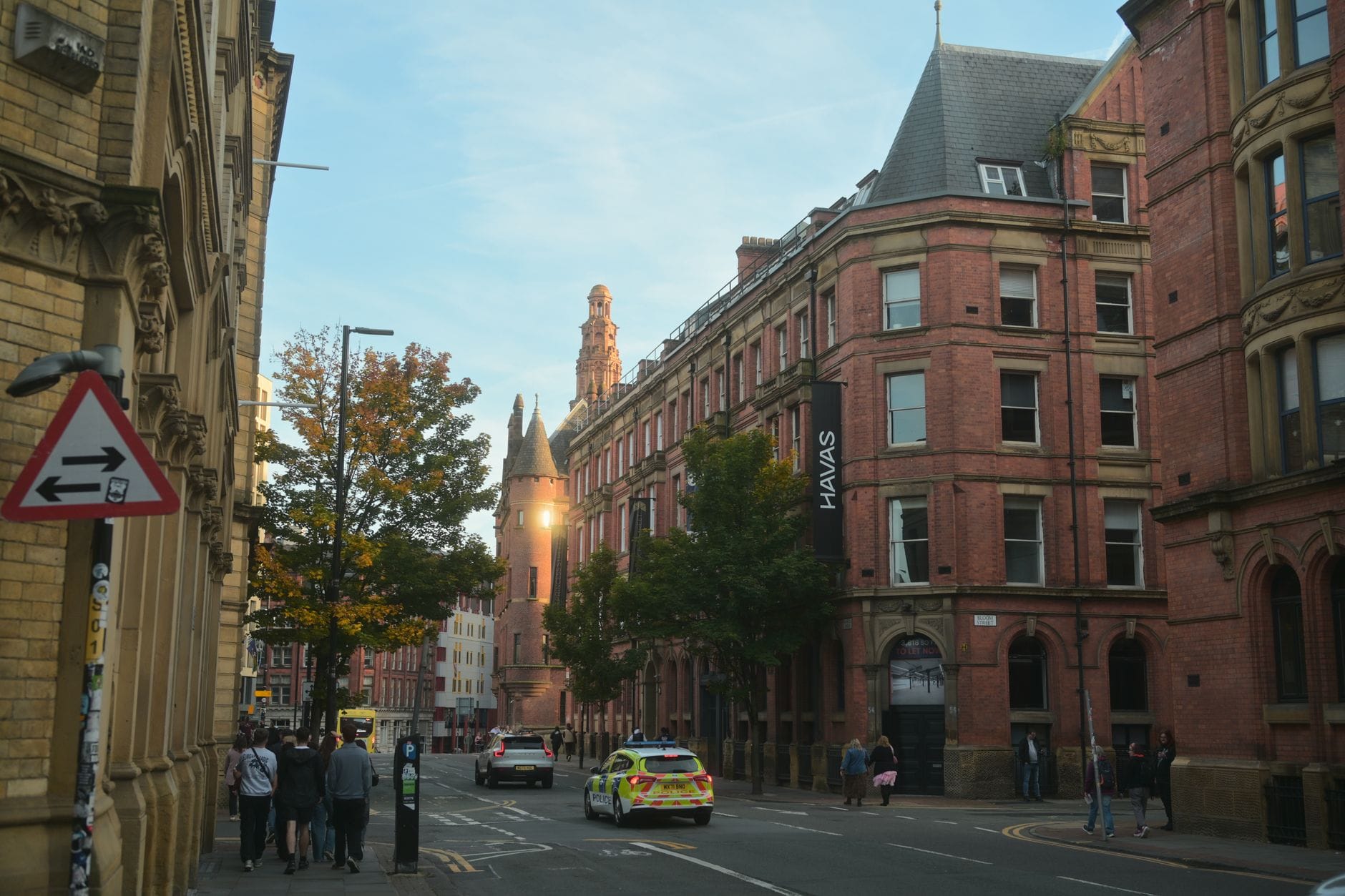
Manchester in autumn is quieter and cheaper than summer, and a free-museum city break suits a grey day better than most.
Summer brings the best weather and the longest days, but also the highest prices and the most visitors. The Christmas Markets, which run from early November to just before Christmas, are a real draw and free to walk around, though hotels are dear across that period. Whenever you come, pack a waterproof, because Manchester is one of the wetter cities in the country and a free-museum day is the perfect rainy-day plan. If you are still deciding when and where to travel this year, our guide to where is hot each month sets Manchester against warmer options.
Money-saving tips for Manchester
A few simple habits keep a Manchester trip cheap from the moment you book to the day you leave.
- Build your days around the free museums and galleries, and treat paid attractions as the exception.
- Tap a contactless card on trams and buses and let the daily cap limit what you pay.
- Book trains in advance and check split-ticketing before you buy.
- Take the coach from London if you have more time than money.
- Visit in January or February for the lowest hotel prices, and avoid match days and arena nights.
- Eat in Rusholme, Chinatown or the food halls rather than the chains near the main squares.
For more ways to cut the cost of a trip, our 50 budget travel tips go well beyond Manchester. If the city-break habit takes hold, our Berlin budget guide covers another cheap weekend, and you can browse the rest of our destination guides for more.
Frequently asked questions
| Question | Answer |
|---|---|
| Is Manchester good for a budget city break? | Yes. Its biggest museums and galleries are free, the centre is walkable, and trains and coaches from across the UK are cheap when booked in advance. |
| Are Manchester’s museums free? | Most of the big ones are, including Manchester Museum, the Science and Industry Museum, Manchester Art Gallery and the Whitworth. The National Football Museum is the main exception and charges for entry, though it is free for Manchester council-tax payers. |
| What is the cheapest way to get to Manchester? | Coaches from London start from under £10 one way if booked early, and advance train tickets are far cheaper than walk-up fares. From nearby cities like Liverpool and Leeds, off-peak trains are only a few pounds. |
| How do I get around Manchester cheaply? | The centre is small enough to walk. For longer hops, tap a contactless card on the trams and buses, where fares are capped daily and a single bus fare is £2. |
| When is the cheapest time to visit Manchester? | January to March is cheapest, once the Christmas market crowds have gone. Avoid match days and big arena nights, when hotel prices jump. |
| How many days do you need in Manchester? | Two to three days is enough to see the main museums, the Northern Quarter and Salford Quays. A weekend works well for a first visit. |

Kate Acaster is Chief Editor at Flight Tribe. She writes about practical travel planning, budget airlines, baggage rules, city breaks, beach holidays and good hotels that do not cost daft money.
Kate has travelled through Europe, South America and beyond, usually with a notebook, a half-formed plan and a strong opinion on airport snacks. At Flight Tribe, her work focuses on helping UK travellers understand what is included, what costs extra, and whether a trip is worth booking at the price shown.
How Kate works
Kate checks the details that can change the value of a trip, including cabin-bag rules, airline fees, hotel location, seasonality, travel dates and booking conditions. She is especially interested in offers that look useful on the surface but need a proper reader-first check before they are worth recommending.
Editorial standards
Flight Tribe covers deals and travel advice for readers first. Affiliate links do not decide whether an offer is worth writing about.