Published 31 July 2026 | Updated 13 October 2026 by Kate Acaster
Liverpool is one of the easiest UK city breaks to do well without spending heavily. The centre is compact, several of its best museums are free, and much of its music history sits in streets and buildings you can visit for nothing. This guide explains where your money makes a difference, so a careful weekend covers transport, one paid attraction, and plenty of good food without feeling like a cut-price version of the place. If you are weighing it against a similar northern city break, Flight Tribe’s Manchester on a budget guide covers the same ground.
Advertisement
Liverpool on a budget at a glance
- Best value monthsJanuary, February and November, provided there’s no major football match, concert or festival
- Weather/price balanceApril, May, September and early October
- How long to stayTwo nights covers the centre and waterfront; add a third for south Liverpool, Anfield, Crosby or Port Sunlight
- LanguageEnglish
- CurrencyPounds sterling (£)
- Daily budgetAbout £35 to £55 per person for food, local transport and one modest attraction
Flight Tribe may earn a commission if you book through some links on this page. It does not change what you pay or how we judge the options.
"Visitors assume a Beatles trip to Liverpool means paying for guided tours before you’ve seen anything. It doesn’t. The city’s music history sits in streets and buildings you can walk through for free, and several of its best museums don’t charge for entry either. Budget £35 to £55 a day for food and transport, then decide if a paid extra earns its place."
Kate Acaster, Chief Editor, Flight Tribe
Latest UK deals
When to visit Liverpool
Liverpool works all year because so many of its best attractions are indoors. Winter brings the lowest hotel rates and a fair chance of rain, while summer brings longer evenings but higher rates around concerts, festivals and big sporting dates. The event calendar matters more than the season, and a cold weekend with a home match, arena concert, or the Grand National can be expensive. Check football fixtures and the VisitLiverpool events calendar before booking. Flight Tribe’s guide to the best time to book a UK holiday applies here too.
Typical Liverpool weather by month
These rounded temperatures reflect long-term conditions rather than a forecast. Pack for rain in every month.
| Month | Typical high | Typical low | What it feels like |
|---|---|---|---|
| January | 8°C | 3°C | Cold, damp, and often good value |
| February | 8°C | 3°C | Similar to January, with slightly longer days |
| March | 10°C | 4°C | Changeable; a sensible shoulder-season option |
| April | 13°C | 6°C | Brighter, but still jacket weather |
| May | 16°C | 9°C | One of the best months for walking |
| June | 18°C | 12°C | Long days and busier weekends |
| July | 20°C | 14°C | Warmest month, rarely oppressively hot |
| August | 20°C | 14°C | Mild, busy, and festival-dependent |
| September | 17°C | 12°C | Good walking weather and lower demand later in the month |
| October | 14°C | 9°C | Cooler and wetter, with plenty to do indoors |
| November | 10°C | 6°C | Quieter outside event dates |
| December | 8°C | 4°C | Festive and lively, but weekend rates can rise |
Getting to Liverpool cheaply
Train
Liverpool Lime Street is in the centre, which makes rail the easiest option from much of Britain. Direct Avanti West Coast trains from London take about 2 hours 20 minutes, with Standard Advance singles usually starting at about £22 to £30 and released roughly 12 weeks ahead. From Manchester, trains take 35 to 55 minutes; Birmingham is roughly 1 hour 40 minutes, Leeds around 1 hour 45 minutes, and Newcastle about three hours direct. A Railcard cuts most eligible fares by a third, and a Two Together Railcard can repay its cost quickly for two adults, though not before 9.30am on weekdays.
| Mode | Typical cost | Typical time | Notes |
|---|---|---|---|
| Train | About £22 to £30 one way (advance) | 2h20m from London | Book Advance fares as soon as they release |
| Coach | About £6 to £9 one way (advance) | 6-7h from London | Cheapest option, arrives at Liverpool ONE |
| Car | Fuel plus parking | Varies by origin | Central parking can wipe out any saving |
| Flight | Varies | Varies | Only sensible from Belfast, Scotland or Europe |
Coach
Coach is usually the cheapest choice from London and Birmingham if you can accept the longer trip. National Express advance fares from London to Liverpool usually start at about £6 to £9 one way, with journeys of about six to seven hours, arriving at Liverpool ONE, which is more convenient than many out-of-town coach stations. Book early and compare the arrival time, not only the fare: saving £15 is less appealing if an overnight arrival creates a taxi bill or forces you to pay for another hotel night.
Driving
Liverpool is reached via the M62 from the east and connections from the M6, M56, and M58. Driving makes sense for a group or for trips that include the wider region, but it is rarely needed for a city-centre weekend and central parking can wipe out the saving. If your hotel charges for parking, compare the full stay cost with rail before booking; VisitLiverpool lists a 10% Q-Park discount using code VISLIV10, but check the terms and final price before paying.
Flying
Liverpool John Lennon Airport is useful from Belfast and some Scottish or European departure points. From most of mainland England, train or coach will be simpler. The airport has direct bus links, or you can travel via Liverpool South Parkway. A low airfare is not automatically the cheapest trip once cabin-bag fees and airport transport are added.
Getting around Liverpool
Walk first. Lime Street, the Georgian Quarter, Liverpool ONE, the Cavern Quarter, the waterfront, and the Baltic Triangle all sit within a compact central area. Most visitors need public transport only for Anfield, Penny Lane, Strawberry Field, Sefton Park, Crosby, or trips across the Mersey.
| Option | Cost | Detail |
|---|---|---|
| Walking | Free | Covers Lime Street, the centre, and the waterfront on foot |
| Single bus | Capped at £2 | Liverpool City Region’s own local fare cap, separate from single journeys further afield |
| Saveaway, one area | £5.10 | Off-peak bus and rail travel within one area; ferry crossings need the all-areas ticket |
| Saveaway, all areas | £6.80 | Covers the whole Merseyside network, worth it for a day combining south Liverpool with another rail trip |
For two ordinary bus rides, pay the singles instead of buying a Saveaway you will not fully use. Full terms and current prices are on the Merseytravel Saveaway page.
Where to stay in Liverpool
The best area depends on what you plan to do, but the centre is usually worth a small premium. Saving £15 on a distant room is poor value if it adds four bus journeys and cuts into a short weekend.
Best areas
- Castle Street and Dale Street: central, close to the Cavern Quarter and waterfront, with several budget hotels.
- Waterfront and Royal Albert Dock: best for museums, the arena, and easy sightseeing. It can feel quiet later at night.
- Ropewalks and Baltic Triangle: best for independent food, bars, and nightlife. Check reviews for street noise.
- Georgian Quarter: handsome streets, the cathedrals, theatres, and a calmer evening atmosphere.
Three hotels to compare
Hotel prices in Liverpool move sharply by date, so treat ranges as planning figures and compare the same refundable room basis before booking.
| Hotel | Tier | Location | Why book it | Book |
|---|---|---|---|---|
| easyHotel Liverpool City Centre | Budget | Castle Street | Deliberately basic rooms in an excellent central location | |
| School Lane Hotel | Mid-range | Inside Liverpool ONE | Independent-feeling new hotel with light-filled rooms and high ceilings | |
| Titanic Hotel Liverpool | Worth it | Stanley Dock | Restored warehouse rooms starting at 56 square metres, plus a spa and a rum bar |
If the Beatles are the main reason for the trip, the Hard Days Night Hotel is two minutes from the Cavern Club and carries the theme throughout. Pay for it because you want the experience, not because it is the best-value room in town.
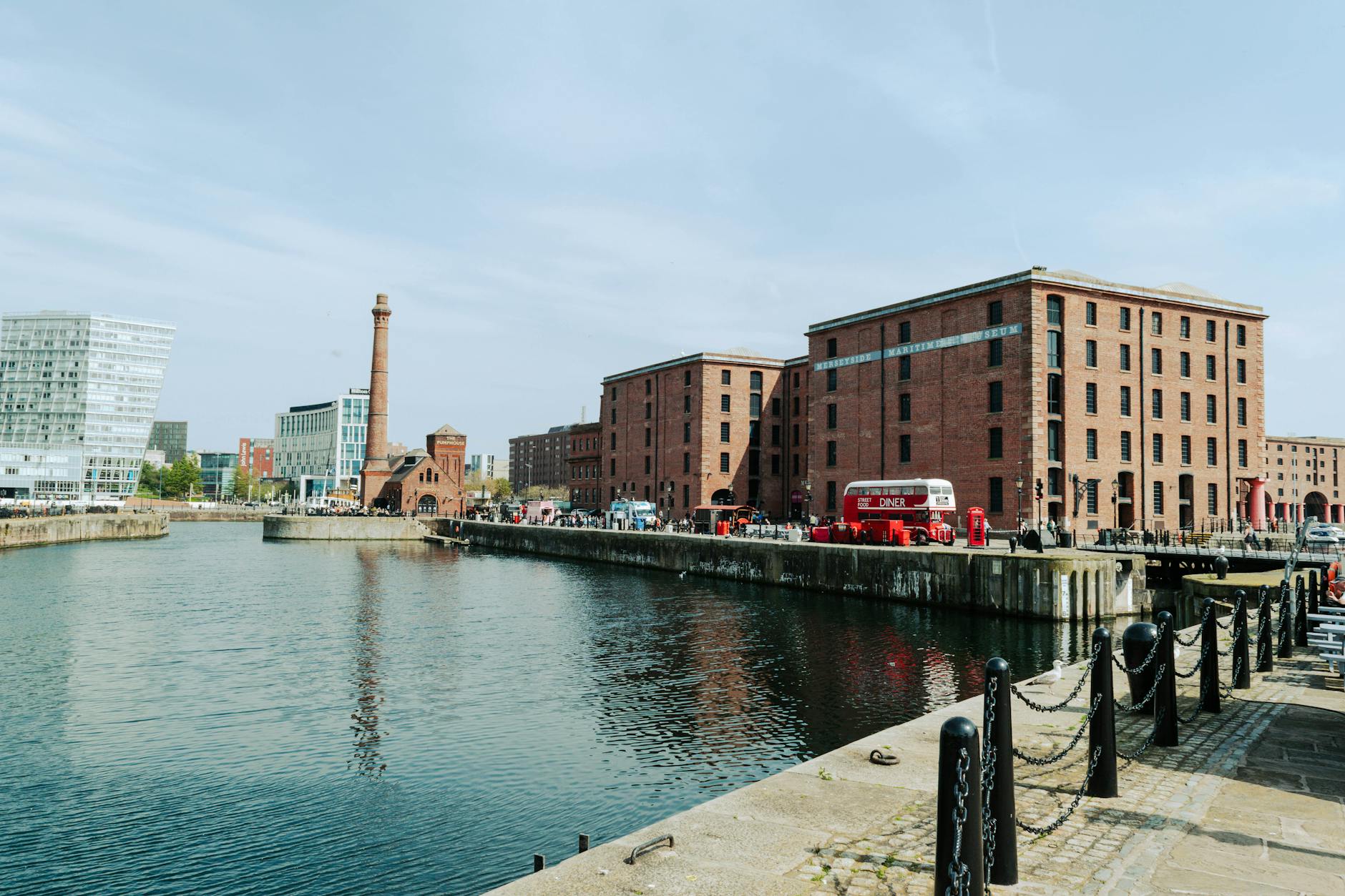
Royal Albert Dock puts the Museum of Liverpool, the Beatles Story, and several restaurants within a short walk of each other. It sits a little further from the Cavern Quarter’s evening bars, which is exactly why some visitors prefer it. The dock itself is Grade I listed and was the first structure in Britain built entirely from cast iron, brick and stone, with no structural wood, which is why its warehouses still stand today.
The best free things to do
Museum of Liverpool
This is the best first stop for understanding the city. The Wondrous Place gallery covers music, sport, writers, and performers, while other galleries explain the port, migration, and life in Liverpool. Admission is free, though donations help.
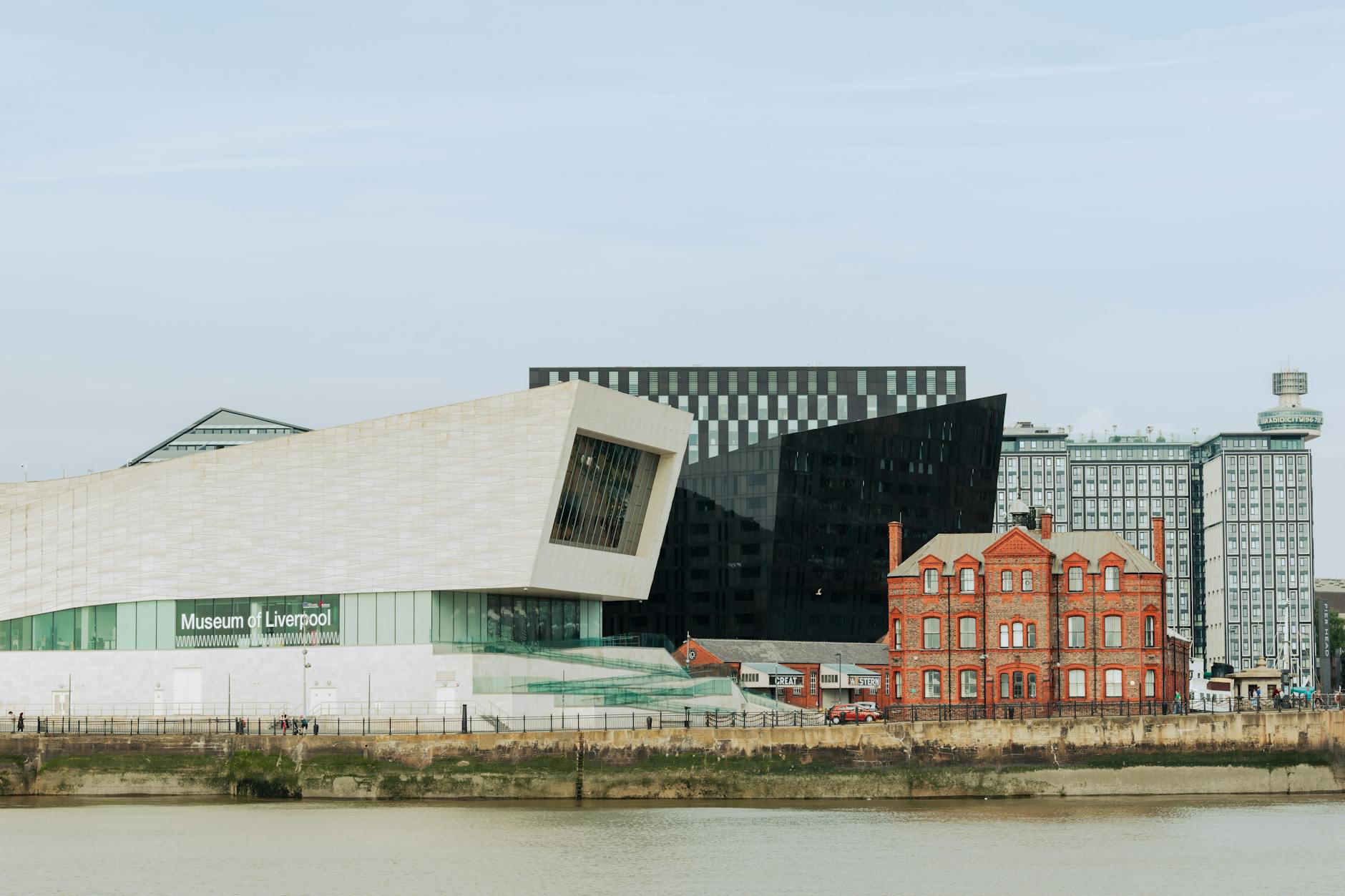
Free general admission and a location right on the waterfront make this the natural starting point for a first visit. Budget an hour and a half if music and sport both interest you. The building itself opened in 2011 and was designed to give sweeping views back across the Mersey from its upper galleries, so it doubles as a viewpoint as well as a museum.
Walker Art Gallery and World Museum
Both are free and sit near Lime Street on William Brown Street. The Walker has one of the strongest public art collections outside London. World Museum works particularly well for families and bad-weather days. Some temporary exhibitions and events cost extra.
Liverpool’s two cathedrals
Liverpool Cathedral and the Metropolitan Cathedral sit at opposite ends of Hope Street. Entry to both is free. The paid tower experience at Liverpool Cathedral can be worthwhile on a clear day, but the walk between the buildings is the essential part.
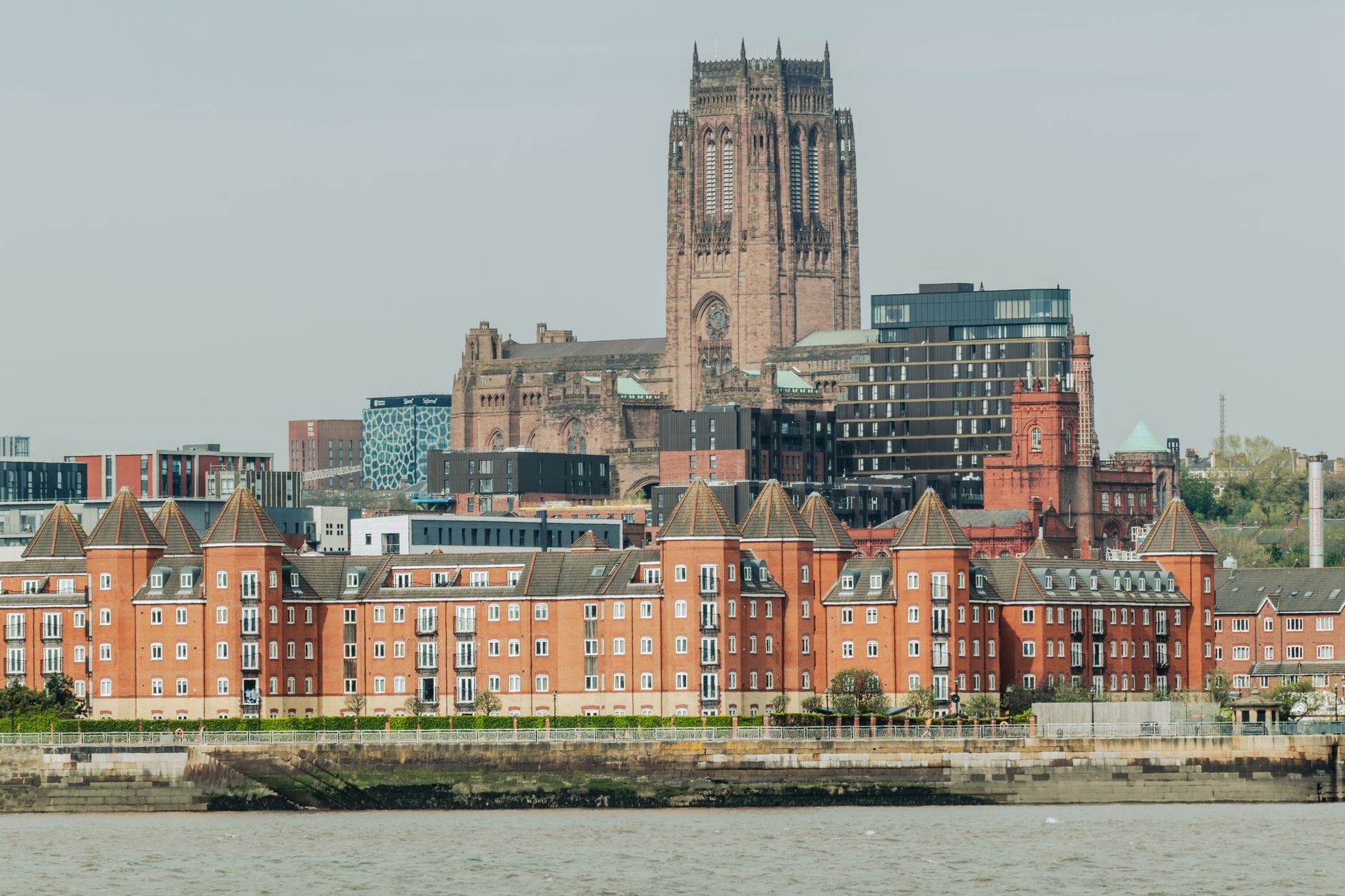
This is the largest cathedral in Britain by floor area, and its tower is one of the best paid viewpoints in the city on a clear day. Walking Hope Street between the two cathedrals takes about fifteen minutes and passes the Philharmonic Hall and several of the city’s theatres. Neither building charges for entry, so the only real cost is time.
The waterfront
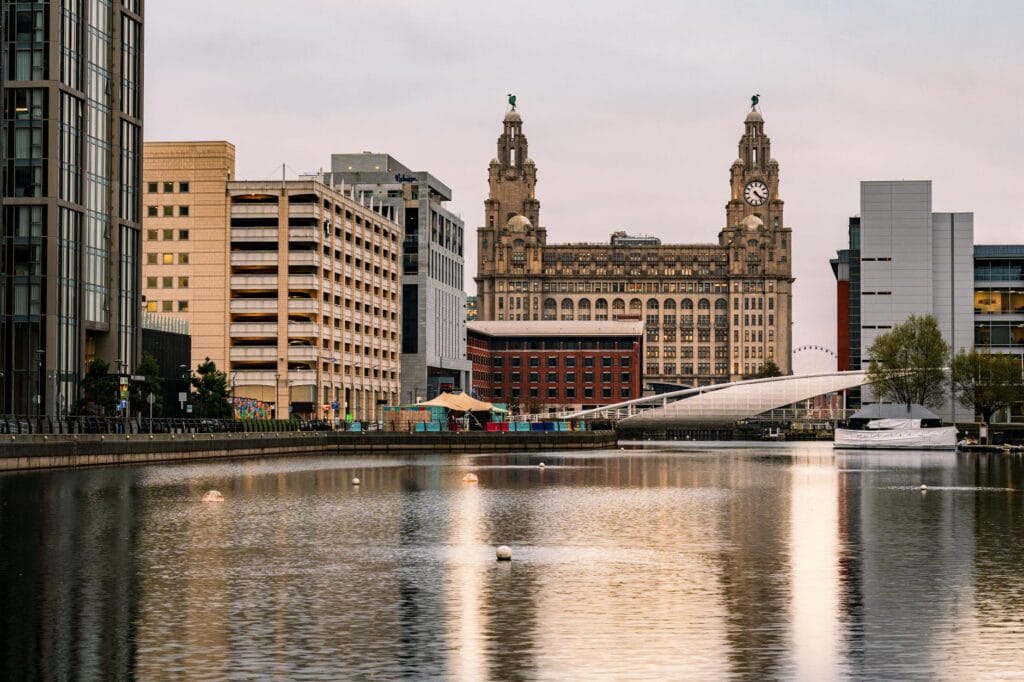
Walk from the Royal Albert Dock to Pier Head for the Three Graces, the Beatles statue, Museum of Liverpool, and open views across the Mersey. Continue north towards Stanley Dock or south along the promenade if the weather behaves.
Sefton Park and the Palm House
Sefton Park gives you 95 hectares of lakes, paths, and open grass. The restored Palm House is free to enter when it is not closed for a private event. Combine it with Lark Lane for lunch or a drink.
Crosby Beach
Antony Gormley’s Another Place places 100 cast-iron figures along three kilometres of beach. It is free and reached by Merseyrail to Blundellsands & Crosby, followed by a walk. Check tide times and do not walk out to distant figures as the water comes in.
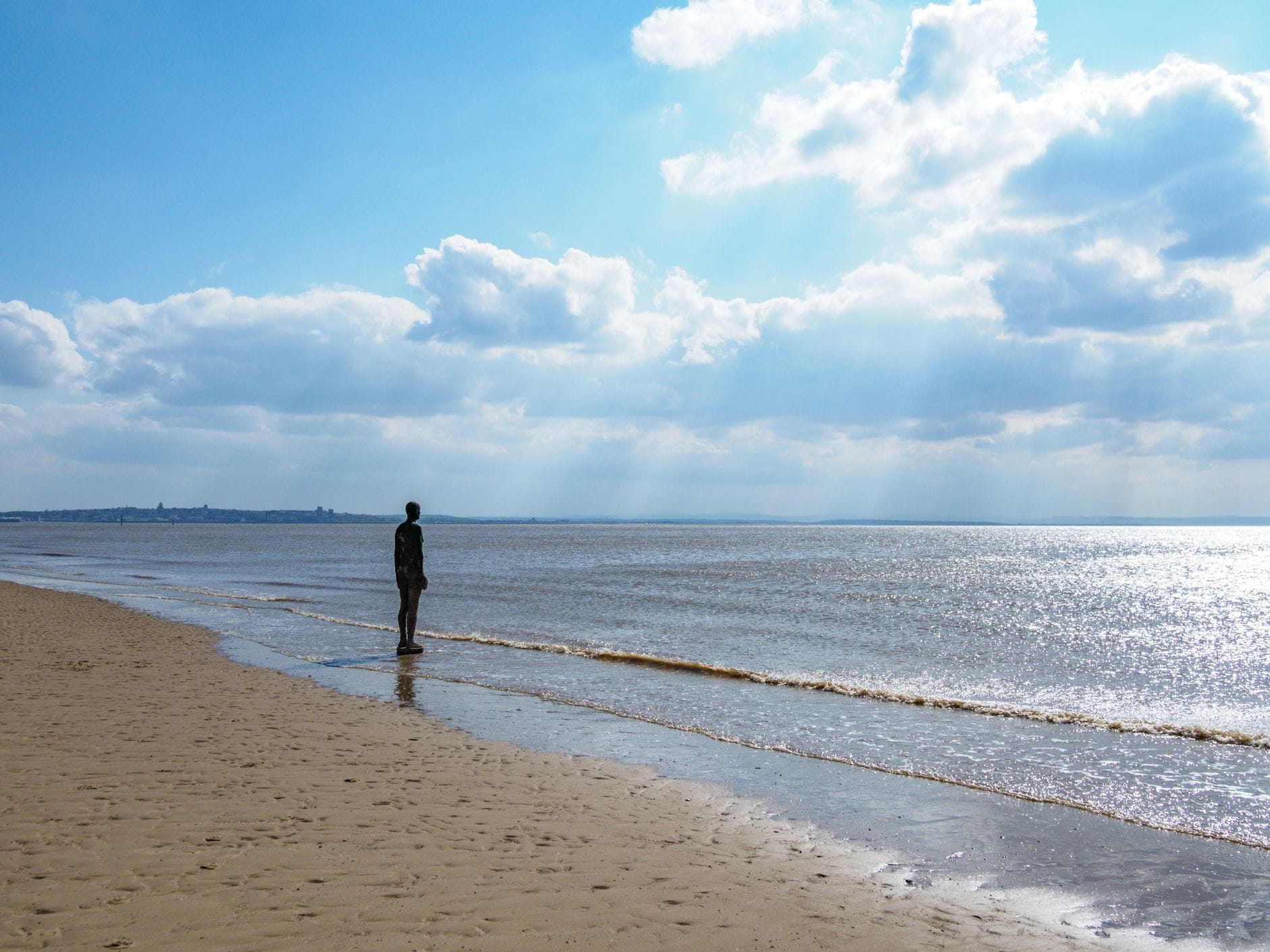
Crosby Beach is a change of pace from the city centre: open sand, wind turbines on the horizon, and a 20-minute Merseyrail ride from Liverpool Central. It works well as a half-day add-on rather than a full detour. Gormley installed the figures in 2005, and Sefton Council later made the display permanent after strong public support to keep it.
A Beatles tour of Liverpool without wasting money
The Beatles deserve a full section, not the whole itinerary. You can see the Cavern Quarter, the Pier Head statues, Penny Lane, and the Strawberry Field gates without buying a tour. The paid options become worthwhile when they add access or context you cannot get from the pavement.
| Beatles stop | Current adult cost | Flight Tribe verdict |
|---|---|---|
| Beatles statue, Pier Head | Free | Easy to combine with the waterfront |
| Mathew Street and Cavern Quarter | Free to explore | Go in daylight before the crowds build |
| The Cavern Club | £6 adult; £8.50 all day and night; £3 ages 12 to 17; under-12s free | Cashless, open from 11am daily; the Cavern Pub opposite is free |
| Penny Lane | Free | Best combined with south Liverpool |
| Strawberry Field gates and café | Free to see the gates and use the café; exhibition £12.45 | The garden tour is included with exhibition admission |
| The Beatles Story | £20 adult; £16 seniors and students; £11 children aged 5 to 15 | Best paid introduction for most visitors |
| National Trust childhood homes | £37 non-member; £13 member | Excellent for serious fans, expensive for casual visitors |
| Magical Mystery Tour | Check live price | Two-hour guided bus tour, with Cavern Club entry included |
The best free route
Start at the Beatles statue on Pier Head, walk through the waterfront to Mathew Street, then continue towards Lime Street. That covers the central sights on foot, and a separate half-day works better for Penny Lane and Strawberry Field, since they sit south of the centre and need bus planning. A Saveaway can be better value if you add Woolton, Sefton Park, or another rail trip. The suburban streets are residential, so keep noise down and do not enter private property.
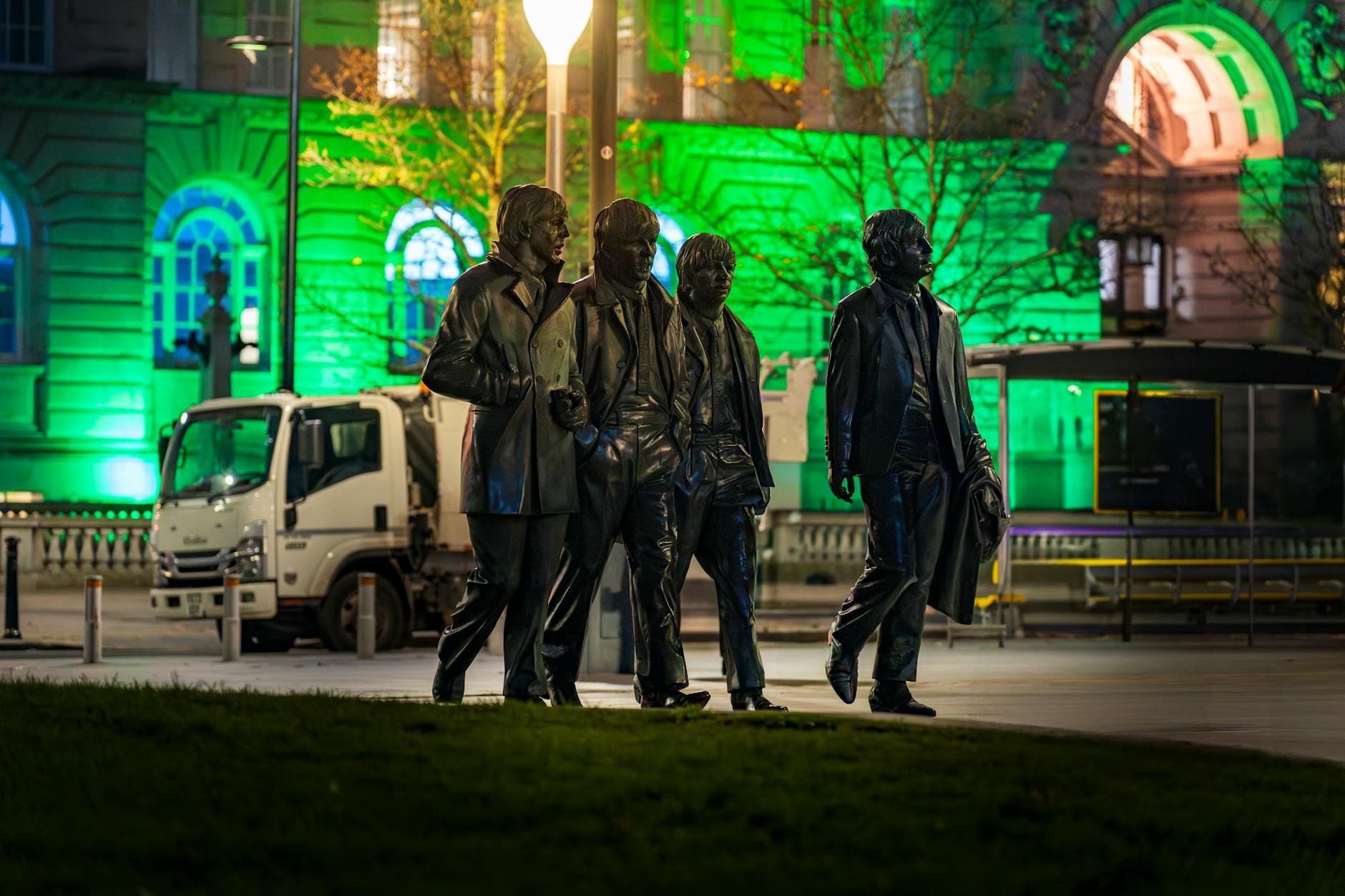
The Cavern Club paid for and donated this statue to the city, unveiled in December 2015 with John Lennon’s sister Julia Baird at the ceremony. Sculptor Andy Edwards made each of the four bronze figures over seven feet tall, deliberately larger than life, and they face towards Mathew Street and the club that made the band’s name. It’s the single most photographed free Beatles stop in the city.
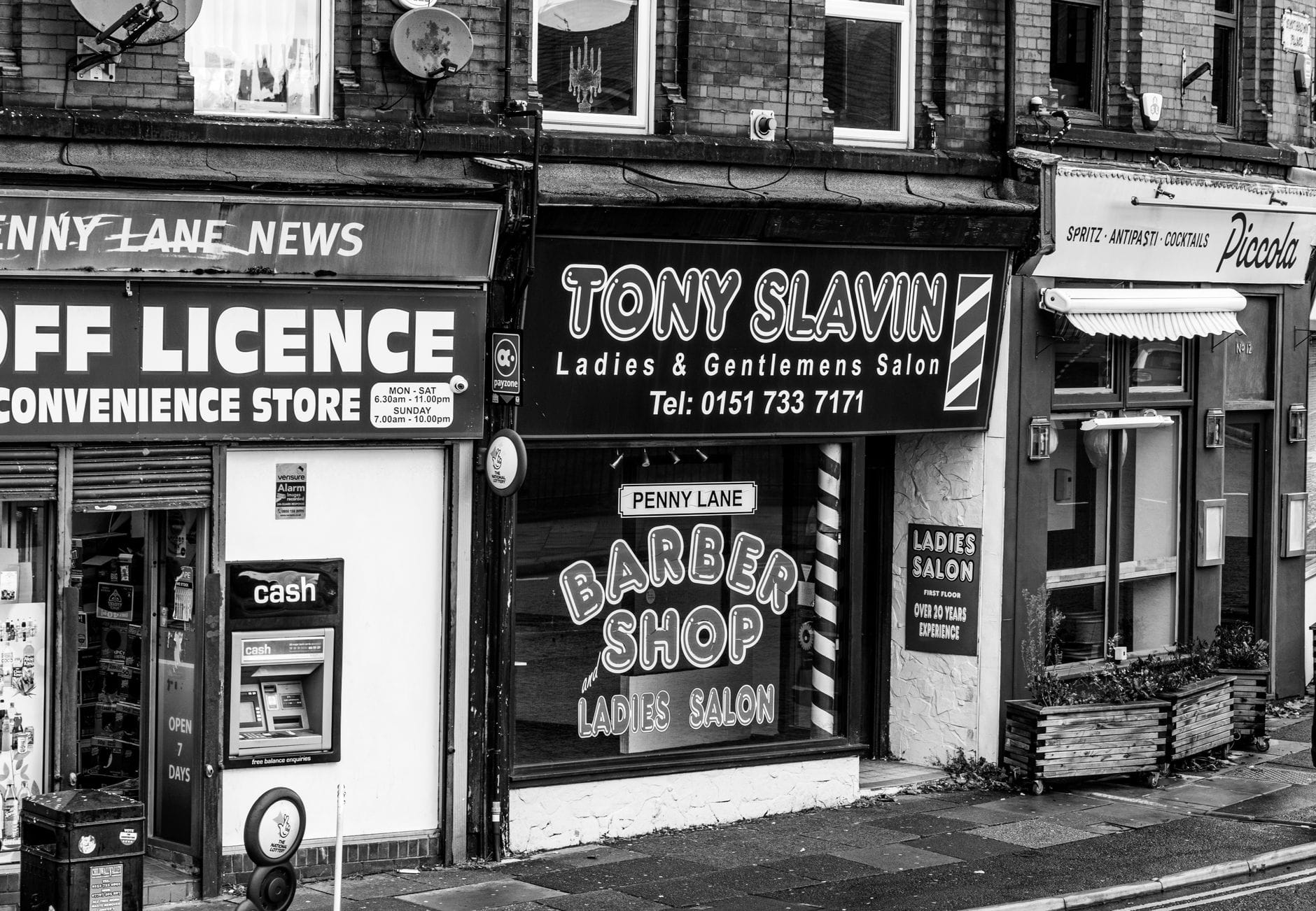
Penny Lane itself is an ordinary suburban shopping street, which is rather the point. No ticket is needed to walk it, photograph the street signs, or find the barber shop and roundabout that made it famous. The street signs are replaced regularly, since souvenir hunters keep taking them, so do not be surprised to see a fresh one on any given visit.
Which paid Beatles attraction is worth it?
The Beatles Story is the clearest choice for a first visit: £20 for adults, with a coherent account of the band rather than photo stops. The National Trust childhood homes tour is pricier for non-members, £13 for members against £37 otherwise, by guided minibus only. At Strawberry Field, the gates and café are free; pay for the exhibition only if Lennon’s story is the priority.
Other attractions worth paying for
Mersey Ferry
A direct river crossing can be included in an all-areas Saveaway, while the longer River Explorer Cruise needs a supplement. If you mainly want the skyline view, use the direct crossing. The commentary cruise is better for visitors who want the full river story.
Football tours
Anfield is important even outside matchdays, but stadium tours are not cheap. Book one only if football is a main reason for the trip. Match weekends also push up hotel prices, so a non-match weekday tour can produce a cheaper overall break.
Western Approaches
The Second World War command centre beneath Exchange Flags offers something the free museums do not: an atmospheric preserved site. It is a better paid choice for history fans than adding another general museum.
Where to eat without overspending
Scouse is Liverpool’s best-known local dish, a slow-cooked stew traditionally made with beef or lamb, potatoes, carrots, and onions. It is filling rather than delicate, which is part of the point. Ma Boyle’s Alehouse in Tower Gardens, a couple of minutes from Pier Head, serves a classic bowl of Scouse for about £9.
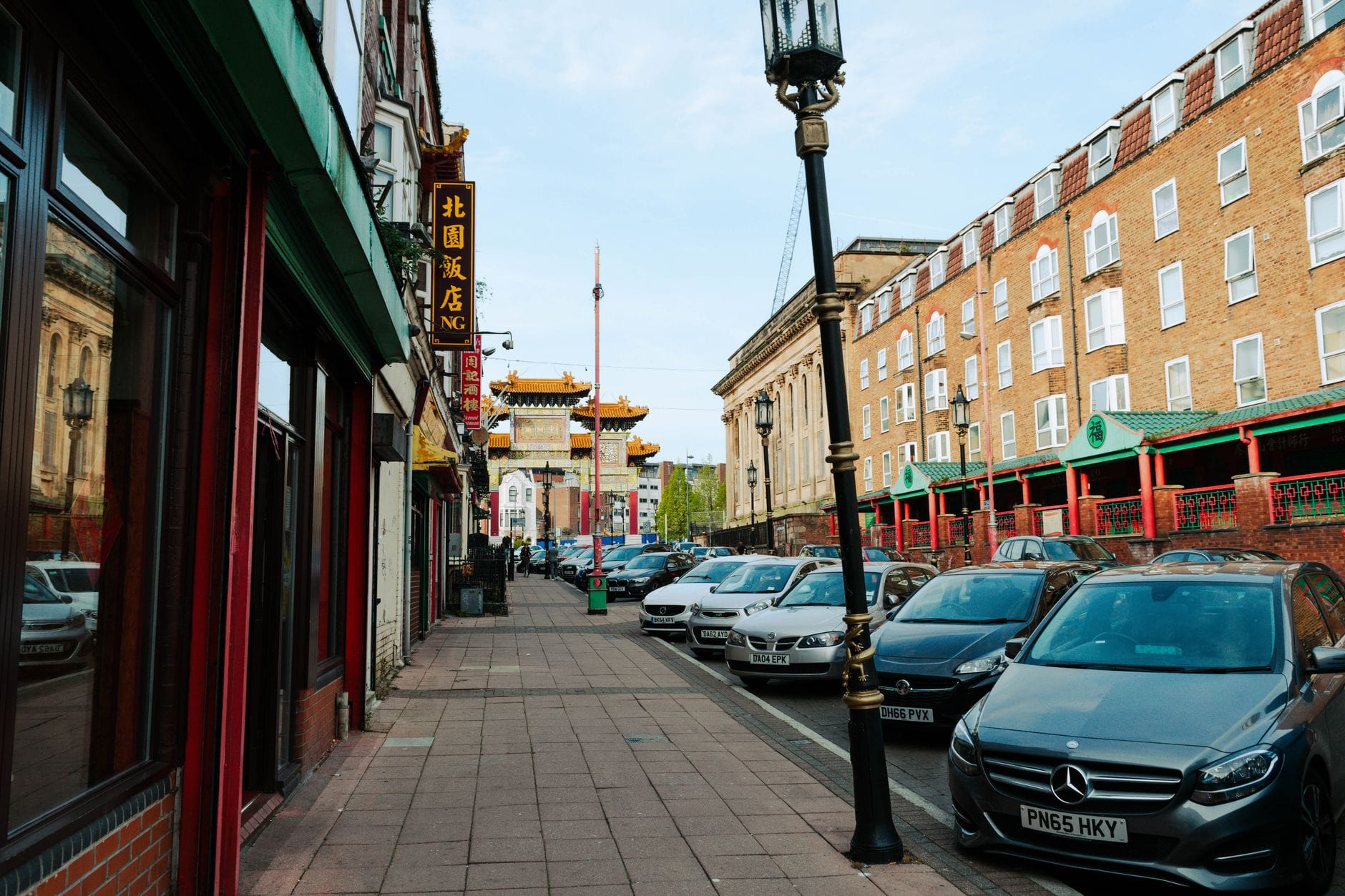
Liverpool’s Chinese community dates to the 1860s, when the Blue Funnel Line began direct shipping routes between Liverpool and Shanghai, making this one of the oldest Chinese communities anywhere in Europe. The paifang gate marks its entrance, a short walk from Duke Street Market. Portion sizes here are generous, but as with any tourist-facing strip, check recent reviews before picking where to sit down.
Bold Street is the safest central area for independent cafés and casual restaurants. Duke Street Market and Baltic Market suit groups who want different things, though food-hall prices are not automatically cheap. For breakfast, a bakery or café away from the waterfront usually beats a hotel buffet, and at lunch look for fixed-price menus around Castle Street, Hope Street and the business district. Chinatown offers good portions, so check recent reviews before choosing where to sit.
Liverpool’s pubs
Liverpool’s pubs are part of the visit. The Philharmonic Dining Rooms is worth seeing for the interior, while the Baltic Fleet and traditional pubs around Dale Street offer more local character than generic bars. Prices rise quickly around Mathew Street late at night.
Three places to know
| Restaurant | Price range | What to expect |
|---|---|---|
| Ma Boyle’s Alehouse | Mains £9-13 | A pub near Pier Head serving Scouse in a bowl or a pie |
| Philharmonic Dining Rooms | Pub mains £12-20 | Grade I-listed Victorian pub food and real ales opposite the Philharmonic Hall |
| Röski | Tasting menu £115 | Anton Piotrowski’s Michelin Guide-listed tasting menus in a Georgian Rodney Street townhouse |
How much does Liverpool cost per day
Keeping costs down here does not mean missing the city’s best moments. A traveller who books a budget hotel, sticks to free museums and the free Beatles trail, and treats one paid attraction or restaurant meal as the day’s main expense can manage comfortably.
| Traveller type | Per day estimate | What that covers |
|---|---|---|
| Budget | £90-130 | easyHotel, Scouse at Ma Boyle’s, the free museums and Beatles trail, single bus fares |
| Mid-range | £170-230 | School Lane Hotel, a Philharmonic Dining Rooms dinner, The Beatles Story, a Saveaway |
| Comfortable | £300-420+ | Titanic Hotel, a Röski tasting menu, the National Trust childhood homes tour, taxis |
10 ways to save money in Liverpool
- Check the event calendar before the hotel. Moving a trip by one week can save more than changing hotel.
- Stay central enough to walk. A cheaper outer room can cost more once buses, taxis, and time are counted.
- Book rail as soon as Advance fares appear. Avanti says its cheapest tickets are typically released about 12 weeks ahead.
- Use coach for price, train for time. London coach fares usually start at about £6 to £9, but the trip takes roughly three times as long as the train.
- Buy a Saveaway only on a travel-heavy day. Two £2 bus singles cost less than a £5.10 one-area day ticket.
- Build the trip around free museums. Museum of Liverpool, Walker Art Gallery, World Museum, and several other National Museums Liverpool sites have free general admission.
- Do the central Beatles trail yourself. A tour adds commentary and transport, not access to the streets and statues.
- Choose one paid headline attraction. The Beatles Story, a football tour, or Western Approaches can anchor the weekend without turning it into a ticket-buying exercise.
- Compare Sunday and weekday hotel nights. Friday and Saturday carry the strongest leisure demand. Sunday can be surprisingly cheap outside major events.
- Keep a wet-weather plan. Liverpool’s free museums prevent a rainy day becoming an expensive scramble for last-minute entertainment.
A good-value 2-day Liverpool itinerary
| Day | Focus |
|---|---|
| Day one | Centre, Cavern Quarter, Pier Head and Royal Albert Dock |
| Day two | Pick one theme: music, art and architecture, or coast |
Day one: centre, culture, and waterfront
Arrive at Lime Street and start with the Walker Art Gallery or World Museum. Walk through the city centre to the Cavern Quarter, then continue to Pier Head for the Beatles statue and Museum of Liverpool. Finish around the Royal Albert Dock. Pay for The Beatles Story only if the band is a priority; otherwise keep the day free and spend the money on dinner.
Day two: choose your Liverpool
For music, take the bus towards Penny Lane and Strawberry Field, then return through Sefton Park and Lark Lane. For art and architecture, walk Hope Street between the cathedrals and continue into the Baltic Triangle. For coast and public art, use Merseyrail to Crosby Beach. Football fans can replace the morning with a pre-booked Anfield tour.
Is Liverpool good value?
Yes, if you plan around the dates. Liverpool gives you a strong collection of free museums, walkable central sights, and music history that does not sit behind a ticket barrier, and the weak point is accommodation on high-demand weekends, when an affordable trip can become expensive overnight. The best approach is simple: choose the date before the hotel, stay central enough to walk, use one paid attraction as the main event, and let the free museums, waterfront, neighbourhoods, and Beatles sites fill the rest of the trip. More UK and overseas city advice sits in Flight Tribe’s destination guides.
| If you want… | Do this |
|---|---|
| The cheapest possible trip | January, February or a quiet November midweek, easyHotel, the free Beatles trail |
| A comfortable all-rounder | Shoulder season, School Lane Hotel, The Beatles Story plus one other paid extra |
Frequently asked questions
How much does a weekend in Liverpool cost?
Allow roughly £35 to £55 per person per day for meals, local transport, and one modestly priced attraction, before accommodation and travel to the city. Hotel dates have the biggest effect on the final cost.
What is the cheapest time to visit Liverpool?
January, February, and quieter dates in November usually produce the lowest room rates. Always check football fixtures, concerts, festivals, and the Grand National because a major event can override the normal seasonal pattern.
Can you do a Beatles tour in Liverpool for free?
Yes. The Pier Head statues, Mathew Street, Penny Lane, and the gates and free areas at Strawberry Field can all be visited without a tour ticket. You will need public transport for the south Liverpool sites unless you have a car.
How much does The Beatles Story cost?
The standard adult ticket is £20. Seniors and students pay £16, children aged 5 to 15 pay £11 and under-5s go free. The price includes an audio guide in 12 languages.
Do you need a car in Liverpool?
No. The centre is compact and walkable, while buses and Merseyrail cover the main outer attractions. A car is more useful if you plan several stops across the wider city region.
Is Liverpool expensive for food and drink?
It can be reasonable by UK city-break standards, especially away from the waterfront and busiest nightlife streets. Bold Street, the business district at lunch, bakeries, and traditional cafés usually provide better value than hotel breakfasts and tourist-facing venues.
Is Liverpool worth visiting if you are not a Beatles fan?
Yes. Free museums, two cathedrals, the waterfront, football, independent food, and some of Britain’s best nightlife carry the trip on their own. The Beatles sites add to a Liverpool weekend rather than define it.
More UK guides


Kate Acaster is Chief Editor at Flight Tribe. She writes about practical travel planning, budget airlines, baggage rules, city breaks, beach holidays and good hotels that do not cost daft money.
Kate has travelled through Europe, South America and beyond, usually with a notebook, a half-formed plan and a strong opinion on airport snacks. At Flight Tribe, her work focuses on helping UK travellers understand what is included, what costs extra, and whether a trip is worth booking at the price shown.
How Kate works
Kate checks the details that can change the value of a trip, including cabin-bag rules, airline fees, hotel location, seasonality, travel dates and booking conditions. She is especially interested in offers that look useful on the surface but need a proper reader-first check before they are worth recommending.
Editorial standards
Flight Tribe covers deals and travel advice for readers first. Affiliate links do not decide whether an offer is worth writing about.