Published 9 June 2026 | Updated 15 October 2026 by Kate Acaster
Dublin is the shortest trip abroad that Britain has. Most UK airports put you on the ground in under 90 minutes, the plugs match the ones at home, cars drive on the left and the only real change is the currency in your pocket. For a city break, that makes it one of the easiest places to reach and one of the cheapest to fly to.
Advertisement
For more destinations like this, see the full set of Flight Tribe destination guides.
Dublin has a reputation for being expensive, and the pubs and hotels can be. The rest does not have to be. Some of the best museums and galleries in Europe are free, the centre is small enough to walk, and a return flight outside the school holidays often costs less than a night out once you are there. This is a guide to doing Dublin budget travel properly: the cheapest way to fly, when to go, how to get around, what is worth paying for, where to eat at three price points, and what a weekend actually costs.
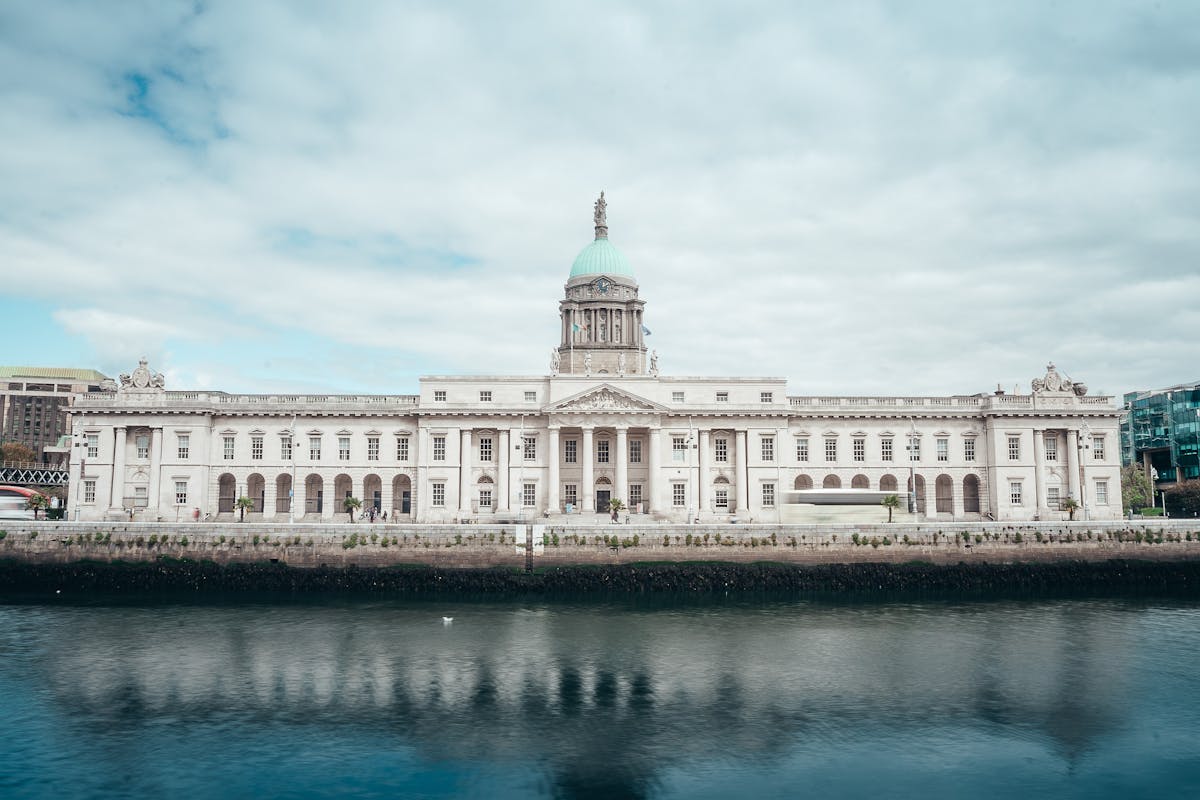
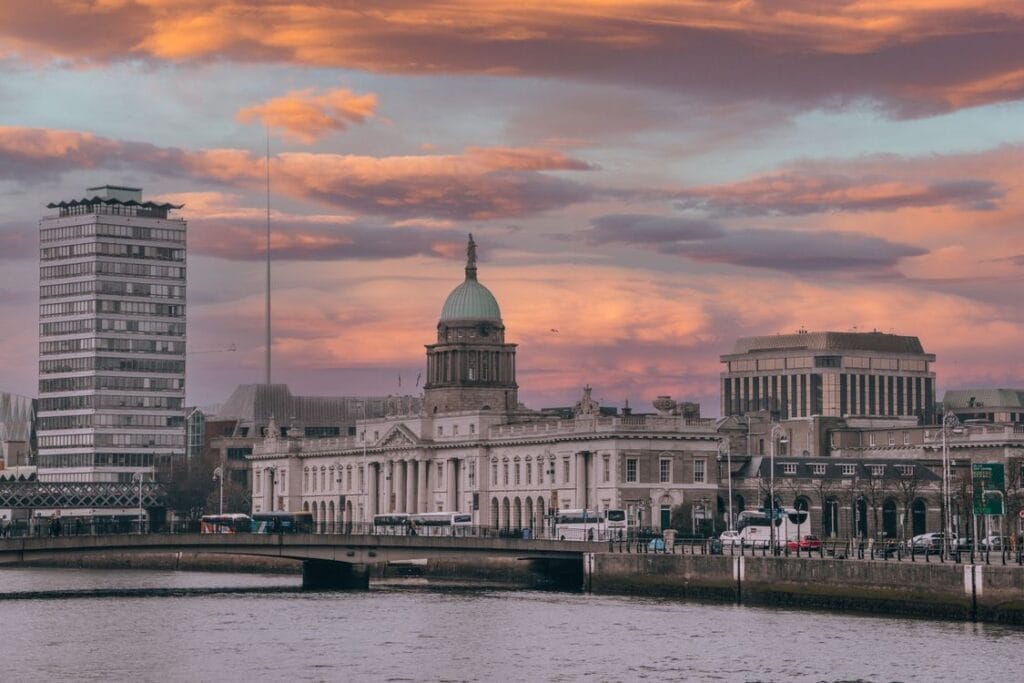
Dublin is built around the River Liffey, with the north and south sides linked by a string of bridges. The south side holds Trinity College, Grafton Street, the main museums and St Stephen’s Green. The north has O’Connell Street, the Hugh Lane gallery and some of the cheaper hotels. Nothing in the centre is more than a 20-minute walk apart.
How to get to Dublin from the UK
Dublin is one of the busiest routes in Europe, and that competition keeps fares low. Aer Lingus and Ryanair run the most flights, with British Airways and easyJet adding to the choice from London. The flight is short, around an hour from most of the UK, so the price comes down to timing and baggage rather than distance.
| Airline | Flies direct from | Flight time | Typical return |
|---|---|---|---|
| Ryanair | Stansted, Gatwick, Luton, Manchester, Birmingham, Bristol, Edinburgh and more | 1h 20m | £30 to £90Cheapest, cabin bag extra |
| Aer Lingus | Heathrow, Manchester, Birmingham, Edinburgh and regional UK airports | 1h 20m | £50 to £130A 10kg bag on every fare, checked free on Saver |
| easyJet | Gatwick, Luton, Manchester, Bristol, Edinburgh, Glasgow | 1h 20m | £45 to £120 |
| British Airways | Heathrow and London City | 1h 25m | £90 to £200Bag included |
The two levers that move the price are timing and baggage. Avoid the school holidays and St Patrick’s week and you can often halve the fare, and our guide to travel hacks for cheaper flights covers the rest. If you fly Ryanair, packing into one small bag avoids the priority fee, so it is worth reading up on the best carry-on bag for Ryanair before you book a hold bag you may not need on a short trip.
Getting from the airport into the city
Dublin Airport has no train or tram, and the planned MetroLink is not expected to open until well into the 2030s. That leaves the bus, and the cheapest one is the ordinary Dublin Bus, not the express coaches. The number 16 runs to O’Connell Street in the heart of the city for a fraction of the coach fare.
| Service | Where it goes | Leap card? | Fare |
|---|---|---|---|
| Dublin Bus 16 | Straight to O’Connell Street, every 10 minutes | Yes | €2 Leap / €2.60 cash Best value |
| Aircoach 700 | City centre stops, every 15 minutes, 24 hours | Accepted, no discount | €9 |
| Dublin Express | Premium coach, 15+ central stops including Temple Bar | No | From €9Cheaper booked online |
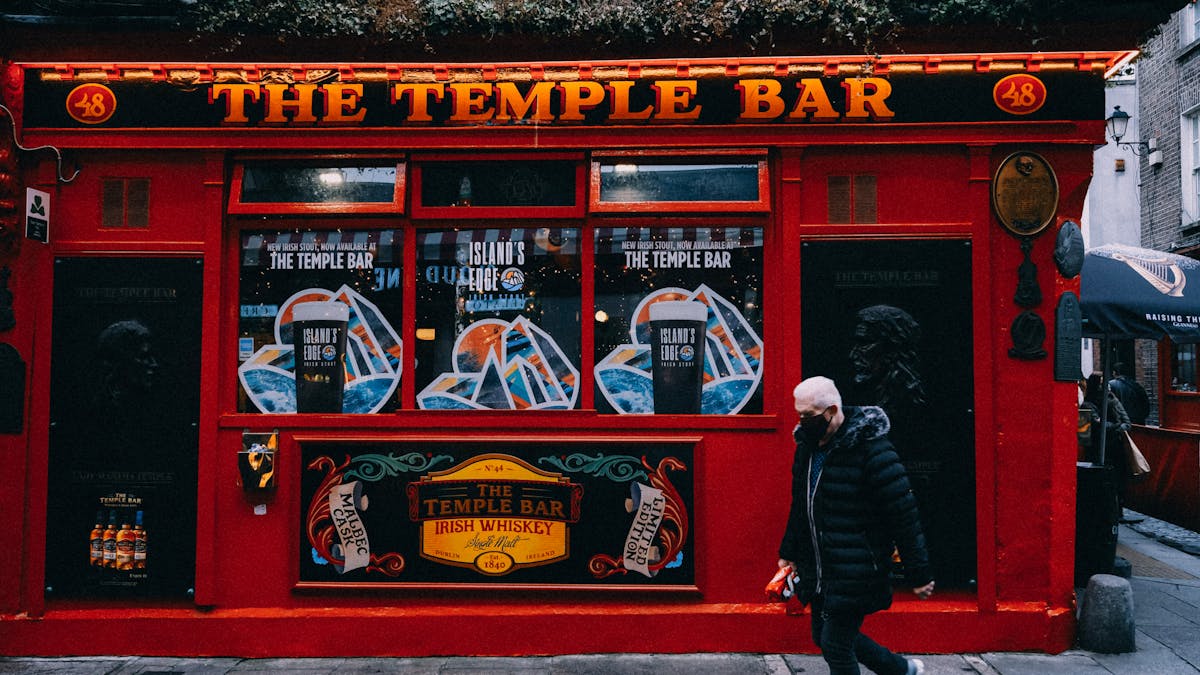
Temple Bar is worth seeing once for the cobbled lanes and the painted fronts, but it is the most expensive place in the city to drink. Walk five minutes to a back-street pub and the same pint drops by a euro or two. The area is best treated as a photo stop on the way somewhere else.
When to go, and when it’s cheapest
Dublin has no real high season for sun, so the calendar is driven by demand rather than weather. January, February and November are the cheapest months to fly and stay, outside Christmas. The shoulder months of April to May and September to October cost a little more but give the best balance of price, daylight and dry spells. Dublin also slots neatly into our wider list of cheap holiday deals and city breaks when you are weighing up where to go next.
| Season | Months | What to expect | Price |
|---|---|---|---|
| Cheapest | Jan, Feb, Nov | Cold and often wet, but quiet and lit for winter | Lowest Best value |
| Spring | Apr, May | Mild, longer days, light showers, fewer crowds | Moderate |
| Summer | Jun to Aug | Warmest and busiest, long evenings, book ahead | Highest Peak |
| Autumn | Sep, Oct | Mild, atmospheric, good value as crowds thin | Moderate |
Getting around Dublin
The centre is small and flat, so walking covers most of a short visit. For anything further, a Leap card is the cheapest way onto the bus, the Luas tram and the DART coastal train, all on one card. A standard Leap caps your spend at €6 a day and saves the hassle of exact change.
| Mode | What it covers | Cost |
|---|---|---|
| On foot | Most of the centre, sight to sight in 10 to 20 minutes | Free Free |
| Dublin Bus | The whole city and suburbs | €2 a trip with Leap |
| Luas tram | Two lines across the city, handy for Smithfield and the south | €2 with Leap |
| DART rail | The coast to Howth and Dun Laoghaire for a cheap day out | €2 with Leap |
| Visitor Leap | Unlimited bus, Luas and DART for 1, 3 or 7 days | €8 / €18 / €24Saves topping up; a standard Leap caps at €6 a day |

Trinity College’s Long Room is the city’s most photographed interior and the home of the Book of Kells. It is one of the few paid sights worth the money, but the queues in summer are long. Booking a timed ticket online costs the same and saves an hour standing outside.
The best things to do in Dublin
Dublin’s paid landmarks are reasonable by city-break standards, from €8 for Kilmainham Gaol to €26 for the Guinness Storehouse. The bigger surprise is how much of the best is free. Three branches of the National Museum, the National Gallery and the largest enclosed park in any European capital all cost nothing.
| Attraction | What it is | Adult price |
|---|---|---|
| Guinness Storehouse | Seven floors on the black stuff, with a rooftop bar and city views | From €26 |
| Book of Kells | The illuminated medieval manuscript and Trinity’s Long Room | From €19€25 with the digital exhibition |
| Kilmainham Gaol | The prison at the heart of Ireland’s independence story | €8 Cheapest paid |
| EPIC museum | The Irish emigration story, a smart interactive museum | From €22 |
| National Museum | Bog bodies, Celtic gold and Viking Dublin across three sites | Free Free |
| National Gallery | 14,000 works including Caravaggio and Vermeer | Free Free |
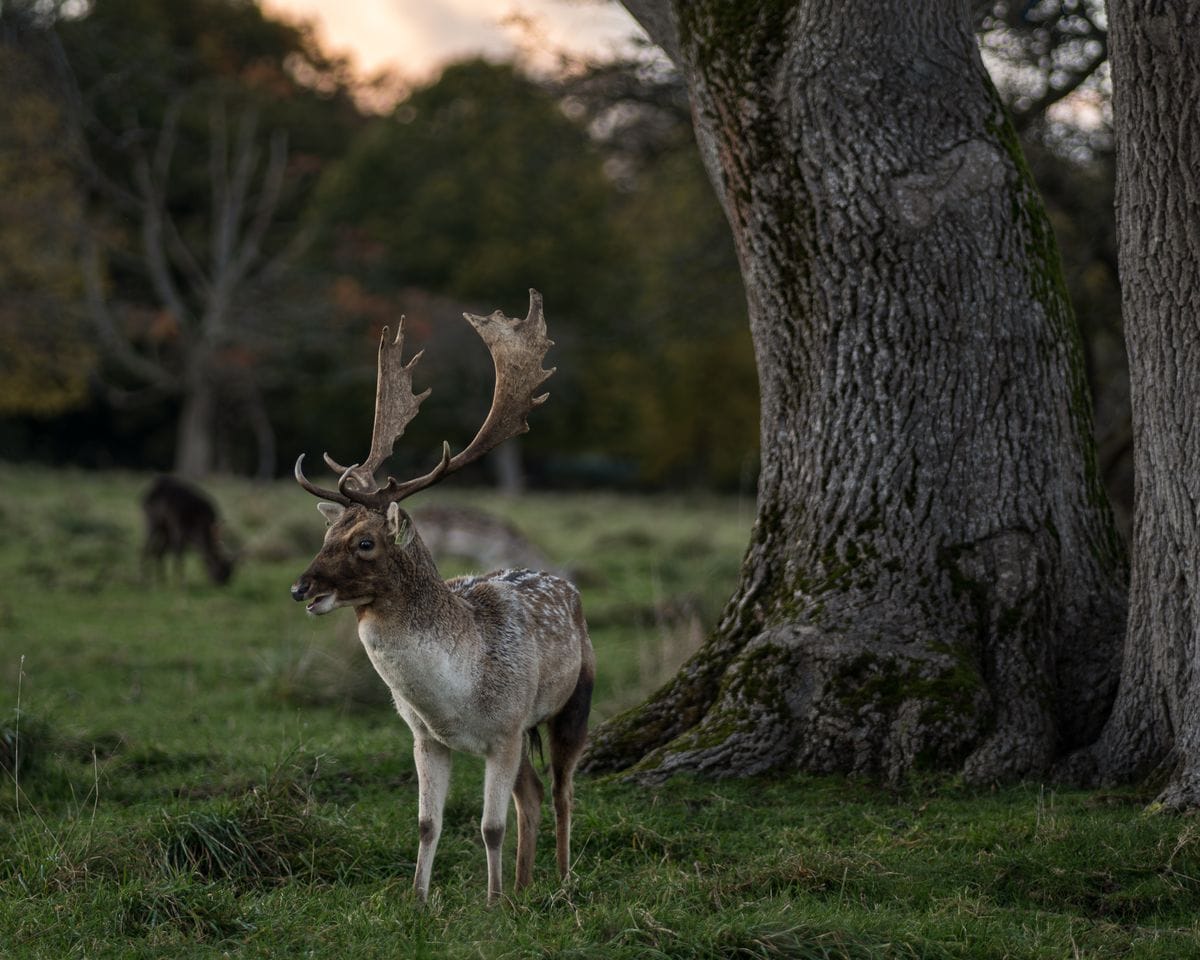
| Phoenix Park | 1,700 acres of parkland with wild fallow deer and the zoo | Free Free |
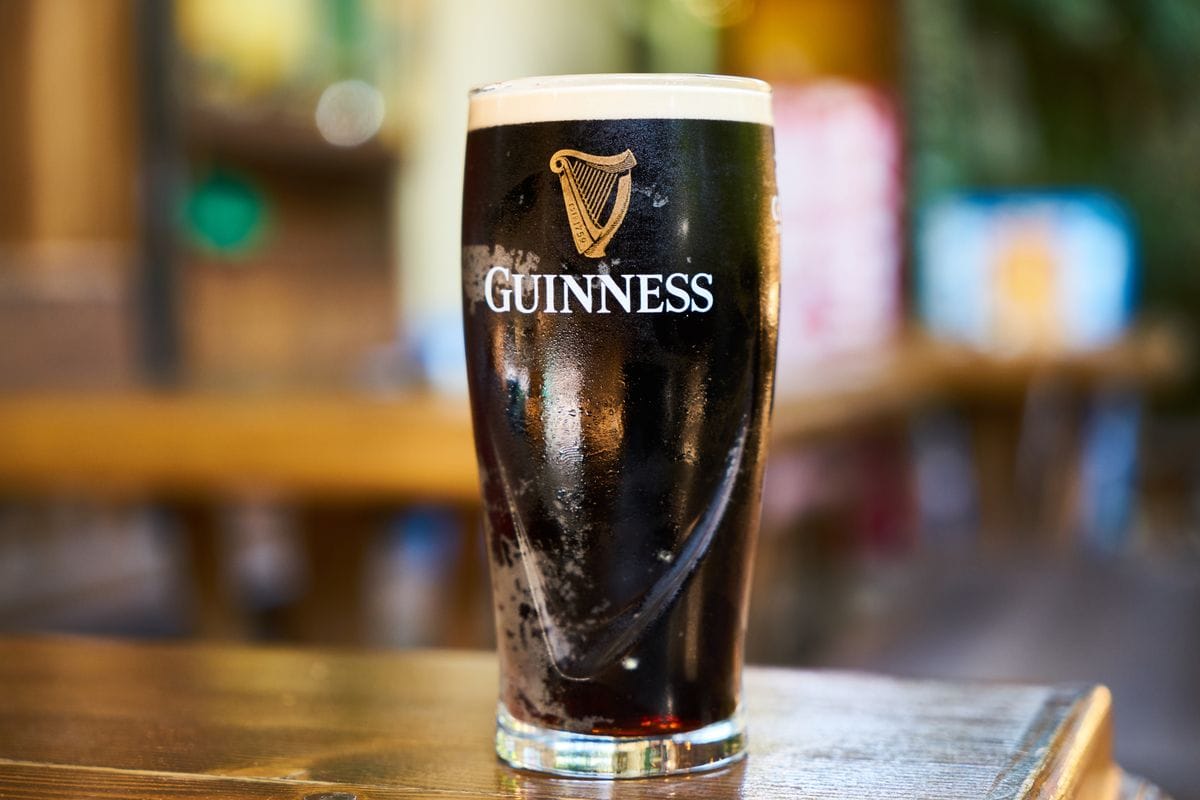
The pub is the heart of a Dublin night out, and a pint of Guinness costs around €6 to €7 in an ordinary bar, closer to €9 in the tourist lanes. The drink is where a budget quietly disappears, so pacing the rounds is the single biggest saving once you are in the city. Live music in the back room is usually free.
Where to eat
Dublin eats well at every price, and the trick is to mix it: a cheap lunch on the move, a proper sit-down for the main meal, and one dinner that is worth the spend. All three of the places below are central and easy to reach on foot.
Budget, under €15. Leo Burdock on Werburgh Street has been frying fish and chips since 1913 and is the city’s most famous chipper. It is takeaway only, so carry your bag across to the gardens of Christ Church Cathedral opposite and eat there. For something hot and quick, Musashi does ramen and sushi bento for under €12.
Mid-range, €18 to €28. The Woollen Mills is an Irish eating house overlooking the Ha’penny Bridge, set over several floors with river views and a menu built on Irish produce. It is a reliable choice for the main meal of the day without a special-occasion bill.
Worth the spend, around €35 to €50 a head. The Winding Stair sits above an old bookshop on Ormond Quay, with seasonal Irish cooking and the same Ha’penny Bridge view from a quieter room. The Value Lunch Feast, €45 for two courses or €50 for three, Wednesday to Sunday, is the cheaper way into a restaurant that is usually a treat.
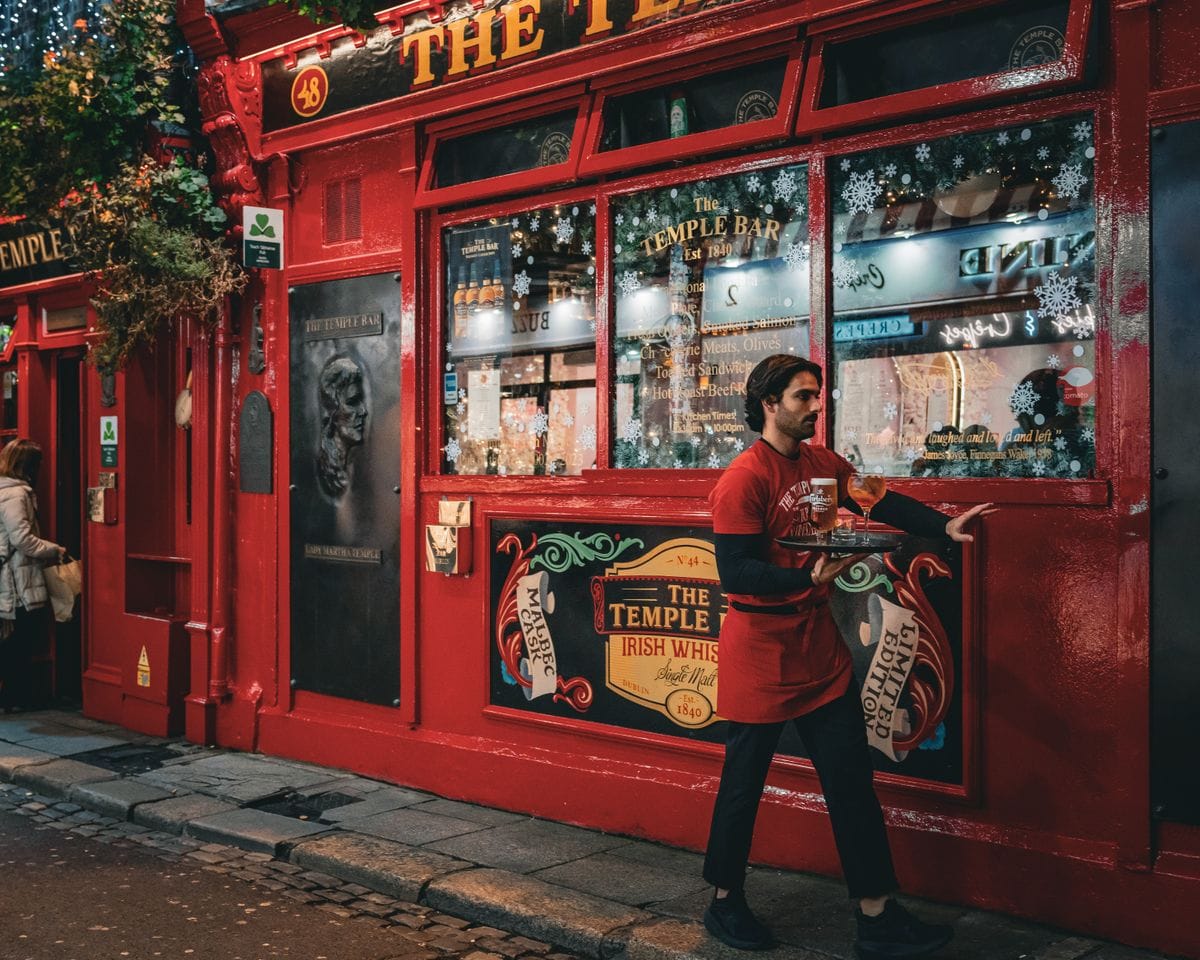
The rule for eating cheaply in Dublin is the same as for drinking: step one street back from the busiest tourist runs. The cafes and pubs around George’s Street, Camden Street and Stoneybatter serve the same food the centre does, for noticeably less, and they are where Dubliners actually go.
Where to stay
Dublin’s centre is small, so the choice is less about distance and more about price and noise. The north quays and Smithfield are the cheapest beds within a short walk of everything. The south side around St Stephen’s Green is quieter and smarter, and Temple Bar is lively but loud at night. It is worth scanning current Dublin hotel deals before booking, as rates swing hard around events. Hotels are the weak spot: in our cheapest cities in Europe ranking, Dublin had the dearest three-star hotels of the nine cities.
| Area | Best for | Vibe and price |
|---|---|---|
| Smithfield | Lowest prices, hostels and the Jameson distillery | Up-and-coming, 10-minute walk in Cheapest |
| North quays | Mid-range hotels near O’Connell Street and the Liffey | Central, good value |
| Temple Bar | Nightlife on the doorstep, cobbled lanes | Loud at night, pricier Noisy |
| St Stephen’s Green | Quiet, smart south-side base near the museums | Refined, higher rates |
For specific places to stay, three picks cover the range. Generator Dublin in Smithfield is a design hostel with private rooms as well as dorms, right beside the Jameson distillery, the budget pick. Leonardo Hotel Dublin Parnell Street is a solid mid-range base a short walk from Trinity and Temple Bar. For a splurge, The Shelbourne has overlooked St Stephen’s Green since 1824 and is where the Irish Constitution was drafted.
How much does a Dublin city break cost?
Once the flight and hotel are paid for, a careful Dublin weekend costs about €35 a day on the ground. The two things that push it up are the pub round and the paid attractions, so a day built around the free museums and one good meal keeps the total low. That puts Dublin among the cheapest short breaks in Europe, in the same bracket as Prague and Berlin.
| Per day | Budget | Comfortable |
|---|---|---|
| Food | €20, chipper and a cafe | €45, a proper dinner |
| Transport | Free on foot | €6, Leap daily cap |
| Sights | Free museums | €25, one paid landmark |
| Drinks | €14, two pints | €30, a night out |
| Daily total | About €35 On the ground | About €105 |
Know before you go
Dublin is one of the easiest foreign cities for a UK traveller, because so much works the way it does at home. The plugs fit, cars drive on the left and you do not legally need a passport, though Irish immigration officers can ask you to prove your nationality. The one real change is the currency.
| Topic | What UK visitors need to know |
|---|---|
| Entry and ETIAS | No visa and no ETIAS. Ireland is outside the Schengen area and shares the Common Travel Area with the UK. Carry photo ID, and check with your airline, as some accept only a passport. |
| Currency | The euro, not sterling. Cards work everywhere, but carry a little cash for small pubs and the bus. |
| Language | English, with Irish also an official language on signs. No barrier for UK visitors. |
| Plugs | The same three-pin Type G plug as the UK, so leave the adapter at home. |
| Driving and time | Cars drive on the left, and the clocks match the UK all year. |
Dublin budget travel: your questions answered
Is Dublin expensive?
Dublin is pricey for hotels and pints but cheap to reach and free in many of its best museums. Budget around €35 a day on the ground. Ryanair returns from the UK usually run about £30 to £90.
How many days do you need in Dublin?
Two to three days covers the centre, the main museums and a day by the coast at Howth or Dun Laoghaire. A long weekend is the sweet spot.
Do you need euros in Dublin?
Yes, Ireland uses the euro, not sterling, though cards and contactless are accepted almost everywhere. Carry a little cash for smaller pubs and the bus.
What is the cheapest way from Dublin Airport to the city?
The number 16 Dublin Bus costs €2 with a Leap card or €2.60 in cash and runs straight to O’Connell Street. The express coaches are quicker but cost €9 to €10.
What is the cheapest time to visit Dublin?
January, February and November have the lowest flight and hotel prices, outside Christmas. Avoid the week of St Patrick’s Day in March, when prices and crowds peak.
Do UK citizens need a passport or ETIAS for Ireland?
UK nationals need no visa and no ETIAS, because Ireland is outside the Schengen area and shares the Common Travel Area with Britain. You still need photo ID, and airlines usually ask for a passport.
Is Dublin walkable without public transport?
Yes, the centre is compact and most sights sit within a 20-minute walk of each other. A Leap card only earns its keep for the airport, the coast and rainy days.

Kate Acaster is Chief Editor at Flight Tribe. She writes about practical travel planning, budget airlines, baggage rules, city breaks, beach holidays and good hotels that do not cost daft money.
Kate has travelled through Europe, South America and beyond, usually with a notebook, a half-formed plan and a strong opinion on airport snacks. At Flight Tribe, her work focuses on helping UK travellers understand what is included, what costs extra, and whether a trip is worth booking at the price shown.
How Kate works
Kate checks the details that can change the value of a trip, including cabin-bag rules, airline fees, hotel location, seasonality, travel dates and booking conditions. She is especially interested in offers that look useful on the surface but need a proper reader-first check before they are worth recommending.
Editorial standards
Flight Tribe covers deals and travel advice for readers first. Affiliate links do not decide whether an offer is worth writing about.