Published 30 June 2026 | Updated 1 September 2026 by Jane Robinson
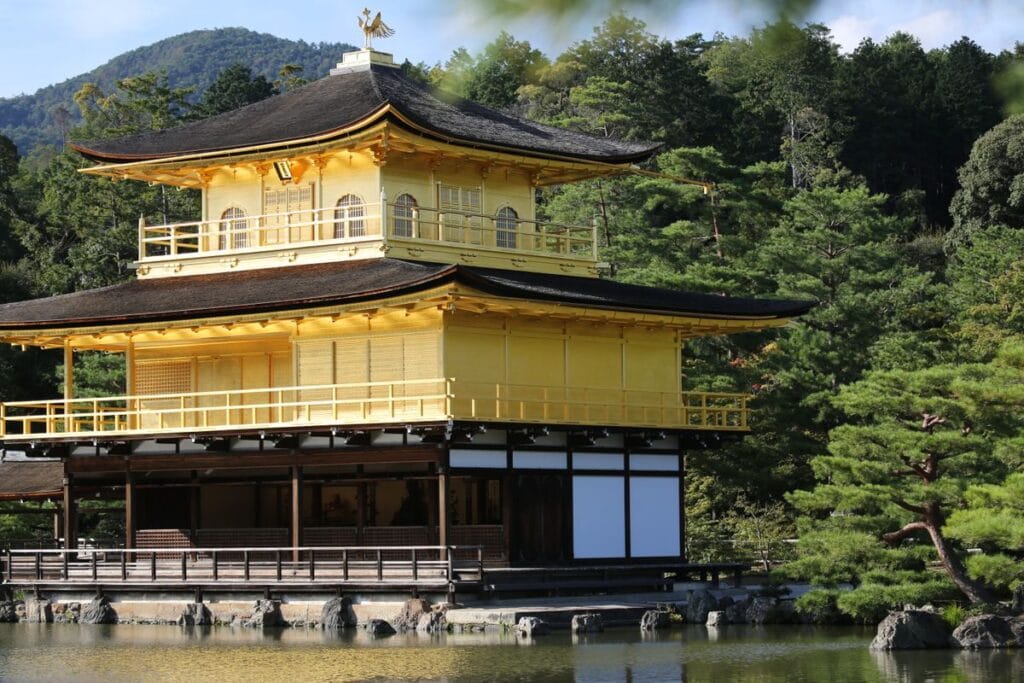
Kyoto budget travel is more achievable than the city’s refined reputation suggests. A capsule hotel bed costs around £20 a night, the best temple in the city is free, and a bowl of ramen rarely runs over £7. Most UK visitors reach Kyoto from Tokyo on the Shinkansen, and a realistic week here, excluding the flight into Japan, comes in at £450–650 per person.
Advertisement
You will find more destinations covered in Flight Tribe’s destination guides, each built around verified prices for UK travellers.
You will find more destinations covered in Flight Tribe’s destination guides, each built around verified prices for UK travellers.
Kyoto was Japan’s capital for over a thousand years and still holds more UNESCO World Heritage sites than any other Japanese city. Most UK itineraries pair it with Tokyo as a Shinkansen day trip or a proper multi-night stop. For the wider trip, see our Japan budget travel guide, and check whether the Japan Rail Pass is worth buying for your route before you commit to one.
Kyoto at a glance
- Nearest airportKansai International (KIX), ~75 min by train
- From TokyoShinkansen, ~2h15, about ¥13,000 (£65) one way
- CurrencyJapanese yen (¥)
- Time zoneGMT+9, no daylight saving
- LanguageJapanese
- VisaNot required for UK travellers, up to 90 days
Search Kyoto flights and hotels
More Japan guides
Latest long-haul holiday deals
Loading deals…
How much does Kyoto budget travel cost?
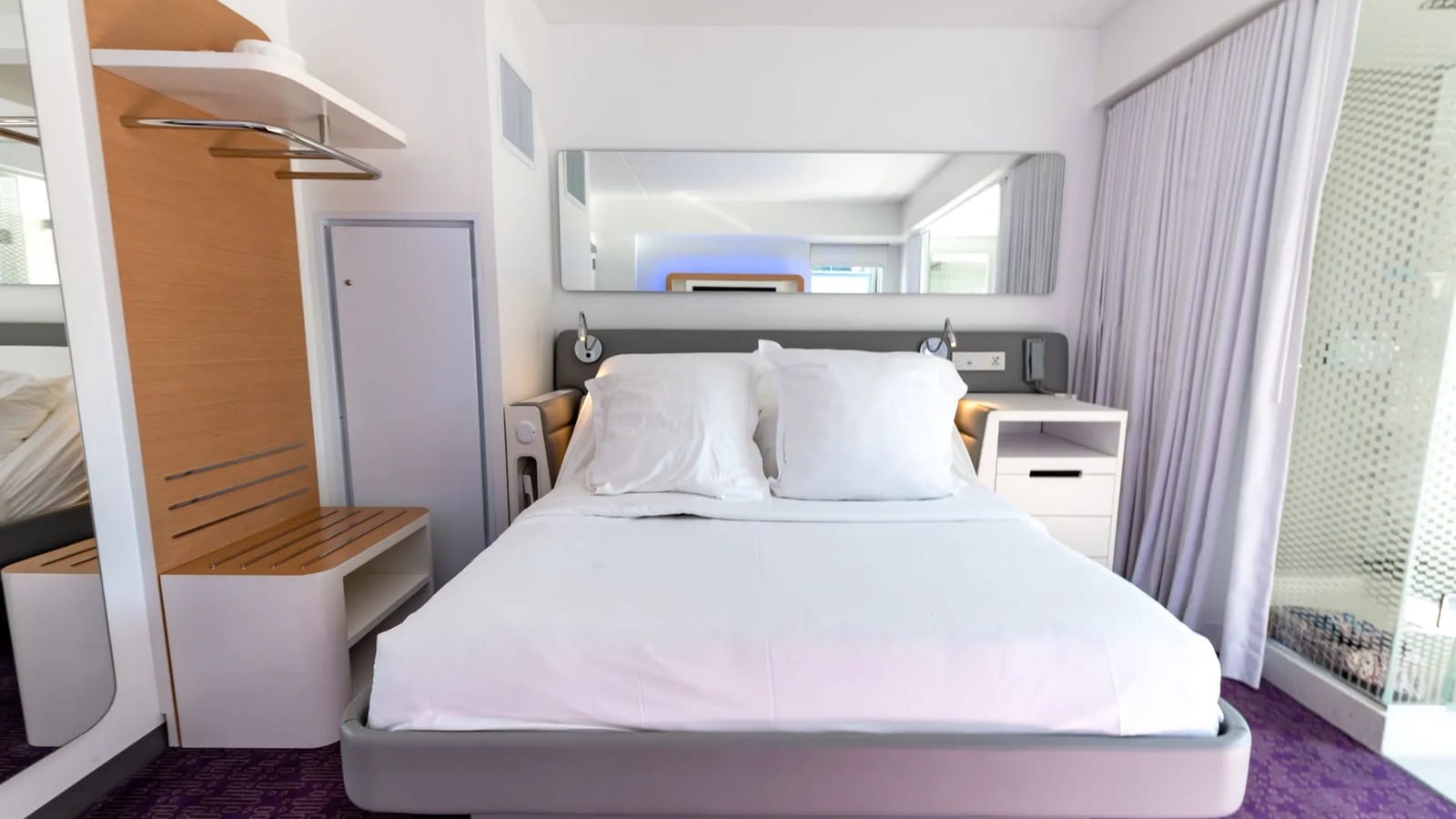
The total depends mainly on accommodation type and how often you eat out. At the budget end, a hostel dorm or capsule hotel in central Kyoto costs from around £20 per person per night. Add convenience store meals, a ramen counter dinner, and a bus pass, and a realistic daily total sits at around £45–65 per person.
| Category | Budget | Mid-range | Notes |
|---|---|---|---|
| Accommodation | £20–35pp | £45–70pp | Per person per night |
| Meals | £14–20 | £28–40 | Per person per day |
| Activities | £5–10 | £12–20 | Averaged across 7 days |
| Transport | £5–6 | £10–15 | Pass costs ¥1,100 (kyoto.travel) |
| Daily total | ~£45–65pp Budget | ~£95–145pp Mid-range | Excluding flights and Shinkansen |
When is the cheapest time to visit Kyoto?
Winter, from January to early March, is consistently the cheapest and quietest time to visit Kyoto. Flights into Japan drop to their lowest point, hotel rates fall, and the major temples are noticeably calmer. It’s cold, but Kyoto’s temples in the cold are arguably more atmospheric than in peak season.
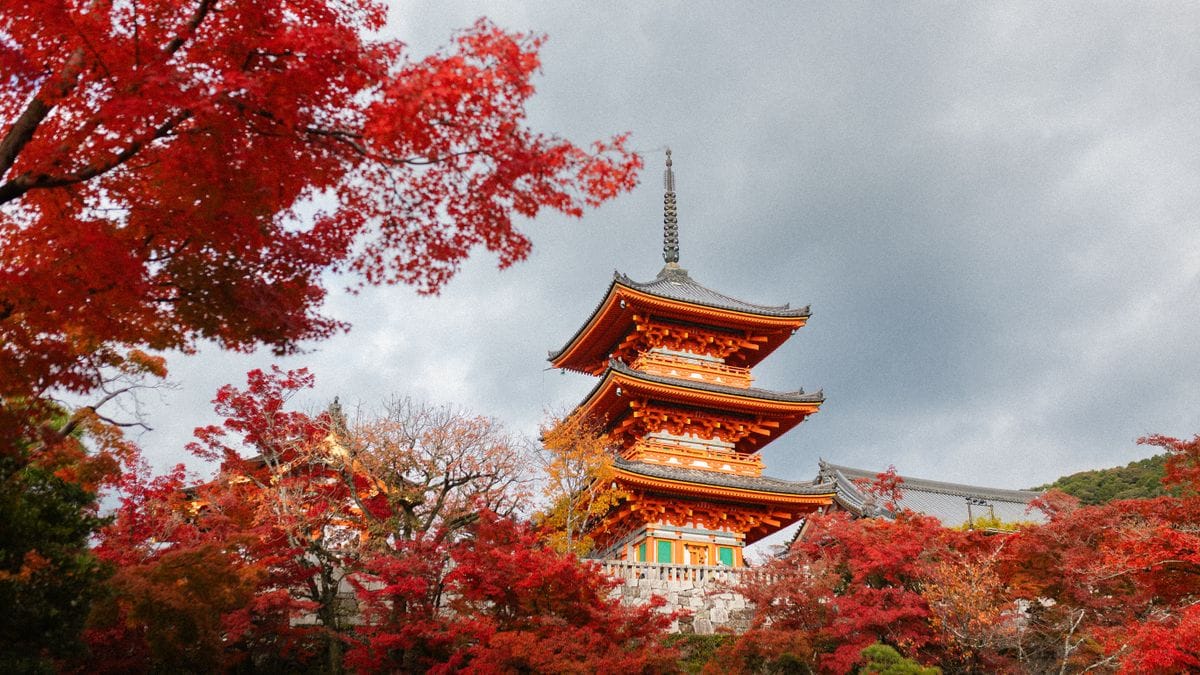
Late March through April brings cherry blossom and the highest prices of the year. Autumn foliage, from late October to mid-November, rivals it for colour with noticeably smaller crowds and better value. Summer is hot, humid and the least comfortable season, made worse by Kyoto’s bowl-shaped setting trapping heat in the city centre.
| Period | Avg temp | Weather | Crowds & prices | Verdict |
|---|---|---|---|---|
| Jan–Feb | 4–9°C | Cold, dry, occasional light snow | Quietest of the year | ⭐ Best value overall |
| Mar–Apr | 9–19°C | Warming fast, cherry blossom early April | Busiest and most expensive | ❌ Avoid for budget travel |
| May–Jun | 18–24°C | Warm, rainy season starts mid-June | Quieter than spring | ✅ Good value, watch for rain |
| Jul–Aug | 26–29°C | Hot and humid, feels hotter in the basin | Busy with festivals | ❌ Avoid for comfort and budget |
| Sep–Oct | 20–26°C | Cooling down, typhoon risk in Sep | Quieter after early Oct | ✅ Good value once typhoon season passes |
| Nov–Dec | 6–15°C | Mild, autumn foliage in November | Busy for foliage, cheaper in Dec | ✅ Good value, especially December |
Getting to Kyoto from the UK
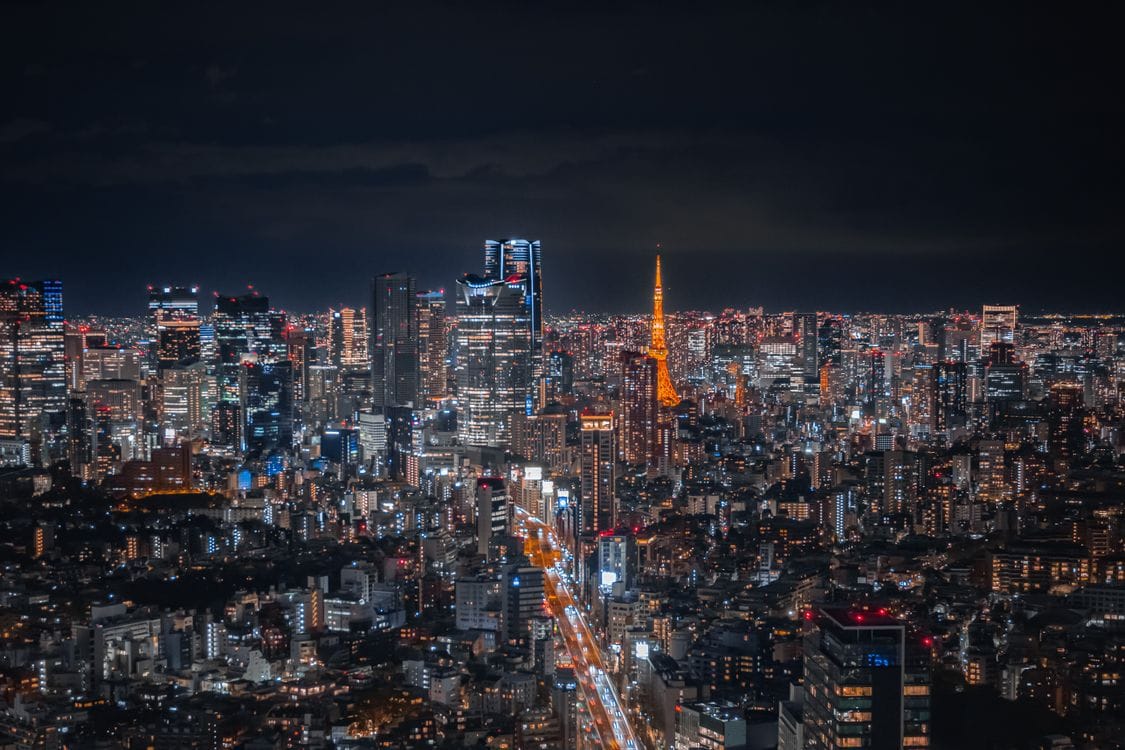
No airline flies direct from the UK to Kansai (Kyoto’s nearest airport). Most UK visitors fly direct to Tokyo instead: British Airways, Japan Airlines and ANA all serve Heathrow to Tokyo in around 12–13 hours, then continue to Kyoto by Shinkansen. The alternative is a one-stop connection to Kansai International (KIX) via Hong Kong, Dubai or Doha, which usually takes 16–24 hours door to door.
Return fares into Tokyo start at around £450 in winter, rising to £700–900 during cherry blossom and autumn foliage season. Booking 4–6 months ahead for spring travel makes a real difference to price.
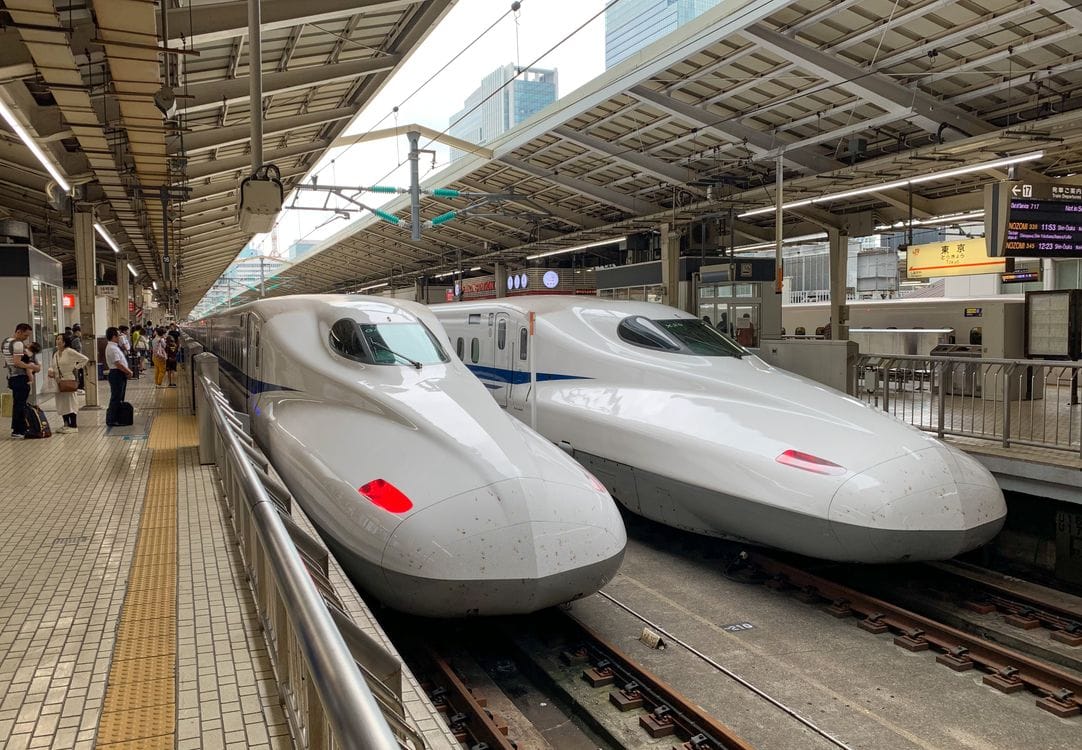
From Kansai Airport, the Haruka express runs directly to Kyoto Station in around 75 minutes. A one-way ticket costs ¥3,060 at full price, though a discounted ¥2,200 (about £11) ticket is available to overseas visitors. From Tokyo, the Shinkansen takes around two hours fifteen minutes and costs roughly ¥13,000 (£65) one way on the fastest service.
Where to stay in Kyoto on a budget
Shijo-Karasuma and the area around Kyoto Station are the two practical bases for budget travellers. Both sit on the subway and bus network used to reach almost every major sight, and both put you within walking distance of Nishiki Market.
Gion and Higashiyama are more atmospheric but pricier, and best suited to travellers who want to be in among the temples rather than commuting to them. Arashiyama, on the western edge of the city, is quieter and a little further out, with a 20–25 minute local train or bus ride into the centre.
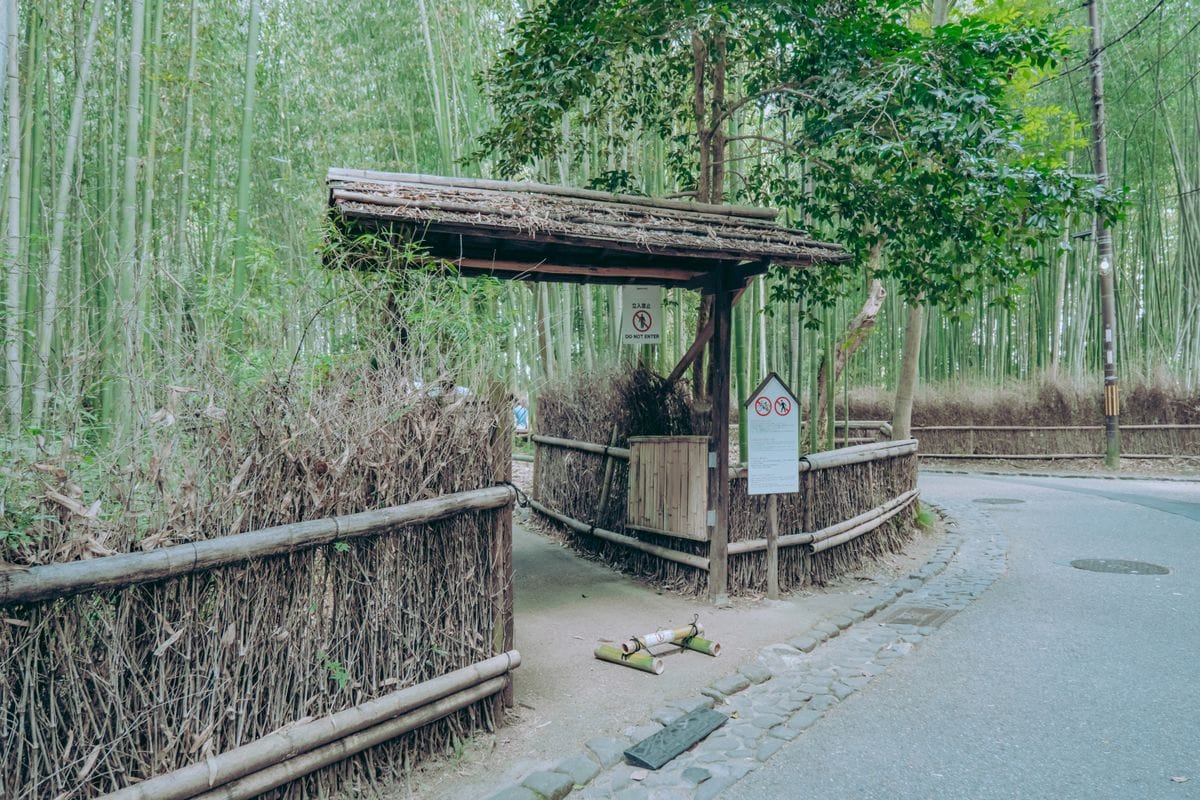
Staying in Arashiyama means waking up to the bamboo grove before the day-trip crowds arrive, which is worth the extra commute time on its own. It suits a second-half-of-trip stay better than a first base, once you already know your way around.
Hostels and small guesthouses dominate the budget end here, with fewer of the business hotel chains you’ll find around Kyoto Station.
| Area | Best for | Budget rating | Transport | Atmosphere |
|---|---|---|---|---|
| Shijo-Karasuma | Budget travellers, first-timers | Most affordable Best value | Subway Karasuma line, walk to Nishiki Market | Modern downtown, shopping streets |
| Kyoto Station area | Easy luggage access, day-trippers | Mid-range Mid-range | Every bus and train line starts here | Functional, very convenient, less charming |
| Gion / Higashiyama | Atmosphere, walking to temples | Higher than average Worth it | Limited subway, mostly walking or bus | Historic streets, busiest in the evening |
| Arashiyama | Quieter stay, bamboo grove access | Moderate Mid-range | Local train/bus into the centre, 20–25 min | Riverside, quieter, more spread out |
Three hotels worth booking on Expedia
| Hotel | Tier | Location | Why book it | Book |
|---|---|---|---|---|
| Hotel Gran Ms Kyoto | 3-star Budget | Kawaramachi | 8.8/10 guest rating | |
| Kyoto Tokyu Hotel | 4.5-star Mid-range | Near Nishi Honganji and Kyoto Tower | 9.2/10 guest rating | |
| THE THOUSAND KYOTO | 4.5-star design hotel Worth it | Near Kyoto Station and Nishiki Market | 9.6/10 guest rating |
Eating and drinking cheaply in Kyoto
Nishiki Market is the best starting point for budget eating in Kyoto. The 400-year-old covered market sells skewered seafood, tempura and matcha sweets eaten standing at the stall, and most vendors open around 10am. It’s the cheapest way to try a wide spread of Kyoto specialities in one visit.
Ramen counters are the everyday budget standby, with bowls typically running £6–9. Convenience stores (konbini) are a genuinely good source of cheap, decent food too, not just a last resort. Cash still matters here: plenty of the smaller restaurants and food stalls don’t take cards, so carry ¥5,000–10,000 (roughly £25–50) for a day of eating around the city.
For something more formal, Kyoto is one of the best cities in Japan for kaiseki, the traditional multi-course tasting menu. It isn’t a budget experience, but it’s worth budgeting one proper dinner for if the trip allows it.
UK visitors are entitled to use their Global Health Insurance Card (GHIC) for state-provided medical care while travelling in some countries, though Japan is not covered by reciprocal healthcare arrangements with the UK. Take out proper travel insurance with medical cover before you go.
Three restaurants to know
| Restaurant | Type | Location | Why go | Book |
|---|---|---|---|---|
| Tentenyu | Ramen counter Budget | Shijo-Karasuma | Chicken-broth ramen locals queue for | |
| Omen | Udon restaurant Mid-range | Near Ginkaku-ji | Handmade noodles, over 50 years running | |
| Kikunoi | Kaiseki Worth it | Higashiyama | Two-Michelin-star, third-generation chef |
Free and cheap things to do in Kyoto
Most of what people come to Kyoto for costs nothing. The city’s biggest draws, its shrines, its riverside paths, its historic streets, are free to walk through. Paid attractions tend to be specific buildings or gardens, not whole districts.
Nara, 45 minutes away by train, makes an easy free-ish day trip too: the deer park costs nothing to enter, and Todai-ji’s giant bronze Buddha has a modest entry fee.
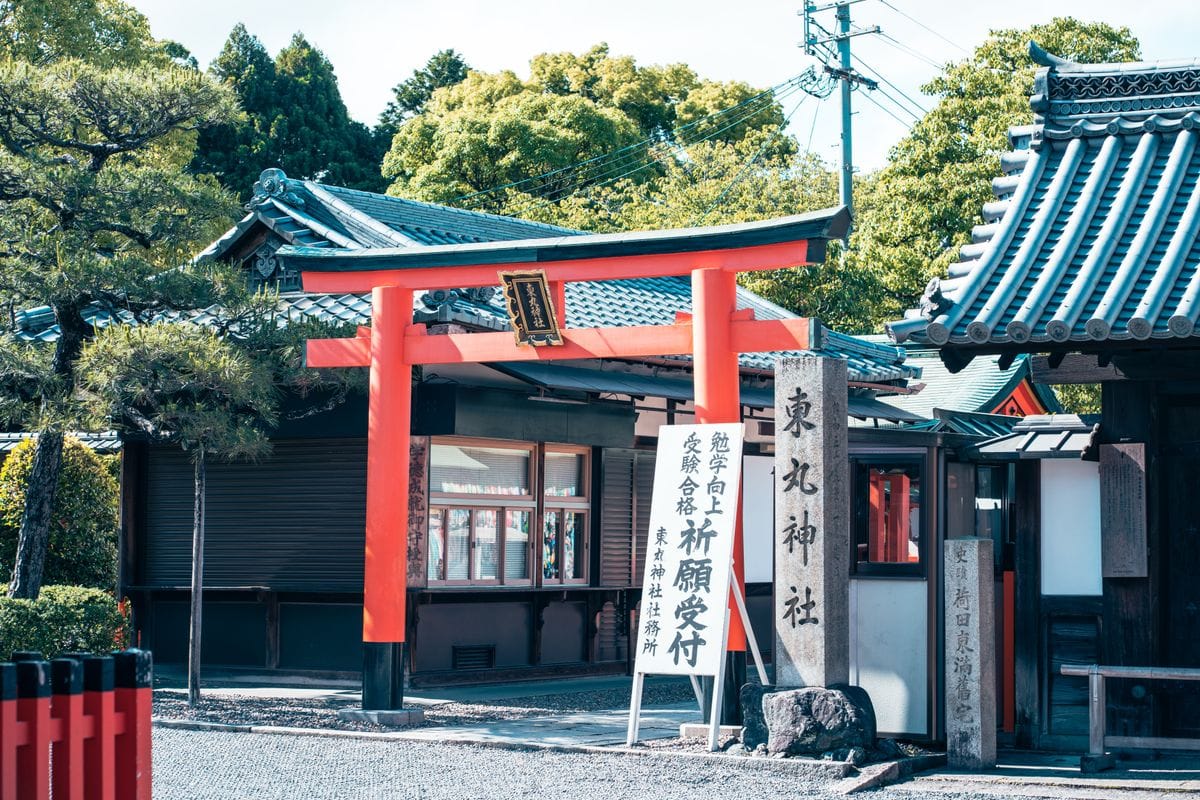
Central Kyoto is genuinely walkable in patches. Gion, Higashiyama and the path between Kiyomizu-dera and Yasaka Shrine all connect on foot, so you can string together two or three sights without touching public transport at all.
Taxis are reliable but expensive for longer distances, and best kept for late-evening trips back from Gion once the buses have stopped.
Kyoto City Bus and the Kyoto Municipal Subway run the core network. Route and fare information is available at city.kyoto.lg.jp. Single bus fares within the city cost a flat ¥230.
Sample 7-day budget for Kyoto
The figures below are based on two people sharing a budget-to-mid-range hotel in Kyoto, flying into Tokyo and continuing by Shinkansen. They include return flights from a UK airport, the onward rail journey, seven nights’ accommodation, and a realistic estimate for food, transport and activities.
| Expense | Budget (2 people) | Per person | Notes |
|---|---|---|---|
| Return flights | £900–1,300 | £450–650 | Winter departure, Heathrow to Tokyo direct |
| Tokyo–Kyoto Shinkansen | £230–260 | £115–130 | Two one-way trips, fastest service, both directions |
| Accommodation (7 nights) | £210–385 | £105–193 | Hostel to business hotel, Shijo-Karasuma or Kyoto Station |
| Food and drink | £280–420 | £140–210 | Mix of convenience stores, ramen counters and one proper dinner out |
| Activities | £40–70 | £20–35 | A couple of paid temple entries plus a Nishiki Market tasting walk |
| Local transport | £70–90 | £35–45 | Subway & Bus One-Day Pass, most days of the week |
| Total | £1,730–2,525 Budget | £865–1,260 | Assumes a Tokyo-in, Kyoto-stop trip, not a Kyoto-only flight |
For the rest of the cluster, see our Tokyo budget travel guide and check whether the Japan Rail Pass is worth it for your route.
For the full trip-planning picture, head back to our Japan budget travel guide, or pick up more general ways to cut costs in our 50 budget travel tips.
Frequently asked questions
Is Kyoto cheaper than Tokyo?
Hostel and business hotel rates in Kyoto tend to run a little below central Tokyo. Food, local transport and temple entry fees cost about the same in both cities. The main saving in Kyoto comes from accommodation rather than day-to-day spending.
How many days do you need in Kyoto?
Two to three full days covers the main temples, Gion and a half-day trip to Arashiyama. Add a fourth day if you want to fit in a day trip to Nara or a more relaxed pace around Fushimi Inari without rushing.
Do you need a JR Pass just for Kyoto?
No. The Japan Rail Pass only pays off if you’re travelling between multiple cities on the Shinkansen network. Within Kyoto itself, the local bus and subway day pass is far better value, and most of the city’s sights aren’t on a JR line anyway.
When is cherry blossom season in Kyoto?
Sakura usually peaks in the first half of April, a few days behind Tokyo’s bloom. It’s also the most expensive and crowded time of year to visit, so flights and hotels need booking four to six months ahead for the best prices.
Is Fushimi Inari Shrine free to visit?
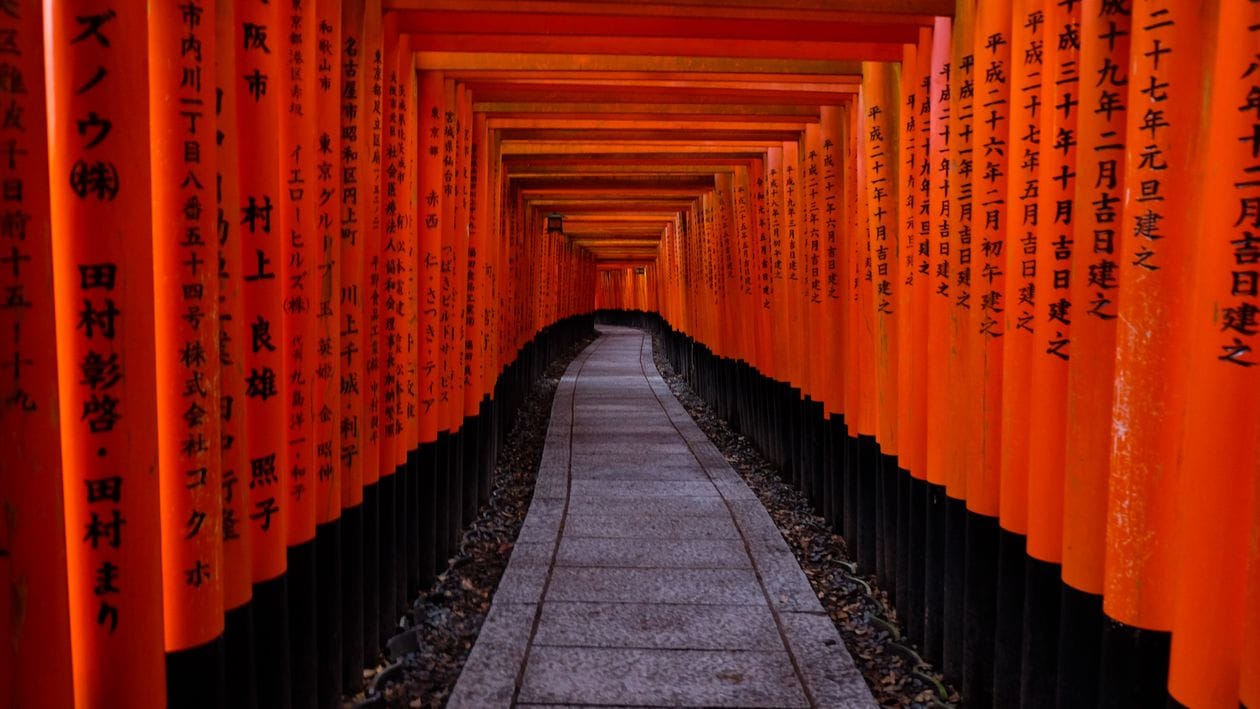
Yes. Fushimi Inari has no entry fee and is open 24 hours a day. An early morning visit, ideally before 8am, is the easiest way to see the torii gates without the crowds that build through the rest of the day.
How do you get from Kyoto to Osaka?
The fastest train service between Kyoto and Osaka takes around 15 minutes, which makes Osaka an easy day trip or a logical onward stop after Kyoto. Both cities sit on the same Kansai-area rail network used for the Kansai Airport transfer.
Where should you stay in Kyoto on a budget?
Shijo-Karasuma or the area around Kyoto Station. Both sit on the subway and bus network that reaches almost every major sight, and both are within walking distance of Nishiki Market. Gion and Higashiyama are more atmospheric but cost more.

Jane Robinson is Senior Editor at Flight Tribe. She has a Master’s in English and Journalism, and writes about flight deals, holiday offers and practical ways UK travellers can spend less without wasting time on weak promotions. Jane has spent time living and working across Asia and New Zealand, which gave her a lasting interest in how people travel, eat, move around and spend their free time in different places.
At Flight Tribe, her work focuses on verified prices, realistic travel dates, booking terms and whether a deal is actually worth attention.
How Jane works
Jane checks offers against live supplier pages wherever possible, including prices, dates, departure points, baggage rules and booking conditions. She is quietly sceptical of anything that sounds too good to be true, and helps keep Flight Tribe’s travel advice useful, honest and easy to act on.
Editorial standards
Flight Tribe covers deals for readers first. Affiliate links do not decide whether an offer is worth writing about.