Published 30 June 2026 | Updated 30 August 2026 by Kate Acaster
Japan itinerary, 10 days: that is the timeframe this route covers, and it is enough time to do the classic route properly: four nights in Tokyo, one in Hakone, three in Kyoto with a Nara day trip, and two in Osaka. It’s the route most first-time UK visitors should follow, and it’s built to work whether or not you buy a Japan Rail Pass.
Advertisement
You will find more destinations covered in Flight Tribe’s destination guides, each built around verified prices for UK travellers.
You will find more destinations covered in Flight Tribe’s destination guides, each built around verified prices for UK travellers.
This guide lays out each leg day by day, with the shinkansen journey times, realistic costs and the practical details that catch first-time visitors out. For wider trip planning see our Japan budget travel guide, and for city-level detail see our full Tokyo guide and Kyoto guide.
- RouteTokyo → Hakone → Kyoto → Osaka
- Length10 nights, 4 stops
- Per personAround £1,100–1,450, excluding flights
- JR PassUsually skip it – see below
- Best forFirst-time visitors
- Book ahead2–3 months for cherry blossom or autumn
More Japan guides
Japan itinerary, 10 days at a glance
This itinerary runs the classic Golden Route: Tokyo, then Hakone for a change of pace, then Kyoto with Nara folded in as a day trip, then Osaka to finish. It ties together a return Tokyo flight with an Osaka departure, or a loop back to Tokyo if that suits your return flight better. Check passport and entry requirements on Japan’s official tourism site before you book.
| Base | Highlights | Onward transport | |
|---|---|---|---|
| Days 1-4 | Tokyo | Shibuya, Asakusa, Akihabara, teamLab or Odaiba | Romancecar or shinkansen to Hakone |
| Day 5 | Hakone | Lake Ashi, Owakudani valley, onsen ryokan | Odawara to Kyoto by shinkansen |
| Days 6-8 | Kyoto + Nara | Fushimi Inari, Arashiyama, Kinkaku-ji, Nara deer park | Shinkansen to Shin-Osaka |
| Days 9-10 | Osaka | Dotonbori, Osaka Castle, Kuromon Market | Kansai Airport for departure |
Days 1-4: Tokyo
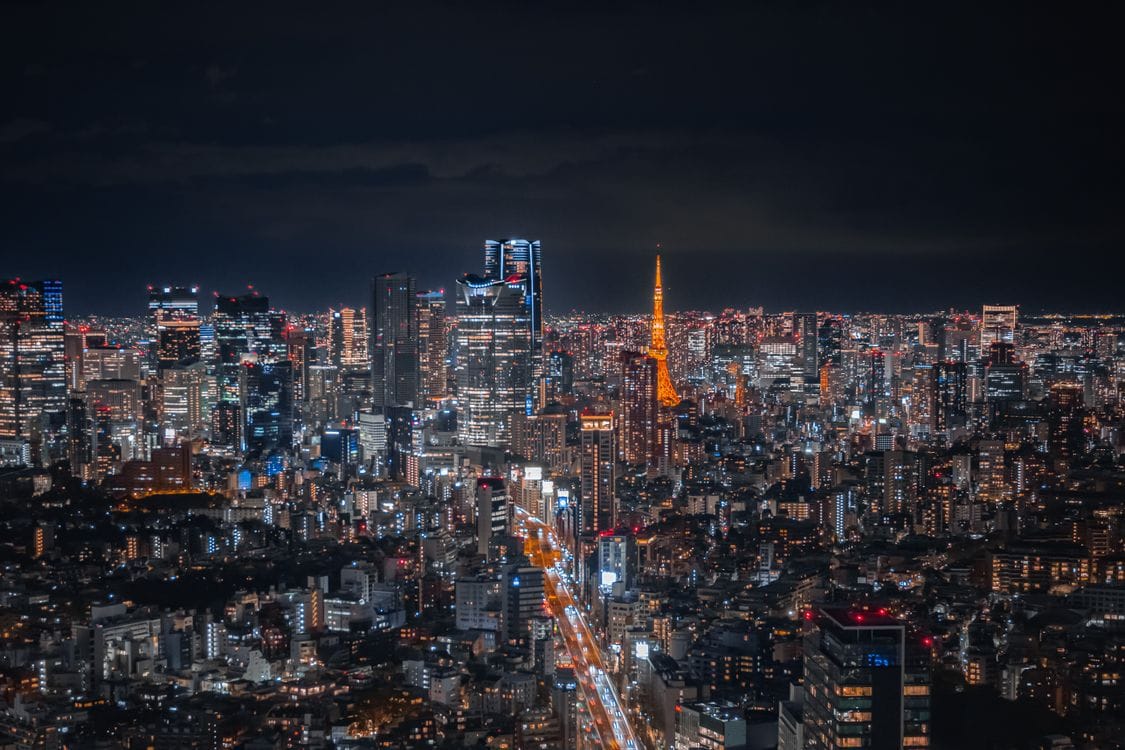
Tokyo gets four full nights. That covers Shibuya, Shinjuku, Asakusa and Akihabara properly without feeling rushed, and it leaves a buffer day if jet lag hits hard. Tokyo rewards time more than any other stop on this route, so the extra night here counts for more than it would anywhere else.
Day 1: Arrival and Shinjuku or Shibuya
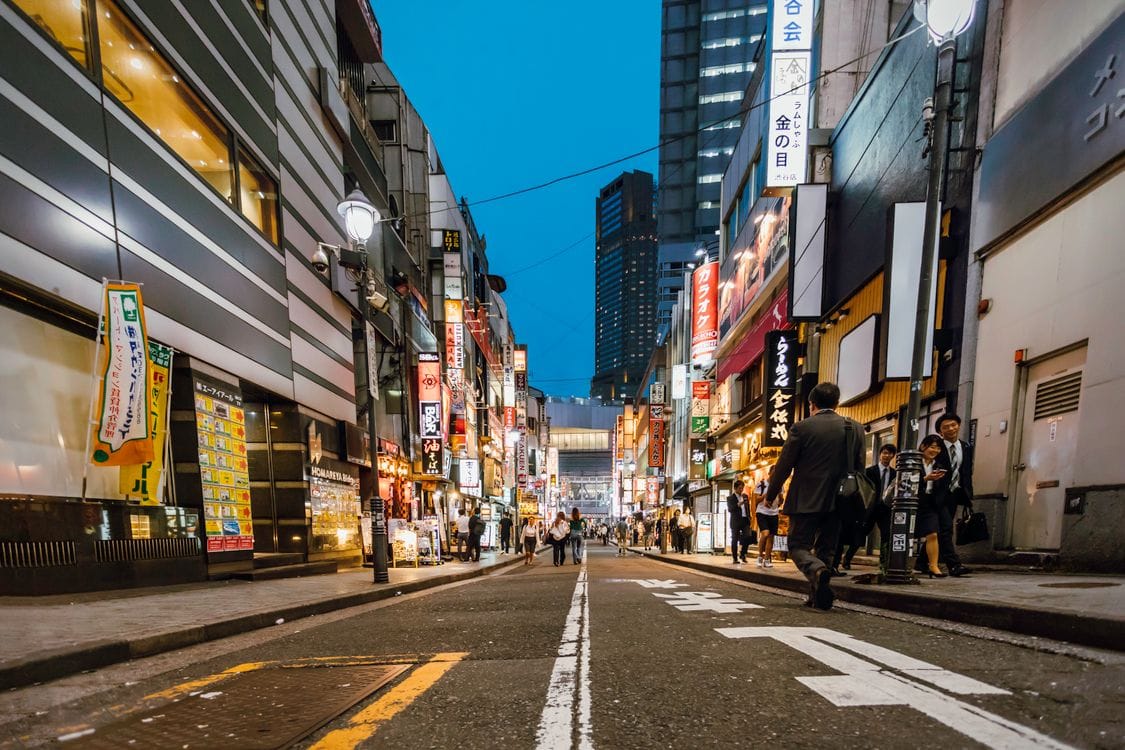
Land at Narita or Haneda, get an IC card and your hotel’s nearest station sorted, then keep the rest of the day light. A walk around Shinjuku or Shibuya, a convenience store dinner if you’re tired, and an early night will do more for the rest of the trip than trying to cram in sightseeing on landing day.
Day 2: Shibuya, Harajuku and Shinjuku
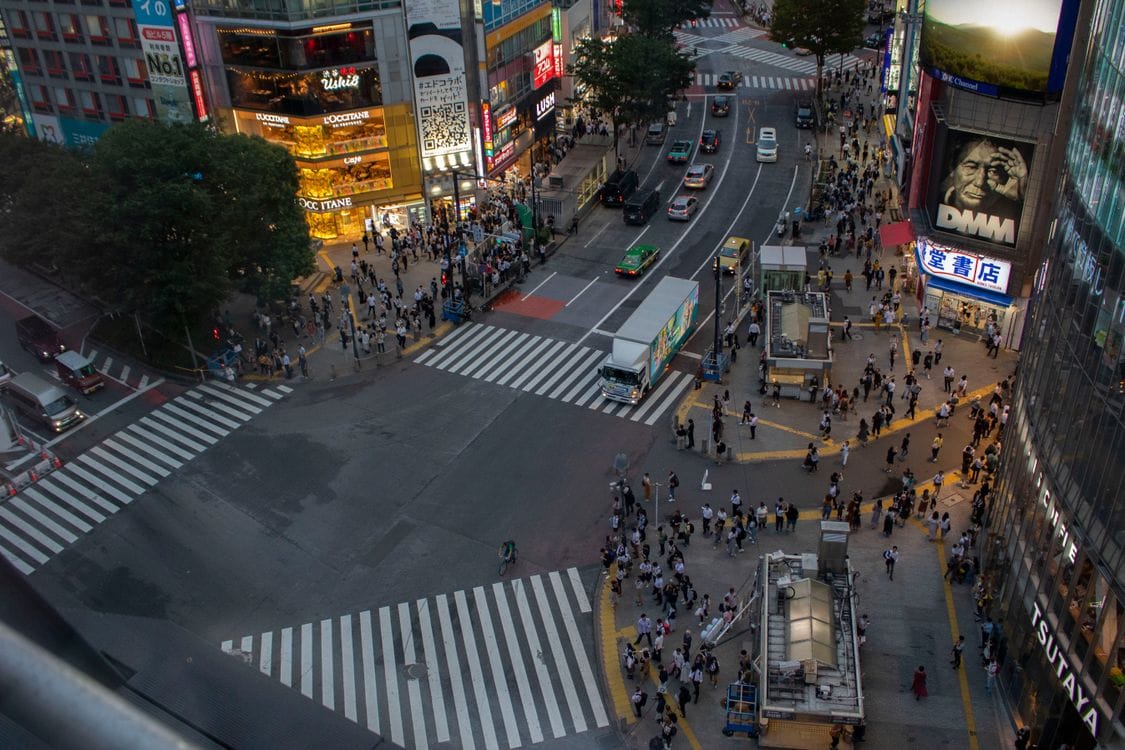
Shibuya Crossing and Meiji Shrine in the morning, then Harajuku. Skip Takeshita-dori if crowds put you off; it gets packed with day-trippers and the shopping isn’t actually better than nearby Omotesando, which has the same brands with a fraction of the people. End the day in Shinjuku, with Golden Gai’s tiny bars if you fancy a drink.
Day 3: Asakusa and Akihabara
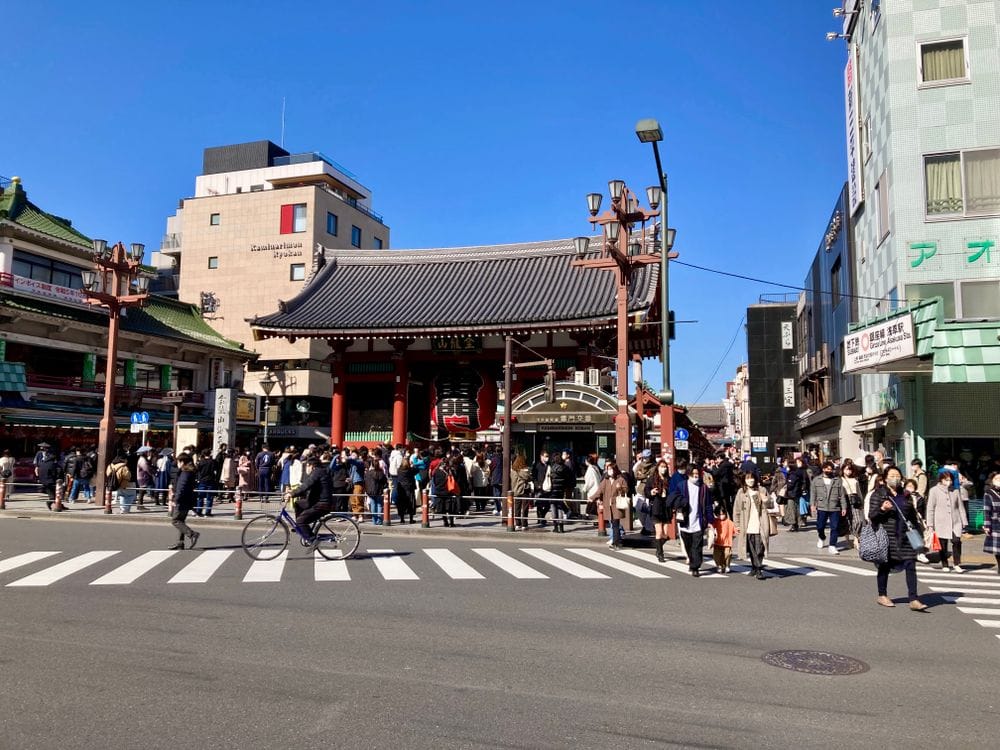
Senso-ji temple in Asakusa is Tokyo’s oldest and busiest, so go early. Tokyo Skytree or a walk along the Sumida River fills the rest of the morning. In the afternoon, Akihabara covers electronics, anime and arcade culture; whether or not it’s your thing, it’s worth seeing once.
Day 4: Free day or teamLab
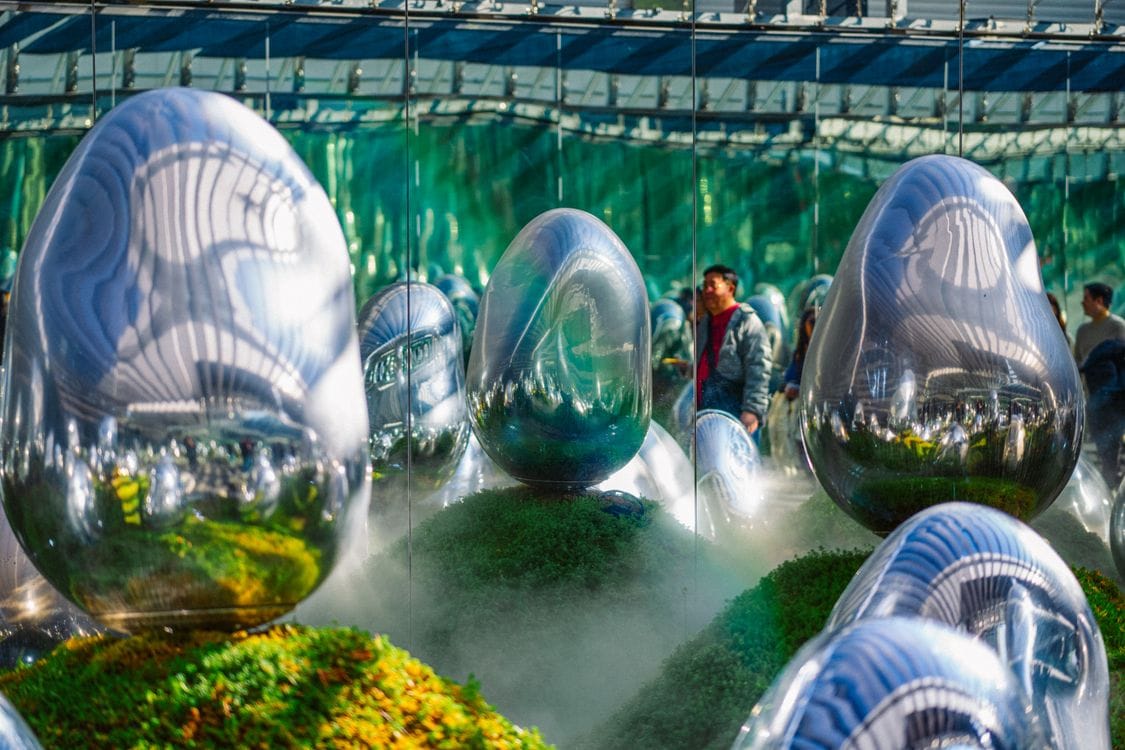
Use this as a buffer. If you’re ahead of schedule, teamLab’s digital art installations or a day trip to Odaiba are popular choices. If you’re behind, this is the day to revisit whatever you didn’t get to. Either way, it sets you up properly for the Hakone leg the next morning.
Day 5: Hakone
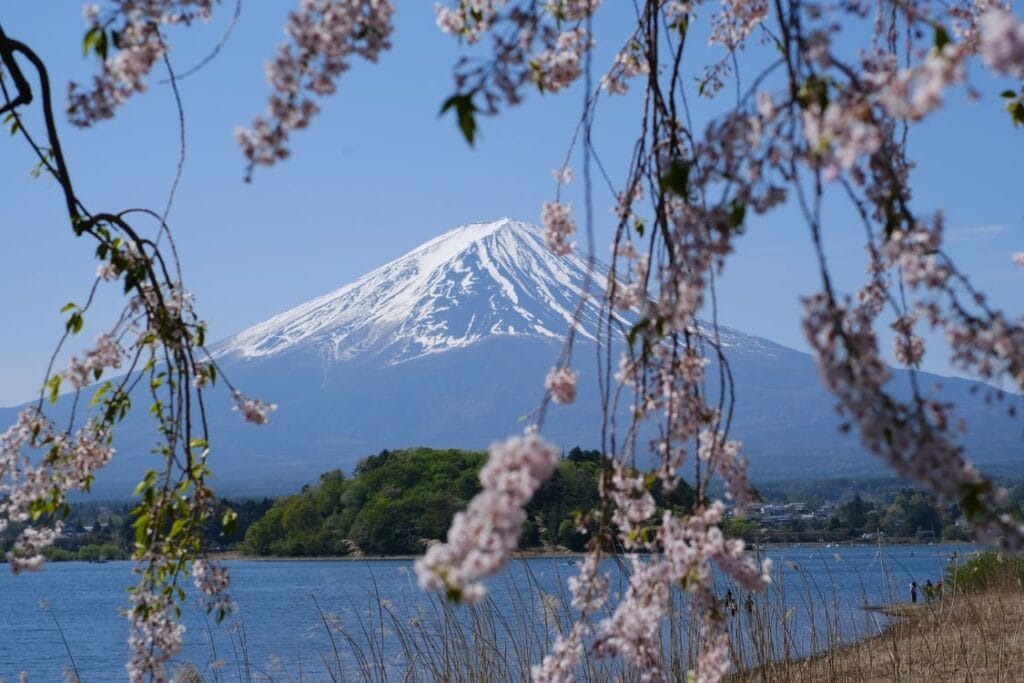
Hakone breaks up the city days with hot springs, mountain scenery and, on a clear day, a view of Mount Fuji. From Tokyo, the Odakyu Romancecar runs direct from Shinjuku in around 85 minutes, or you can take the shinkansen to Odawara and change to a local line.
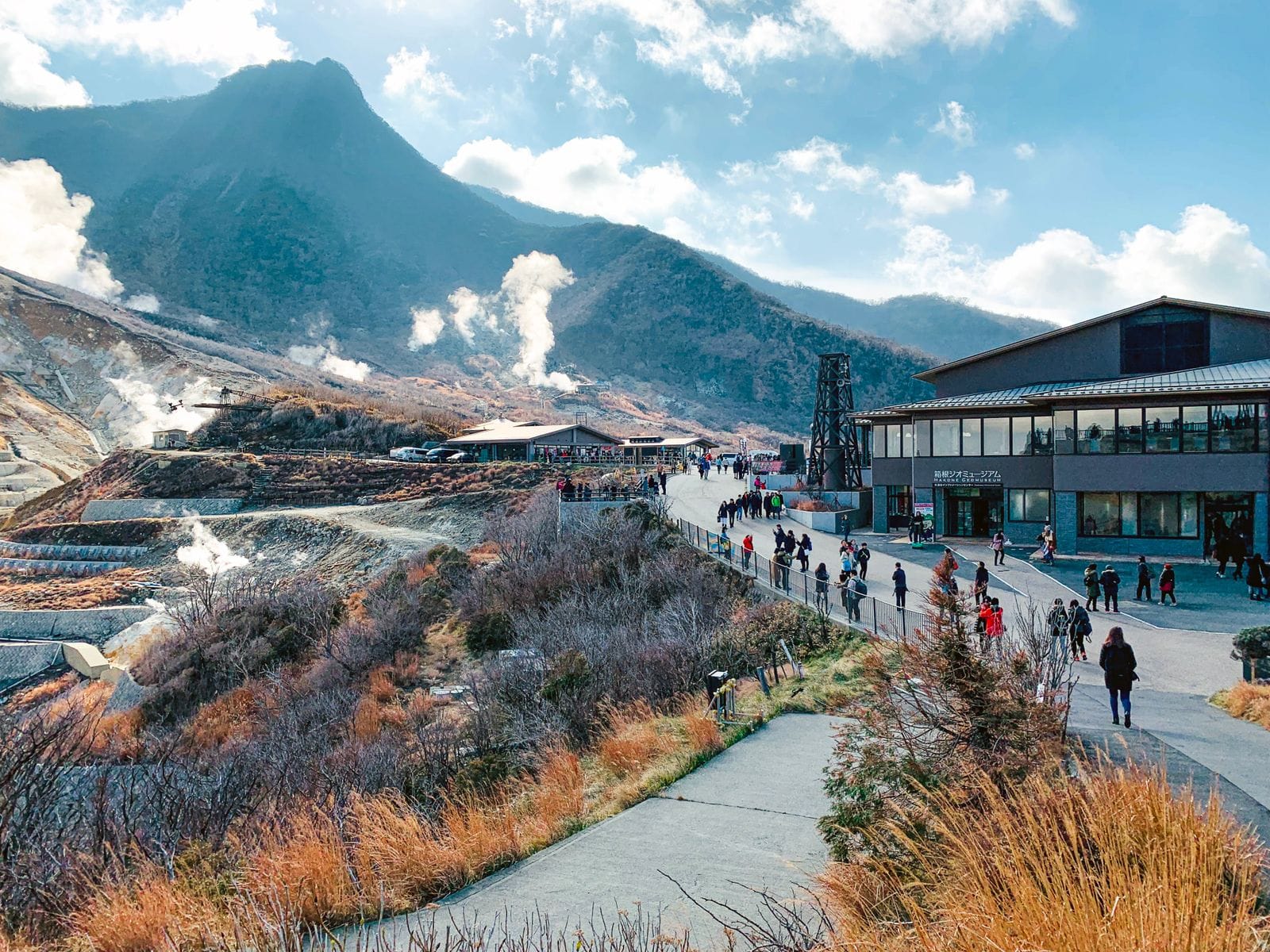
Spend the day on the Hakone loop: a cable car up to Owakudani’s volcanic valley for the famous black eggs boiled in its sulphur springs, then a cruise across Lake Ashi past the red torii gate of Hakone Shrine. If the weather plays along, Fuji is visible from several points on the lake.
Stay overnight in an onsen ryokan if your budget allows it. It’s a different kind of experience to a city hotel, and most ryokans expect you to wear a provided yukata and slippers around the property, so pack light for this one night.
Days 6-8: Kyoto and Nara
Kyoto and a Nara day trip take three nights, but timing matters here more than anywhere else on the route. Kyoto’s famous sites get overwhelmed by daytime crowds, and that overtourism has eroded the calm the city is known for. See the big names before 8am or after 6pm, not in the middle of the day, and Kyoto lives up to its reputation.
Day 6: Arrive, Nishiki Market and Gion
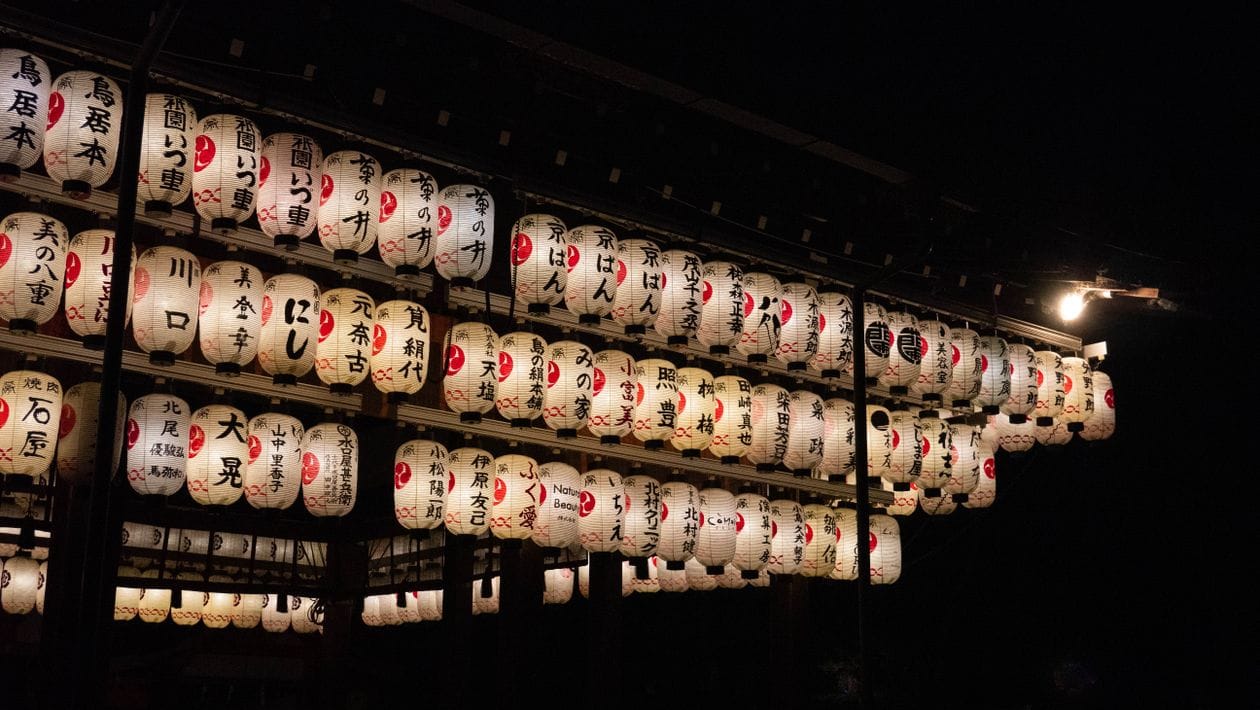
Take the shinkansen from Odawara to Kyoto, around 75 minutes including the change. Check in, then spend the afternoon at Nishiki Market for street food, and walk through Gion in the early evening. You may spot a geisha or maiko heading to an appointment; photographing them up close without permission is both rude and, in parts of Gion, against local rules.
Day 7: Fushimi Inari, Arashiyama and Kinkaku-ji
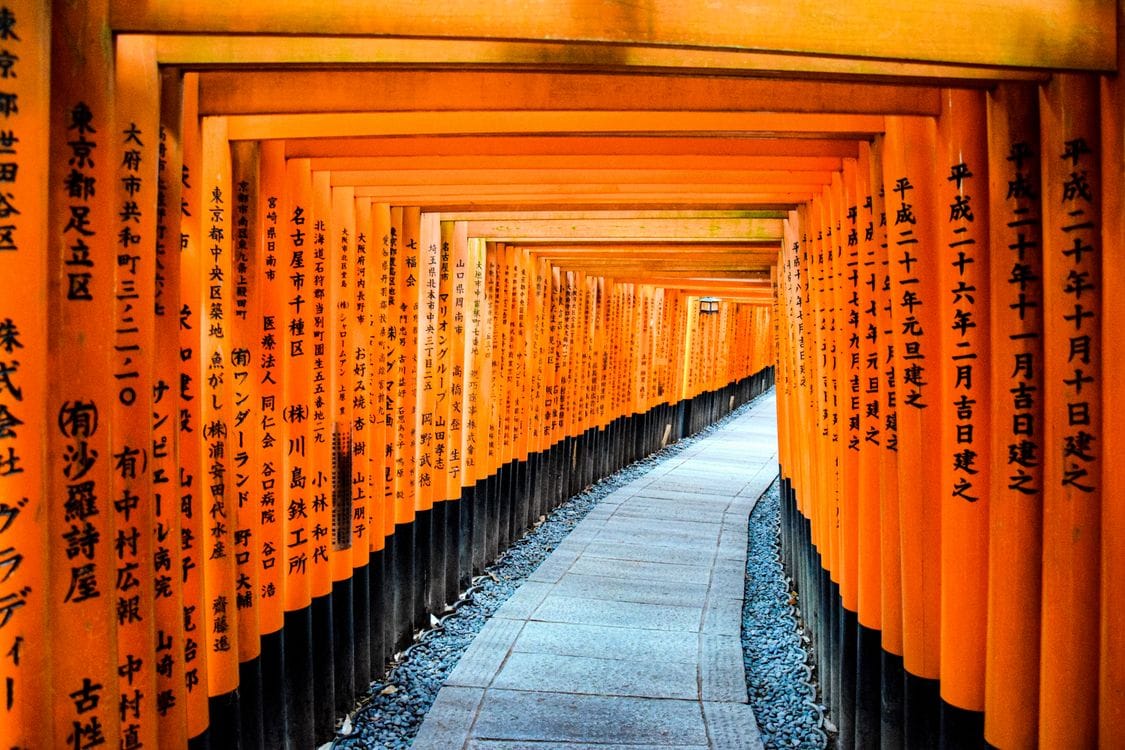
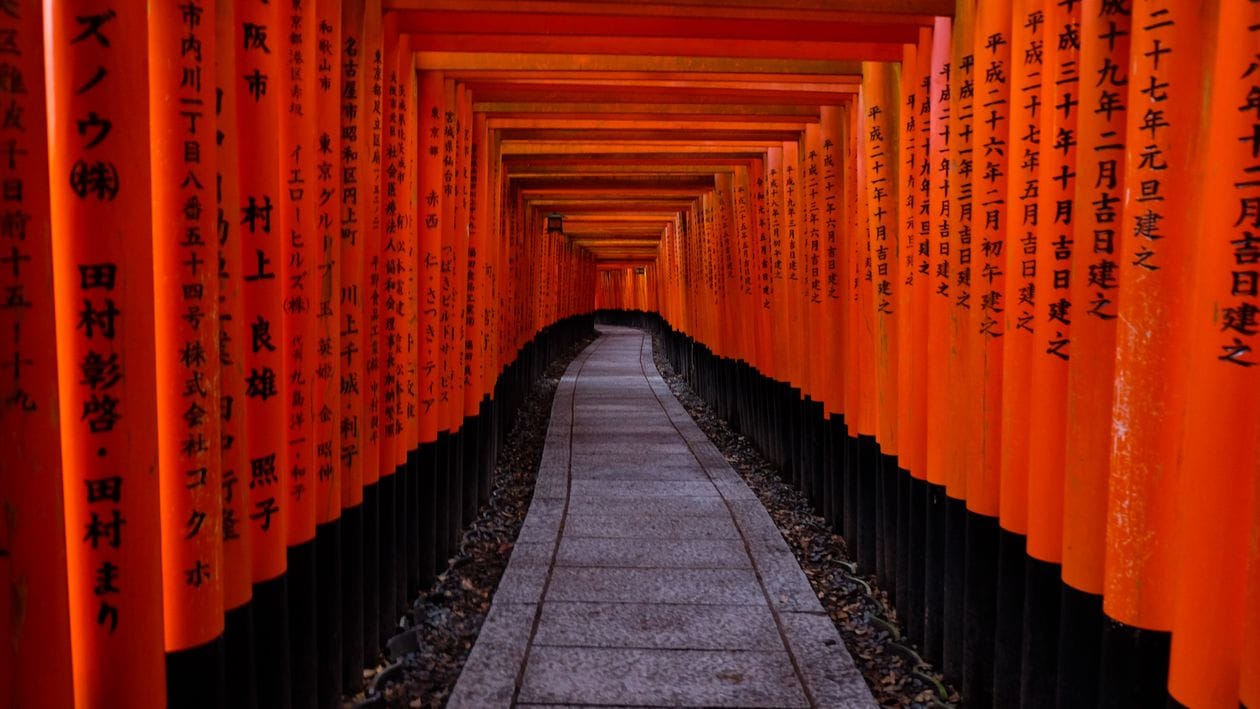
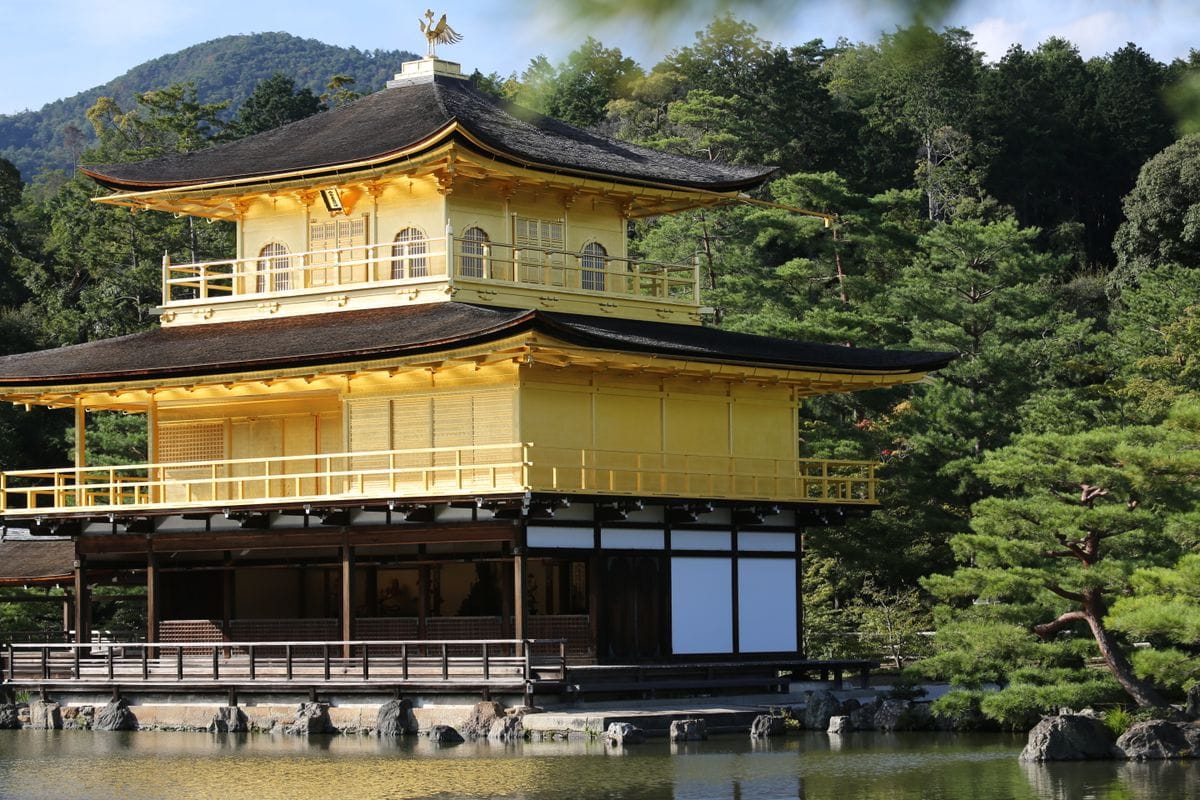
Get to Fushimi Inari’s torii gate paths for opening, ideally before 8am. The same applies to Arashiyama’s bamboo grove, which is atmospheric at dawn and a crowded photo queue by 10am. Visit Kinkaku-ji, the golden pavilion, in the afternoon once the morning sites are done.
Day 8: Nara day trip
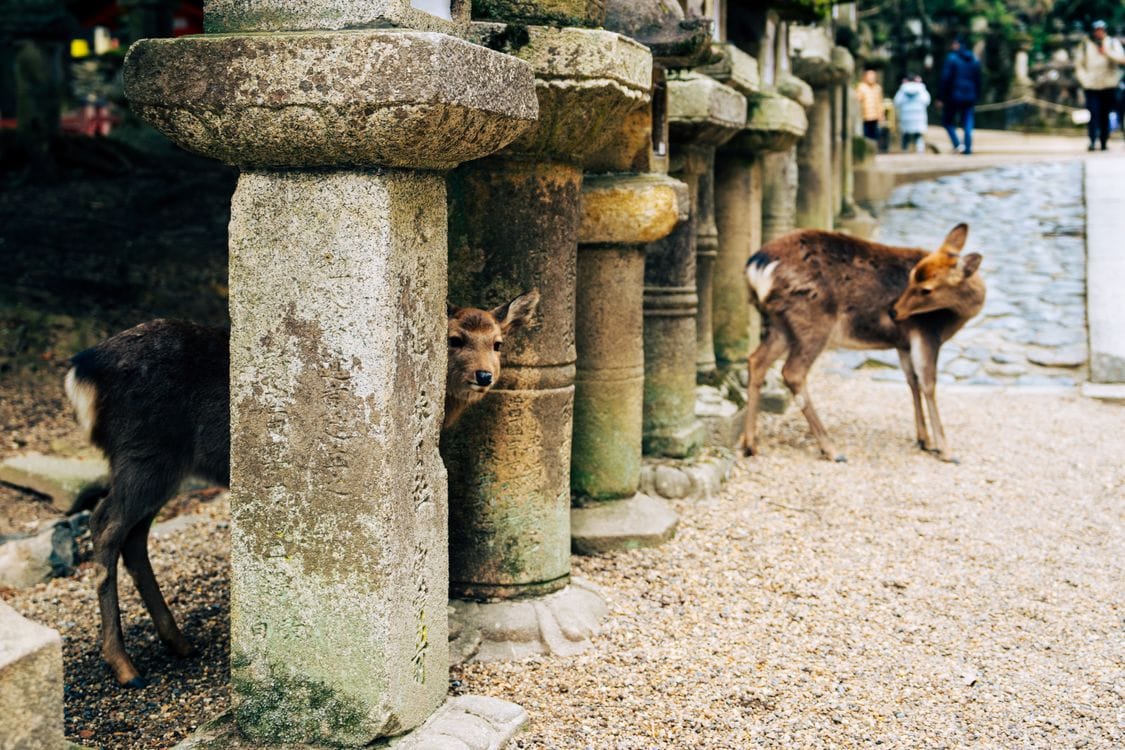
Nara’s free-roaming deer, Todai-ji’s giant Buddha and Kasuga Taisha’s lantern-lined paths are an easy half-day trip from Kyoto. Take the private Kintetsu line rather than the JR line; it’s faster and cheaper from central Kyoto. The only exception is if you’re using a JR Pass, in which case the JR route is free, just slower.
Days 9-10: Osaka
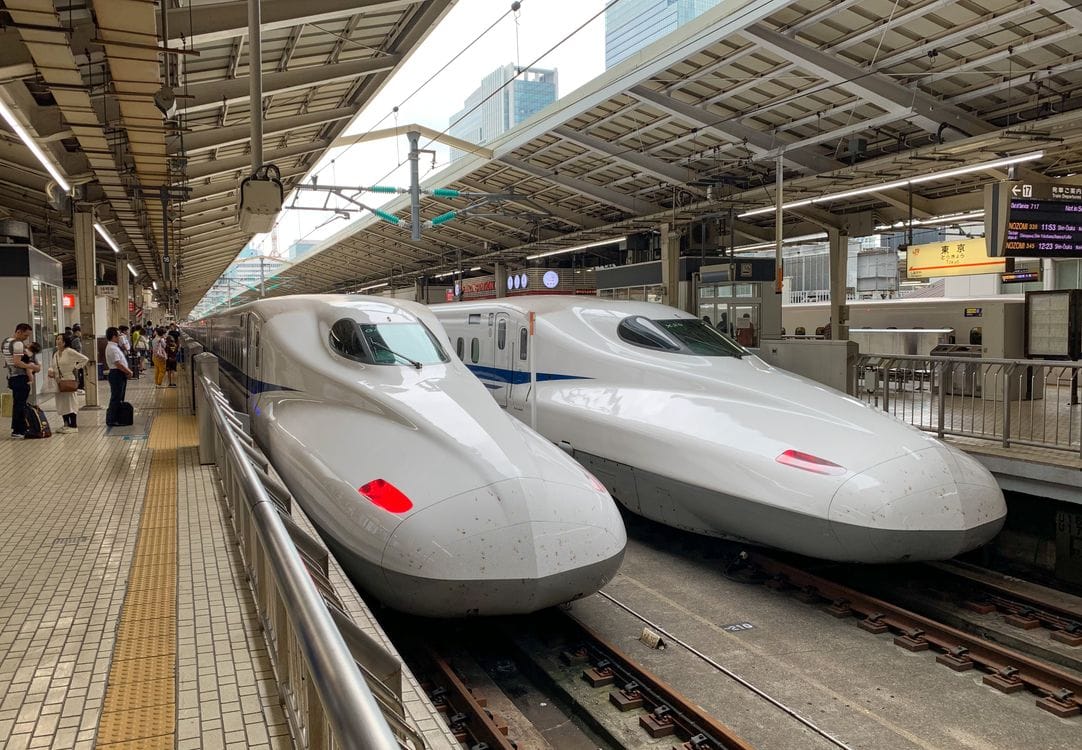
The Kyoto to Shin-Osaka shinkansen takes around 12 to 15 minutes, one of the shortest legs on the whole route, so you’ll arrive with most of the day still ahead of you. For deeper Osaka planning once our standalone city guide is live, check back on the Japan budget travel guide, where it will be added as a sibling guide to Tokyo and Kyoto.
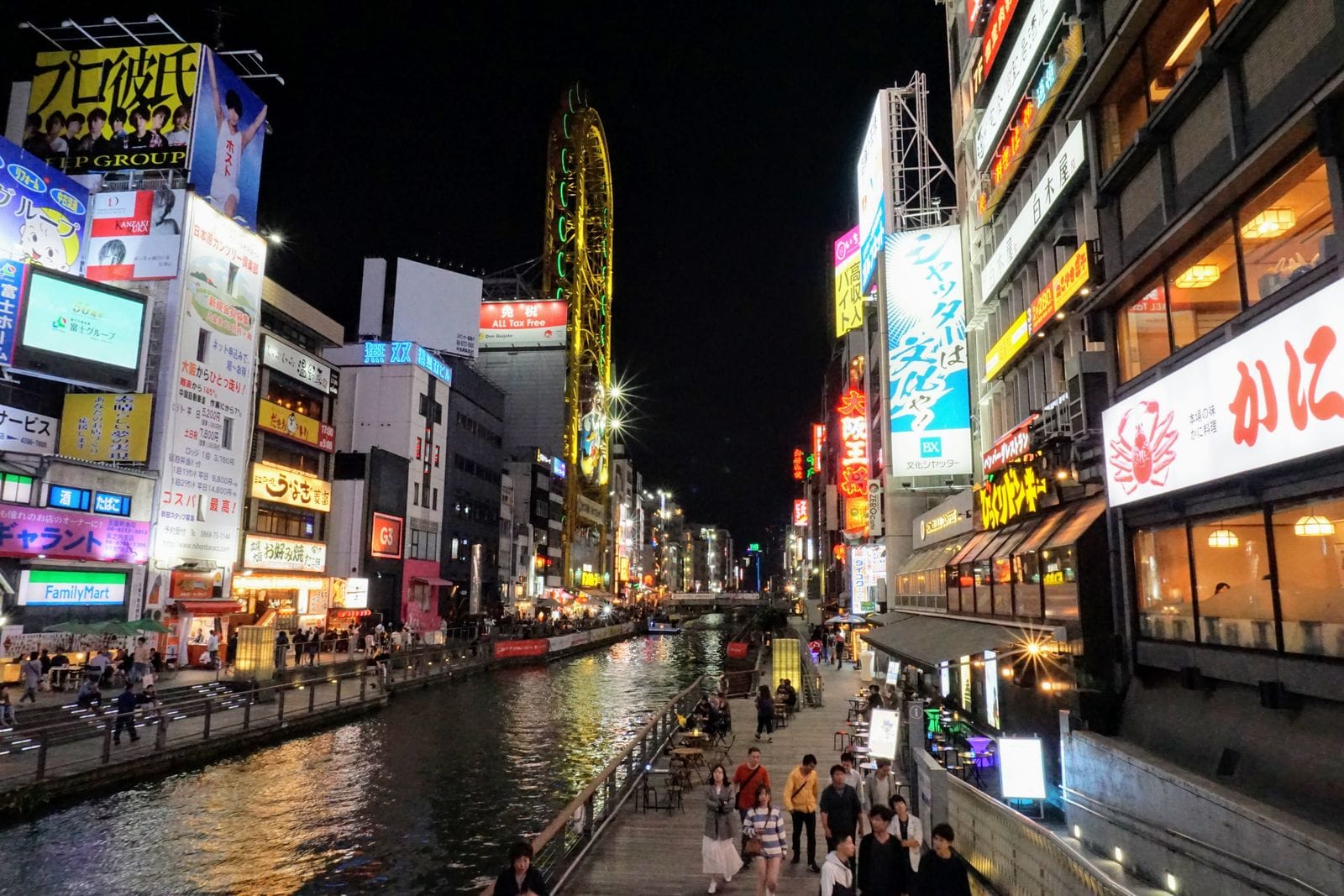
Day 9: Osaka Castle and Dotonbori
Osaka Castle and its surrounding park fill the afternoon. In the evening, Dotonbori is the city’s food district: takoyaki, okonomiyaki and kushikatsu stalls line the canal, and the giant illuminated signs are reason enough to walk it after dark.
Day 10: Kuromon Market and departure
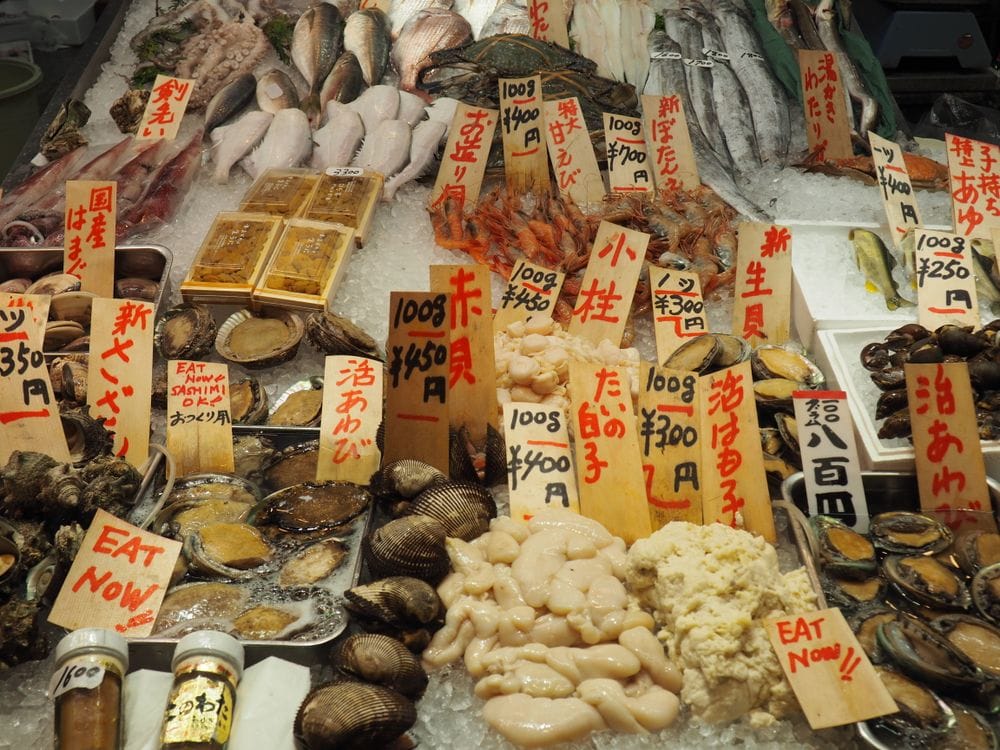
Kuromon Ichiba Market is the morning move for fresh seafood and last-minute food souvenirs, with Shinsaibashi nearby for final shopping. Kansai International Airport is roughly 50 minutes from central Osaka by direct train, which leaves a manageable buffer before most international departures.
Should you add Hiroshima?
Hiroshima is the site of the 1945 atomic bombing, and most visitors come for the Peace Memorial Park, the Atomic Bomb Dome and the Peace Memorial Museum. It is a significant and often moving few hours, and it deserves time to take in properly rather than a rushed stop between train connections. That is why it sits outside this core 10-day route: doing it justice needs a full day on its own, not a token visit.
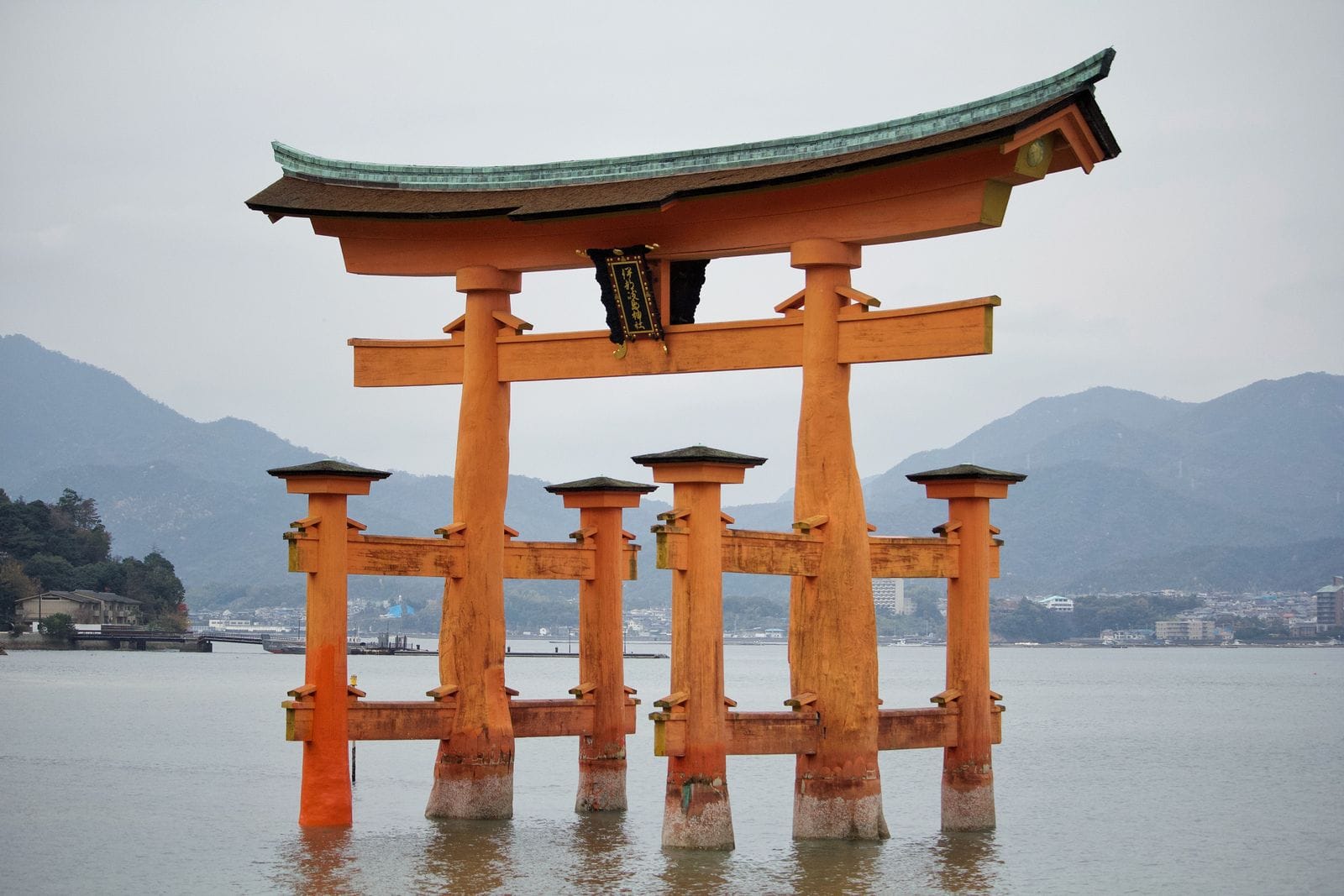
If you do go, pairing Hiroshima with an overnight on Miyajima works better than a same-day round trip from Osaka. Miyajima’s Itsukushima Shrine and its floating torii gate make a gentler, more reflective stop afterwards, and staying overnight means seeing the island once the day-trip crowds have left on the last ferry.
Is the JR Pass worth it for this route?
For Tokyo, Hakone, Kyoto and Osaka alone, point-to-point tickets usually cost less than the 7-day Japan Rail Pass. The maths only tips in the pass’s favour once you add a Hiroshima return leg. Full pass pricing, eligibility and how to buy it are covered in our Japan Rail Pass guide.
| Route | Point-to-point | 7-day JR Pass | Verdict |
|---|---|---|---|
| Tokyo, Hakone, Kyoto, Osaka only | ¥27,700 (~£143) | ¥50,000 (~£258) | Skip the pass |
| Add a Hiroshima return | ~¥56,000 (~£289) | ¥50,000 (~£258) | Pass pays off |
Budget for 10 days in Japan
Budgeting for this Japan itinerary, 10 days door to door, is easy enough once flights are booked. A realistic mid-range budget for this route runs to roughly £115–145 a day per person, before flights. Tokyo and Osaka are the priciest stops; Hakone and Kyoto’s mid-range ryokans and hotels can come in cheaper outside peak season. For a wider breakdown of Japan costs, see the Japan budget travel guide, and for general money-saving habits that apply on any trip, our 50 budget travel tips guide is worth a read before you go.
| Category | Per day, per person | Notes |
|---|---|---|
| Accommodation | £40–65 | Mid-range double, split two ways |
| Food and drink | £25–35 | Mix of convenience stores, ramen counters and one nicer meal a day |
| Trains (Tokyo–Osaka leg) | ~£14, amortised | £143 point-to-point total, see JR Pass section above |
| City transport and IC card top-ups | £6–10 | Suica, Pasmo or Icoca, all interchangeable |
| Activities and entry fees | £10–20 | Most temple and shrine entry fees are under £5 |
| Daily total | £95–144 | Excludes international flights |
Practical tips for this itinerary
These are the details that catch first-time visitors out more than any packing list, and they are specific to this exact route rather than generic packing advice.
- Forward your luggage between cities. A takkyubin courier service, arranged at any hotel front desk, delivers your main bag to the next hotel by the following afternoon for roughly £10–15 a bag, so you only carry a day bag on travel days.
- Get an IC card on arrival. Suica, Pasmo and Icoca work interchangeably on city trains, buses and at convenience stores nationwide. The chip shortage that made physical cards hard to find a couple of years ago has been resolved since March 2025.
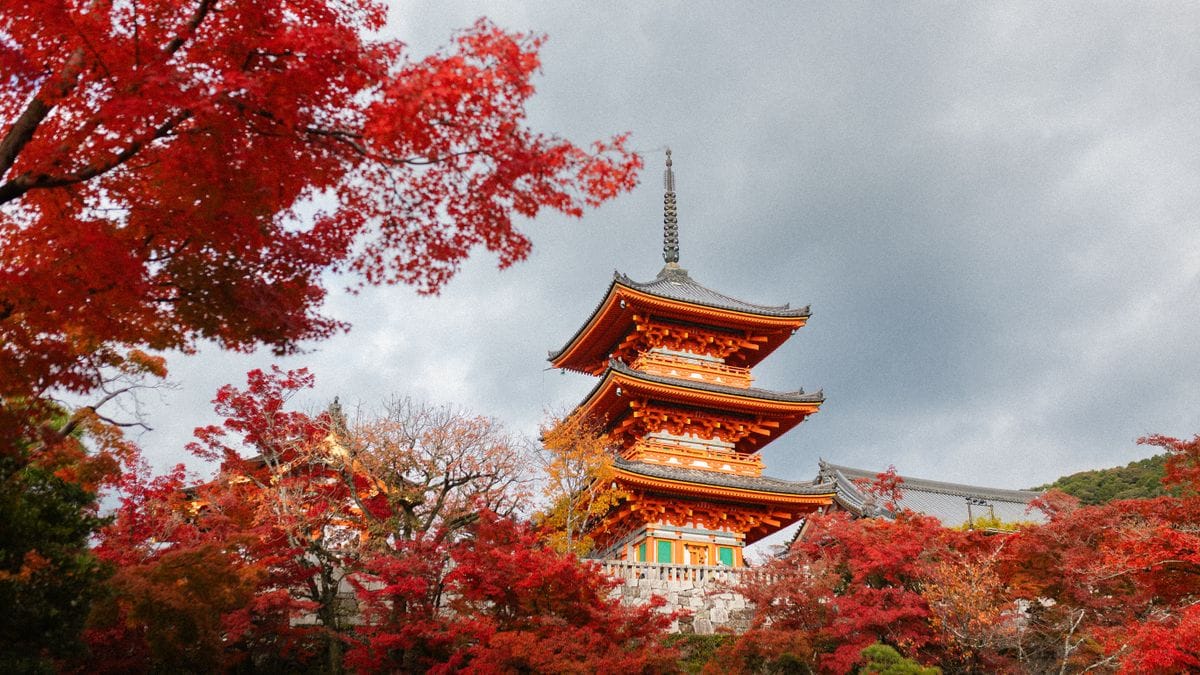
- Visit Kyoto’s famous temples before 8am. Fushimi Inari and the Arashiyama bamboo grove are dramatically quieter at opening time than by mid-morning, once the tour buses arrive.
- Double-check before boarding a Nozomi or Mizuho shinkansen. The JR Pass doesn’t cover either service, and travellers without the pass have ended up on the wrong platform trying to board them by mistake.
- Take the Kintetsu line to Nara, not the JR line. It’s faster and cheaper from central Kyoto, unless you’re using a JR Pass, in which case the JR route is free but slower.
- Carry cash alongside your IC card. Smaller restaurants, ryokans and rural stops still don’t always take cards.
- Pack light for the Hakone night. Most ryokans provide a yukata and slippers for wear around the property, so you won’t need much beyond a day bag if you’re forwarding your main case ahead.
- Book accommodation 2-3 months ahead for cherry blossom or autumn leaves. Late March to mid-April and November are the two periods when Kyoto and Hakone hotels sell out earliest.
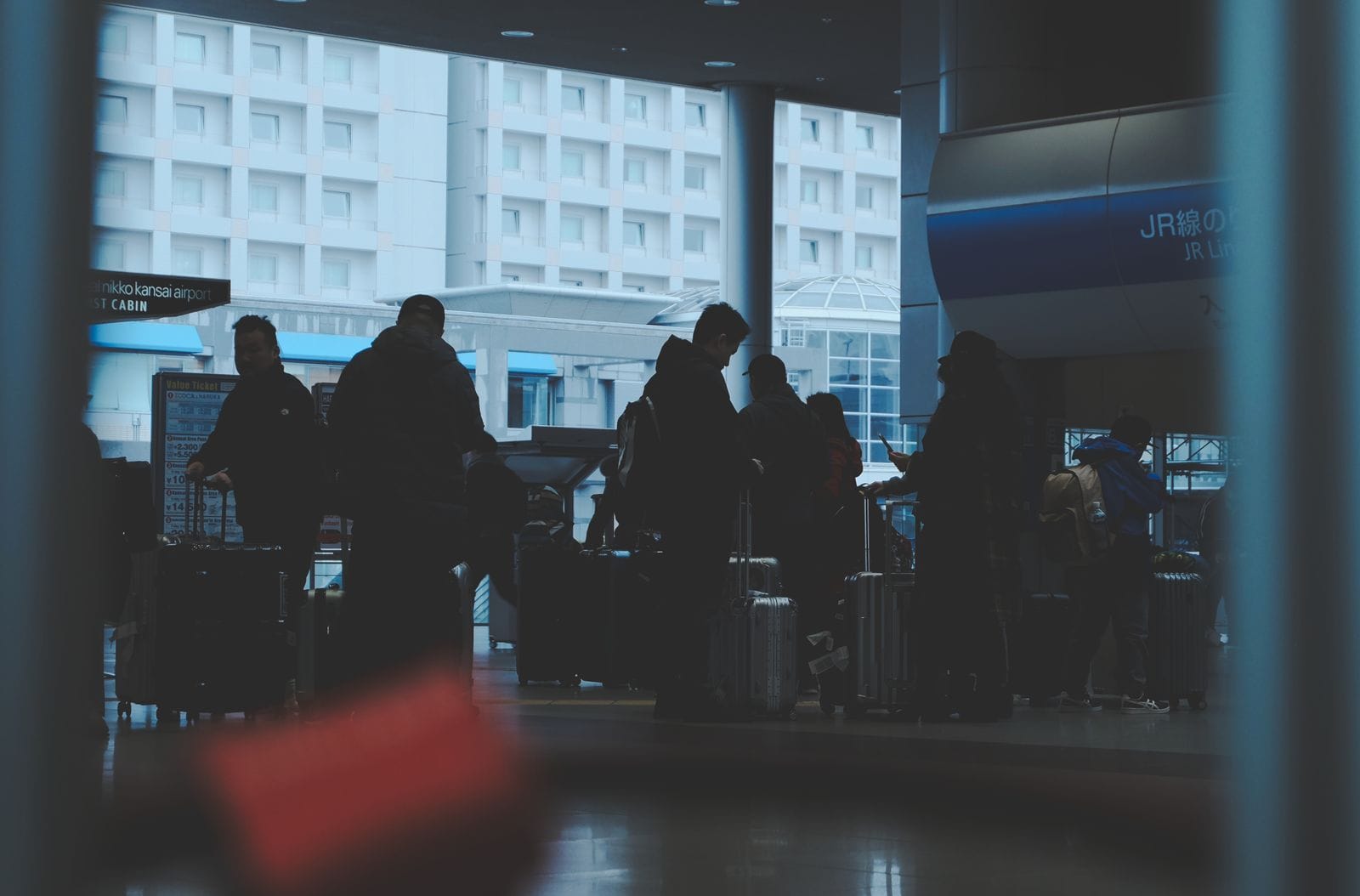
Getting these small logistics right matters more on a 10-day multi-city route than it would on a single-base holiday.
For the full breakdown of city-level costs, hotels and restaurant picks, our Tokyo budget travel guide and Kyoto budget travel guide go into far more depth than a route overview can. Both are worth reading before you book accommodation for this trip.
Frequently asked questions about this Japan itinerary, 10 days door to door
Is 10 days enough for Japan?
Ten days is enough to do the classic Tokyo, Hakone, Kyoto and Osaka route properly without rushing. It’s tight if you also want to add Hiroshima or a longer Tokyo stay, so first-time visitors are better off saving those for a return trip.
Should I add Hiroshima to a 10-day Japan itinerary?
Hiroshima deserves proper time given what it commemorates, so it sits outside this 10-day route on purpose. If you want to include it, extend the trip to 12 to 14 days rather than fitting in a rushed day trip from Osaka.
Is the JR Pass worth it for this route?
For Tokyo, Hakone, Kyoto and Osaka alone, point-to-point tickets usually work out cheaper than the 7-day pass. The pass starts to pay for itself once you add a Hiroshima leg, so run the numbers against your exact dates before buying.
How many days should I spend in Tokyo versus Kyoto?
Four nights in Tokyo and three in Kyoto, with a Nara day trip folded into the Kyoto leg, is the right balance for a first visit. Tokyo rewards extra time more than any other stop on this route.
Do I need to book trains in advance for this itinerary?
Reserved shinkansen seats can be booked online or at the station once you’re in Japan, and unreserved cars are usually fine outside peak holiday weeks. Book ahead only if you’re travelling during Golden Week in late April or early May, or the August Obon holiday.
What’s the best way to move luggage between cities on this route?
Use a takkyubin luggage forwarding service, arranged at any hotel front desk, which delivers your main bag to the next hotel by the following afternoon for around £10–15 a bag. It means you only carry a day bag on travel days instead of dragging a full suitcase through station transfers.
Ready to plan the rest of the trip? Start with our Japan budget travel guide for flights and seasonal advice, then read the Tokyo and Kyoto guides for hotel and restaurant picks before you book.

Kate Acaster is Chief Editor at Flight Tribe. She writes about practical travel planning, budget airlines, baggage rules, city breaks, beach holidays and good hotels that do not cost daft money.
Kate has travelled through Europe, South America and beyond, usually with a notebook, a half-formed plan and a strong opinion on airport snacks. At Flight Tribe, her work focuses on helping UK travellers understand what is included, what costs extra, and whether a trip is worth booking at the price shown.
How Kate works
Kate checks the details that can change the value of a trip, including cabin-bag rules, airline fees, hotel location, seasonality, travel dates and booking conditions. She is especially interested in offers that look useful on the surface but need a proper reader-first check before they are worth recommending.
Editorial standards
Flight Tribe covers deals and travel advice for readers first. Affiliate links do not decide whether an offer is worth writing about.