Published 1 July 2026 | Updated 29 August 2026 by Kate Acaster
Best time to visit Japan is a genuinely different question depending on who’s asking. Cherry blossom photos sell the idea that late March is the only time worth going, but that’s also the most expensive and most crowded fortnight of the year. For most UK budget travellers, the better months sit either side of it.
Advertisement
You will find more destinations covered in Flight Tribe’s destination guides, each built around verified prices for UK travellers.
You will find more destinations covered in Flight Tribe’s destination guides, each built around verified prices for UK travellers.
This guide breaks Japan down month by month, so you can weigh weather, price and crowds against what you actually want from the trip. For the wider picture, see our Japan budget travel guide, or jump straight to Tokyo, Kyoto or a ready-made 10-day itinerary.
The quick answer
Late October to late November is the best overall balance of weather, price and crowds, thanks to autumn foliage without the cherry blossom premium. Winter, from January to early March, is the cheapest period, with return flights from around £450 and genuinely quiet temples. Late March to April is the priciest and busiest fortnight of the year, driven entirely by cherry blossom. Avoid Golden Week (late April into early May) and mid-August if you can, since both are Japanese domestic holiday weeks when trains and hotels fill with local travellers.
Japan weather and prices by month
Averages below are for Tokyo, which is a reasonable proxy for most of Honshu including Kyoto and Osaka. Hokkaido in the north runs several degrees colder in winter, and Okinawa in the south stays warm and humid nearly year-round.
| Month | Avg temp | Weather | Crowds & prices | Best for |
|---|---|---|---|---|
| January | 3–10°C | Cold, dry, clear skies | Quietest month | Budget trips, skiing in Hokkaido |
| February | 3–10°C | Cold, driest month of the year | Quiet outside Sapporo | Sapporo Snow Festival, skiing |
| March | 6–13°C | Warming quickly, blossom from late March | Rising fast from mid-month | Early cherry blossom, before the peak crowds |
| April | 10–19°C | Mild and pleasant | Busiest month of the year | Cherry blossom, if budget allows |
| May | 15–23°C | Warm, comfortable, low humidity | Quieter after Golden Week ends | Comfortable sightseeing, good value |
| June | 19–25°C | Rainy season (tsuyu) across most of the country | Genuinely quiet | Hydrangeas, indoor sightseeing, low prices |
| July | 23–29°C | Hot and humid once the rain clears mid-month | Building towards school-holiday peak | Summer festivals, if you can handle the heat |
| August | 24–31°C | Hottest, most humid month | Peak Japanese school holidays | Fireworks festivals, if you avoid Obon week |
| September | 20–27°C | Typhoon season, cooling by month end | Quieter once school holidays end | Flexible travellers happy to watch the forecast |
| October | 14–22°C | Cooling, drier, early foliage from late month | Comfortable, prices still reasonable | One of the best all-round months |
| November | 8–16°C | Mild, peak autumn foliage | Busy at foliage hotspots, cheaper overall than spring | Autumn colour without the cherry blossom premium |
| December | 5–12°C | Cold, dry, illuminations in the cities | Cheap outside Christmas week | Budget trips, winter illuminations |
Cherry blossom season: is it worth the price?
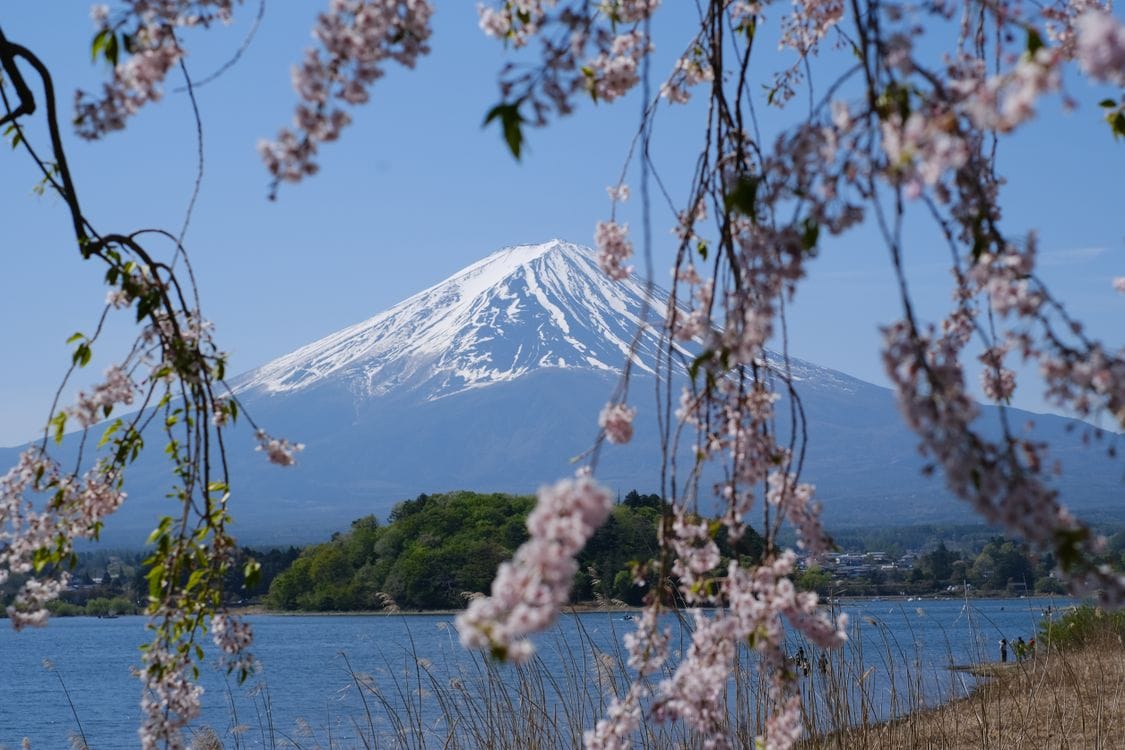
Sakura peaks in Tokyo in the first week of April most years, with Kyoto following a few days behind. The window itself only lasts 7–10 days, and it moves earlier or later by up to two weeks depending on that year’s winter temperatures, so nobody can promise you the exact date more than a month or so out.
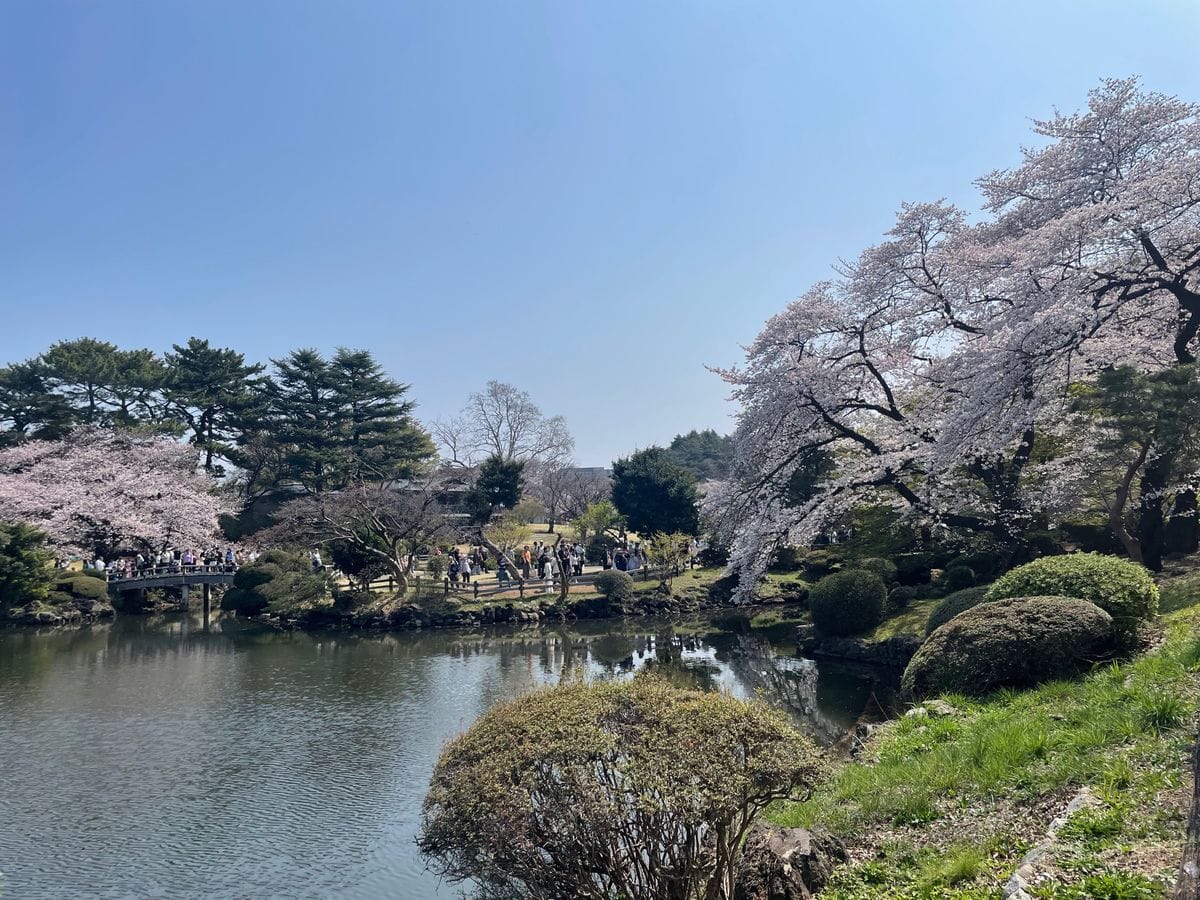
It’s genuinely worth seeing once, but it’s also the one time of year where flights, hotels and even ramen shop queues all cost more and take longer. Return flights typically run £700–900 against £450 in winter, and hotel rates in Tokyo and Kyoto can double.
If you’re set on seeing it, book flights and hotels 4–6 months ahead and build in flexibility, since the exact bloom date isn’t confirmed until roughly two to three weeks before it happens.
Golden Week: the week to avoid
A Japanese holiday, not a UK one
Golden Week runs from late April into the first few days of May and strings together four separate Japanese public holidays. It’s the country’s busiest domestic travel week: trains sell out, hotel prices spike, and popular sights get genuinely crowded. Unless you’re specifically after the atmosphere of a national holiday, it’s worth building your trip either side of it rather than during it.
Rainy season and typhoon season
Tsuyu, the rainy season, runs from roughly early June to mid-July across most of Japan (Hokkaido largely escapes it). It’s humid and grey rather than a washout, with short, heavy downpours rather than constant rain. It’s also one of the quietest and cheapest stretches of the year, and a genuinely good time to focus on museums, indoor markets and covered shopping arcades.
Typhoon season overlaps with late summer, running from around late August through September. Direct hits on Tokyo or Kyoto are uncommon but not rare, and a typhoon can ground flights and stop trains for a day or two. Travel insurance with cancellation cover is worth having if you’re travelling in this window, and it’s sensible to check the forecast in the fortnight before you fly rather than months ahead.
Autumn foliage: the quieter alternative to cherry blossom
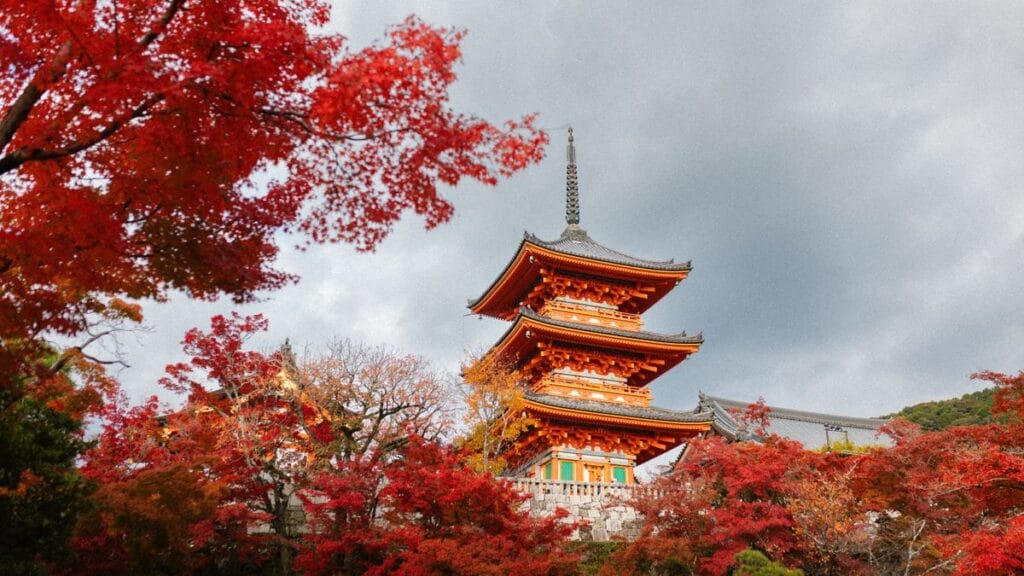
Koyo, Japan’s autumn foliage season, runs from late October to mid-November and rivals cherry blossom for colour without the same price spike or crowds. Kyoto’s temple gardens are the standout, particularly Tofuku-ji and Arashiyama, but Tokyo’s parks put on a decent show too.
Flights and hotels cost noticeably less than during cherry blossom season, and the weather is generally more reliable: cool, dry and clear. If you only get one shot at Japan and want strong scenery without spring prices, this is the stretch to target.
Winter: the cheapest time to visit Japan
December to February is consistently the cheapest and quietest period to visit. Return flights from London start at around £450, hotel rates fall across the board, and the major temples in Kyoto are noticeably calmer than at any other time of year.
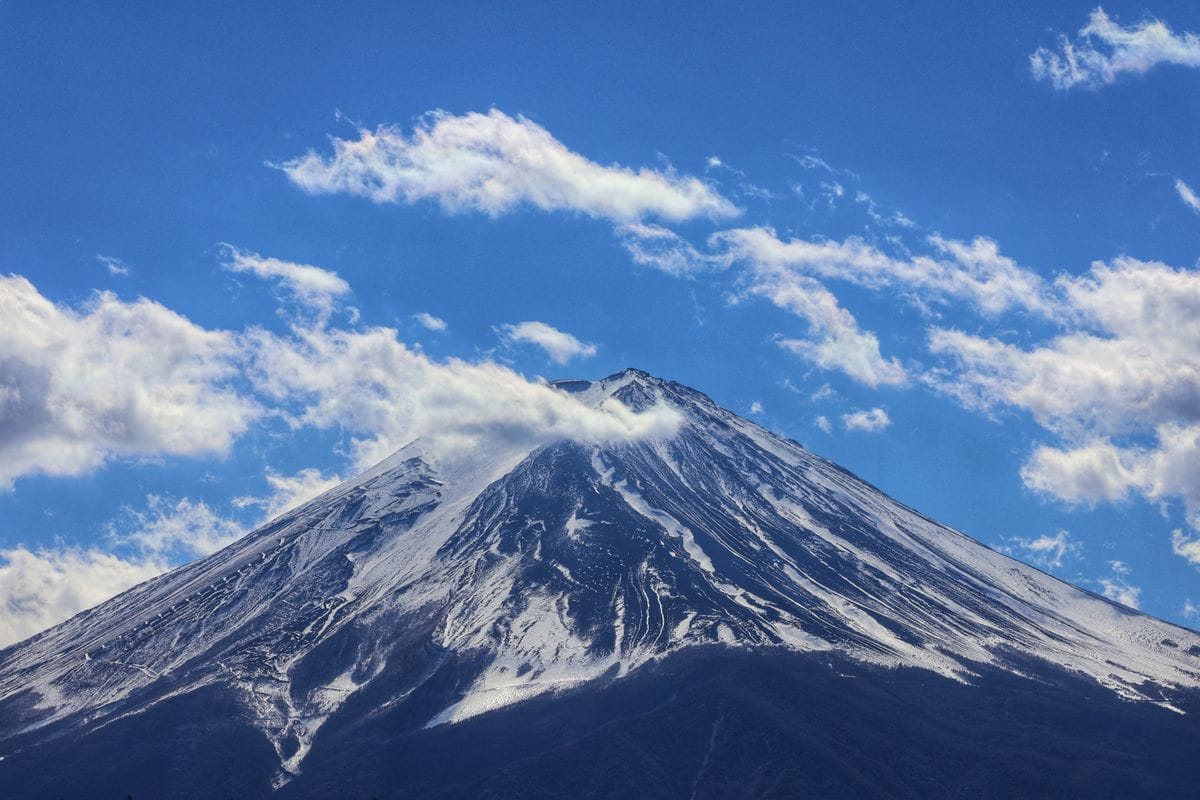
Snow in central Tokyo and Kyoto is rare and rarely settles, but it’s a genuinely good season for clear views of Mount Fuji, which is often wrapped in haze for much of the summer.
Hokkaido’s ski resorts, including Niseko and Furano, run a full season through this window, and Sapporo’s snow festival in early February draws its own crowds to the north while the rest of the country stays quiet.
Summer festivals: hot, humid, but full of events
July and August are hot, humid and the least comfortable months to be walking around cities on foot, made worse by the Japanese school summer holidays pushing up domestic demand for the same flights and hotels you’re booking.
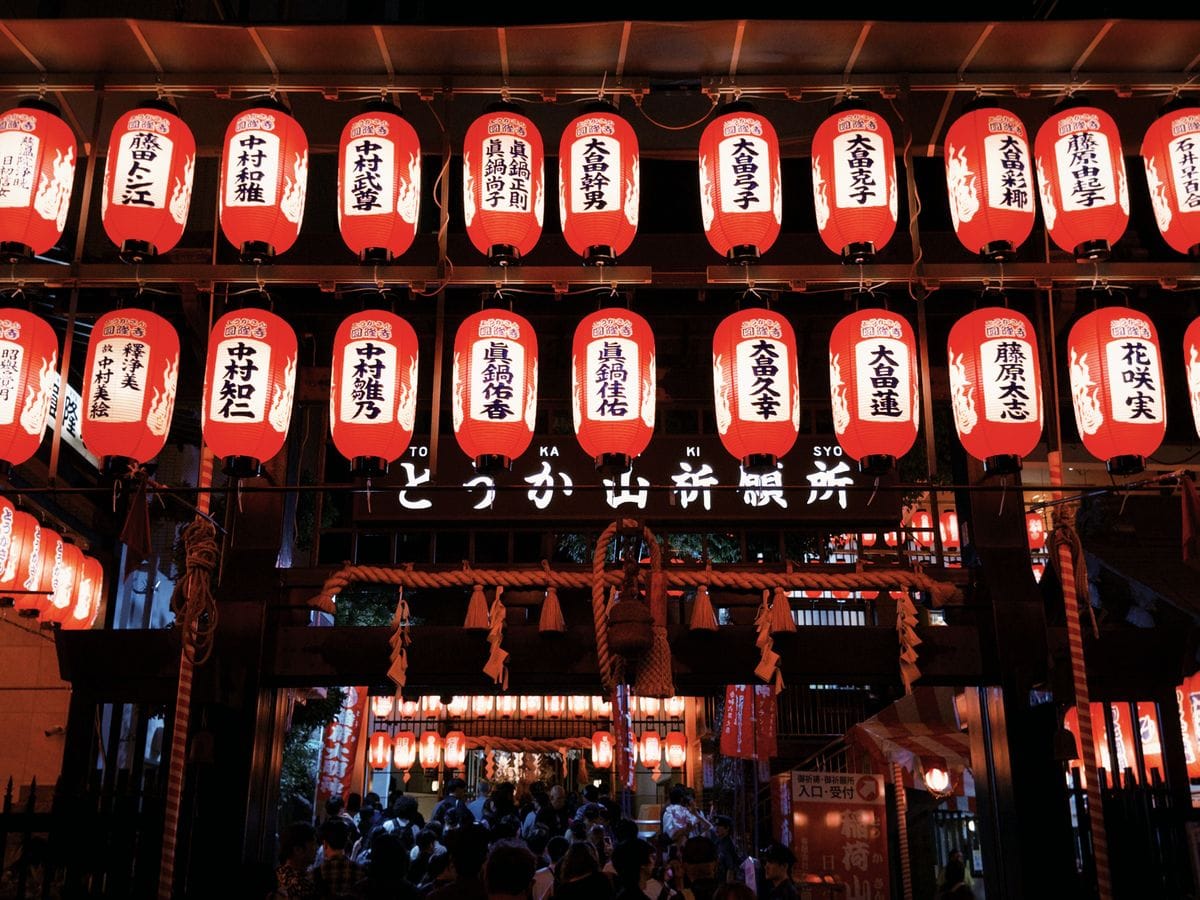
It’s also the best season for festivals. Kyoto’s Gion Matsuri runs through July, Tanabata (the star festival) falls in early July in most regions, and hanabi fireworks displays light up rivers and coastlines nationwide through August.
Avoid Obon week in mid-August if you can. It’s another major domestic travel holiday, and trains, flights and hotels all fill with Japanese families visiting relatives, in much the same way Golden Week does in spring.
Best time to visit Japan for you
The honest answer depends on what you’re optimising for. This table matches common priorities to the season that suits them best.
| If you want | Go in | Why |
|---|---|---|
| The cheapest trip | January–February Cheapest | Lowest flight and hotel prices of the year, quiet temples |
| Cherry blossom | Late March–early April Priciest | Peak sakura, book 4–6 months ahead |
| Autumn colour, better value | Late October–mid-November Best balance | Koyo foliage rivals sakura without the premium |
| Festivals | July–August (avoid Obon week) | Gion Matsuri, Tanabata and hanabi fireworks |
| Skiing | December–February | Full season at Niseko and Furano, Hokkaido |
| Fewer crowds, good weather | May or October | Mild temperatures, before or after the main crowds |
Planning checklist: get the timing right
Six things worth deciding before you book flights.
- Set your budget first, then pick the season. Winter and early autumn cost noticeably less than cherry blossom or Golden Week for the same trip.
- Check whether your dates clash with Golden Week or Obon. Both push up prices and fill trains with domestic travellers, even if you’re not chasing a specific event.
- Decide if the Japan Rail Pass is worth it for your route. It only pays off if you’re travelling between multiple cities. See our Japan Rail Pass guide.
- Book flights and hotels 4–6 months ahead for spring or autumn. Winter travel can be booked much closer to departure without losing much on price.
- Plan your route between cities before you commit to dates. Our 10-day Japan itinerary covers a realistic Tokyo-to-Kyoto route.
- Check the official entry requirements before you travel. UK passport holders don’t need a visa for stays under 90 days, but it’s worth checking the official Japan tourism website for any updates.
More Japan guides
Whichever month you choose, the biggest single factor in your budget isn’t the season, it’s how far ahead you book. Browse the latest flight deals and holiday deals for current prices, or start with our Japan budget travel guide for the full trip-planning picture.
Frequently asked questions
What is the best month to visit Japan?
Late October to mid-November is the best overall balance of weather, price and crowds, thanks to autumn foliage without the cherry blossom premium. It’s the closest thing to an objectively “best” month for most UK travellers.
When should I avoid visiting Japan?
Golden Week (late April into early May) and Obon week (mid-August) are the two to avoid. Both are Japanese domestic holiday weeks when trains, flights and hotels fill with local travellers rather than tourists.
Is it cheaper to visit Japan in winter?
Yes. December to February is consistently the cheapest period, with return flights from around £450 and lower hotel rates across the board. It’s also the quietest time at major temples and shrines.
How far ahead should I book for cherry blossom season?
Book flights and hotels 4–6 months ahead if you want cherry blossom dates. The exact bloom isn’t confirmed until two to three weeks beforehand, so build some flexibility into your plans regardless.
Is Japan’s rainy season worth avoiding?
Not necessarily. Tsuyu (early June to mid-July) brings short, heavy downpours rather than constant rain, and it’s one of the cheapest and quietest times to visit if you don’t mind carrying an umbrella.
What is typhoon season in Japan?
Typhoon season runs from around late August through September. Direct hits on Tokyo or Kyoto are uncommon, but travel insurance with cancellation cover is worth having if you’re travelling in this window.

Kate Acaster is Chief Editor at Flight Tribe. She writes about practical travel planning, budget airlines, baggage rules, city breaks, beach holidays and good hotels that do not cost daft money.
Kate has travelled through Europe, South America and beyond, usually with a notebook, a half-formed plan and a strong opinion on airport snacks. At Flight Tribe, her work focuses on helping UK travellers understand what is included, what costs extra, and whether a trip is worth booking at the price shown.
How Kate works
Kate checks the details that can change the value of a trip, including cabin-bag rules, airline fees, hotel location, seasonality, travel dates and booking conditions. She is especially interested in offers that look useful on the surface but need a proper reader-first check before they are worth recommending.
Editorial standards
Flight Tribe covers deals and travel advice for readers first. Affiliate links do not decide whether an offer is worth writing about.