Published 2 October 2024 | Updated 15 October 2026 by Kate Acaster
Croatia is one of the best-value destinations in the Mediterranean for UK travellers. The Dalmatian coast has the clear water and old-town architecture of Italy or Greece, at noticeably lower prices, and it’s well served by budget airlines from airports across the UK. This Croatia budget travel guide covers what you need to plan a trip without paying peak-season rates.
Advertisement
For more destinations like this, see the full set of Flight Tribe destination guides.
Several low-cost carriers fly direct from the UK to Croatia. easyJet operates from London Gatwick, Manchester, Bristol, and Edinburgh to both Split and Dubrovnik. Jet2 flies to Dubrovnik, Split and Pula from several UK bases, and added a Saturday Gatwick to Pula service for 2026. Ryanair runs a year-round service from London Stansted to Zagreb, increasing to twice daily in summer. TUI and British Airways also serve the main Croatian airports.
From Split airport, the Pleso Prijevoz shuttle to the bus station by the old town costs €8 and takes 30 to 40 minutes. Local bus 37 costs €3 but stops in every village and takes about an hour.
Return flights from London in the shoulder season (May, June, or September) typically cost £60 to £140. Peak-summer fares from July through August rise to £150 to £280 or more. Flying into Zagreb or Pula rather than Dubrovnik or Split can cut costs significantly if your itinerary is flexible.
When to visit Croatia
July and August are peak season on the Dalmatian coast. Dubrovnik and Hvar get crowded, prices jump by 30 to 50%, and the heat can top 35°C. Unless you’re committed to beach weather and don’t mind the cost, the shoulder months are better for most visitors.
May and June offer warm, settled weather, typically 22 to 28°C, with far fewer visitors and much lower prices on flights and accommodation. Plitvice Lakes is particularly beautiful before the summer rush. September and October are equally appealing: sea temperatures stay warm into October, and the coastal towns feel more relaxed once families have gone home.
If you’re travelling in school holidays, Croatia in late July and August will cost considerably more. A week in Split or Dubrovnik during the summer holidays is still possible on a careful budget, but you’ll save money by booking early and choosing apartments over hotels. It’s worth reading our guide to cheap holidays during school holidays before you decide on dates.
For a broader view of when destinations are at their best throughout the year, see our monthly weather guide.
How much does Croatia cost?
Croatia is cheaper than France, Italy, or Spain for most categories of spend. Dubrovnik is the most expensive city, partly its own popularity, partly its geography as a walled peninsula with limited space. Zadar, Split, and the inland cities offer noticeably better value. The table below gives a realistic range for each budget tier.
| Category | Budget | Mid-range | Splurge |
|---|---|---|---|
| Return flights from UK | £60-120shoulder season | £150-220summer departures | £250+peak, flexible fare |
| Accommodation (per night) | £25-55hostel dorm or apartment | £75-1303-star hotel | £200+boutique or sea-view |
| Food per day | £20-35market, konoba | £40-70sit-down restaurants | £80+seafood, Dubrovnik |
| Activities per day | £0-20beaches, free sights | £20-50Plitvice, city walls | £60+boat tours, private |
| Intercity bus | £10-18Split to Dubrovnik | £25-40taxi-share | £70+private transfer |
A realistic all-in daily budget for a solo traveller in the shoulder season, covering accommodation, food, transport, and a paid activity, is around £70 to £100. Couples travelling together can often do it for less per head by sharing apartment costs.
Where to stay in Croatia
Self-catering apartments are the most popular choice for UK visitors and offer the best value. Booking a private apartment through a local agency or a home rental platform typically costs £50 to £90 per night for a one-bedroom unit during the shoulder season, with lower prices in spring and autumn. On top of the room rate, you pay a tourist tax of about €1.10 to €2.65 per person per night, depending on the town and the season.
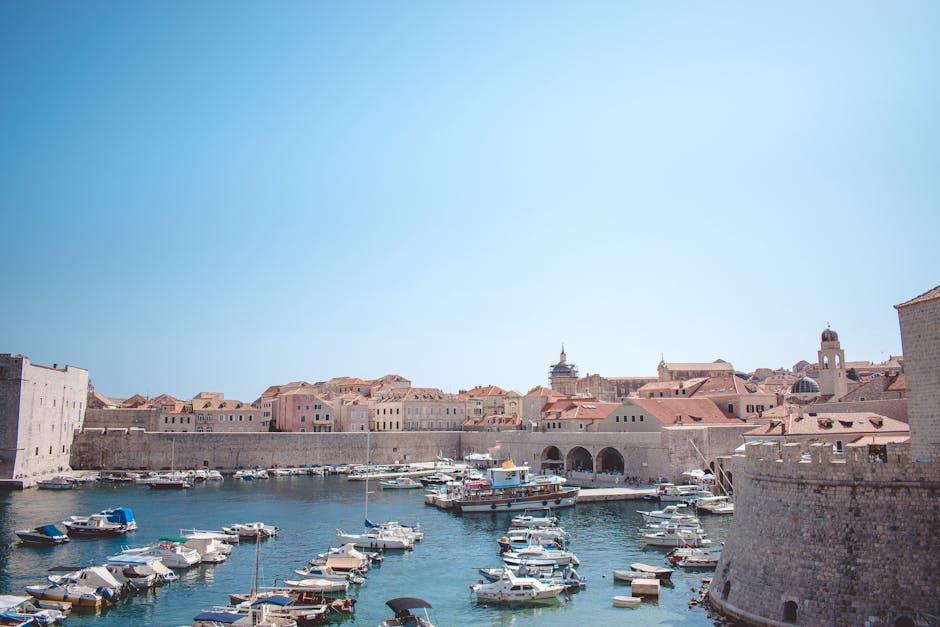
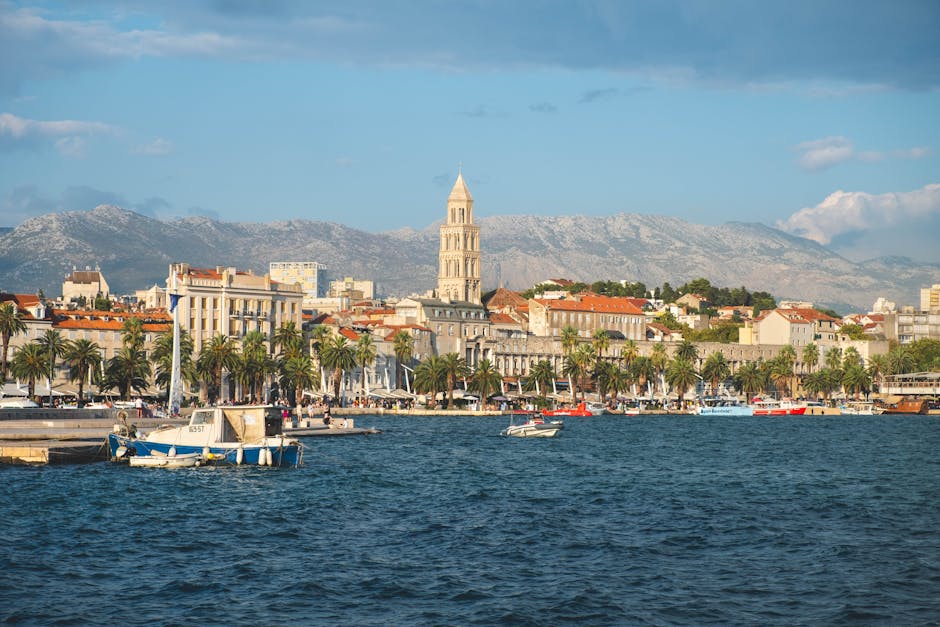
Split is the best base for most itineraries. It’s cheaper than Dubrovnik, has better transport connections (buses, ferries, and the airport), and you can walk into Diocletian’s Palace without a ticket. Dubrovnik is worth a night or two, but staying there for a week costs significantly more than anywhere else on the coast.
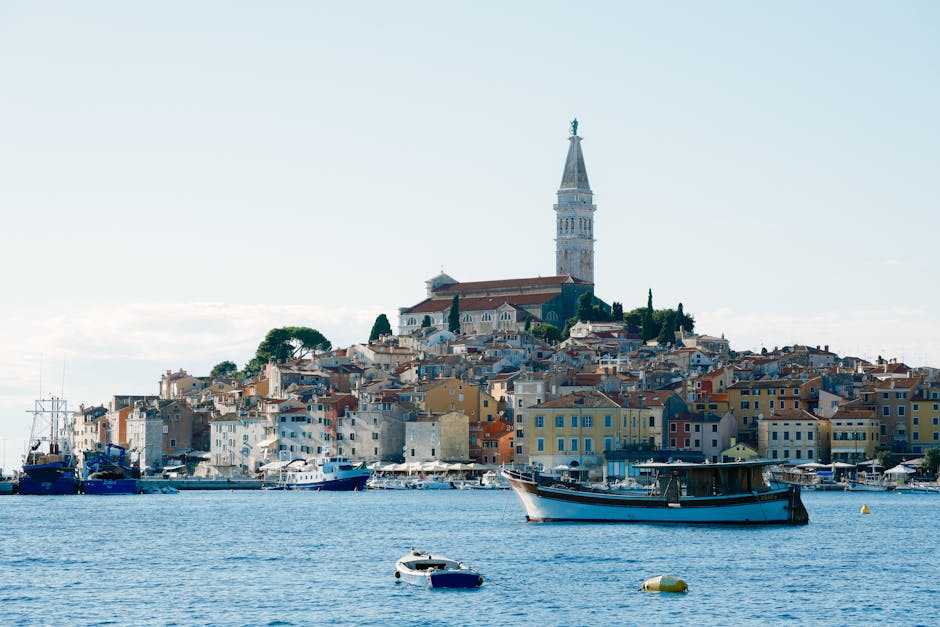
Zadar is an underrated choice, cheaper than Split, with its own attractive old town and good ferry connections to the islands. Zagreb suits anyone combining a city break with the coast, and hotel prices are more moderate than the coastal cities.
What to do in Croatia on a budget
Croatia’s best attractions divide cleanly between expensive and free. Knowing which is which makes a big difference to your daily spend.
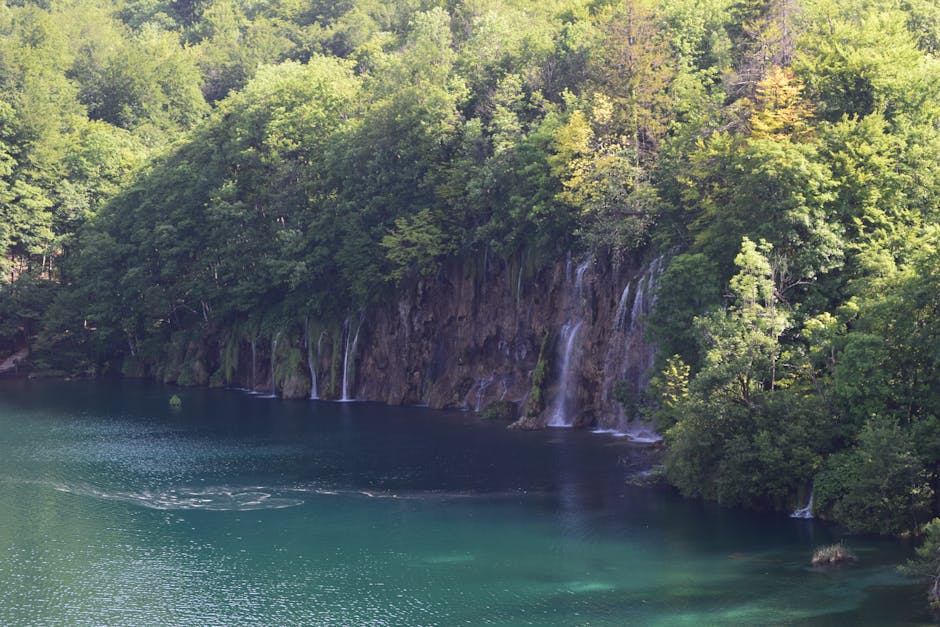
Plitvice Lakes National Park is Croatia’s most visited inland attraction, a UNESCO World Heritage site of turquoise lakes connected by wooden walkways and waterfalls. Adult tickets cost €10 from November to March, €23 in April, May and October, and €40 from June to September (€25 after 4pm), so roughly £9 to £35. The price is the same whichever route you walk. It’s a full day out and worth the price.
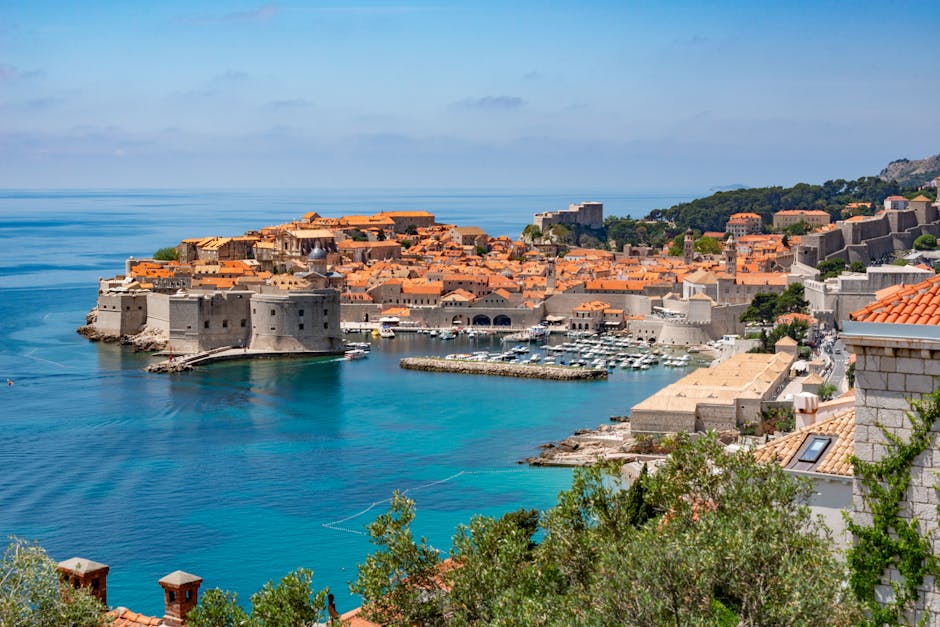
Dubrovnik’s city walls cost €40 (about £35) for adults and take roughly two hours to walk. The ticket also covers Fort Lovrijenac. The views over the Old Town and out to the Adriatic justify the price. Book tickets online to skip the queue.
Diocletian’s Palace in Split is different: most of it is free to enter. The palace has been continuously inhabited for 1,700 years and is now a neighbourhood of bars, restaurants, and apartments. You can walk through it at any time without paying. Some underground halls and galleries charge entry separately.
Hvar Island is reachable from Split by car ferry to Stari Grad, where foot passengers pay €5.90 to €8.40 each way (about £5 to £7.50). Catamarans to Hvar town cost more in summer. The old town is attractive and worth a half-day, though the bars and restaurants are priced for an international crowd. The quieter side of the island offers more affordable food.
Zadar’s Sea Organ is free: underwater pipes built into the stone waterfront steps that produce harmonic sounds from wave movement. Crowds gather on the steps at sunset.
Croatia’s pebble beaches are safe and mostly free. The water is clear enough to snorkel without paying for a boat tour. You can rent a mask and fins for a few euros at most resorts.
Getting around Croatia
Buses are the main way to travel between Croatian cities. The network is modern, affordable, and well run. Split to Dubrovnik takes around 4.5 hours and costs roughly £12 to £18. Split to Zagreb takes around 5 hours, with fares from about £12 to £18. Split to Zadar is 2.5 hours, with fares from about £8 to £12. You can book through Flixbus or GetByBus.
Ferries connect the coast to the islands. Jadrolinija is the main operator. Crossings are simple and inexpensive: the Split to Stari Grad ferry on Hvar costs €5.90 each way on foot from October to May and €8.40 from June to September. Car ferries cost considerably more if you’re bringing a vehicle.
Hiring a car makes sense if you want to visit Plitvice Lakes from the coast or explore the Istrian peninsula at your own pace. Rates are reasonable in spring and autumn but can double in July and August. Add fuel and tolls when comparing car hire against bus and ferry options.
Food and drink in Croatia
The best value food in Croatia is at a konoba, a traditional tavern serving local dishes at moderate prices. Typical mains cost £8 to £14. Ćevapi (grilled minced meat) and Peka (slow-cooked lamb or veal with vegetables) are both filling, affordable, and good. Away from the main tourist strips, a full meal with wine rarely exceeds £25 per person.
Markets are the cheapest option for lunch. Split’s Pazar market and Zagreb’s Dolac market both sell fresh bread, cheese, olives, and fruit at prices well below any restaurant. Burek, a flaky pastry filled with meat or cheese, costs around £1.50 to £2 from a bakery and makes a decent breakfast or snack.
Croatian wine is inexpensive and good, particularly the reds from Dalmatia (Plavac Mali) and the whites from Istria (Malvazija). A glass at a konoba costs £2 to £4. Tourist-facing restaurants near Dubrovnik’s city walls charge two to three times as much for the same quality.
Croatia budget travel FAQs
| Question | Answer |
|---|---|
| Do UK citizens need a visa for Croatia? | UK passport holders can visit Croatia visa-free for up to 90 days in any 180-day period.The EU Entry/Exit System is now in use, so expect your fingerprints and photo to be taken at the border on your first visit. ETIAS, the EU’s digital travel authorisation, is not running yet, so there’s nothing to apply for. It is expected to start in late 2026. |
| What currency does Croatia use? | Croatia uses the euro (€), having joined the eurozone in January 2023.Cards are widely accepted in tourist areas. Carry a small amount of cash for markets and smaller restaurants. |
| How long is the flight from the UK to Croatia? | Flights from London to Dubrovnik or Split take around 2 hours 30 minutes to 3 hours.From Manchester or Edinburgh, add roughly 30 to 40 minutes. |
| When is the best time to visit Croatia? | May, June, and September offer warm weather with prices 30 to 50% lower than peak summer.July and August are busy and expensive. Avoid the school holidays unless you book well in advance. |
| Which UK airports fly direct to Croatia? | easyJet flies direct to Dubrovnik and Split from Gatwick, Manchester, Bristol and Edinburgh. Jet2 serves Dubrovnik, Split and Pula from several UK bases.Ryanair serves Zagreb year-round from London Stansted, and flies from Stansted to Zadar, Pula and Dubrovnik in summer. |
| Is Croatia expensive for UK travellers? | Outside peak season, Croatia offers good value. A daily budget of £70 to £100 covers accommodation, food, and sightseeing in most cities.Dubrovnik costs more than anywhere else on the coast. Zadar and Split are significantly cheaper. |
If you’re comparing Mediterranean options, see our guides to Florence on a budget and Tenerife on a budget. If your dates fall in school holidays, our cheap school holiday destinations guide covers where the best value sits across the whole summer. You can also maximise your annual leave to get more time away without extra expense.

Kate Acaster is Chief Editor at Flight Tribe. She writes about practical travel planning, budget airlines, baggage rules, city breaks, beach holidays and good hotels that do not cost daft money.
Kate has travelled through Europe, South America and beyond, usually with a notebook, a half-formed plan and a strong opinion on airport snacks. At Flight Tribe, her work focuses on helping UK travellers understand what is included, what costs extra, and whether a trip is worth booking at the price shown.
How Kate works
Kate checks the details that can change the value of a trip, including cabin-bag rules, airline fees, hotel location, seasonality, travel dates and booking conditions. She is especially interested in offers that look useful on the surface but need a proper reader-first check before they are worth recommending.
Editorial standards
Flight Tribe covers deals and travel advice for readers first. Affiliate links do not decide whether an offer is worth writing about.