Published 27 May 2026 | Updated 15 October 2026 by Kate Acaster
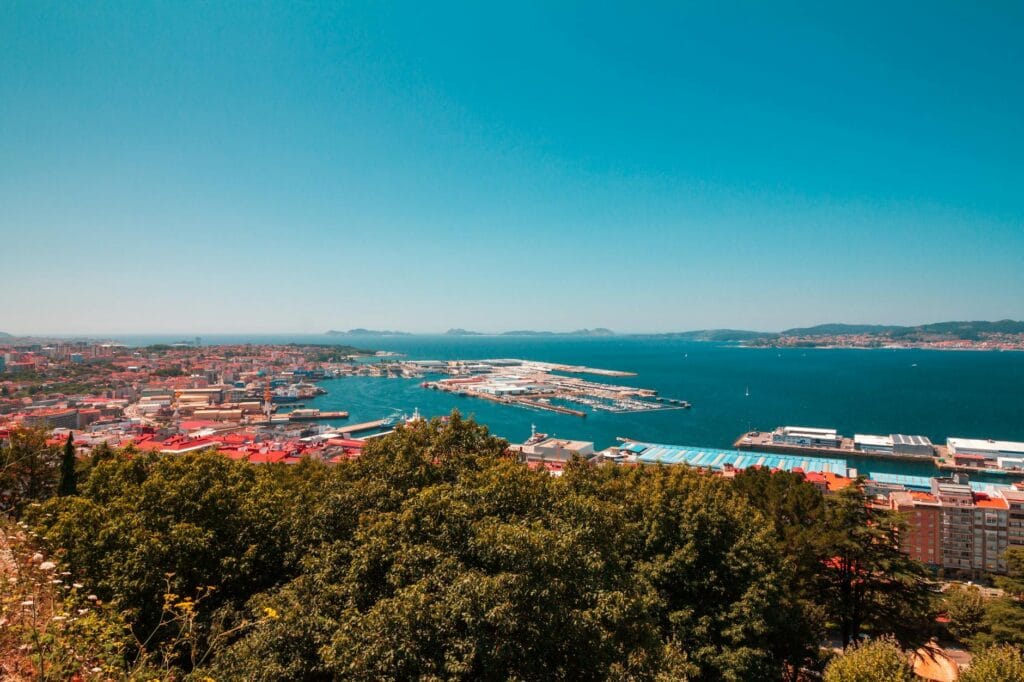
Spain’s biggest fishing port does not get much attention from British holidaymakers. While everyone else heads for Barcelona, the Balearics or the Costa del Sol, Vigo sits in Galicia’s north-west corner, quietly offering some of the best value on the Iberian Peninsula.
Advertisement
The Cíes Islands, reachable by a short ferry ride from the city, hold one of Europe’s finest beaches. The seafood is outstanding: Galicia produces more shellfish than anywhere else in Spain. Daily costs run well below what you would spend in the country’s better-known cities. This guide covers everything you need for Vigo Spain on a budget from the UK.
Getting to Vigo from the UK
No airline flies direct from the UK to Vigo. Ryanair’s Stansted route ended in January 2026, and Vigo’s Peinador Airport now has only Spanish domestic flights. That leaves three good ways in: Porto, Madrid and Santiago de Compostela.
Via Porto. Porto has direct flights from more UK airports than either alternative. Ryanair, easyJet, TAP, British Airways, Jet2 and Wizz Air fly there from London, Manchester, Birmingham, Bristol, Edinburgh and Liverpool, among others. From Porto airport, Autna, Rede Expressos, FlixBus and BlaBlaCar Bus run about a dozen direct coaches a day to Vigo. The ride takes about 2 hours 15 minutes to 2 hours 45 minutes and usually costs about £10 to £15 (€12 to €17), cheapest booked online. Driving a hire car takes around 1 hour 30 minutes. If you’re planning a wider trip, our Portugal travel guide covers the country’s highlights and when to go, and you can read more on getting around Portugal cheaply.
Via Madrid. Many people go this way, because Madrid has direct flights from ten UK airports, including Heathrow, Gatwick, Stansted, Luton, Manchester, Birmingham, Bristol, Edinburgh and Liverpool. From there, Renfe’s high-speed AVE and Avlo trains run direct from Madrid Chamartín to Vigo Urzáiz, in the city centre, in about four hours to four and a half. Booked ahead, fares usually run about £35 to £65 (€40 to €75). If you would rather fly, Iberia and Air Europa between them run several flights a day from Madrid to Vigo, taking a little over an hour. From Vigo airport, the Vitrasa line A bus into the city costs €1.63 (about £1.40) and a taxi is a fixed €25.50 (about £22). Madrid also makes a good first or last night: see Madrid on a budget.
Via Santiago de Compostela. This is the nearest airport with UK flights, about an hour north of Vigo by train. Ryanair flies from Stansted and Vueling from Gatwick, and both run through the winter, but nothing flies there from UK airports outside London. Bus 6A takes about 40 minutes from the airport to Santiago’s railway station and costs €1. Trains to Vigo take about 55 minutes and cost about £6 to £10 (€7 to €12).
| Route | UK airports | Onward to Vigo | Rough onward cost |
|---|---|---|---|
| Via Porto (OPO) | London, Manchester, Birmingham, Bristol, Edinburgh, Liverpool and more | Direct coach, 2h 15m to 2h 45m, or 1h 30m by car | £10 to £15 (€12 to €17) by coach |
| Via Madrid (MAD) | Ten UK airports, from Heathrow to Edinburgh | High-speed train, about 4h to 4h 30m, or a flight of just over an hour | £35 to £65 (€40 to €75) by train, booked ahead |
| Via Santiago (SCQ) | Gatwick and Stansted only | Bus to the station, then a 55-minute train | £6 to £10 (€7 to €12) by train |
| Ferry and drive | Portsmouth, Plymouth | Brittany Ferries to Santander, then about 5h 45m west by car | Varies widely by season and cabin |
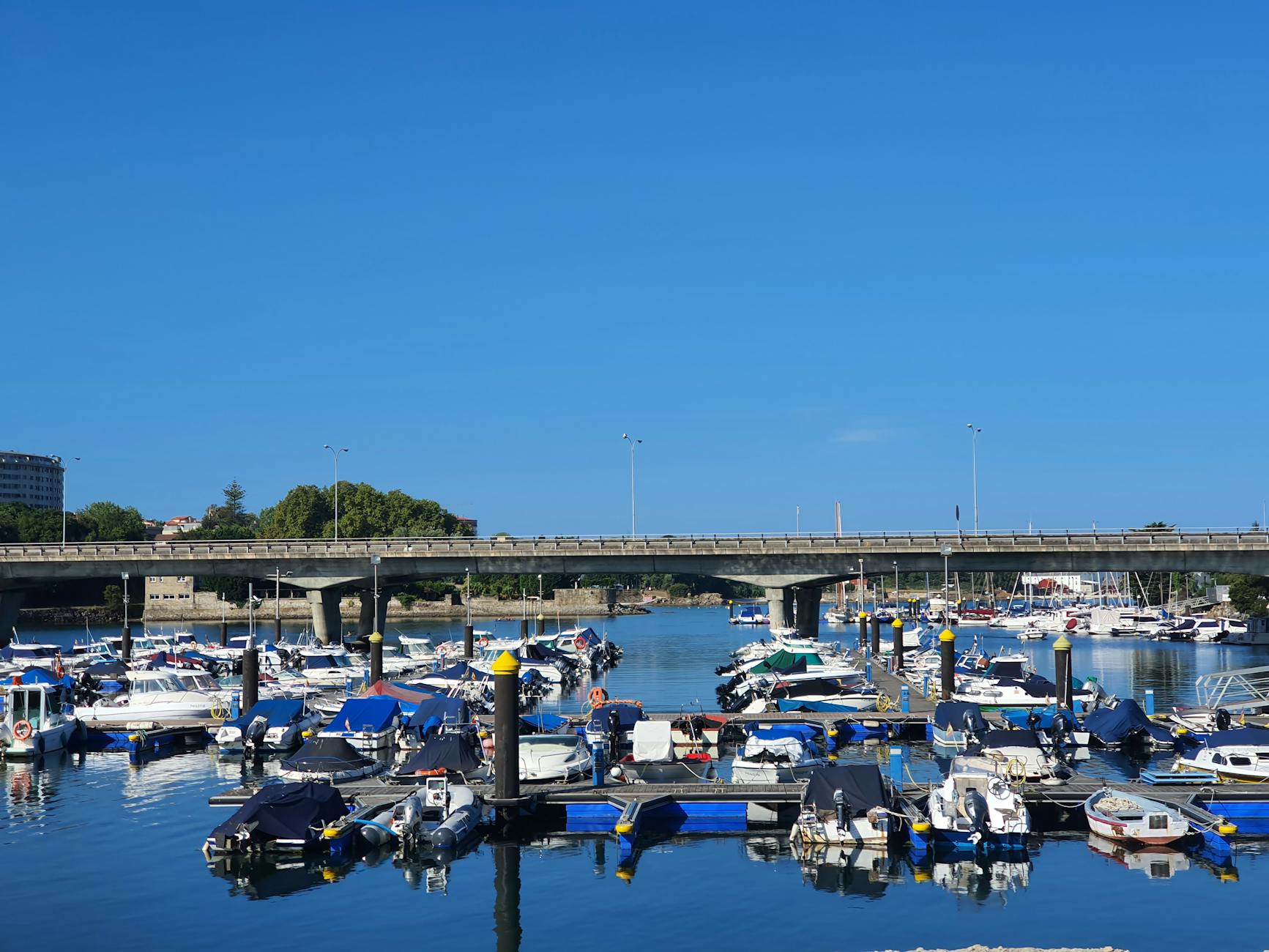
With no direct UK flights, most travellers fly to Porto and take the coach, which is cheapest booked ahead. Others fly to Madrid and take the high-speed train, and Londoners can also fly to Santiago, an hour’s train ride away.
To find the best flight prices, set fare alerts early and compare across booking tools. The day you book can make a noticeable difference on short-haul routes to Portugal and Spain.
Getting around Vigo
Vigo is a compact, hilly city and most of the main attractions are walkable from the centre. The old town (Casco Vello), the port, Monte O Castro, and the main shopping streets are all within easy reach on foot. For longer distances, the municipal bus network (Vitrasa) covers the city well. A single journey costs €1.63. If you plan several trips in a day, a rechargeable Vitrasa card gives a small discount. Daytime taxi fares start at a €4.25 minimum, which covers the first 1.7km, so short hops stay affordable.
Playa de Samil, the city’s main beach, is around 5 kilometres from the centre and easily reached by bus. The city is steep in places, so comfortable walking shoes matter more here than in flatter Spanish cities.
Where to stay in Vigo
Vigo has a solid range of accommodation across all budgets. The best-value areas are near Casco Vello and the port, where you’re within walking distance of the main free attractions and the ferry terminal for the Cíes Islands. Self-catering apartments make sense for stays of four or more nights, particularly if you want to save on food costs by cooking occasionally.
| Type | Price per night | What to expect |
|---|---|---|
| Budget hostel | £16 to £19 (€19 to €22) | Shared dorms, often with kitchen facilities |
| 3-star hotel | £38 to £50 (€44 to €59) | En-suite, central locations |
| 4-star hotel | £68 to £103 (€80 to €120) | Superior amenities, often harbour views |
| Self-catering apartment | £43 to £68 (€50 to €80) | Kitchen access saves on food costs |
Free things to do in Vigo
The appeal of Vigo Spain on a budget starts with how much of the city you can see without spending a single euro.
| Attraction | Why it’s worth your time |
|---|---|
| Casco Vello | Galicia’s most atmospheric old town |
| Monte O Castro | Best panoramic views of the estuary |
| Mercado do Progreso | Vigo’s main covered market |
| MARCO museum | Contemporary art, free entry |
| Playa de Samil | Main city beach, no admission charge |
Casco Vello rewards a long morning on foot. The narrow cobblestone streets wind uphill from the port, past granite houses, small squares and tapas bars opening for the lunchtime rush. The collegiate church of Santa María is free to enter during opening hours. Porta do Sol is the city’s central meeting point, connecting the old town with the modern shopping district, and a useful landmark to orient yourself around.
Monte O Castro sits above the city centre and offers the best panoramic views of the Vigo estuary and the Cíes Islands, visible on a clear day. The park is free to enter and has walking paths through the remains of an Iron Age settlement and a 17th-century fortress. It takes around 20 minutes to walk up from the old town. The views at the top are worth every step.
Mercado do Progreso is the city’s main covered market, busy from early morning with fishmongers, cheese vendors and local produce stalls. You are not obliged to buy anything; it is one of the best places to see everyday Vigo life in action and to understand why Galician food has the reputation it does.
Rúa Pescadería (Oyster Street) is a short stretch near the port where fisherwomen have shucked and sold fresh oysters from the street for generations. Buy half a dozen and eat them on the spot with a squeeze of lemon. It is an institution, and one of the best-value food experiences in Spain.
MARCO, the city’s contemporary art museum, has free entry and occupies a striking 19th-century building on Rúa Príncipe. Worth an hour if you want a break from the street.
Playa de Samil is Vigo’s main city beach, a long stretch of Atlantic sand with a promenade, outdoor pools and plenty of space. Entry is free, and it is a perfectly good beach for a day out if the Cíes Islands trip is not in your plans.
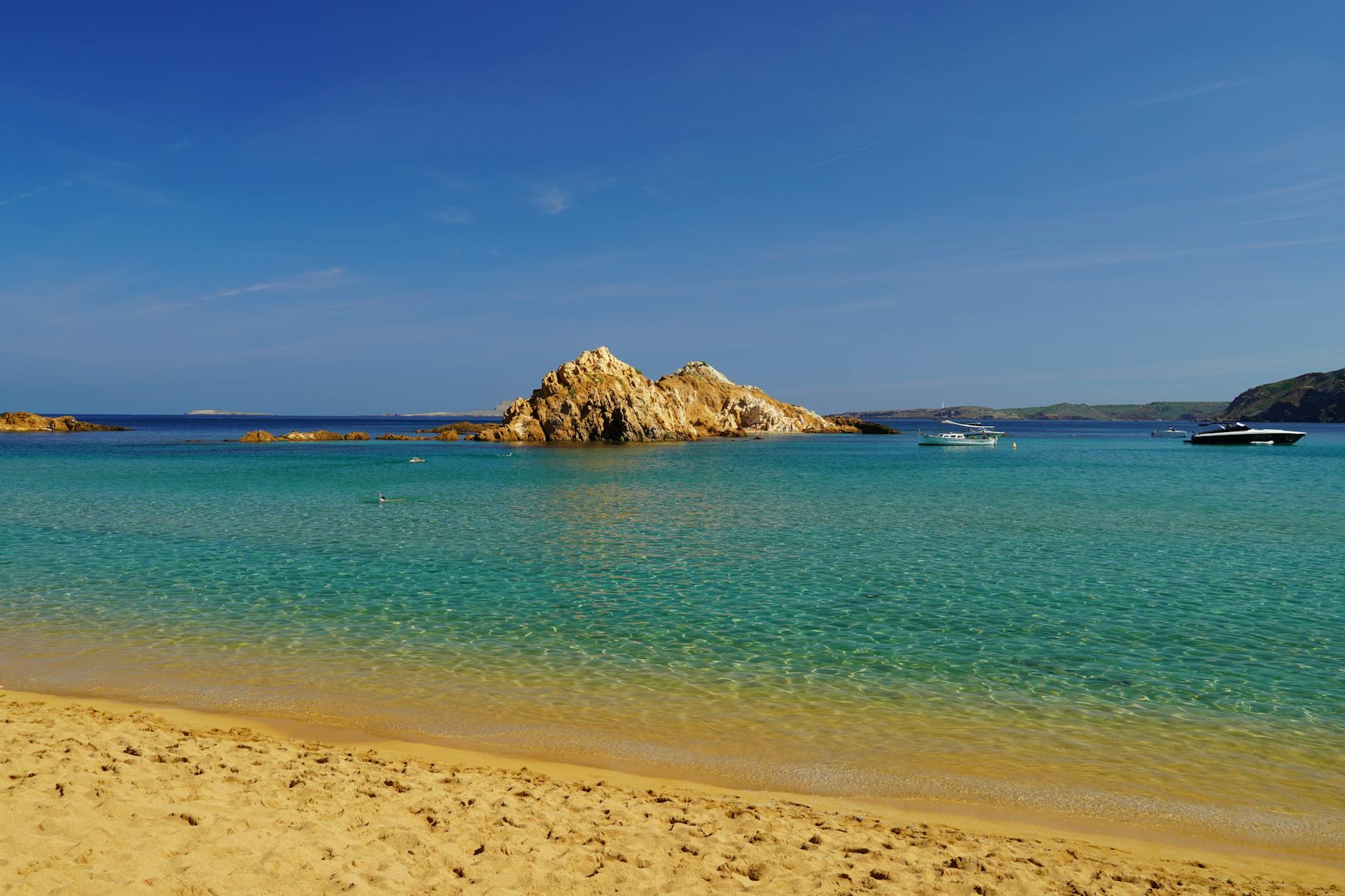
The Cíes Islands are protected as a National Park. Visitor numbers are capped each day, which keeps the beaches in good condition but means you need to plan ahead. If the Cíes are on your list, book the ferry before you book anything else.
The islands are the clearest argument for visiting Vigo over better-known Spanish destinations. Nothing on the Costa del Sol comes close to Playa de Rodas on a calm summer’s day.
The Cíes Islands
The Cíes Islands are the highlight of any trip to Vigo. Playa de Rodas, the main beach on the islands, was named the world’s best beach by The Guardian. On a clear summer’s day, it earns the title: powder-white sand, water the colour of the Caribbean, and national park status that keeps the islands from being overdeveloped.
The islands sit about 14 kilometres from Vigo’s port. Ferries run from mid-March to early November, with more frequent services in July and August. Piratas de Nabia (formerly Naviera Nabia) and Mar de Ons run the crossing (around 40 minutes), with up to five departures a day in high season and fewer at other times. Return tickets cost about €24 to €28 per adult, roughly £20 to £24. Children pay €10 to €12, and the youngest travel free.
Book online as far in advance as possible, particularly for summer. In Easter week and from 15 May to 15 September you also need a landing authorisation from the Xunta de Galicia, Galicia’s regional government. Apply for it first, up to 90 days ahead, then book the ferry. The National Park caps daily visitor numbers and ferries sell out weeks ahead at peak season. If you have flexible dates, midweek departures in June or September give you the best chance of getting tickets without months of forward planning.
Day-trippers can walk the island’s trails, snorkel in the clear water, and eat at the one restaurant on Playa de Rodas, though prices there are high. Bring your own food and water if you want to keep costs down. There is no accommodation on the islands; the only overnight option is the campsite, which books out months in advance for summer.
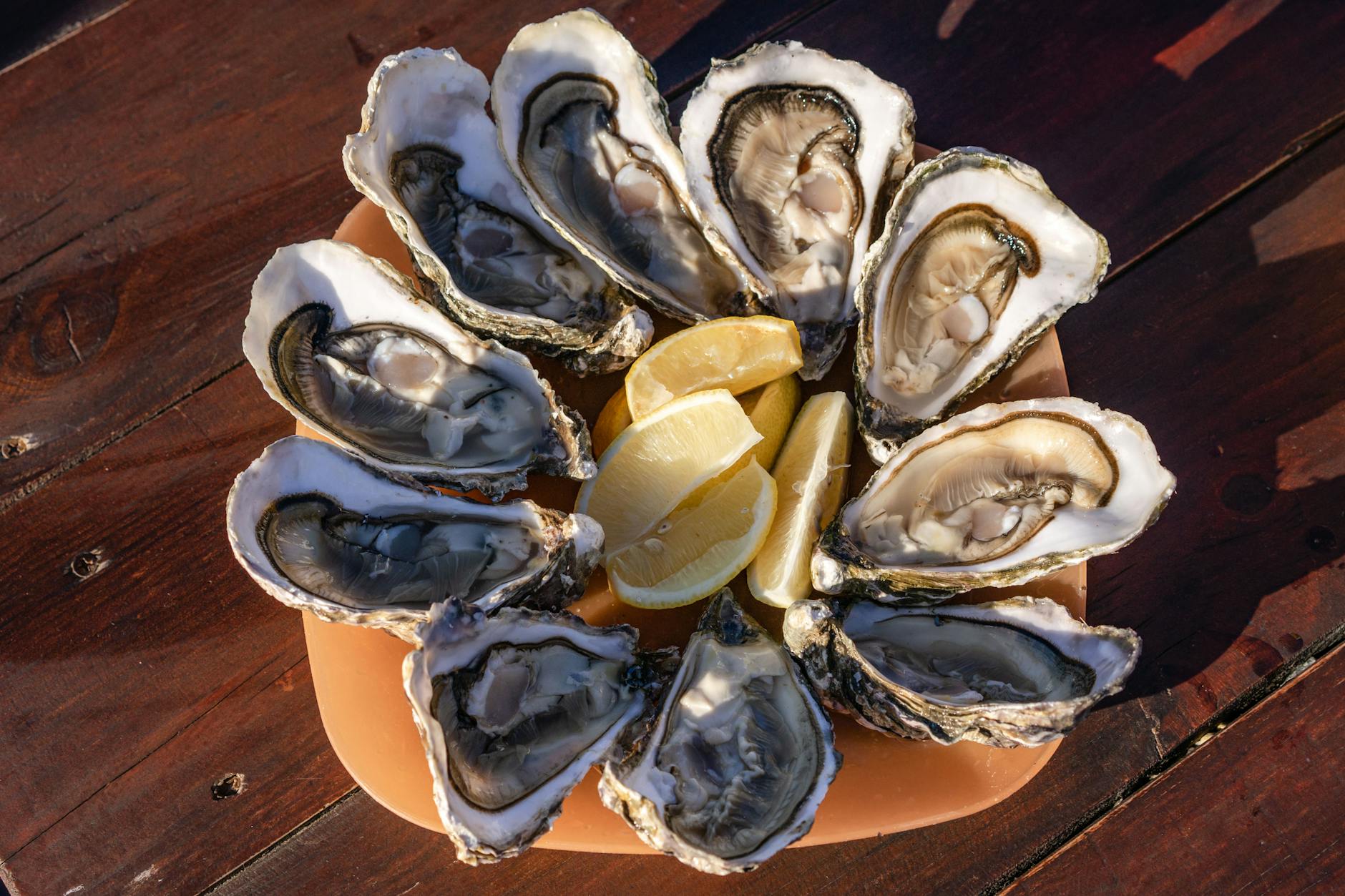
Galicia’s food culture is one of the best arguments for choosing Vigo over better-known Spanish cities. The region produces more shellfish than anywhere else in Spain, and eating well does not require a large budget. The menu del día, a set lunch of two or three courses with bread and a drink, costs €10 to €15 in most restaurants near the old town.
For a street-food experience that has no equivalent anywhere else in Spain, head to Rúa Pescadería. Vigo Spain on a budget starts here: six fresh oysters, shucked to order and handed over with a squeeze of lemon.
Where to eat and drink
Galician food is some of the best in Spain, and the good news is that eating well in Vigo does not require a large budget.
Menu del día is the standard way to eat out affordably. Most restaurants near the old town and the port offer a set lunch of two or three courses, bread and a drink for €10 to €15. Quality is generally high: this is not cheap filler food but proper Galician cooking.
Oysters from Rúa Pescadería are the bargain of the city, eaten standing up with a squeeze of lemon. It is an institution that has been going for over a century.
Pulpo a la gallega (Galician octopus, served on a wooden board with olive oil, paprika and sea salt) costs €12 to €18 as a main course. The market area near the port has some of the best options at the lower end of that range.
Albariño is Galicia’s celebrated white wine, produced in the nearby Rías Baixas wine region. A glass in a bar costs €2 to €3. It pairs well with shellfish and is one of the best-value quality wines you will find anywhere in Europe.
For self-catering, the Mercado do Progreso has excellent fresh produce at local prices. A small supermarket run for breakfast supplies will cost a few euros.
How much does Vigo, Spain cost per day?
Vigo Spain on a budget is easy to manage. A traveller staying in a hostel, eating the menu del día and focusing on free sights can comfortably come in under €70 per day, excluding flights. Mid-range costs climb once you add a hotel, restaurant dinners and the Cíes Islands ferry, but you are still spending a fraction of what Barcelona or Madrid would cost for the same quality of experience.
| Traveller type | Per day estimate | What that covers |
|---|---|---|
| Budget | €50 to €70 (about £43 to £60) | Hostel, breakfast from a bakery, menu del día for lunch, buses, free sights |
| Mid-range | €100 to €140 (about £86 to £120) | 3-star hotel, sit-down meals, Cíes Islands or a guided tour, evening wine |
| Comfortable | €160 to €220 (about £137 to £189) | 4-star hotel, all meals at restaurants, wine, day trips, incidentals |
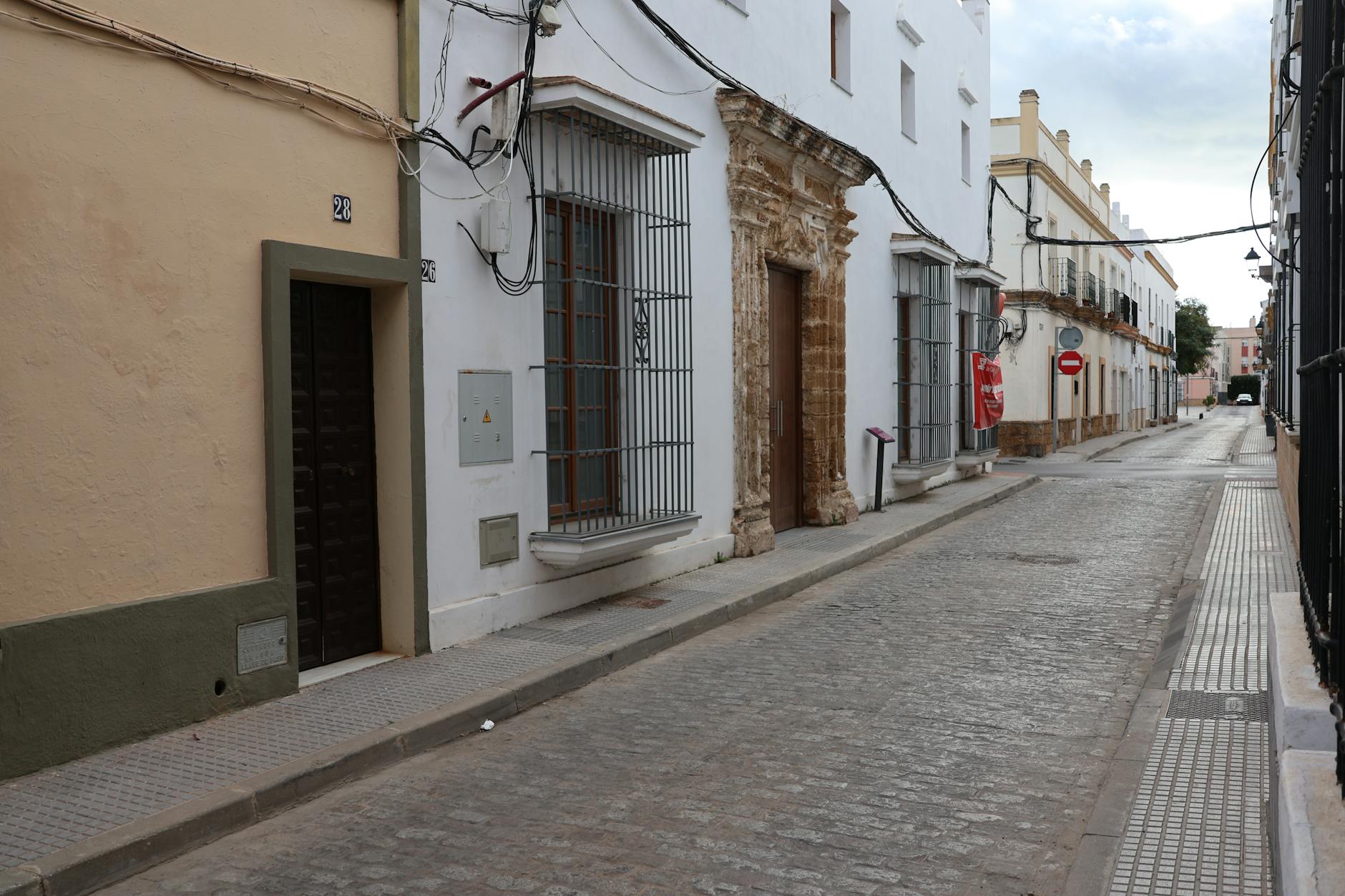
The old town’s narrow streets and tapas bars are worth an entire morning. The cobblestones and granite buildings are distinctively Galician rather than the whitewashed Andalusian aesthetic most people picture when they think of Spain.
To time your visit for the best balance of weather and value, knowing when to book can make a significant difference to what you pay for flights and accommodation.
Best time to visit Vigo
Vigo sits on the Atlantic coast and the weather reflects that: wetter and cooler than southern Spain, but rarely extreme. The city is worth visiting year-round, depending on what you want from a trip.
May and June offer the best combination of mild weather (18 to 22°C), longer daylight hours and prices that have not yet hit peak summer levels. The Cíes Islands ferries are running from mid-March, crowds are manageable, and accommodation costs less than in high season.
July and August are the warmest months (up to 25°C) but also the busiest. The Cíes Islands ferry books out quickly. If you visit in peak summer, book the ferry as soon as your travel dates are confirmed.
September and October are arguably the best-value months. Temperatures stay pleasant (18 to 22°C), prices fall after the school holidays, and the Cíes Islands are still accessible until early November.
| Season | Temperature | What to expect |
|---|---|---|
| May to Jun | 18-22°C | Best overall value |
| Jul to Aug | Up to 25°C | Peak beach season |
| Sep to Oct | 18-22°C | Best value after summer |
| Dec to Feb | 8 to 14°C | Cheapest time to visit |
December to February is the cheapest time to visit. Flights and hotels cost noticeably less. The Cíes Islands are closed out of season, and Galicia’s winter brings rain. But the city itself remains lively, the seafood is exceptional year-round, and for a short urban break it works well. Browse our full destination guides if you’re comparing European city break options.
Frequently asked questions
Is Vigo Spain on a budget possible for UK travellers?
Yes. No airline flies direct from the UK to Vigo. Most people fly to Porto and take a coach, or fly to Madrid and take the high-speed train or a short connecting flight. From London you can also fly to Santiago de Compostela, about an hour from Vigo by train. Hostel dorms usually cost about £16 to £19 a night and most of Vigo’s best attractions are free.
What is Vigo best known for?
Vigo is best known for the Cíes Islands, whose Playa de Rodas was named the world’s best beach. The city is also famous for its fresh seafood, particularly oysters and Galician octopus.
How do I get from Porto to Vigo?
FlixBus, Autna and BlaBlaCar Bus run direct coaches from Porto Airport to Vigo, and Rede Expressos runs from Maia. The trip takes about 2 hours 15 minutes to 2 hours 45 minutes, with one-way fares usually about £10 to £15. You can also hire a car from Porto Airport and drive the 91 miles in roughly 1 hour 30 minutes.
Do I need to book the Cíes Islands ferry in advance?
Yes. Ferries sell out fast, especially in July and August, and the National Park caps daily visitor numbers. In Easter week and from mid-May to mid-September, get your Xunta de Galicia landing authorisation first, then book online with Piratas de Nabia or Mar de Ons.
Is Vigo safe for tourists?
Vigo is generally a safe city for tourists. Take the usual precautions in busy areas and the port district at night.
What language is spoken in Vigo?
Vigo is in Galicia, where both Spanish (Castilian) and Galician are official languages. Most locals speak both, and English is widely understood in hotels, restaurants and tourist areas.

Kate Acaster is Chief Editor at Flight Tribe. She writes about practical travel planning, budget airlines, baggage rules, city breaks, beach holidays and good hotels that do not cost daft money.
Kate has travelled through Europe, South America and beyond, usually with a notebook, a half-formed plan and a strong opinion on airport snacks. At Flight Tribe, her work focuses on helping UK travellers understand what is included, what costs extra, and whether a trip is worth booking at the price shown.
How Kate works
Kate checks the details that can change the value of a trip, including cabin-bag rules, airline fees, hotel location, seasonality, travel dates and booking conditions. She is especially interested in offers that look useful on the surface but need a proper reader-first check before they are worth recommending.
Editorial standards
Flight Tribe covers deals and travel advice for readers first. Affiliate links do not decide whether an offer is worth writing about.