Published 15 October 2026 | Updated 15 October 2026 by Kate Acaster
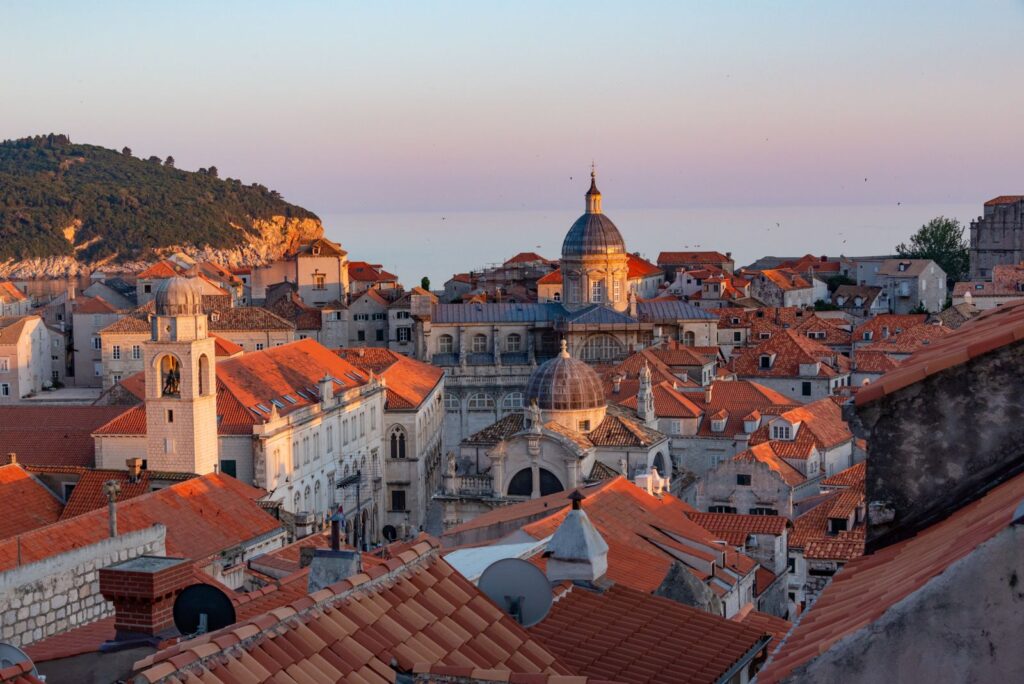
Is Dubrovnik expensive? Inside the walls, yes. The Old Town is all polished limestone, medieval ramparts and cruise ships stacked in the bay, and its prices match the view. Step outside the gates and the city gets a good deal kinder.
Advertisement
Dubrovnik at a glance
- Flight timeAbout 3 hours from London
- AirportDubrovnik (DBV), about 22 km from the Old Town
- CurrencyEuro
- Time zoneOne hour ahead of the UK
- LanguageCroatian, with English widely spoken in tourist areas
- VisaVisa-free for up to 90 days in any 180
A week for two in a good hotel outside the walls runs from roughly £800 to £1,600, depending on the stars. A well-reviewed Old Town three-star costs around £1,600 to £1,900, and mid-March is far cheaper than summer. Below you’ll find what everything else costs too, from the airport bus to a pizza.
What a week in Dubrovnik really costs
Hotels are the big spend, and they swing more than anything else. This is the rough picture for two adults, with hotel prices for a week in mid-June. Euro prices are shown in pounds at roughly 85p to 90p to the euro.
| What you’re paying for | Rough cost |
|---|---|
| A week in a three-star outside the walls | £650 to £950 |
| A week in a five-star in Lapad | £1,400 to £1,600 |
| A week in an Old Town three-star | £1,600 to £1,900 |
| The same Lapad three-star in mid-March | £300 to £400 |
| Airport shuttle bus, one way | About £9 (€10) |
| A pizza or a pasta dish in the Old Town | £14 to £22 (€16 to €25) |
| A half-litre of beer | £4.50 to £7 (€5 to €8) |
| A coffee | £2 to £4.50 (€2.50 to €5) |
| The city walls | About £34 (€40) |
| A day pass for the local buses | About £4.50 (€5) |
Add it up and a June week for two comes to roughly £1,250 to £1,650 before flights with a three-star like Hotel Perla, or £1,850 to £2,300 with a five-star. That assumes meals of about £50 to £80 a day for two, the walls and a few bus rides.
"Dubrovnik rewards the early riser. The walls are cooler and quieter first thing, before the cruise groups arrive, and the ticket costs the same as at midday. Then spend the afternoon somewhere without a view, where the food is cheaper."
The Flight Tribe editors
Latest Europe deals
Why the Old Town costs more than the streets behind it
Everyone wants to sleep and eat inside the walls, and prices reflect that. A well-reviewed Old Town three-star costs roughly £1,600 to £1,900 for a June week, against £800 to £950 for a Lapad one. Guesthouses and apartments can cost less, but rooms inside the walls are few, which keeps rates high.
Eating out follows the same pattern. An espresso on the Stradun can be €4 to €5, against €2.50 to €3.50 on a side street. A half-litre of beer runs up to about €8 in the Old Town and nearer €5 elsewhere. Grilled fish inside the walls can reach €30 to €40 a head.
Cruise days add to the squeeze. On a busy day several thousand cruise passengers arrive at once, which is a lot of people for a small place. Early mornings and evenings are when the Old Town feels like itself.
Flying to Dubrovnik from the UK
Five airlines fly direct, and they cover most of the country. The flight takes about three hours from London. Services are built around the summer season, so choices thin out sharply from late October.
| Airline | UK airports |
|---|---|
| easyJet | London Gatwick, Bristol, Manchester, Edinburgh |
| Jet2 | London Stansted, Manchester, Birmingham, Newcastle, Leeds Bradford, East Midlands, Glasgow, Edinburgh, Belfast |
| British Airways | London Heathrow, London Gatwick, Bristol |
| Ryanair | London Stansted, Manchester |
| TUI | London Gatwick, Bristol, Birmingham, Manchester, Leeds Bradford |
Bag fees can decide which airline is cheapest, so check yours in our airline luggage checker before you book.
Visa and entry rules for UK travellers
Croatia is in the Schengen area, so every day you spend in Dubrovnik counts towards your 90-day allowance. You don’t need a visa for a holiday, but a few passport rules catch people out.
| Requirement | What it means |
|---|---|
| Visa | None needed for up to 90 days in any 180-day period. |
| Passport age | Issued less than 10 years before the day you arrive. |
| Passport validity | At least 3 months left after the day you plan to leave the Schengen area. |
| Border questions | You may be asked for proof of accommodation, travel insurance, a return ticket and enough money. |
| EES check | Fingerprints and a photo may be taken on arrival. It’s free and the record lasts 3 years. |
| Cash | Declare cash or travellers’ cheques worth 10,000 euros or more. |
From Dubrovnik airport into town
The airport sits about 22 km from the Old Town, a 30 to 35-minute drive that can stretch to an hour in summer traffic. You have three sensible choices.
| Option | Rough cost | Good to know |
|---|---|---|
| Airport shuttle bus | About £9 one way and £13 return (€10 and €15) | Runs after each flight lands and takes about 30 minutes to the Old Town. It stops at the Old Town (Ploče) and at Gruž bus station, but not in Lapad or Babin Kuk. |
| Taxi | Roughly £30 to £48 (€35 to €55) | Taxis wait outside arrivals and take 25 to 35 minutes. Check the posted fare list before you set off. |
| Uber or Bolt | Roughly £22 to £43 (€25 to €50) | Both work from the airport. Prices rise at busy times. |
If you’re staying in Lapad or Babin Kuk, take the shuttle to Gruž and change to a local bus, or take a taxi straight to the door. A taxi is the better value once two or three of you are sharing it.
Getting around Dubrovnik
The Old Town is closed to cars and takes about 15 minutes to cross on foot. For everything else you’ll use the local buses or the boats.
| Option | Rough cost | Good to know |
|---|---|---|
| Local bus (Libertas) | About £2 for a single on board, or £4.50 for a day pass (€2.50 and €5) | A one-hour ticket bought in advance from a kiosk is cheaper, at about €1.70. Pile Gate to Lapad takes around 15 to 20 minutes. |
| Bus to Cavtat | About £3.50 one way (€4) | A pretty harbour town about 30 to 40 minutes away, and an easy half-day trip. |
| Boat to Lokrum | £23 to £26 return, including entry (€27 to €30) | A 15-minute crossing from the Old Port to a car-free island with gardens and swimming spots. |
| Ferry to the Elaphiti Islands | Roughly £3.50 to £5 each way (€4 to €6) | Koločep takes about 30 minutes and Lopud about an hour. Both are quiet, car-free and good for a cheap day out. |
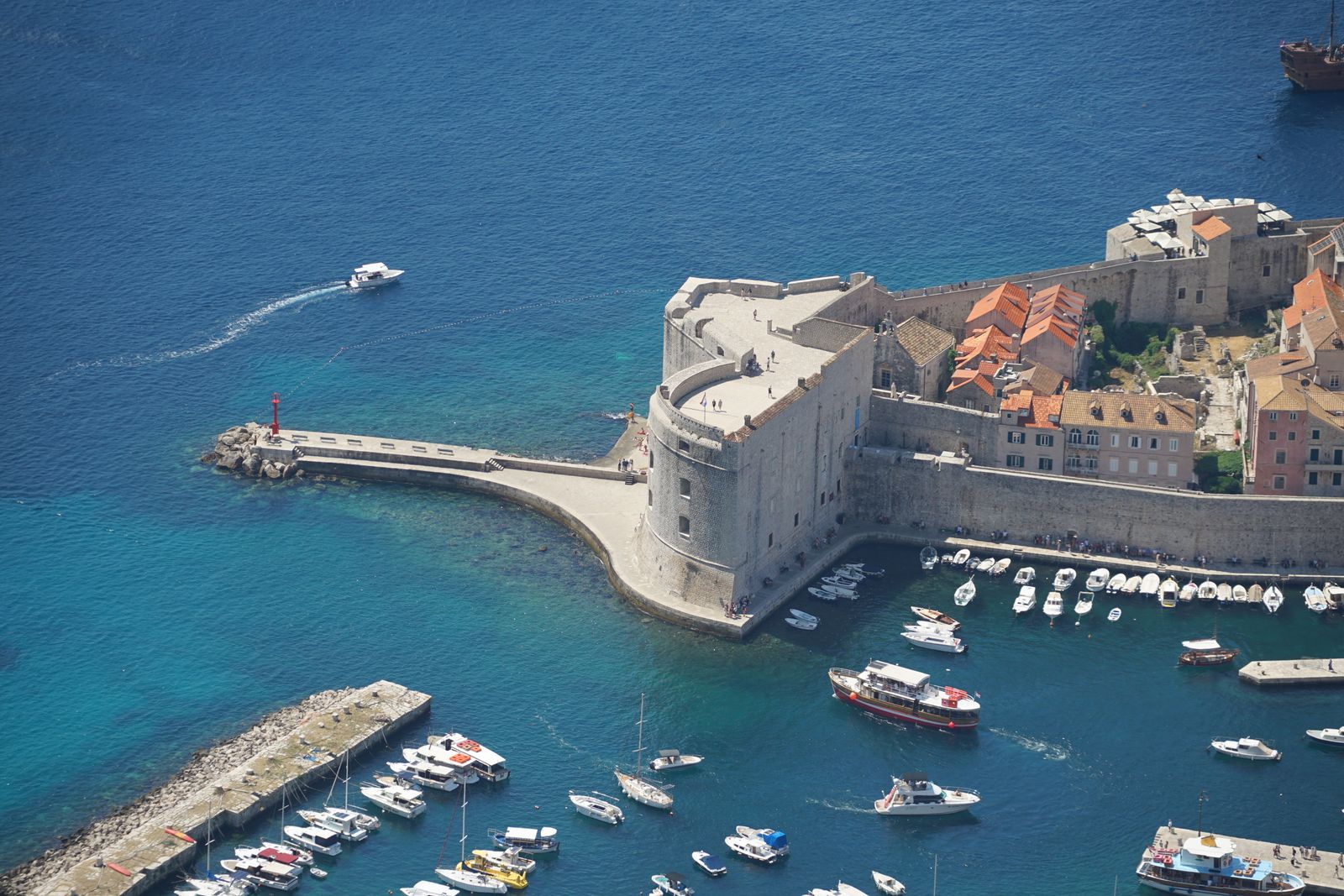
Boats for Lokrum leave from the Old Port, a short walk from the Pile and Ploče gates. Most visitors only need two or three of these options. If you’ll ride the bus more than twice in a day, the day pass is the cheaper ticket. Cavtat is the cheapest day trip on this list and the Elaphiti Islands come next. Lokrum costs more but includes your entry. Go in the morning, when the boats are quieter.
What Dubrovnik’s sights cost
The city walls are the one big spend, and they’re worth it. The ticket is about £34 for adults (€40) and about £13 for children aged 7 to 18, and it also gets you into Lovrijenac Fortress, so there’s no separate fee for that. Go as early as you can. The walk is hot in the middle of the day and the first hour is the quietest.
| Sight | Rough cost | Worth knowing |
|---|---|---|
| City walls and Lovrijenac Fortress | About £34 (€40) | The best views in the city, and the ticket covers both. |
| Cable car to Mount Srđ | Roughly £23 to £26 return (€27 to €30) | The classic view over the Old Town. Walk up if you’re fit and save the fare. |
| Lokrum island | Roughly £23 to £26 return (€27 to €30) | Ferry and island entry together. A calmer day than the walls. |
| Rector’s Palace | Around £13 (€15) | The city museum, in a Gothic and Renaissance palace by the harbour. |
| A Game of Thrones walking tour | From about £47 a head (€55) | Takes about two and a half to three hours. |
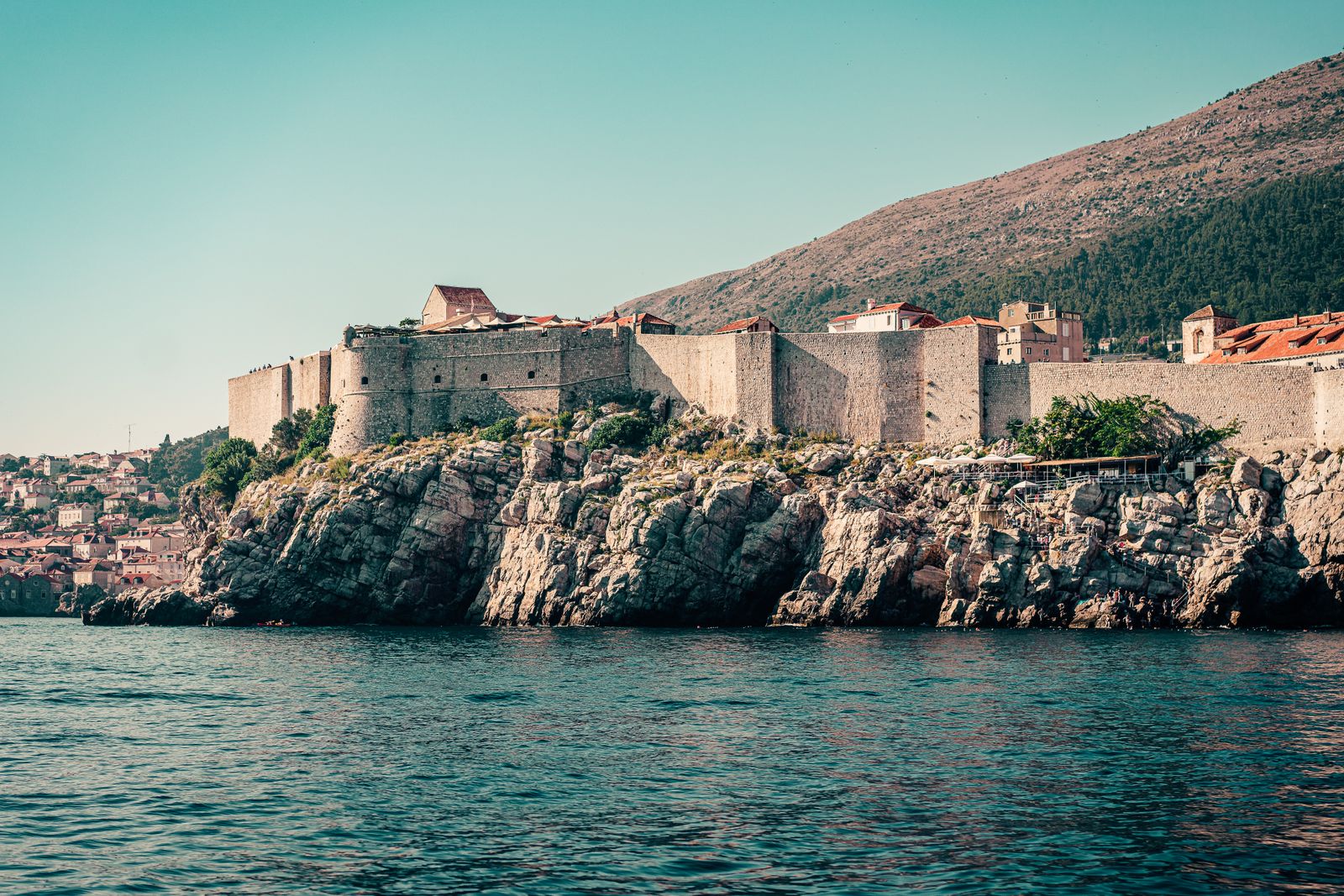
The Dubrovnik Pass costs roughly £34 for a day, £43 for three days and £51 for seven. It covers the walls, several museums and the city buses. A one-day pass costs the same as the walls alone, so it earns its keep over three days or more, if you add museums and bus rides.
The walls are the only spend that’s close to essential. If money is tight, do them early, then fill the rest of the day with a swim, a boat trip to Lokrum or a long lunch away from the Stradun.
Where to stay in Dubrovnik
Lapad and Babin Kuk are where most visitors end up, with beaches, restaurants and a bus into the Old Town in 15 to 25 minutes. Župa dubrovačka, along the coast, is cheaper again, with a three-star there at roughly £650 to £800 for a June week. The cheapest hotel is rarely the best value, because a low price can mean a tired room or a long walk, so our picks balance price against how much guests like the place. Prices are for a week for two in June.
| Tier | Property | Why we’d book it |
|---|---|---|
| Budget | Hotel Perla, Babin Kuk | A three-star that guests rate 8.6 from 367 reviews, a strong score for a three-star. It has direct access to Lapad Beach, a beach bar and a spa, so you can swim without a bus ride. Roughly £800 to £950 a week. Breakfast costs extra. |
| Mid | Hotel Lapad, Lapad | A four-star rated 9.2 from about 1,000 reviews, with an outdoor pool, a spa and 163 rooms. It’s the safe pick if you want a big, reliable hotel with a pool and a spa. Roughly £1,300 to £1,500 a week. The breakfast buffet is extra. |
| Worth the spend | Hotel Sumratin, Lapad | A five-star rated 9.6 from 165 reviews, with a seasonal pool, a spa, two restaurants and a free breakfast buffet. Roughly £1,400 to £1,600 a week. Breakfast is already paid for, and the spa and two restaurants make it the one to book if you want a proper treat without paying Old Town prices. |
Where to eat and drink in Dubrovnik
Eat on the side streets rather than the Stradun, or outside the walls altogether, and your bill drops quickly. These three run from a pizza to a long seafood dinner.
| Tier | Restaurant | What to order and what it costs |
|---|---|---|
| Budget | Pizzeria Storia, Old Town | Pizza is the move here. A margherita is about £14 (€16) and most pizzas are £15 to £19 (€17 to €22). A pizza and a drink each puts dinner for two at around £40 to £50. |
| Mid | Spaghetteria Toni, Old Town | A pasta place on a side street. Pasta dishes run £14 to £19 (€16.50 to €22.50), and a bruschetta to start is £7 to £10. A pasta and a drink comes to about £19 to £26 a head. |
| Worth the spend | ORKA, Lapad seafront | A proper sit-down dinner by the water. The three-course set menu is about £41 (€48), and fish mains run £28 to £34. Plan on £40 to £55 a head with a drink. |
A local glass of wine is usually £6 to £9 and a coffee £2 to £4.50. Many places outside the Old Town serve a lunch special, often called marenda, with two courses for roughly £9 to £17. Bakeries sell burek for a couple of euros, which makes a cheap breakfast. Tap water is safe to drink, so carry a bottle. Tipping is customary but not required: about 10 per cent for good service, after checking the bill for a service or bread charge.
The best time to visit Dubrovnik
| Month | Daytime highs | Sea | What to expect |
|---|---|---|---|
| March | 12 to 15°C | About 14°C | Quiet. Many hotels and restaurants are only just reopening, and rain is common. |
| April | 16 to 18°C | 15 to 16°C | Mild and uncrowded, with most things open by Easter. |
| May | 21 to 23°C | 18 to 19°C | Warm and open, with the sea still chilly. |
| June | 25 to 27°C | 22 to 23°C | Hot, bright and busier. Prices climb from the third week. |
| July and August | 28 to 30°C | 24 to 25°C | Peak heat, crowds and prices. Book ahead. |
| September | 24 to 25°C | 23 to 24°C | Busy in the first week, then calmer. The sea is still warm. |
| October | 19 to 22°C | About 21°C | Quieter and wetter. Some seasonal restaurants and boat trips close from mid-month. |
Hotel prices follow the weather. At a Lapad three-star, a week in mid-March costs roughly £300 to £400. A week in June, August or late September costs around £800 to £1,050, with August the dearest. April, May and October sit in between, and suit anyone who wants mild weather without the summer bill.
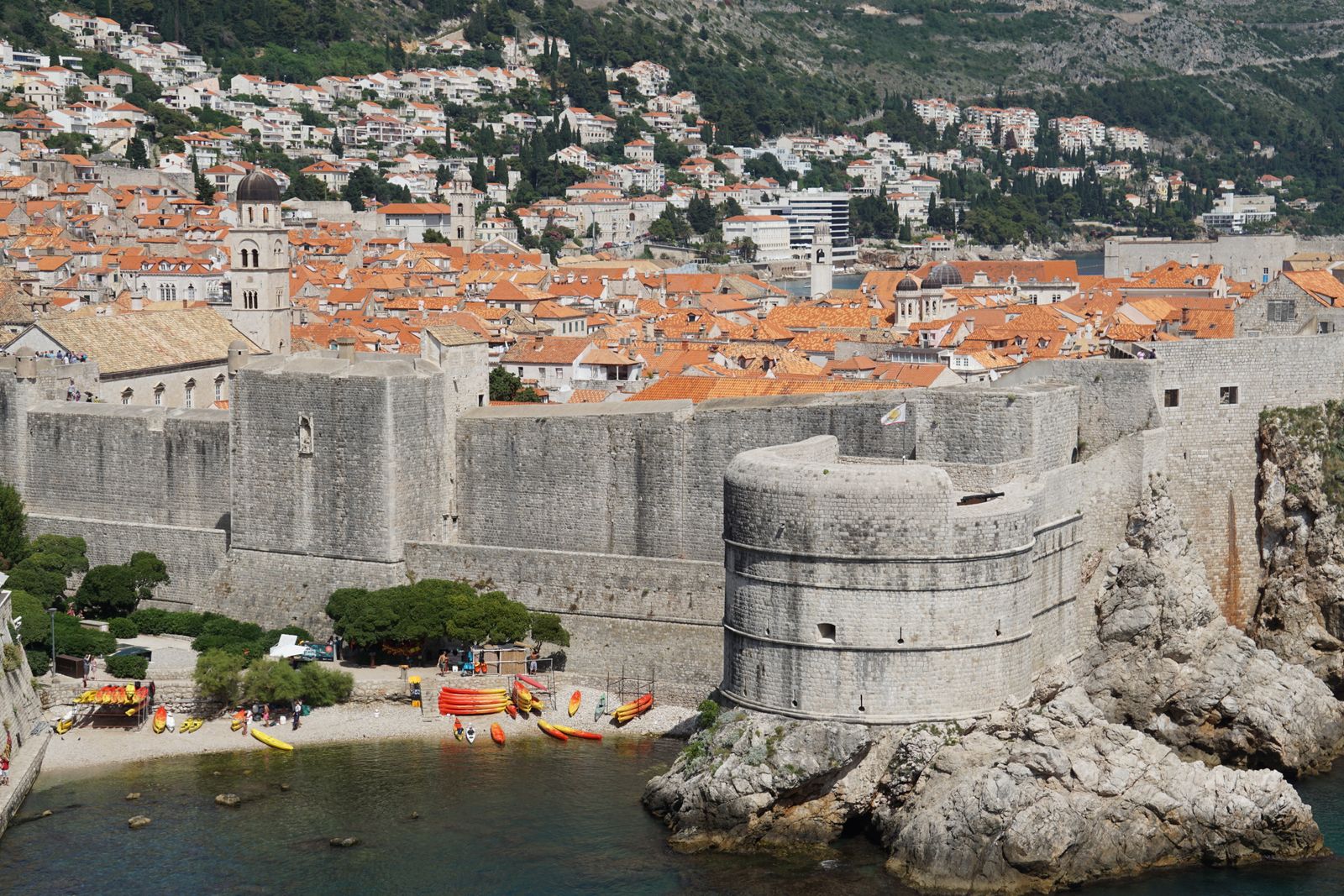
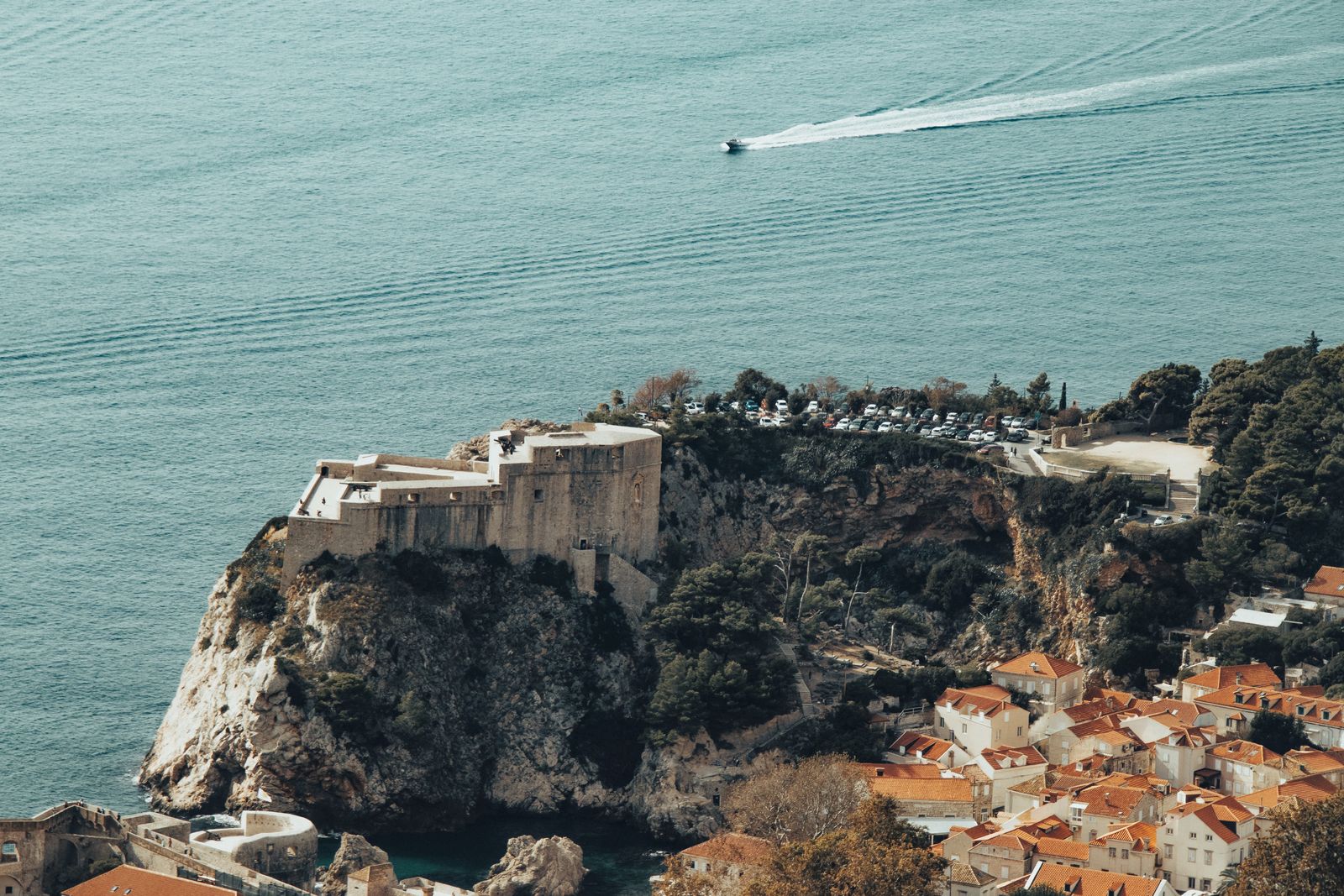
Lovrijenac stands on its own rock outside the walls. Your walls ticket covers it, so don’t skip it. It is also a good place to be at the start of the day, when the light on the water is at its best and the walls are still quiet.
So, is Dubrovnik expensive?
It can be, but you control most of the bill. Inside the walls it is one of the dearest places in Croatia, but a few streets away it behaves like any busy Adriatic resort. Stay in Lapad, eat one street back from the Stradun and go outside July and August, and a June week for two comes to roughly £1,250 to £1,650 before flights. If you are weighing up the coast, see our week in Croatia guide, then check the latest UK travel deals for fares.
Frequently asked questions
Is Dubrovnik expensive?
Inside the walls, yes. A week for two in a good hotel outside the walls is roughly £800 to £1,600 in June, against around £1,600 to £1,900 for a well-reviewed Old Town three-star. Mid-March is far cheaper.
How much does a week in Dubrovnik cost?
Roughly £1,250 to £1,650 for two in June, before flights, with a three-star like Hotel Perla. A five-star takes it to about £1,850 to £2,300.
How do I get from Dubrovnik airport to the Old Town?
The shuttle bus costs about £9 one way and takes around 30 minutes. A taxi is roughly £30 to £48 and takes 25 to 35 minutes.
Do I need a Dubrovnik Pass?
Only if you plan several museums and plenty of bus rides over three days or more. A one-day pass costs the same as the walls alone.
When is the cheapest time to visit Dubrovnik?
Early spring. A mid-March week at a Lapad three-star costs roughly £300 to £400, against £800 to £1,050 in June, August or late September.
Which UK airports fly to Dubrovnik?
easyJet, Jet2, British Airways, Ryanair and TUI fly from London and from regional airports including Manchester, Bristol, Birmingham, Edinburgh and Glasgow. The flight takes about three hours.
Do UK travellers need a visa for Dubrovnik?
No, not for up to 90 days in any 180-day period. Your passport must be under 10 years old, with 3 months left after you leave.
More guides to the Adriatic and Ionian coasts

Kate Acaster is Chief Editor at Flight Tribe. She writes about practical travel planning, budget airlines, baggage rules, city breaks, beach holidays and good hotels that do not cost daft money.
Kate has travelled through Europe, South America and beyond, usually with a notebook, a half-formed plan and a strong opinion on airport snacks. At Flight Tribe, her work focuses on helping UK travellers understand what is included, what costs extra, and whether a trip is worth booking at the price shown.
How Kate works
Kate checks the details that can change the value of a trip, including cabin-bag rules, airline fees, hotel location, seasonality, travel dates and booking conditions. She is especially interested in offers that look useful on the surface but need a proper reader-first check before they are worth recommending.
Editorial standards
Flight Tribe covers deals and travel advice for readers first. Affiliate links do not decide whether an offer is worth writing about.