Published 25 May 2026 | Updated 13 October 2026 by Jane Robinson
Morocco is one of the cheapest holidays within easy reach of the UK. A flight of under four hours from London lands you somewhere that costs a fraction of southern Spain or Portugal, with a hostel bed for £6 to £12 a night and a proper tagine for under £4.
Advertisement
This guide covers what a Morocco trip actually costs in 2026: flights from the UK, where to stay, how to get around, what to eat, and what the big sights charge. Prices are given in dirhams and pounds, at roughly 13 dirhams to the pound. Exchange rates move, so treat the pound figures as a guide rather than a fixed price.
Is Morocco cheap for a holiday?
Morocco is one of the best-value destinations within four hours of the UK. A budget traveller spends about £25 to £35 a day on the ground, while mid-range travellers should budget £60 to £115.
Yes, plainly. Once you have landed, daily spending is low by European standards. Food, transport and local hotels all cost less than they would in Spain, Italy or Greece. The flight is usually the single biggest expense of the whole trip.
Costs vary by city. Marrakech is the priciest, especially inside the medina and around the main square. Fez, Chefchaouen and the smaller towns work out 30 to 40 per cent cheaper for the same standard of room. The other rule worth knowing is that tourist-facing prices and local prices are two different things. Walking a few minutes away from the main square often halves what you pay for the same meal.
Getting there: cheap flights from the UK
Ryanair and easyJet fly direct to Marrakech, Fez and Agadir from several UK airports, with off-peak returns often £30 to £60. January is the cheapest month to fly.
Ryanair runs the widest network, serving Marrakech, Fez, Agadir, Tangier, Rabat and Essaouira from London Stansted and other bases. easyJet flies to Marrakech and Agadir from London Gatwick, Luton and Manchester. British Airways, Jet2, TUI and Royal Air Maroc also operate direct routes. Headline Ryanair fares can dip lower, though £30 to £60 return is more typical outside the summer peak. The flight takes about three and a half hours from London.
| UK Airport | Morocco Route | Airline | Flight Time |
|---|---|---|---|
| London Stansted (STN) | Marrakech, Fez, Agadir | Ryanair | 3 hr 30 |
| London Gatwick (LGW) | Marrakech, Agadir | easyJet | 3 hr 30 |
| London Luton (LTN) | Marrakech | easyJet / Ryanair | 3 hr 30 |
| Manchester (MAN) | Marrakech, Agadir | easyJet / Ryanair / TUI | 3 hr 45 |
| London Heathrow (LHR) | Marrakech, Casablanca | British Airways / Royal Air Maroc | 3 hr 30 |
| Edinburgh (EDI) | Marrakech, Agadir | easyJet / Ryanair / Jet2 | 4 hr 10 |
Fares climb sharply in the summer school holidays and over Christmas. Our guide to getting cheap flights from the UK covers the booking tactics that work best on Ryanair and easyJet routes, and our look at the cheapest day to book flights explains when fares tend to drop. If you are weighing up the no-frills carriers, our take on whether budget airlines are safe is worth a read before you book.
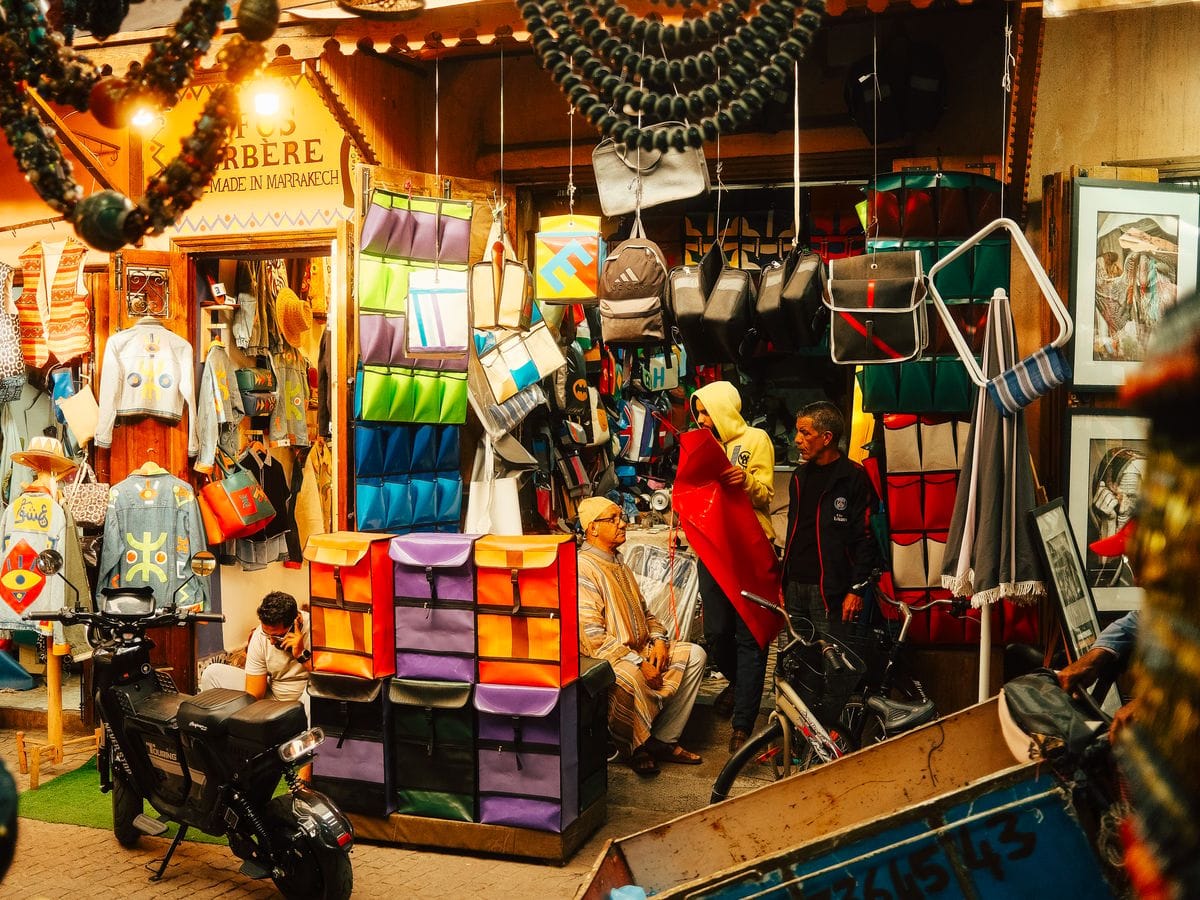
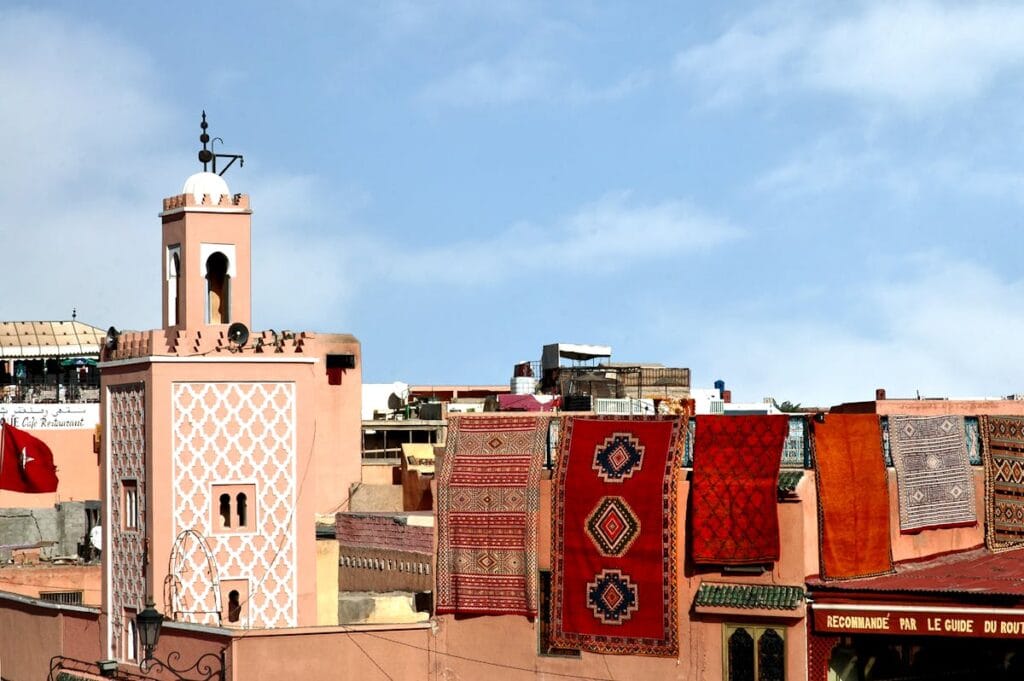
The medina is where most of a Morocco trip happens. The old walled quarters of Marrakech and Fez are mazes of workshops, food stalls and shops selling leather, lanterns, rugs and spices.
Prices here are rarely fixed. Haggling is expected, and the first number quoted is usually well above what a local would pay. Wandering and getting lost costs nothing and is half the appeal.
When to go for the best value
Spring and autumn give the best mix of warm weather and lower prices. January has the cheapest flights but cooler days, and summer is hot and dearer.
March to May and September to November are the sweet spots. Daytime temperatures are pleasant, the desert is bearable, and hotels charge less than in peak season. Summer is the hottest and most expensive time, with inland cities such as Marrakech and Fez regularly passing 40°C in July and August. Winter is the cheapest period and works well for the cities, though desert nights can drop close to freezing.
One date to check is Ramadan, when many local restaurants close during daylight and opening hours shift. It moves earlier each year, so look up the dates before you book. For other options across the year, see our where’s hot in March round-up and our guide to the best time to book a holiday.
| Season | Weather | Prices | Verdict |
|---|---|---|---|
| Spring (March to May) | Warm, 20 to 28°C | Mid | Best all-rounder |
| Summer (June to August) | Very hot, 35 to 42°C inland | Highest | Coast only |
| Autumn (September to November) | Warm, 22 to 30°C | Mid | Best all-rounder |
| Winter (December to February) | Mild days, cold nights | Lowest | Cheapest for cities |
Where to stay: riads, hostels and budget hotels
A hostel dorm costs £6 to £12 a night and a private room in a traditional riad £25 to £50. Fez and Chefchaouen run cheaper than Marrakech.
A riad is a traditional house built around an inner courtyard, often with a plunge pool and a roof terrace. Many are family-run and good value, which makes them the most characterful budget option in Morocco. Hostels cover the cheapest end, and international budget hotels sit just above them for travellers who want a predictable room.
For the lowest rates, Bed Square Hostel in Marrakech offers dorm beds in a central spot, while Ibis Marrakech Centre Gare is a reliable budget hotel near the train station. For a riad in Marrakech, Riad Kniza sits at the top end, while Riad Bahia Salam is a well-rated mid-range pick. In Fez, Riad Anata and Riad Fes Maya sit in the medina at lower prices than the equivalent in Marrakech. If you want one night of luxury to bookend the trip, Mandarin Oriental Marrakech and the Fairmont Royal Palm are the standout splurges.
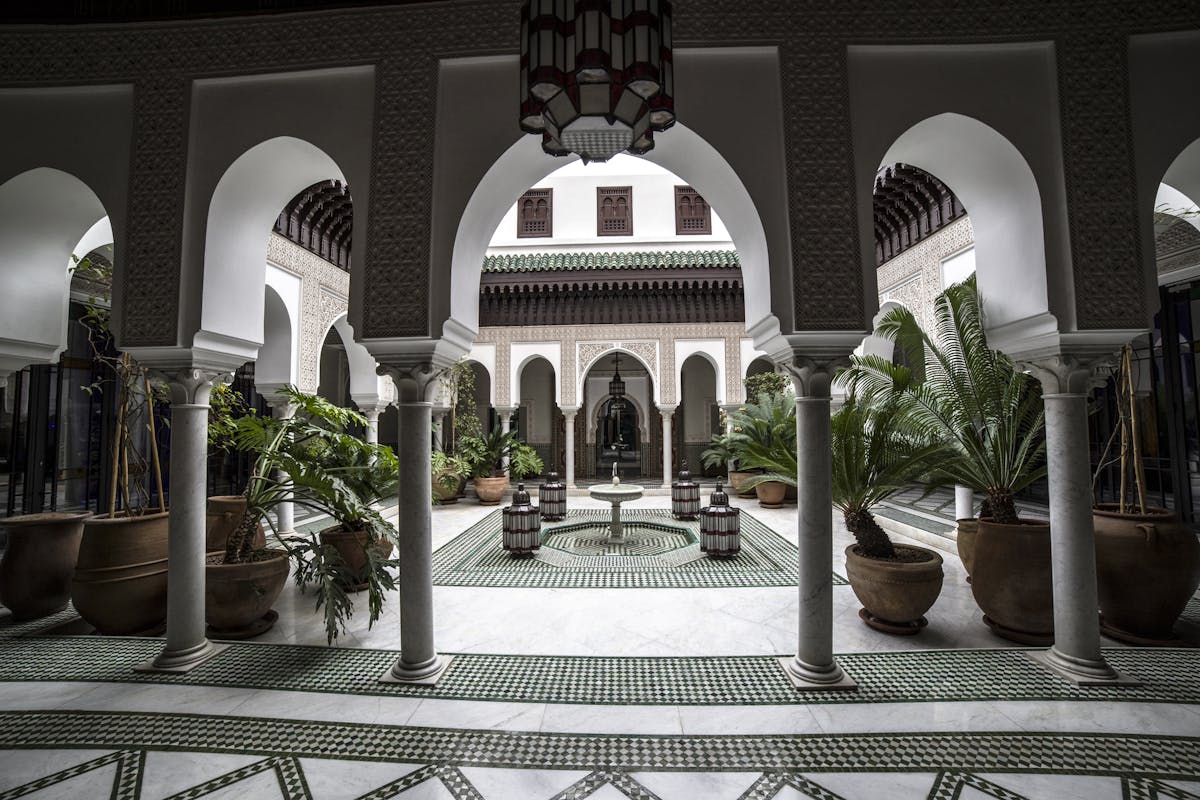
A riad courtyard is the calm centre of a noisy city. Thick walls keep the rooms cool, and the roof terrace is the place for breakfast and a view over the medina.
Staying three nights or more often unlocks a discount, so it is worth asking. A riad just outside the busiest medina streets costs less and is usually only a short walk from the action.
Getting around Morocco on a budget
Trains and CTM coaches link the main cities for a few pounds, while shared grand taxis and metered petit taxis cover shorter hops.
The national rail operator, ONCF, runs comfortable trains between Marrakech, Casablanca, Rabat, Fez and Tangier. The Al Boraq high-speed line links Tangier and Casablanca in just over two hours. For towns off the rail network, CTM and Supratours run air-conditioned coaches at fixed prices. Grand taxis are shared cars that run set routes between towns, and petit taxis handle journeys within a city. With petit taxis, insist on the meter or agree the fare before you set off.
| Transport | Typical Cost | Best For |
|---|---|---|
| ONCF train | £13 to £16 (Marrakech to Fez, second class) | Main cities, comfort |
| Al Boraq high-speed | £12 to £18 (Tangier to Casablanca) | Fast north to south travel |
| CTM / Supratours coach | £6 to £18 intercity | Towns without rail |
| Grand taxi (shared) | £2 to £5 per seat | Short routes between towns |
| Petit taxi (in-town) | £1 to £2 per ride | Getting around a city |
Eating well for less
Street food and local tagine houses cost a few pounds a meal. The single biggest saving is walking a few minutes away from the main tourist squares.
A bowl of harira soup costs around 5 dirhams, a sardine sandwich about 8, and a fresh orange juice on Jemaa el-Fna roughly 4. A tagine at a neighbourhood restaurant runs 30 to 50 dirhams, around £2 to £4. The same dish on a tourist-facing terrace can be double or triple that. Mint tea is everywhere and cheap. Markets sell fruit, olives and bread for very little if you want to self-cater.
| Where You Eat | Typical Cost | What You Get |
|---|---|---|
| Street food | £1 to £4 | Soup, sandwiches, juice, snacks |
| Local tagine house | £2 to £4 a dish | Proper tagine, couscous, bread |
| Tourist-square terrace | £7 to £10 a dish | Same food, a view, a mark-up |
| Three meals a day, local | £8 to £12 total | A full day of eating well |
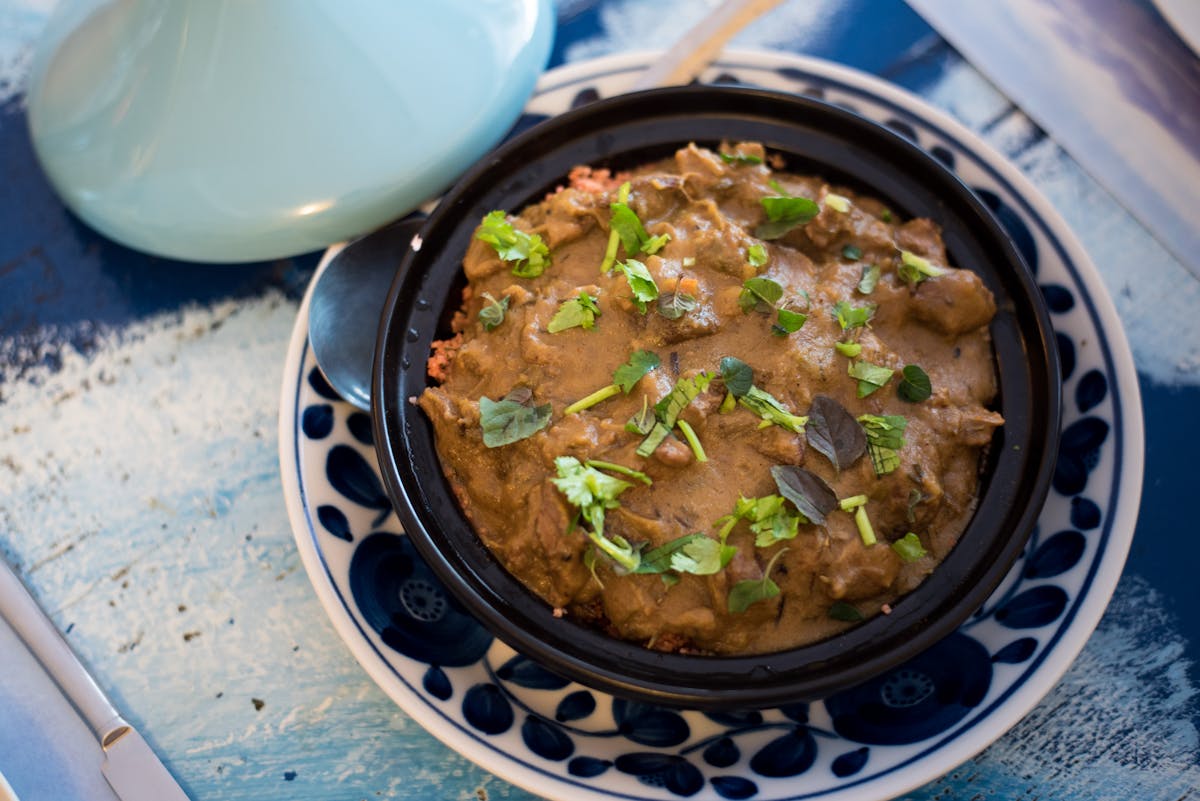
The tagine is the national dish, a slow-cooked stew of meat or vegetables served in the cone-shaped pot it takes its name from. It is filling, cheap and on every menu.
For the best value, eat where the workers eat at lunchtime. The set lunch in a back-street restaurant is usually the cheapest proper meal of the day.
What the top sights cost
Most Marrakech sights charge between £8 and £13, and Chefchaouen’s blue streets are free to wander.
Marrakech holds the biggest cluster of paid attractions, and none of them is expensive. The Bahia Palace, Saadian Tombs and Jardin Secret each charge 100 dirhams, about £8. The Majorelle Garden is the priciest of the main sights at 170 dirhams, about £13, and its tickets are sold online only. Much of the best of Morocco is free: the Jemaa el-Fna square at night, the souks, the medinas of Fez and Marrakech, and the blue streets of Chefchaouen. Desert trips and Atlas Mountains tours cost more and are usually booked as guided excursions, where the price is open to negotiation.
| Sight | City | Entry Fee |
|---|---|---|
| Bahia Palace | Marrakech | £8 |
| Saadian Tombs | Marrakech | £8 |
| Le Jardin Secret | Marrakech | £8 |
| Majorelle Garden | Marrakech | £13 |
| Medina and souks | Fez / Marrakech | Free |
| Blue streets | Chefchaouen | Free |
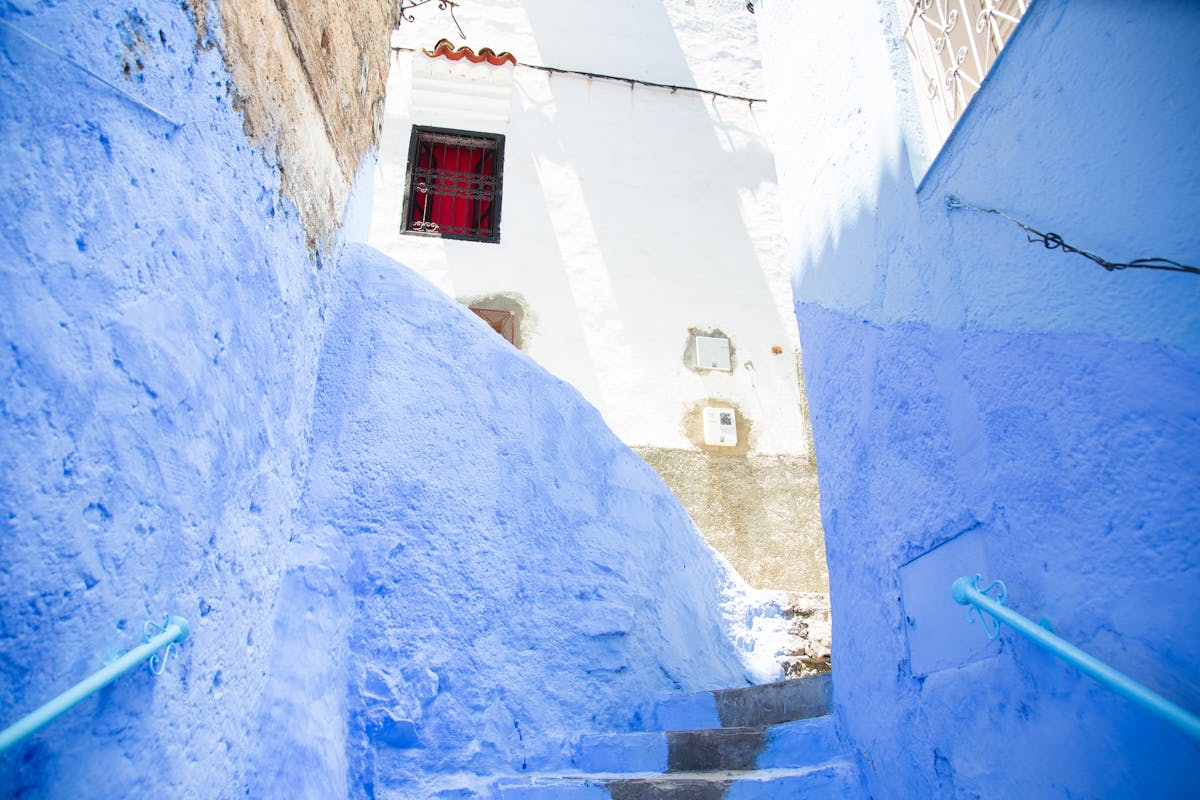
Chefchaouen, in the Rif Mountains, is the blue city. Almost every wall in the old town is painted a shade of blue, and the whole place is free to explore on foot.
It is about four and a half hours by bus from Fez, or two and a half to three hours from Tangier. Rooms here cost noticeably less than in Marrakech, which makes it a good-value stop on a longer trip.
Daily costs by travel style
A backpacker can travel on about £25 to £35 a day, a mid-range traveller on £60 to £115, and a comfortable trip from around £120. The table below covers spending on the ground and excludes flights.
| Category | Backpacker | Mid-range |
|---|---|---|
| Accommodation | £6 to £12 (dorm) | £25 to £50 (riad room) |
| Food | £8 to £12 | £18 to £30 |
| Transport | £3 to £6 | £8 to £15 |
| Sightseeing | £4 to £8 | £10 to £20 |
| Daily total | £25 to £35 a day | £60 to £115 a day |
A week in Morocco: what it costs
A budget week runs roughly £200 to £300 excluding flights, while a mid-range week in riads with restaurant meals lands around £450 to £800.
A typical first trip pairs Marrakech with a few days elsewhere, such as Fez, the Atlas foothills or a quick run to Essaouira on the coast. On a backpacker budget, seven nights in dorms or cheap riads, eating local and travelling by train and bus, comes to about £200 to £300 on the ground. Add a return flight, often £30 to £100 outside peak season, and the whole week usually comes in at £400 or less.
Step up to mid-range and the week costs around £450 to £800 before flights. That covers private rooms in good riads, restaurant meals, the main paid sights and a guided day trip to the desert or the mountains. Either way, Morocco delivers a lot for the money compared with a week anywhere in western Europe.
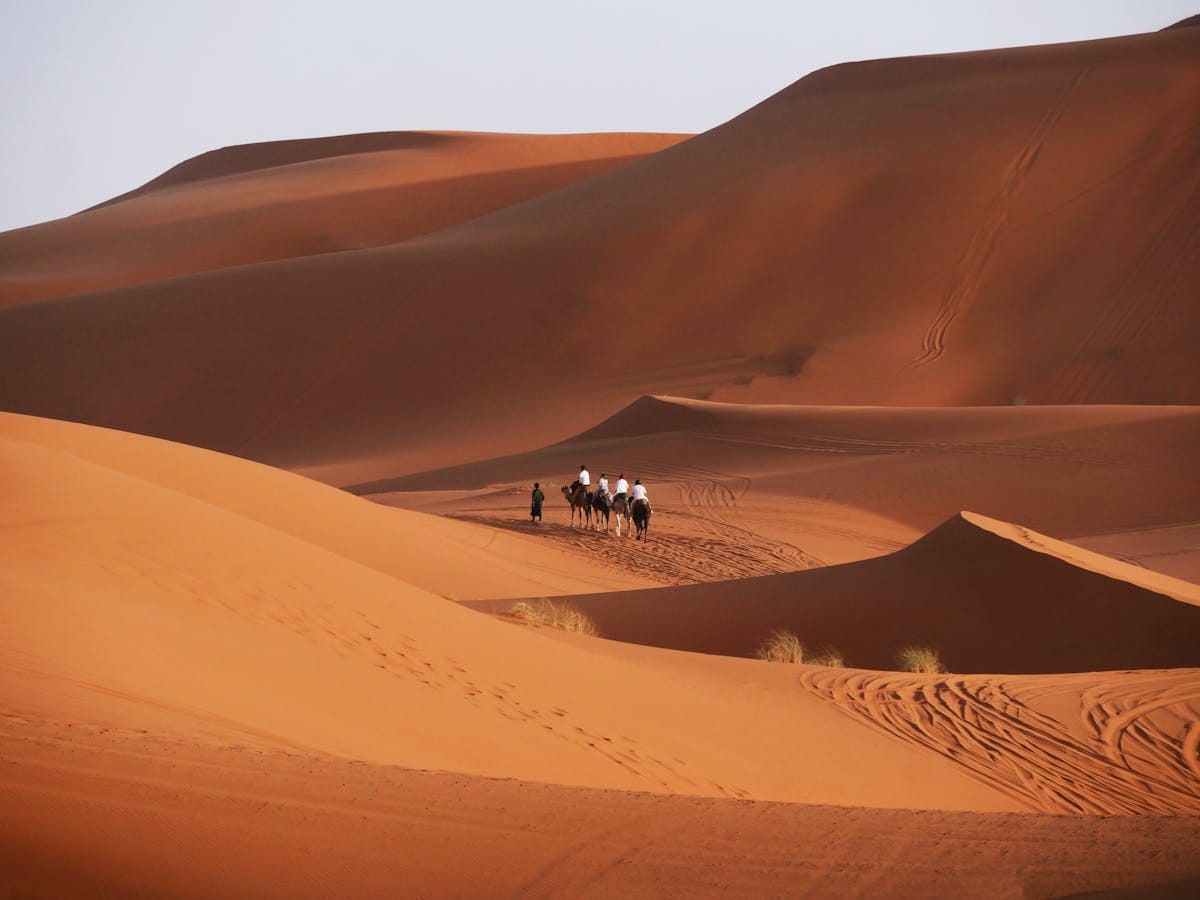
A desert trip is the classic add-on to a Morocco week. Two-day tours from Marrakech reach the dunes near Zagora, while the bigger dunes at Merzouga need at least three days. Both include transport, a night in a camp and a camel ride.
Shop around at the medina agencies and haggle, as the same trip sells at very different prices. Booking locally rather than from home usually works out cheaper.
How to do Morocco cheaply
These tips cut the cost of a Morocco trip without cutting the experience, from haggling in the souks to taking the train instead of a private transfer.
- Haggle in the souks. The first price is a starting point, not the real one. Open at about half, settle around 60 to 70 per cent, and walk away if it stalls.
- Eat where the locals eat. Walk a few minutes off the main square and the price of the same tagine roughly halves. The set lunch is the best-value meal of the day.
- Take the train, not a private transfer. ONCF second class is comfortable and a fraction of the cost of a private car between cities.
- Carry cash in dirhams. The dirham is a closed currency, so withdraw from ATMs once you arrive. Many small restaurants and shops do not take cards.
- Use petit taxis with the meter. Insist on the meter or agree the fare first. A short city hop should cost £1 to £2.
- Travel in spring or autumn. You dodge both the summer heat and the high-season prices, and the sights are quieter.
- Stay just outside the prime medina spots. A riad a short walk from the busiest streets costs less for the same standard of room.
- Book flights for January or midweek. January is the cheapest month to fly, and midweek departures usually beat weekend ones.
If you don’t mind trading the short flight for something further afield, our Cape Verde holidays guide covers a beach alternative about six hours from the UK, at a similar overall budget, worth comparing before you book.
Entry rules and safety for UK travellers
UK citizens can stay 90 days visa-free, and the FCDO does not warn against travel to any tourist area. Normal precautions apply against petty theft and scams.
| Essential | What to Know |
|---|---|
| Visa | None for UK tourists staying up to 90 days |
| Passport | Valid for at least three months from arrival |
| Currency | Dirham (MAD), a closed currency, so withdraw from ATMs on arrival |
| Cards | Taken in hotels, but carry cash for taxis, food and souks |
| Tipping | 5 to 10 per cent in restaurants |
British passport holders do not need a visa for tourist stays of up to 90 days. Your passport should be valid for at least three months from the date you arrive. An electronic travel authorisation, the AEVM, is planned for visa-exempt visitors, so check the current rules on GOV.UK before you fly.
The Foreign, Commonwealth and Development Office does not advise against travel to any tourist destination, including Marrakech, Fez, Agadir, Chefchaouen and the Sahara. The main risks are everyday ones: pickpocketing and scams in the busy medinas, and pushy unofficial guides. Keep your valuables close, agree taxi fares in advance, and be firm with anyone offering to lead you somewhere. Only drink at licensed venues or from sealed bottles, as counterfeit alcohol has caused harm. Drug offences carry serious penalties. For more trips that work on a budget, browse our other destination guides.
Frequently asked questions
Is Morocco cheap for UK travellers?
Yes. A budget traveller can manage on about £25 to £35 a day on the ground, plus flights that often cost £30 to £60 return outside summer.
How much does a week in Morocco cost?
A budget week runs roughly £200 to £300 excluding flights, covering hostels, local food and public transport. A mid-range week in riads with restaurant meals costs around £450 to £800.
What is the cheapest way to get to Morocco from the UK?
Ryanair from London Stansted and easyJet from Gatwick, Luton and Manchester run the cheapest direct fares, often £30 to £60 return off-peak. January is the cheapest month to fly.
Do UK citizens need a visa for Morocco?
No, British passport holders can stay up to 90 days for tourism without a visa, as long as the passport is valid for at least three months. An electronic authorisation called the AEVM is planned, so check the rules before you fly.
Is Morocco safe for tourists?
Yes, the FCDO does not advise against travel to any tourist destination, including Marrakech, Fez and Chefchaouen. Petty theft and scams are common in the medinas, so keep valuables close and agree taxi fares before setting off.
What is the best time to visit Morocco on a budget?
Spring, from March to May, and autumn, from September to November, offer warm weather and lower prices than summer. January is the cheapest month to fly but cooler, with cold desert nights.

Jane Robinson is Senior Editor at Flight Tribe. She has a Master’s in English and Journalism, and writes about flight deals, holiday offers and practical ways UK travellers can spend less without wasting time on weak promotions. Jane has spent time living and working across Asia and New Zealand, which gave her a lasting interest in how people travel, eat, move around and spend their free time in different places.
At Flight Tribe, her work focuses on verified prices, realistic travel dates, booking terms and whether a deal is actually worth attention.
How Jane works
Jane checks offers against live supplier pages wherever possible, including prices, dates, departure points, baggage rules and booking conditions. She is quietly sceptical of anything that sounds too good to be true, and helps keep Flight Tribe’s travel advice useful, honest and easy to act on.
Editorial standards
Flight Tribe covers deals for readers first. Affiliate links do not decide whether an offer is worth writing about.