Published 18 July 2026 | Updated 13 October 2026 by Kate Acaster
Cornwall holidays are leading the UK’s staycation boom in 2026. St Ives has topped the Sykes Cottages Staycation Index as the country’s single most popular destination, ahead of every other town in Britain.
Advertisement
The appeal isn’t new. England’s longest National Trail runs along this coast, the beaches hold their own against anywhere in Europe, and the food scene moved on from the cream tea stereotype years ago.
St Ives is the obvious starting point. Cornwall’s other big names, Padstow, St Michael’s Mount and the Eden Project, are all within a short drive.
For more of the towns riding this year’s staycation wave, see our full guide to UK staycations in 2026. For deals on this and other domestic breaks, our UK breaks page is updated daily.
Cornwall at a glance
- RegionPenwith coast & St Ives Bay, South West England
- StationSt Ives (branch line from St Erth)
- RoadA30, from the M5 at Exeter
- Coast path630 miles total, England’s longest National Trail
- 2026 rankingSt Ives #1, Sykes Staycation Index
- Peak seasonMay to September
Why Cornwall holidays are trending in 2026
St Ives claimed the top spot in the Sykes Cottages Staycation Index for 2026, beating every other UK destination for search interest and bookings.
Nearly four in ten Brits, 38%, say a staycation will be their main holiday of the year. Sykes’ research points to Gen Z as the group driving that shift hardest.
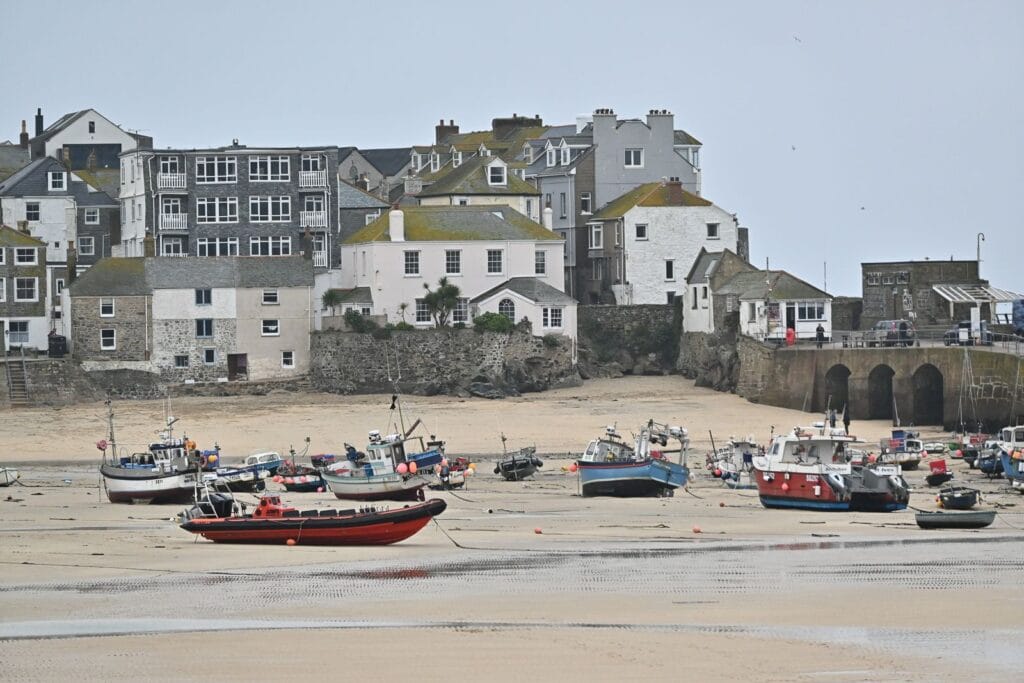
The reason St Ives wins this argument every year isn’t hard to find. Stand on Porthmeor Beach and watch the Atlantic surf roll in, or look across the bay from Porthminster to the lighthouse at Godrevy.
This is a working fishing harbour that has also become one of the country’s most serious art towns. It is home to Tate St Ives and the Barbara Hepworth Museum and Sculpture Garden.
Both sit a five-minute walk from a beach that wouldn’t look out of place on a much more expensive coastline.
Cornwall’s advantage over most of 2026’s other trending UK destinations is depth. Morecambe and Carnforth are riding a spike in interest, but they’re single-town stories.
Cornwall has been building its reputation for decades and still has room to surprise a first-time visitor. There’s Newquay for surfing.
The Roseland Peninsula offers the kind of quiet you can’t find on the busier north coast. And the food scene now runs well past pasties and cream teas.
That range is exactly why Cornwall holidays fill every major UK staycation ranking, not just the Sykes index. It also means booking one remains a safer long-term bet for repeat visits than chasing a town trending on a single year’s search data.
Cornwall doesn’t need manufactured hype the way some of 2026’s trending towns do. It has real scale.
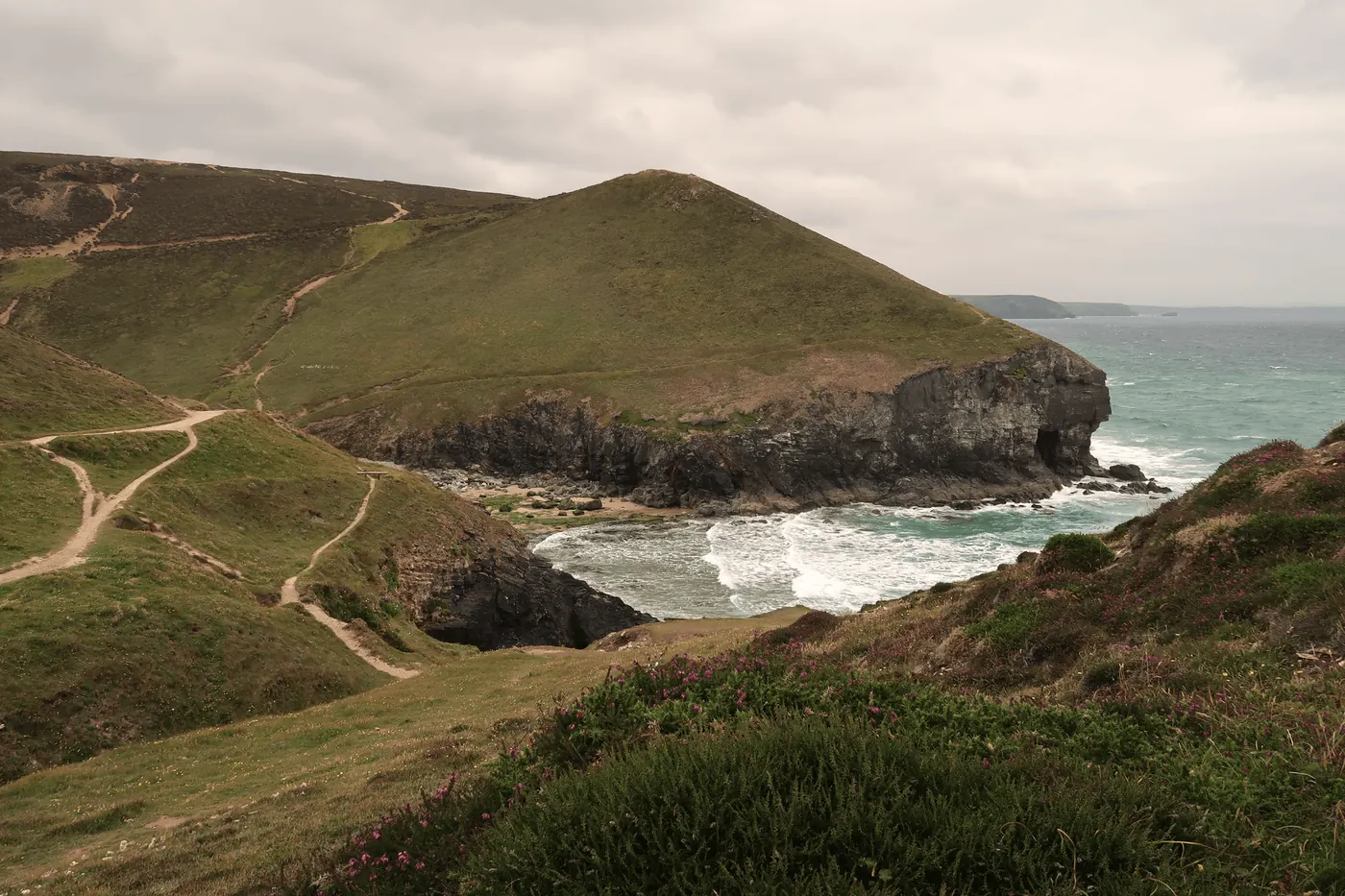
The coast path alone climbs and descends more than 115,000 feet over its full length, roughly four ascents of Everest. The St Ives to Zennor stretch is one of its most dramatic single sections anywhere in the country.
Things to do in Cornwall
Cornwall rewards people who venture beyond St Ives town centre. A car (or a good bus timetable) opens up St Michael’s Mount, the Eden Project and Padstow within an hour, and none of them feel like a detour once you’re there.
| Attraction | Type | Why go |
|---|---|---|
| Tate St Ives | Art gallery | Modern and contemporary work in a building that faces straight onto Porthmeor Beach |
| Barbara Hepworth Museum | Museum & sculpture garden | The sculptor’s own studio and garden, preserved much as she left it, a five-minute walk from Tate St Ives |
| St Michael’s Mount | Tidal island castle | Walk the causeway from Marazion at low tide, or take the ferry when the water’s in |
| South West Coast Path | National Trail | 630 miles in total; the St Ives to Zennor section is one of the most dramatic stretches on the whole trail |
| Eden Project | Biome gardens | The world’s largest captive rainforest under glass, around 45 minutes from St Ives near St Austell |
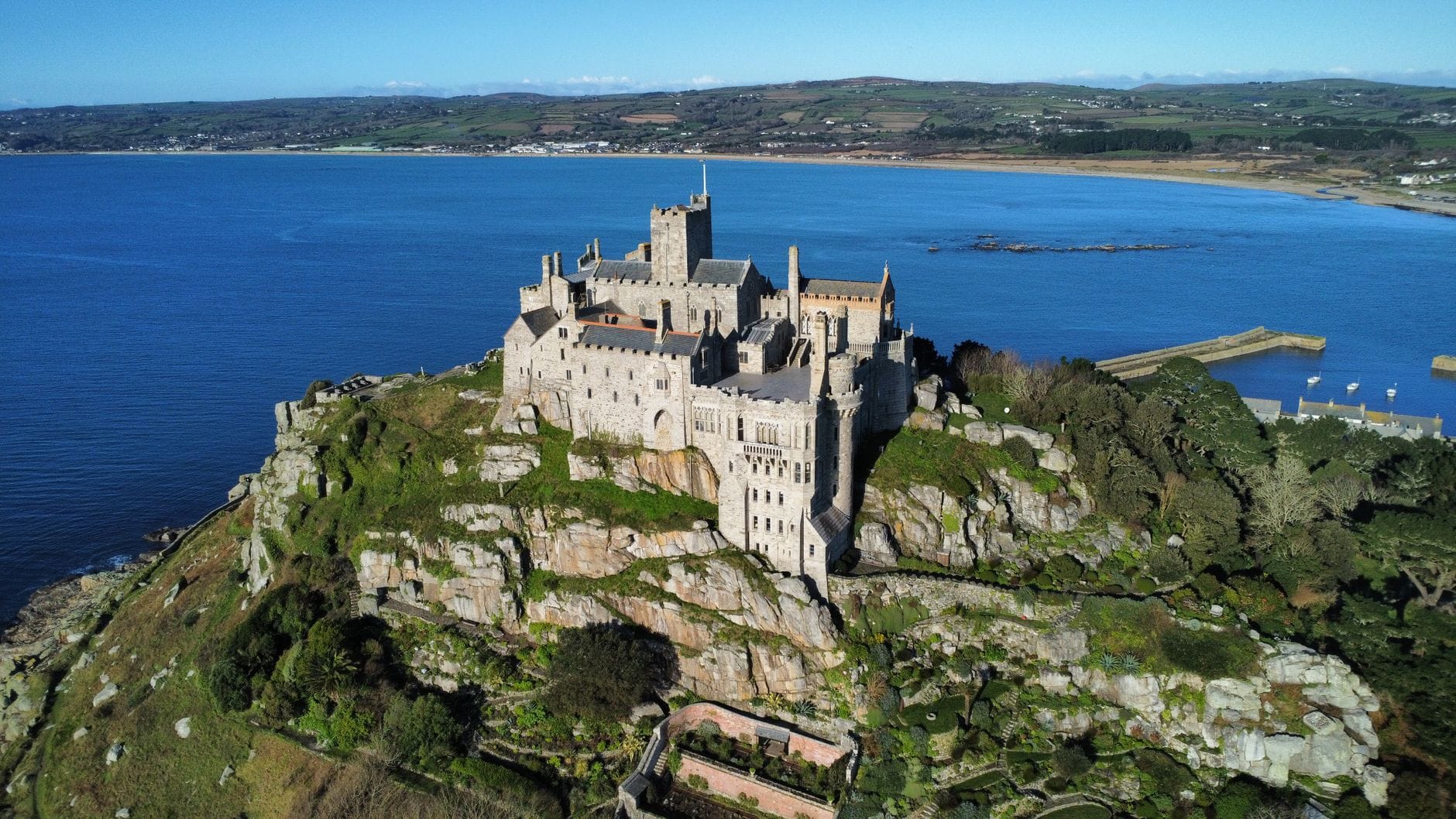
St Michael’s Mount is the single most photographed thing in Cornwall for a reason. Check the tide times before you go.
The cobbled causeway from Marazion is only walkable for a few hours either side of low tide. The ferry runs when it’s submerged. Turning up without checking either is the most common mistake visitors make here.
Where to eat in Cornwall
St Ives punches well above its size for food. The three picks below all stay within a five-minute walk of the harbour, a proper chip shop, a Michelin Guide-listed beach café, and a harbourfront spot worth booking ahead for.
| Restaurant | Tier | Location | Why go | Book |
|---|---|---|---|---|
| Harbour Fish & Chips | Chip shop Budget | Wharf Road, on the harbour | Classic harbourside fish and chips, a St Ives institution | |
| Porthminster Beach Café | Seafood Mid-range | Porthminster Beach | Michelin Guide-listed, right on the sand, book ahead for a table with a sea view | |
| Porthminster Kitchen | Small plates Worth it | Wharf Road, above the harbour | The Beach Café team’s second venture, 180-degree harbour views and a Cornish-led small-plates menu |
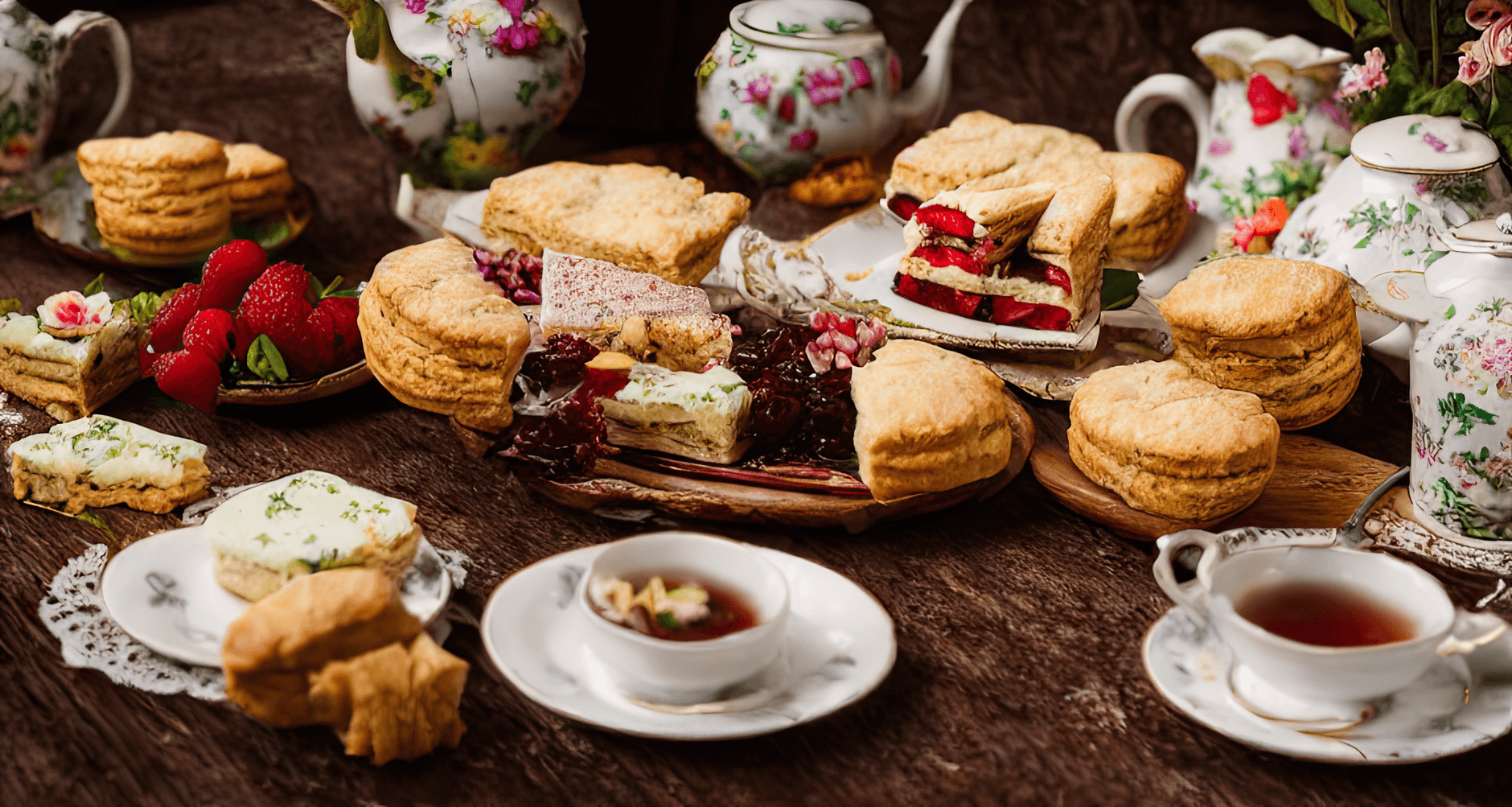
The cream tea is still worth doing at least once. Cornwall has strong opinions on the order, jam first, cream on top.
Beyond that, the county’s food identity has moved well past the stereotype. The three restaurants above are as much about the setting and the seafood as the pasty stall on the harbour front.
Where to stay in Cornwall
St Ives sells out its best beds early in summer, so book ahead if you want anywhere near the harbour for July or August. The three picks below cover a central pub-hotel, a beachfront family option, and a spa hotel above Porthminster Beach worth the extra spend.
| Hotel | Tier | Location | Why book it | Book |
|---|---|---|---|---|
| The Western Hotel | Pub-hotel Budget | Central St Ives | 17 rooms above a proper pub, a short walk from the harbour and beaches | |
| St Ives Bay Hotel | Sea-view hotel Mid-range | The Terrace, St Ives | Sea views and a restaurant on site, a solid family option outside the harbour crush | |
| Harbour Hotel St Ives | Luxury & spa Worth it | The Terrace, above Porthminster Beach | Spa with a pool, and sea views from most rooms |
Getting to Cornwall
Cornwall holidays involve a proper journey no matter how you get there. That’s part of what has kept the county from being overrun in the way some nearer coastlines have.
Plan for it. Build the travel day into your trip rather than treating it as dead time either side of it.
By train, GWR’s Night Riviera Sleeper runs overnight between London Paddington and Penzance. It calls at Truro, St Austell, Par, Bodmin Parkway, Liskeard and Plymouth along the way.
The southbound service leaves London around 23:45 and arrives in Penzance at about 07:55. You wake up in Cornwall rather than losing a travel day. Cabins cost extra on top of the ticket price, and the supplement varies with the season and how early you book. Cabin passengers can use the lounges at Paddington, Truro and Penzance.
For St Ives itself, change at St Erth onto the branch line. It is one of the most scenic short rail journeys in the country, running along the edge of the bay into town.
By car, the A30 is the main route in from the M5 at Exeter, running the length of the county. Budget for traffic on Friday and Saturday changeover days in peak summer, when the road can slow to a crawl around Bodmin.
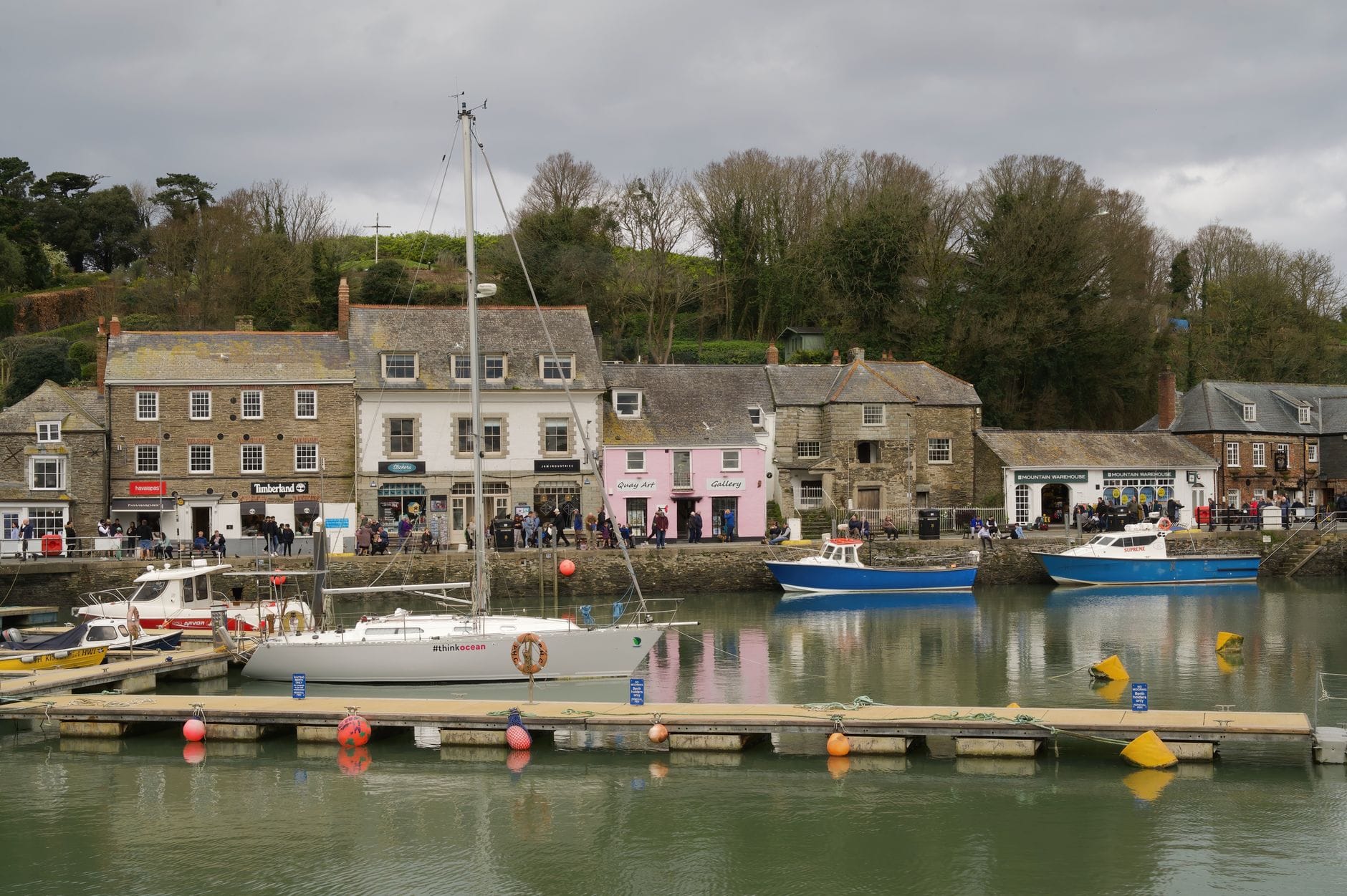
Padstow, on the north coast, is around 45 minutes from St Ives. It’s worth a full day for its harbour, beaches and Rick Stein’s original seafood restaurant.
Best time to visit Cornwall
May to September is peak season. It’s when most of the current demand sits, with the longest days and the best odds of a beach day.
April to June and September to October are worth serious consideration too. Prices drop, the roads and beaches are quieter, and the coast path is far more comfortable to walk without the July and August heat.
Whatever time of year you go, respect the coastline. Check tide times before walking to St Michael’s Mount, and watch for strong currents on the surf beaches around St Ives and Newquay.
Stick to the marked coast path on cliff sections, especially in mist or after rain.
For more on timing a UK trip for the best rates generally, our 50 tips for saving money on travel covers shoulder-season booking in more detail. If camping or glamping is more your pace, our best UK glamping sites guide includes several Cornish options.
Frequently asked questions
Why is St Ives the UK’s top staycation destination in 2026?
St Ives topped the Sykes Cottages Staycation Index for 2026, the highest-ranked destination in the country. Its mix of Tate St Ives, the Barbara Hepworth Museum and beaches like Porthmeor within walking distance of the harbour is the main draw.
What is there to do in Cornwall besides the beaches?
St Michael’s Mount, the Eden Project and the South West Coast Path are the three biggest draws beyond the coastline itself. Padstow, on the north coast, makes an easy day trip for its harbour and seafood.
How do you get to St Michael’s Mount?
Walk the cobbled causeway from Marazion at low tide, or take the short ferry crossing when the tide is in. Always check tide times before setting off, since the causeway floods for several hours either side of high tide.
How long does the Night Riviera Sleeper take from London to Cornwall?
The overnight service from London Paddington to Penzance takes around eight hours, leaving London at about 23:45 and arriving in Penzance just before 08:00. Change at St Erth for the branch line into St Ives.
Is Cornwall expensive to visit?
It can be in July and August, when St Ives hotel prices rise sharply and the best rooms sell out early. Shoulder-season trips in spring or autumn cost noticeably less and come with quieter beaches and coast paths.
What is the best time of year to walk the South West Coast Path?
Late spring and early autumn offer the best balance of good weather and manageable crowds. The path runs 630 miles in total, so most visitors walk a single day section rather than the whole route in one trip.
For more UK and international destination guides, see the full Flight Tribe destination guides hub.

Kate Acaster is Chief Editor at Flight Tribe. She writes about practical travel planning, budget airlines, baggage rules, city breaks, beach holidays and good hotels that do not cost daft money.
Kate has travelled through Europe, South America and beyond, usually with a notebook, a half-formed plan and a strong opinion on airport snacks. At Flight Tribe, her work focuses on helping UK travellers understand what is included, what costs extra, and whether a trip is worth booking at the price shown.
How Kate works
Kate checks the details that can change the value of a trip, including cabin-bag rules, airline fees, hotel location, seasonality, travel dates and booking conditions. She is especially interested in offers that look useful on the surface but need a proper reader-first check before they are worth recommending.
Editorial standards
Flight Tribe covers deals and travel advice for readers first. Affiliate links do not decide whether an offer is worth writing about.