Published 18 July 2026 | Updated 13 October 2026 by Kate Acaster
Cotswolds holiday searches keep landing on the same village. Bourton-on-the-Water has been named the UK’s tenth most-wanted staycation destination in Sykes Cottages’ Staycation Index for 2026. It’s the only Cotswolds entry in a top ten otherwise dominated by the coast.
Advertisement
St Ives, Bamburgh and Salcombe all rank above it. Bourton is one of only four inland names on the list, with Ambleside, Grasmere and Bakewell, proof that the Cotswolds’ pull has nothing to do with a beach.
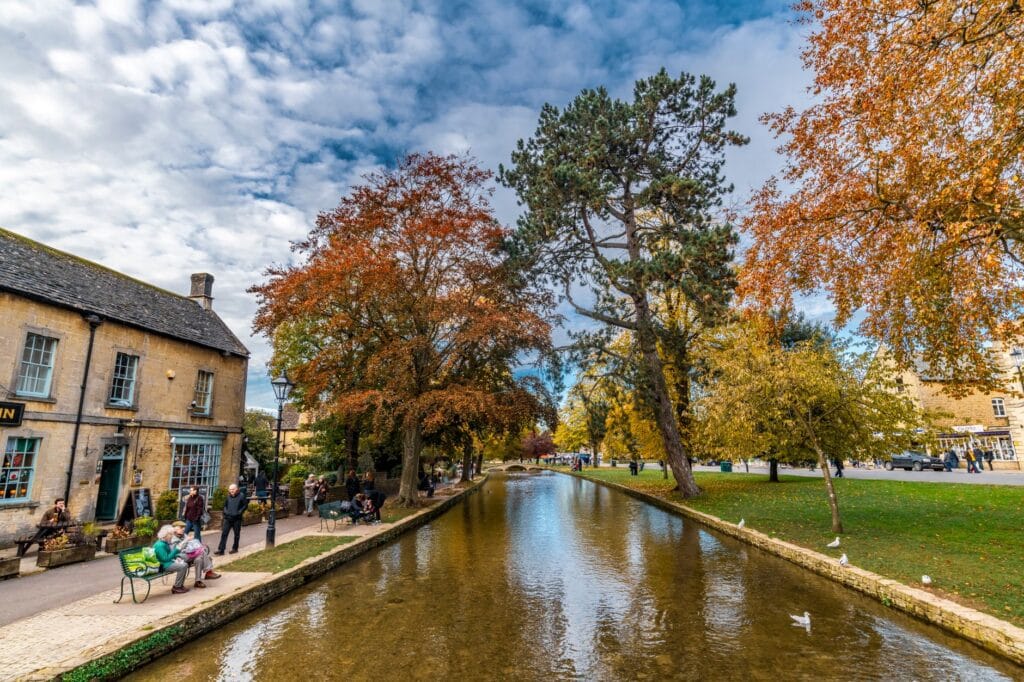
The village earned its nickname, the “Venice of the Cotswolds”, from the five low stone bridges that cross the River Windrush along the main street. It remains the single most recognisable image of the region.
Bourton is also the natural base for the wider Cotswolds, within easy reach of Bibury, Chipping Campden and the market town of Stow-on-the-Wold. For more of the towns riding this year’s staycation wave, see our full guide to UK staycations in 2026.
For deals on this and other domestic breaks, our UK breaks page is updated daily.
Bourton-on-the-Water at a glance
- RegionCotswolds National Landscape, Gloucestershire
- StationKingham, on the GWR line from London Paddington
- RoadA429 Fosse Way, via Cirencester or Stow-on-the-Wold
- BridgesFive low stone bridges over the River Windrush, built 1654 to 1953
- 2026 ranking10th, Sykes Staycation Index
- Peak seasonMay to September
Why Cotswolds holidays are trending in 2026
Bourton-on-the-Water’s 10th-place finish in the 2026 Sykes Staycation Index puts it alongside St Ives, Bamburgh and Grasmere. Those are among the destinations Britons say they most want to visit this year. It is one of only four entries on that list away from the sea, and the only one in the Cotswolds.
The village’s population sits at roughly 3,500, but around 300,000 visitors pass through every year. That ratio makes Bourton feel busier in July than most seaside towns at the height of summer.
That popularity isn’t new, but it has intensified. Cotswold District Council extended parking charges at the main Rissington Road car park to 8pm in late 2025, later than the previous 6pm cut-off.
The change was designed to stop cars occupying spaces meant for residents into the evening. Free parking before 10am was introduced at the same time to give locals priority in the morning.
The council has been explicit that the changes are a direct response to visitor volume. They also point to the litter and congestion that come with 300,000 people passing through a village of 3,500.
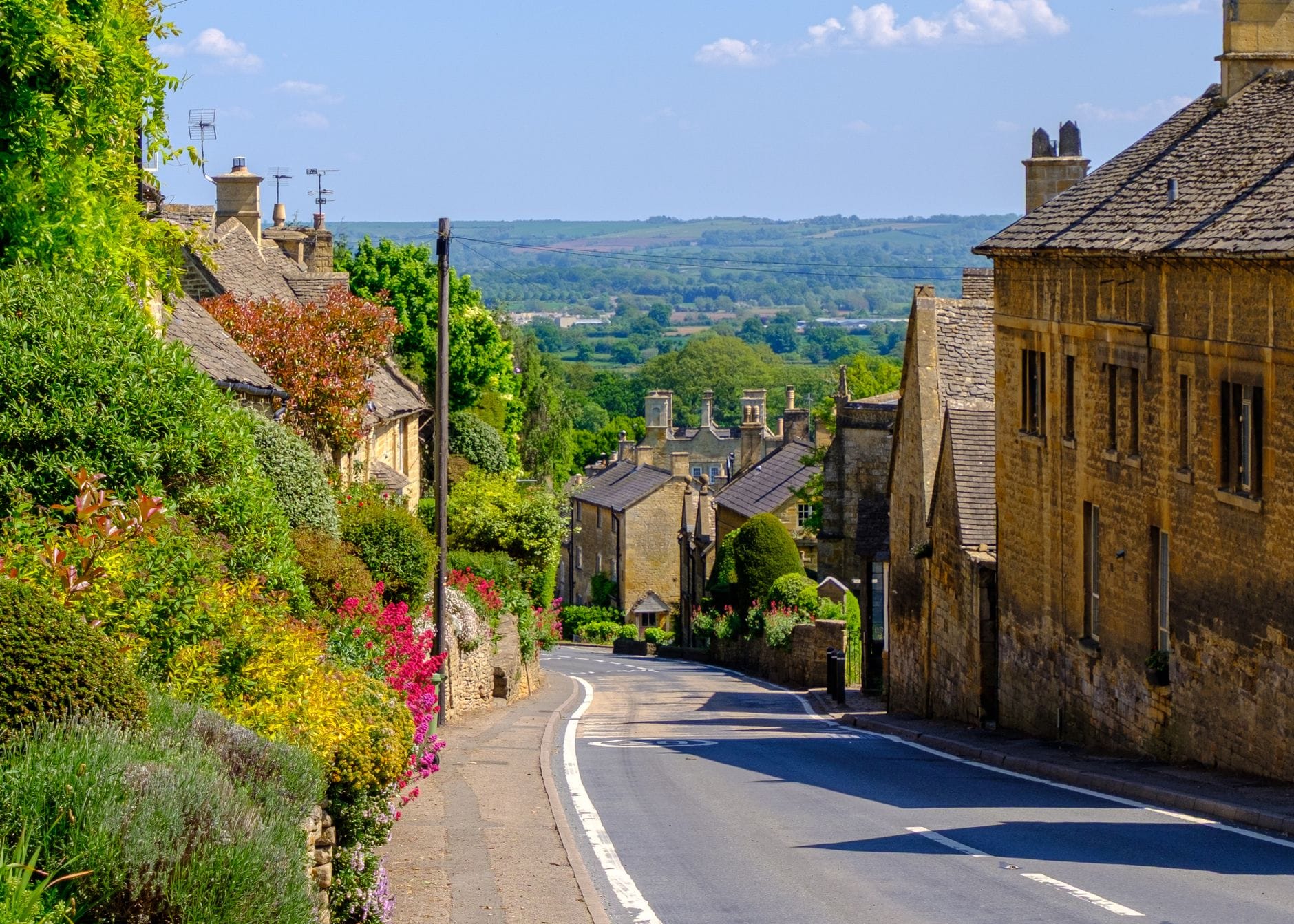
Bourton is the best-known name in the Cotswolds, but the region runs to dozens of villages built from the same golden limestone. Most of the appeal comes from wandering beyond the one everyone photographs.
Even so, the five arched bridges over the River Windrush, built between 1654 and 1953, are worth seeing.
The shallow water running along the main street gives the village a layout no other Cotswold town has.
Visit outside the peak midday hours in July and August, or come in shoulder season. The “Venice of the Cotswolds” tag makes a lot more sense then than it does at 1pm on a Saturday in high summer.
Things to do in Bourton-on-the-Water
Bourton rewards a slow morning walk along the Windrush before the coaches arrive. Follow that with one or two of the village’s paid attractions, then a short drive out to a neighbouring village in the afternoon.
| Attraction | Type | Why go |
|---|---|---|
| The Model Village | Miniature replica | A one-ninth scale model of Bourton itself, built in the 1930s in the grounds of the Old New Inn, right down to a tiny model of the model |
| Birdland Park & Gardens | Aviary & gardens | Home to England’s only breeding group of king penguins, alongside flamingos, toucans and birds of prey across nine acres |
| Cotswold Motoring Museum & Toy Collection | Museum | Vintage cars, caravans and the original Brum television car, housed in a converted watermill on the riverbank |
| River Windrush footbridges | Free, self-guided | Five low stone bridges span the shallow Windrush through the village centre, best walked early morning or early evening |
| Bibury | Day trip, 20 minutes by car | Home to Arlington Row, a terrace of 17th-century weavers’ cottages, in the village William Morris called the most beautiful in England |
William Morris called Bibury “the most beautiful village in England” after visiting in the 19th century. Arlington Row, a terrace of 17th-century weavers’ cottages converted from a monastic wool store, is the reason.
It gets busy in its own right, but nothing like Bourton’s midsummer crowds.
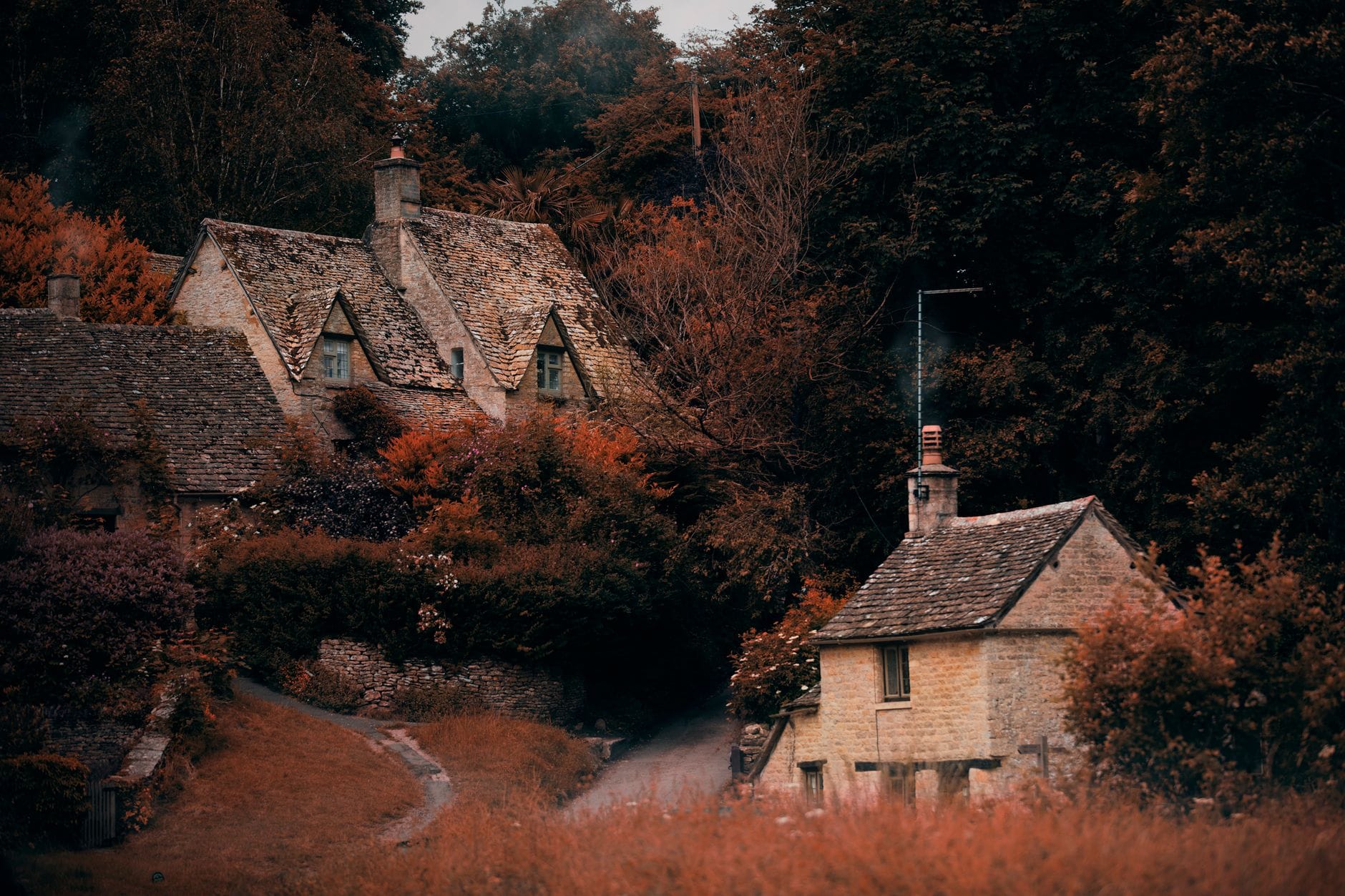
Beyond Bibury, Chipping Campden makes an easy addition to the same day out, around 12 miles north of Bourton. Its High Street is one of the best-preserved in England.
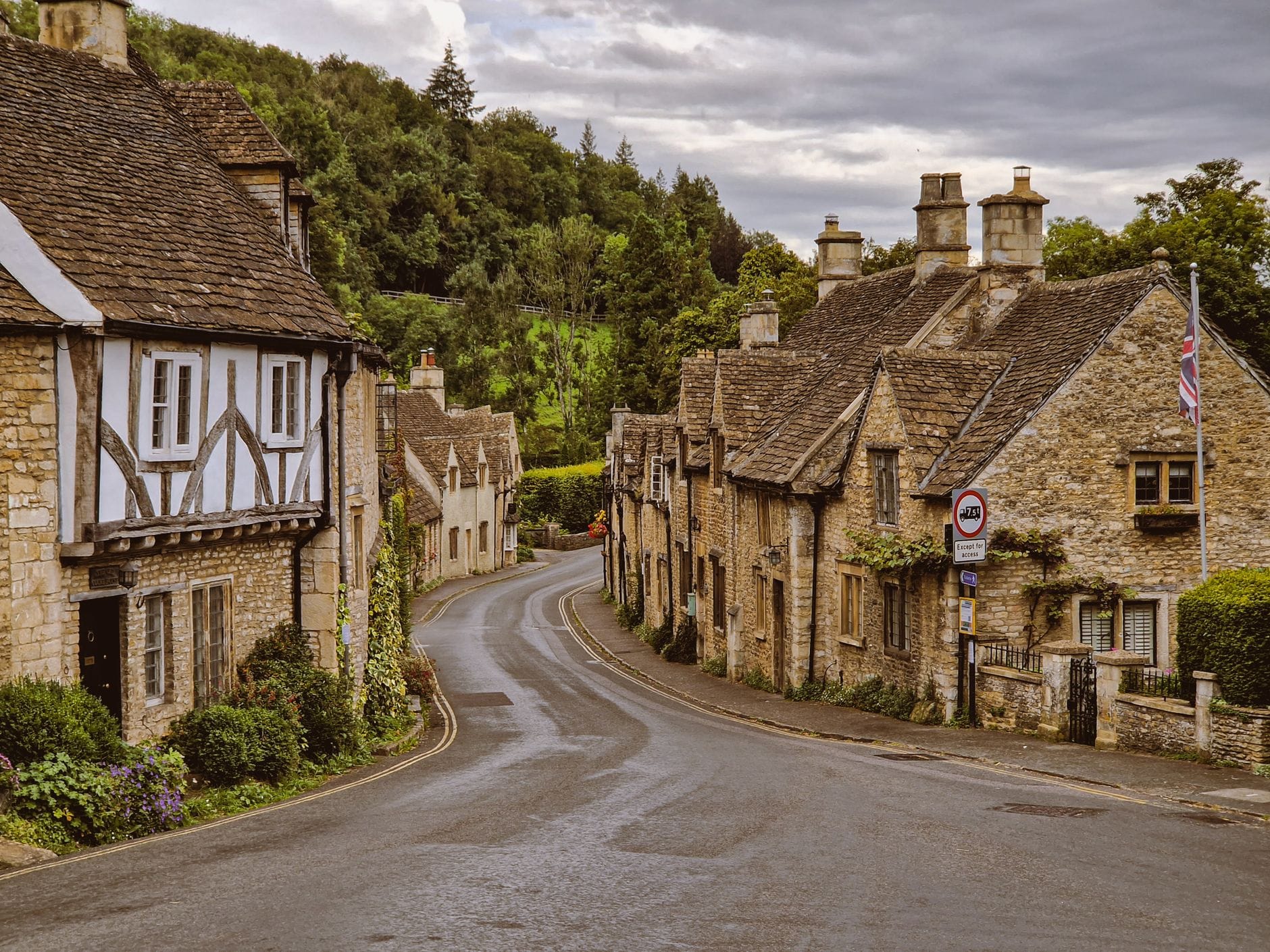
It’s a run of golden Cotswold stone buildings dating largely from its days as a medieval wool town. Castle Combe, over the county line in Wiltshire, is a longer drive but is regularly used as a film location for its unbroken medieval streetscape.
There’s no visible modern signage or overhead cables anywhere in the village centre.
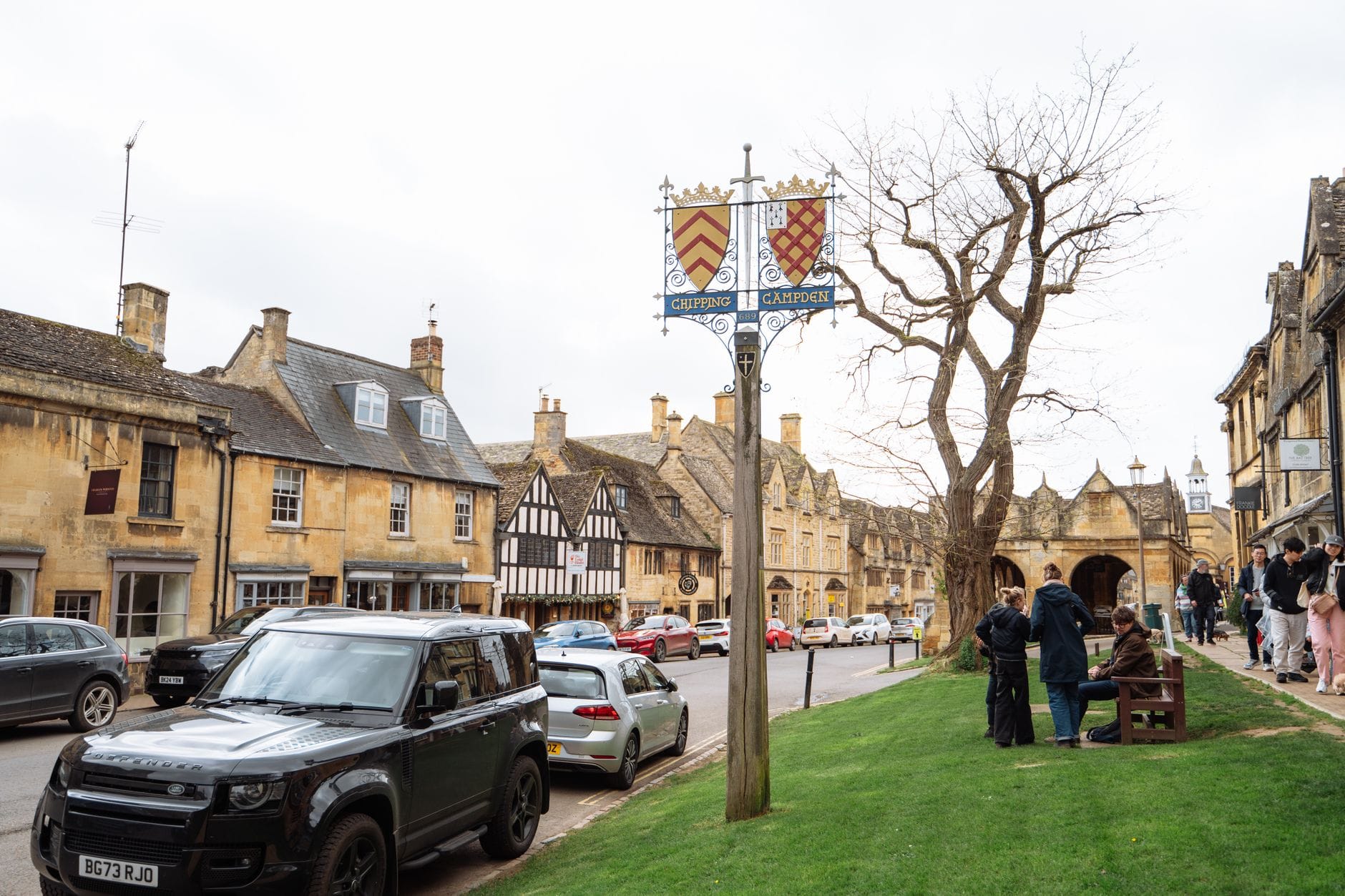
Chipping Campden’s High Street was built on the proceeds of the medieval wool trade. The Market Hall at its centre has stood since 1627.
It sees a fraction of Bourton’s visitor numbers despite being just as photogenic. That makes it a useful pressure valve on a busy day.
Where to eat in Bourton-on-the-Water
Bourton’s dining options cluster around the High Street and the river. The three picks below run from a quick coffee stop to a proper sit-down meal.
| Restaurant | Tier | Location | Why go | Book |
|---|---|---|---|---|
| The Den | Cafe Budget | Bourton village centre | Coffee, bagels and milkshakes, a reliable stop before the day’s attractions open | |
| The Mousetrap Inn | Gastropub Mid-range | Lansdown, a short walk from the village centre | A proper freehouse with rooms, known locally for its Sunday roast | |
| Venezia Italian Restaurant | Italian Worth it | Bourton-on-the-Water | Sit-down Italian menu, carbonara and steak dishes rated among the village’s best |
Where to stay in Bourton-on-the-Water
Bourton’s best beds sell out early for summer weekends, so book ahead for July and August. The three picks below cover a village-centre inn, a family-friendly hotel and a boutique stay worth the extra spend.
| Hotel | Tier | Location | Why book it | Book |
|---|---|---|---|---|
| Old Manse Hotel | Inn Budget | On the river, village centre | An 18th-century former manse, built in 1748, right on the Windrush and a short walk from every village attraction | |
| Chester House Hotel | Cotswold-stone hotel Mid-range | Village centre, Bourton-on-the-Water | A converted 17th-century Cotswold-stone building, a solid family base close to the river | |
| The Dial House | Boutique hotel Worth it | High Street, set back from the river | A 17th-century townhouse turned boutique hotel with its own walled garden and restaurant |
Getting to Bourton-on-the-Water
Bourton sits inland, away from any motorway, which is part of why it has kept its village character despite the visitor numbers. Plan the journey properly and it’s an easy trip from London or the Midlands either way.
Castle Combe sits about 40 miles south-west of Bourton, roughly an hour’s drive, over the Gloucestershire-Wiltshire border. It’s worth the detour if you have a car for the day. Its market cross and church both date to the 15th century.
Strict planning control means the village has no visible satellite dishes, overhead cables or road markings anywhere in the centre.
By train, Kingham is the closest mainline station, on the Great Western Railway route out of London Paddington. Direct trains take around 1 hour 25 minutes, with roughly 37 services a day. The quickest journeys come in closer to 1 hour 16 minutes.
Kingham station itself is about six miles from the village centre, so a taxi (roughly £20 to £25) or the local bus covers the last leg. Moreton-in-Marsh, on the Cotswold Line between Oxford and Hereford, is a similar option around 8.5 miles north.
By car, the A429 Fosse Way is the main route, running north to south through the Cotswolds. From Cirencester, follow the A429 north; from the north, the same road runs south through Stow-on-the-Wold. Bourton sits around 16 miles north of Cirencester.
From London, the M40 to Oxford, then the A44 and A424 via Chipping Norton, is the more direct route. That beats cutting across on the A429 from the south.
Best time to visit the Cotswolds
May to September is peak season, when the village is at its busiest and the surrounding countryside is at its greenest. Weekday visits and early mornings are noticeably quieter than weekend afternoons, even in summer.
April, October and the shoulder weeks either side of the school summer holidays are worth serious consideration. The village empties out considerably, parking is easier to find, and the Model Village and Birdland open almost every day of the year. The Motoring Museum opens from mid-February to early December.
Winter brings its own appeal too, with the river and bridges dusted in frost and none of the midday crowds.
For more on timing a UK trip for the best rates generally, our 50 tips for saving money on travel covers shoulder-season booking in more detail. If camping or glamping is more your pace, our best UK glamping sites guide includes several Cotswold options.
Frequently asked questions
Why is Bourton-on-the-Water called the Venice of the Cotswolds?
The nickname comes from the five low, arched stone bridges that cross the shallow River Windrush along the village’s main street. They were built between 1654 and 1953.
The water runs level with the pavement rather than below it, giving the village a layout unlike any other in the Cotswolds.
Why is Bourton-on-the-Water trending as a UK staycation destination in 2026?
Bourton ranked 10th in the Sykes Cottages Staycation Index for 2026, the only Cotswolds destination in the top ten. It sits alongside St Ives, Bamburgh and Grasmere on the list of places Britons most want to visit this year.
Is Bourton-on-the-Water busy with tourists?
Yes. Around 300,000 visitors pass through each year against a resident population of roughly 3,500, and the village can feel crowded around the main bridges in the middle of a summer day. Early mornings, weekdays and the shoulder seasons are noticeably quieter.
How do you get to Bourton-on-the-Water by train?
The nearest mainline station is Kingham, on the Great Western Railway route from London Paddington, around 1 hour 25 minutes away. From Kingham it’s roughly six miles to the village centre by taxi or local bus.
What other Cotswold villages are worth visiting near Bourton-on-the-Water?
Bibury, about 20 minutes away by car, is home to Arlington Row, a terrace of weavers’ cottages. William Morris called Bibury the most beautiful village in England. Chipping Campden, around 12 miles north, has one of the best-preserved medieval High Streets in the country.
What is the best time of year to visit the Cotswolds?
May to September is peak season and the busiest time to visit. April, October and the weeks either side of the summer school holidays offer a quieter village with the same attractions open. Winter brings a different, frost-covered version of the same bridges and river.
For more UK and international destination guides, see the full Flight Tribe destination guides hub.

Kate Acaster is Chief Editor at Flight Tribe. She writes about practical travel planning, budget airlines, baggage rules, city breaks, beach holidays and good hotels that do not cost daft money.
Kate has travelled through Europe, South America and beyond, usually with a notebook, a half-formed plan and a strong opinion on airport snacks. At Flight Tribe, her work focuses on helping UK travellers understand what is included, what costs extra, and whether a trip is worth booking at the price shown.
How Kate works
Kate checks the details that can change the value of a trip, including cabin-bag rules, airline fees, hotel location, seasonality, travel dates and booking conditions. She is especially interested in offers that look useful on the surface but need a proper reader-first check before they are worth recommending.
Editorial standards
Flight Tribe covers deals and travel advice for readers first. Affiliate links do not decide whether an offer is worth writing about.