Published 18 July 2026 | Updated 13 October 2026 by Kate Acaster
A Scottish Highlands holiday usually starts in Edinburgh. The city had more than 5 million overnight visits in 2024, VisitScotland’s most recent figures show, more than any other UK city outside London.
Advertisement
Most of those visitors come for the castle, the Royal Mile and the festivals. But Edinburgh is also the real starting point for a Scottish Highlands holiday. Coach tours to Loch Ness and Glencoe leave the city most mornings.
The whole of the Cairngorms, the UK’s largest national park at 4,528 square kilometres, sits a few hours’ drive north.
For more of the towns riding the staycation wave, see our full guide to UK staycations in 2026. For deals on this and other domestic breaks, our UK breaks page is updated daily.
Edinburgh at a glance
- RegionCapital of Scotland, gateway to the Highlands
- StationEdinburgh Waverley, on the LNER East Coast line from London
- RoadA1 from the south-east, M8/M9 from Glasgow and the west
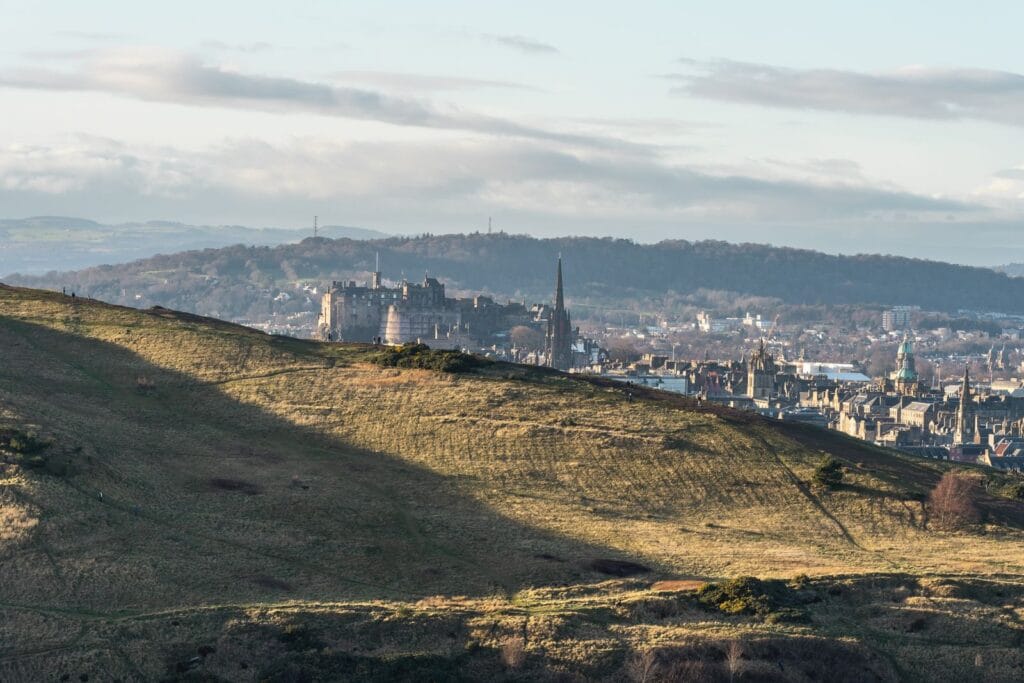
- LandmarkEdinburgh Castle, on Castle Rock above the Old Town
- Highlands accessCairngorms National Park, about 2.5 hours’ drive north
- Peak seasonAugust (Fringe) and late December (Hogmanay)
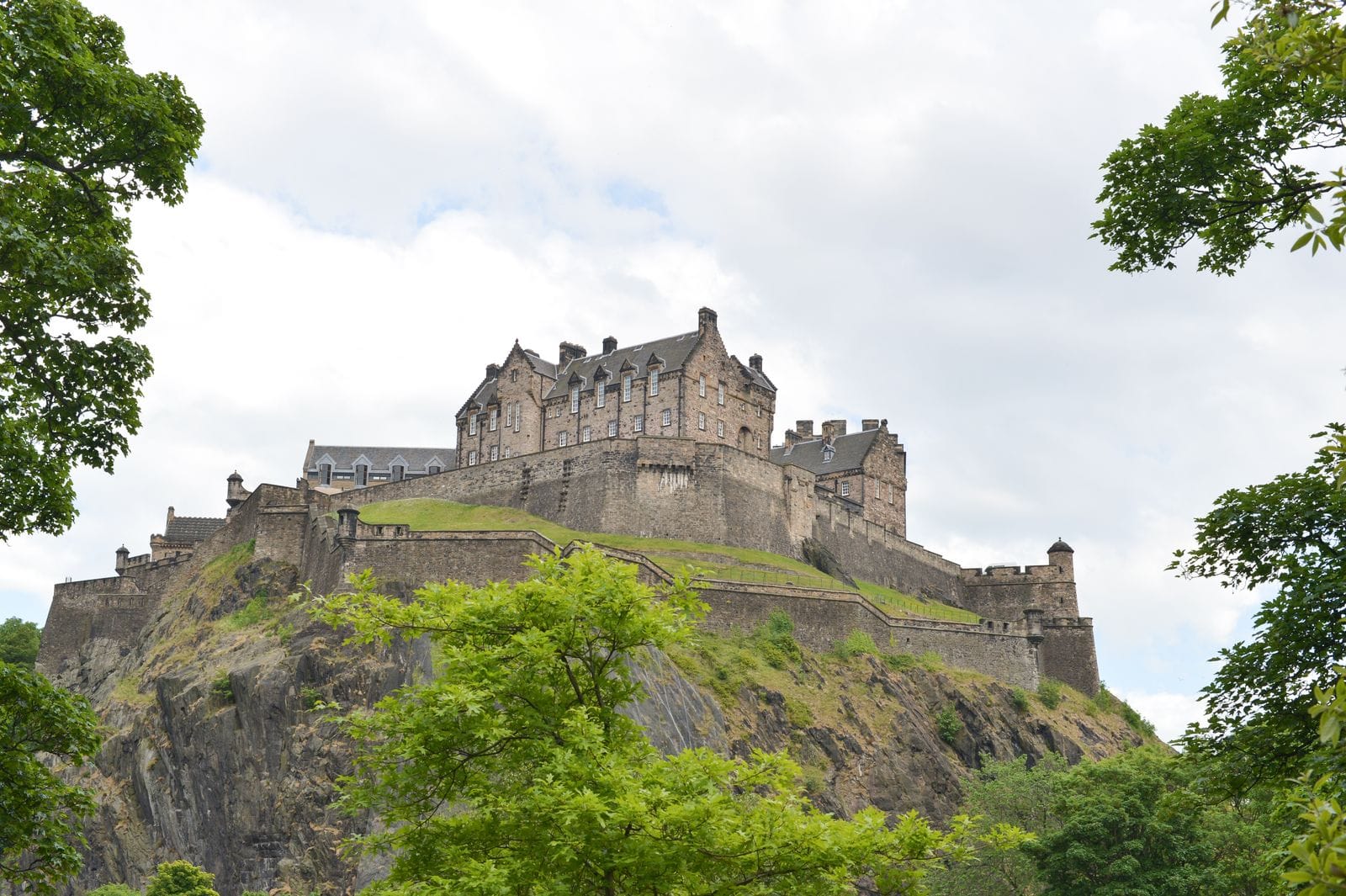
Edinburgh Castle sits on Castle Rock, an extinct volcanic plug that has been fortified since at least the 12th century. It’s the most visited paid attraction in Scotland.
The One O’Clock Gun still fires at 1pm every day except Sundays, Good Friday and Christmas Day. It’s a tradition that dates back to 1861, when it let ships in the Firth of Forth set their marine clocks.
Why a Scottish Highlands holiday is trending
Edinburgh and the Lothians took in £2,659 million from overnight visitors in 2024, the latest year VisitScotland has published in full. Domestic UK visitors accounted for 2.79 million of the region’s overnight trips.
That makes Edinburgh the single biggest UK staycation draw outside London by visitor spend, well ahead of anywhere else in this cluster.
What has changed is the framing. Edinburgh has always sold itself as a city-break destination, castle and festivals first.
Tour operators including Rabbie’s, Timberbush and Highland Experience now run daily small-group coaches from central Edinburgh to Loch Ness and Glencoe. That means a Highlands trip no longer needs a hire car, a second hotel booking or a week off work.
You can do Edinburgh and the Highlands on one trip. That’s exactly the kind of two-in-one staycation that’s pulling bookings away from a single foreign city break.
Things to do in Edinburgh and the Highlands
Edinburgh’s big three attractions sit within walking distance of each other in the Old Town. The other big day out means leaving the city altogether.
| Attraction | Type | Why go |
|---|---|---|
| Edinburgh Castle | Historic castle | Scotland’s most visited paid attraction, on Castle Rock above the Old Town, home to the Crown Jewels and the One O’Clock Gun |
| Royal Yacht Britannia | Former royal yacht | The Royal Family’s floating home for over 40 years, now moored at Ocean Terminal in Leith with a self-guided audio tour |
| Arthur’s Seat | Free, extinct volcano | A one to two-hour walk from Holyrood Park to the summit, with the best free view over the whole city and the Firth of Forth |
| National Museum of Scotland | Free museum | Chambers Street, a rainy-day fallback that easily fills half a day, from Dolly the sheep to a full Scottish history wing |
| Loch Ness, Glencoe & the Highlands day tour | Coach day trip | Departs central Edinburgh around 7.45am to 8am, returns about 8pm, covering Loch Ness, Glencoe and the Highlands in a single day without a hire car |
Below the castle, the Royal Mile runs downhill through the Old Town to the Palace of Holyroodhouse. It’s lined with closes, wynds and the kind of tenement buildings that have made this stretch a UNESCO World Heritage Site since 1995.
It’s busiest in August during the Fringe, when street performers and flyering take over the whole length of the street. It’s quietest first thing on a weekday morning, before the tour groups arrive.
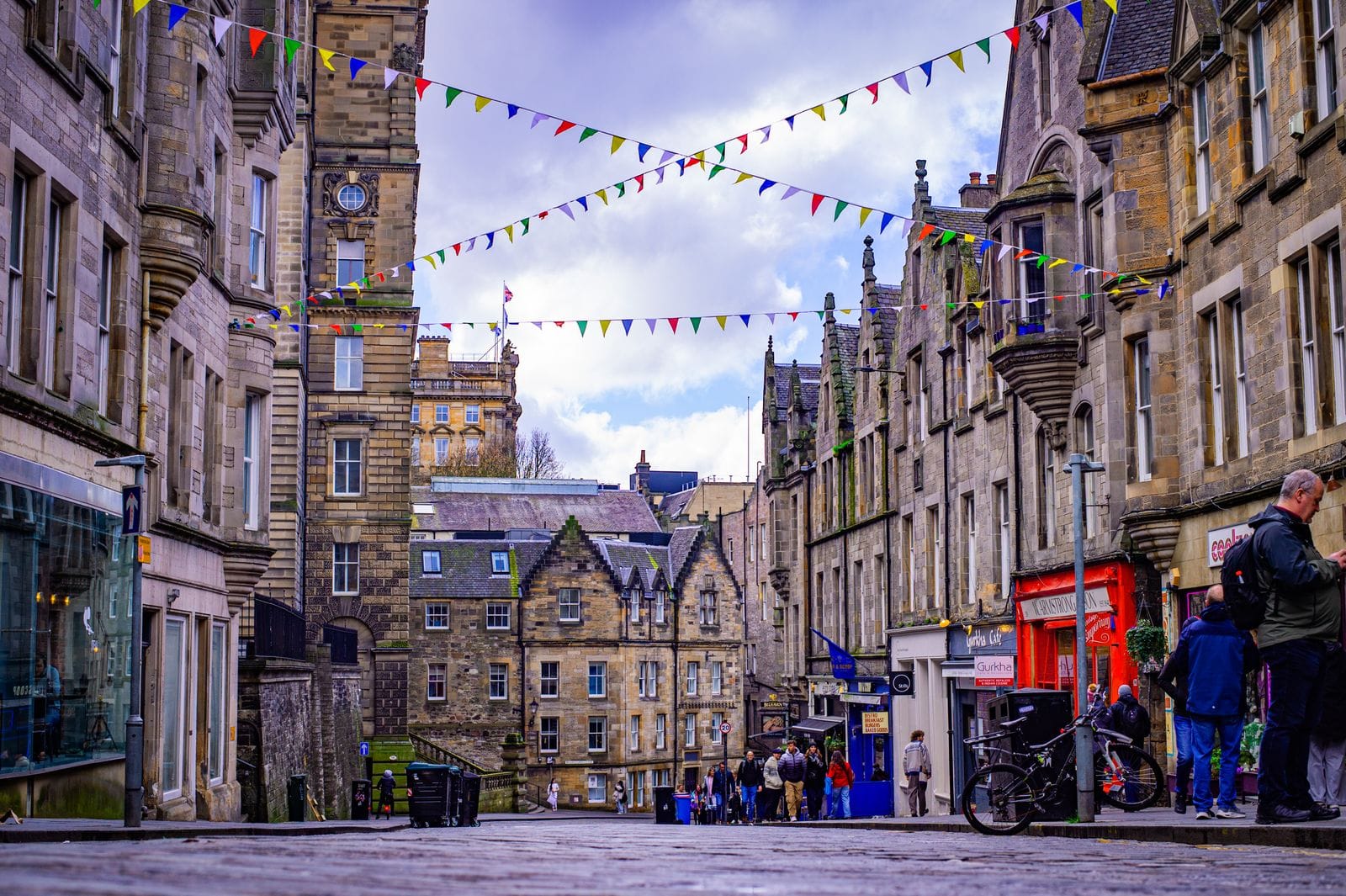
Victoria Street, just off the Royal Mile, is the Old Town’s most photographed side street. It’s a curved row of independent shops in pink, yellow and blue-fronted buildings that’s said to have inspired Diagon Alley.
It’s also home to Oink, one of the picks below for a cheap Edinburgh lunch.
Where to eat in Edinburgh
Edinburgh’s dining scene stretches from grab-and-go rolls on Victoria Street to a Michelin-starred tasting menu in Leith. The three picks below cover that range.
| Restaurant | Tier | Location | Why go | Book |
|---|---|---|---|---|
| Oink | Hog roast rolls Budget | Victoria Street, Old Town | A whole hog roasted daily and carved to order into a filled roll, an Old Town institution | |
| Angels with Bagpipes | Scottish kitchen Mid-range | Royal Mile, opposite St Giles’ Cathedral | Contemporary Scottish dishes and a proper wine list, right on the Royal Mile without feeling like a tourist trap | |
| The Kitchin | Michelin-starred Worth it | Leith, Edinburgh’s waterfront district | A one-Michelin-star tasting menu built on Scottish produce, chef Tom Kitchin’s “nature to plate” signature |
Where to stay in Edinburgh
Edinburgh hotel prices spike hard during August, so book early if a Fringe trip is the plan. The three picks below run from a budget design hotel to Edinburgh’s most famous address.
| Hotel | Tier | Location | Why book it | Book |
|---|---|---|---|---|
| Motel One Edinburgh-Royal | Design hotel Budget | Market Street, Old Town | A budget design chain with a central Old Town location, a short walk from Waverley station | |
| Malmaison Edinburgh | Boutique hotel Mid-range | Leith waterfront | A converted seamen’s mission on the Leith waterfront, walking distance from the Royal Yacht Britannia and The Kitchin | |
| The Balmoral | 5-star landmark Worth it | Above Waverley station, Princes Street | Edinburgh’s clock-tower landmark, a Rocco Forte hotel that’s arguably the single most recognisable address in the city |
Getting to Edinburgh and the Highlands
Edinburgh is one of the easiest Scottish cities to reach without a car. The Highlands trip itself needs no more planning than booking a seat on a coach.
By train, LNER runs direct services from London King’s Cross to Edinburgh Waverley roughly every 30 minutes through the day. The fastest journey takes about 4 hours.
Waverley station sits directly beneath The Balmoral, between the Old Town and the New Town, so there’s no separate transfer into the city centre.
If you’re driving north from Cumbria or the Lake District, the M6 and A74(M) carry you into Scotland, and the A702 runs on to Edinburgh. See our Lake District guide if you’re planning to break the journey on the way up.
Glencoe is around 2.5 hours’ drive from Edinburgh by car. It’s the standard stop on the Loch Ness, Glencoe and the Highlands coach day tour.
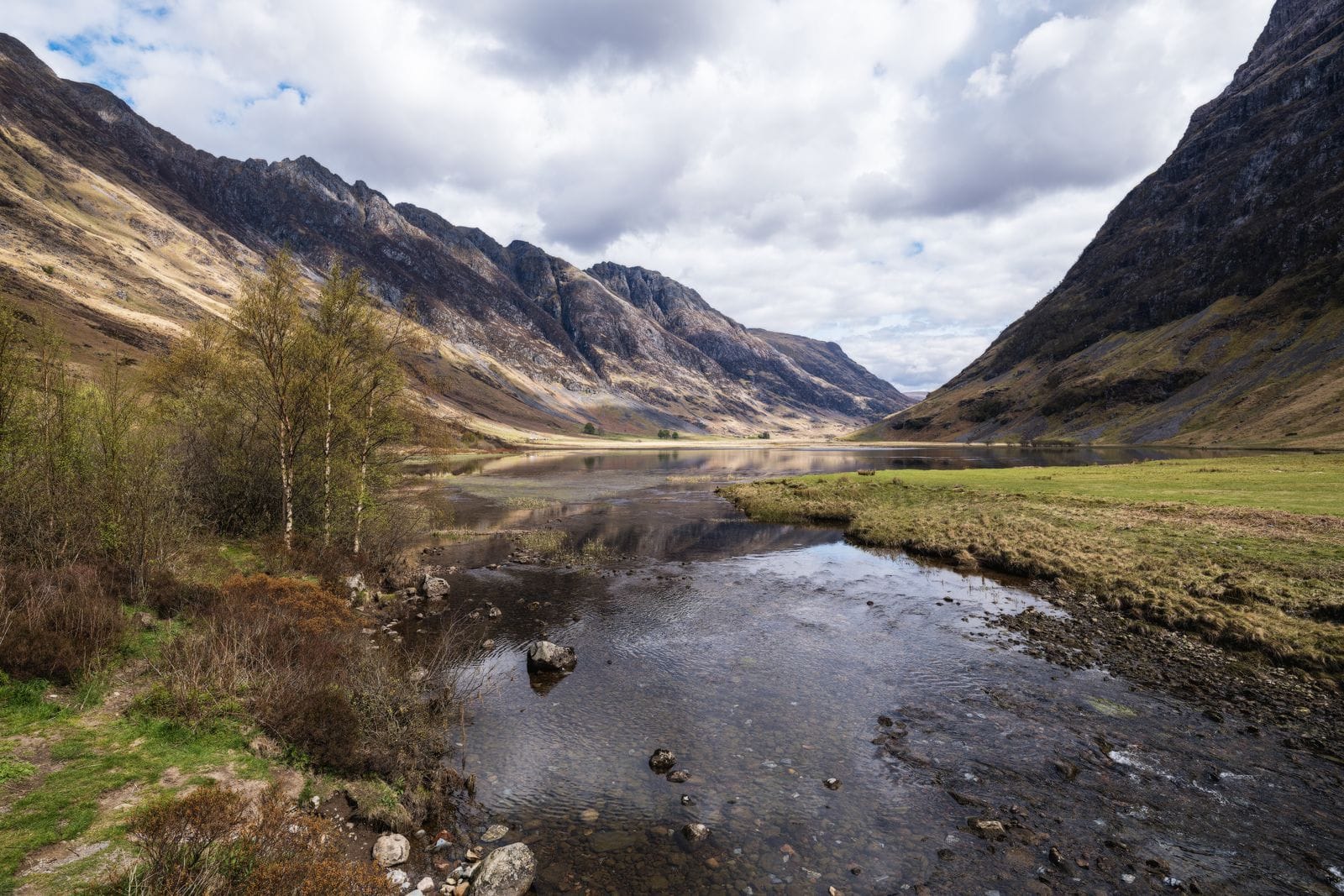
The glen was the site of the 1692 massacre of Clan MacDonald. It’s one of the most photographed valleys in Scotland, framed by the Three Sisters mountains on one side and Aonach Eagach on the other.
If you’d rather go without a hire car, small-group operators including Rabbie’s, Timberbush and Highland Experience all run daily coaches to Loch Ness and Glencoe from central Edinburgh. Rabbie’s leaves from Edinburgh Bus Station and Timberbush from Castle Terrace. Coaches typically depart around 7.45am and return by 8pm.
It’s a long day on the road. But it covers roughly 360 miles of road and Highlands scenery that would otherwise need an overnight stay to reach.
Best time to visit Edinburgh and the Highlands
May, June and September tend to bring the most reliable weather and noticeably fewer midges than peak summer. The Highlands’ long daylight hours stay intact too.
The Cairngorms and Glencoe change character with the seasons. They’re green and midge-heavy in high summer, gold and russet in autumn, and snow-capped from November through to early spring. Some higher roads close in winter, when daylight runs short.
The Edinburgh Festival Fringe runs through August. The 2027 Fringe is planned for 6 to 30 August. It’s both the best and the most crowded time to be in the city, with thousands of shows and street performance the length of the Royal Mile.
Hotel prices climb well above the rest of the year. Booking well ahead, or visiting in the shoulder months either side, keeps costs closer to a typical UK city break.
Our budget travel guide has more on timing a trip for less.
Frequently asked questions
Why is Edinburgh a good base for a Scottish Highlands holiday?
Edinburgh had more than 5 million overnight visits in 2024, VisitScotland’s figures show. Day tours to Loch Ness and Glencoe leave the city centre most mornings, many before 8am. That combination of city and Highlands access in one trip is the main appeal.
Can you visit the Scottish Highlands from Edinburgh in a day?
Yes. Small-group coaches to Loch Ness, Glencoe and the wider Highlands leave central Edinburgh most mornings and return the same evening, covering around 360 miles round trip. Operators such as Timberbush and Highland Experience charge from about £56 to £65 per adult for the full day.
How do you get to Edinburgh from London?
LNER runs direct trains from London King’s Cross to Edinburgh Waverley roughly every 30 minutes, with the fastest journey taking about 4 hours. Flying takes around 1 hour 20 minutes, though airport transfer time at both ends narrows the real-world gap.
What is the best time to visit the Scottish Highlands?
May, June and September offer the most reliable weather and fewer midges than peak summer, while the mountains and glens look different in every season. Winter brings snow-capped scenery but shorter daylight and some closed roads, so check conditions before travelling.
Is Edinburgh expensive for a UK staycation?
It can be, especially during the Edinburgh Festival Fringe (planned for 6 to 30 August 2027), when hotel prices spike across the city. Visiting in spring or autumn, or booking well ahead of August, keeps costs closer to a typical UK city break.
What is there to do in Edinburgh Old Town?
Edinburgh Castle, the Royal Mile and Arthur’s Seat are the three big draws, all within walking distance of each other in the Old Town. The Royal Yacht Britannia and National Museum of Scotland are both a short trip away and worth a half-day each.
For more UK and international destination guides, see the full Flight Tribe destination guides hub.

Kate Acaster is Chief Editor at Flight Tribe. She writes about practical travel planning, budget airlines, baggage rules, city breaks, beach holidays and good hotels that do not cost daft money.
Kate has travelled through Europe, South America and beyond, usually with a notebook, a half-formed plan and a strong opinion on airport snacks. At Flight Tribe, her work focuses on helping UK travellers understand what is included, what costs extra, and whether a trip is worth booking at the price shown.
How Kate works
Kate checks the details that can change the value of a trip, including cabin-bag rules, airline fees, hotel location, seasonality, travel dates and booking conditions. She is especially interested in offers that look useful on the surface but need a proper reader-first check before they are worth recommending.
Editorial standards
Flight Tribe covers deals and travel advice for readers first. Affiliate links do not decide whether an offer is worth writing about.