Published 17 June 2025 | Updated 13 October 2026 by Kate Acaster
15 hours in a metal tube at 35,000 feet does not have to be an ordeal. Most passengers land tired and dehydrated not because long-haul flying is inherently punishing, but because they arrived underprepared. A few decisions made before you get to the airport make a significant difference.
Advertisement
These tips focus on what UK travellers specifically need to know: UK airport lounges, UK261 compensation rights, codeshare baggage pitfalls, and the practical details that generic advice often misses. Whether you’re heading to New York, Dubai, Bangkok, or further, the same principles apply.
If you’re still deciding on a destination, our where’s hot each month guide covers the best weather options for every time of year.
Before you book
Tip 1: Choose your seat as soon as you book. Most airlines assign you a random seat if you don’t select one. On a 10-hour flight, that could mean a middle seat two rows from the toilets. Check a seat-map site such as aeroLOPA before booking to identify which rows on your specific aircraft have reduced recline or less-than-standard legroom. On British Airways, Economy passengers can choose a seat free when check-in opens 24 hours before departure. Paying to choose at booking costs from around £20 for a standard long-haul seat, and more for exit rows or busy routes. On most Gulf carriers and Virgin Atlantic, basic seat selection is available at booking for free or a small charge, and it’s almost always worth paying.
| Seat | Best for | Watch out for | Verdict |
|---|---|---|---|
| Window | Sleeping, views, no disturbance | Trapped when neighbours are asleep | Best for solo sleep Recommended |
| Aisle | Easy access, stretching legs | Trolley bumps; disrupted sleep | Best for restless flyers Recommended |
| Middle | Travelling in a group of three | No view, no easy exit, last on | Avoid if possible Last resort |
| Exit row | Extra legroom at low or no cost | No under-seat storage, fixed armrests | Best value upgrade Check at check-in |
Tip 2: Check whether a stop is actually worth it. A one-stop itinerary can save £200-400 on a long-haul return from the UK, particularly to Asia and North America. But a 14-hour journey with a tight 90-minute connection is not the same as a 14-hour direct. Check the actual elapsed time, including the connection, not just the individual flight durations. If a one-stop adds more than three hours door-to-door, the saving needs to be significant to justify the risk and inconvenience.
Tip 3: Read the baggage policy before you book, not after. Codeshare flights, operated by one airline but sold under another’s booking code, catch a lot of UK passengers. If you book through British Airways but the operating carrier is Iberia, the baggage rules of the operating carrier apply on the flight itself. On most long-haul Economy fares, at least one 23kg hold bag is included. But basic economy and light fares often exclude hold luggage entirely. Read the fare conditions before you pay, not during online check-in.
What to pack for a long-haul flight
Tip 4: Build a dedicated long-haul hand-luggage kit. Pack a small pouch that stays in your seat pocket or on your tray table throughout the flight. The aim is to avoid opening the overhead locker every hour. It should include: earphones, eye mask, lip balm, a small face mist, paracetamol, a water bottle, and your phone charger cable. Keep your passport in there too if the airline asks for it during the flight, which happens on some carriers for immigration documentation.
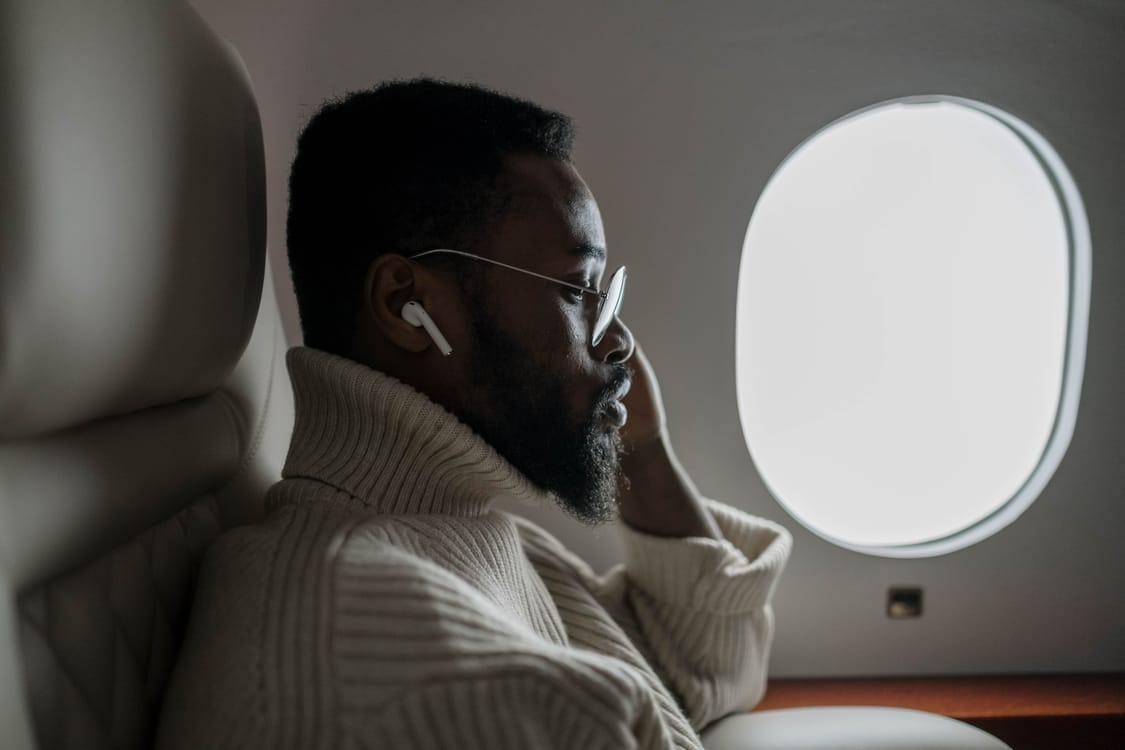
The right equipment makes a genuine difference on a 10-12 hour flight. A good pair of noise-cancelling headphones eliminates the constant engine drone; a compact inflatable neck pillow is worth far more in practice than the premium models sold in airport shops. Download your own entertainment too. Most carriers have reasonable in-flight libraries, but they’re unreliable for anything specific, and Wi-Fi quality still varies a lot by airline and aircraft.
Tip 5: Download entertainment before you leave home, not at the airport. Most long-haul carriers have seat-back screens with reasonable libraries. But airlines such as Qatar and Emirates have strong selections; British Airways and Virgin Atlantic have smaller ones. For anything specific, download it yourself before you leave. In-flight Wi-Fi is improving fast. Emirates and Qatar Airways now offer free Starlink Wi-Fi to every passenger on fitted aircraft, and British Airways is fitting free Starlink Wi-Fi across its fleet. On older aircraft it can still be slow or cost extra, so don’t count on it for streaming.
Tip 6: Dress for the temperature, not the occasion. Cabin temperature on long-haul flights typically runs between 20-22°C but drops significantly when passengers sleep, then rises again when meals are served. Both can happen on the same overnight flight. Wear layers: a long-sleeved base, a mid-layer, and something with a hood. Compression socks are worth wearing on any flight over six hours; they’re available from Boots airside if you forget to pack them.
| Item | Why it matters | Where to get it |
|---|---|---|
| Noise-cancelling headphones | Cabin noise runs at ~85dB over 10+ hours | Currys, Amazon, John Lewis |
| Eye mask | Blocks cabin lighting and screen glow | Airport shop or bring from home (~£3-8) |
| Inflatable neck pillow | Supports head during upright sleep | Amazon (~£8); avoid airport shops |
| Compression socks | Reduces DVT risk on flights over 6 hours | Boots, airside, or pack your own (~£8-15) |
| Refillable water bottle | Cabin humidity is 10-20%; water is often scarce between services | Any reusable bottle from home |
| Lip balm and face mist | Low humidity dries skin and lips noticeably | Boots, Superdrug, or pack from home |
| Phone charger cable | Most long-haul seats have a USB port | Bring from home |
At the airport
Tip 7: Lounge access is cheaper than most passengers assume. You don’t need a business class ticket. Most UK international airports have at least one pay-per-use lounge where you pay a flat fee, typically around £30 to £60 per person, less if you book ahead, for a buffet meal, unlimited drinks, and a quieter place to wait. Priority Pass is worth considering if you fly long-haul more than twice a year; several UK bank accounts and credit cards include it as a standard benefit. Booking online in advance is almost always cheaper than walk-in prices.
| Airport | Lounge | Walk-in from | Includes |
|---|---|---|---|
| Heathrow T2/T3 | Aspire Lounge | ~£35 | Buffet, bar, WiFi, showers |
| Heathrow T5 | Club Aspire / Plaza Premium | ~£40 | Premium food, bar, showers |
| Gatwick South | No1 Lounge | ~£35 | Buffet, bar, WiFi |
| Manchester T2/T3 | Escape Lounge / Aspire | ~£30 | Buffet, drinks, WiFi |
| Birmingham | Aspire Lounge | ~£28 | Snacks, drinks, WiFi |
| Edinburgh | No1 Lounge | ~£28 | Snacks, drinks, WiFi |
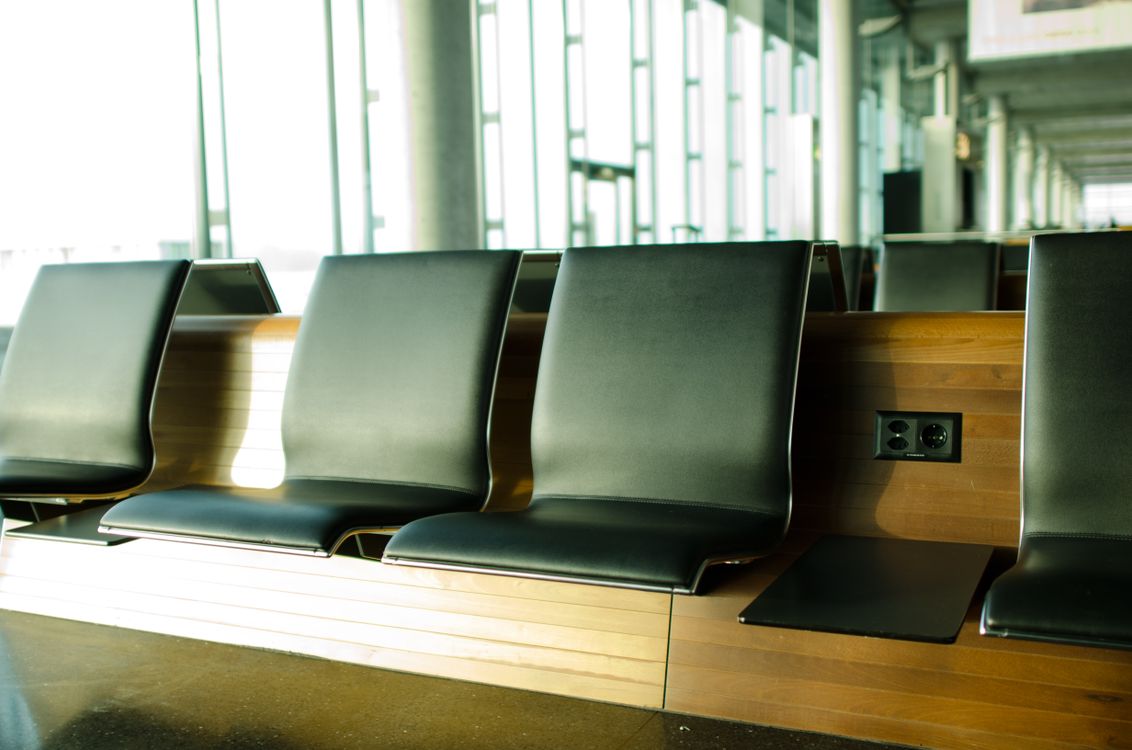
Most UK airports have at least one pay-per-use lounge, and the prices are lower than many passengers assume. A buffet meal, unlimited drinks, and a quieter space to wait for around £30 to £50 booked ahead is often better value than eating airside at standard airport prices. If you travel long-haul more than twice a year, a Priority Pass membership is worth calculating. Several UK credit cards, including American Express Platinum and some HSBC and Lloyds premium cards, include lounge access as a standard benefit.
Tip 8: Check in online and give yourself time at the airport. Most UK airports recommend arriving three hours before a long-haul departure. Heathrow can have long security queues during morning peak slots, particularly at Terminal 5. Check in online as soon as it opens, usually 24 hours before departure, download your boarding pass to your phone, and review your seat one more time. If you’re checking a hold bag, allow extra time for bag drop. Finding the cheapest day to book and then checking in efficiently means you’ve done the hard work at each end.
On the plane
Tip 9: Drink water, not alcohol. Cabin air has a humidity of around 10-20%, compared with 40-60% in most indoor environments on the ground. You lose moisture faster than you’d notice from sweat signals alone. Aim for around 250ml of water per hour. Alcohol dehydrates you and disrupts sleep quality; one glass of wine on a long-haul flight is unlikely to cause problems, but drinking through a night flight and expecting to sleep well is a mistake. Coffee and tea are mild diuretics and have the same effect if you’re trying to sleep.
Tip 10: Get up and move every hour or so. Deep vein thrombosis is a blood clot that forms in the leg when circulation is restricted by prolonged sitting. Journeys of four hours or more raise the risk. The NHS recommends moving your legs regularly and walking the aisle when possible on flights over four hours. Most carriers include in-seat exercise guides in their safety materials. Compression socks reduce the risk further. If you have a history of blood clots, speak to your GP before flying.
Tip 11: Set your watch to the destination’s time zone on takeoff. This is the single most effective jet lag prevention you can do before you land. It shifts your reference point early and lets you make sleep and eating decisions relative to where you’re going. If you’re flying to New York on a daytime flight, stay awake on board and go to bed at local bedtime when you land. If you’re flying to Bangkok and local time there is already 2am, try to sleep straight away.
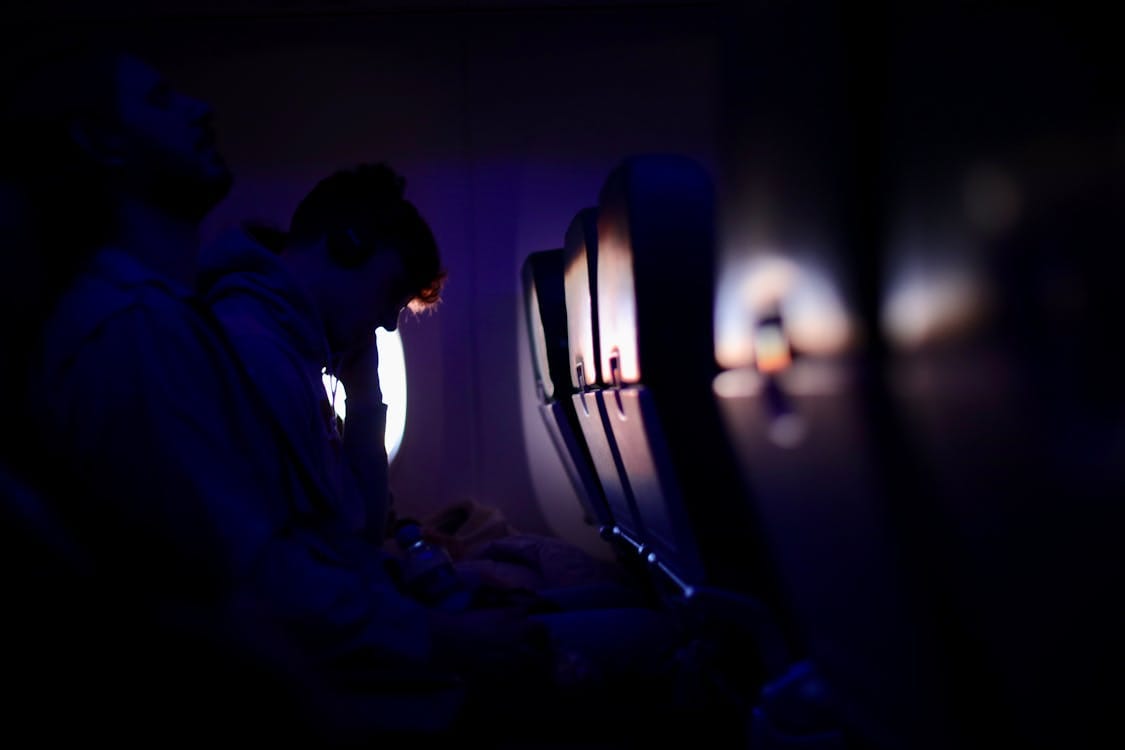
Sleeping on a long-haul flight is possible with the right preparation. Set your watch to the destination time zone as soon as you board. Avoid alcohol, which disrupts sleep quality even when it feels like a sedative. A proper sleep kit matters more than most people expect: eye mask, earplugs or noise-cancelling headphones, and a neck pillow for head support. If you’re flying overnight, try to sleep for at least four hours relative to your destination’s night time, not the departure city’s.
Tip 12: Bring a proper sleep kit. An eye mask, earplugs, and a compact neck pillow make a genuine difference on a long overnight flight. The neck pillows sold in airport shops for £25 are overpriced and bulky. An inflatable model from Amazon costs around £8 and fits in a trouser pocket. Most airlines provide a blanket in Economy on long-haul routes; a few, including some budget long-haul carriers, charge for them. Check in advance if you’re on a carrier you haven’t flown before.
Entertainment and noise
Tip 13: Noise-cancelling headphones are worth the investment. A commercial aircraft generates constant ambient noise at around 85 decibels, broadly comparable to a busy road. Over 10-12 hours, that noise level causes fatigue by itself. A quality pair of noise-cancelling headphones removes most of it. The Sony WH-1000XM6, Bose QuietComfort Ultra and Apple AirPods Max are among the leading options. They’re not cheap, but if you take two or three long-haul flights a year, the difference in how you arrive is noticeable. Most fold flat and fit in a standard daypack.
Arriving in good shape
Tip 14: Stay awake until local bedtime on arrival. Jet lag is caused by your body clock being out of step with local time. The fastest way to reset it is to anchor your sleep to local time from the moment you land. If you land in Bangkok in the afternoon after an overnight flight from London, sleep on the plane, stay awake through the evening, and go to bed at a normal local bedtime. Difficult, particularly after a poor night on the plane. But it works faster than anything else.
Melatonin is a prescription-only medicine in the UK. A GP can prescribe it as a short-term treatment for jet lag in adults, taken at local bedtime for the first two or three nights, though it may not be available on the NHS. It won’t eliminate jet lag but it does help anchor your sleep timing in the new zone. If you’re planning a long trip and need to hit the ground running, it’s worth trying on a shorter journey first to check your response.
The first day after a long-haul flight is when most people make jet lag worse by napping too early. If you arrive in the morning or afternoon local time, stay awake and get outside in natural daylight. Your body clock resets faster with light exposure than with anything else. Melatonin, which needs a prescription in the UK, can help anchor your sleep on the first two or three nights in a new time zone. The key is taking it at local bedtime, not before the flight.
Know your rights as a UK passenger
Tip 15: Know what you’re owed under UK261. UK Regulation 261/2004, now enshrined in domestic law, gives UK passengers legally enforceable rights when flights are delayed or cancelled. The right to compensation kicks in when you arrive three or more hours late and the cause was within the airline’s control. The two-hour mark on short flights triggers meals and refreshments, not compensation. Extraordinary circumstances, including severe weather, air traffic control strikes, and bird strikes, exempt the airline from paying compensation, though you retain the right to care and to a refund if the flight is cancelled.
If an airline rejects your claim, take it to the Civil Aviation Authority (CAA) or an approved alternative dispute resolution scheme. You don’t need a claims management firm; many charge 25-30% of your compensation for something you can do yourself in 20 minutes online.
| Route distance | Min. delay | Compensation | Applies to |
|---|---|---|---|
| Up to 1,500km | 3+ hours | £220 | UK short-haul routes |
| 1,500-3,500km | 3+ hours | £350 | Medium-haul routes |
| Over 3,500km | 3-4 hours | £260 | Long-haul routes |
| Over 3,500km | 4+ hours | £520 | Long-haul, major delays |
Frequently asked questions
What is the best seat on a long-haul flight?
For most passengers, an aisle seat in the exit row or bulkhead offers the most legroom and easy access to the aisle. Window seats are better if you plan to sleep and don’t mind climbing over a neighbour. Middle seats have no advantage and are best avoided when alternatives are available.
How do I avoid jet lag on a long-haul flight?
Sleep on the plane relative to your destination’s time zone, stay hydrated, avoid alcohol, and resist the urge to nap when you arrive. Instead, stay awake until local bedtime. Getting outside in natural daylight on arrival also helps reset your body clock faster.
What are my rights if my long-haul flight is delayed?
Under UK261, if your long-haul flight (over 3,500km) is delayed by three or more hours on arrival due to a cause within the airline’s control, you’re entitled to £260 compensation. If the delay is four or more hours, that rises to £520 per person. On flights over 3,500km you’re also entitled to meals and refreshments once the delay at departure reaches four hours.
How much water should I drink on a long-haul flight?
Around 250ml per hour is a reasonable target. Cabin humidity is typically 10-20%, much lower than most indoor environments, so you lose moisture faster than you’d normally notice. Avoid alcohol if you plan to sleep, and limit coffee and tea, which are mild diuretics.
For long-haul destination ideas from the UK, our Chicago budget guide and guide to finding cheap flights are a good place to start planning.

Kate Acaster is Chief Editor at Flight Tribe. She writes about practical travel planning, budget airlines, baggage rules, city breaks, beach holidays and good hotels that do not cost daft money.
Kate has travelled through Europe, South America and beyond, usually with a notebook, a half-formed plan and a strong opinion on airport snacks. At Flight Tribe, her work focuses on helping UK travellers understand what is included, what costs extra, and whether a trip is worth booking at the price shown.
How Kate works
Kate checks the details that can change the value of a trip, including cabin-bag rules, airline fees, hotel location, seasonality, travel dates and booking conditions. She is especially interested in offers that look useful on the surface but need a proper reader-first check before they are worth recommending.
Editorial standards
Flight Tribe covers deals and travel advice for readers first. Affiliate links do not decide whether an offer is worth writing about.