Published 25 May 2026 | Updated 6 October 2026 by Jane Robinson
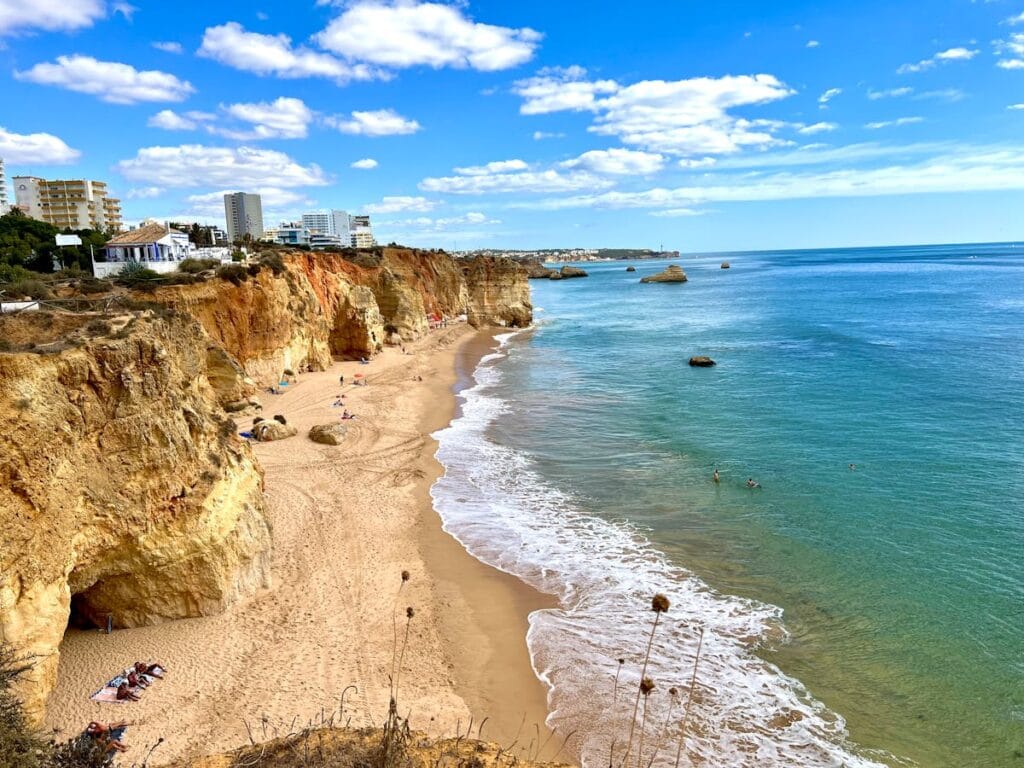
The Algarve is the most popular overseas beach destination for UK holidaymakers, and there’s a reason it keeps pulling people back. The southern coast of Portugal packs golden cliffs, warm sea, and some of the best beaches in Europe into a strip you can drive across in two hours. Flights from the UK are short and cheap, the food is good value, and the sun shines for most of the year.
Advertisement
It’s not the rock-bottom destination it was a decade ago, but it remains far cheaper than the south of France or most of Spain’s costas. Travel outside July and August and you can have a comfortable week here without spending a fortune.
This guide covers what an Algarve holiday actually costs in 2026, how to find cheap flights from the UK, when to go for the best value, where to base yourself, and how to keep daily spending down once you arrive. For the wider picture beyond the Algarve, including Lisbon, Porto and Madeira, see our Portugal travel guide.
How much does an Algarve holiday cost?
The Algarve is one of the better-value beach destinations within a three-hour flight of the UK, and your daily costs stay low if you self-cater and avoid peak summer. The single biggest variable is when you go. Accommodation in July and August can cost roughly 60% more than the same room in winter, so timing matters more than any other choice you make.
The table below is a rough guide to daily spending per person, excluding flights and accommodation. It assumes a typical May or October trip. Prices use an exchange rate of about €1.17 to the pound, correct at the time of writing.
| Category | Budget | Mid-range |
|---|---|---|
| Accommodation | £20–35 (hostel/guesthouse) | £55–95 (apartment/3-star) |
| Breakfast | £3–5 (café/pastry) | £8–12 (hotel/brunch) |
| Lunch | £7–11 (prato do dia) | £14–22 (restaurant) |
| Dinner | £11–17 (local tasca) | £24–38 (seafood restaurant) |
| Getting around | £3–6 (train/bus) | £30–45 (car hire per day) |
| Beach | Free | £15–20 (sunlounger + parasol) |
| Typical daily total | £40–65/day | £95–150/day |
These figures rise by roughly 20% to 30% in June and July, and by 30% to 50% in August. A couple travelling in late September on a careful budget can cover a week of food, drink, and local transport for around £600 between them, before flights and a room.
Getting cheap flights from the UK to Faro
Faro is one of the best-connected leisure airports in Europe from the UK, with direct flights from more than a dozen airports and a flight time of under three hours from the south of England. Almost every UK region has a direct route, served by Ryanair, easyJet, Jet2, TUI, British Airways, and Wizz Air. That competition keeps fares low if you book at the right time.
| UK Airport | Airlines | Flight Time |
|---|---|---|
| London (STN/LGW/LTN) | Ryanair, easyJet, Jet2, BA, Wizz Air | 2 hrs 45 min |
| Bristol (BRS) | easyJet, Ryanair | 2 hrs 35 min |
| Birmingham (BHX) | Jet2, easyJet, Ryanair, TUI | 2 hrs 55 min |
| Manchester (MAN) | Jet2, Ryanair, easyJet, TUI | 3 hrs |
| Liverpool (LPL) | easyJet, Jet2, Ryanair | 3 hrs 5 min |
| Leeds Bradford (LBA) | Jet2, Ryanair | 3 hrs 10 min |
| Newcastle (NCL) | Jet2, easyJet | 3 hrs 20 min |
| Edinburgh (EDI) | Jet2, easyJet | 3 hrs 25 min |
| Glasgow (GLA) | Jet2, easyJet | 3 hrs 25 min |
UK visitors can enter Portugal, including the Algarve, without a visa for stays of up to 90 days in any 180-day period, though it’s worth checking the GOV.UK travel advice for Portugal for the latest entry requirements before you book. If you’re booking a package holiday, look for ATOL and ABTA protection, which covers you if the operator or airline collapses before or during your trip.
Shoulder-season return fares from London often fall in the £30 to £60 range with the budget carriers. Summer prices climb to £80 to £180, and the cheapest seats go early. As a rule, book Faro flights as soon as the airline releases the dates you want, because demand for the Algarve is strong and prices rarely fall closer to departure. Our guide to getting cheap flights from the UK covers the tactics that work on Ryanair and easyJet routes, and our piece on the cheapest day to book flights explains the timing. If your dates are flexible, it’s worth checking when flights are cheapest across the year before you commit.
When to go for the best weather and lowest prices
May, June, and late September give you summer warmth without peak prices, while winter is mild, quiet, and the cheapest time of all. The Algarve has one of the longest seasons in Europe, with more than 300 days of sunshine a year and swimmable sea from late spring to mid-autumn. The trick is to avoid the school summer holidays, when both flights and hotels are at their dearest.
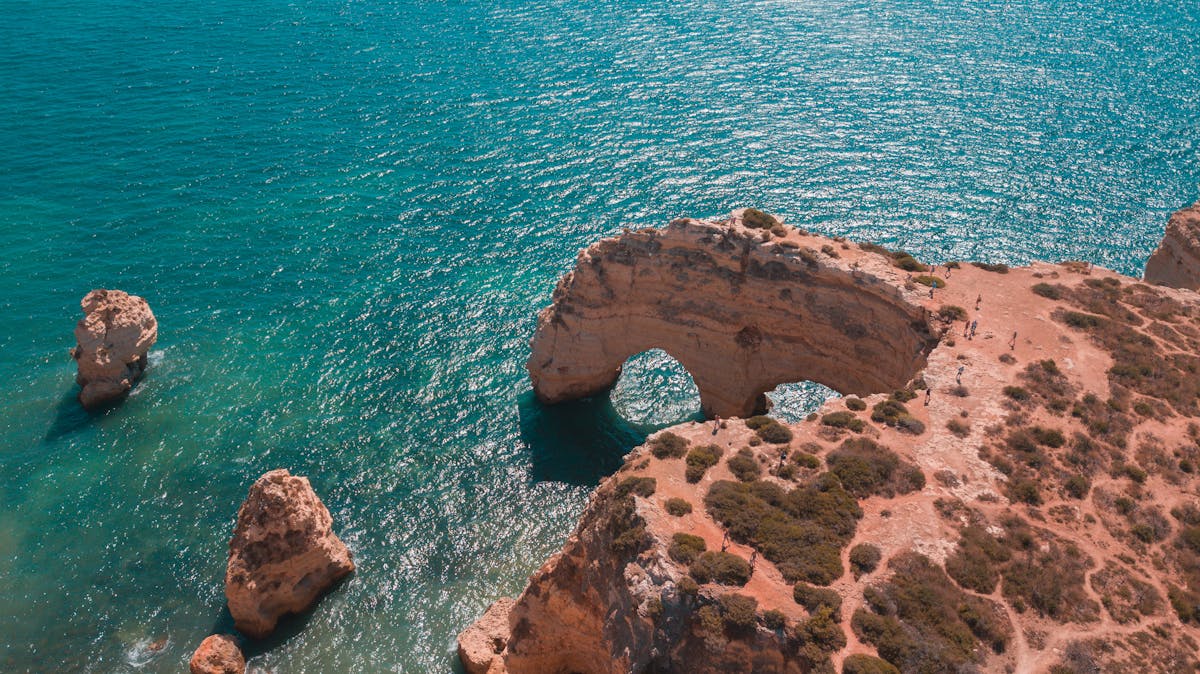
September is the sweet spot for many UK visitors. The sea is at its warmest after a summer of heating up, the crowds thin once schools go back, and prices fall from their August peak.
Spring brings wildflowers to the cliffs and ideal walking weather, though the sea is still cool until June. For a wider view of the country by month, see our guide to the best time to visit Portugal.
The table below sets out the seasons at a glance, with typical daytime highs, sea temperatures, and what each part of the year suits best.
| Season | Daytime High | Sea | Best For |
|---|---|---|---|
| Winter (Dec–Feb) | 12–18°C | 15–16°C | Golf, cliff walks, long stays, lowest prices |
| Spring (Mar–May) | 17–23°C | 16–18°C | Sightseeing, hiking, early beach days (Easter is busy) |
| Summer (Jun–Aug) | 26–29°C | 19–21°C | Beaches, families, nightlife, highest prices |
| Autumn (Sep–Oct) | 22–26°C | 20–21°C | Best all-round value, warm sea, fewer crowds |
If you are tied to the school holidays, late August into the first week of September is a little cheaper than the peak, and the weather is still reliable. For more options across the same period, our where’s hot in September round-up compares the Algarve with other warm destinations.
Where to stay on a budget
Albufeira and Portimao offer the lowest accommodation prices, while Lagos and Tavira are the easiest places to enjoy without a car. The Algarve splits roughly into three: the busy central resorts, the quieter west around Lagos and Sagres, and the calmer, more Portuguese east around Tavira and Olhao. Where you base yourself shapes both the cost and the character of your trip.
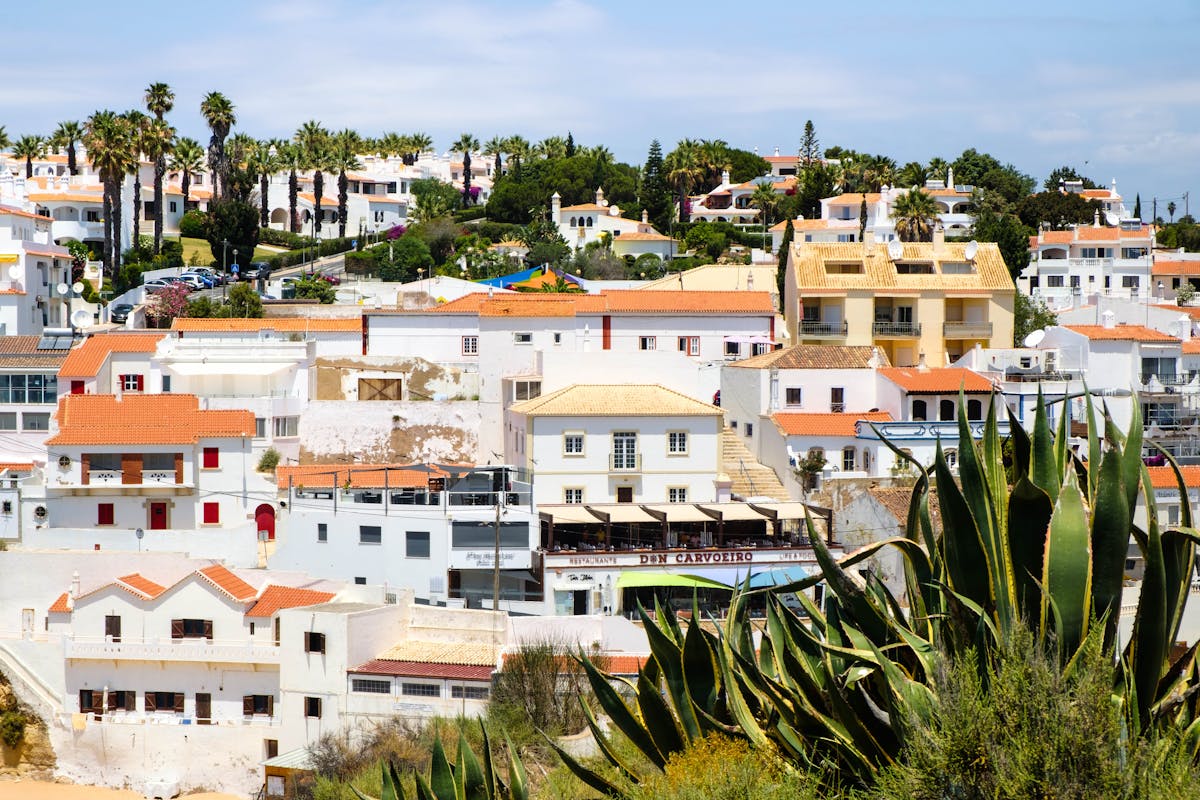
The whitewashed towns of the central Algarve, like Carvoeiro and Ferragudo, are postcard-pretty and within easy reach of the best beaches. They cost a little more than the big resorts but feel calmer.
For the lowest prices, the larger resort towns have the most rooms and the widest range, especially outside summer.
The table below summarises the main bases and who each one suits.
| Town | Best For | What to Expect |
|---|---|---|
| Albufeira | Nightlife, central base, families | The biggest resort, with a pretty Old Town and a lively Strip; the widest choice of cheap rooms |
| Lagos | First-timers, beaches, no car | Historic walled town with superb beaches; easy to reach and explore by train |
| Carvoeiro | Families, couples | Pretty, low-key cliff town; quieter and a little pricier than the big resorts |
| Tavira | Culture, quiet, value | Handsome eastern town on the river; good value and on the train line |
| Portimao / Praia da Rocha | Budget beach holidays | Workaday town with a huge sandy beach; the cheapest mainstream base |
| Faro / Olhao | Authentic feel, no car, islands | Working towns and the gateway to the Ria Formosa islands; cheap and untouristy |
Self-catering apartments work out cheaper than hotels for two or more people, particularly for stays of three nights or longer, because a kitchen lets you cut food costs. You can browse Algarve hotels and apartments on Expedia and filter by neighbourhood and guest rating, which often turns up better value than sorting by price alone.
Getting around the Algarve
The coastal train line is the cheapest way to move between the main towns, so basing yourself near a station can remove the need for car hire. The Linha do Algarve runs the length of the coast from Lagos in the west to Vila Real de Santo Antonio in the east, stopping at Portimao, Albufeira, Loule, Faro, Olhao, and Tavira. Tickets are inexpensive, and buying online in advance can cut the price further.
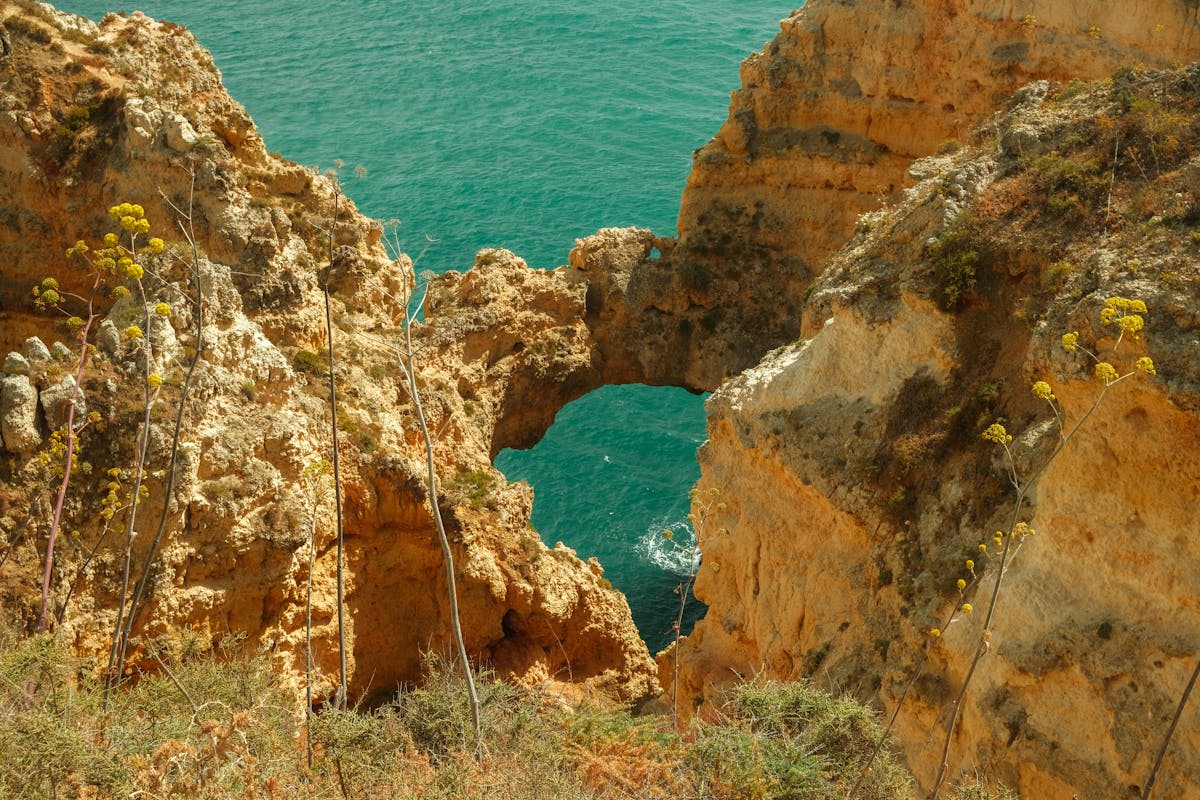
From a base like Lagos you can reach the headland at Ponta da Piedade on foot, ride the train east for a day in Tavira, or hop to a beach a few stops down the line, all without hiring a car.
Regional buses fill the gaps the train does not reach, with single fares of a few euros and multi-day passes for longer stays.
From Faro Airport, the number 16 bus runs into Faro city for around €2.80 and takes about 20 minutes, where you can pick up the train. A taxi into Faro costs roughly €10 to €15, and a direct airport bus to Albufeira or Lagos costs around €11 to €17. A car is useful only if you plan to reach the quieter beaches and inland villages; for a coast-based holiday it adds cost and summer parking hassle. For more on travelling the country cheaply, see our guide on how to travel around Portugal on a budget.
Best things to do, most of them free
The Algarve’s biggest draws are its beaches and cliff walks, and they cost nothing beyond the price of getting there. Every beach in the region is free to access, and the coastline between Lagos and Albufeira is among the most dramatic in Europe. You only pay if you want a sunlounger, a boat trip, or a meal with a view.
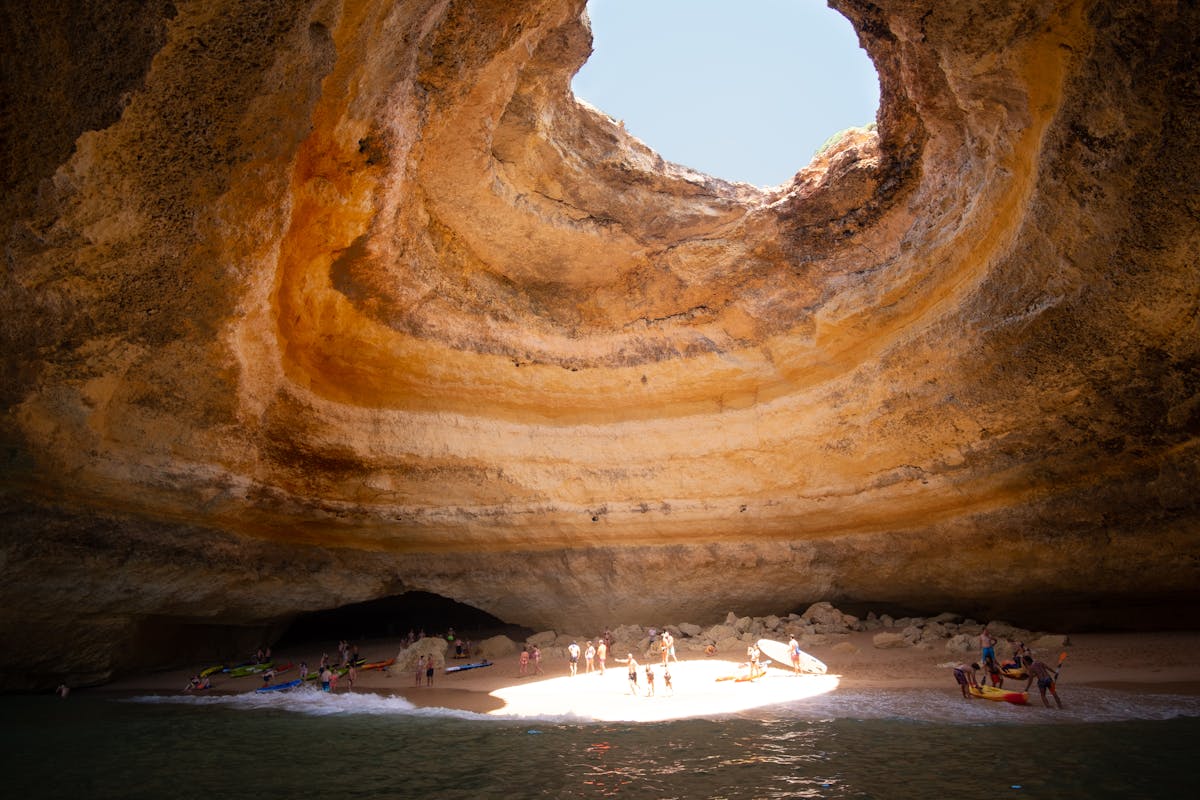
The Benagil sea cave, with its natural skylight, is the most photographed spot on the coast. Swimming into the cave has been banned since September 2023 on safety grounds, so you now reach it by boat, kayak, or stand-up paddleboard tour.
The Seven Hanging Valleys Trail nearby is one of the finest coastal walks in Portugal, a free 5.7km path that passes Praia da Marinha, regularly rated among the world’s best beaches.
Praia da Marinha and the cliff walk at Ponta da Piedade, just outside Lagos, are both free and need only a pair of decent shoes. The Ria Formosa Natural Park, reached by ferry from Faro or Olhao, is a lagoon of barrier islands and salt marsh with quiet beaches and birdlife. The historic towns reward a wander too: Lagos old quarter, the riverside lanes of Tavira, the castle at Silves, and Cape St Vincent at Sagres, the south-western tip of mainland Europe. A boat trip to the caves costs around €20 to €30, but almost everything else here is free.
Eating and drinking for less
Eat where the locals eat and the Algarve is one of the cheapest places in western Europe for a good meal out. The key is to walk a street or two back from the seafront, where a family-run tasca will serve fresh fish and grilled meat at a fraction of the prices on the promenade. Lunch is where the real value sits.
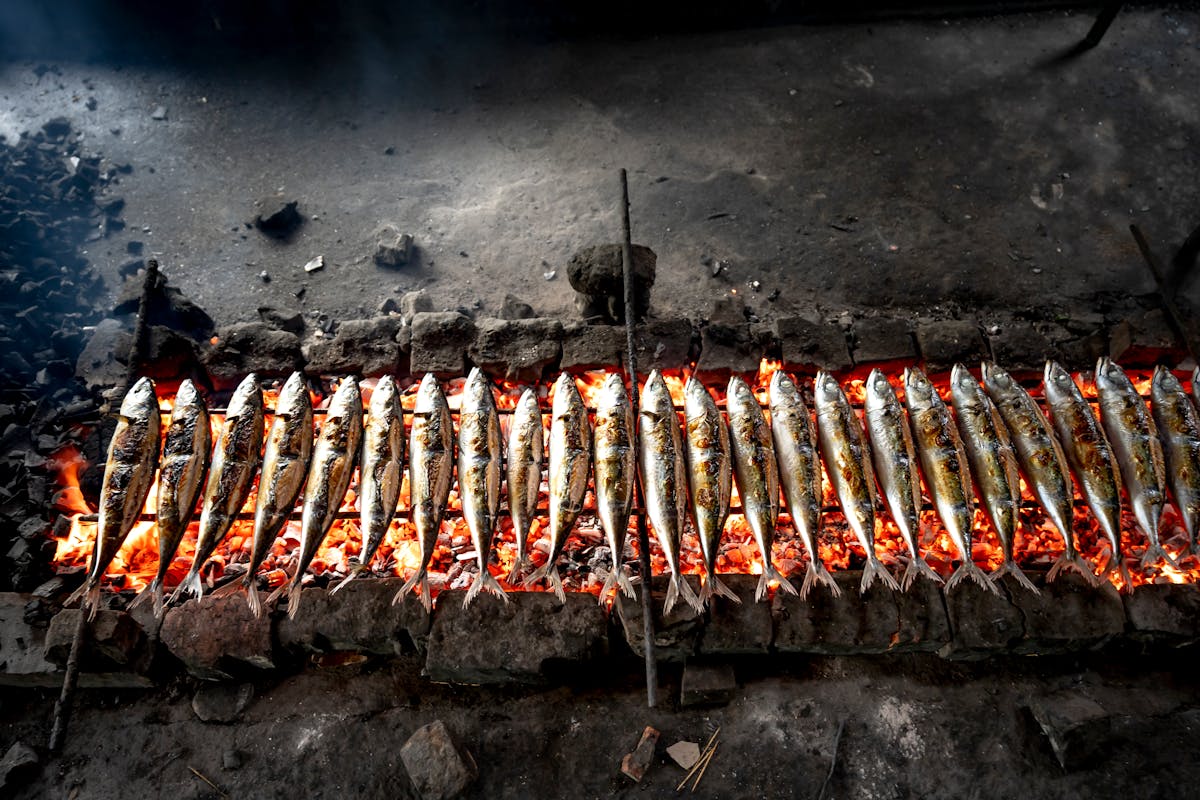
Grilled sardines, charcoal-cooked chicken piri-piri, and the seafood stew cataplana are the dishes to look for, and all are cheap in a local restaurant. The prato do dia, or dish of the day, often includes bread, a main, and a drink for around €9 to €12.
A glass of local wine or a beer costs a fraction of UK prices, and an espresso at the bar is often under €1.
Supermarkets such as Pingo Doce and Continente are cheap for breakfast supplies, picnic lunches, and wine, which is worth doing if you’re self-catering. Tap water is safe to drink across the region, so there’s no need to buy bottled. Markets in towns like Loule and Olhao sell fresh fish, fruit, and cheese at local prices, and make a good morning out in their own right.
Money-saving tips for the Algarve
A few simple choices on timing, transport, and food cut the cost of an Algarve trip more than anything else. None of them involve missing out on the things that make the region worth visiting.
- Travel in May, June, or late September. You get summer warmth and a swimmable sea at shoulder-season prices, with far smaller crowds than in August.
- Book Faro flights as soon as they are released. Demand for the Algarve is high and the cheapest summer seats sell out months ahead.
- Use the coastal train as your main transport. It links the major towns cheaply and removes the need for car hire if you base yourself near a station.
- Self-cater and shop local. A kitchen and a trip to Pingo Doce or a town market cut your food bill sharply over a week.
- Order the prato do dia. The set dish of the day at a local tasca is the best-value meal in the region, usually well under €12.
- Drink Portuguese. Local wine and beer cost a fraction of imported brands, and coffee at the bar is cheaper than at a table.
- Skip the sunlounger. Every beach is free, so take a towel and keep the €15 to €20 daily hire for something better.
- Base yourself well. Albufeira or Portimao for the cheapest rooms, or Lagos and Tavira to save on car hire and stay on the train line.
Is the Algarve worth it on a budget?
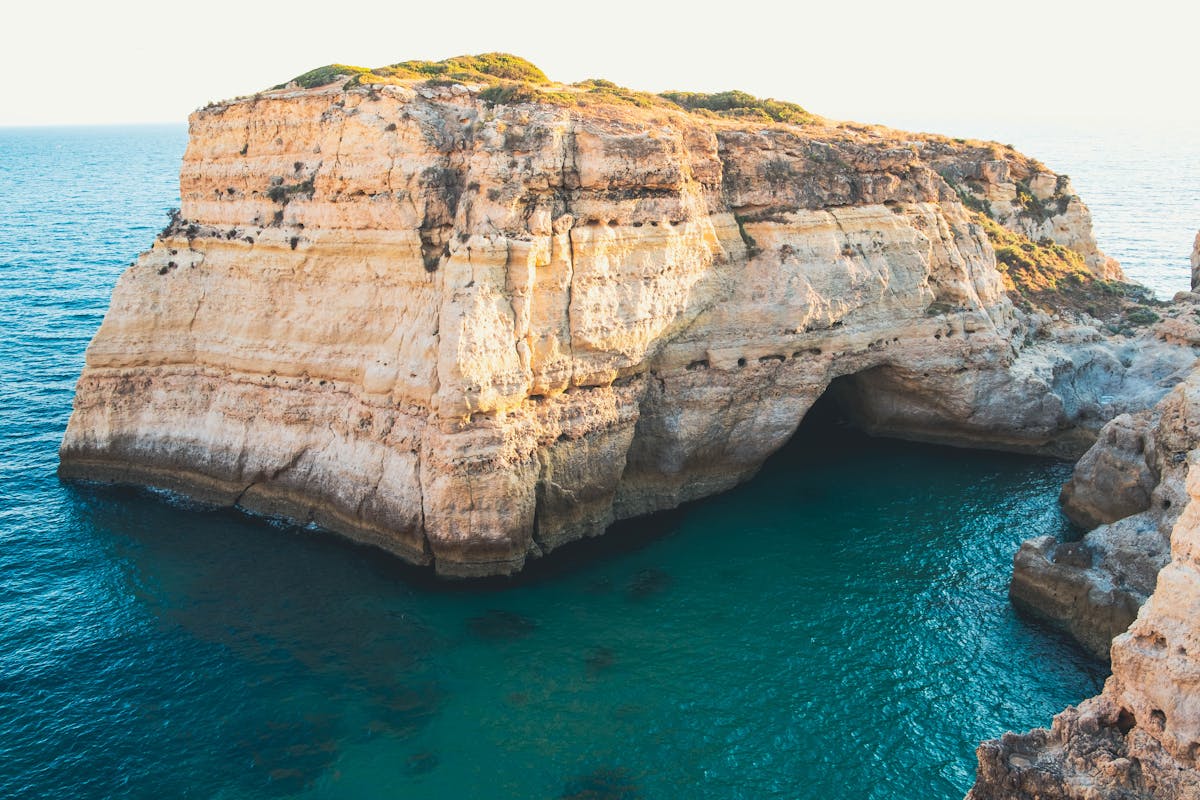
For sun, beaches, and value within a short flight, few destinations beat the Algarve, especially in the shoulder months. It’s no longer the bargain it once was in peak summer, but travel in spring or autumn and it offers warm weather, some of Europe’s best beaches, and good food for less than almost anywhere comparable.
Keep your costs down by going outside the school holidays, staying near the train line, and eating where the locals do, and a week here need not stretch the budget. For more destinations covered the same way, browse our budget destination guides.
Frequently asked questions
Is the Algarve cheap for a holiday?
Yes, it’s one of the better-value beach destinations within a three-hour flight of the UK. Outside July and August, two people can travel comfortably on roughly £60 to £90 a day before flights and accommodation.
What is the cheapest month to visit the Algarve?
The cheapest months are November to March, when accommodation can cost around 60% less than peak summer. For warm weather at lower prices, May, June, and late September are the best value.
How long is the flight from the UK to the Algarve?
Most UK flights to Faro take between two hours 40 minutes and three hours 25 minutes, depending on the airport. London airports are quickest at about two hours 45 minutes, and Scottish airports are the longest.
Do you need a car in the Algarve?
No, you can manage without one if you stay near the coastal train line, which links the main towns from Lagos to Vila Real de Santo Antonio. A car helps for reaching quieter beaches and inland villages, but it adds cost and summer parking hassle.
Which area of the Algarve is best for a budget holiday?
Albufeira and Portimao usually have the most affordable accommodation, especially outside summer. Lagos and Tavira cost a little more but are easy to explore without a car.
Is the Algarve good for families?
Yes, it’s one of Europe’s most popular family beach destinations, with calm bays, short flights, and plenty of self-catering apartments. Carvoeiro and Albufeira are the usual choices for beaches and amenities.
Are the beaches in the Algarve free?
Yes, every beach in the Algarve is free to access, including famous ones like Praia da Marinha and Praia Dona Ana. You only pay if you want a sunlounger and parasol, usually around €15 to €20 a day.

Jane Robinson is Senior Editor at Flight Tribe. She has a Master’s in English and Journalism, and writes about flight deals, holiday offers and practical ways UK travellers can spend less without wasting time on weak promotions. Jane has spent time living and working across Asia and New Zealand, which gave her a lasting interest in how people travel, eat, move around and spend their free time in different places.
At Flight Tribe, her work focuses on verified prices, realistic travel dates, booking terms and whether a deal is actually worth attention.
How Jane works
Jane checks offers against live supplier pages wherever possible, including prices, dates, departure points, baggage rules and booking conditions. She is quietly sceptical of anything that sounds too good to be true, and helps keep Flight Tribe’s travel advice useful, honest and easy to act on.
Editorial standards
Flight Tribe covers deals for readers first. Affiliate links do not decide whether an offer is worth writing about.