Published 10 June 2026 | Updated 29 August 2026 by Kate Acaster
Brussels is one of the most underestimated cities in Europe. Most visitors assume an EU capital city must be expensive. It isn’t. You can eat well, drink excellent beer, and walk through some of the finest architecture in western Europe on a budget of £50 to £60 a day.
Advertisement
You can find more UK budget travel advice across Flight Tribe’s destination guides.
The city’s real trick is how much it gives away for free. Grand Place costs nothing. The comic strip route costs nothing. The Parlamentarium, the EU’s visitor centre, costs nothing. You’re really only spending on food, a bed, and the occasional museum ticket.
Getting there from the UK is simpler than most people realise too. The Eurostar from London St Pancras reaches Brussels-Midi in 1 hour 53 minutes, with advance fares from around £51 each way. That’s faster door-to-door than most flights once you’ve added airport time.
What does brussels budget travel actually cost?
Brussels is cheaper than Paris and Amsterdam but slightly pricier than Prague or Krakow. The table below gives a realistic daily spend for different types of trip.
| Category | Budget (under £60/day) | Mid (£80-120/day) | Comfortable (£150+/day) |
|---|---|---|---|
| Accommodation | Hostel or budget hotel, from £20-40 | 3-star central hotel, from £70-90 | 4-5 star, from £130-200 |
| Food | Frites, friteries, supermarkets, €15-20/day | Mix of cafes and bistros, €30-40/day | Restaurants and wine, €60-80/day |
| Sightseeing | Grand Place, comic strip walk, EU quarter: all free | Add Atomium (€16) and a museum or two | Museum passes, guided tours, evening shows |
| Getting around | Walk or 24-hour transit pass (€8) | Transit + occasional taxi | Taxis and private transfers |
A realistic budget for a weekend in Brussels, excluding transport, is around £120-150 per person if you’re being careful. That covers two nights in a central budget hotel and three meals a day. If you’re on Eurostar, add your rail fare. If you’re flying, factor in the transfer from Charleroi, which is 60 kilometres from the city centre.
How to get from London to Brussels
Eurostar is the easiest option for most UK travellers. Trains run several times a day from London St Pancras International to Brussels-Midi (Bruxelles-Midi / Brussel-Zuid), with journey times of 1 hour 53 minutes. Advance fares start from around £51 each way; last-minute prices can reach £150-200. Book as early as possible and look for Eurostar Snap tickets for cheaper last-minute options on flexible dates.
Flying is sometimes cheaper, but it’s rarely quicker. easyJet and Ryanair serve Brussels Airport (BRU) from several UK airports, with fares occasionally dipping below £30. The catch is that Brussels Airport is 14 kilometres from the city centre; the Airport City Express train takes 17-20 minutes and costs €13.70. Ryanair also uses Brussels South Charleroi Airport, 60 kilometres away, where a coach transfer adds 55-70 minutes each way. Factor that time in before assuming it’s cheaper than the train.
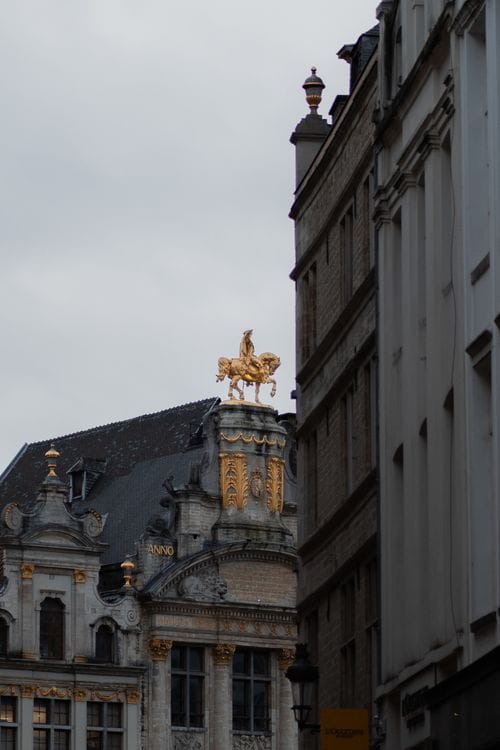
Brussels-Midi station and the city centre
Eurostar arrives at Brussels-Midi, which is about 2 kilometres south of Grand Place. The metro (lines 2 and 6) connects the station to the centre in around 7 minutes. A 24-hour transit pass covering metro, tram, and bus costs €8 and is worth buying on arrival if you’re planning to move around on your first day.
A taxi from Brussels-Midi to Grand Place costs around €12-15. It’s rarely necessary unless you have heavy luggage.
Where to eat in Brussels on a budget
Brussels has a remarkable range of eating options at every price point. Belgian cooking is serious food. Even the simplest dishes, like carbonnade (beef braised in beer) and stoemp (potato and vegetable mash), are made with care. Don’t default to tourist-trap restaurants around Grand Place. Walk a few streets in any direction and the prices drop significantly.
Budget (under £13 per head): Frit Flagey at Place Flagey is one of the city’s most popular friteries. A cone of properly made Belgian frites, double-fried and served with your choice of sauce, costs around €3-4. It doesn’t take bookings. The square is about a 20-minute walk from Grand Place, which is part of the experience.
Mid (£15-25 per head): Fin de Siècle at Rue des Chartreux 9 is a classic Belgian brasserie near the Dansaert quarter. The menu focuses on traditional dishes: carbonnade flamande, stoofvlees, stoemp with sausages, served in a room with a beautiful Art Nouveau glass roof. Portions are generous and prices are fair for the quality. It doesn’t take reservations; arrive before 7pm to avoid a long wait.
Worth the spend (£35-50 per head): La Marée at Rue de Flandre 99 is a Michelin-listed seafood restaurant in the Dansaert area. The fish soup, Dover sole, and North Sea shrimp are the dishes to order. It’s not cheap, but if you’re going to spend on one meal in Brussels, this is where to do it. Book ahead at weekends.
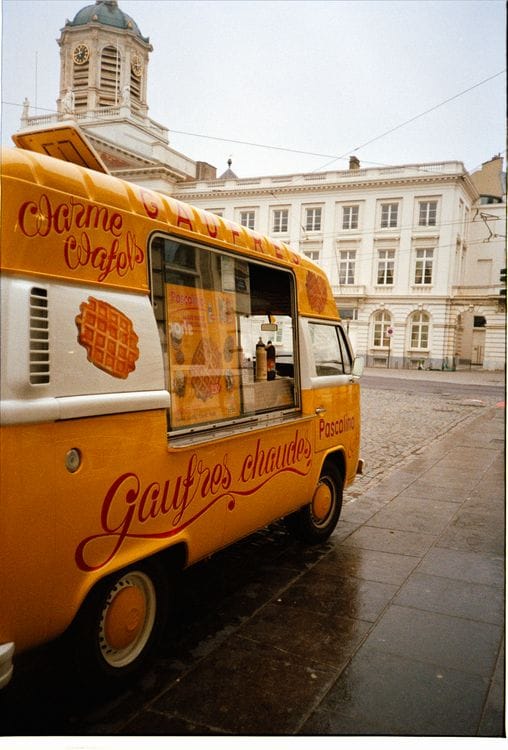
Beer and chocolate
Belgian beer is one of the city’s great pleasures and it doesn’t have to be expensive. Most cafes charge €3-5 for a glass of draught beer. The Grand Place tourist bars charge double that. Walk two streets away from the square and prices normalise quickly.
Belgian chocolate shops are everywhere, but the quality varies significantly. Pierre Marcolini, Neuhaus, and Leonidas are the names to look for. A small box of pralines costs €8-15, which is reasonable for what you’re getting.
Where to stay in Brussels
The best area to stay for first-time visitors is anywhere within 15 minutes’ walk of Grand Place. The streets between the station and the square (the lower town) have the densest concentration of budget and mid-range hotels. The EU Quarter, 2 kilometres east, is quieter but convenient if you’re visiting European institutions.
Budget (from £55-75/night): MEININGER Brussels City Centre is a well-run hotel-hostel hybrid close to Grand Place and Manneken Pis. Private en-suite rooms sleep two from around £55-75 per night depending on the season. There’s a bar, a games room, and 24-hour reception. It’s not boutique, but it’s reliable, clean, and well-located.
Mid (from £100-140/night): Courtyard by Marriott Brussels EU is a solid 4-star option in the European Quarter, 10 minutes by metro from Grand Place. Rooms are spacious by European city-centre standards, there’s a decent restaurant on site, and the location is peaceful. Good value when booked in advance.
Worth the spend (from £160-200/night): Sofitel Brussels Europe near Leopold Park earns its 5-star rating. The rooftop terrace, spa, and restaurant are all well regarded. Rooms are well-designed with proper views of the city. It scores 9.4 on Expedia and the reviews consistently praise the staff. If the budget allows, it’s a strong choice for a short break.
Search Brussels flights and hotels
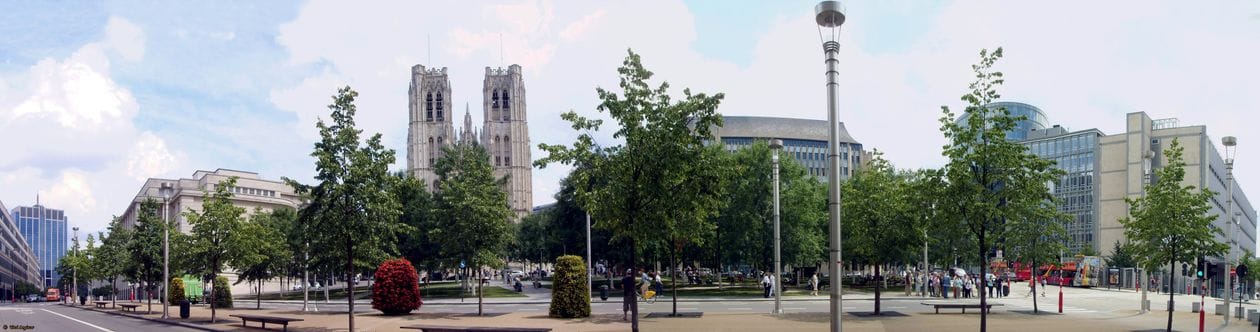
Neighbourhoods worth knowing
The lower town (between Brussels-Midi and Grand Place) is busy and central, with the best budget eating options. The Dansaert quarter is Brussels’ most interesting neighbourhood for independent restaurants, bars, and design shops. The Ixelles district, south of the centre, has good cafes and is popular with students and residents. It’s a 25-minute walk from Grand Place or one metro stop.
What to see and do in Brussels
Grand Place is the obvious starting point. The main square is lined with 17th-century guild houses and dominated by the Gothic Town Hall, and it costs nothing to walk through. Go at least once in the evening when the buildings are lit up. The weekly flower market (Tuesday, Wednesday, Friday, Saturday mornings) makes it particularly good in summer.
The comic strip route, officially the Brussels Comic Strip Route, takes you past 50 large-scale murals painted on building walls across the city. A self-guided walk takes 2-3 hours and costs nothing. Tintin, Lucky Luke, and the Smurfs are all represented. Pick up a free map from the tourist office at Grand Place.
The Parlamentarium on Rue Wiertz is the European Parliament’s visitor centre. Entry is free. Inside, a wide-screen cinema covers the history of European integration, hands-on exhibits explain how EU legislation is made, and there’s a multilingual audio guide to borrow at the desk. Allow 90 minutes.
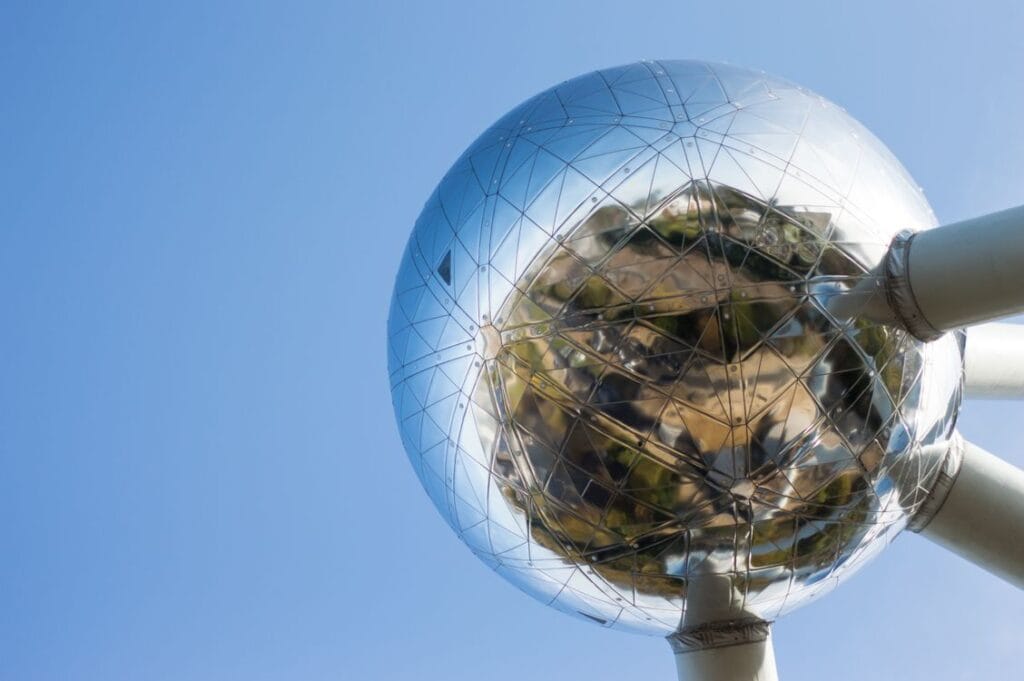
The Atomium, the giant stainless steel atom structure built for the 1958 World’s Fair, is Brussels’ most distinctive landmark. Entry costs around €16 for adults. It’s worth it if you want to go inside; from the outside, you can see it clearly from Laeken Park for free. The view from the top sphere over Brussels on a clear day is exceptional.
The Musées Royaux des Beaux-Arts holds one of Europe’s finest collections of Flemish painting, including work by Bruegel the Elder, Rubens, and Magritte. Standard entry is €15. On the first Wednesday afternoon of each month, entry is free for everyone. Students and under-26s pay a reduced rate of €4 on Wednesday afternoons year-round.
Day trips from brussels
Bruges is 55 minutes by train from Brussels-Central (from €13 each way). It’s one of the best-preserved medieval cities in Europe and worth a full day. Ghent is 30 minutes from Brussels and less crowded than Bruges. Both are covered by standard Belgian rail fares.
If you’re looking for other European budget breaks, our Krakow budget travel guide and Dublin budget travel guide cover two of the best-value city breaks from the UK.
When to visit Brussels
April to June and September to October are the best months for brussels budget travel. The weather is mild, hotel prices are lower than peak summer, and the city isn’t overrun with EU summit delegations. July and August are warm and busy, but not uncomfortably so. Book accommodation further in advance and expect slightly higher prices at weekends.
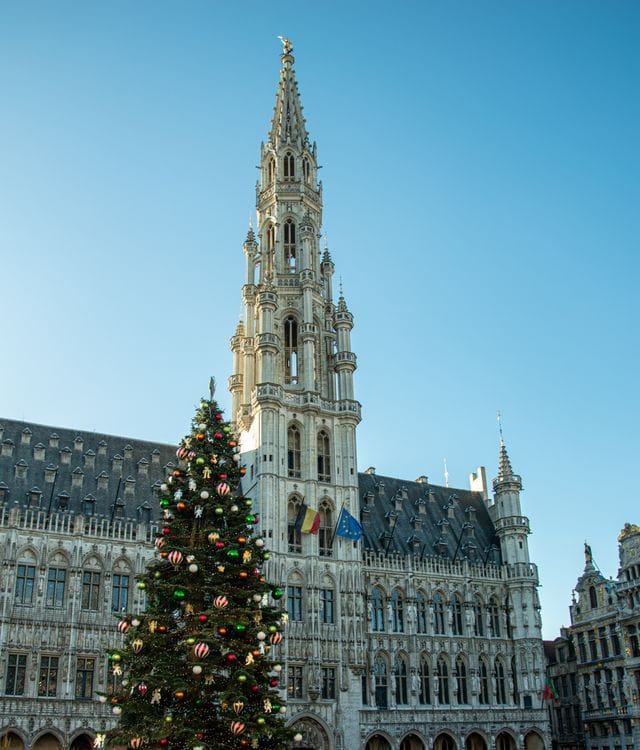
December is good for the Christmas market on Grand Place, which runs through most of the month. January and February are the cheapest months for hotels and flights but the weather is reliably grey and cold. If you don’t mind that, the off-peak prices can make it worthwhile.
| Quick facts | Brussels |
|---|---|
| Currency | Euro (€). Cards accepted almost everywhere. |
| Language | French and Dutch official; most workers in tourist areas speak English. |
| From London | Eurostar from St Pancras: 1hr 53min. Fares from ~£51 each way advance. |
| Getting around | Metro, tram, and bus. 24-hour pass €8; single ride €2.10. |
| Tipping | Not obligatory. Rounding up or leaving 5-10% is appreciated in restaurants. |
| Emergency number | 112 (Europe-wide emergency services). |
For a short-haul city break with a very different pace, our Amsterdam budget travel guide covers a destination just under two hours away by train.
Frequently asked questions
Is Brussels expensive for tourists?
Brussels is more affordable than Paris or Amsterdam, though slightly pricier than Eastern European cities. A budget of £50-60 per day (excluding travel) covers accommodation in a central budget hotel, three meals, and all sightseeing.
How much does a day in Brussels cost on a budget?
A careful day in Brussels can come in around £40-55 per person, including a budget hotel, frites and two cafe meals, and free attractions like Grand Place and the comic strip route. Add €16 if you’re visiting the Atomium.
Is the Eurostar better than flying to Brussels?
For most UK travellers, yes. The Eurostar from London St Pancras takes 1 hour 53 minutes to Brussels-Midi, with advance fares from around £51 each way. When you add airport transit time, Brussels Airport’s 20-minute train, and check-in time for flights, the Eurostar is usually faster door-to-door.
What’s the best area to stay in Brussels on a budget?
The lower town, between Brussels-Midi station and Grand Place, has the best concentration of budget hotels and is walkable to most attractions. The Dansaert quarter is better for eating and slightly more interesting to walk around.
Are there free museums in Brussels?
Yes. The Parlamentarium (European Parliament visitor centre) is free year-round. The Musées Royaux des Beaux-Arts is free on the first Wednesday afternoon of each month, and charges just €4 for under-26s on all Wednesday afternoons.
Do I need a visa to visit Brussels?
UK citizens don’t currently need a visa to visit Belgium for stays of up to 90 days. However, the EU’s ETIAS travel authorisation system is expected to become mandatory for UK passport holders; check the current requirements before you travel.
How do I get from Brussels Airport to the city centre?
The Airport City Express train runs from Brussels Airport to Brussels-Central, Brussels-Midi, and Brussels-North. The journey takes 17-20 minutes and costs €13.70 each way. Taxis cost around €40-50 and take 25-35 minutes depending on traffic.
Is Brussels safe for tourists?
Brussels is generally safe and widely visited by tourists. The area immediately around Brussels-Midi station is busier and worth the usual urban caution with bags and pockets, especially at night. Grand Place and the tourist areas are well-policed and busy.

Kate Acaster is Chief Editor at Flight Tribe. She writes about practical travel planning, budget airlines, baggage rules, city breaks, beach holidays and good hotels that do not cost daft money.
Kate has travelled through Europe, South America and beyond, usually with a notebook, a half-formed plan and a strong opinion on airport snacks. At Flight Tribe, her work focuses on helping UK travellers understand what is included, what costs extra, and whether a trip is worth booking at the price shown.
How Kate works
Kate checks the details that can change the value of a trip, including cabin-bag rules, airline fees, hotel location, seasonality, travel dates and booking conditions. She is especially interested in offers that look useful on the surface but need a proper reader-first check before they are worth recommending.
Editorial standards
Flight Tribe covers deals and travel advice for readers first. Affiliate links do not decide whether an offer is worth writing about.