
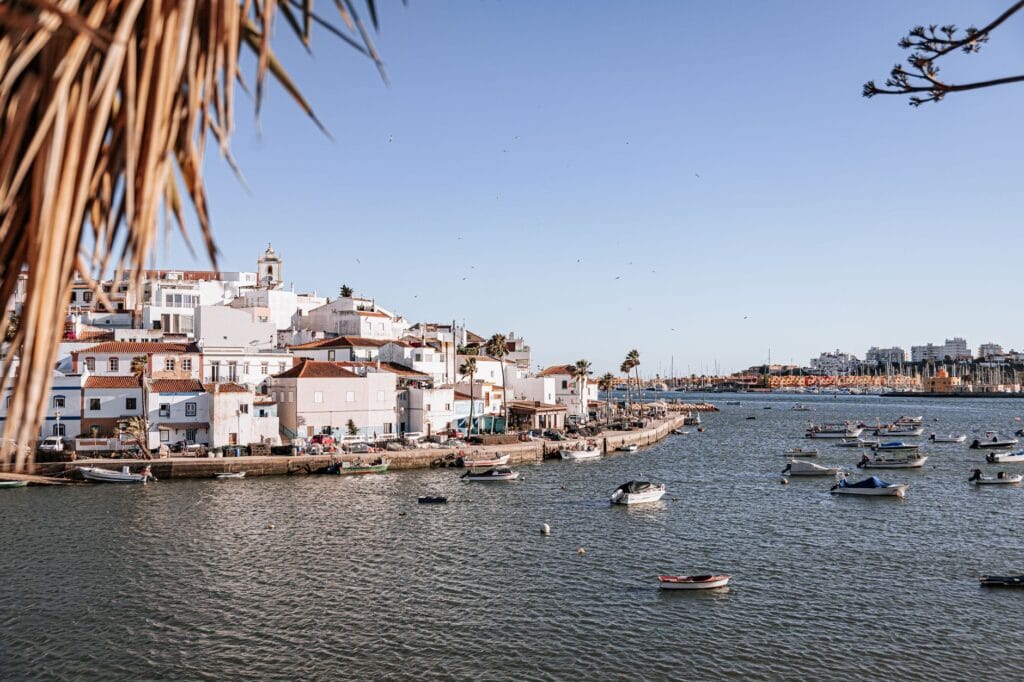
Published 11 June 2026 | Updated 13 October 2026 by Kate Acaster
Most UK visitors fly through Faro and head straight for the beach. That’s understandable: easyJet, Ryanair, and British Airways all serve Faro Airport from across the UK, and the Algarve resorts are just an hour away. But Faro itself is worth stopping for, and Faro budget travel works well here. Accommodation is cheaper than in the resort towns, the old town is compact enough to walk, and the airport bus to the centre costs around €2.80. You’ll find more destinations covered in Flight Tribe’s destination guides, each built around verified prices for UK travellers.
Advertisement
Why stop in Faro
The city has a walled medieval old town with Roman foundations, a baroque cathedral, and the Ria Formosa Natural Park stretching along its southern edge, a protected lagoon that few tourists from the western resorts ever see. It’s a functioning Portuguese city, not a beach development, which keeps restaurants honest on price and gives the place an atmosphere the resorts can’t replicate. If you want the broader Algarve context, the Algarve budget travel guide covers the region; this guide focuses on Faro city itself.
Getting to Faro from the UK
Faro Airport is one of the best-connected regional airports in Europe for UK departures. easyJet flies from London Gatwick, Luton, Bristol, Manchester, Liverpool, Edinburgh, and Glasgow. Ryanair serves Faro from Stansted, Birmingham, and Leeds Bradford. British Airways operates from Heathrow. Return flights typically start from around £60-80 in shoulder season. For the current cheapest options, check Flight Tribe’s latest flight deals or read the guide to cheap UK flights.
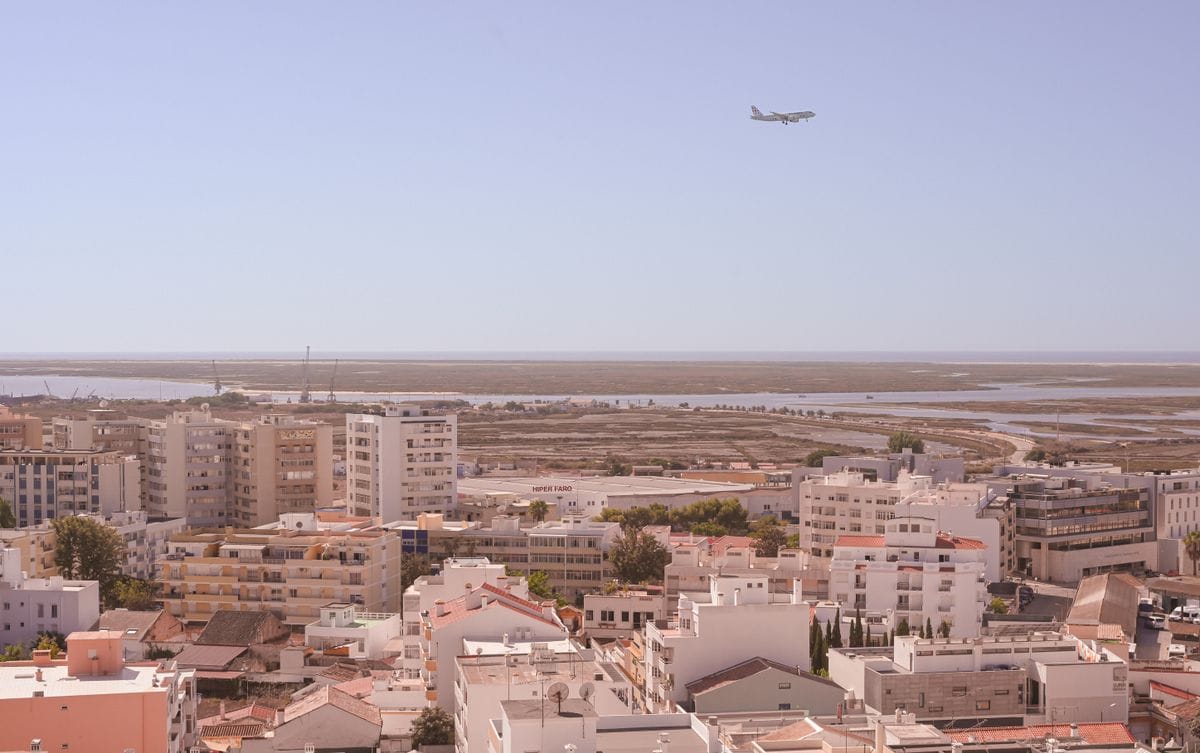
Airport to city: Bus route 16 runs from the airport to the centre every 30-40 minutes. The journey takes around 20 minutes and a single ticket bought on board costs around €2.80. Taxis cover the same route in around 10-12 minutes for approximately €15-18, plus luggage. There’s no direct train from the airport, but Faro’s central train station connects to Tavira, Lagos, and Lisbon. Our guide to travelling Portugal cheaply covers the full train network and pricing.
What does Faro cost?
Faro is cheaper than Lisbon and Porto across most spending categories. A budget day, covering a hostel dorm, local meals, and walking the old town, comes in at around €45-60. Mid-range visitors adding a hotel, sit-down meals, and a hired car for day trips typically spend €90-130 a day. High summer (July and August) adds a significant premium to accommodation.
| Category | Budget | Mid-range |
|---|---|---|
| Accommodation | Cheapest beds | Standard hotel rates |
| Food | €12-20/day | €30-50/day |
| Transport | €2-5/day | from €18/day |
| Activities | €0-10/day | €10-30/day |
Where to stay in Faro
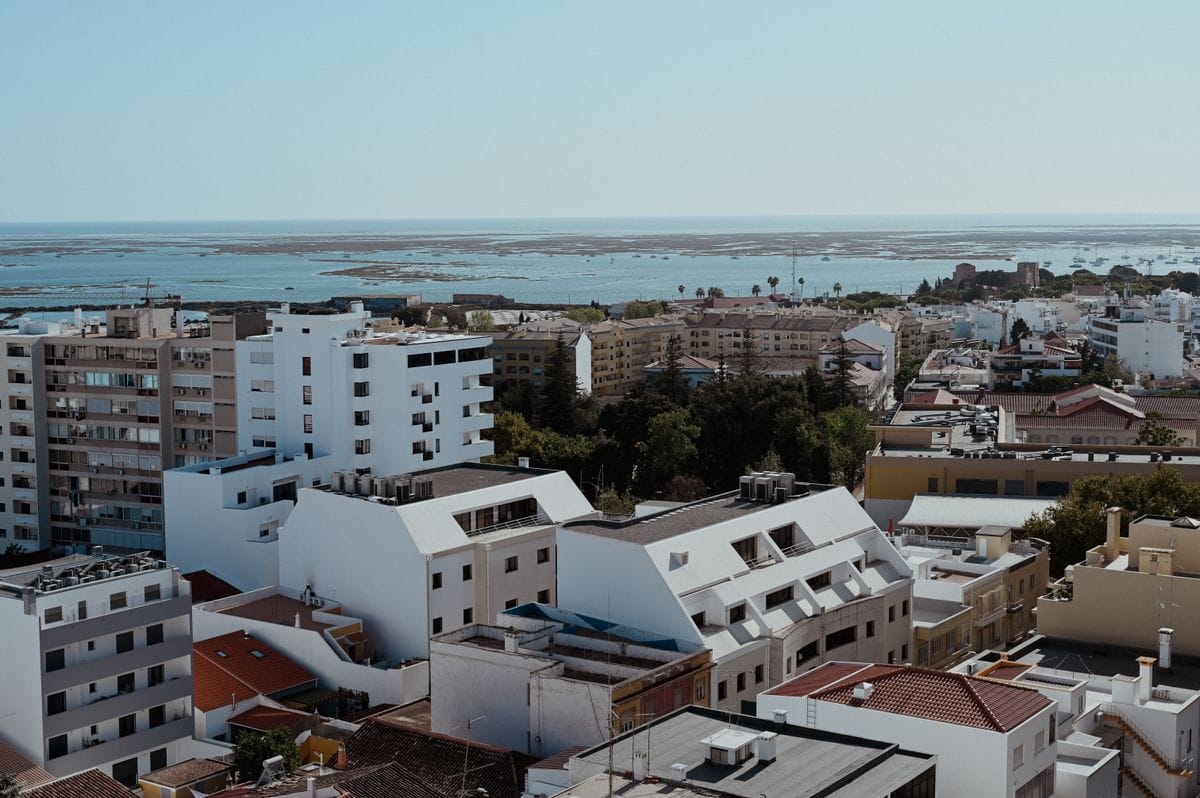
Staying in Faro city, rather than a resort, is the budget-conscious choice. Accommodation is cheaper, the train network is accessible, and the old town is walkable from most hotels, and the majority of the city’s accommodation clusters around the waterfront and the Jardim Manuel Bivar garden area. Budget: ibis Faro Algarve is a reliable option about 2km from the centre, a short bus or taxi ride from the old town. Breakfast is sold separately.
Mid-range: The AP Eva Senses sits directly on the harbour front with views over the marina; the position, metres from the old town gate, justifies the premium for most visitors. Worth the spend: The Faro Boutique Hotel on Rua do Bocage is a three-minute walk from the old town and about 400 metres from the cathedral, with a rooftop terrace over the Ria Formosa.
Where to eat in Faro
Faro has a real local food scene. The standard budget lunch option is the prato do dia, a set meal of soup, main course, and sometimes dessert for around €10-14. Pastelarias serve coffee and pastéis de nata for around €2.20. Seafood is the regional speciality: fresh clams, sardines, and the Algarve cataplana stew appear on almost every menu.
Tasca do Ricky is a family-run restaurant down a backstreet in the old town, with mains from €10-15. The seafood cataplana is well regarded. Cash preferred.
Restaurante 2 Irmãos has operated on Praça Ferreira de Almeida since 1925. This is where local families go for a proper meal: traditional Algarve cooking, fresh fish on display at the counter, and a room that has changed very little in decades, with mains typically running from €16-24. For a longer evening, O Castelo has a rooftop terrace inside the city walls with views over the Ria Formosa. The kitchen serves modern Portuguese food and there’s live fado on Monday, Tuesday and Wednesday evenings from 8.30pm. Book ahead in summer.
Free things to do in Faro
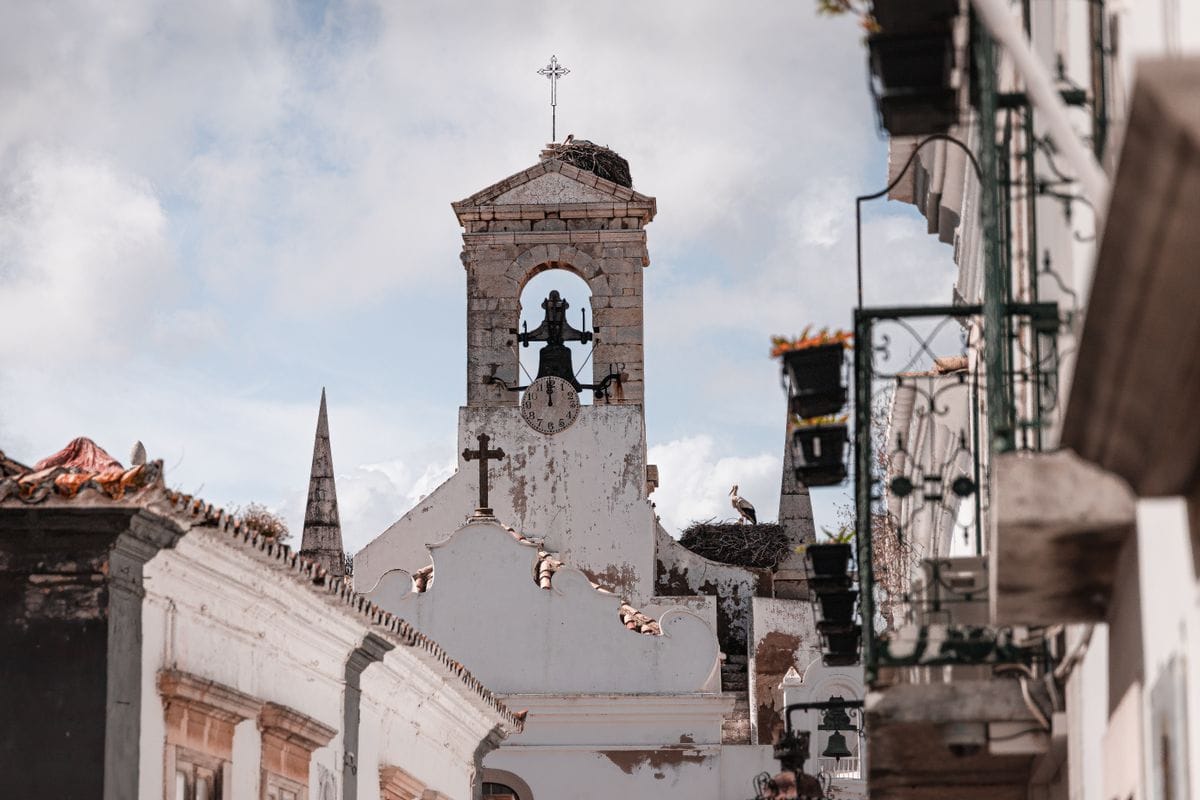
The Cidade Velha (old town) is the obvious place to start. Enter through the Arco da Vila and you’re inside walls with Roman and Moorish origins. The cathedral square is free to walk around. Entry to the cathedral costs around €5 and includes the tower climb for panoramic views. The full circuit takes around 45 minutes at an easy pace.
The Bone Chapel (Capela dos Ossos) at Igreja do Carmo is a ten-minute walk from the old town gate. A €2 ticket covers both the church and the bone chapel at the rear. It is closed to visitors on Sundays. It’s worth it: the interior walls are lined with the skulls and bones of approximately 1,245 monks, arranged as a meditation on mortality. Nothing else quite like it in the Algarve.
- Ria Formosa Natural Park: the lagoon begins at Faro’s waterfront, where you can watch wading birds, flamingos among them, for free. The park’s visitor centre is at Quinta de Marim near Olhão, about 10km east, and entry costs around €3.20.
- Museu Municipal de Faro: Roman mosaic floors and regional archaeology, small admission fee.
- Jardim Manuel Bivar: the harbour garden beside the old town gate, free to enter, and where Faro residents gather in the evenings.
Day trips from Faro
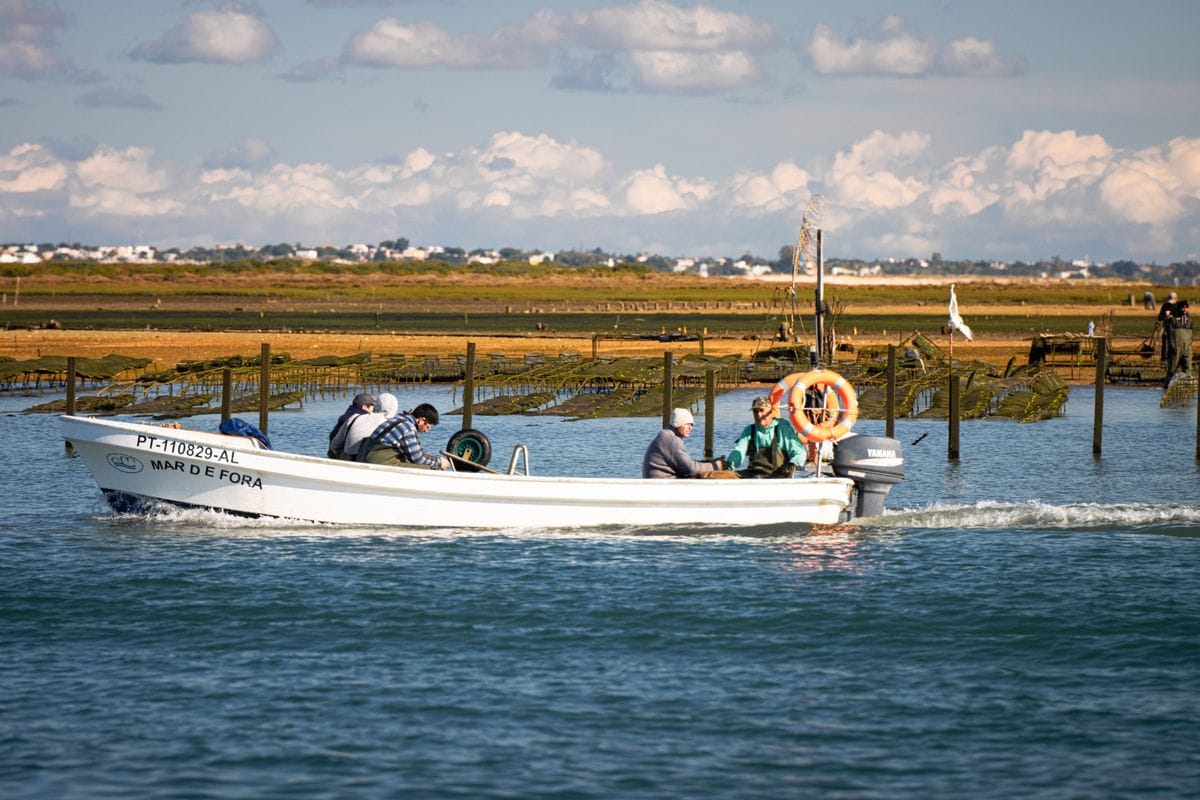
The Ria Formosa islands are the easiest day trip. Ferries run from the dock near the old town gate to Ilha Deserta (around €10 return), a seven-kilometre sandbar with a single restaurant and clear Atlantic water, and to Ilha de Culatra (around €3 return), a small fishing community with a long beach. Both are worth the short crossing. Book the Ilha Deserta ferry in advance during July and August.
Tavira is 30 minutes east by train at around €3-4 each way: a quieter old town with a Roman bridge and Ria Formosa beaches worth a half-day. Olhão, 10 minutes by train at around €2-3, has the best covered market in the region for fish and produce. Lagos and the western Algarve beaches are reachable by train in around 1.5 hours.
Further afield from Faro
For a longer Portugal trip, the Lisbon budget travel guide and Porto budget travel guide are both worth reading alongside this one. The Alfa Pendular from Faro to Lisbon takes around 3 hours and costs approximately €25-35. Our full Portugal transport guide covers all routes and pricing in detail.
Best time to visit Faro
Faro has over 300 days of sunshine a year. July and August are warmest, with temperatures regularly above 30°C, but also the most expensive for flights and hotels. Shoulder season, May, June, September, and October, offers temperatures in the low to mid-20s with meaningfully lower prices and fewer crowds, and April is cooler but still sunny and typically the cheapest month for most visits. Our guide to the best time to visit Portugal covers seasonal patterns and booking timing in detail.
Best time for families
For families or anyone travelling in UK school holidays, late June or early September is a practical window: warm enough for the beach and islands, significantly cheaper than August. The guide to cheap holidays in school holidays covers how to keep costs down during peak booking periods.
Faro budget travel: frequently asked questions
Is Faro worth visiting on a budget?
Yes. Faro is cheaper than Lisbon and Porto across most categories, the old town is compact enough to walk, and return flights from the UK typically start from around £60-80 in shoulder season. Budget travellers can manage comfortably on around €45-60 a day including accommodation and food.
How do I get from Faro Airport to the city centre cheaply?
Bus route 16 runs from the airport to the city centre approximately every 30-40 minutes. The journey takes around 20 minutes and costs around €2.80 on board. Taxis take around 10-12 minutes and cost approximately €15-18, plus luggage.
How much does a trip to Faro cost per day?
Budget travellers can manage on approximately €45-60 per day, covering a hostel dorm, local meals, and basic transport. Mid-range visitors typically spend €90-130 per day on a hotel, sit-down meals, and day trips. Costs are highest in July and August.
Do I need a visa to visit Faro from the UK?
No. UK citizens can visit Portugal without a visa for up to 90 days in any 180-day period. Your passport must have been issued less than 10 years before you arrive and be valid for at least three months after the day you leave. You may also have your fingerprints and photo taken at the border under the EU’s Entry/Exit System.
Is Faro safe for tourists?
Yes. Faro is generally considered safe. Petty theft is the main risk in busy tourist areas. Keeping valuables secure and your phone in a front pocket reduces the risk significantly.
What is the best time of year to visit Faro?
Shoulder season, May, June, September, and October, offers the best balance of warm weather and lower prices. July and August are the warmest months but the most expensive for accommodation. April is cooler and typically the cheapest option for most visits.
Is it better to base yourself in Faro or on the Algarve coast?
For budget travellers, Faro is the better base. Accommodation is cheaper than in the resort towns, the train connects to Tavira, Olhão, and Lagos, and the city has enough to fill a short break on its own. Beach resorts make more sense if beaches are the primary objective. The Algarve budget travel guide covers the broader coast if you want to combine city time with beach time. For the latest Portugal holiday deals and flight deals from the UK, check the Flight Tribe deals page. We publish verified travel offers updated regularly.

Kate Acaster is Chief Editor at Flight Tribe. She writes about practical travel planning, budget airlines, baggage rules, city breaks, beach holidays and good hotels that do not cost daft money.
Kate has travelled through Europe, South America and beyond, usually with a notebook, a half-formed plan and a strong opinion on airport snacks. At Flight Tribe, her work focuses on helping UK travellers understand what is included, what costs extra, and whether a trip is worth booking at the price shown.
How Kate works
Kate checks the details that can change the value of a trip, including cabin-bag rules, airline fees, hotel location, seasonality, travel dates and booking conditions. She is especially interested in offers that look useful on the surface but need a proper reader-first check before they are worth recommending.
Editorial standards
Flight Tribe covers deals and travel advice for readers first. Affiliate links do not decide whether an offer is worth writing about.