Published 18 June 2026 | Updated 1 September 2026 by Jane Robinson
Canary Islands holidays give UK travellers year-round sunshine, dramatic volcanic scenery, and short flights from almost any UK airport. The seven islands span an area roughly twice the size of Wales, sitting off the north-west coast of Africa, yet each one feels distinct. Tenerife is the largest and busiest, Lanzarote the most architecturally striking, Fuerteventura the best for beaches, and La Palma the best for walking.
Advertisement
This is part of a wider series. Browse all of Flight Tribe’s destination guides for more UK budget travel advice.
Return flights from UK airports start from around £60–80 in shoulder season on Ryanair and easyJet. A seven-night all-inclusive Tenerife package through Jet2 or TUI starts from around £550–750 per person in October or November, rising to £900–1,200 in August. If you’re deciding between the Canaries and somewhere like Madeira or Cape Verde, the Canaries win on flight frequency, package competition, and year-round reliability.
| At a glance | Detail |
|---|---|
| Flight time from London | Around 4 hours to Tenerife South or Gran Canaria; 4h 20min from northern England |
| Best time to visit | October and November for the best combination of weather, price, and quietness |
| Package price range | From around £550 pp per week in October; £900–1,200 pp in August |
| Currency | Euro (EUR); card payments accepted almost everywhere |
| Visa for UK visitors | No visa required; UK citizens can stay up to 90 days without one |
The islands: where to go in the Canaries
The Canaries split between four main package islands with direct UK flights year-round, and three quieter islands typically accessed via a connection or ferry. These are all seven.

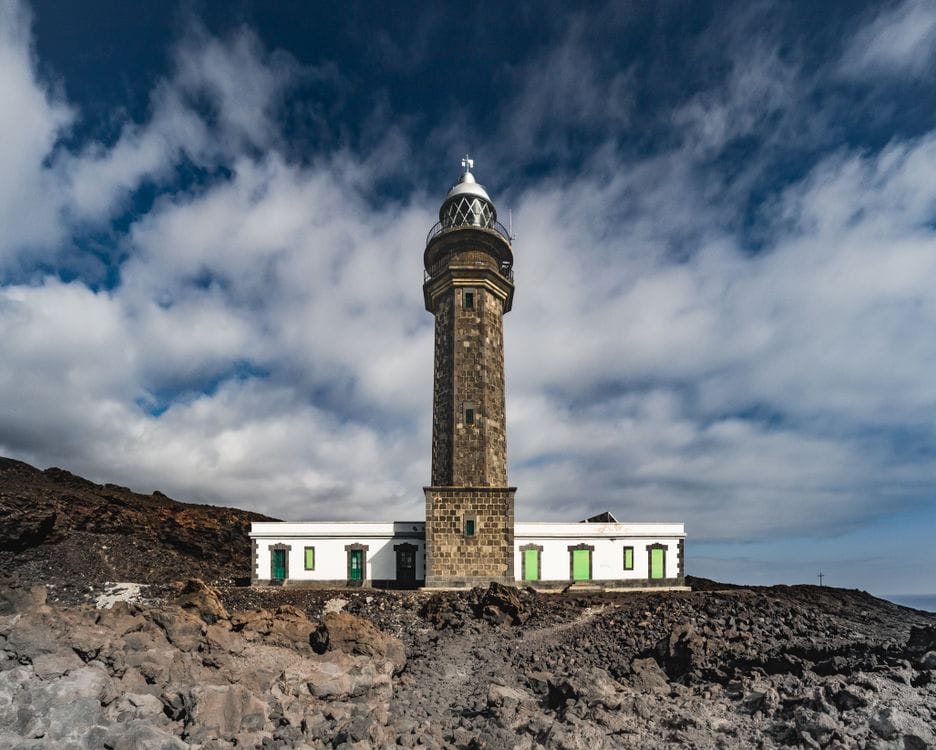
| Island | Best for | Airport | Flight from London |
|---|---|---|---|
| Tenerife | Variety, Teide, families | TFS / TFN | ~4h |
| Gran Canaria | Dunes, city, diversity | LPA | ~4h |
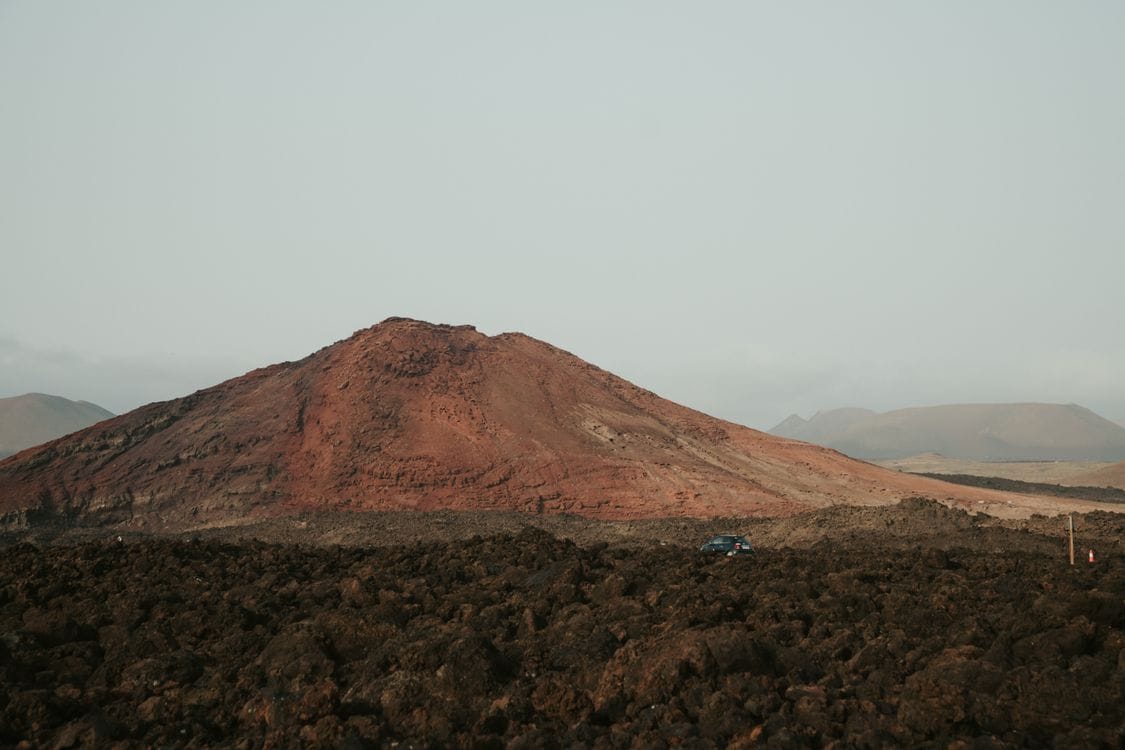
| Lanzarote | Volcanic scenery, architecture | ACE | ~4h |
| Fuerteventura | Beaches, watersports | FUE | ~4h10 |
| La Palma | Hiking, dark skies | SPC | ~4h30 (via TFS) |
| La Gomera | Laurel forest, hiking | GMZ / ferry | ~4h + 50min ferry |
Latest Spain and Canary Islands holiday deals
Loading deals…
Search hotels and flights for the Canary Islands
The best beaches in the Canary Islands
The Canaries have exceptional beaches across all four main islands. These are the specific ones worth seeking out.
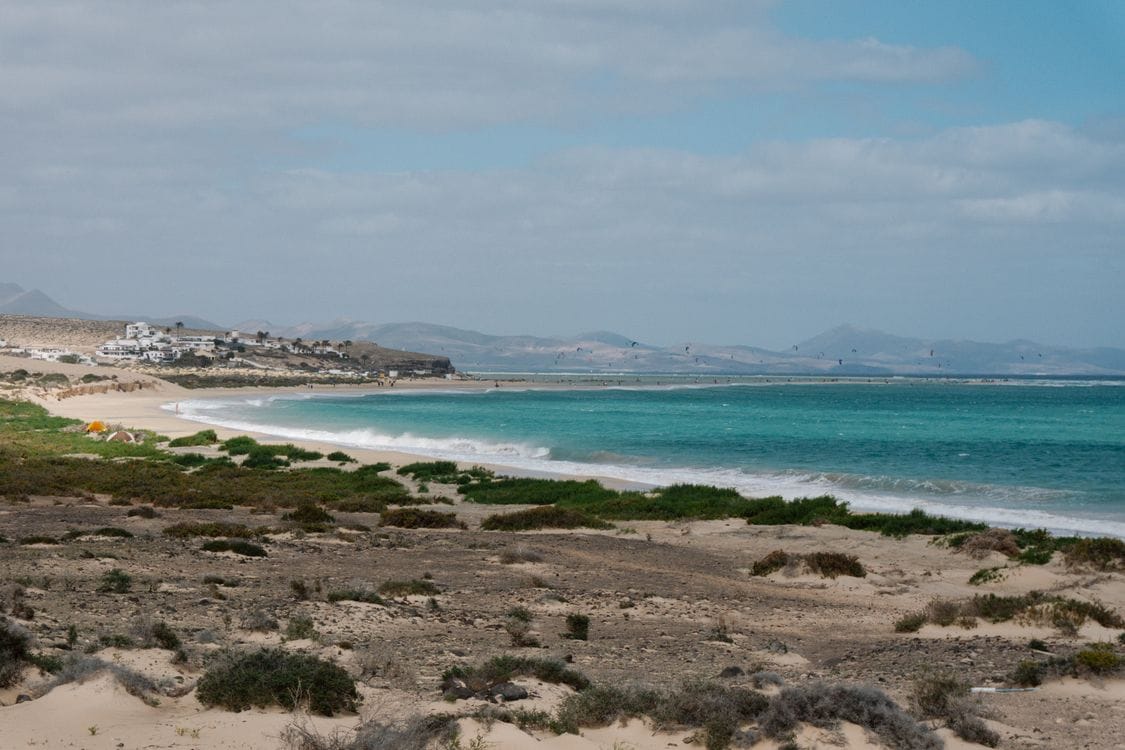
Corralejo Natural Park, Fuerteventura
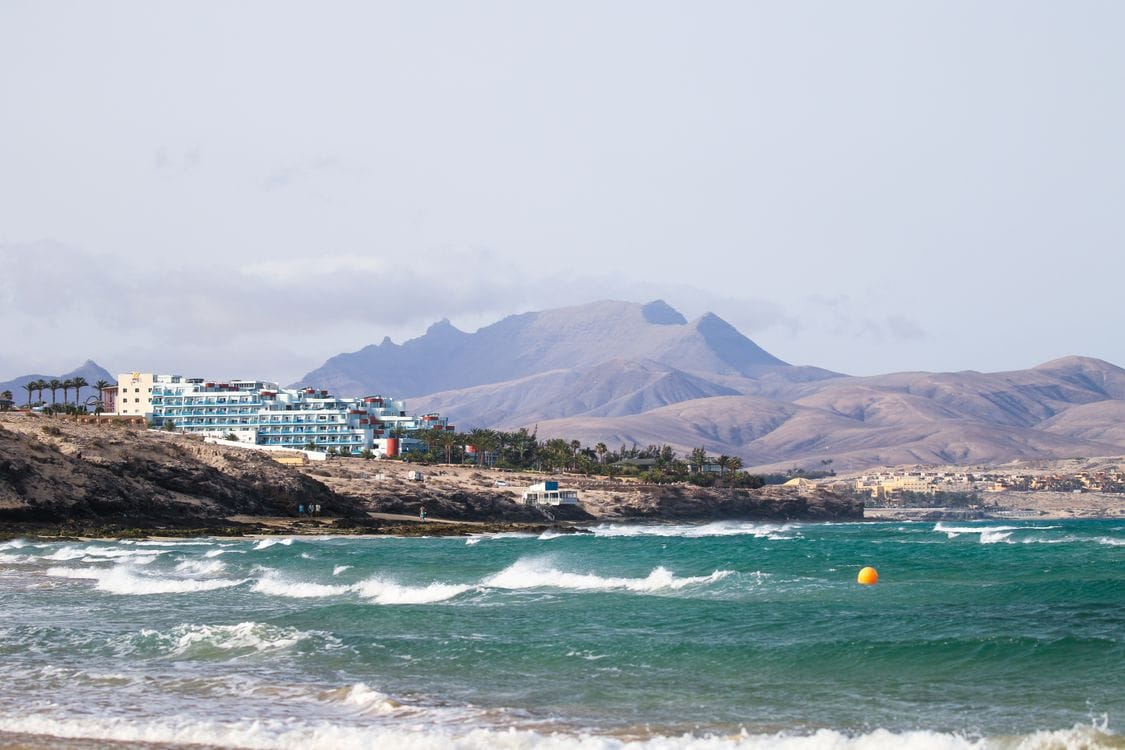
Eleven kilometres of white sand dunes protected as a natural park, meeting clear Atlantic water. The beach is wide and rarely crowded even in summer. Windsurfers use the exposed northern end; the southern end is calmer for swimming.
Playa de las Teresitas, Tenerife
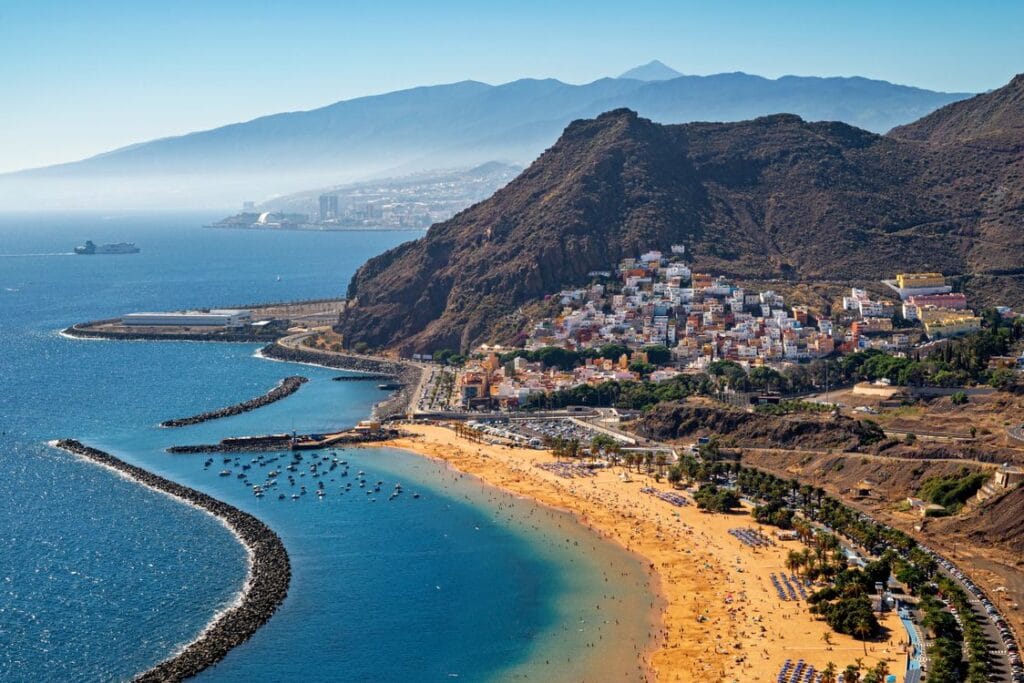
Built from Saharan sand and sheltered by an offshore breakwater. It sits in the quiet north of the island, a 10-minute drive from Santa Cruz. Calm, sheltered water makes it practical year-round.

Maspalomas Dunes, Gran Canaria
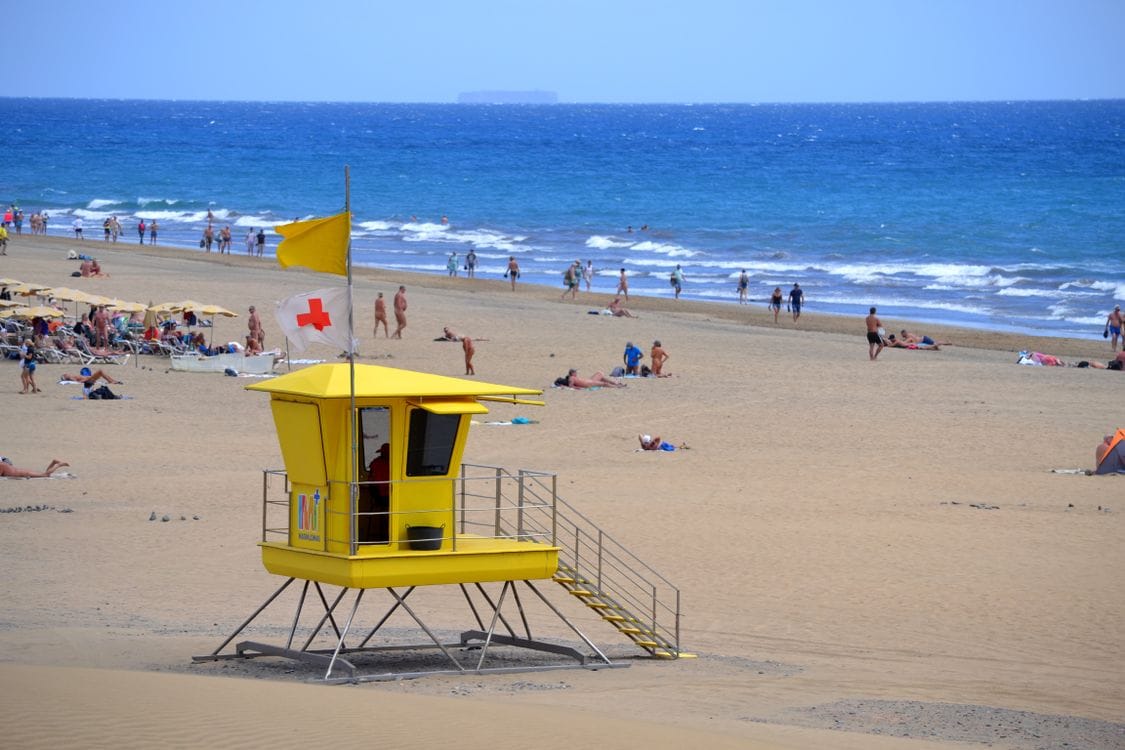
A protected natural reserve of sand ridges running to the Atlantic, with direct resort access from Playa del Ingles. Wide, clean beach with clear water. Manageable outside school holidays.
Papagayo beaches, Lanzarote
A string of small coves at the southern tip of Lanzarote, enclosed by rust-red volcanic cliffs. The water is some of the clearest in the Canaries. Arrive before 10am in summer.
Things to do in the Canary Islands
Every island offers beaches, walking, and local food. The depth varies considerably. These are the experiences that reward the effort across all the islands.
- Take the Teide cable car to 3,555 metres on Tenerife. The summit view on a clear day covers most of the western Canaries. A permit is required to walk the final stretch to the top and must be booked in advance.
- Visit Timanfaya National Park on Lanzarote. Geothermal heat is still active at shallow depth, and rangers demonstrate it by pouring water into volcanic vents. The lava field scenery is unlike anywhere else in Europe.
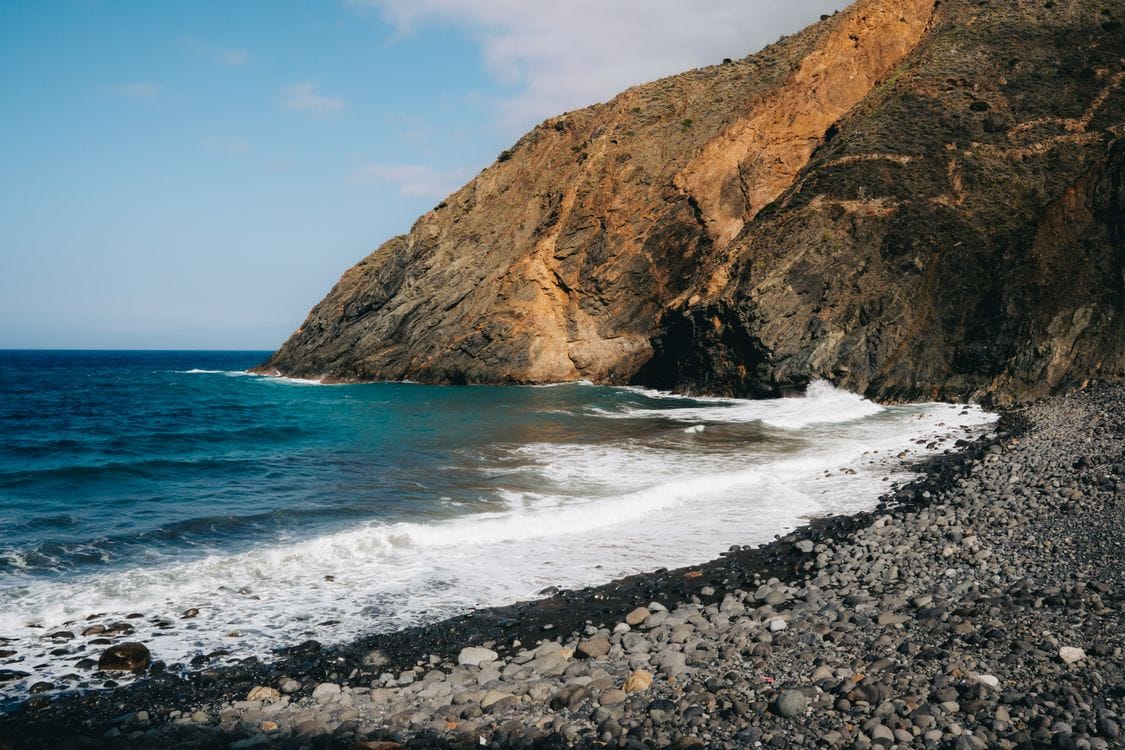
- Walk a section of the GR131 long-distance trail. It runs the length of each island from north to south. La Palma’s version is the most dramatic, passing through cloud forest and volcanic calderas.

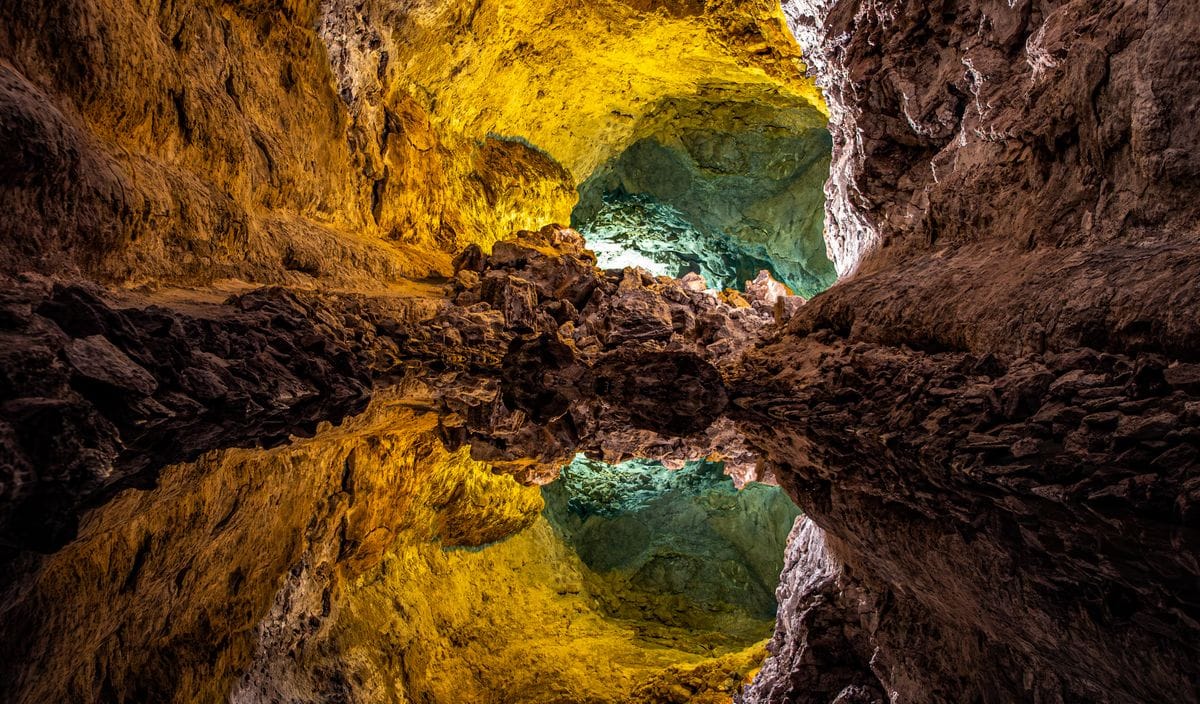
- Explore Jameos del Agua on Lanzarote, one of six Cesar Manrique attractions built into volcanic rock. The subterranean lake contains a species of blind albino crab found nowhere else on earth.
- Eat fresh fish at a local restaurant away from the main resort strip. Vieja (parrotfish) and sama (red snapper) are Canarian specialities. Prices in local restaurants run 30–40% below the resort-facing places.
- Walk the laurel forest at Garajonay National Park on La Gomera. The mist-covered paths through ancient forest are practical as a day trip from Tenerife via the Los Cristianos ferry.
When is the best time to visit the Canary Islands?
The Canaries are flyable year-round, but year-round demand keeps prices higher than purely seasonal destinations. Timing matters more here than at most European sun destinations.
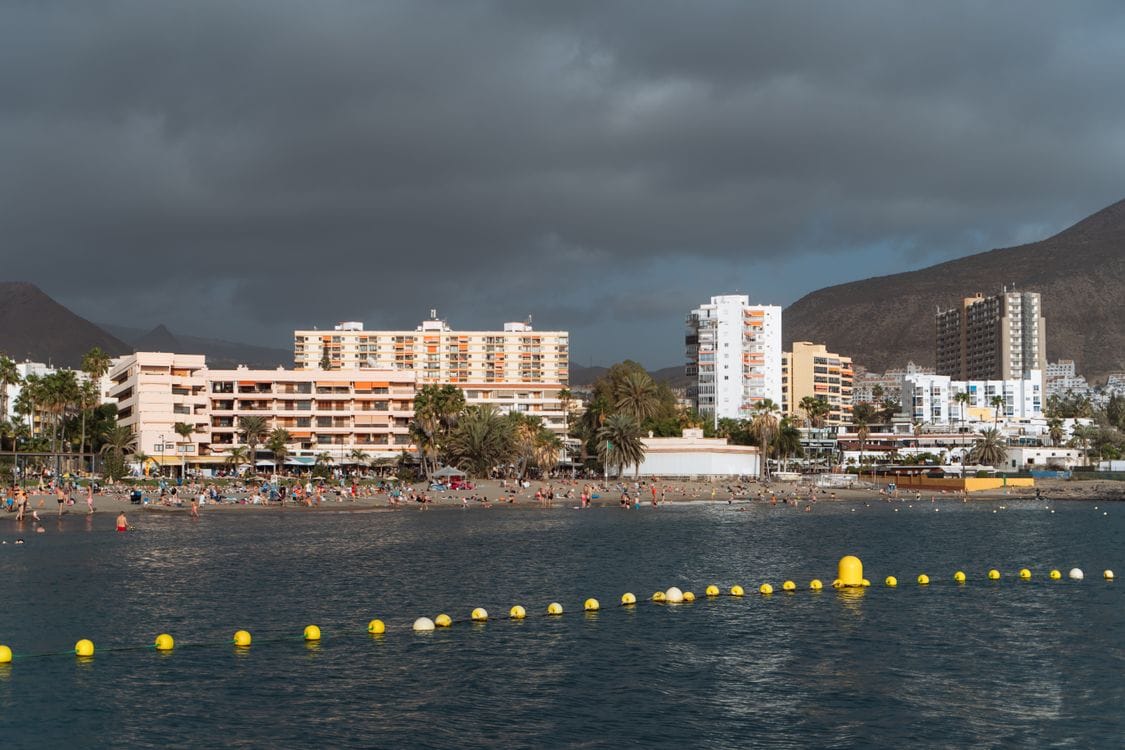
Autumn (October–November) is the best-value window. Summer demand has dropped, the weather stays warm and settled (24–27°C), sea temperatures remain high, and prices come down sharply from August. October is the month most experienced Canary Islands travellers book.
Winter (January–February) gives the cheapest flights and the quietest resorts. Temperatures average 20–22°C with almost no rain. The clientele skews older, and evening entertainment winds down earlier, but the weather is reliable.
Summer (June–August) is the peak for UK families. Temperatures reach 28–30°C, school holiday pricing applies, and package prices are at their highest. Book well in advance or prices rise steeply. Spring (March–May) is a good alternative: the weather is warm, school holidays are shorter, and fares are lower than summer.
| Month | Season | Temp (Tenerife S) | Notes |
|---|---|---|---|
| Jan–Feb | Low | 20–22°C | Cheapest flights; popular with winter-sun seekers; quiet evenings |
| Mar–May | Shoulder | 22–26°C | Good value; Easter spike; sea still cool for some |
| Jun–Aug | Peak | 26–30°C | School holidays; highest prices; busy resorts |
| Sep–Nov | Best value | 24–27°C | Best balance of weather, price, and quietness |
| Dec | Pre-peak | 20–22°C | Prices spike from mid-December; early December still good |
Tenerife’s microclimate splits sharply between the sunnier, drier south and the greener, wetter north, so timing matters more there than on the flatter islands. Our dedicated guide to the best time to visit Tenerife breaks this down month by month.
Airlines flying to the Canary Islands from the UK

Ryanair and easyJet between them cover most UK airports with direct routes to Tenerife South (TFS), Lanzarote (ACE), Gran Canaria (LPA), and Fuerteventura (FUE). Ryanair tends to have the cheapest headline fares. easyJet’s included cabin bag could make it better value on short trips without checked luggage.
Jet2 operates from Manchester, Leeds Bradford, Newcastle, Birmingham, Edinburgh, and Bristol to the main four islands. It is the most popular ATOL-protected package operator for the Canaries from the north of England and Scotland. TUI covers the same market from similar airports, with its own hotels on each island.
British Airways flies Heathrow to Tenerife and Gran Canaria on scheduled services. The cheapest fares on any carrier are typically October, January, February, and early March, outside school half-terms. To compare all routes in one search, use Skyscanner.
What does a Canary Islands holiday cost?
The answer depends almost entirely on how you book and when. Package holidays via Jet2 or TUI typically come in cheaper than self-booking because tour operators block-buy at wholesale rates. Here is a rough guide across three budget levels.
| Budget type | 7-night package | Daily spend | What this gets you |
|---|---|---|---|
| Budget | £550–750 pp (Oct–Nov) | €30–50 | Package AI deal, local bars, free beaches, hire car shared |
| Mid-range | £850–1,200 pp (peak) | €60–90 | 3–4 star hotel, restaurant meals, day trips, hire car |
| Comfortable | £1,400–2,000 pp | €120–180 | 4–5 star resort, guided excursions, fine dining, transfers |
August adds around 30–50% to accommodation costs. Food and local transport stay reasonable year-round. Check our guide to cheap flights from the UK for specific booking strategies that apply to Canary Islands routes.
Choosing your Canary Island
The four main package islands each suit a different type of traveller. Here is how to decide, plus the smaller islands for those who want something different.
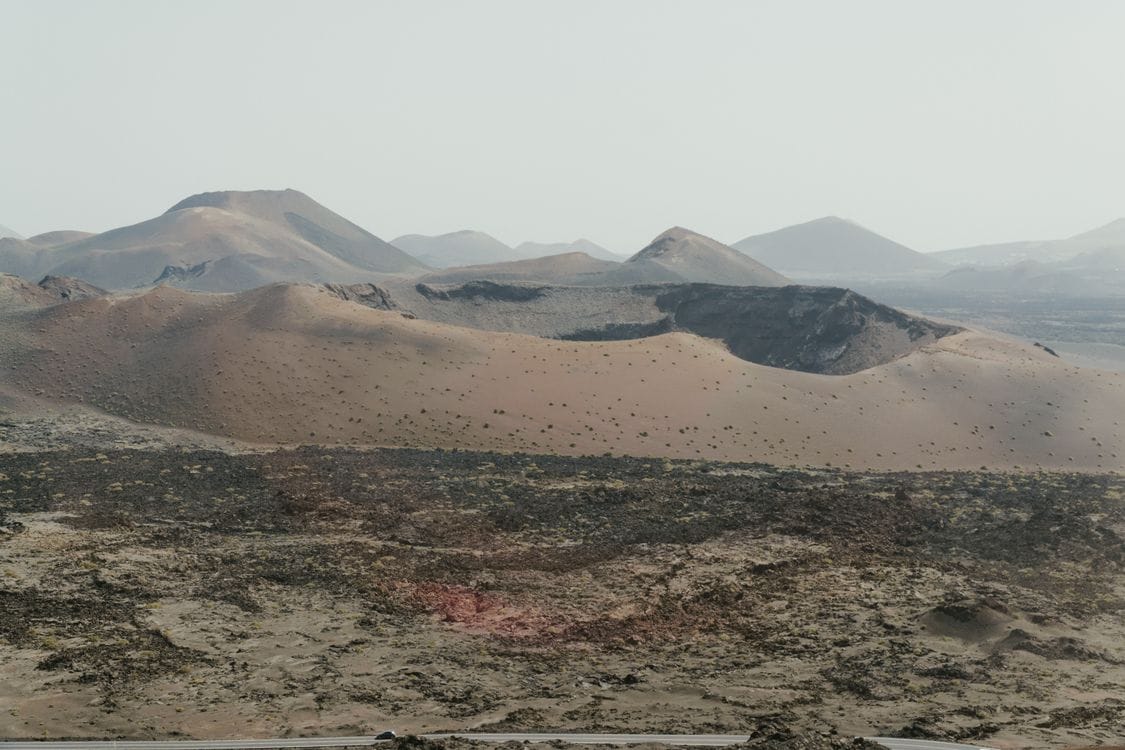
The Canaries split naturally into two groups. Tenerife, Gran Canaria, Lanzarote, and Fuerteventura are the main package islands, with direct UK flights year-round, a full resort infrastructure, and the most competitive pricing. La Palma, La Gomera, El Hierro, and La Graciosa are quieter, less developed, and generally accessed via an inter-island connection from Tenerife.
Choosing between the big four comes down to what matters most. Tenerife for variety and Teide. Lanzarote for volcanic scenery and architecture. Gran Canaria for dunes, city life, and diversity. Fuerteventura for uncrowded beaches and watersports.
Where to stay in the Canary Islands
The islands work at every budget. Self-catering apartments are widely available and often the best value for families or longer stays. Prices on Lanzarote and Gran Canaria tend to run lower than equivalent hotels in Tenerife south. Here are three properties worth knowing.
| Hotel | Location | Why we like it | Book | |
|---|---|---|---|---|
| Good value | Barceló Teguise Beach | Costa Teguise | 9.2 rating, breakfast included, two pools, beachside | |
| Mid-range | Barceló Tenerife | Los Abrigos | 9.0 rating, three pools, sea views, 10 minutes from the airport | |
| Worth the splurge | Lopesan Costa Meloneras | Meloneras promenade | 9.2 rating, full spa, six pools, direct beach access |
For families, Siam Park in Tenerife is voted Europe’s best water park most years. Loro Parque, also in Tenerife, ranks among Europe’s top zoos.
Frequently asked questions
Do UK visitors need a visa for the Canary Islands?
No. The Canary Islands are part of Spain and the EU. UK citizens can visit without a visa for stays of up to 90 days in any 180-day period. Your passport must be valid for the duration of your stay.
Which Canary Island is best for a family holiday?
Tenerife. It has the most direct UK flights, the widest accommodation range, and the best child-friendly attractions, including Siam Park, consistently rated one of Europe’s top water parks.
What’s the cheapest time to visit the Canary Islands?
October and early November. Summer demand has dropped but the weather stays warm and settled. Avoid mid-July through late August, and the Christmas and New Year weeks, when prices peak.
Are the Canary Islands good for winter sun?
Yes. January temperatures in Tenerife South average 20–22°C with low humidity and almost no rain. The islands sit far enough south to guarantee sunshine through the UK’s darkest months.
How long is the flight from the UK?
Around 4 hours from London to Tenerife South (TFS) or Gran Canaria (LPA). Lanzarote (ACE) and Fuerteventura (FUE) are similar. Flying from the north of England or Scotland adds around 20–30 minutes.
For the latest Canary Islands holiday deals and cheap flights from the UK, check the Flight Tribe deals page. All offers are personally verified on the day of publication.

Jane Robinson is Senior Editor at Flight Tribe. She has a Master’s in English and Journalism, and writes about flight deals, holiday offers and practical ways UK travellers can spend less without wasting time on weak promotions. Jane has spent time living and working across Asia and New Zealand, which gave her a lasting interest in how people travel, eat, move around and spend their free time in different places.
At Flight Tribe, her work focuses on verified prices, realistic travel dates, booking terms and whether a deal is actually worth attention.
How Jane works
Jane checks offers against live supplier pages wherever possible, including prices, dates, departure points, baggage rules and booking conditions. She is quietly sceptical of anything that sounds too good to be true, and helps keep Flight Tribe’s travel advice useful, honest and easy to act on.
Editorial standards
Flight Tribe covers deals for readers first. Affiliate links do not decide whether an offer is worth writing about.