Published 30 June 2026 | Updated 8 September 2026 by Kate Acaster
Japan budget travel is more achievable than most UK visitors expect. The exchange rate’s moved in the pound’s favour over recent years, making food, transport, and accommodation noticeably cheaper than they were a decade ago. Return flights from London start at around £450 in the right months, the food’s some of the best anywhere in the world, and Japan’s genuinely easy to navigate even without speaking Japanese.
This is part of a wider series. Browse all of Flight Tribe’s destination guides for more UK budget travel advice.
This is part of a wider series. Browse all of Flight Tribe’s destination guides for more UK budget travel advice.
Direct return flights from London Heathrow to Tokyo start at around £450 in off-peak months. Week-long packages including flights and a hotel in Tokyo start from around £900 per person from specialist operators. Browse Japan holiday deals or search live prices below.
Loading Japan deals…
Plan your Japan trip
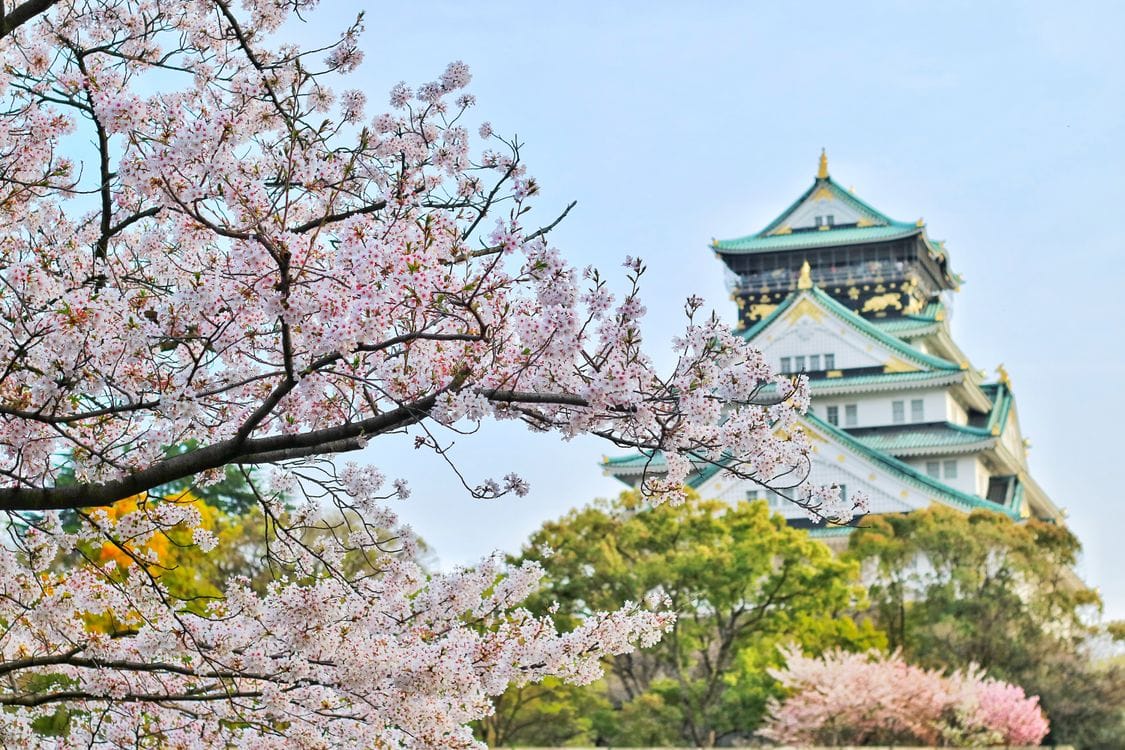
Japan’s most iconic sights
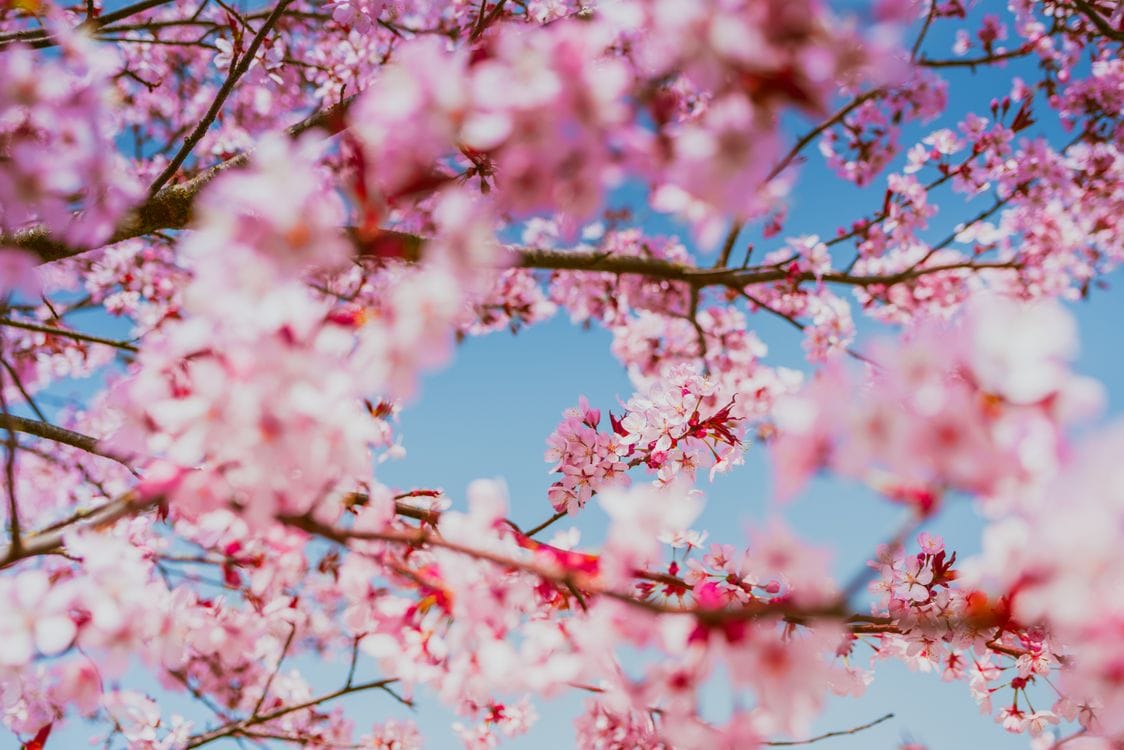
Cherry blossom season, Japan , sakura peaks late March to mid-April
Japan’s sakura season is one of the most sought-after travel experiences in the world — and with good reason. For 7–10 days in late March or early April, parks fill with pink and white blossom and it’s genuinely unlike anywhere else. Tokyo’s Ueno Park, Shinjuku Gyoen, and the Meguro River are the classic spots. Kyoto’s Maruyama Park and Philosopher’s Path are quieter and arguably more beautiful.
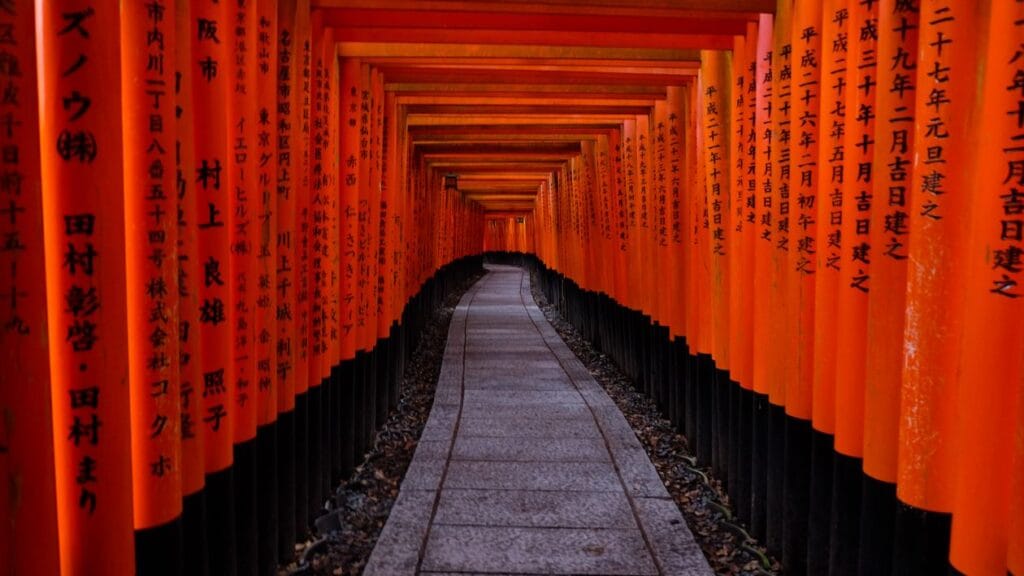
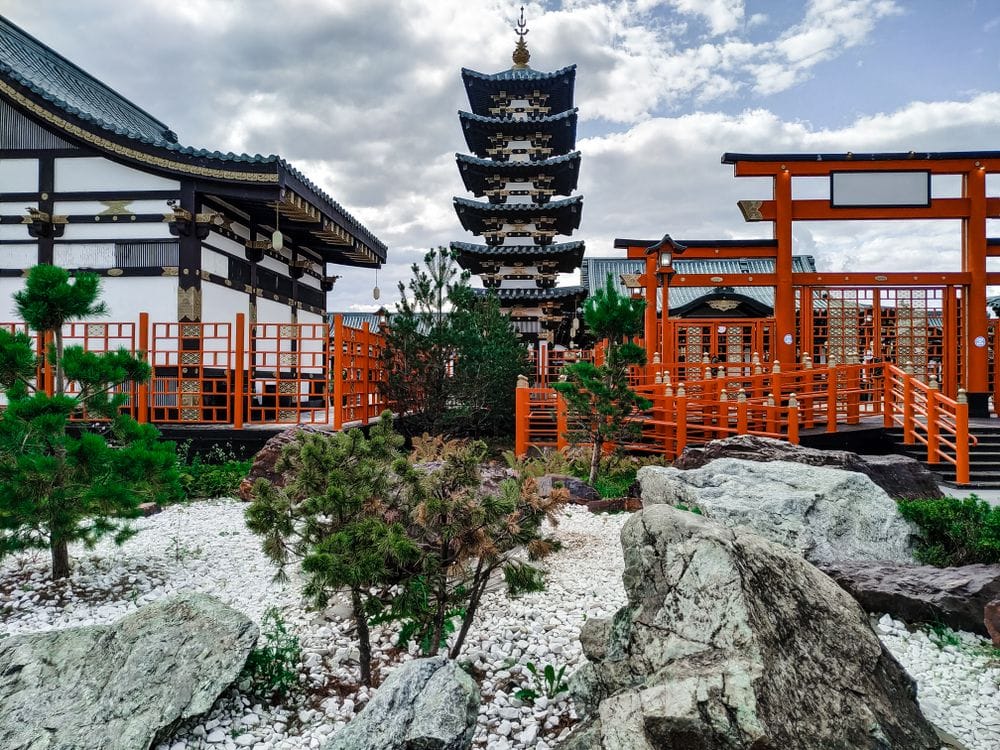
Fushimi Inari Shrine, Kyoto
The thousands of bright orange torii gates at Fushimi Inari snake up a mountain south of Kyoto. It’s one of the most photographed places in Japan, but it’s also genuinely worth the visit. Go early (before 8am) or after 5pm to beat the crowds. The full hike to the summit takes about two hours; most visitors turn back at the main viewing points after 45 minutes.
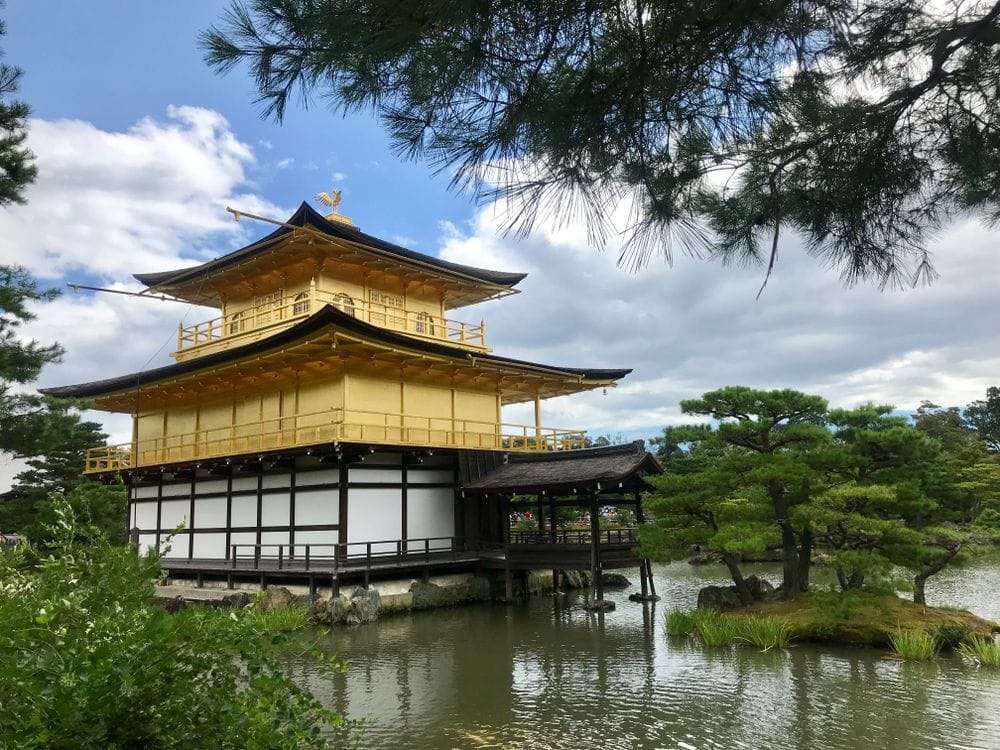
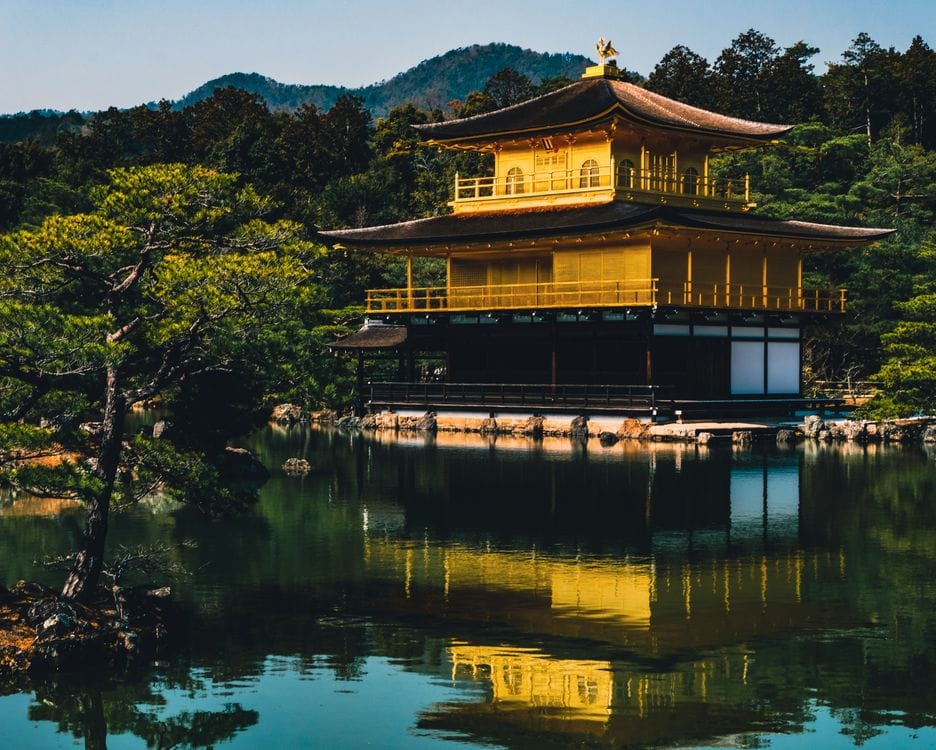
Kinkaku-ji — the Golden Pavilion
Kinkaku-ji is Japan’s most visited site and it’s easy to see why. The top two floors of the pavilion are covered in gold leaf, and its reflection in the surrounding pond is one of those images that looks exactly like the photographs. Book tickets in advance online — queues without pre-booking can be over an hour in peak season. Budget 45–60 minutes for the site itself.
Nara’s deer park
Nara is 45 minutes by train from Kyoto and makes an easy day trip. Around 1,200 sika deer roam freely through the park and surrounding streets. They’re used to people and will approach you looking for deer biscuits (sold at stalls near the park entrance for ¥200). Todai-ji temple, home to a giant bronze Buddha, is a five-minute walk from the main park area and well worth the entry fee.
Things to do in Japan
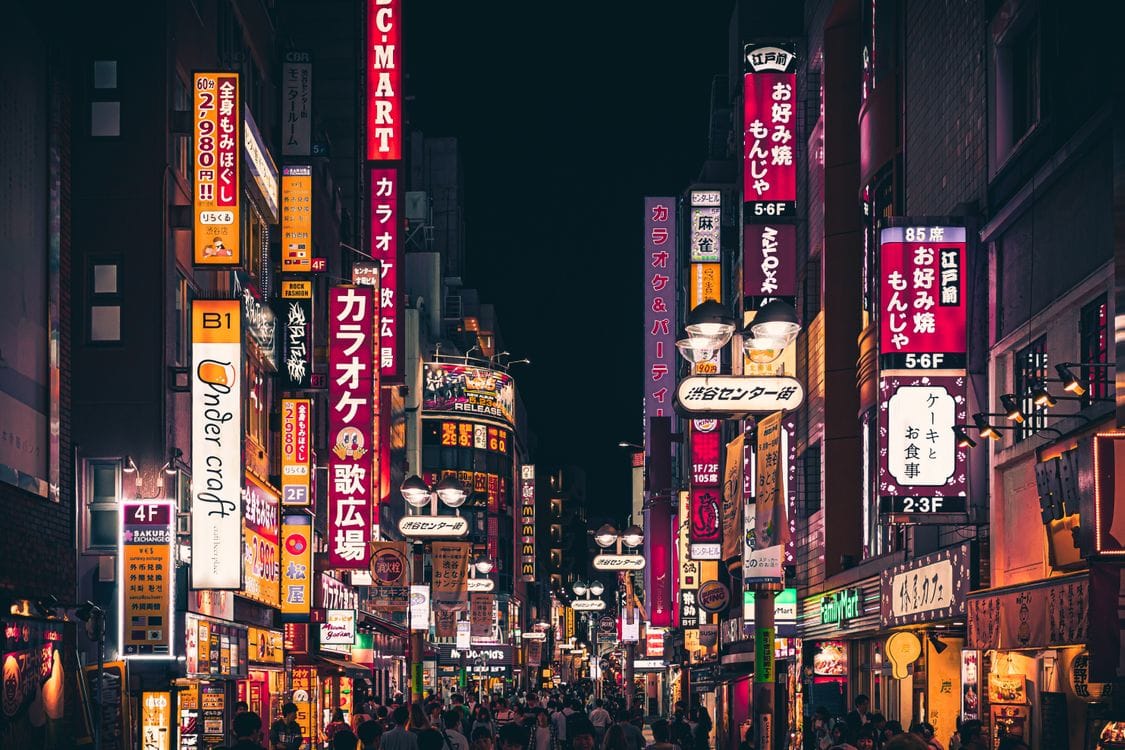
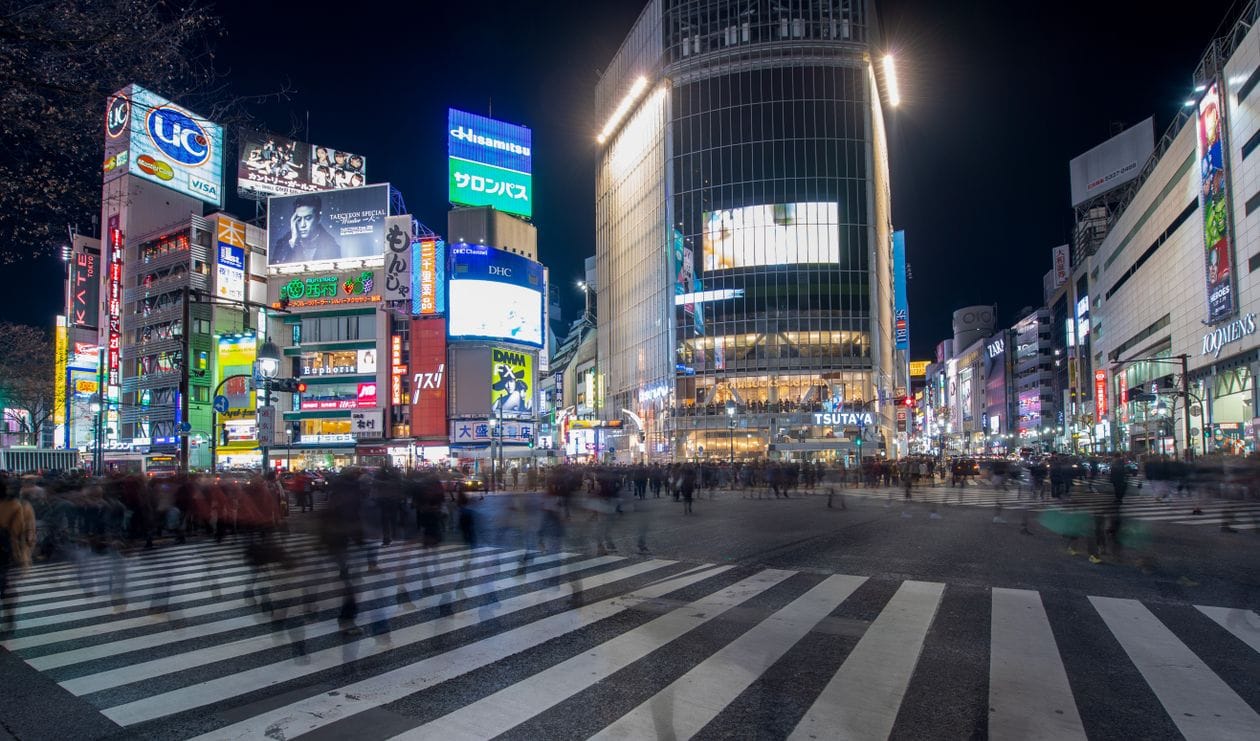
- Walk Shibuya Crossing at night. It’s one of the busiest pedestrian crossings in the world and it’s more impressive than photos suggest. Stand on the second-floor Starbucks for the best view.
- Take the shinkansen to Kyoto for a day trip. Tokyo to Kyoto costs around ¥13,000 (£65) each way on the fastest service. You can’t visit Japan and not see it.
- Visit Tsukiji Outer Market for breakfast. The famous tuna auction is invitation-only, but the outer market’s still the best place in Tokyo to eat fresh sushi and seafood in the morning.
- Spend an afternoon in Senso-ji temple, Asakusa. It’s Tokyo’s oldest temple and one of the most visited in Japan. The approach through Nakamise shopping street sells traditional crafts and food.
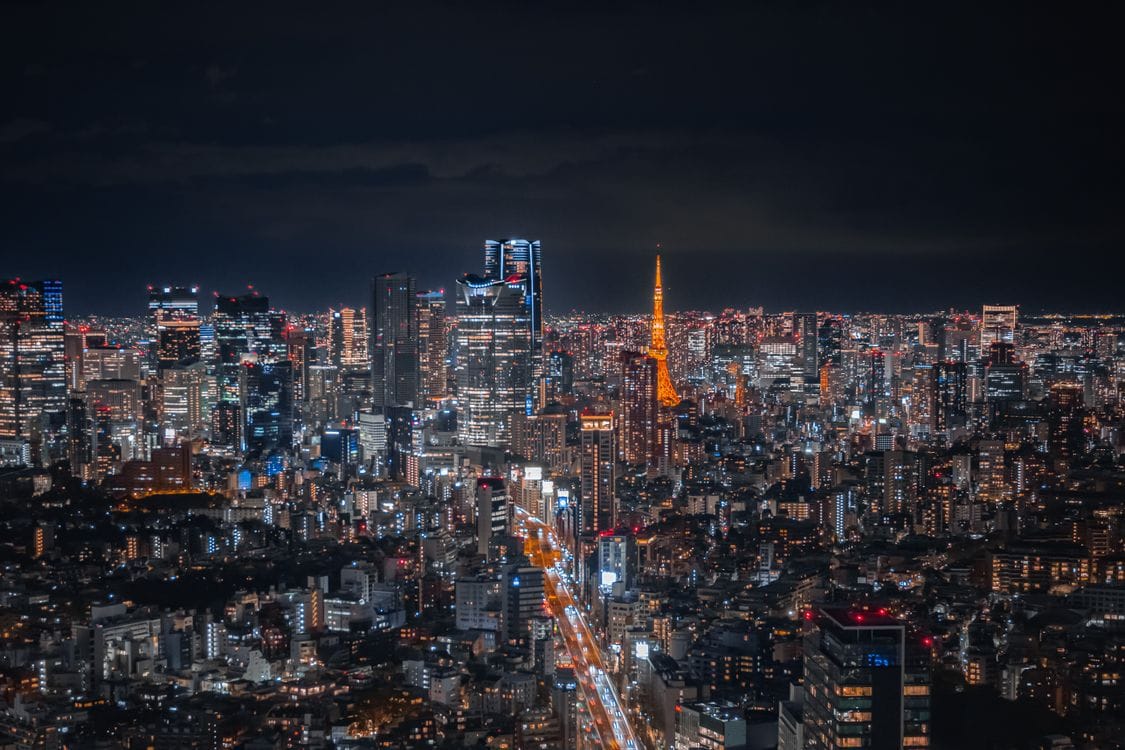
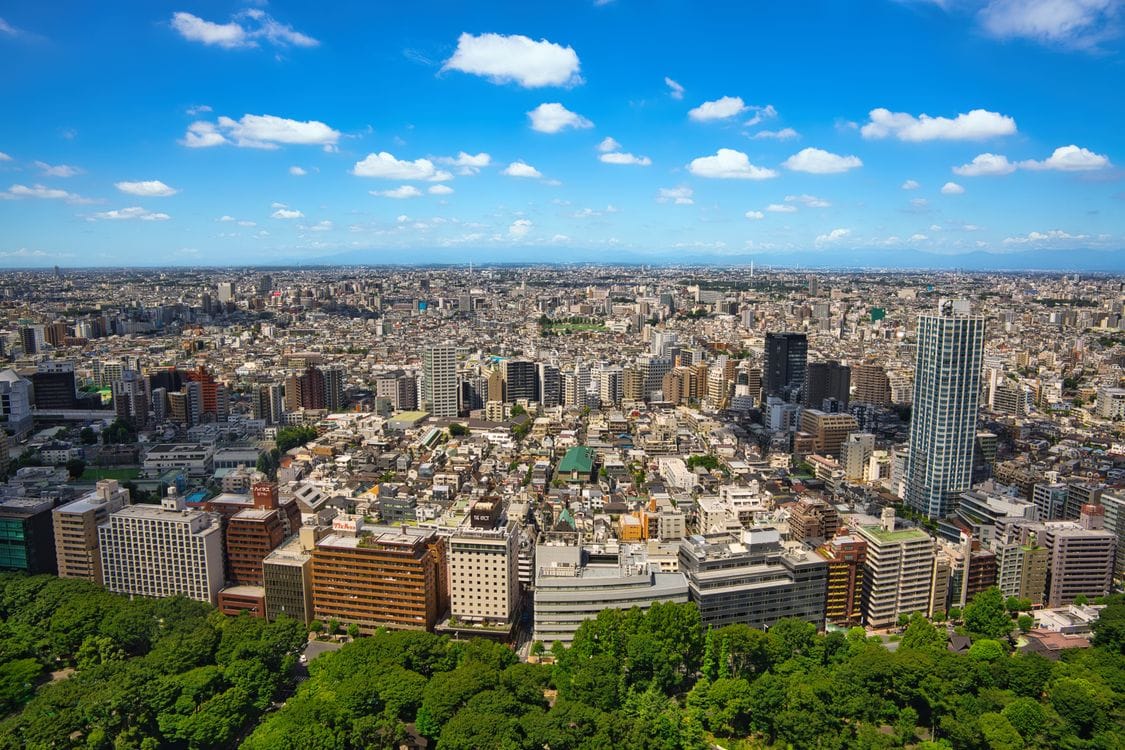
- Climb to an observation deck. Tokyo Skytree (634m) is the tallest structure in Japan. Tokyo Tower (333m) is more atmospheric. Both offer remarkable views on clear days.
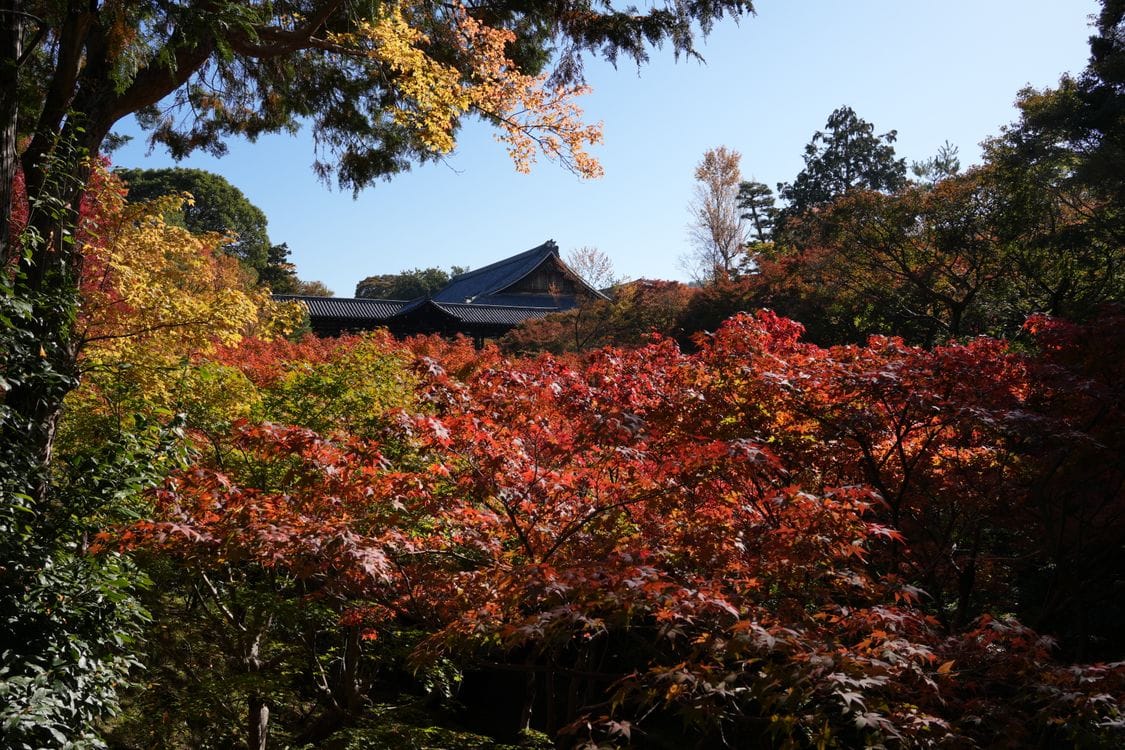
- See autumn foliage in Kyoto. The koyo season (late October to mid-November) rivals cherry blossom for colour and attracts fewer visitors. Tofuku-ji and Arashiyama are the best spots in Kyoto.
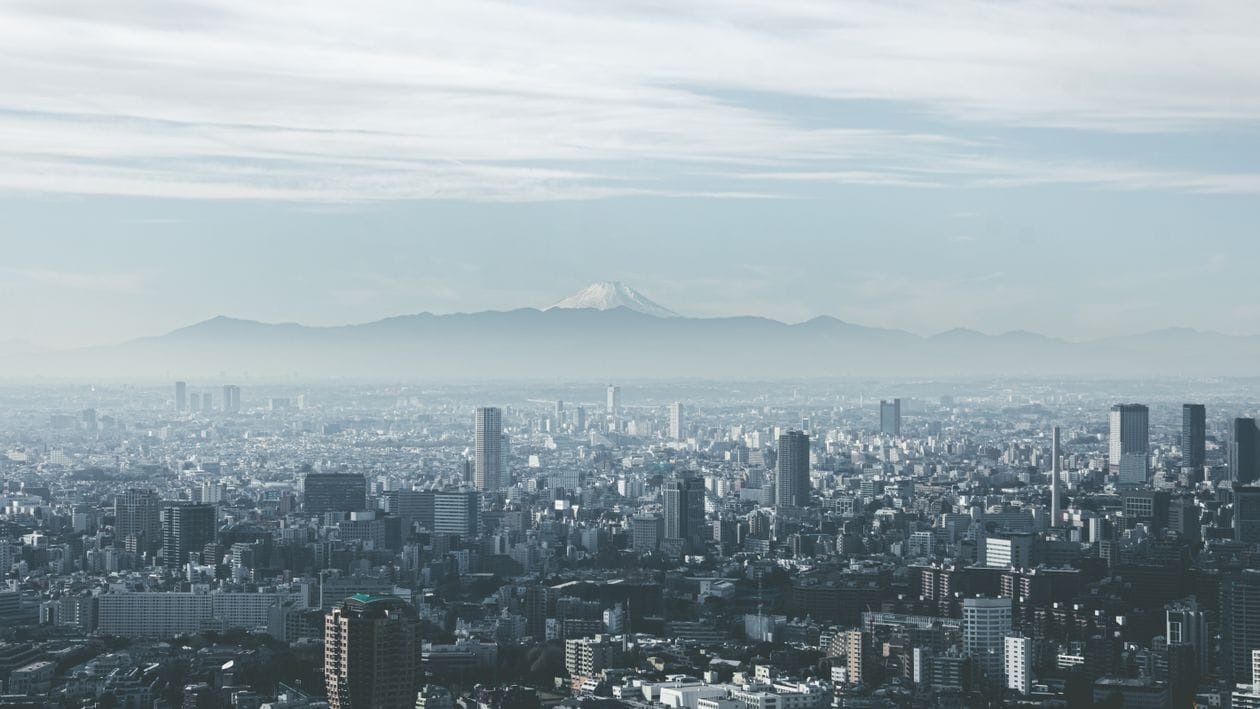
- Take a day trip to Hakone. Hakone is 90 minutes south-west of Tokyo and on clear days you’ll get the best views of Mount Fuji from the lake. Stay overnight for a traditional ryokan experience.
- Eat your way through Osaka. The city’s food culture is unrivalled even by Tokyo’s standards. Takoyaki (octopus balls), okonomiyaki (savoury pancakes), and kushikatsu (fried skewers) are the essentials.
- Wander Arashiyama’s bamboo grove, Kyoto. It’s crowded but it’s still worth it. Go before 8am if you want it to yourself. The surrounding area has excellent temples, a boat rental, and a monkey park on the hillside.
When is the best time to visit Japan?
Broadly, autumn and winter are the best value months, while cherry blossom season in spring costs the most and books up first. See our full month-by-month guide to the best time to visit Japan for the exact weeks to book, the weeks to avoid, and how rainy season and typhoon season factor in.
Airlines flying to Japan from the UK
British Airways and Japan Airlines (JAL) both fly direct from London Heathrow to Tokyo Haneda, taking around 12–13 hours. ANA (All Nippon Airways) also covers the Heathrow–Tokyo route direct. Return economy fares start at around £450 in winter, rising to £700–900 during cherry blossom and autumn foliage seasons. Premium economy offers meaningfully more comfort for around £1,200–1,600 return on the direct carriers.
Indirect options via Amsterdam (KLM), Helsinki (Finnair), Frankfurt (Lufthansa), or Dubai (Emirates) are often £50–150 cheaper, at the cost of an additional 4–7 hours journey time. Finnair via Helsinki is particularly popular with passengers travelling from Manchester and Edinburgh. For current entry requirements and the latest tourist tax information, see the official Japan tourism website.
What does a Japan holiday cost?
| Budget type | Daily spend | 7 nights (excl. flights) | What this gets you |
|---|---|---|---|
| Budget | £55–80 | £385–560 | Capsule hotel or hostel dorm, convenience store meals and ramen shops, IC card for transport, free temples and public parks |
| Mid-range | £120–175 | £840–1,225 | Business hotel in city centre, restaurant meals twice daily, Shinkansen day trips between cities, paid attractions and museum entry |
| Comfortable | £250+ | £1,750+ | Boutique hotel or traditional ryokan with private onsen, kaiseki dinners, private guides, domestic flights between cities |
Tokyo: Japan’s most visited city
Tokyo is where most UK visitors start, and it’s easy to see why. The city’s vast — around 35 million people in the greater metropolitan area — but it functions with a precision that makes getting around genuinely easy. The metro system is clean, frequent, and fully signed in English. The IC card system (Suica or Pasmo) works on almost every train, bus, and at many convenience stores and vending machines.
Getting around Tokyo
The Tokyo Subway 72-hour pass costs around ¥1,500 (under £8) and covers most lines within the city. For day trips to Nikko, Kamakura, or Hakone, the JR East Pass covers most routes. Buy both before you travel for the best price. Taxis are clean and reliable but expensive; Uber operates in Tokyo and is usually cheaper for shorter trips.
Where to stay in Tokyo
Shinjuku is the most practical base: it’s central, well connected, and close to Shinjuku Gyoen park. Shibuya suits younger travellers; Asakusa suits those who want to be near traditional Tokyo and Senso-ji temple. Business hotels in Shinjuku cost £80–140 per night. Capsule hotels start from £25–40 and are a genuine experience rather than just a budget option.
Tokyo tips for first-time visitors
Get an IC card (Suica or Pasmo) at the airport on arrival. Load ¥3,000–5,000 and tap in and out on every train and bus. It works across nearly all public transport in Tokyo and most of Japan.
Book restaurants in advance for anywhere you particularly want to eat — especially ramen counters, sushi spots, and anything that’s appeared in a recent travel guide. Demand is high and many smaller places have limited seats.
The Japan Rail Pass is only worth buying if you’re planning to travel between cities. For Tokyo-only trips, the city’s own transport passes are better value. Calculate your intercity journey costs before purchasing.
Tokyo’s very safe. Petty crime’s low, public spaces are clean, and lost property’s almost always returned. The main practical challenge is cash: many smaller restaurants and shrines still don’t accept cards. Carry ¥10,000–20,000 (around £50–100) in cash at all times.
Do I need a visa to visit Japan from the UK?
You don’t need a visa for tourist stays of up to 90 days in Japan. You’ll need a valid passport and a return ticket. Japan has a tourist departure tax of around ¥1,000 (£5) per person, collected at the airport. Check the official Japan tourism website for any updated entry conditions before travel.
Japan: frequently asked questions
Here are the questions UK travellers ask most often before visiting Japan for the first time. For more detail, you’ll find specific guides linked above.
When is cherry blossom season in Japan?
Cherry blossom (sakura) peaks in late March and early April in Tokyo, and a few days later in Kyoto. Timing varies by about a week each year depending on winter temperatures. The blooms typically last 7–10 days. It’s the most popular time to visit and also the most expensive: flights and accommodation cost significantly more than off-peak.
How much does a trip to Japan cost from the UK?
A week in Japan costs around £1,300–2,000 including return flights from London, depending on the time of year and your travel style. Budget travellers can manage on £55–80 per day on the ground; mid-range travellers typically spend £120–175. November and January–February offer the lowest combined flight and hotel prices.
Is Japan expensive for UK travellers?
Less so than it was. The yen’s weakened significantly against the pound over the past decade, making Japan noticeably better value than its reputation suggests. Food’s particularly affordable: a bowl of ramen costs £6–9, a convenience store lunch under £4. Transport is efficient and cheap. The main expense is accommodation in central Tokyo, which costs £80–140 per night for a decent business hotel.
Which airlines fly direct from the UK to Japan?
British Airways, Japan Airlines, and ANA all fly direct from London Heathrow to Tokyo (Haneda or Narita). Flight time’s around 12–13 hours. Indirect routes via Amsterdam, Helsinki, Frankfurt, or Dubai typically cost £50–150 less but add 4–7 hours to journey time. Finnair via Helsinki is a popular choice for passengers travelling from northern UK airports.
How do I get around Japan?
The Shinkansen (bullet train) network connects all major cities. Tokyo to Kyoto takes 2 hours 15 minutes; Kyoto to Osaka takes 15 minutes. The Japan Rail Pass, purchased before you leave the UK, covers most Shinkansen routes and’s worth buying if you’re visiting more than two cities. Within cities, IC cards (Suica or Pasmo) work on all metro and bus systems. Taxis exist but are expensive.
Japan rewards the visitors who go in with a bit of preparation but not too much of a plan. The combination of extraordinary food, fast and reliable transport, and a culture that’s genuinely different from anywhere in Europe makes it one of the most compelling long-haul destinations for UK travellers. Browse the latest flight deals and holiday deals to find current prices, or read our guide to getting cheap flights from the UK to plan your trip.

Kate Acaster is Chief Editor at Flight Tribe. She writes about practical travel planning, budget airlines, baggage rules, city breaks, beach holidays and good hotels that do not cost daft money.
Kate has travelled through Europe, South America and beyond, usually with a notebook, a half-formed plan and a strong opinion on airport snacks. At Flight Tribe, her work focuses on helping UK travellers understand what is included, what costs extra, and whether a trip is worth booking at the price shown.
How Kate works
Kate checks the details that can change the value of a trip, including cabin-bag rules, airline fees, hotel location, seasonality, travel dates and booking conditions. She is especially interested in offers that look useful on the surface but need a proper reader-first check before they are worth recommending.
Editorial standards
Flight Tribe covers deals and travel advice for readers first. Affiliate links do not decide whether an offer is worth writing about.