Published 10 June 2026 | Updated 29 August 2026 by Kate Acaster
Why Istanbul budget travel works so well for UK visitors
Istanbul sits across two continents, and that alone makes it worth the trip. What keeps British travellers coming back is the cost. Direct flights run under £70 one-way with budget carriers from UK airports. Once you land, the Turkish lira exchange rate does the rest: you get roughly twice the spending power you would have in Rome or Barcelona for the same money.
Advertisement
What your money actually buys
The lira has weakened significantly against the pound in recent years, and the gap shows up everywhere. A simit (sesame bread ring) from a street cart costs around 30p. Decent budget hotels start from around £45 a night in the Old City. The Blue Mosque and Grand Bazaar are free. Hagia Sophia charges foreign visitors €25. A Bosphorus ferry crossing costs around 70p. This combination of extraordinary history, world-class food, and genuine low prices is unusual for a city of Istanbul’s scale. For a UK traveller watching the budget, there is no better value short-haul destination in 2026.
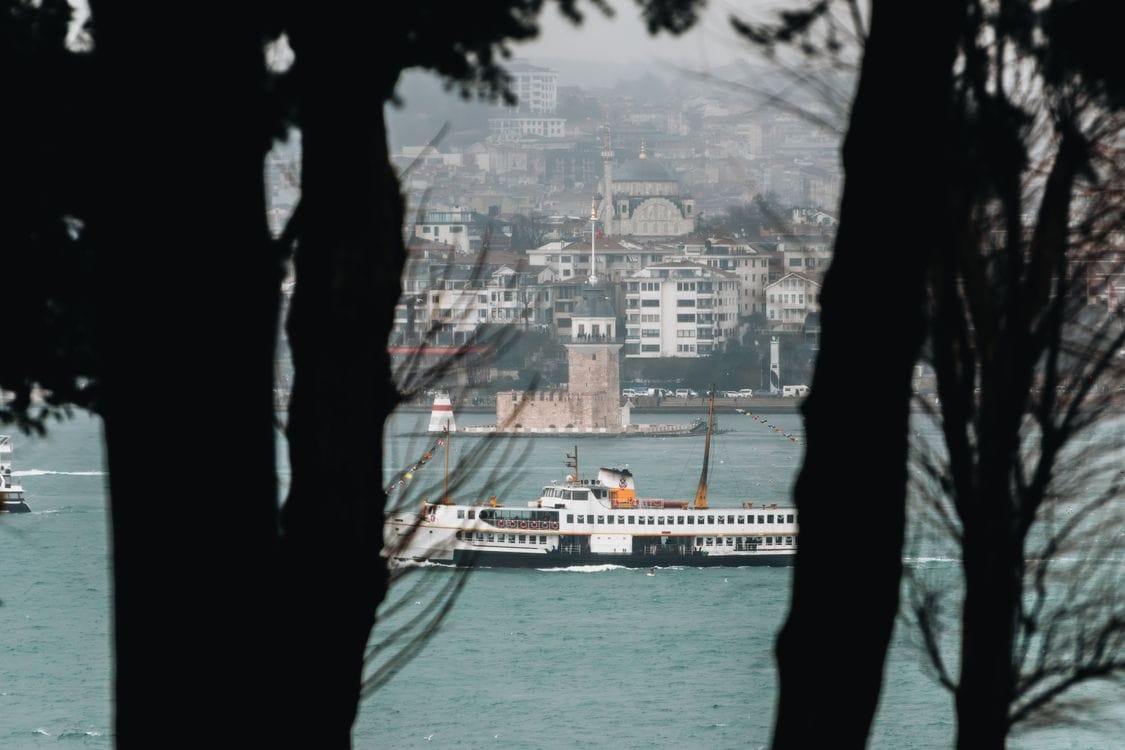
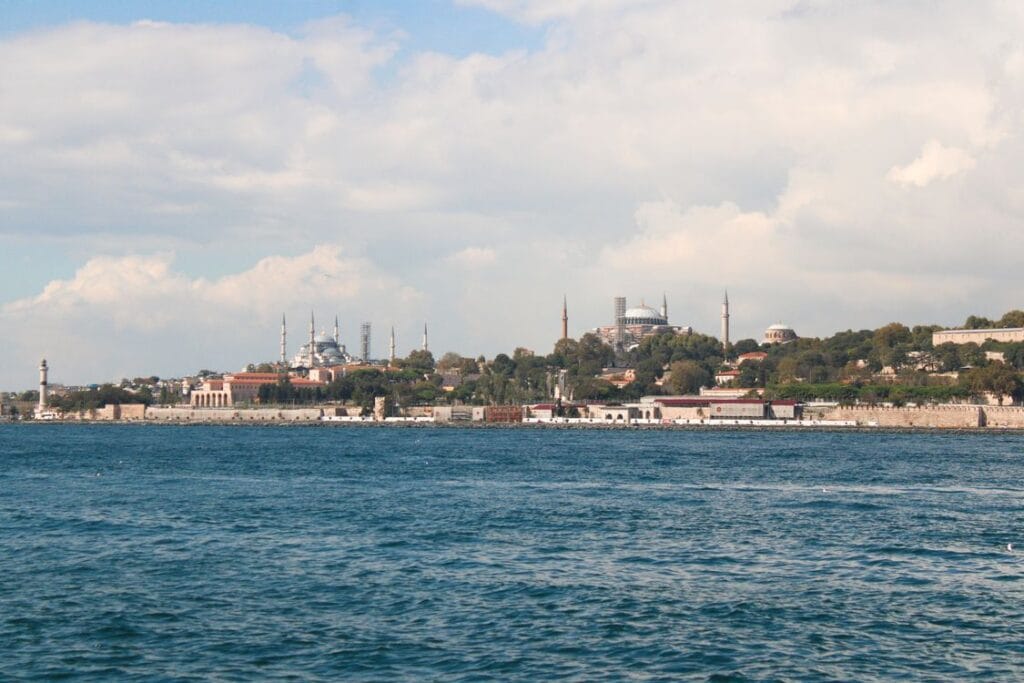
The Bosphorus ferry from Eminönü to Kadıköy on the Asian side takes 25 minutes and costs around 70p. It’s one of the best-value experiences in any city in Europe and comes with one of the finest views of the Istanbul skyline.
Getting to Istanbul from the UK
Several budget airlines fly here from UK airports, with return fares typically running £130-250 depending on season and how far ahead you book. Book 6-10 weeks ahead for the best prices; avoid July and August if cost is the priority. The city has two airports. Istanbul Airport (IST) is on the European side and serves most major carriers. Sabiha Gökçen (SAW) is on the Asian side, used mainly by budget airlines; it adds 20-30 minutes to the journey to the Old City.
| Airline | UK airports | From (one-way) | Istanbul airport |
|---|---|---|---|
| Wizz Air | Stansted, Gatwick, Luton | from £60 | SAW (Asian side) |
| easyJet | Gatwick, Manchester, Edinburgh | from £75 | IST (European side) |
| Pegasus | Stansted, Gatwick | from £87 | IST and SAW |
| Turkish Airlines | Heathrow, Manchester | from £150 | IST (European side) |
Getting around Istanbul
The Istanbulkart is the first thing to buy when you arrive. This reloadable card covers every form of public transport in the city: metro, tram, bus, Bosphorus ferry, and funicular. Each journey costs around 70p. The card itself costs about £2.55 and is available from yellow vending machines at any metro or tram stop. You can top it up at the same machines or at convenience shops throughout the city. Don’t lose it.
Getting in from the airports
From Istanbul Airport (IST), the M11 metro line runs to the city centre in 35-40 minutes for a single Istanbulkart fare. From Sabiha Gökçen (SAW), take the M12 metro to Pendik, then the Marmaray commuter rail to the European side; allow 60-70 minutes. Taxis from either airport are significantly more expensive and aren’t worth it unless you have a lot of luggage and a confirmed app-based price.
| Transport | Cost | What it covers |
|---|---|---|
| Tram (T1) | ~70p | Main tourist corridor |
| Metro (M11) | ~70p | Istanbul Airport to city centre |
| Bosphorus ferry | ~70p | Eminönü or Karaköy to Kadıköy |
| Metrobüs | ~85p | Fast cross-city bus on dedicated lanes |
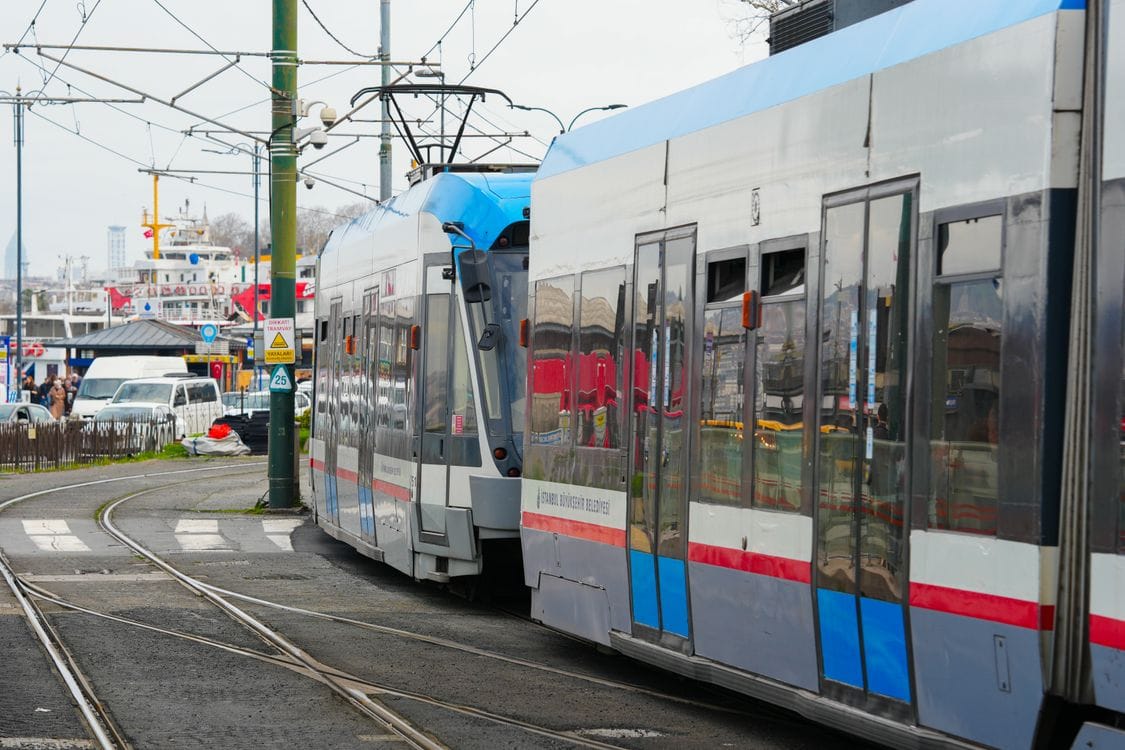
The T1 tram runs the length of the main tourist corridor from Sultanahmet through Karaköy to the Eminönü ferry terminal. A single Istanbulkart journey costs around 70p and connects most of what you want to see in the Old City.
Where to stay in Istanbul on a budget
Sultanahmet is the logical base for a first visit: the main sights are walkable, the neighbourhood is safe, and there is a strong range of hotels at every price point. Beyoğlu and Galata offer a livelier, more contemporary atmosphere closer to restaurants and bars. Kadıköy on the Asian side is cheaper and very local in feel, but adds a 25-minute ferry crossing to the main sights.
| Hotel | Area | From per night | Why it works |
|---|---|---|---|
| Osmanhan Hotel | Sultanahmet | from £45 Budget | Free breakfast, 9.6 guest rating |
| Muyan Suites | Sultanahmet | from £75 Mid | Free breakfast, suite-style rooms, 9.4 rating |
| Hotel Nena | Sultanahmet | from £105 Worth it | Bosphorus views, balconies, 9.0 rating |
"Walk two streets back from any major sight and an esnaf lokantası will do you a set meal for £3 to £6. Stay where the crowds are and you’ll pay more for food that usually isn’t as good. Do that at every meal for a week and it’s the difference between an expensive trip and a cheap one."
Kate Acaster, Chief Editor, Flight Tribe
What to eat in Istanbul on a budget
Istanbul is one of the best cities in Europe for cheap eating. A simit (sesame bread ring) from a street cart costs around 30p. A döner dürüm (kebab wrap) runs £1.50-2.50. Börek, the flaky pastry filled with cheese or spinach, is under £1 at a bakery. Esnaf lokantası are workers’ lunch restaurants serving set meals for £3-6; they fill fast and won’t serve past mid-afternoon. Fish sandwiches on the Galata Bridge waterfront cost around £2.50 and are touristy but genuinely good.
The two-street rule
For a sit-down meal, the simple rule: walk at least two streets away from any major sight before choosing a restaurant. The same food often costs noticeably less, and the quality is frequently better.
| Venue | Budget | What to expect |
|---|---|---|
| Tarihi Sultanahmet Köftecisi | Under £8/person Budget | Two choices: kofte or lamb shish. Been here since 1920. |
| Karaköy Güllüoğlu | £3-8/person Mid | Istanbul’s most famous baklava shop, trading since 1949. Also serves Turkish breakfast. |
| Çiya Sofrası | £12-20/person Worth it | Traditional Anatolian recipes, regional dishes, seasonal menu. A genuine local favourite. |
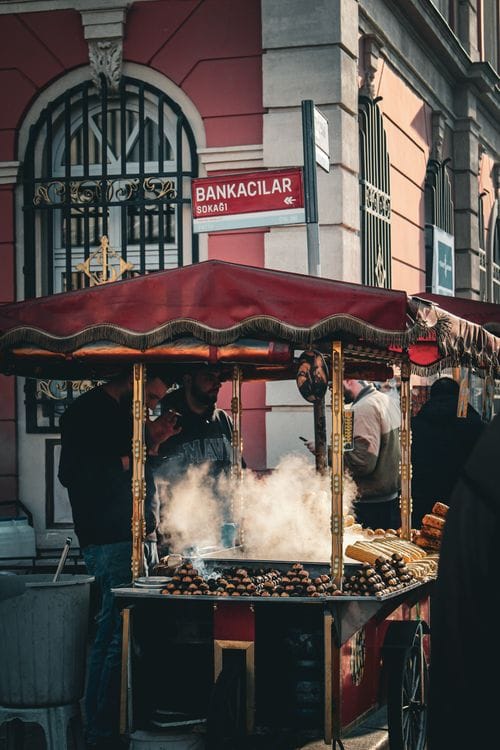
Street food is one of Istanbul’s defining pleasures. Simit sellers, döner stands, and fresh juice carts are on almost every corner in the Old City. A full day of street eating costs well under £10, including a fish sandwich at the Galata Bridge.
Things to do: free and cheap in Istanbul
Istanbul still has plenty worth seeing for nothing, but Hagia Sophia is no longer one of them. Foreign visitors have paid a fee since January 2024, now €25, and it buys the upper gallery only. The Blue Mosque is still free, and asks for modest dress and a visit outside prayer times. The Grand Bazaar, one of the world’s great covered markets with over 4,000 shops, is free to wander. The Spice Bazaar near the Galata Bridge waterfront is the same. The Bosphorus ferry at 70p remains one of the best-value experiences of any city in Europe.
What the paid sights cost
The main paid attractions are worth the money. The Istanbul Museum Pass (€105) gives five days of access to 13 museums and historic sites, including Topkapi Palace and the Harem, and pays for itself if you plan to visit Topkapi plus two or three others. Note that neither Hagia Sophia nor the Basilica Cistern accepts the Museum Pass; both charge separately.
| Attraction | Entry cost | Notes |
|---|---|---|
| Hagia Sophia | €25 Paid | Upper gallery only; Museum Pass not valid; modest dress required |
| Blue Mosque | Free Free | Cover legs and shoulders; closes for 5 daily prayer times |
| Grand Bazaar | Free to enter Free | Over 4,000 shops; prices are negotiable |
| Bosphorus ferry | ~70p Cheap | Eminönü or Karaköy to Kadıköy; 25-minute crossing |
| Topkapi Palace | €55 Paid | Combined ticket includes Harem and Hagia Irene |
| Basilica Cistern | €38 Paid | Does not accept Museum Pass; card or Istanbulkart only |
| Museum Pass (5 days) | €105 Pass | 13 museums and sites; good value if visiting Topkapi plus several others |
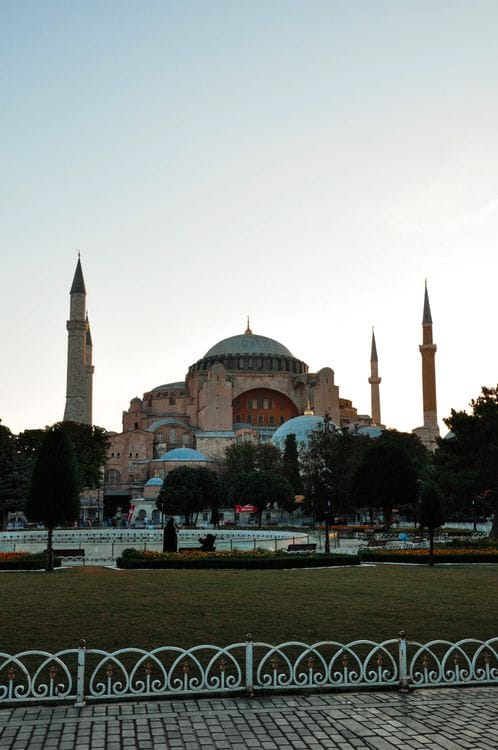
Hagia Sophia has been a church, a mosque, a museum, and a mosque again over its 1,500-year history. Foreign visitors now pay €25 to reach the upper gallery. The area around Sultanahmet Square at dusk, with both Hagia Sophia and the Blue Mosque lit up, is one of the most atmospheric walks in any European city.
Istanbul money tips
Pay in Turkish lira everywhere. If a shop or restaurant offers to charge you in pounds or euros, don’t accept. Dynamic currency conversion adds 3-5% to the real exchange rate, and the merchant keeps the difference. Always choose to pay in local currency when asked at the card terminal.
Getting cash without losing on it
Withdraw cash using a fee-free UK card. Starling, Monzo, and Chase waive overseas ATM fees. Traditional bank cards typically charge 1.5-3%, which adds up quickly over a week. Avoid airport and hotel exchange desks, which consistently offer poor rates. Grand Bazaar money changers can offer competitive rates but always agree the rate before handing over any cash.
Cash or card?
Cards are widely accepted at hotels, larger restaurants, and tourist shops. Street food, local markets, and smaller cafes are typically cash only. Carry the equivalent of £20-30 in lira for your first day. The Istanbulkart can be loaded with cash from vending machines using a card as an alternative to carrying notes. For broader strategies on keeping travel costs down, see our 50 budget travel tips.
Best time to visit Istanbul
The two best windows are April to June and September to October. Temperatures sit at 18-25°C, crowds are manageable, and hotel prices are reasonable. Spring is particularly worth targeting: Istanbul’s parks fill with tulips in April, and the evenings are long and mild by June. July and August are hot (28-35°C), very busy, and expensive. Hotel rates can double in peak summer. If July is your only option, book accommodation well in advance and expect to pay at least 30% more than the figures below.
Low season and the trade-off
November to March brings genuine low-season deals on flights and hotels, but shorter days and variable weather. January is the cheapest month. The city is occasionally extraordinary in snow, though it is not guaranteed. For a full month-by-month comparison of weather across European destinations, see Where’s Hot Each Month.
| Season | Months | Temp | Prices | Notes |
|---|---|---|---|---|
| Spring | April to June | 15-25°C | Mid Sweet spot | Tulip season in April; long evenings by June |
| Summer | July to August | 28-35°C | High Expensive | Hot and busy; hotel prices spike significantly |
| Autumn | September to October | 18-25°C | Mid Sweet spot | Second-best window; calmer and cooler after August |
| Winter | November to March | 4-12°C | Low Best deals | Cheapest flights and hotels; shorter days |
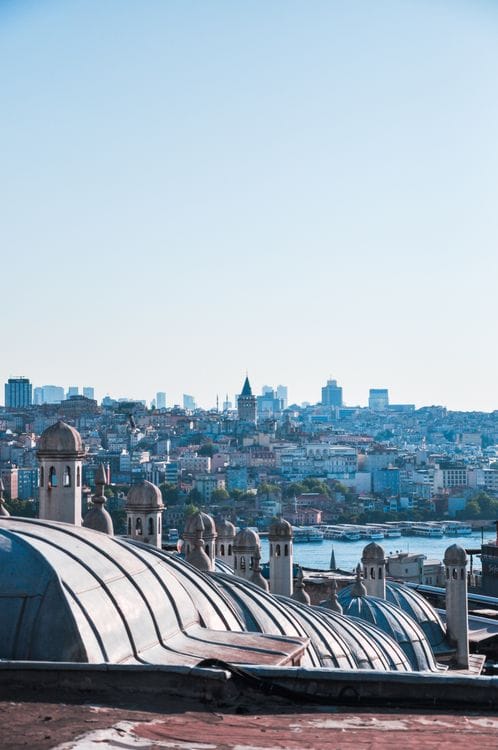
Istanbul in spring and autumn rewards visitors with mild weather, manageable crowds, and some of the most atmospheric light in Europe. The city’s rooftop bars and cafe terraces come into their own in these shoulder months.
Sample daily budgets in Istanbul
These figures are per person, per day, covering accommodation, food, local transport, and entry to sights. Flights are not included. A realistic return fare from the UK adds £130-250 to the total; divide by your trip length to get a per-day flight cost to add to the figures below.
| Traveller type | Accommodation | Food and transport | Daily total |
|---|---|---|---|
| Budget | Hostel dorm or basic guesthouse | Street food, Istanbulkart, free sights | £35-50 |
| Mid-range | Budget hotel with breakfast | One sit-down meal, Istanbulkart, one paid sight | £70-90 |
| Comfortable | 3-star hotel, Bosphorus views | Restaurant meals, day trip, Museum Pass | £120-150 |
Frequently asked questions
Is Istanbul expensive for UK visitors?
No. Istanbul is one of the most affordable destinations available to British travellers. The Turkish lira exchange rate typically gives you roughly twice the spending power you would have in Paris or Rome for the same money.
How much does a week in Istanbul cost from the UK?
A budget week costs roughly £400-700 all in, including return flights from around £130, accommodation at £35-50 per night, and daily expenses of £15-25. A mid-range week runs £700-1,200 depending on hotel choice and how many paid sights you visit.
Do UK citizens need a visa for Turkey?
No. British citizens can enter Turkey visa-free for up to 90 days in any 180-day period, as confirmed on GOV.UK Turkey entry requirements. Check before you travel, as rules can change.
How do I get from Istanbul Airport to the city centre?
Take the M11 metro from Istanbul Airport (IST) to the city centre; the journey takes 35-40 minutes and costs around 70p with an Istanbulkart. From Sabiha Gökçen (SAW) on the Asian side, take the M12 metro and Marmaray rail; allow 60-70 minutes. Both routes are far cheaper than a taxi.
Is the Istanbulkart worth buying?
Yes, always. The Istanbulkart covers every form of public transport in Istanbul, including the metro, tram, bus, and Bosphorus ferry, at around 70p per journey. The card costs about £2.55 and is available from yellow vending machines at any metro station.
What is the cheapest way to fly to Istanbul from the UK?
Wizz Air typically offers the lowest fares from London Stansted and Gatwick to Sabiha Gökçen (SAW). Book 6-10 weeks ahead and avoid July and August for the best prices. easyJet and Pegasus are the main alternatives.
Can I use a debit or credit card in Istanbul?
Cards are widely accepted at hotels, larger restaurants, and shops. Carry some cash in Turkish lira for street food, markets, and smaller cafes, which are typically cash only. Use a fee-free UK card such as Starling, Monzo, or Chase, and always pay in lira to avoid dynamic currency conversion charges.

Kate Acaster is Chief Editor at Flight Tribe. She writes about practical travel planning, budget airlines, baggage rules, city breaks, beach holidays and good hotels that do not cost daft money.
Kate has travelled through Europe, South America and beyond, usually with a notebook, a half-formed plan and a strong opinion on airport snacks. At Flight Tribe, her work focuses on helping UK travellers understand what is included, what costs extra, and whether a trip is worth booking at the price shown.
How Kate works
Kate checks the details that can change the value of a trip, including cabin-bag rules, airline fees, hotel location, seasonality, travel dates and booking conditions. She is especially interested in offers that look useful on the surface but need a proper reader-first check before they are worth recommending.
Editorial standards
Flight Tribe covers deals and travel advice for readers first. Affiliate links do not decide whether an offer is worth writing about.