Published 12 July 2026 | Updated 6 October 2026 by Kate Acaster
This Turkey budget travel guide starts with the fact that surprises most first-time visitors: a five-star all-inclusive resort and a hot air balloon ride over stone chimneys eroded by ten million years of wind can sit within the same fortnight, at a price that regularly undercuts Spain or Greece. Flights to the resort coast take about four hours each way, Istanbul is under four, and British passport holders don’t need a visa for stays up to 90 days in any 180-day period. The currency is the Turkish lira, and the exchange rate has moved consistently in UK travellers’ favour for the past few years.
Advertisement
This guide covers the main resort regions, when to go, what things actually cost, and how to choose between the Turkish Riviera, the Bodrum peninsula and a city break in Istanbul. For a specific spoke, see our guides to Istanbul and Dalaman, and our full breakdown of the best time to visit Turkey.
Our Turkey guides
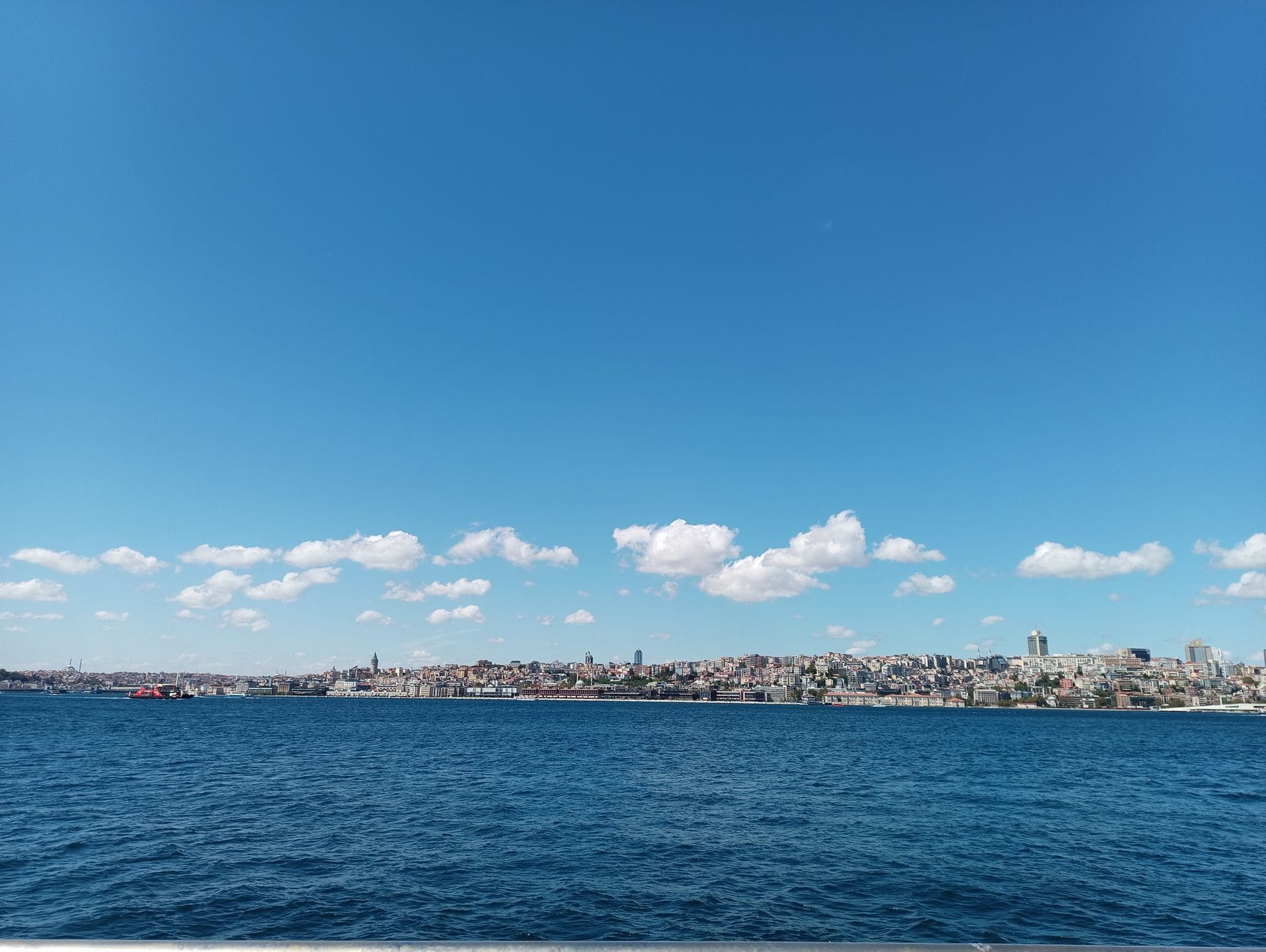
We have detailed guides to the main Turkey destinations for UK travellers, covering where to stay, what to do, and how to keep costs down.
Best beaches and resorts in Turkey
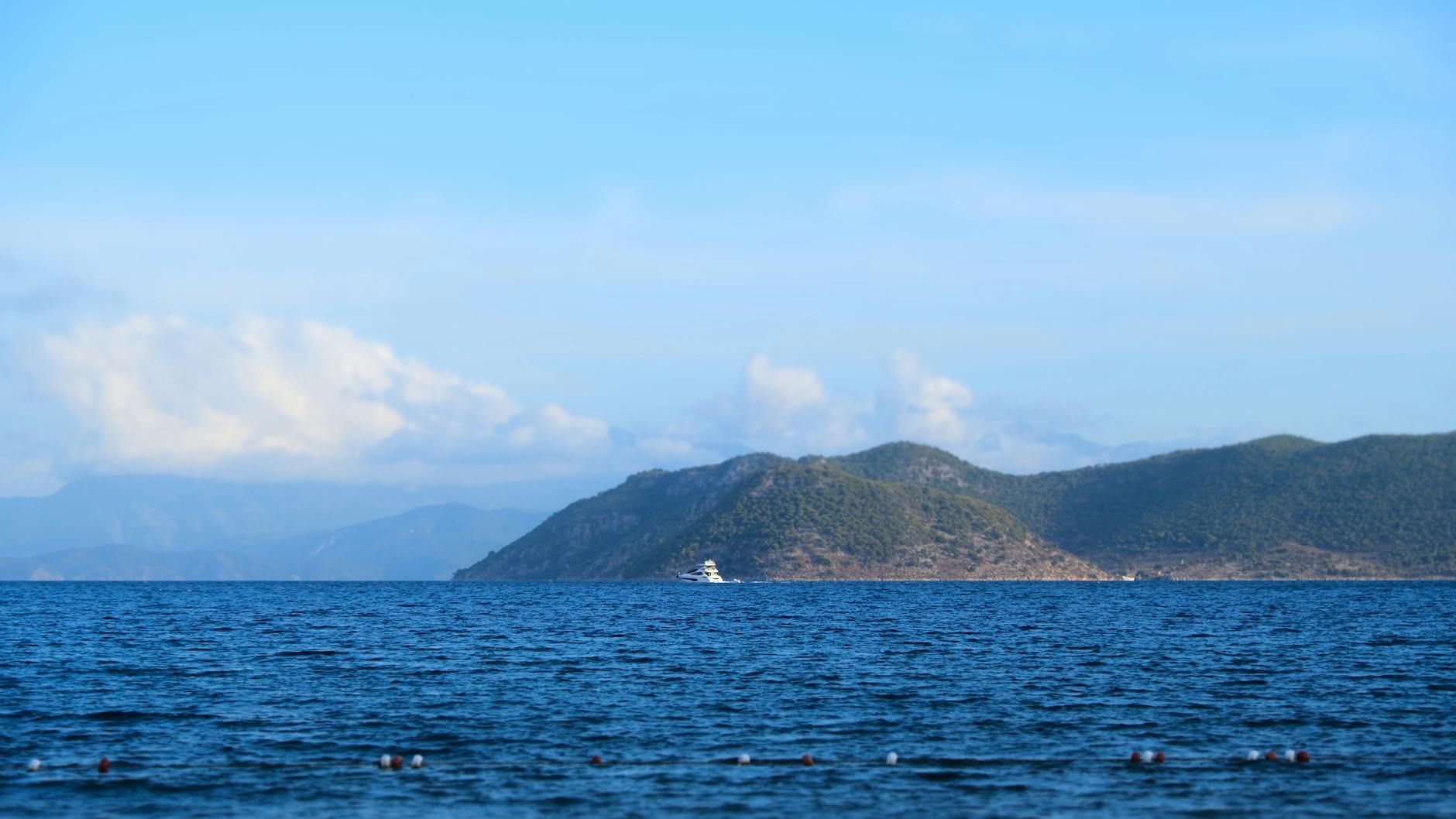
Turkey’s coastline splits into distinct resort regions, and picking the right one matters more than picking the right hotel. Each has its own character, price point and flight time from the UK.
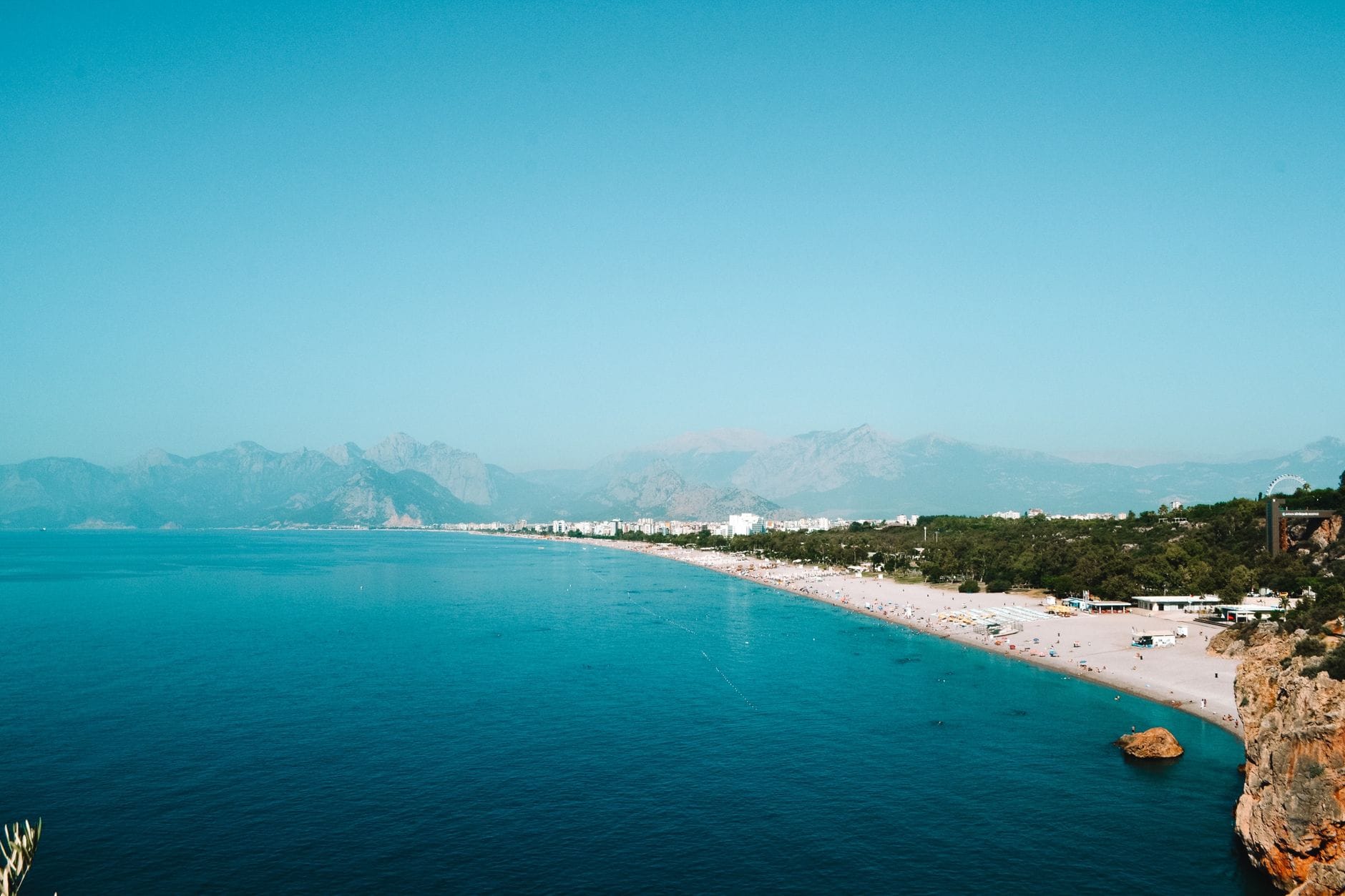
Antalya and the Turkish Riviera
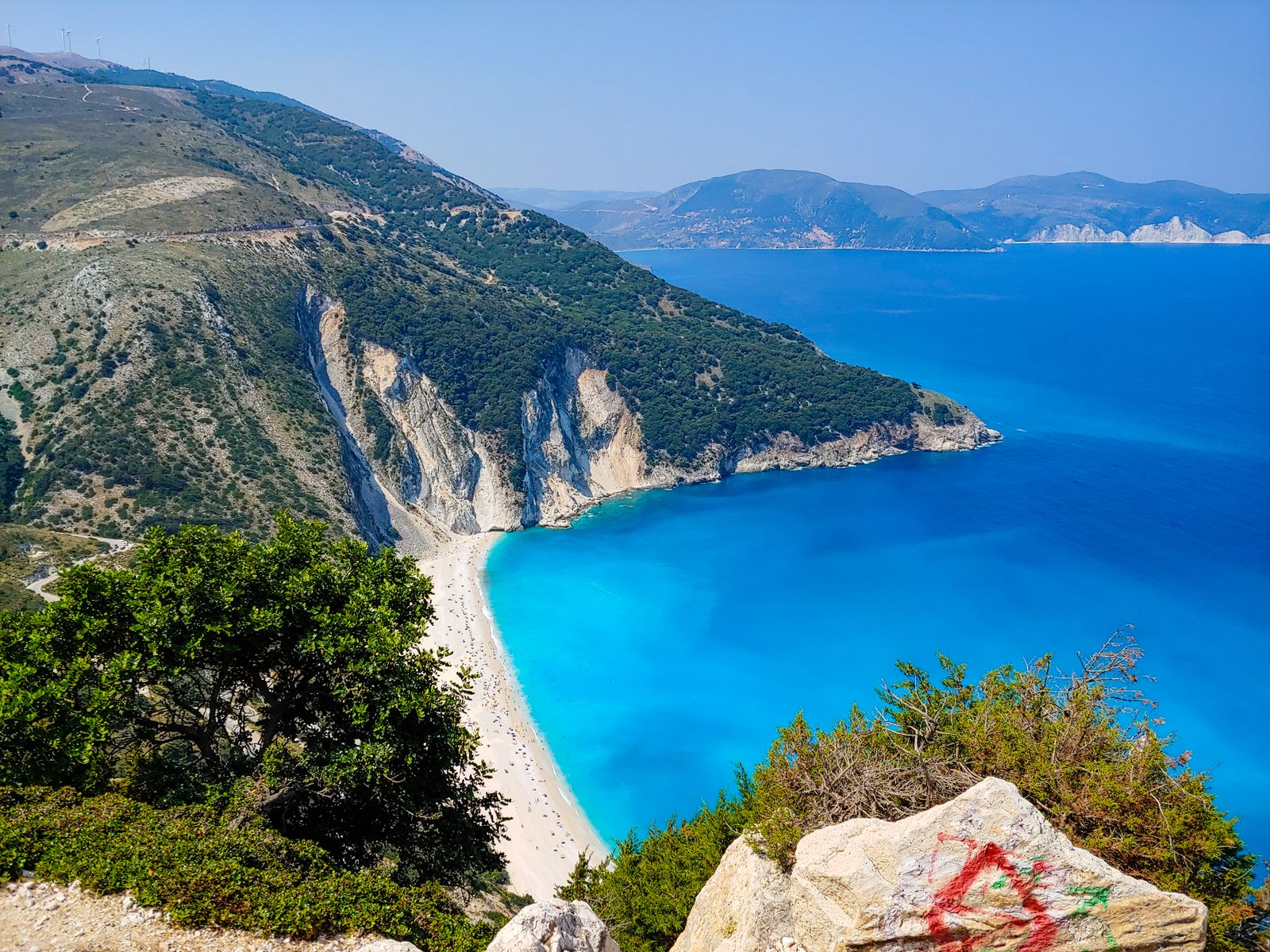
Antalya is Turkey’s biggest resort hub, and the surrounding coast, often called the Turkish Riviera, holds the largest concentration of all-inclusive resorts in the country. Belek, just east of the city, is where most of the big five-star complexes and golf resorts sit. Expect long pebble-and-sand beaches, mountain backdrops, and an airport that handles more UK charter and low-cost traffic than anywhere else on the coast.
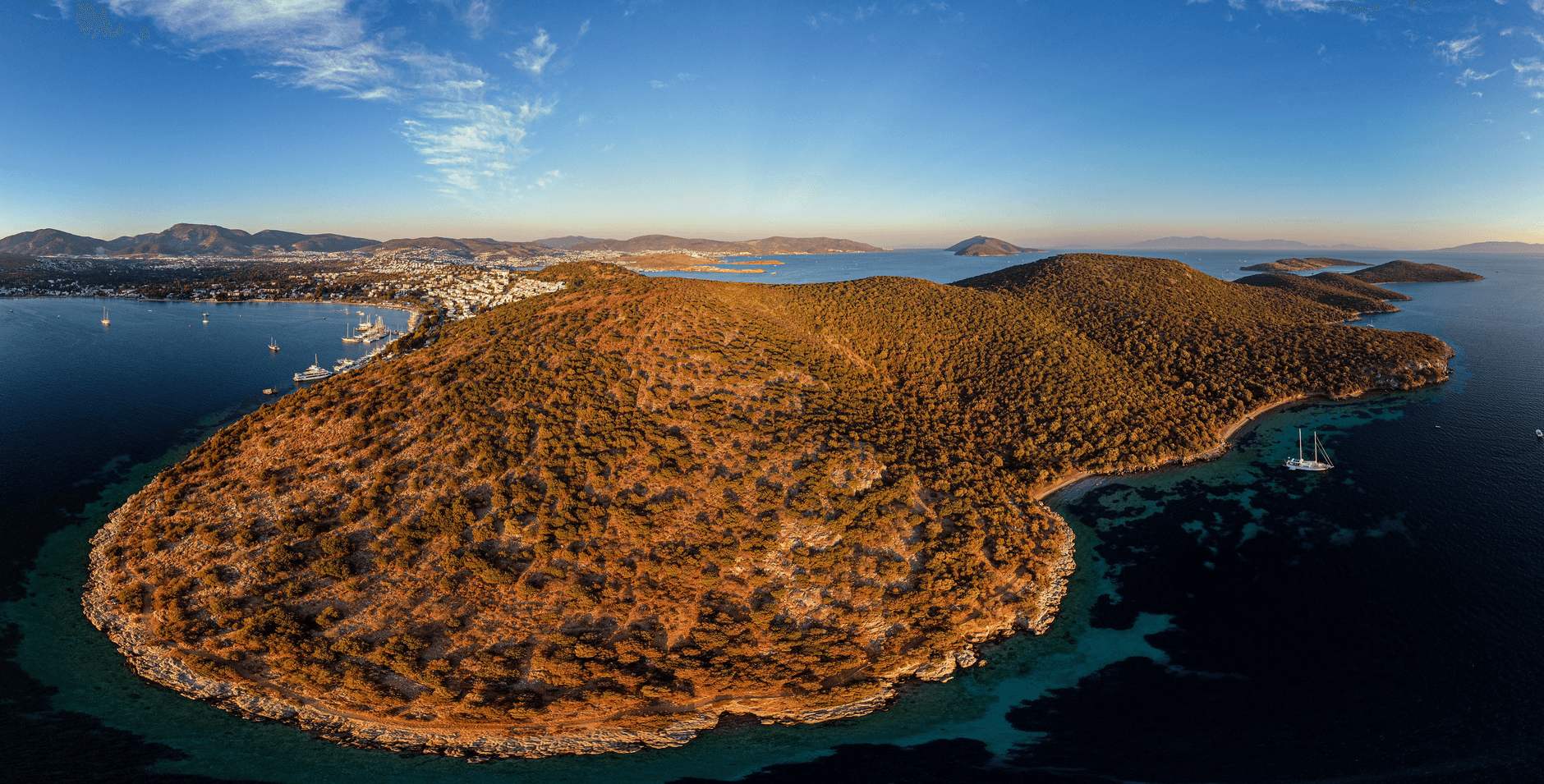
Bodrum
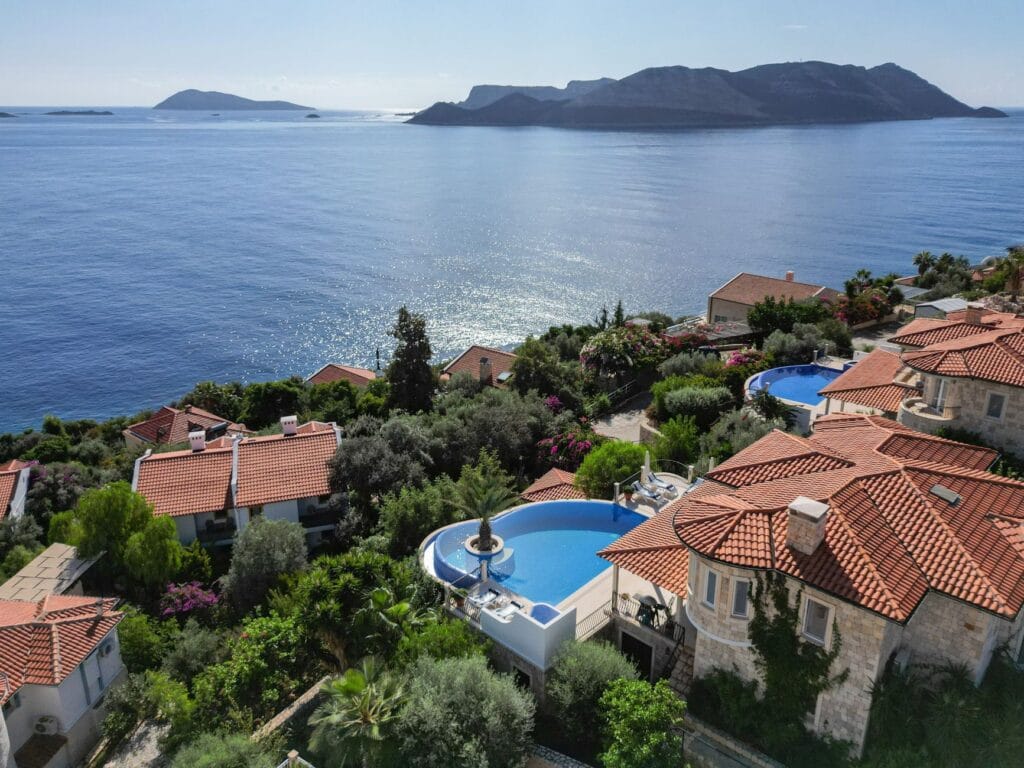
Bodrum sits at the higher end of Turkey’s pricing, closer to what you would pay on a smart Greek island than a typical Turkish package. Whitewashed hillside villages, a lively marina, and a scattering of boutique hotels along the peninsula give it a different feel to the big Antalya resorts. It suits couples and travellers who want good restaurants and boat trips over a sprawling all-inclusive complex.
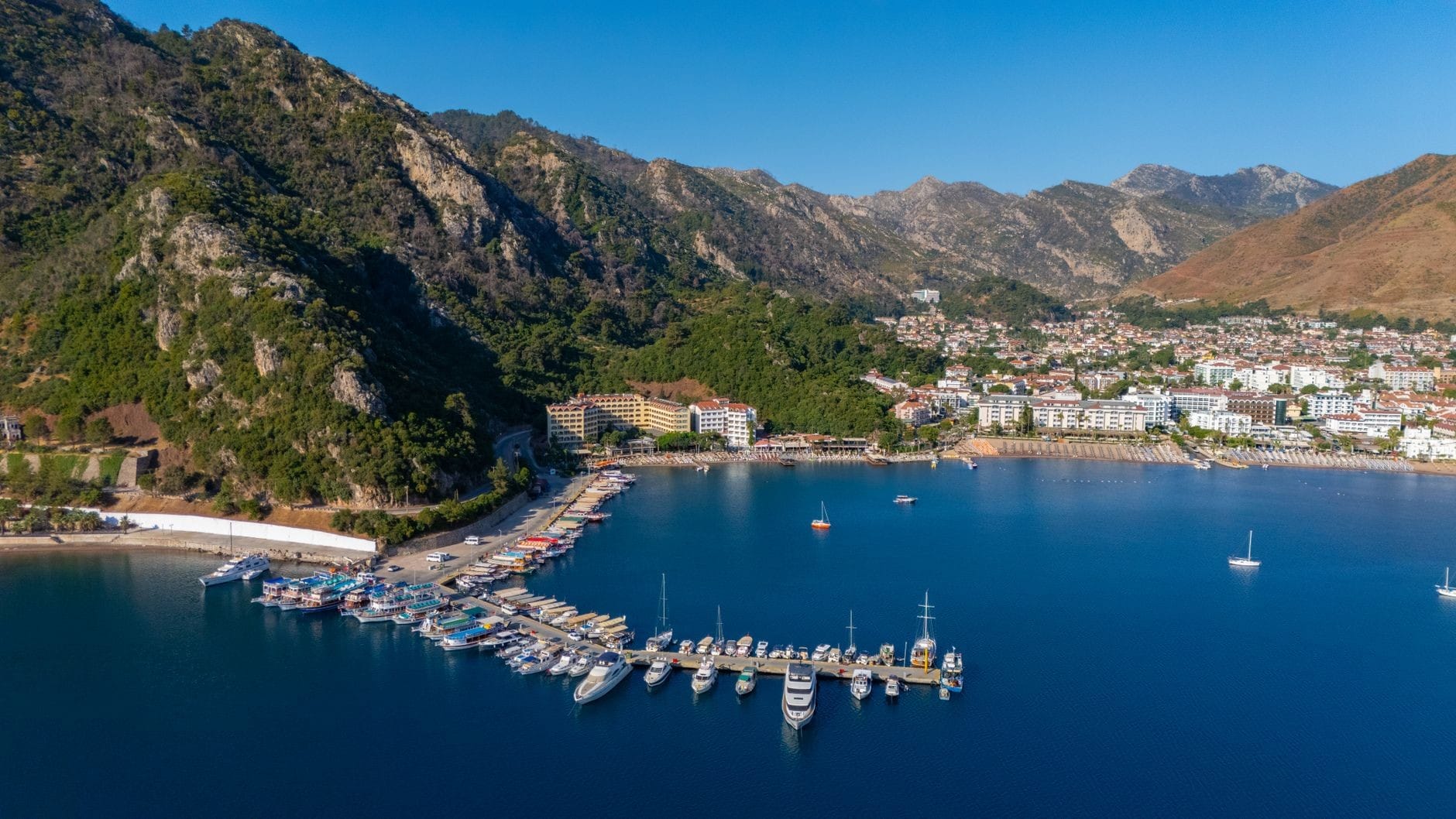
Marmaris
Marmaris is the budget end of the Turkish coast without feeling threadbare. A wide, sheltered bay, a large marina full of gulet boats, and a livelier nightlife strip than Bodrum or the Antalya resorts. It’s a reliable choice for a cheap, no-fuss beach week, particularly for groups and younger travellers.
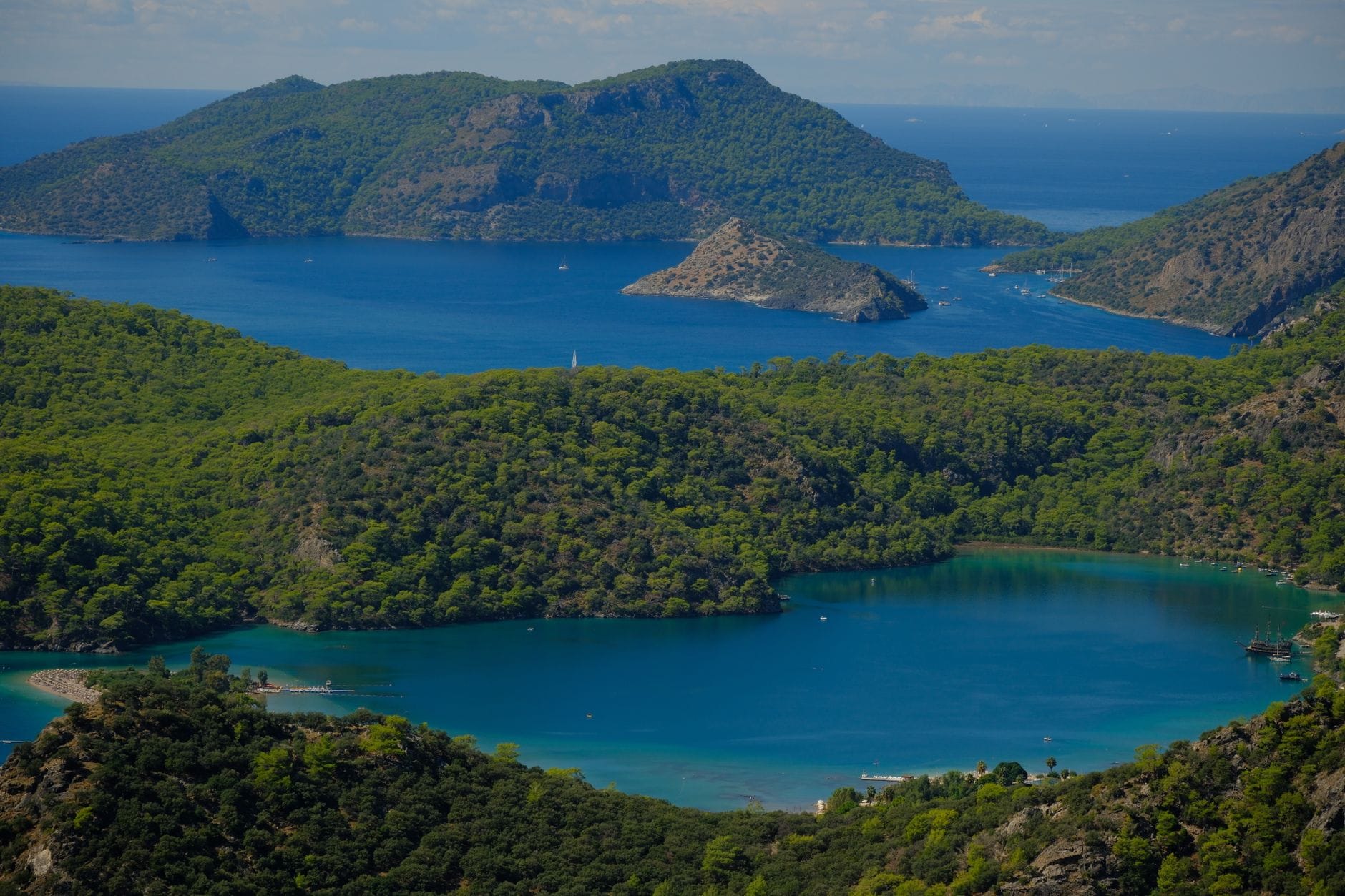
Ölüdeniz and Fethiye
The Blue Lagoon at Ölüdeniz is every bit as vivid as the photos suggest, a shallow, calm bay backed by pine-covered mountains. Fethiye itself is a working Turkish town rather than a purpose-built resort, which some travellers prefer. This whole stretch, including Dalaman airport, is covered in detail in our Dalaman guide.
Istanbul as a city break
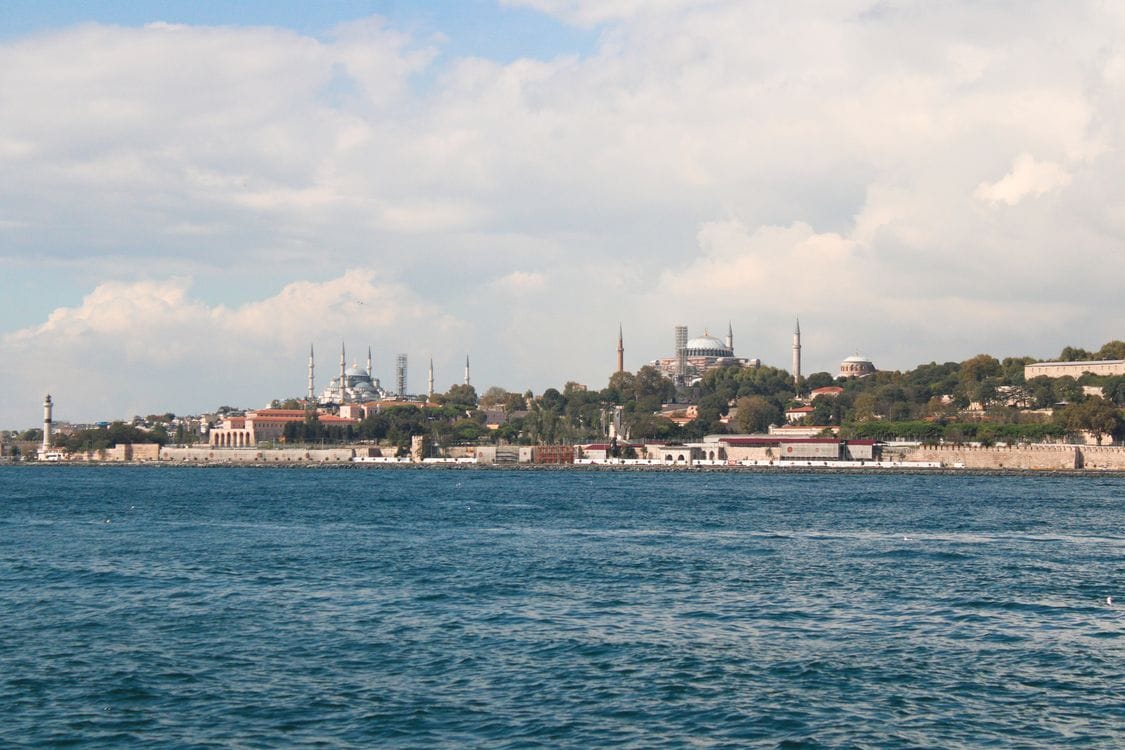
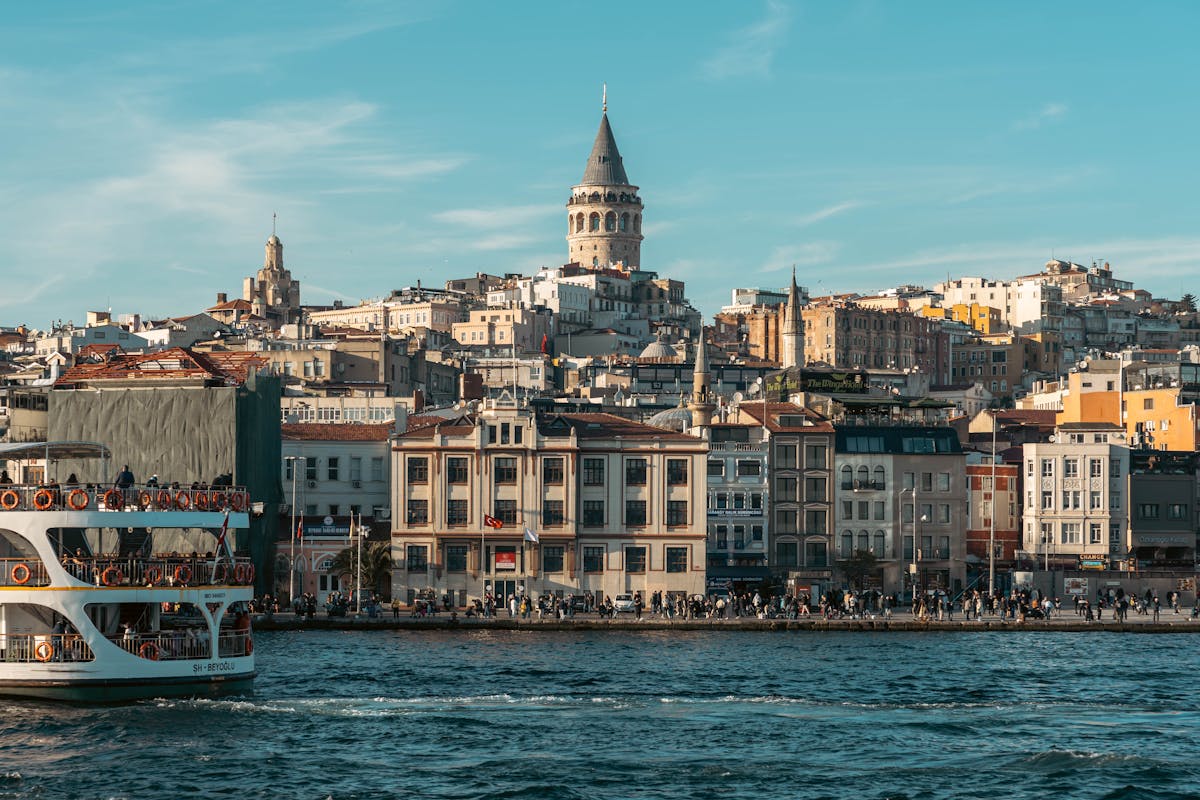
Istanbul isn’t a beach destination, but it’s worth building a separate trip around, whether alone or bolted onto a resort week. Mosques, bazaars and a position spanning Europe and Asia make it one of the best-value city breaks in Europe. Full detail in our Istanbul guide.
Things to do in Turkey
Turkey rewards a day or two away from the sunbed. These are the experiences worth building a trip around, from a sunrise balloon flight to a temple that has stood by the sea for nearly two thousand years.

- Take a sunrise hot air balloon flight over Cappadocia’s rock chimneys, several hours’ drive inland but worth the flight or transfer for many visitors. Book a licensed operator and check weather cancellation policies before you pay.
- Walk the ruins of Ephesus, one of the best-preserved Roman cities anywhere in the Mediterranean, including the Library of Celsus and a 25,000-seat amphitheatre still standing largely intact.
- Visit the Blue Mosque and Hagia Sophia in Istanbul on the same day. Both sit a short walk apart in the old city and cover roughly 1,500 years of religious architecture between them.
- Get lost in Istanbul’s Grand Bazaar, one of the oldest covered markets in the world, with more than 4,000 shops under one roof.
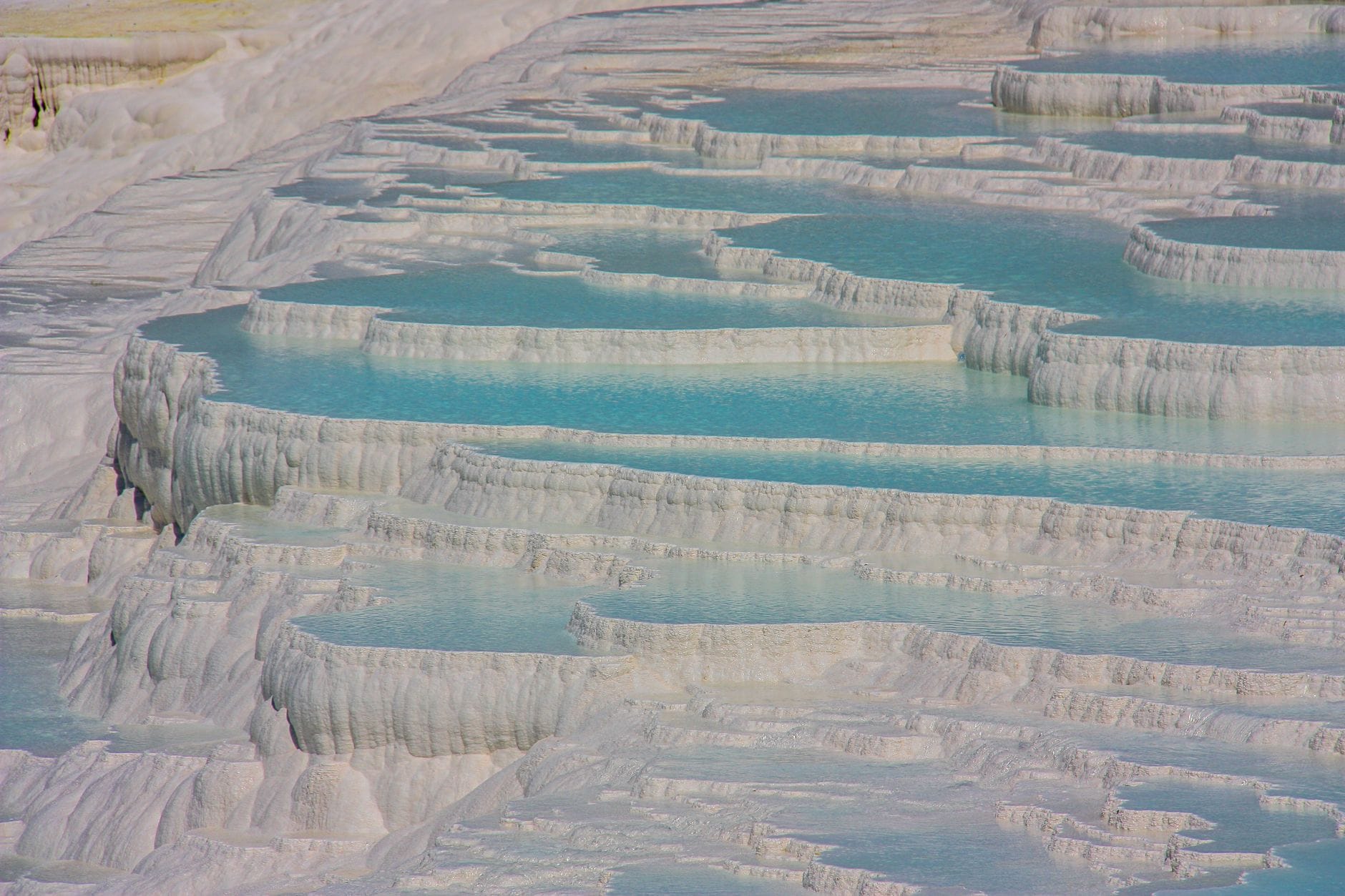
- See the white travertine terraces at Pamukkale, close enough to Ephesus that most tour operators pair the two as a single long day trip from the Aegean coast.
- Take a Bosphorus cruise in Istanbul. A short public ferry crossing costs a fraction of a tourist boat and gives you the same skyline views.
- Try a traditional Turkish hammam. Most resort towns have at least one traditional bathhouse alongside the hotel spa version, and the real thing is worth seeking out.
- Explore one of Cappadocia’s underground cities, carved directly into the soft volcanic rock and used as shelter as far back as the Byzantine era.
Turkey holiday deals
Loading deals…
When is the best time to visit Turkey?
The short version: late spring and early autumn give you the best combination of heat and value across the whole coast. Our detailed best time to visit Turkey guide covers every month in full; here is the quick reference.
| Season | Weather | Prices | Verdict |
|---|---|---|---|
| Spring (April to May) | 20 to 26°C | Low | Best value beach window |
| Summer (June to August) | 30 to 38°C | High | Peak season, book early |
| Autumn (September to October) | 22 to 32°C | Low to moderate | Arguably the best all-round season |
| Winter (November to March) | 10 to 16°C | Very low | Istanbul, or a quiet Antalya winter-sun week |
Turkey budget travel: what does a holiday cost?
Turkey remains one of the cheapest full-package destinations available from the UK, largely thanks to a lira that has weakened significantly against the pound in recent years. Here is a rough daily guide, excluding flights, for three budget levels on the resort coast. If you’re booking a package holiday, look for both ATOL and ABTA protection, which covers you if the operator or airline collapses before or during your trip. For official listings and events, Turkey’s national tourism board maintains a full regional directory.
| Daily spend | 7 nights (excl. flights) | What this gets you | |
|---|---|---|---|
| Budget | ₺3,200 to 4,200 | ~£350 to £450 pp | Self-catering apartment or 3-star hotel, local restaurants, public transport |
| All-inclusive package | ₺2,500 to 4,500 | ~£270 to £490 pp | 4-star all-inclusive resort, most food and drink included |
| Comfortable | ₺8,400 to 13,900 | ~£900 to £1,500 pp | 5-star resort with sea view, spa access, a la carte dining, boat trips |
The all-inclusive figure is the one that matters for most UK travellers, because most food and drink is paid for upfront rather than day by day, and package deals add flights and transfers on top. That is a large part of why a Turkey all-inclusive week regularly undercuts a comparable self-catering trip to Spain, even before you factor in the exchange rate.
The Turkish Riviera: Antalya to Side
The stretch of coast running east from Antalya through Belek and on to Side carries the largest concentration of UK package holidays in Turkey, and it is worth understanding as its own destination rather than a single generic strip.
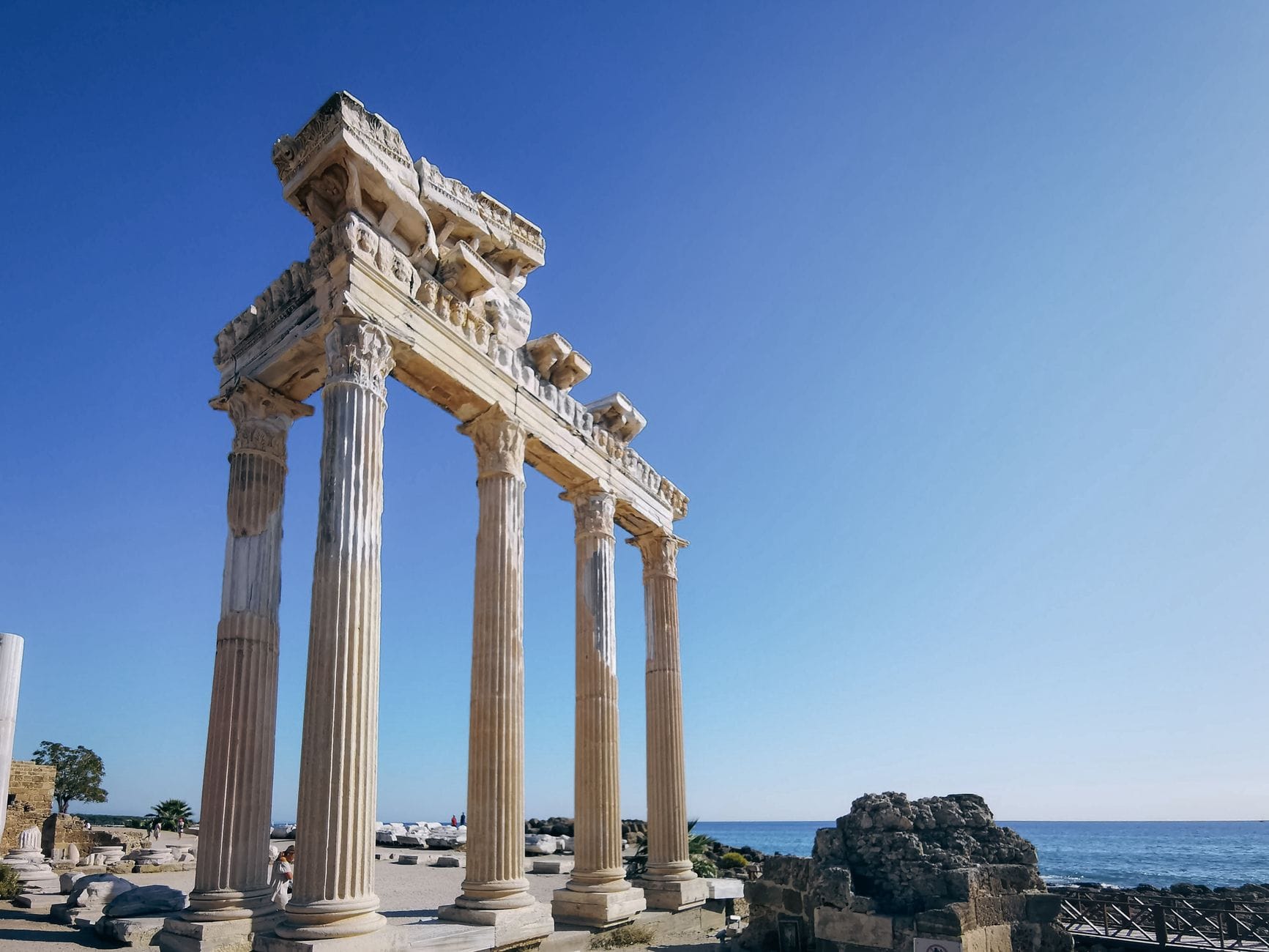
Belek is the golf and five-star end of the Riviera, purpose-built and largely self-contained within resort grounds, with more championship courses within a short drive than almost anywhere else in Europe. Antalya city itself has a real old town, Kaleiçi, with narrow cobbled lanes, a working harbour, and restaurants that see far fewer UK tourists than the resort strip a few miles down the coast. Side, further east, adds Roman ruins directly on the seafront to an otherwise standard resort strip, including the Temple of Apollo pictured above, which has stood on the harbour wall since the 2nd century AD and still catches the sunset over the Mediterranean most evenings of the year.
Where to stay on the Riviera
For a first Turkey holiday with the fewest compromises, Belek and central Antalya are the easiest starting points. Both have a wide spread of accommodation types, a major airport with year-round UK routes, and enough beyond the beach to fill a week.
For couples who want a quieter base with real history on the doorstep, Side gets you Roman ruins without leaving the resort strip. For nightlife and the cheapest package prices on the whole coast, Marmaris still leads, at a noticeably different price point and a noticeably different crowd to Bodrum.
For families, the calm, gently shelving beaches around Belek and Side generally work better than Bodrum’s rockier coves. Shorter transfer times from Antalya airport matter more than people expect once you are travelling with young children and hand luggage in tow.
“Turkey’s price tag depends far more on timing and location than most people assume. Fly in late September instead of August, base yourself in Marmaris or Antalya instead of Bodrum, and you’ll often spend nearly half as much for weather that’s barely any different. Getting flexible on dates does more for your budget here than hunting for a cheaper flight ever will.”
Kate Acaster, Chief Editor, Flight Tribe
Frequently asked questions
Do I need a visa to visit Turkey from the UK?
No, not if you hold a full British citizen passport. You can visit Turkey without a visa for up to 90 days in any 180-day period for tourism, and your passport needs at least 150 days’ validity remaining from your arrival date plus one blank page.
What is the best time to visit Turkey from the UK?
Late spring (May) and early autumn (September) give the best combination of warm weather and lower prices. Summer is hotter and considerably more expensive, and many resort hotels close over winter, though Antalya’s bigger resorts stay open.
Is Turkey cheap for a UK holiday?
Yes, Turkey is consistently one of the cheapest full-package destinations from the UK. A weakened lira means an all-inclusive week on the Turkish Riviera or in Marmaris often costs noticeably less than an equivalent trip to Spain or Portugal.
Which is better, Antalya or Bodrum?
It depends on budget and style. Antalya and the surrounding Riviera have more all-inclusive resorts and generally lower prices, while Bodrum is smarter, pricier, and better suited to couples who want boutique hotels and good restaurants over a big resort complex.
How long is the flight to Turkey from the UK?
Around four hours to Antalya, Dalaman or Bodrum, and closer to three hours fifty minutes to Istanbul, which is the shortest direct route from most UK airports.
Is Turkey safe to visit right now?
The main tourist areas, including Antalya, Bodrum, Marmaris, Dalaman and Istanbul, drew 4.27 million British visitors in 2025. GOV.UK warns that terrorists are likely to try to carry out attacks in Turkey, including Istanbul, so stay alert in crowded places. The FCDO advises against all travel within 10km of the border with Syria, a long way from the resort coast and Istanbul, so check the latest FCDO travel advice before you book.
What currency does Turkey use and should I take cash?
Turkey uses the Turkish lira. Cards are widely accepted in resorts and cities, but a small amount of cash is useful for taxis, markets and tips, and lira generally works out cheaper than paying in sterling or euros at the till.
Which Turkish resort is best for families?
Belek and Side on the Turkish Riviera are the strongest choices, with calm, gently shelving beaches, large all-inclusive resorts built around kids’ clubs and water parks, and shorter transfer times from Antalya airport than the more remote parts of the coast.
For entry requirements and any local safety updates, check the FCDO travel advice for Turkey before you book. For the latest Turkey holiday deals and cheap flights from the UK, check the Flight Tribe deals page. All offers are personally verified on the day of publication.

Kate Acaster is Chief Editor at Flight Tribe. She writes about practical travel planning, budget airlines, baggage rules, city breaks, beach holidays and good hotels that do not cost daft money.
Kate has travelled through Europe, South America and beyond, usually with a notebook, a half-formed plan and a strong opinion on airport snacks. At Flight Tribe, her work focuses on helping UK travellers understand what is included, what costs extra, and whether a trip is worth booking at the price shown.
How Kate works
Kate checks the details that can change the value of a trip, including cabin-bag rules, airline fees, hotel location, seasonality, travel dates and booking conditions. She is especially interested in offers that look useful on the surface but need a proper reader-first check before they are worth recommending.
Editorial standards
Flight Tribe covers deals and travel advice for readers first. Affiliate links do not decide whether an offer is worth writing about.