
Published 10 July 2026 | Updated 13 October 2026 by Kate Acaster
Thailand budget travel doesn’t have to mean roughing it, and it’s still one of the best-value long-haul trips available to UK travellers. It’s an 11 to 12-hour flight from London, sits six to seven hours ahead of the UK depending on the clocks, and everyday costs on the ground, food, transport, temple entry, a beer with dinner, remain a fraction of what the same evening costs in southern Europe. Two weeks covering Bangkok, the north and a few island days can work out cheaper than a single week in the Caribbean once flights and hotels are added up.
Advertisement
You can find more UK budget travel advice across Flight Tribe’s destination guides.
You can find more UK budget travel advice across Flight Tribe’s destination guides.
UK passport holders don’t need a visa for tourist stays of up to 30 days on entries from 15 September 2026 (the limit was 60 days before that), so check the current position before you book. Where you spend your time matters more than when you go: Bangkok, the north and the islands each run at a different pace and a different price, and this guide covers all three.
Return flights from the UK start from around £350-550 in economy on a one-stop routing via the Gulf or with Thai Airways from Heathrow. Norse Atlantic’s direct service from Gatwick to Bangkok has pushed fares as low as £250-300 in sale periods, and its newer Phuket route gives a second nonstop option. A seven-night package combining flights, transfers and a mid-range hotel starts from around £700-900 per person in low season, rising sharply around Christmas and over Songkran, Thai New Year, in mid-April.
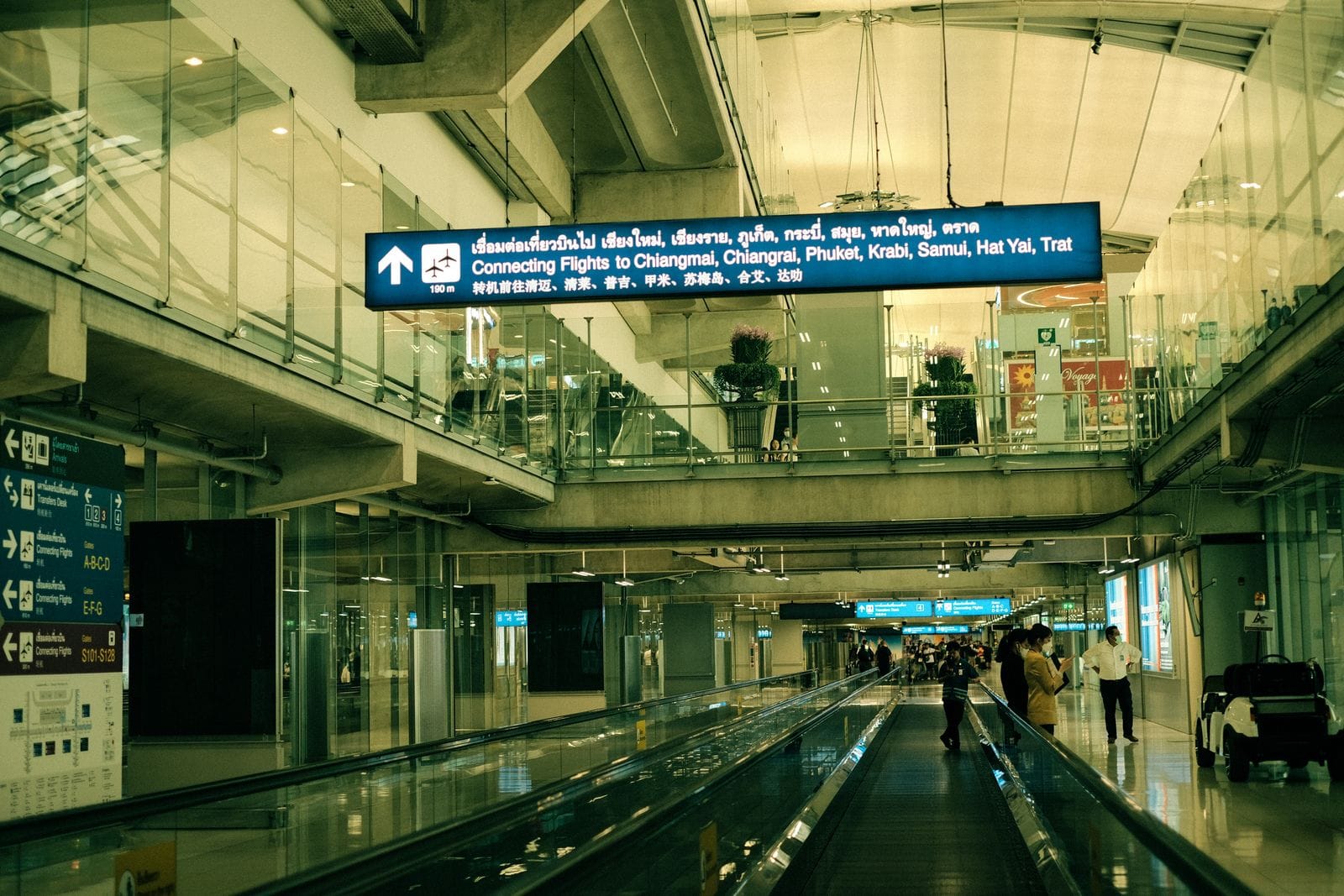
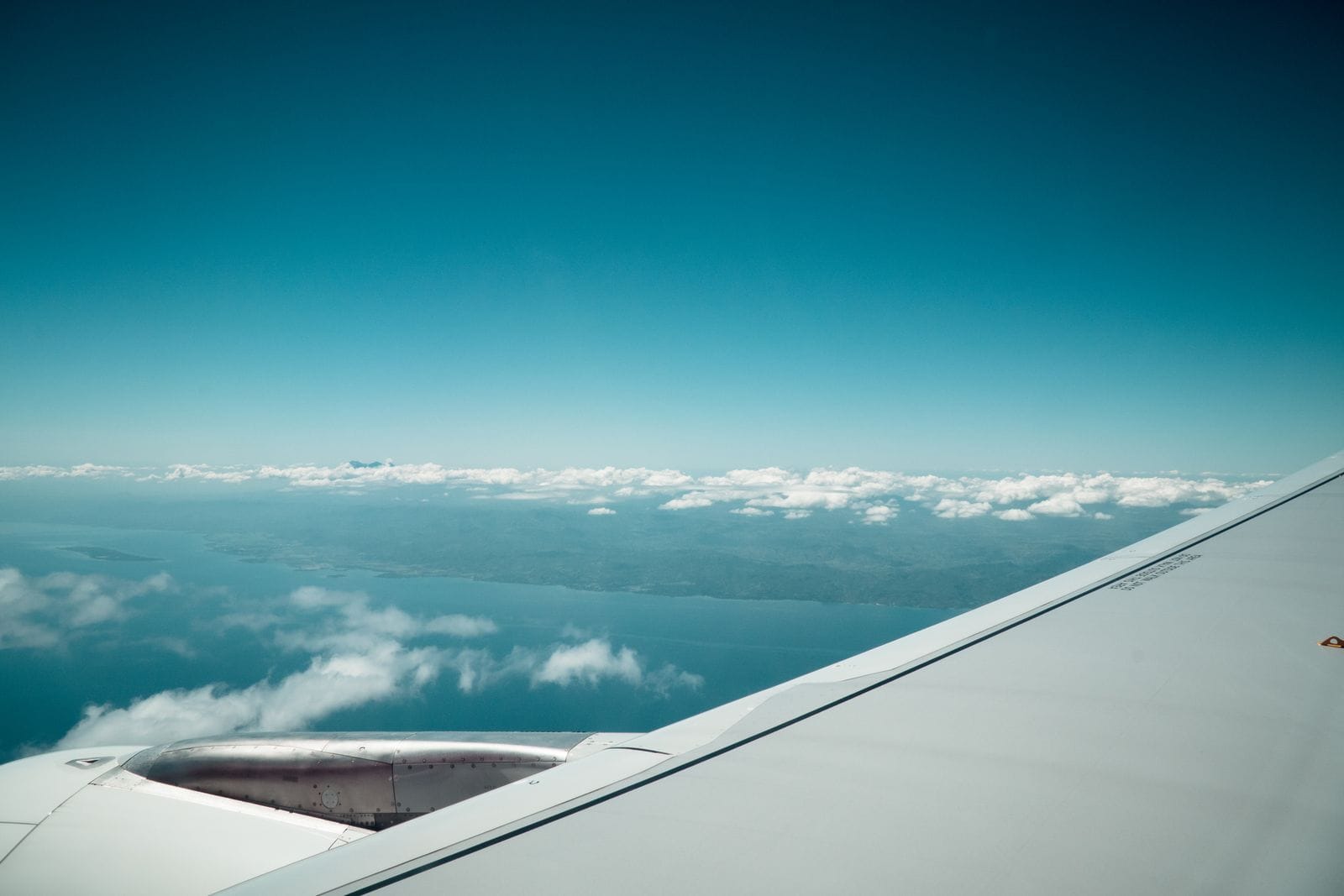
Flight time from London runs 11 to 12 hours nonstop, or a little longer with a connection. Thailand sits six to seven hours ahead of the UK depending on the clocks, so jet lag heading east is manageable, though the flight home is the harder direction and a rough week to adjust is normal. Our 15 tips for long-haul flights covers what actually helps on an 11-hour sector. The currency is the Thai baht, and cash still goes further than cards in markets, on the islands and for street food. Sockets are Type A, B, C or O, not the UK’s three-pin plug, so pack an adapter, though UK devices run fine on the 230V supply with no converter needed. Norse Atlantic’s cheapest Economy Light fare doesn’t include a checked bag, only hand luggage, so factor that into a headline sale fare: a 23kg bag typically adds £40 to £60 more each way.
Latest Thailand deals
Loading deals…
Explore more Thailand resources
Alongside this guide, we track live deals and seasonal timing for Thailand separately, so you can go straight to the resource you need.
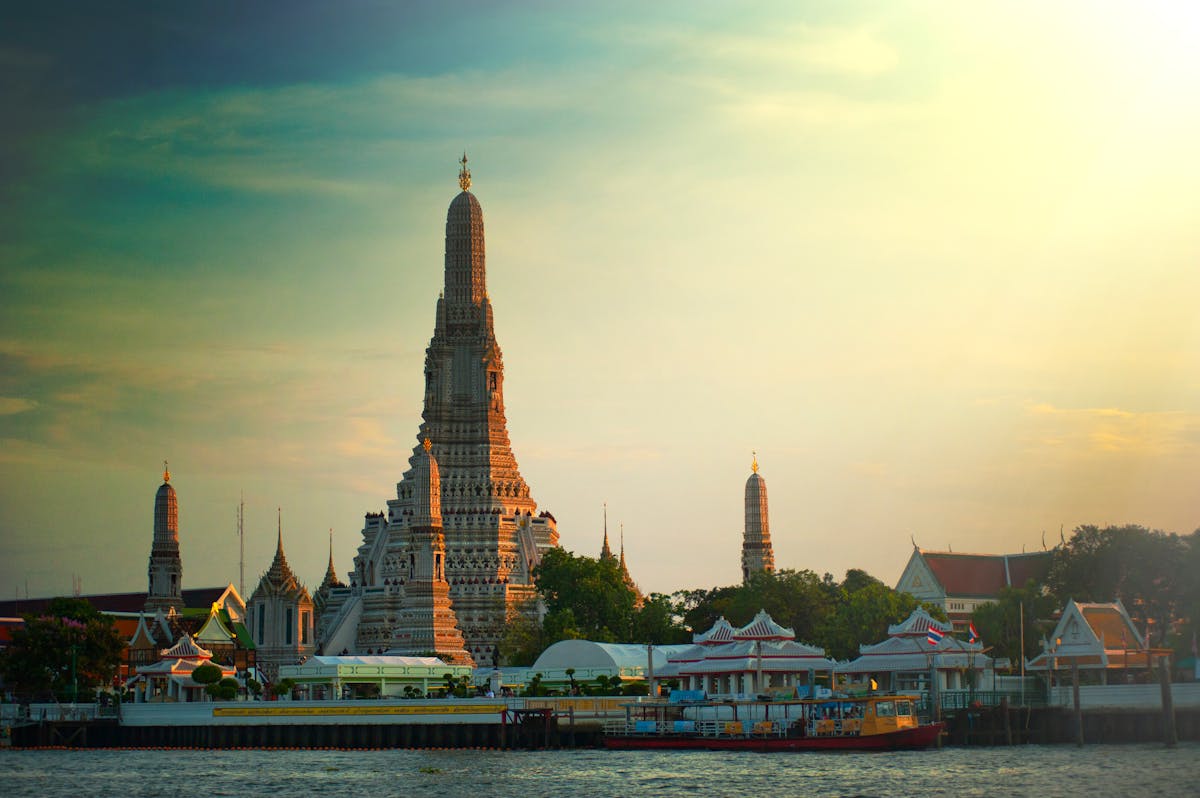
Where to go in Thailand
Good Thailand budget travel rewards splitting a trip across at least two regions rather than settling in one place. Bangkok makes sense as an arrival and departure point given the flight connections, but the north and the islands run at a completely different pace and are worth building real time around, not just a night either side of a flight.
Bangkok
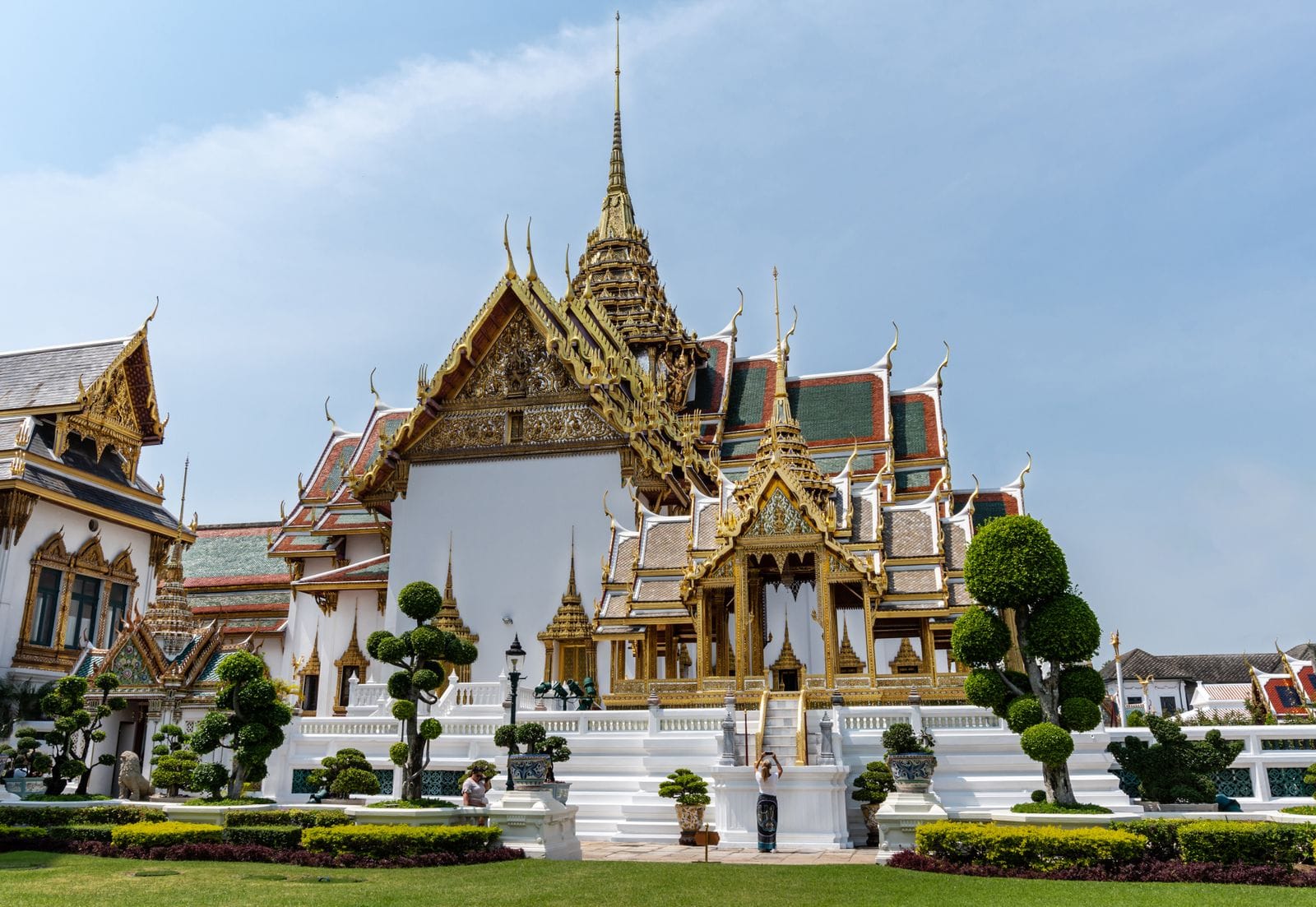
Thailand’s capital rewards an early start. The Grand Palace and Wat Pho open at 8:30am, and arriving before the tour groups means a fraction of the crowd by mid-morning. Base yourself near the Sukhumvit or Silom BTS lines for easy transport to the river and the older parts of the city.
Chiang Mai and the north
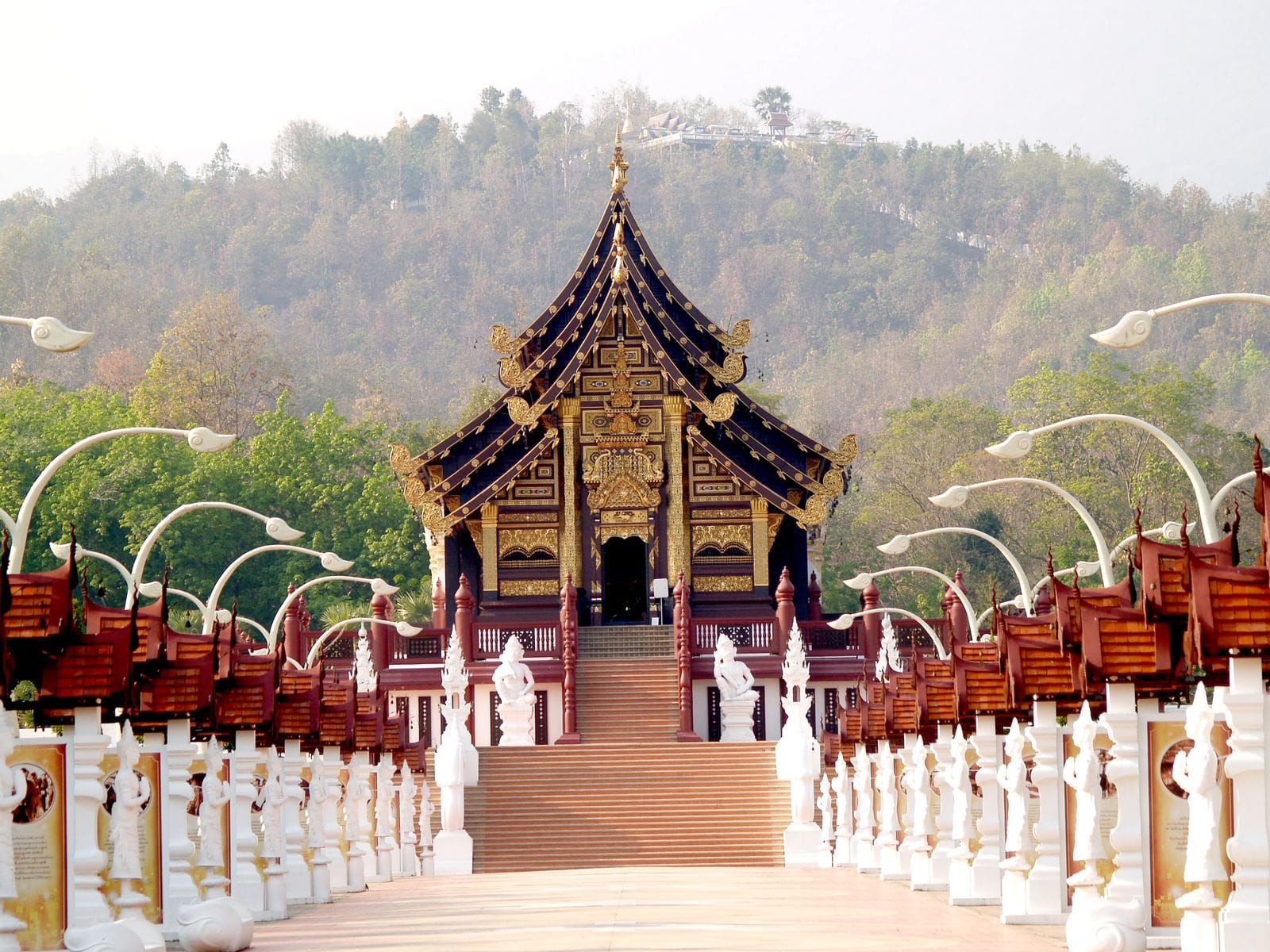
The former capital of the Lanna kingdom is cooler, calmer, and built around a walled old city packed with temples. Doi Suthep, the mountain temple overlooking the city, is worth the songthaew ride up, and the Sunday Walking Street market is one of the best in the country for handmade goods rather than tourist tat.
Things to do in Thailand
Thailand has enough beyond temples and beaches to fill several separate trips. These are the experiences worth building an itinerary around.
- Visit Bangkok’s Grand Palace and Wat Pho before 9am, when the light is best and the crowds haven’t arrived.
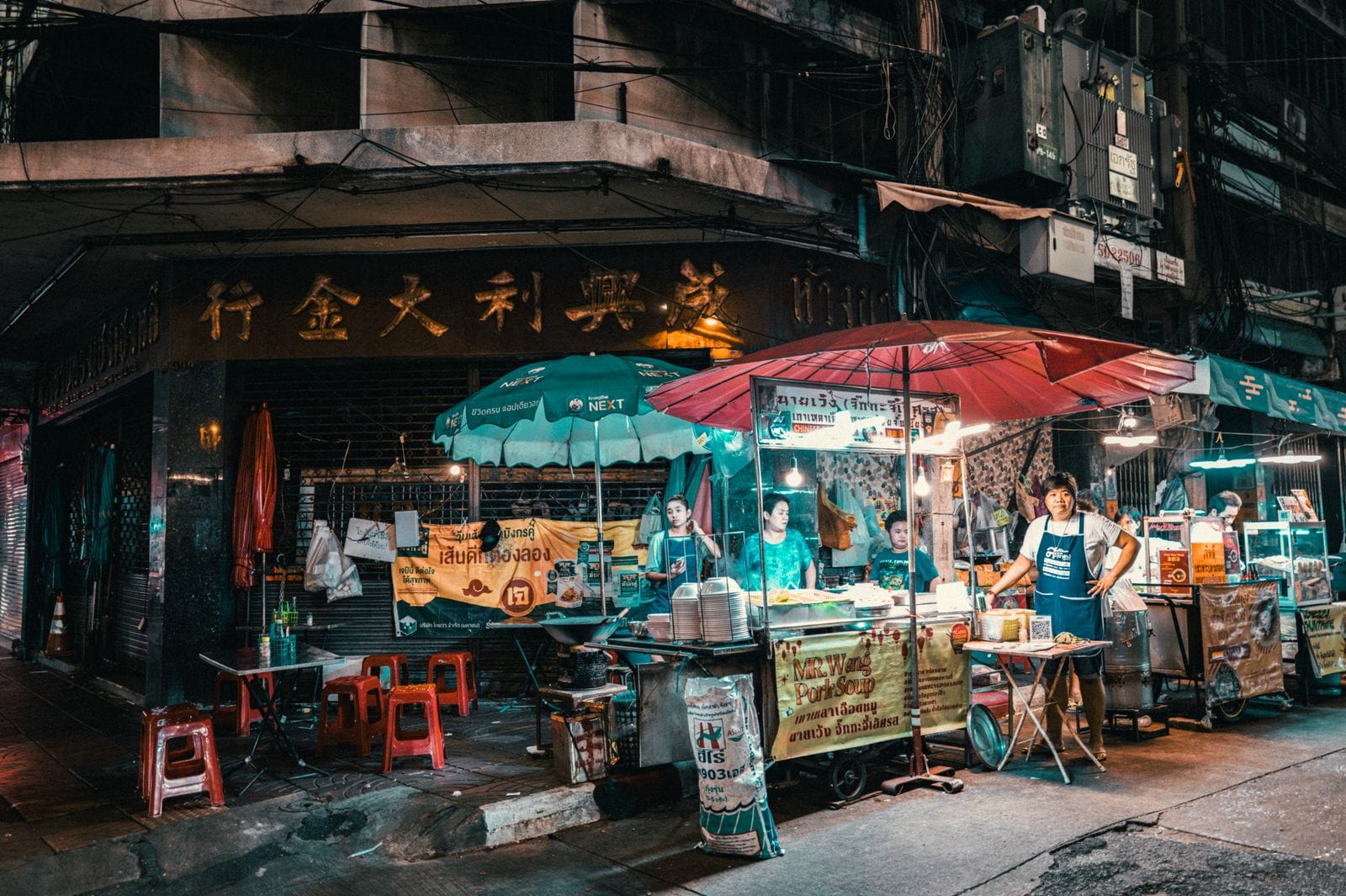
- Eat at a street stall in Chinatown (Yaowarat) after dark, when the neon comes on and the food carts take over the pavement.
- Take the overnight sleeper train from Bangkok to Chiang Mai. A private berth costs a fraction of a domestic flight and saves a night’s accommodation.
- Visit an ethical elephant sanctuary near Chiang Mai that doesn’t offer riding. Feeding and bathing the elephants is the standard, welfare-focused alternative.
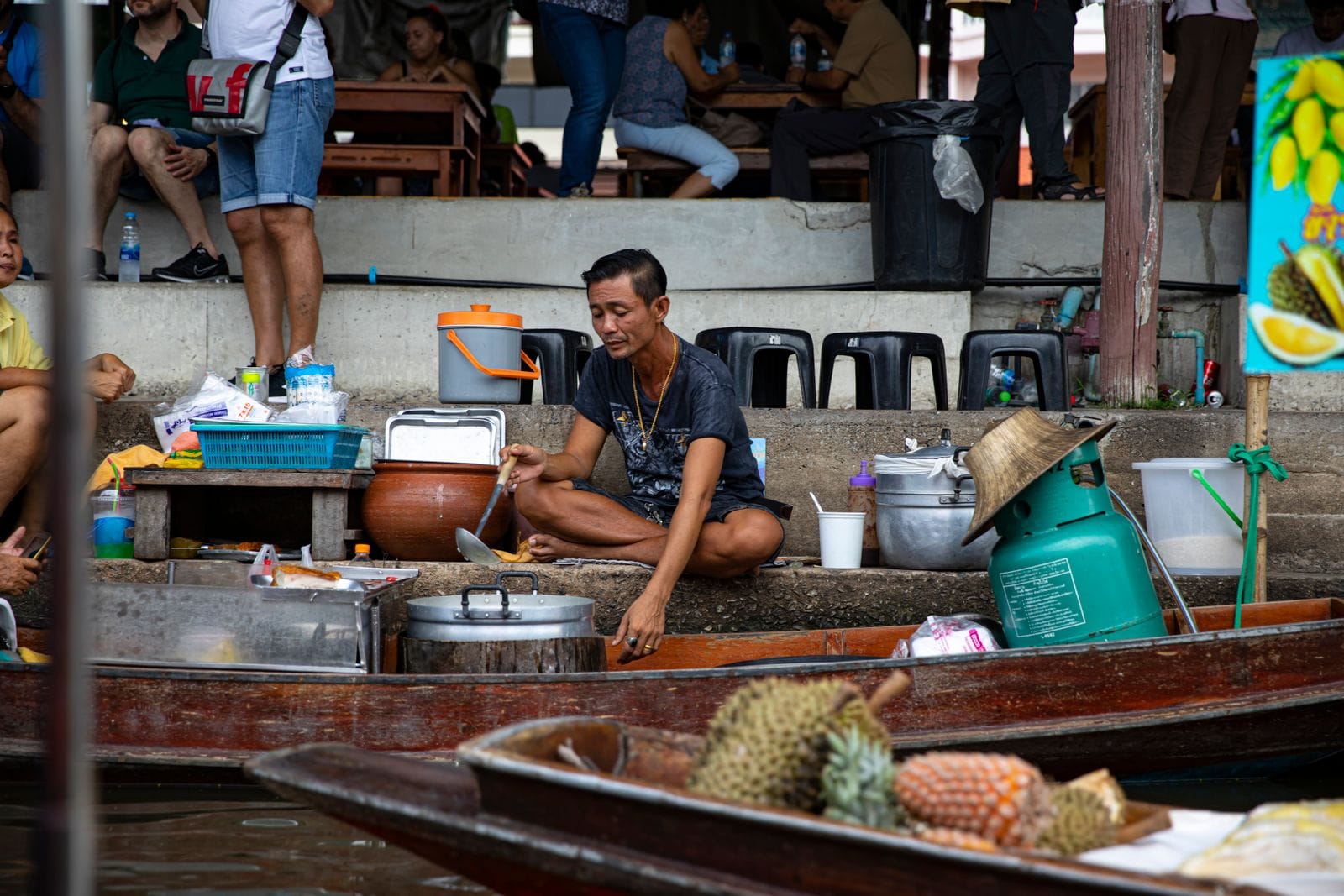
- Browse the Damnoen Saduak or Amphawa floating markets outside Bangkok, best reached on an early tour to beat the crowds and the heat.
- Take a half-day Thai cooking class. Most include a market visit and cost a fraction of the same experience booked through a UK operator.
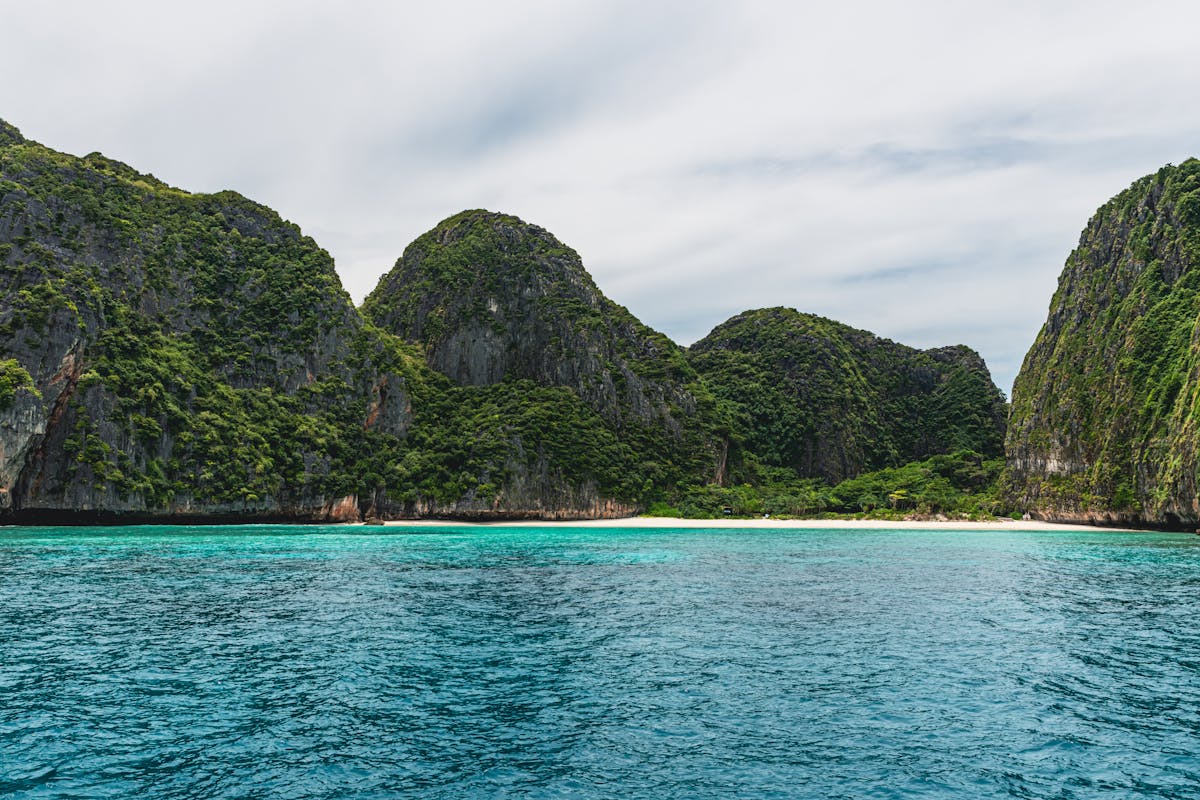
- Island-hop by longtail boat around Phi Phi or Phang Nga Bay, past the limestone karsts made famous by the James Bond film.
- Ride the cable car, or climb, to Doi Suthep in Chiang Mai for sunset views over the city and the surrounding hills.
When is the best time to visit Thailand?
Thailand’s two coasts run on opposite monsoon patterns, which makes timing more complicated than a single high season. Our detailed guide to the best time to visit Thailand covers it fully, but here is the short version.

November to February is the best window for most first-time visitors. The cool, dry season covers Bangkok, Chiang Mai and the Andaman coast (Phuket, Krabi) together, with daytime temperatures around 28-31°C and low rainfall.
March to May turns hot and humid ahead of the rains, though it’s also when Songkran, Thai New Year, floods the streets with water fights in mid-April.
June to October brings the southwest monsoon to the Andaman coast, so Phuket and Krabi see the most rain. The Gulf islands, Koh Samui, Koh Phangan, Koh Tao, run on the opposite pattern and are at their best from roughly June to August, before their own wetter months arrive from October.
Airlines flying to Thailand from the UK
Norse Atlantic Airways flies direct from London Gatwick to Bangkok, with a newer route to Phuket, and fares that can undercut the legacy carriers in sale periods. Thai Airways and EVA Air both fly nonstop from Heathrow. One-stop options through Qatar Airways (via Doha), Emirates (via Dubai) and Etihad (via Abu Dhabi) often work out cheaper and depart from more UK regional airports, including Manchester, Birmingham and Edinburgh. For domestic hops between Bangkok, Chiang Mai and Phuket, budget carriers AirAsia, Nok Air and Thai Vietjet all fly multiple times daily from around £30-50 one-way. Our guide to getting cheap flights from the UK covers booking timing that applies to long-haul routes too.
What does a Thailand holiday cost?
Thailand budget travel remains some of the cheapest in Asia for on-the-ground spending, even as flight costs have crept up. Here is a rough daily guide, excluding flights, for three budget levels.
| Budget type | Daily spend | 7 nights (excl. flights) | What this gets you |
|---|---|---|---|
| Budget | ฿900-1,800 | ~£220-400 pp | Guesthouse or hostel dorm, street food, public transport, temple entry fees |
| Mid-range | ฿2,500-4,000 | ~£420-630 pp | 3-star hotel or good guesthouse, restaurant meals, a cooking class or day tour |
| Comfortable | ฿6,000-10,000 | ~£940-1,560 pp | 4-star hotel or resort, spa treatments, private transfers, fine dining |
Island destinations like Phuket and Koh Samui run 30-50% higher than Bangkok or Chiang Mai across every category, largely down to import costs and resort-driven pricing. Our guide to travelling on a budget covers general money-saving tactics that apply just as well in Southeast Asia.
The islands: Phuket, Koh Samui and Koh Phi Phi
Thailand’s islands account for the majority of UK package bookings, and understanding the differences between them makes it far easier to pick the right base. Our Thailand hotel deals page tracks live offers across all three.
Phuket
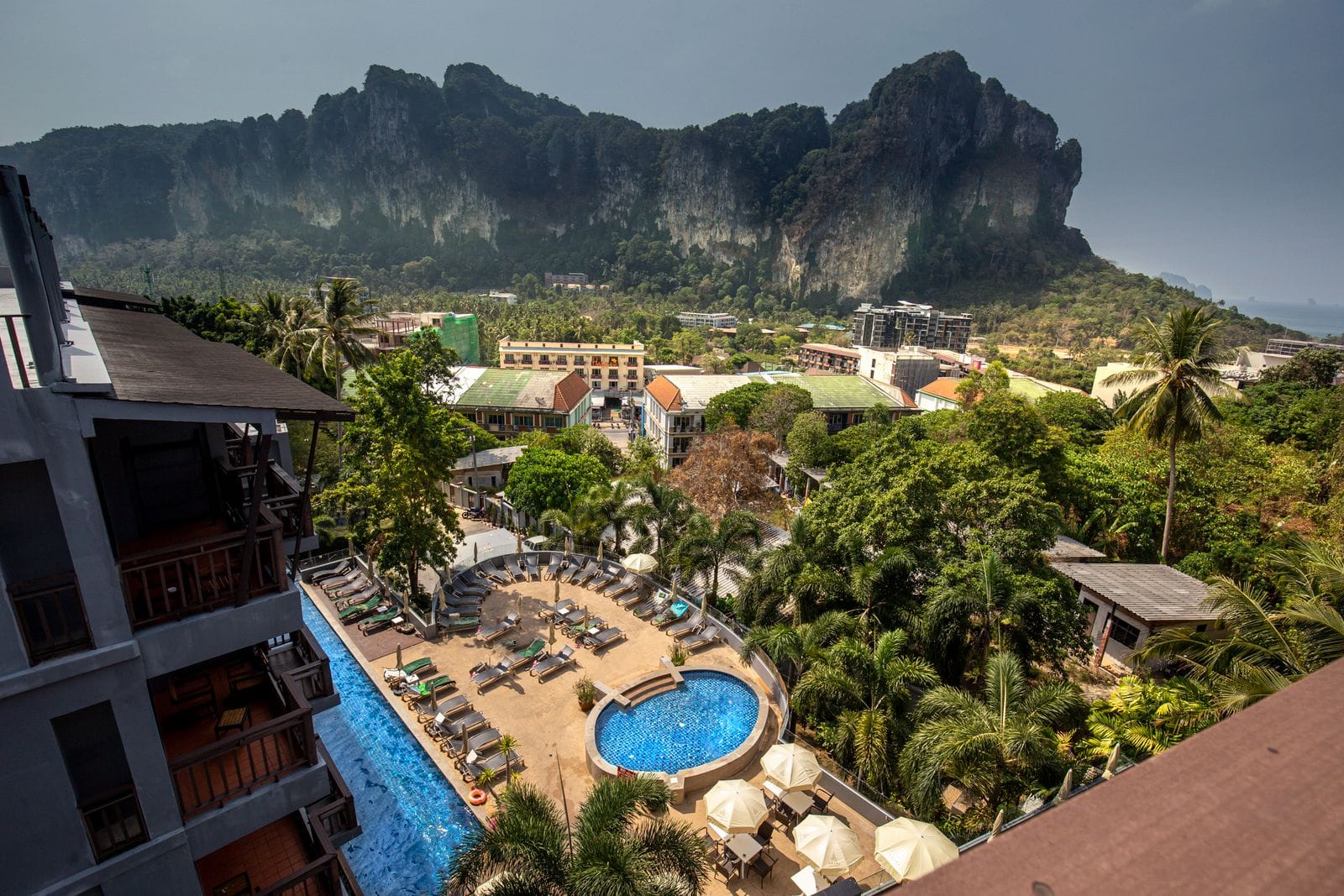
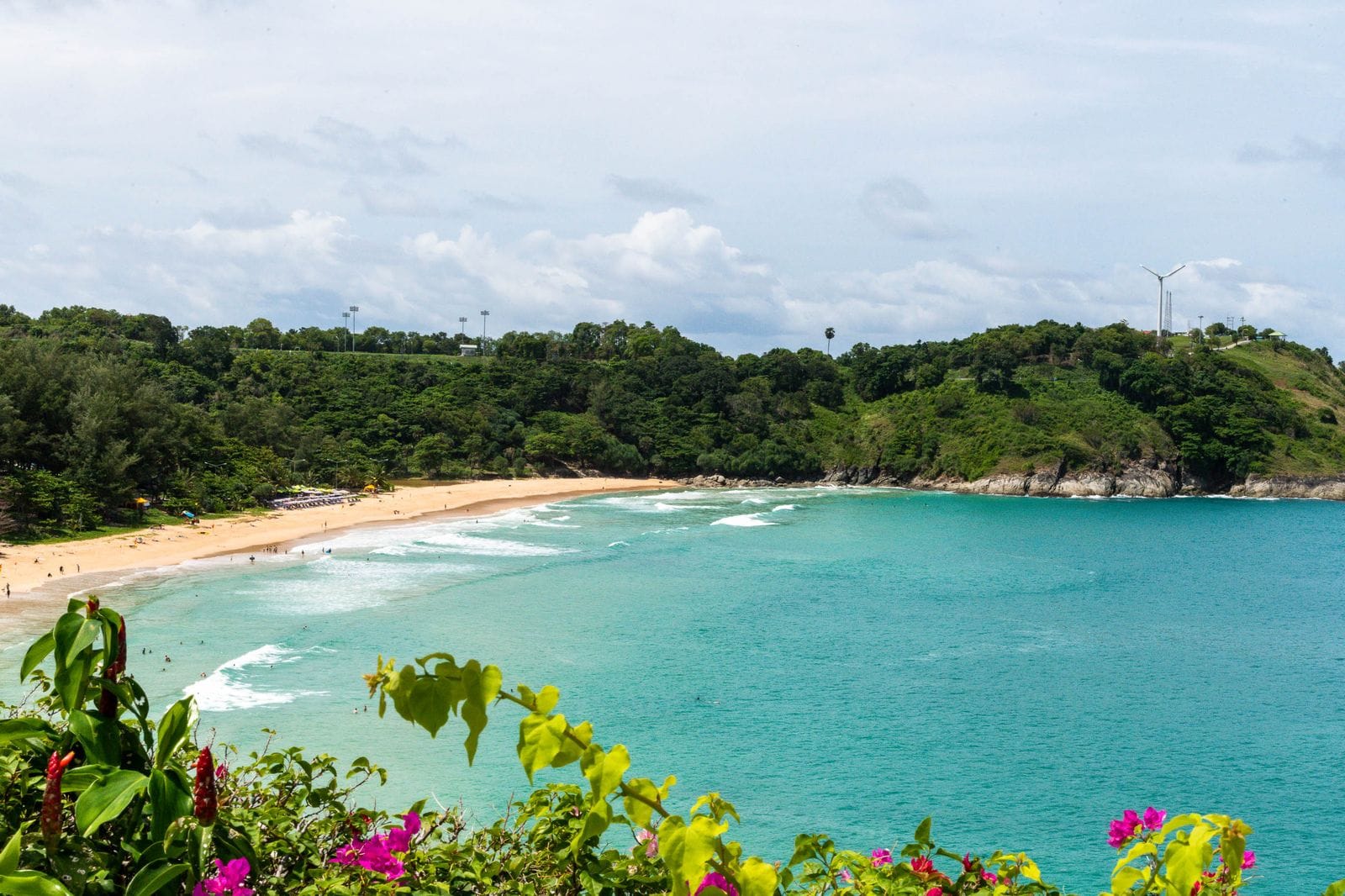
Thailand’s largest island and the easiest first base, with the widest choice of flights, hotels and organised day trips. Patong has the nightlife and the crowds; Kata and Nai Harn are calmer and better for families or couples who want a quieter beach without giving up easy transport links.
Koh Phi Phi
Reachable by speedboat from Phuket or Krabi in around 90 minutes. Most visitors treat it as a day trip rather than a stay, since accommodation is limited and expensive for what you get, and Maya Bay now enforces a visitor cap and timed entry to protect the reef.
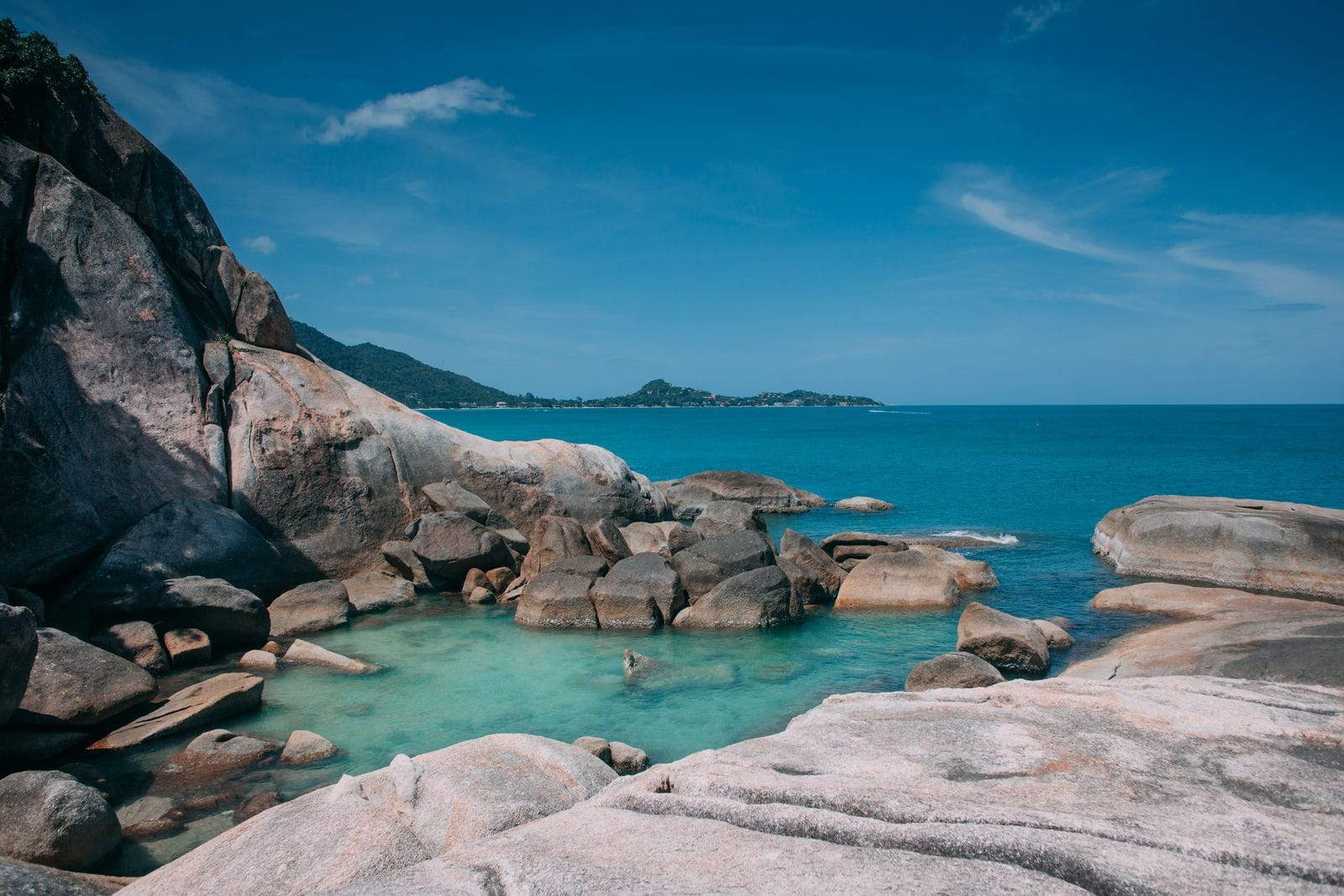
Koh Samui
Thailand’s second-most developed island, with a proper international airport and a more relaxed pace than Phuket. Chaweng has the resorts and restaurants; the north coast around Bophut’s Fisherman’s Village is quieter and better value.
Koh Phangan and Koh Tao
Koh Phangan is best known for the Full Moon Party but has calm, undeveloped beaches away from Haad Rin for the rest of the month. Koh Tao is Thailand’s diving hub, with some of the cheapest PADI certification courses in the world.
Which island should you choose?
For a first trip, Phuket is the easier choice. The flight connections are better, the hotel range covers every budget, and Phi Phi and Krabi are both an easy day trip away if you want to see the karst scenery without moving hotels.
Koh Samui works better as a second visit, once you already know the basics of getting around and want somewhere calmer. Koh Phangan and Koh Tao suit travellers building a longer island-hopping route rather than a single-base week.
If dramatic scenery matters more than nightlife, base yourself in Krabi on the mainland and treat Phi Phi as a day trip. Railay Beach, reached only by boat, has some of the best limestone cliff scenery in the country without an overnight island stay.
That is what real Thailand budget travel looks like once you get into the detail. For the latest Thailand holiday deals and cheap flights from the UK, check the Flight Tribe deals page. All offers are personally verified on the day of publication.
“Everyone asks me Phuket or Koh Samui, and I give the same answer every time: Phuket if it’s your first trip, Koh Samui once you already know what you’re doing. I booked Koh Phangan for a first visit years ago and spent half the week working out how to get anywhere. Do Phuket first, you’ll thank me later.”
Kate Acaster, Chief Editor, Flight Tribe
| Thailand quick facts | Detail |
|---|---|
| Flight time from UK | 11 to 12 hours direct with Norse Atlantic or Thai Airways |
| Currency | Thai baht (THB) |
| Visa for UK citizens | Not required for tourist stays up to 30 days (from 15 September 2026) |
| Time difference | UK +6 to 7 hours |
| Best months | November to February |
Frequently asked questions
Do I need a visa to visit Thailand from the UK?
No. Since 15 September 2026, UK citizens can enter Thailand visa-free for tourism for up to 30 days, and the stay can usually be extended by a further 30 days for a fee at an immigration office. Your passport must be valid for at least six months from arrival. Check the GOV.UK travel advice for Thailand before you book.
What is the cheapest time to visit Thailand from the UK?
November is the best month for most UK travellers heading to Bangkok or the Andaman coast, since the dry season has started and prices haven’t hit the Christmas peak. If you’re set on the Gulf islands like Koh Samui, aim for July or August instead, since they follow the opposite monsoon pattern.
How much does a week in Thailand cost?
A budget week outside flights runs around £220-350 per person on hostels, street food and public transport, while a mid-range week with a private room and restaurant meals costs closer to £450-650. Add roughly £350-550 for return flights from the UK.
Is Thailand safe for solo travellers?
Yes, Thailand is one of the easier long-haul destinations for solo travellers, with a well-worn route through Bangkok, Chiang Mai and the islands. Stick to registered taxis and Grab rather than unmarked cars, and buy travel insurance that covers scooter use if you plan to ride one.
Which is better for a first trip, Phuket or Koh Samui?
Phuket suits a first trip better, with more UK-friendly flight connections, a wider choice of accommodation, and easy boat trips to Phi Phi and Krabi. Koh Samui is quieter and works better as a second visit once you already know the country.
Do I need to complete anything before I arrive in Thailand?
Yes. Every visitor must complete the Thailand Digital Arrival Card (TDAC) online before arrival, which you can do within three days of landing. A ฿300 tourist entry fee for air arrivals has been proposed but, when we last checked, was not yet being collected, so confirm the position before you fly.
Can I travel between Bangkok, Chiang Mai and the islands without flying?
Yes, and it’s part of the experience. Overnight sleeper trains connect Bangkok and Chiang Mai in 12 to 14 hours, and regular ferries link the mainland to Koh Samui, Koh Phangan and Koh Tao, though Phuket and Krabi are usually reached fastest by bus or a short domestic flight.

Kate Acaster is Chief Editor at Flight Tribe. She writes about practical travel planning, budget airlines, baggage rules, city breaks, beach holidays and good hotels that do not cost daft money.
Kate has travelled through Europe, South America and beyond, usually with a notebook, a half-formed plan and a strong opinion on airport snacks. At Flight Tribe, her work focuses on helping UK travellers understand what is included, what costs extra, and whether a trip is worth booking at the price shown.
How Kate works
Kate checks the details that can change the value of a trip, including cabin-bag rules, airline fees, hotel location, seasonality, travel dates and booking conditions. She is especially interested in offers that look useful on the surface but need a proper reader-first check before they are worth recommending.
Editorial standards
Flight Tribe covers deals and travel advice for readers first. Affiliate links do not decide whether an offer is worth writing about.