
Published 1 September 2024 | Updated 30 August 2026 by Kate Acaster
Advertisement
Search flights and hotels
Getting more from your travel budget starts with one decision: your flight. A cheap fare unlocks everything else, so that is where this guide begins.
Budget travel from the UK is more accessible than it has ever been. Return flights to Europe for under £50 are common if you know when to look. A week’s package holiday to the Canaries or Turkey for under £300 per person is possible for those who book early and travel in the right months. None of it requires luck. Most of it requires timing.
Book your flight for less
The price of a flight depends on three things: when you search, when you fly, and which airline you choose. Getting these right can mean paying a third of what someone booking the same route at the wrong time will pay.
| Airline type | Best booking window | Sale timing | What to know |
|---|---|---|---|
| Budget short-haul (Ryanair, easyJet) | 4-8 weeks ahead | Roughly monthly | Cheapest seats sell out first Tue-Wed sales most common |
| Low-cost medium-haul (Jet2, TUI) | 8-12 weeks ahead | Quarterly | Package deals often beat DIY especially for beach resorts |
| Full-service UK (British Airways) | 8-16 weeks ahead | Biannual | Cheapest seats go in hours set an alert before the sale goes live |
| Long haul (all carriers) | 3-6 months ahead | Varies | January is historically the cheapest month for long-haul departures across the year |
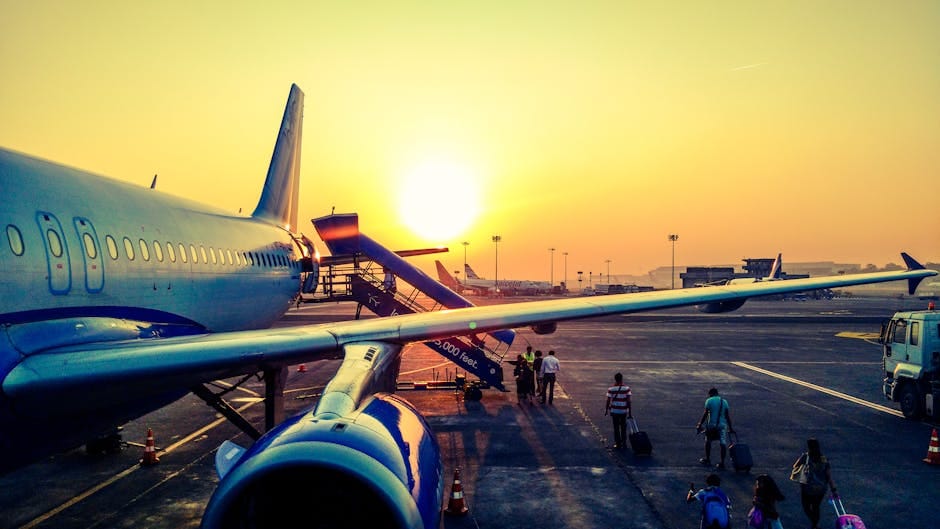
Ryanair runs flash sales roughly once a month, usually announced on a Tuesday or Wednesday morning. easyJet does the same. British Airways holds two major sales a year, and their cheapest seats sell within hours of going live. Getting on each airline’s email list is the simplest way to catch these without monitoring prices every day.
Skyscanner’s whole-month view and Google Flights’ price graph show how fares vary across an entire month. Moving a trip by three days can save £40 or £80 on some routes. Neither tool costs anything to use.
Flying from a secondary airport can also cut costs. Stansted to Krakow is often £15-25 cheaper than Heathrow to Krakow on the same airline. If you are travelling from the Midlands, Birmingham or East Midlands Airport can undercut London fares while also cutting drive time and parking costs. The same logic applies long-haul: flying into Newark instead of JFK for a New York trip is often $50-100 cheaper on the same route, a trade-off covered in Flight Tribe’s New York on a budget guide.
For more detail, see our guides on how to get cheap flights in the UK, Ryanair sale dates, British Airways sale dates, and the cheapest day to book flights.
Find affordable accommodation
Where you stay has the second biggest impact on total costs. Most people overpay because they book accommodation as an afterthought, once flights and plans are already set. Treating it as a separate decision, made early, opens up considerably better options.
| Type | Cost range (per night) | Best for | Watch out for |
|---|---|---|---|
| Hostel dorm bed | £15-40 | Solo travellers, backpackers | Quality varies widely read recent reviews carefully |
| Budget hotel (Ibis, local chains) | £50-90 | Couples wanting privacy | Hidden extras add up parking, resort fees, breakfast |
| Private Airbnb room | £45-80 | Couples and small groups | Service fees add 15-20% check total before comparing to hotels |
| Full apartment rental | £70-130 | Groups and families | Cleaning fees hurt short stays best value for three nights or more |
| Camping or glamping (UK) | £15-60 | UK summer trips | Weather-dependent good sites book up months ahead in summer |

Hostels in Central and Eastern Europe are a different experience from the reputations that put people off them. Well-reviewed properties in Prague, Budapest, and Krakow offer clean en-suite dorms, on-site bars, and a social atmosphere for under £20 per night. Many also have private rooms that undercut budget hotel rates on the same street.
Budget hotel chains in Europe charge roughly £50-80 per night in most major cities. Always check whether breakfast is included before booking. An £8-15 add-on for two people changes the value comparison significantly.
For groups, renting an apartment through Booking.com or Airbnb almost always beats hotels on a per-person basis. The catch is the service and cleaning fee, which makes short stays less efficient. Three nights or more is usually the point where apartment rental pays off over multiple hotel rooms.
Staying 10-15 minutes outside the city centre, connected by metro or tram, often cuts accommodation costs by 20-30% with no meaningful impact on the trip. Many of Europe’s best neighbourhood restaurants, markets, and bars are away from tourist centres anyway.
Timing your trip around price peaks
The biggest variable in holiday costs that most people do not control is timing. School holidays push flight and package prices up by 30-80%. The premium varies by period, but understanding the pattern lets you either avoid it or plan around it.
| Period | Typical premium | Best alternative timing | Note |
|---|---|---|---|
| August peak | +40-80% | First two weeks of September | Schools return late August to early September prices drop sharply after the first week |
| October half-term | +20-40% | First two weeks of October | Narrow window before half-term starts exact dates vary by local authority |
| February half-term | +15-30% | Late January | Short window and cold shoulder season ski deals available as a counterpoint |
| Easter | +30-50% | Week before Easter Sunday | Prices ramp up about two weeks ahead book early or travel in the lead-up week |
| Christmas and New Year | +50-100%+ | First two weeks of January | January sunshine escapes are among the best deals of the year Canaries and Caribbean in particular |
| School term time | None | Any week | Consistently the best value for those without school-age children avoid bank holidays too |
For a full breakdown, see our guide on how school holidays affect flight prices and our analysis of the best time to book a holiday from the UK.
Save money at the airport and on the plane
Airports are expensive by design. The layout, timing rules, and fee structures are all built to extract money at predictable moments. Understanding where the costs come from makes it much easier to avoid them.
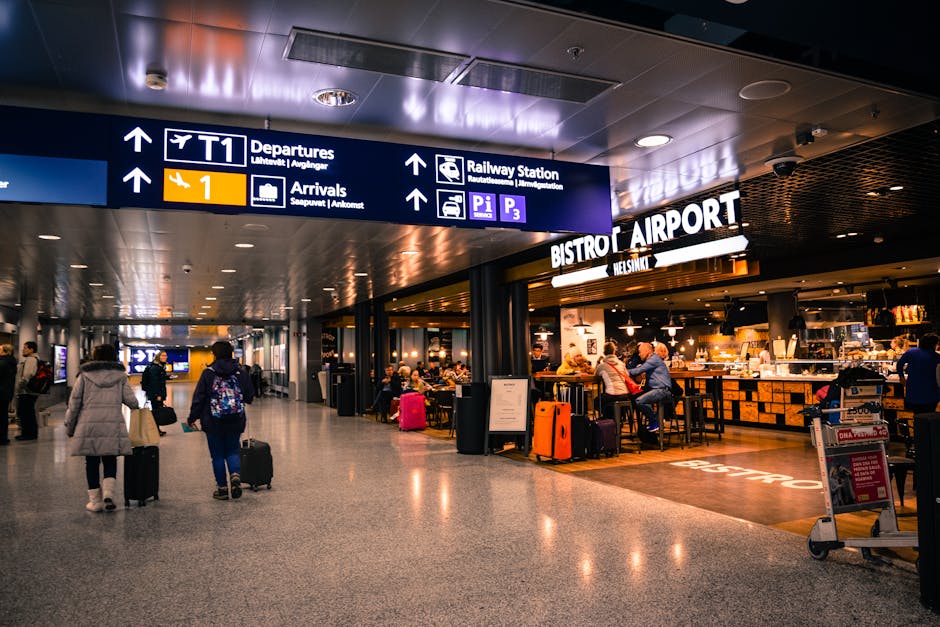
Travelling hand-luggage only is the single most effective way to cut the cost of a budget airline ticket. Ryanair charges £25-40 per bag in each direction, depending on size and when you add it. easyJet and Jet2 are similar. On a return trip for two people, that adds up to £100-160 in bag fees on top of the base fare. Carrying on only removes all of it.
Each airline has different cabin bag dimensions. Ryanair’s free personal item is smaller than easyJet’s carry-on allowance. Getting the sizing wrong means paying a gate fee that typically costs more than pre-booking a hold bag. Check our full guide to UK airline hand luggage sizes before you pack.
Food past security costs roughly twice what the same item costs outside the terminal. A meal deal from a supermarket before you arrive costs nothing extra. Most major UK airports have water refill points once you are through security, which removes the £2-3 bottle cost too.
Pre-booking parking at least two weeks ahead saves 40-60% compared with booking on arrival or in the final few days. Off-airport car parks with a courtesy bus run 30-50% cheaper than on-site options. Compare prices on a dedicated site rather than just the airport’s own page, where on-site options are always featured first.
Check in online and download your boarding pass before arriving. Most budget airlines charge £25-55 for a boarding pass printed at the airport desk.
One question that comes up often: do easyJet flights get cheaper closer to the date? Our easyJet last-minute pricing guide covers this in detail, but the short answer is rarely, and not reliably enough to plan around.
Budget well for food and drink
Food is one of the easiest areas to overspend on without noticing, and one of the easiest to control. The key is knowing where the value is before you arrive, not discovering it on day three.
Lunch menus are one of the best deals in European travel. In France, the formule at a local brasserie offers two courses with a glass of wine for £12-18. In Spain, the menu del dia at a neighbourhood restaurant covers three courses with bread and a drink for under £12. The same restaurant at dinner will charge twice as much for the same quality. The pattern repeats across most of Southern Europe.
Supermarkets across Europe are well stocked for a self-service breakfast. Fresh bread, local cheese, yoghurt, fruit, and good coffee beans cover four or five mornings for less than the cost of two hotel breakfasts. Most countries have a decent own-brand range that is better value than anything in a hotel dining room.
Street food in Southern Europe, Southeast Asia, and Latin America is often the best food available at the lowest prices. In Thailand, a bowl of noodles from a street vendor costs £1-2. In Portugal, a pastel de nata from a local pastelaria costs around 90p. These are not inferior options; they are what local people eat.
Drinks mark-up at sit-down restaurants is substantial across Europe. A 500ml beer at a bar in Spain might cost £4-6. The same beer from a supermarket is £1-1.50. Buying drinks for an evening at your accommodation, rather than at a bar, costs a fraction of a bar tab and is a perfectly normal thing to do.
Choose the right destination for your budget
Some destinations stretch your money further than others. The gap between the cheapest and most expensive European city breaks can be £50 per person per day or more. Getting this right at the planning stage shapes everything that follows.
| Destination type | Daily budget (per person) | Good options | Notes |
|---|---|---|---|
| Eastern European city break | £40-70 | Prague, Budapest, Krakow, Warsaw | Cheap flights and low daily costs strong food, culture, and nightlife |
| Western European city break | £70-120 | Berlin, Lisbon, Porto, Amsterdam | Higher costs but wide flight choice Berlin especially good value for culture |
| Mediterranean beach | £50-90 | Algarve, Costa Blanca, Greek islands | Package deals often beat DIY all-inclusive worth pricing for families |
| Long-haul beach or adventure | £35-65 (excl. flights) | Thailand, Vietnam, Bali, Morocco | Low daily costs offset the higher fare most worthwhile for stays of 10 days or more |
| UK domestic | £70-130 | Scotland, Lake District, Cornwall | No flights needed peak-season UK can cost more per day than Europe |
See our detailed guides for budget travel in Berlin and a full breakdown of whether Prague is genuinely cheap for UK visitors.
Frequently asked questions
What is the cheapest way to travel in the UK?
The cheapest option depends on your route, but advance train tickets booked 12 weeks ahead, budget coach services such as National Express and Megabus, and shared car journeys cover most trips for significantly less than last-minute rail fares. For short journeys, a Megabus coach can cost under £5.
How much does a cheap holiday cost from the UK?
A budget long weekend to Europe, including return flights, accommodation, and spending money, is achievable for £200-350 per person. A week in Eastern Europe during school term time can come in under £400 per person including a mid-range hotel.
Is it cheaper to book flights last minute?
No. Last-minute flights from the UK are almost always among the most expensive seats available, because budget airlines fill their cheapest seats first and prices rise as the departure date approaches. Planning ahead consistently gets better prices.
What’s the cheapest month to fly from the UK?
January is the cheapest month for long-haul routes, often by a significant margin. For European short-haul, November and February offer the next lowest prices, with the fewest competing travellers on most routes.
How do you avoid airport bag fees on budget airlines?
Book hand-luggage-only fares from the start and pack within the airline’s free cabin bag dimensions, which differ between carriers. If you do need a hold bag, add it at booking rather than at the airport, where gate fees are typically two to three times higher.
What are the best budget airlines from the UK?
Ryanair and easyJet fly the most routes and run the most frequent sales. Jet2 is worth checking for Mediterranean and Canary Islands packages, and Wizz Air often undercuts both on Eastern European routes from several regional UK airports.

Kate Acaster is Chief Editor at Flight Tribe. She writes about practical travel planning, budget airlines, baggage rules, city breaks, beach holidays and good hotels that do not cost daft money.
Kate has travelled through Europe, South America and beyond, usually with a notebook, a half-formed plan and a strong opinion on airport snacks. At Flight Tribe, her work focuses on helping UK travellers understand what is included, what costs extra, and whether a trip is worth booking at the price shown.
How Kate works
Kate checks the details that can change the value of a trip, including cabin-bag rules, airline fees, hotel location, seasonality, travel dates and booking conditions. She is especially interested in offers that look useful on the surface but need a proper reader-first check before they are worth recommending.
Editorial standards
Flight Tribe covers deals and travel advice for readers first. Affiliate links do not decide whether an offer is worth writing about.